To reduce the structural complexity and maintenance cost associated with conventional swashplate mechanisms, a swashplateless rotor with a teetering hinge is studied. The rotor achieves cyclic pitch control through periodic acceleration and deceleration of the motor combined with a tilted lag-pitch hinge. However, the blade motion and cyclic pitch generation mechanism of the rotor are complex, and its dynamic characteristics still lack systematic modeling and analysis. Therefore, the dynamic model of the blade is established based on Lagrangian mechanics and the blade element method. In addition, a closed-loop motor speed control scheme based on quasi-proportional resonant (QPR) control and active disturbance rejection control (ADRC) is designed. Simulation and bench experimental results demonstrate that the rotor can achieve effective cyclic pitch variation and adjustable thrust vector control, and that the theoretical analysis agrees well with the experimental results, providing a feasible solution for the simplification and lightweight design of rotor systems for micro aerial vehicles (MAVs).
To address the challenge of generating inspection paths without prior global information, this study proposes a vision-based UAV guidance method that operates independently of global maps. The proposed approach uses a hybrid point-line geometric modeling strategy to model blade features within the region of interest, forming a stable Y-shaped representation. This effectively overcomes the instability of traditional image processing algorithms in complex backgrounds. A nonlinear least-squares iterative optimization strategy is then introduced to enhance the accuracy and noise resistance of pose estimation. At the guidance level, a Lyapunov vector field with curvature constraints is designed, enabling the UAV to perform smooth and stable circumnavigation around the wind turbine. Simulation results demonstrate that the proposed method achieves a pose estimation error below 7 %, with speed command updates exceeding $\text{1 2 ~ H z}$. The UAV orbit converges closely to the reference trajectory, indicating desirable accuracy and robustness in wind turbine inspection tasks.
Locating veins is the prerequisite for intravenous cannulation, which is frequently used in medical treatment. At present, vein localization is still performed manually. However, in some special cases, the senses of touch and vision of medical staff will be greatly restricted. For example, in fighting pandemics, medical staff must wear goggles and protective gloves to prevent infection, which will affect the success rate of intravenous cannulation. In this paper, a deep learning-based method is proposed to solve this problem. A lightweight convolutional neural network called VV-Net is proposed to visualize veins from RGB skin images. Feature loss is included in the loss function to emphasize the relationships inside a neighborhood of the output image. A fusion strategy including structure optimization, parameter pruning and post training quantization is presented to further compress the network. Then the model is deployed to a smartphone. Experiments were conducted to evaluate the proposed method and its mobile terminal performance. Subjective observation and objective indices show that the proposed method can achieve good visualization results. The generalization performance as well as the test on skin images with vein disease are also satisfactory. It shows that the proposed method has prospective applications in the future medical treatment.
This study investigates the impact of aircraft flight states on the dynamic performance of the propulsion system and the consequent modifications to aircraft motion modes. Integrated flight-propulsion modeling is achieved by establishing interaction mechanisms between the propeller and aircraft. The propeller performance parameters are computed using VSPAERO. The multivariate functions relating propeller performance parameters to the advance ratio and inflow angle are fitted by employing the Response Surface Method. A flight-propulsion integrated dynamic equation, which incorporates the dynamic coupling between the flight and propulsion systems, is established. The results indicate that significant differences are observed in the characteristics of the longitudinal and lateral-directional motion modes, particularly in terms of stability, damping, and response speed. Specifically, the long-period damping ratio is increased by a factor of 17, and the long-period natural frequency is increased by 27.38 %. These discrepancies demonstrate that traditional uncoupled models cannot sufficiently represent the true aircraft dynamic behavior under flight-propulsion interactions. Therefore, to establish highfidelity aircraft motion models and achieve efficient flight control, it is necessary to consider the dynamic influence of flight states on the propeller and to perform flight-propulsion integrated modeling.
Currently, algorithms based on 3D Convolutional Networks have demonstrated remarkable efficacy in the domain of dynamic gesture recognition, exhibiting high levels of accuracy and temporal modeling capabilities. However, these algorithms often involve significant computational cost, with high GFLOPs, which impose stringent hardware requirements and hinder practical applications in the future. The prevailing 3D Convolutional Networks accept a fixed number of video frames as input when processing all categories of gestures. In real-world scenarios, different gestures have varying durations, and the speed of performers' actions also differs. Therefore, it is important for the network to adapt its input to different gestures, since the GFLOPs of the algorithm is directly related to the number of video frames input to the network. To address this issue, we propose the introduction of the Similarity Guided Sampling (SGS) module to reconstruct the baseline network in dynamic gesture recognition. This module aggregates sliced inputs into groups, enabling the network to adaptively adjust the temporal feature resolution to different gestures. Additionally, we refine the sampling strategy of the module to better preserve crucial information. Experimental results on the EgoGesture Dataset demonstrate that our approach outperforms other methods, striking a balance between high recognition accuracy and reduced computational cost (GFLOPs).
This paper establishes a hybrid system model for a morphable unmanned aerial-aquatic vehicle (UAAV), named Mirs-Alioth, incorporating hydrodynamic parameters through the first principle. Unlike other current UAAVs, variable thrust tilt angles make Mirs-Alioth's model mutable. Thus, this paper directly employs geometric features of the vehicle, integrating a morphing model into a comprehensive dynamics of the vehicle and switching models between different media triggered by depth. The comprehensive model parameters including the rigid body part and the hydrodynamic part is then identified through experiments and computational fluid dynamic (CFD) methods.
In this paper, we present in this work a fairly complete process for developing an unmanned aerial-aquatic vehicle system, TJ-FlyingFish, which includes an innovative design methodology of the aerial-aquatic platform and the cross-medium localization, dynamics modeling, and flight control systems. The development faces the challenge how to manipulate locomotion effectively in both water and air which presents substantial differences in fluid properties. Additionally, there are difficulties in perception and navigation because of the discontinuity of mediums. To cope with these challenges, we designed an innovative unmanned aerial-aquatic vehicle with an optimized dual-speed and tilting propulsion configuration. The rotors/propellers operate in different ranges of rotating speed in the two different mediums, providing sufficient thrust and ensuring output efficiency. Besides, thrust vectoring is achieved by rotating each propulsion unit around its mounted arm, facilitating agile underwater cruising. Another key component of our approach is a sophisticated multi-sensor-based cross-medium localization system that combines SLAM, sensor synchronization, and data capture mechanisms, enabling seamless transitions between aerial and aquatic environments, and supporting autonomous operations. The results are fully validated through actual flight experiments.
Hybrid Electric Propulsion System (HEPS) is one of the ways to reduce aircraft environmental pollution. However, the objective function of aircraft HEPS for intelligent search design is relatively simple at present. In this article, a new method for solving the objective function of HEPS intelligent design was proposed, which solves the problem of poor accuracy of power level modeling and improves the ability to explore global optimal results. This article took the fixed-wing UAV that mainly performs long-range flight task as an example. The load curve solving methods were compared and entire calculation structure was optimized for computational efficiency. And the results of more than 13% fuel saving rate with high fuel efficiency compared with pure fuel powered flight were obtained. The combination of Energy Management Strategy (EMS) participation in load curve solving and further Dynamic Programming (DP) optimization in objective function solving was proved to be optimal.
Attitude control of a quadrotor unmanned aerial vehicle is still a hot research topic. Active disturbance rejection control attracts more attention recently. This paper takes into account the dynamics of the propulsion system and designs a higher-order active disturbance rejection controller with compensation of partial model information. Simulation and experiment demonstrate that the proposed controller presents better performance and robustness compared with the traditional active disturbance rej ection controller.
The research on autonomous landing of vertical take-off and landing (VTOL) unmanned aerial vehicles (UAVs) is well established. However, the research on autonomous deck landing using visual methods is relatively not so mature and many of them require the support of ground infrastructures. In order to reduce such dependencies, a ship landing guidance strategy based on on-board vision is studied. Considering the characteristics of the ship landing issue, we propose a three-phase landing scheme and a decision-making method to ensure landing safety is also studied. For improving the traditional two-dimensional (2D) optical-flow method, a three-dimensional (3D) velocity vector estimation method using image spherical optical flow is studied. Furthermore, a guidance law based on the tau theory is employed by only using the visual information of the line of sight to the target. In this phase, a trajectory-tracking controller is applied to generate the velocity commands of the UAV. Finally, the whole algorithm is validated by simulation in different wave conditions developed with Unity3D. Compared with traditional trajectory planning methods, our method does not require complex optimization iterations and can meet both the real-time and accuracy requirements of deck landing. The average tracking error of our method maintains in 0.2 m. Moreover, the whole algorithm runs efficiently at around 30 fps on a Raspberry-Pi 3B+ microcomputer which meets the real-time requirements.
Modeling of cross-medium vehicles with complex shapes still requires a thorough investigation. This paper proposes a multi-method combination modeling approach to tackle such a problem. First-principle model is derived to determinate a model structure. Experiments are then set up to estimate parameters related to its rigid-body model and propulsion system. Computational fluid dynamics (CFD) is performed to calculate and identify coefficients related to surrounding fluid. Base on the model obtained, we systematically investigate the possible steady motion of the cross-medium vehicle and analyze their related performance. Results are instrumental for designing controllers for the vehicle to perform autonoumous missions.
We present in this paper a comprehensive software system architecture for unmanned aerial vehicles. More specif ically, a top-down divide and conquer method is utilized in developing the logical representation of the overall system, with standard professional approaches, such as ftow diagram and task structure diagram. The overall system consisting of two unmanned vehicles and a ground control system is demon strated with both hardware-in-the- Ioop simulation and practical formation ftight tests. We should note that the same architecture can be adopted in other forms of unmanned systems including unmanned ground vehicles and underwater vehicles. Index Terms-Unmanned aerial vehicles, ftight software sys tems, ftight experiment.
Aerial-aquatic vehicles are capable to move in the two most dominant fluids, making them more promising for a wide range of applications. We propose a prototype with special designs for propulsion and thruster configuration to cope with the vast differences in the fluid properties of water and air. For propulsion, the operating range is switched for the different mediums by the dual-speed propulsion unit, providing sufficient thrust and also ensuring output efficiency. For thruster configuration, thrust vectoring is realized by the rotation of the propulsion unit around the mount arm, thus enhancing the underwater maneuverability. This paper presents a quadrotor prototype of this concept and the design details and realization in practice.
Biometrics are the among most popular authentication methods due to their advantages over traditional methods, such as higher security, better accuracy and more convenience. The recent COVID-19 pandemic has led to the wide use of face masks, which greatly affects the traditional face recognition technology. The pandemic has also increased the focus on hygienic and contactless identity verification methods. The forearm is a new biometric that contains discriminative information. In this paper, we proposed a multimodal recognition method that combines the veins and geometry of a forearm. Five features are extracted from a forearm Near-Infrared (Near-Infrared) image: SURF, local line structures, global graph representations, forearm width feature and forearm boundary feature. These features are matched individually and then fused at the score level based on the Improved Analytic Hierarchy Process-entropy weight combination. Comprehensive experiments were carried out to evaluate the proposed recognition method and the fusion rule. The matching results showed that the proposed method can achieve a satisfactory performance.
考虑垂直起降无人机着舰问题的特殊性,提出了一种基于机载视觉的自主着舰方案.突破了传统2D光流测速的弊端,利用图像球面光流估计出目标舰船的三维速度矢量.为解决传统位置控制方案对着落轨迹精度控制不足的问题,利用Tau理论实时规划出一条满足着舰软着落约束条件的期望轨迹,最终以无人机三维飞行速度矢量作为控制量设计了轨迹跟踪控制器.基于Unity3D软件开发视景仿真环境,模拟不同海况条件,对所设计系统进行了半实物闭环仿真验证.与传统轨迹规划方案相比,所提方法无需复杂优化迭代计算,能同时满足着舰的实时性和精确性需求.
A Predictive fifth-degree Cubature Kalman Filter(P5thCKF) method, which combines the Predictive Filter(PF) and the High-degree Cubature Kalman Filter(HCKF) is proposed for strongly nonlinear and non-Gaussian process noise systems. The PF is used to adjust the process noise and variance matrix in the system model in real time, and then the new model is put into the fifth-degree cubature Kalman filter framework to perform real-time recursive state estimation. The fifth-degree spherical simplex-radial rule is derived and is used to deal with spherical integration, and the generalized Gauss-Laguerre integral rule is used to deal with radial integration. The predictive filtering method is described, and the error adjustment amount of the model derived. The feasibility of the proposed method in strongly nonlinear and non-Gaussian process noise systems and its possible application to engineering practice are verified by two simulation experiments.
One of the most challenging tasks in deep feature representation is the amount of data required for training. The fields like forearm-vein biometric, data collection is too difficult plus are too time-consuming. Thus, we proposed a simple yet powerful data augmentation based self-attention method for a biometric system that involves only a single image per subject for feature learning. We call it the FAV-Net (ForeArm-Vein Network). A strong data augmentation method is proposed to extract vascular patterns from the NIR forearm image. Extensive experiments are performed on NTU forearm NIR image database that shows our proposed method can significantly outperform the state-of-the-art methods and is consistent with class incremental learning.
Detecting objects in aerial images is very important for surveillance, security and military applications. The quality of hazy aerial images is severely degraded because the image acquisition device is far away from the ground target. Due to the small change in scene depth, the atmospheric light estimation is prone to deviation. Therefore, traditional image dehazing methods cannot achieve satisfactory results. In this paper, we design a dehazing algorithm based on boundary constraint and color correction to enhance image details and improve accuracy of target detection. The boundary constraint is used to obtain the medium transmission of the structure layer after image decomposition. The transmission is optimized by the context regularization based on the weighted L1 norm to obtain a dehazed structure layer with clear edges. Then the dehazed structure layer and the enhanced texture layer are combined, and the image brightness is adjusted through blind inverse gamma correction to improve the visual effect. Experiments show that our algorithm can enhance the contrast of aerial images and is better than other methods in improving the accuracy of target detection in hazy aerial images.
自控原理实验课是自动控制及其相关专业的一门重要专业基础实验课,是帮助学生理解理论知识和培养学生动手能力的一个重要的教学环节.随着互联网的普及和虚拟仿真技术的发展,为了增强实验教学培养的效果,该研究提出了一种基于互联网学习平台软件和飞行控制虚拟仿真实验平台的自控原理实验教学模式.实验前,通过丰富的线上预习资源帮助学生为实验课做好充足的准备.面授实验教学中,结合传统电子线路模拟仿真实验箱和具有工程应用背景的虚拟仿真实验平台来实现多元化多层次教学,激发学生的学习兴趣和探索创新的动力.实验后通过综合评价反馈机制改进教学内容和方法.整个教学体系闭环高效,使实验教学质量得到有效提高.
信道编码课程是电子信息类专业的一门重要课程,涉及抽象的代数和概率理论,故较为抽象、枯燥难懂,学生难以从所学知识联系工程实践.因此,在讲授信道编码基础知识的过程中,加入5G编码标准制定的知识和故事,引导学生建立"性能"与"成本"的工程设计思维.进而引入翻转课堂,引导学生们代入竞标通信企业的角色,模拟5G编码的标准制定会议,通过展示与辩论使学生们深刻理解看似枯燥知识的价值,激发学生科研创新的热情和报效祖国的志向.
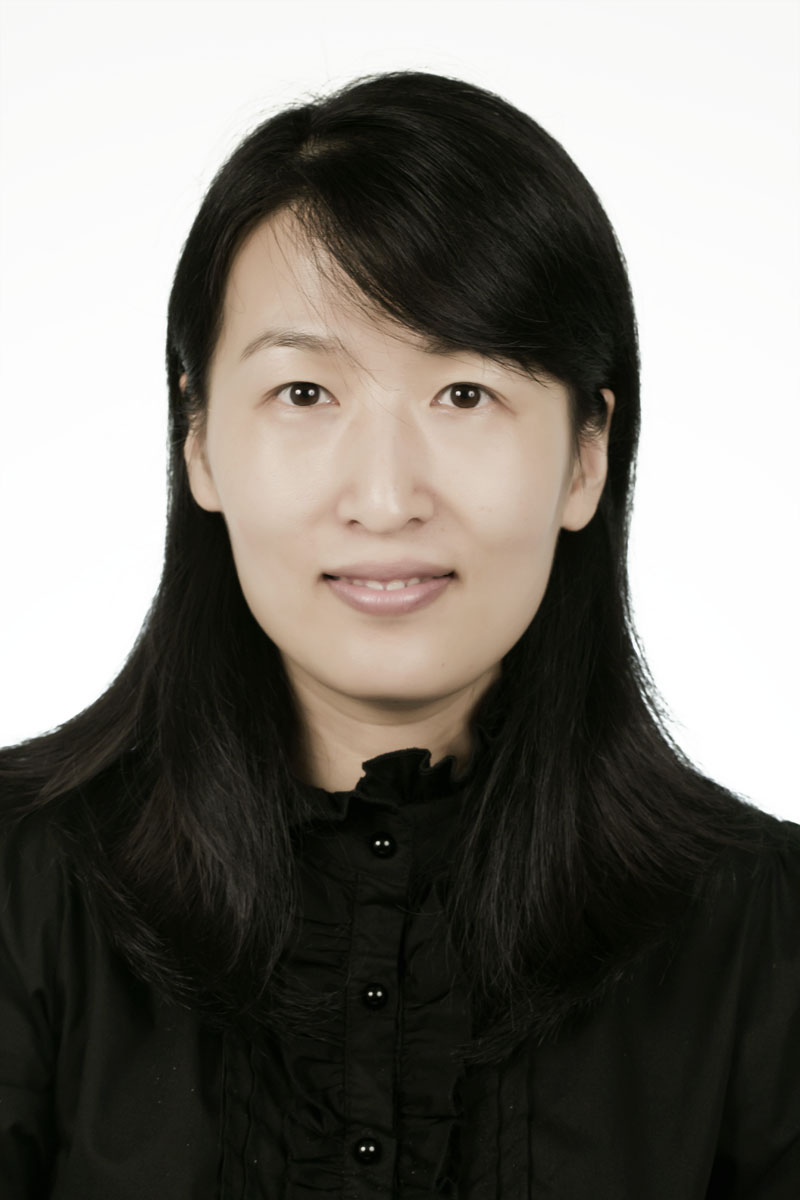 Yingchao Tang (唐超颖)合作论文数College of Automation Engineering, Nanjing University of Aeronautics and Astronautics44
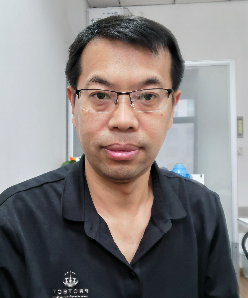 Guili Xu (徐贵力)合作论文数College of Automation Engineering, Nanjing University of Aeronautics and Astronautics31
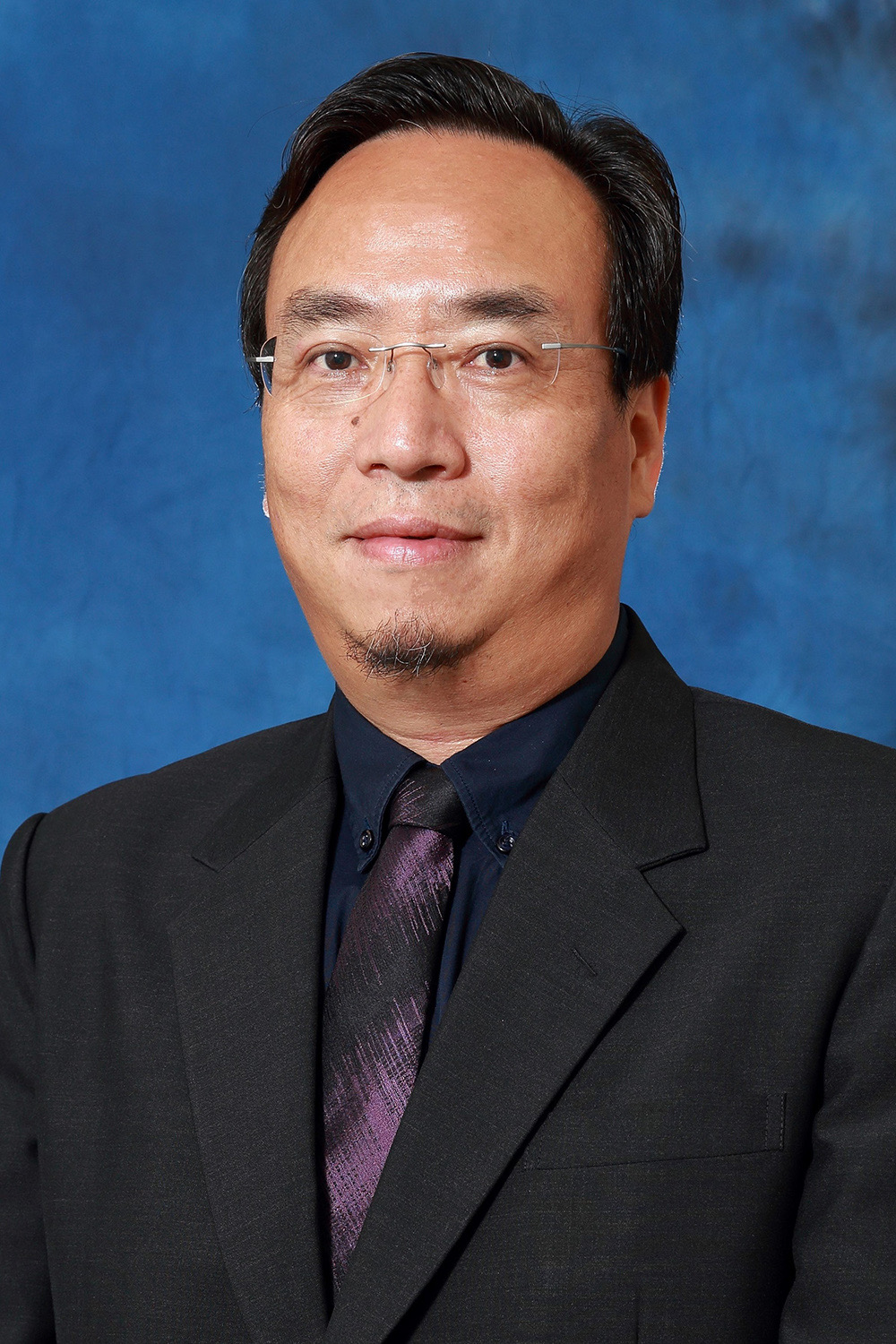 Ben M. Chen (陳本美)合作论文数Department of Mechanical and Automation Engineering, Faculty of Engineering, Chinese University of Hong Kong22
 Yupeng Tian (田裕鹏)合作论文数College of Automation Engineering, Nanjing University of Aeronautics and Astronautics21
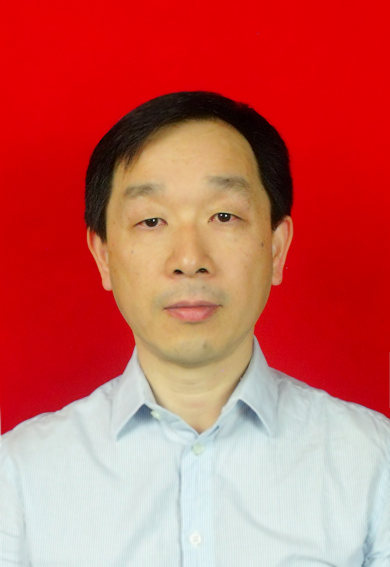 Yunfeng Cao (曹云峰)合作论文数College of Astronautics, Nanjing University of Aeronautics and Astronautics14
 LiKui Zhuang (庄丽葵)合作论文数12
 Kaiyu Li (李开宇)合作论文数College of Automation Engineering, Nanjing University of Aeronautics and Astronautics10
 Dongxiang Xu合作论文数8
 Tong Heng Lee合作论文数Department of Electrical and Computer Engineering, College of Design and Engineering, National University of Singapore;Graduate School, National University of Singapore8Jinqiang Cui合作论文数National University of Singapore8Shen Chun-lin合作论文数7
 Fei Wang合作论文数7
 Swee King Phang合作论文数Sch Engn, Taylors Univ6
 Delin Luo (罗德林)合作论文数School of Aerospace Engineering, Xiamen University6Zhennan Yao合作论文数5
 Zhong Yang (杨忠)合作论文数College of Automation Engineering, Nanjing University of Aeronautics and Astronautics5
 Shupeng Lai合作论文数5
 Feng Lin合作论文数Temasek Laboratories, National University of Singapore5Minghao Dou合作论文数4
 Mengen Qian合作论文数4
 Dongyue Huang合作论文数4
 Xuchen Liu合作论文数4Xianghui WEI (魏祥灰)合作论文数4
 Yuehua Cheng (程月华)合作论文数College of Automation Engineering, Nanjing University of Aeronautics and Astronautics4Zhisheng Wang (王志胜)合作论文数College of Automation Engineering, Nanjing University of Aeronautics and Astronautics4
 Lihua Dou (窦丽华)合作论文数School of Automation, Beijing Institute of Technology4
 Hui Yang (杨慧)合作论文数School of Energy and Power Engineering, Beihang University4
 Kun Li合作论文数4
 Ruipeng Guo (郭瑞鹏)合作论文数College of Electrical Engineering, Zhejiang University4
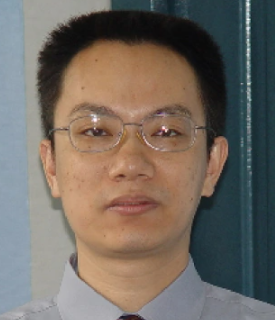 Melvin Ye (叶永强)合作论文数College of Automation Engineering, Nanjing University of Aeronautics and Astronautics4
 Tao Pang合作论文数Boston Dynamics AI Institute;The AI Institute3Songqun Gao合作论文数3Xue Ren合作论文数3Ru Jia合作论文数3WANG Xi-chao合作论文数3Yufeng Zhang合作论文数3Shanshan YANG (杨姗姗)合作论文数3XiaoBin Ding (丁晓彬)合作论文数3
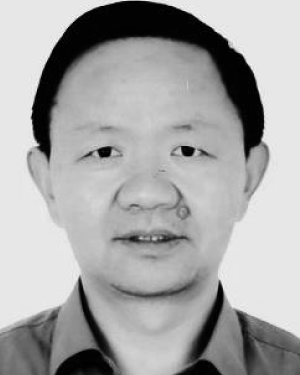 WenHai Wu (吴文海)合作论文数3XingHua Liu (刘兴华)合作论文数3丁萌合作论文数College of Civil Aviation, Nanjing University of Aeronautics and Astronautics3
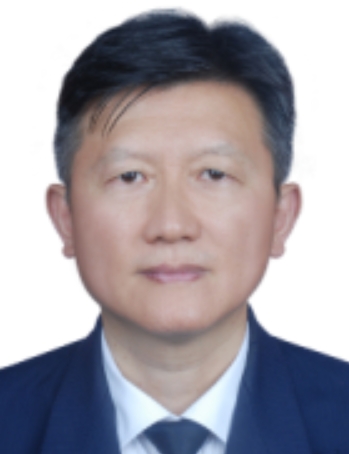 Jingdong Wang (王敬东)合作论文数College of Automation Engineering, Nanjing University of Aeronautics and Astronautics3Jiufu Liu (刘久富)合作论文数College of Automation Engineering, Nanjing University of Aeronautics and Astronautics3
 Peidong Liu (刘沛东)合作论文数Computer Vision and Geometric Learning Lab, School of Engineering, Westlake University3
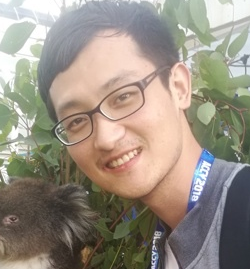 Shiyu Zhao (赵世雨)合作论文数Department of Computer Science, Rutgers University3
 Haiyang Liu (刘海阳)合作论文数3
 Qinyuan Ren (任沁源)合作论文数College of Control Science and Engineering, Zhejiang University3




