Objective: This study retrospectively evaluated the effects of treatment methods (bupropion and varenicline) used in the smoking cessation process on depression and anxiety among individuals who applied to the Hendek State Hospital Smoking Cessation Polyclinic. Materials and Methods: The Fagerström Nicotine Dependence Test (FNDT) and a questionnaire form developed specifically for this study by a pulmonologist working in the outpatient clinic were prepared. In addition, the scores obtained from the Hamilton Depression (HAM-D) rating and Hamilton Anxiety (HAM-A) rating scales were also analyzed. Results: In Spearman correlation analysis, a positive, high-level, statistically significant relationship was found between the HAM-D rating scale scores received by individuals in the first interview and the HAM-A rating scale scores (n=20, r=0.704, p=0.001). A positive, high-level, and statistically significant relationship was found between the scale scores they received in the second interview (n=20, r=0.784, p=0.001). The decrease in anxiety levels was not found to be statistically significant. Statistically significant reductions in depression levels were observed in participants (bupropion group: p=0.016; varenicline group: p=0.028). However, the decrease in anxiety levels was not statistically significant (bupropion group: p=0.069; varenicline group: p=0.150). Conclusions: The findings showed a statistically significant decrease in depression levels in individuals who received both bupropion and varenicline treatment. The research results emphasize that attention should be paid not only to the physical dependence level of individuals but also to their psychological state in the smoking cessation process.
Bruxism is jaw muscle activity that can cause functional and aesthetic changes in the jaw and dental structures of individuals. It can be observed during sleep or while awake. Owing to the disadvantages of using polysomnography (PSG) for the definitive diagnosis of bruxism, it is important to develop alternative and reliable diagnostic systems. In this study, we propose a noninvasive and practical solution for diagnosing sleep bruxism using photoplethysmogram (PPG) and heart rate variability (HRV). We created a database by extracting features from PPG and HRV. We used Principal Component Analysis (PCA) to reduce the data size and Fisher’s feature selection algorithm to identify the most important features. Using four artificial intelligence (AI) algorithms, we built classification models that distinguished bruxism labels from control labels. The models were optimized and tested using unseen data. We evaluated the performance of the models using six criteria and validated them using leave-one-out (LOO). Singular Value Decomposition (SVD) of HRV is the most important biomarker for separating bruxism from control data. In addition, the durations of the falling and rising edges of the PPG and the amplitude values of these durations in some percentiles are also important for increasing classification success. The results, methodology used, and easy acquisition of PPG and HRV make it possible to apply the proposed model to embedded systems. The use of the proposed model in clinical evaluation provides significant advantages. This study is innovative in the literature and sheds light on future studies.
Obstructive sleep apnea syndrome (OSAS) is a life-threatening disease characterized by upper airway narrowing or obstruction. The diagnostic process is difficult, costly, and time-consuming. Many individuals with OSAS do not apply for a diagnosis or are unaware of their disease. This study aimed to develop a practical, fast, and reliable diagnostic system for early diagnosis and treatment of OSAS. For the first time, features were extracted from flow-volume curves obtained using a Pulmonary Function Test (PFT), and an Artificial Intelligence (AI)-based algorithm was developed to diagnose OSAS. Spearman correlation coefficients determined the degree of influence of the features in determining OSAS. Several models were created using different features and AI methods according to their effect levels. The models obtained by hyperparameter optimization and cross-validation were tested with unseen data, and their performance was evaluated using seven different criteria. Using only five features extracted from the flow-volume curve (TLC/PIF, PIF/PEF, TLC/FIF50, TLC/FIF25, and FIF25/FEF25), OSAS was diagnosed with 97.1% accuracy using the Neural Network (NN) algorithm. The results showed that OSAS can be diagnosed quickly and reliably using PFT available at every hospital. The features extracted from the flow-volume curve could be used as biomarkers for diagnosing OSAS. The proposed method can be adapted to PC-based spirometry devices without additional hardware developments. This is a significant innovation in both literature and practice. This method will enable early diagnosis for patients and many people unaware of their disease. This will shed light on several future studies.
It is extremely significant to identify sleep stages accurately in the diagnosis of obstructive sleep apnea. In the study, it was aimed at determining sleep and wakefulness using a practical and applicable method. For this purpose , the signal of heart rate variability (HRV) has been derived from photoplethysmography (PPG). Feature extraction has been made from PPG and HRV signals. Afterward, the features, which will represent sleep and wakefulness in the best possible way, have been selected using F-score feature selection method. The selected features were classified with k-nearest neighbors classification algorithm and support vector machines. According to the results of the classification, the classification accuracy rate was found to be 73.36 %, sensivity 0.81, and specificity 0.77. Examining the performance of the classification, classifier kappa value was obtained as 0.59, area under an receiver operating characteristic value as 0.79, tenfold cross-validation as 77.35 %, and F-measurement value as 0.79. According to the results accomplished, it was concluded that PPG and HRV signals could be used for sleep staging process. It is a great advantage that PPG signal can be measured more practically compared to the other sleep staging signals used in the literature. Improving the systems, in which these signals will be used, will make diagnosis methods more practical.
This paper attempts to investigate the importance of image processing by chest X-rays (CXRs) in the early diagnosis of lung cancer. It analyzes the contributions of CXRs to the radiological assessment of lung cancer, discussing their benefits and flaws and proposing image processing methods for improving their performance. The research evaluates the performance of CXR versus other imaging methods including CT and focuses on the early diagnosis which is crucial for enhancing patients’ outcome Moreover, the paper delves into the latest progress in image technology and shows how it is used in improving the accuracy of chest radiographs in the diagnosis of lung cancer.
AbstractBackground and aimsThe C‐reactive protein to albumin ratio (CAR) is a novel parameter that has been reported as a significant prognostic marker in some diseases. The purpose of the present research was to investigate the predictive value of this ratio with regard to nutritional status in geriatric patients.Methods and resultsA total of 154 geriatric patients (age ≥65 years) who consecutively presented to the internal medicine outpatient clinic were included in this cross‐sectional study. The Mini Nutritional Assessment (MNA) was used as a reference to determine the nutritional status of the patients. Based on the MNA results, the patients were divided into two groups: normal nutrition and malnourished or at risk of malnutrition. The median CAR of malnourished patients or those at risk of malnutrition was significantly higher than that of patients with normal nutritional status (p = .012). A significant negative correlation was also observed between the MNA score and the CAR (r = −0.196, p = .015). The receiver operating characteristic curve analysis indicated that the CAR was a significant predictor of malnourishment or the risk of malnutrition (p = .012).ConclusionThe CAR could predict which geriatric patients were malnourished or at risk of malnutrition. CAR may be used as a new tool in the nutritional screening of geriatric patients.
Heart failure (HF) cases are increasing day by day. Rapid diagnosis, initiation of treatment, reduction of mortality and prolongation of lifespan are important. Left ventricular ejection fraction (LVEF) is an important determinant of HF, especially in HF with reduced ejection fraction (HFrEF, LVEF <= 40 %) and HF with preserved ejection fraction (HFpEF, LVEF >= 50 %). LVEF is a measure of the amount of blood pumped out of the ventricle in one heartbeat. HFrEF is easier to diagnose since LVEF <= 40%. However, the diagnosis of HFpEF is difficult even for some specialists, since LVEF is 50 % or higher also in a healthy person. LVEF is measured by echocardiography which is an expensive device and requires a specialist. There may be situations where access to the device is limited. Some invasive and laborious blood tests are also used for diagnosing HF. As an alternative diagnostic method, a new machine learning-based diagnostic algorithm was developed for diagnosing HF and its subtypes using photoplethysmography (PPG). PPGs from volunteers were cleaned with digital filters. Then HRVs were derived from PPG and features were extracted from both PPG and HRV. Features were reduced by statistical methods. The classification was done with three different machine learning algorithms. The evaluation was made with 10-fold cross validation and maximum performance parameters: accuracy %87.78, sensitivity 0.87 and specificity 0.94. With this triple classification, it is determined not only whether the individual has an HF, but also which HF is present.
OBJECTIVE: To identify the relationship between sleep quality and gait speed in geriatric patients. METHODOLOGY: This cross-sectional study involved 140 Geriatric patients (aged >= 65 years) who consecutively applied for the internal medicine outpatient clinic of an Education Research Hospital between July and September 2021 using a non-probability consecutive sampling technique. Participants with cancer, rheumatic or muscle disease, insomnia, amputations or motor dysfunction in the extremities, Parkinson's or Alzheimer's disease, who could not walk alone, and those with cognitive impairment who could not answer questions were excluded. The Pittsburgh Sleep Quality Index (PSQI) assessed participants' sleep quality. Gait speed for a 4-meter distance was measured. Parameters were compared concerning sleep quality and gait speed. RESULTS: The gait speed of poor sleepers was significantly slower than good sleepers (p=0.012). Slow walkers were more prevalent among the poor than good sleepers (p=0.030). The median PSQI score of slow walkers was higher than that of normal walkers (p=0.009). The ratio of patients with poor sleep quality was significantly higher among slow walkers than among normal walkers (p=0.030). A significant positive correlation was found between the total PSQI score and gait speed time (r=0.250, p=0.003). The receiver operating characteristics curve of gait speed time was statistically significant for predicting poor sleep quality (AUC=0.629; p=0.012). CONCLUSION: Gait speed was slower in geriatric patients with poor sleep quality. Poor sleep quality and gait speed time were positively correlated, and gait speed was a predictor of sleep quality in geriatric patients.
Objective This prospective case-control study aimed to investigate the forms and conditions of respiratory effects in workers working in an Aluminum Profile Factory. Methods All male (42 person, mean age: 32.2 ± 6.9) workers working in an Aluminum Profile Factory were compared with 33 controls. Results The urinary aluminum levels of the workers were significantly higher than the control group. Complaints of cough, sputum, shortness of breath and wheezing were statistically significantly higher than the control group. In aluminum workers, those with dyspnea had a significantly higher urinary Al level than those without dyspnea. Conclusions It is thought that primary and secondary prevention are both important in the workplaces with aluminum exposure. Urinary aluminum level monitoring could be key to protecting the respiratory health of the workers.
The motivation of this research is to introduce the first research on automated Chronic Obstructive Pulmonary Disease (COPD) diagnosis using deep learning and the first annotated dataset in this field. The primary objective and contribution of this research is the development and design of an artificial intelligence system capable of diagnosing COPD utilizing only the heart signal (electrocardiogram, ECG) of the patient. In contrast to the traditional way of diagnosing COPD, which requires spirometer tests and a laborious workup in a hospital setting, the proposed system uses the classification capabilities of deep transfer learning and the patient's heart signal, which provides COPD signs in itself and can be received from any modern smart device. Since the disease progresses slowly and conceals itself until the final stage, hospital visits for diagnosis are uncommon. Hence, the medical goal of this research is to detect COPD using a simple heart signal before it becomes incurable. Deep transfer learning frameworks, which were previously trained on a general image data set, are transferred to carry out an automatic diagnosis of COPD by classifying patients' electrocardiogram signal equivalents, which are produced by signal-to-image transform techniques. Xception, VGG-19, InceptionResNetV2, DenseNet-121, and "trained-from-scratch" convolutional neural network architectures have been investigated for the detection of COPD, and it is demonstrated that they are able to obtain high performance rates in classifying nearly 33.000 instances using diverse training strategies. The highest classification rate was obtained by the Xception model at 99%. This research shows that the newly introduced COPD detection approach is effective, easily applicable, and eliminates the burden of considerable effort in a hospital. It could also be put into practice and serve as a diagnostic aid for chest disease experts by providing a deeper and faster interpretation of ECG signals. Using the knowledge gained while identifying COPD from ECG signals may aid in the early diagnosis of future diseases for which little data is currently available.
As heart failure (HF) appears to be a growing epidemic, no case should be overlooked in the diagnosis of HF. Two subtypes of HF by left ventricular ejection fraction (LVEF) are HF with reduced ejection fraction (HFrEF) (LVEF $\le40$ %) and HF with preserved ejection fraction (HFpEF) (LVEF $\ge50$ %). HFrEF is easier to diagnose. However, the diagnosis of HFpEF is more complex and difficult even for specialists. The diagnosis of HFpEF is a problem that is being tried to be solved in medicine. Since LVEF appears normal (LVEF $\ge50$ % also in healthy individuals), HFpEF can be confused with chest diseases due to some similar symptoms. The diagnosis of HF subtypes is ideally made using echocardiography. Echocardiography should be performed in all patients with HF; however, it is expensive and requires specialists. Even in high-resource regions, this test is not always performed, and treatment may need to be initiated before the echocardiographic data are obtained. For such situations, economical and practical systems are required. In this study, a medical decision support system was developed to detect HFrEF and HFpEF cases using only 3-lead ECG. From the ECG data of 61 volunteers, 37 features were extracted, of which 16 were Yule-Walker and Burg’s method parameters, and 21 were in the time domain. Consequently, 37 features were reduced by feature selection and triple classification was performed with only 4 features with maximum accuracy. This study aimed to determine whether the individuals with HF symptoms were HFrEF, HFpEF, or healthy. Four machine learning algorithms were used for classification. The best classification accuracy rate was 100% for k-NN, and significant results were also obtained from the other three algorithms: SVMs, Decision Trees, and Ensemble Bagged Trees.
Background and Purpose Chronic obstructive pulmonary disease (COPD), is a primary public health issue globally and in our country, which continues to increase due to poor awareness of the disease and lack of necessary preventive measures. COPD is the result of a blockage of the air sacs known as alveoli within the lungs; it is a persistent sickness that causes difficulty in breathing, cough, and shortness of breath. COPD is characterized by breathing signs and symptoms and airflow challenge because of anomalies in the airways and alveoli that occurs as the result of significant exposure to harmful particles and gases. The spirometry test (breath measurement test), used for diagnosing COPD, is creating difficulties in reaching hospitals, especially in patients with disabilities or advanced disease and in children. To facilitate the diagnostic treatment and prevent these problems, it is far evaluated that using photoplethysmography (PPG) signal in the diagnosis of COPD disease would be beneficial in order to simplify and speed up the diagnosis process and make it more convenient for monitoring. A PPG signal includes numerous components, including volumetric changes in arterial blood that are related to heart activity, fluctuations in venous blood volume that modify the PPG signal, a direct current (DC) component that shows the optical properties of the tissues, and modest energy changes in the body. PPG has typically received the usage of a pulse oximeter, which illuminates the pores and skin and measures adjustments in mild absorption. PPG occurring with every heart rate is an easy signal to measure. PPG signal is modeled by machine learning to predict COPD. Methods During the studies, the PPG signal was cleaned of noise, and a brand-new PPG signal having three low-frequency bands of the PPG was obtained. Each of the four signals extracted 25 features. An aggregate of 100 features have been extracted. Additionally, weight, height, and age were also used as characteristics. In the feature selection process, we employed the Fisher method. The intention of using this method is to improve performance. Results This improved PPG prediction models have an accuracy rate of 0.95 performance value for all individuals. Classification algorithms used in feature selection algorithm has contributed to a performance increase. Conclusion According to the findings, PPG-based COPD prediction models are suitable for usage in practice.
Objective: Soluble CD163 (sCD163) is a biomarker involved in inflammation.There is little data on the prognostic utility of sCD163 in coronavirus disease-2019 .This study investigated the relationship between serum sCD163 and the prognosis of COVID-19.Methods: A total of 79 hospitalized patients diagnosed with COVID-19 were included in this retrospective study.Patients were divided into two groups as survivors and non-survivors.The clinical characteristics, serum sCD163 level, and other laboratory data of patients were compared between the groups.Results: Forty-two (53.2%) of the 79 cases were male.The mean age was 70.4±12 years in the non-survivor group and 64.2±14 years in the survivor group (p=0.079).Serum sCD163, prothrombin time, and lactate were significantly higher in non-survivors than in survivors (p=0.023,p=0.015, p=0.018, respectively).The optimum cutoff value of serum sCD163 by receiver operating curve analysis was 2.92 ng/mL, resulting in 74% sensitivity and 52% specificity for predicting mortality (area under the curve: 0.620, 95% confidence interval: 0.481-0.759,p=0.048).Serum sCD163≥2.92ng/mL was associated with 4.3 times higher mortality risk as assessed by logistic regression analysis (p=0.014).Conclusion: sCD163 is an independent predictor of mortality in COVID-19 positive patients who have a fatal course of the disease.
The main pathological characteristic of Chronic obstructive pulmonary disease (COPD) is chronic respiratory obstruction. COPD is a permanent, progressive disease and is caused by harmful particles and gases entering the lungs. The difficulty of using the spirometer apparatus and the difficulties in having access to the hospital, especially for young children, disabled or patients in advanced stages, requires to make the diagnosis process easier and shorter. In order to avoid these problems, and to make the diagnosis of COPD faster and then easier to track the disease, it is considered that the use of the Photoplethysmography (PPG) signal would be beneficial. PPG is a biological signal that can be measured anywhere on the body from the skin surface. The PPG signal, that is created with each heartbeat, is an easy measurable signal. The literature contains lots of information on the PPG signal of the body. In this study, a system design was made to use PPG signal in COPD diagnosis. The aim of the study is to determine: “Can COPD be diagnosed with PPG?” and “If it is possible, with the help of minimum how many seconds of signals this process can be completed?” In the line with this purpose, in average 7–8 h of PPG records was obtained from 14 individuals (8 COPD, 6 Healthy ones) for the study. The obtained records are divided into sequences of 2, 4, 8, 16, 32, 64, 128, 256, 512 and 1024 s. Studies were made for each group of seconds and it was tried to determine which second signals could diagnose with higher performance. The 8-h records of the sick individuals are divided into sequences of 2-s, and each sequence was given a patient tag. When the same procedure was done for the healthy individual, all parts were labeled as Healthy. Each signal group was firstly cleaned by 0.1–20 Hz numerical filtering method. Later on, 25 items feature extractions were made in time domains. Finally the formed data set (2, 4, 8 s) were classified by decision tree machine learning methods. According to the obtained results, the highest performance values were achieved with a 2-s data group, and 0.99 sensitivity, 0.99 specificity and 98.99
Sleep staging is an important step in the diagnosis of obstructive sleep apnea (OSA) and this step is performed by a physician who visually scores the electroencephalography, electrooculography and electromyography signals taken by the polysomnography (PSG) device. The PSG records must be taken by a technician in a hospital environment, this may suggest a drawback. This study aims to develop a new method based on hybrid machine learning with single-channel ECG for sleep–wake detection, which is an alternative to the sleep staging procedure used in hospitals today. For this purpose, the heart rate variability signal was derived using electrocardiography (ECG) signals of 10 OSA patients. Then, QRS components in different frequency bands were obtained from the ECG signal by digital filtering. In this way, nine more signals were obtained in total. 25 features from each of the 9 signals, a total of 225 features have been extracted. Fisher feature selection algorithm and principal component analysis were used to reduce the number of features. Finally, features were classified with decision tree, support vector machines, k-nearest neighborhood algorithm and ensemble classifiers. In addition, the proposed model has been checked with the leave one out method. At the end of the study, it was shown that sleep–wake detection can be performed with 81.35% accuracy with only three features and 87.12% accuracy with 10 features. The sensitivity and specificity values for the 3 features were 0.85 and 0.77, and for 10 features the sensitivity and specificity values were 0.90 and 0.85 respectively. These results suggested that the proposed model could be used to detect sleep–wake stages during the OSA diagnostic process.
Photoplethysmography is a bioelectrical signal obtained from regions where the body's capillaries are dense, providing information about flowing blood volume. PPG signals contain a lot of information about the physiological and biological state of the person and are obtained with a lot of noise. In this study, Butterworth, Chebyshev Type I, Chebyshev Type II and Elliptic digital filters with Infinite Impulse Response were used to purify the PPG signal from noise. Performance analyzes were made with different values of filter parameters for each filter and the results were compared. As statistical parameters in performance analysis, Mean Square Error, Mean Absolute Error, Signal to Noise Ratio, Peak Signal to Noise Ratio and Cross Correlation criteria were used. According to the performance analysis results, a system in which the optimum filter parameters and filter type are determined for filtering the PPG signal is proposed.
Respiratory scoring is an important step in the diagnosis of Obstructive Sleep Apnea (OSA). Airflow, abdolmel-thorax and pulse oximetry signals are obtained with the help of Polysomnography (PSG) device for the respiration scoring stage. These signals are visually scored by a specialist physician. The PSG has several disadvantages: one of them is that a technician is required to use the device. In addition, the records must be taken in the hospital environment. The aim of this study is to develop a new machine learning based hybrid sleep/awake detection method with single channel ECG alternative to respiratory scoring. For this purpose, electrocardiography (ECG) signal of 10 patients with OSA was used. The Heart Rate Variable signal was derived from the ECG signal. Then, QRS components in different frequency bands were obtained from ECG signal by digital filtering. In this way, a total of nine more signals were obtained. Each of the nine signals consists of 25 features, which amounts to a total of 225 features. Fisher feature selection algorithm and Principal Component Analysis (PCA) were used to reduce the number of features. Ultimately the features extracted from the first received signals were classified with Decision Tree, Support Vector Machines, k-Nearest Neighborhood Algorithm and Ensemble classifiers. In addition, the proposed model was checked with the Leave One Out method. At the end of the study, for the detection of apnea, 82.11% accuracy with only 3 features and 85.12% accuracy with 13 features were obtained. The sensitivity and specificity values for the 3 properties are 0.82 and 0.82, respectively. For the 13 properties, 0.85 and 0.86, respectively. These results show that the proposed model can be used for the detection of Respiratory Scoring in the OSA diagnostic process. (C) 2020 AGBM. Published by Elsevier Masson SAS. All rights reserved.
Objective: Asymmetric dimethyl arginine (ADMA) and nitric oxide (NO) show their effects together and the balance between these molecules contributes to the tight regulation of airway tone and function. In this study, we aimed to determine the changes in serum ADMA, NO, levels of pulmonary function tests (PFT), total IgE and hemogram levels of asthma treatment.
Uyku evreleme uyku laboratuvarlarında sıklıkla kullanılan hastalık teşhis yöntemlerinin önemli bir aşamasıdır. Bireyden alınan elektroensefalografi, elektrookulogram ve elektromiyografi gibi biyolojik sinyallerin uzman doktor tarafından incelenmesiyle birlikte uyku evreleri tespit edilir. 5 farklı evre vardır. Bunlar Uyanıklık, Evre 1, Evre 2, Evre 3 ve Hızlı Göz Hareketleri evresidir. Bazı hastalıklarda uykunun her evresinin belirlenmesine ihtiyaç yoktur. Sadece Uyku / Uyanıklık durumlarının belirlenmesi yeterlidir. Bu çalışmada, daha kolay elde edilebilir olan elektrokardiyografi sinyali ile Uyku / Uyanıklık durumları arasındaki ilişki istatistiksel olarak incelenmiştir. Bunun için iki bireyden alınan uyku kayıtları sayısal filtreler ile temizlenmiş ve 30 saniyelik epoklara bölünmüştür. Her epoktan 25 adet özellik çıkarılmış ve özelliklerin Uyku / Uyanıklık ile arasındaki istatistiksel ilişki saptanmıştır. 25 özelliğin 21'inin Uyku / Uyanıklık ile istatistiksel olarak ($p<0.05$) ilişkili olduğu tespit edilmiştir. Sonuç olarak elektrokardiyografi sinyalinin Uyku / Uyanıklık tespitinde kullanılabileceği kanısına varılmıştır.
 Mehmet Recep Bozkurt合作论文数Sakarya Üniversitesi;Bölümü Mühendislik Fakültesi;Sakarya Üniversitesi, Sakarya Üniversitesi31
 Ucar, Muhammed Kursad合作论文数Mühendislik FaküElektrik-Elektronik Mü, ltesi;hendisliği, Sakarya Üniversitesi;rkiye;c;Elektrik-Elektronik Mühendisliği, Sakarya Üniversitesi26
 Ali Nihat Annakkaya合作论文数Faculty of Medicine;Department of Chest;Duzce University;Turkey;Faculty of Medicine, Duzce University17
 Oner Balbay合作论文数Abant Izzet Baysal University;Medical Faculty;Department of Pulmonary Diseases;Medical Faculty, Izzet Baysal University15Peri Arbak合作论文数15Bozkurt, Ferda合作论文数8
 Ahmet Nalbant合作论文数7
 Kemal Polat合作论文数Department of Electrical and Electronics Engineering, Abant Izzet Baysal University7
 Ege Gulec Balbay合作论文数6Ismet Bulut合作论文数5Besir Erdogmus合作论文数Faculty of Medicine, University of Duzce5Seval BULUT ERİŞ合作论文数4
 Inanc Moran合作论文数4Ömer ERİŞ合作论文数4
 Ramazan Memisogullari合作论文数4Alp Alper Şafak合作论文数Düzce Medical Faculty, Düzce University4
 Ozlem Yavuz合作论文数4
 Türkan Acar合作论文数Faculty of Medicine, Sakarya University3Karacaer Cengiz合作论文数3
 Tezcan Kaya合作论文数Faculty of Medicine, Sakarya University3Çoban Hikmet合作论文数3
 Aydemir Yusuf合作论文数Department of Respiratory Medicine, Sakarya University3Burhan Yazici合作论文数3Emel Kurt合作论文数Medical Faculty, Eskisehir Osmangazi University3
 Abdurrahman Coskun合作论文数Acibadem Labmed Clinical Laboratories Altunizade Mah3
 Mehmet Akdogan合作论文数Faculty of Medicine, University of Suleyman Demirel3Mete Erbas合作论文数3
 D. Turgay Altilar合作论文数Dept. of Computer Engineering, İstanbul Technical University3Sefa Levent Ozsahin合作论文数Faculty of Medicine;Department of Chest Diseases;Cumhuriyet University3Canatan Taşdemir合作论文数2Engin Melekoglu合作论文数2Nese Akin合作论文数2
 Ibrahim Kocayigit合作论文数2Serhat Tuna合作论文数2Ayşe Erdoğan Çakar合作论文数2
 Sedat Orenc合作论文数Department of Electrical and Electronics Engineering, Batman University2
 Kubilay İşsever合作论文数Dept Internal Med, Giresun Univ2Ilhan Yildirim合作论文数2
 Asuman Deveci Ozkan合作论文数Faculty of Medicine, Sakarya University2Suat Konuk合作论文数2
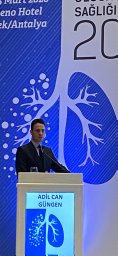 Adil Can Güngen合作论文数Fac Med, Istinye Univ2Bengü Şaylan合作论文数2Ozkan Gülcihan合作论文数2
 Abidin Sehitogulları合作论文数2Düzenli Hasan合作论文数2Başlılar Şeyma合作论文数2
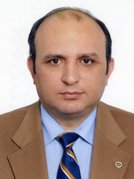 Akin Kaya合作论文数Department of Chest Diseases;Faculty of Medicine;Ankara University;Faculty of Medicine, Ankara University2
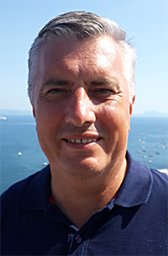 U. Kocabicak合作论文数Faculty of Engineering, Sakarya University2Gulfer Okumus合作论文数1




