This study demonstrates that in-situ alloying with specific beta-stabilizers during laser powder bed fusion (LPBF) enables precise microstructural control in Ti-6Al-4V, yet yields dramatically different outcomes. The Fe-modified alloy, characterized by numerous coarse beta-phase, achieves a high yield strength (YS) of-1205 MPa but limited ductility (total elongation, TEL-6.1%). In contrast, Mo modification produces a hierarchical nano-architecture comprising nano-lamellar beta-phase embedded within a refined alpha '-martensite matrix. This unique microstructure results in an exceptional synergy of high strength (YS-1089 MPa, ultimate tensile strength (UTS)-1478 MPa), remarkable ductility (TEL-14%) and superior hydrogen embrittlement (HE) resistance with only 3.2% UTS loss, despite similar ductility loss to the Fe-modified alloy. Through in-situ synchrotron XRD and microscopic analysis, the underlying mechanisms are elucidated. The high ductility originates from compatible strain partitioning enabled by the limited global transformation of nano-lamellar beta-phase and sustained hetero-deformation-induced (HDI) hardening between constituent phases. Simultaneously, the exceptional HE resistance is attributed to this refined, discontinuous basket-weave structure, which suppresses hydrogen-assisted crack propagation by blunting and arresting micro-cracks. Crucially, the high mechanical stability of the beta-phase in the Mo-modified alloy minimizes the detrimental hydrogen-enhanced martensitic transformation that severely degrades the Fe-alloyed sample. This work establishes a paradigm for microstructural architecture control via in-situ beta-stabi-lizer alloying, paving the way for additively manufacturing titanium components with exceptional combinations of strength, ductility, and HE resistance.
To achieve combined high strength and HE resistance, this work tailored incidental dislocation boundaries (IDBs) in high-Mn steels via cold-warm-rolling (CWR), versus low-angle-grain boundary (LAGB)-dominated warm-rolling (WR) samples. CWR samples shows a high yield strength (similar to 910 MPa), with an abnormal ductility enhancement (tensile elongation, 27% -> 35%) after H pre-charging and retained ductility under in-situ H-charging, while WR samples suffer severe ductility loss. IDBs act as efficient H-traps and mediate microband-nanotwin synergy to inhibit hydrogen-induced cracks (HICs), whereas LAGBs and strong texture in WR induce coarse unidirectional microbands and rapid dislocation accumulations, triggering the occurrence of HICs at microband boundaries. [GRAPHICS]
A dual-heterogeneous (DH) microstructure with heterogeneous grain size and dislocation density was fabricated in a Fe50Mn30Co10Cr10 metastable ferrous medium-entropy alloy (MEA) to address the dilemmas of low yield strength (YS), severe hydrogen embrittlement (HE) and strength-ductility trade-off in conventional MEAs. Compared with the single-heterogeneous (SH) MEA of bimodal recrystallized grains, the DH-MEA achieved a remarkably higher yield strength of similar to 755 MPa (vs. similar to 480 MPa) with a moderately reduced tensile elongation (TEL), and more importantly, its HE susceptibility was drastically reduced with only similar to 18% TEL loss (vs. 48% for SH-MEA). The DH microstructure endows the alloy with enhanced reversible hydrogen trapping to disperse hydrogen atoms, suppresses detrimental martensitic transformation in coarse recovered grains via low hydrogen-trapping capacity. Meanwhile, the DH-induced heterogeneous strain partitioning alleviates interfacial stress concentration and inhibits hydrogen-induced cracking by promoting dislocation accumulation and mechanical twinning. This work provides a novel microstructural design strategy for developing high-performance MEAs with combined high strength and excellent HE resistance.
This study investigates the influence of ceramic particles on controlling recrystallization and enhancing thermal stability in the pre-deformed aluminum matrix composite. Using an Al-Mg alloy reinforced with TiB2 particles as a model system, we demonstrated that ceramic particles act as potent nucleation sites for recrystallization while pinning grain boundaries to effectively inhibit the growth of recrystallized grains. This synergistic effect results in a significantly refined and thermally stable microstructure in the composite compared to the unreinforced alloy. We proposed a quantitative method to estimate the pinning force of TiB2 particles and thermal activation energy (Q) for grain growth from microstructure characterization. Our analysis reveals that the pinning force is not static but is influenced by the heat treatment schedule, and the grains recrystallized during low-temperature annealing exhibit a higher Q value for subsequent growth at elevated temperatures. This enhanced stability is attributed to the large grain boundary curvature resulting from particle-stimulated nucleation (PSN) at low temperature, which is then effectively stabilized by the TiB2 particles. These findings provide quantitative insights into the synergistic effects of PSN and Zener pinning, offering guidelines for designing particle-reinforced metal matrix composites with exceptional microstructural stability for demanding high-temperature applications.
Laminated metal composites (LMCs) often face a trade-off between hetero-deformation-induced (HDI) hardening and interfacial strain mismatch. This study presented a novel strategy to overcome this challenge by designing spatial heterogeneity within the austenitic and interfacial layers of austenitic stainless steel (ASS)/interstitial-Free (IF) steel LMCs. Through thermo-mechanical processing, a multiscale microstructure consisting of elongated dislocation-rich (EDR) and equiaxed dislocation-lean (EDL) grains was achieved in the 650 degrees C-annealed (650A) sample, which exhibited an excellent strength-ductility synergy (YS similar to 655 MPa, UE similar to 36%), outperforming the homogeneous coarse-grained 750 degrees C-annealed (750A) sample. The enhanced performance stems from the distinct roles of the spatially-heterogeneous structure: EDL grains enable early transformation-induced plasticity (TRIP) for high initial hardening, while the EDR grains accommodate large plastic strain and stabilizes the ASS/IF interfaces during later deformation, thereby generating sustainable hetero-deformation induced (HDI) hardening and suppressing interfacial cracking. This work demonstrates that intralayer spatial heterogeneity design effectively decouples HDI hardening from strain incompatibility, offering a new pathway toward high-performance LMCs.
Achieving uniform dispersion of nanoparticles in metal matrix composites remains a fundamental challenge, as agglomeration frequently induces microstructural instability and mechanical degradation. This study presents a Laser Powder Bed Fusion (LPBF) strategy informed by computational fluid dynamics (CFD) simulations to fabricate iron-based nanocomposites containing 1 vol% TiB2. By optimizing laser power (180-300 W) and scanning speed (400-900 mm/s), melt pool behavior was effectively regulated. CFD simulations reveal that recoil pressure and Marangoni convection directly govern defect formation. Under optimized parameters (230 W, 600 mm/s), LPBF produces a fully dense nanocomposite featuring uniformly dispersed, in-situ-formed TiB2 nanoparticles (similar to 80 nm) within a non-textured, ultrafine-grained ferritic matrix (similar to 0.7 mu m), as confirmed by EBSD, TEM, and SEM analyses. The composite exhibits outstanding mechanical performance, with a yield strength of similar to 892 MPa, an ultimate tensile strength of similar to 923 MPa, and an elongation of similar to 25.9%. Relative to Fe-20 vol% TiB2 composites fabricated by conventional casting and hot-rolling, these values represent improvements of approximately 98% in yield strength, 51% in ultimate tensile strength, and 72% in elongation. This enhancement is primarily ascribed to the synergistic effect of recoil pressure and Marangoni convection within the melt pool, which promotes uniform nanoparticle dispersion during rapid solidification. Moreover, the high cooling rate inherent to LPBF (10(7) K/s) and the role of in-situ TiB2 nanoparticles as nucleation sites significantly refine the ferritic matrix, while the uniformly dispersed particles exert a synergistic pinning effect on grain boundaries, ultimately contributing to the superior mechanical properties.
In this work, we introduced and regulated incident dislocation boundaries (IDBs) to tailor cellular structures in a metastable ferrous Fe50Mn30Co10Cr10 medium-entropy alloy (MEA) through successive cold-warm rolling (CWR). This approach aimed to enhance yield strength (YS) without compromising ductility. Compared to one-step warm rolling (WR), the prior cold deformation introduced a higher density of mobile dislocations and intensified dislocation-dislocation interactions, promoting the formation of finer and more numerous dislocation cells. Both rolled samples exhibited higher YS while maintaining uniform elongation (UEL) levels comparable to those of the dislocation-free as-annealed reference. Notably, the CWR samples demonstrated simultaneous improvements in YS and strain hardening rate (SHR), and reduced mechanical anisotropy, particularly under liquid nitrogen temperature (LNT) deformation. The enhanced YS primarily stems from grain refinement via densely distributed dislocation cells, while the reduced mechanical anisotropy arises from a weakened {001}<111> texture due to dislocation-assisted recrystallization. Although IDBs initially decelerate phase transformation kinetics during early deformation, the refined cell structure in CWR samples facilitates multi-variant nucleation of nano-lamellar epsilon-laths and microbands, thereby generating dynamic Hall-Petch barriers for strain hardening. Additionally, the elevated flow stress promotes the proliferation of nano-lamellar epsilon-laths within microbands and enables reversible gamma-domain formation at the shear intersection zones of multi-variant epsilon-laths. Consequently, the CWR-processed MEA achieves a high YS of similar to 985 MPa and sustains an exceptional SHR of similar to 3.5 GPa at LNT. This study establishes a "dislocation engineering" strategy to circumvent the traditional strength-ductility and YS-SHR trade-offs in metastable ferrous MEAs.
AlCoCrFeNi2.1 high-entropy alloys (HEAs) with ultrafine-grained microstructures are still challenging to produce using conventional casting methods. Here, we report a straightforward method for fabricating ultrafine-grained HEAs by combining mechanical alloying (MA) and spark plasma sintering (SPS). A systematic investigation was conducted to examine the effects of MA parameters on the alloying behavior and its evolution in HEA powders, as well as the influence of sintering temperature on the microstructure and mechanical properties of the sintered HEAs. The results indicate that the optimal performance of the HEA was achieved with a milling speed of 350 rpm, a ball-to-powder ratio of 20:1, and a milling duration of 42 h, combined with a sintering temperature of 1150 degrees C. Microstructural analysis reveals that the alloy predominantly comprises similar to 65 vol% FCC phase and similar to 35 vol% BCC phase, consistent with the phase volume fraction produced by casting. The MA and sintering parameters significantly impact the hardness and compressive strength of the HEAs. Under optimized conditions, the Vickers hardness of the sintered HEA reaches 646 +/- 15 HV, with a compressive fracture strength of 2256 +/- 51 MPa, attributed to the equiaxed ultrafine grains of both FCC and BCC phases.
The mechanical performance of Fe-TiB2 composites produced via conventional methods is limited by inadequate microstructure refinement, thereby restricting their application in high modulus steels (HMSs). To overcome this, we proposed a novel strategy integrating high energy laser-assisted prealloying and rapid in situ TiB2 precipitation to fabricate nanostructured Fe-5vol.%TiB2 (equivalent to Fe-2.4 wt%TiB2) composites via laser powder bed fusion (LPBF) from a predesigned Fe-Ti-TiB2 powder mixture. The optimized process yields a bulk sample with a remarkably refined microstructure characterized by in situ nano TiB2 nanoparticles (20-150 nm) uniformly dispersed within a nearly equiaxed, texture-free alpha-Fe matrix with grain sizes less than 500 nm-an order of magnitude smaller than the matrix grains typically achieved in other additively manufactured particle-reinforced metal matrix composites. This microstructural refinement results in superior mechanical properties, with a Vickers hardness of similar to 482.5 HV, a yield strength of similar to 1027 MPa, and a Young's modulus of similar to 239.8 GPa. Notably, the yield strength is similar to 190% higher than that of Fe-20 vol% TiB2 composites produced via conventional methods, and the specific Young's modulus (similar to 32 GPa cm(3)/g) is similar to 23% greater than that of established metallic structural materials (similar to 26 GPa cm(3)/g). The significant grain refinement is attributed to the synergy of the solutes and in situ-formed TiB2 nucleant, providing sustained heterogeneous nucleation in the Fe-Ti-B melt during solidification. Additionally, uniform nano TiB2 particle distribution is achieved by the interaction between the recoil pressure and Marangoni convection, which thoroughly stirs the molten pool and prevents particle agglomeration.
In the present study, the microstructural evolution and mechanical properties of two different initial microstructures (equiaxed (EQ) and bimodal (BM) microstructures) subjected to severe warm rolling and post-deformation annealing (PDA) were investigated and compared. The BM exhibited significant grain refinement accompanied by spheroidization after warm rolling. During annealing at 700 degrees C and 800 degrees C, the (3 phase for BM gradually spheroidizes and grows. In contrast, the microstructural evolution of EQ is characterized by partial spheroidization and growth of the (3 phase, along with the precipitation of nano-(3 phase within the alpha phase. Both EQ and BM exhibit a typical bimodal microstructure after annealing at 900 degrees C. In contrast with the EQ, the BM shows better comprehensive mechanical properties after warm rolling and PDA. The yield strength, ultimate tensile strength and elongation of the BM after warm rolling can reach 1165.1 MPa, 1307.7 MPa and 10.0 %, respectively. After annealing at 800 degrees C, the yield strength and ultimate tensile strength decreased by 22 % and 17 % respectively, while the elongation increased by 25 %. After warm rolling, the predominant strengthening mechanisms vary between the two initial microstructures. In the BM, grain refinement strengthening is the predominant mechanism, whereas in the EQ, dislocation strengthening plays the dominant role.
Fretting Fatigue (FF) constitutes a significant concern in engineering applications, notably in components subjected to cyclic loading and relative motion, such as dovetail joints in aircraft engines. In this context, the mechanical behavior of Ti6Al4V, a widely employed titanium alloy distinguished by its exceptional mechanical properties, has critical importance. Despite Ti6Al4V's commendable strength-to-weight ratio, its susceptibility to FF presents significant challenges to the structural integrity and operational lifespan of crucial components. Consequently, a comprehensive understanding of the mechanical response of Ti6Al4V due fretting conditions and stands imperative for advancing the reliability and lifespan of aerospace structures. Microstructural characteristics, such as grain size and grain orientation, directly influence the material's macroscopic mechanical response and fatigue life. This study leverages a Crystal Plasticity Finite Element Method (CPFEM) coupled with a sub-modelling technique to systematically investigate FF crack initiation characteristics of Ti6Al4V under various loading conditions. The impacts of dual- phase grains, grain size, and crystal orientation on FF behavior are explored. The study employs the critical plane method to compute Damage Parameters (DPs), aiming to enhance the predictive accuracy of FF life. An isotropic model and three Crystal Plasticity Finite Element (CPFE) models with different grain sizes are compared, focusing on their stress-strain behavior and representation of DPs. The CPFE models, proposed herein, exhibit remarkable precision in forecasting FF crack initiation and is validated against experimental FF data.
In this study, 304 austenitic stainless steel was processed by cold rolling (CR) and subsequent cryogenic treatment (CT), and the microstructure and mechanical properties were compared with those subjected to CR without CT. The results show that both CR and CR + CT samples exhibit heterogeneous structures after annealing at 650 °C. Compared to CR samples, the microstructure of the CR + CT samples is finer and demonstrates superior mechanical properties, with higher yield strength (954 MPa) and ultimate tensile strength (1014 MPa). The higher yield strength in CR + CT samples is attributed to the increased existence of martensite, grain refinement, and higher dislocation density. In addition, the transformation-induced plasticity (TRIP) should be the main reason for the excellent ductility in both CR and CR + CT samples. Based on the comparison of the mechanical properties of the samples treated by various processes, it could be concluded that the combination of CR and CT gives the material a balanced enhancement of strength and ductility, making it a promising approach for high-performance materials.
A combined warm rolling and quenching–partitioning (WR-Q&P) process was applied to a low-carbon martensitic stainless steel and compared with conventional warm rolling (WR) and quenching–partitioning (Q&P) treatments. The introduction of a high dislocation density through warm rolling facilitated carbon partitioning during subsequent processing, leading to microstructural refinement and the stabilization of ultrafine retained austenite (6.1%) with a uniform distribution. The WR-Q&P sample exhibited a significantly enhanced yield strength (1000.4 MPa), ultimate tensile strength (1290.5 MPa), and uniform elongation (5.8%) relative to the Q&P-treated steel. The improvement in mechanical properties was primarily attributed to dislocation and grain boundary strengthening mechanisms, while the enhanced ductility resulted from the increased volume fraction and homogeneous dispersion of retained austenite.
Fe-TiB2 composites, also termed as high modulus steel, offer a promising solution to the challenge of achieving both lightweight and high stiffness materials. However, the presence of TiB2 particles in Fe-TiB2 composites results in poor hot-workability. Therefore, understanding the effects of TiB2 particles on the hot deformation behavior, dynamic recrystallization (DRX), and microstructural evolution of Fe-TiB2 composites is crucial for optimizing their hot-working process. In this study, we elucidated the effects of TiB2 particles on deformation behavior and dynamic softening behavior by conducting a series of isothermal compression tests on as-cast FeTiB2 composites and as-cast base alloys (control group) at temperatures of 800-1200 degrees C, strains of 0.36-1.2, and strain rates of 0.01-1 s-1. Using electron backscatter diffraction, we characterized the microstructures of composites and base alloys, showing that TiB2 particles induce a DRX process through particle stimulated nucleation (PSN) at low temperatures and promote continuous dynamic recrystallization (CDRX) at high temperatures. The presence of TiB2 particles have significantly affected the dislocation movement and distribution, which changes the deformation energy distribution and thus facilitates different DRX behaviors under various thermal deformation conditions. Additionally, the microstructure resulting from DRX through PSN exhibits significant texture weakening and grain refinement, presenting a promising method for fabricating ultrafine-grained Fe-TiB2 composites.
This study proposes a novel processing method combining cryogenic rolling (cryo-rolling) and a two-step annealing process to further enhance the heterogeneity of 316L austenitic stainless steel. Deformation-induced martensite (DIM) was formed after cryo-rolling due to the reduction in stacking fault energy (SFE), accompanied by microstructural refinement and dislocation accumulation. After the first annealing at 700 degrees C, most of the DIM reverted to austenite with fine grains (FG, 1-5 mu m), while the stored energy was significantly reduced. In the second annealing at 750 degrees C, recrystallization became the dominant mechanism of microstructural evolution, resulting in a microstructure consisting of ultrafine grains (UFG, <1 mu m), fine grains (FG), and coarse grains (CG, >5 mu m). After the two-step annealing process, an excellent combination of mechanical properties was achieved, including a yield strength (YS) of 1057 MPa, an ultimate tensile strength (UTS) of 1510 MPa, and a total elongation (EL) of 62.5 %. The high YS primarily arises from UFG and dislocation strengthening. The enhancement of heterogeneity facilitated the interaction between UFG, FG, and CG, significantly improving the strain-hardening ability, which can primarily be attributed to the heterogeneous deformation-induced (HDI) effect in the early deformation stage. The transformation-induced plasticity (TRIP) effect was identified as the main mechanism in the later deformation stage.
In this work, a multi-scale grain structure was obtained in SAF 2205 duplex stainless steel (DSS) by severe deformation and short-term annealing process. The influence of this structure on the mechanical properties and electrochemical behavior is systematically investigated. Experimental results indicate that the sample subjected to short-term annealing at 1000 degrees C (SA-1000 degrees C) exhibits the best comprehensive properties, with a yield strength (YS) of 652.6 MPa and an elongation (EL) of 39.9 %. Both strength and ductility surpass those of the original sample and long-term annealed (LA-1000 degrees C) samples. The strength-ductility product is increased by 32 % compared to the original sample and by 18 % compared to the LA-1000 degrees C sample. The increase in YS is predominantly attributed to dislocation strengthening and grain refinement strengthening, and the heterogeneous microstructure leads to good ductility. Moreover, the multi-scale distribution of the grain structure exhibits enhanced corrosion resistance due to the increased low-Sigma grain boundaries and the promotion of stable passivation film formation by a limited number of defects, thereby mitigating the corrosion rate.
The dissolution behavior of M23C6 carbide in 4Cr13 martensitic stainless steel during austenitizing and its effect on the microstructure and mechanical properties of this steel are investigated in this study. The samples of steel are heated at different austenitizing temperatures from 1000 to 1150 °C for 10-60 min. The results reveal that as the austenitizing temperature and time increase, the average initial austenite grain size increases, the carbide volume fraction decreases, and the average carbide size increases. The rapid dissolution of small carbides mainly contributes to the change in the average carbide size. The carbides can be completely dissolved in the matrix at 1150 °C for 30 min. After quenching, the hardness first increases and then decreases with increasing carbide dissolution degree. An increase in the hardness is related to an increase in the carbon content of the quenched martensite, and a decrease in the hardness is associated with an increase in the volume fraction of the retained austenite. Furthermore, a mathematical model is established to predict the volume fraction of carbides, which is in agreement with the experimental results.
The austenitic stainless steel undergo warm rolling, followed by cryogenic treatment. The warm-rolled and cryogenically treated (WR-CT) sample exhibits superior strength and ductility compared to the warm-rolled (WR) sample, achieving a yield strength of 949 MPa and an elongation of approximate to 56.2%. The enhanced strength is attributed to the higher dislocation density, additional grain refinement, and the presence of martensite in the WR-CT sample. The WR and WR-CT samples exhibit similar deformation mechanisms. In the initial stage, dislocation slip predominantly governs the deformation. During the intermediate stage, the transformation-induced plasticity (TRIP) effect dominates the deformation mechanism. In the final stage, nearly all austenite transforms into martensite, and deformation mainly occurs via dislocation slip within the martensite phase. However, in the WR-CT sample, the TRIP effect is delayed during the stable processing stage (approximate to 8-23%) due to the higher mechanical stability of austenite, resulting from further grain refinement and higher dislocation density. Additionally, the coordinated deformation of strain-induced martensite with varying orientations contributes to delayed necking, achieving an optimal balance between strength and ductility.
This study investigates the differences between deformation-induced martensite (DIM) and thermal-induced martensite (TIM) in 304 austenitic stainless steel, focusing on their formation, distribution, and behavior during annealing. DIM was generated through cold rolling (CR), while TIM was produced via cryogenic treatment (CT). Microstructural characterization revealed that both martensite’s are distributed in blocky forms, with DIM exhibiting a finer grain structure compared to TIM. During the annealing process, both types of martensite undergo reverse transformations back to austenite, but DIM begins to reverse earlier at a slower rate. Consequently, after annealing, DIM yields a higher amount of reversed austenite (RA) with smaller grain size, whereas TIM transforms into fewer but larger RA grains. This study provides critical insights into the distinct phase transformation mechanisms of DIM and TIM, offering a deeper understanding of their effects on the microstructure and mechanical properties of 304 austenitic stainless steel. This knowledge is valuable for optimizing processing techniques and enhancing material performance in industrial applications.
In the present investigation, warm rolling after rapid cooling form full β phase region was employed, followed by water quenching in Ti-6Al-4V alloy. Subsequently, warm rolled samples were annealed at 600 °C for 1 h and 4 h, respectively. The results show that the microstructure is significantly fragmented and refined after warm rolling, accompanied by high-density dislocation accumulation. Simultaneously, more than 26 ± 2
 Yanhui Guo合作论文数Department of Computer Science, University of Illinois Springfield24
 LingHuan Pang (庞灵欢)合作论文数15Liqun Wei (魏立群)合作论文数13
 Aidang Shan (单爱党)合作论文数School of Materials Science and Engineering, Shanghai Jiao Tong University10
 Liming Fu (付立铭)合作论文数School of Materials Science and Engineering, Shanghai Jiao Tong University10
 Yu Li (李玉)合作论文数Northeast Forestry University9
 Xin Liu (刘忻)合作论文数School of Resources and Materials, Northeastern University at Qinhuangdao6Yi Ding合作论文数5
 Ke Yujiao合作论文数5Hongbo Pan合作论文数5
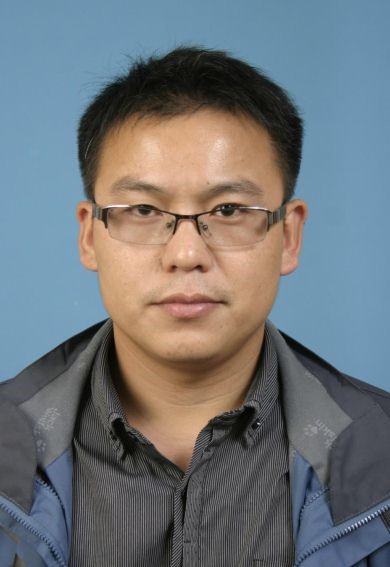 Xiaoshuai Jia (贾晓帅)合作论文数School of Materials Science and Engineering, Shanghai Jiao Tong University5Jun Yan合作论文数Anhui University of Technology(Anhui University of Technology),Maanshan,China4Xingxing XU (徐星星)合作论文数4
 Zemin Wang (王泽敏)合作论文数Wuhan National Laboratory for Optoelectronics, Huazhong University of Science and Technology4Zhiyong Fang合作论文数3Min Liu合作论文数3DONG Ya-jun (董亚军)合作论文数3
 Zhanyong Wang (王占勇)合作论文数3
 Chun Xu (徐春)合作论文数上海应用技术学院材料科学与工程学院3
 Z.F. Xu合作论文数3
 Zhiming Li (李志明)合作论文数School of Materials Science and Engineering, Central South University3Wei Guan合作论文数2Yue Dong (董月)合作论文数2Jun Chen合作论文数2Chenghao Pei合作论文数2Kazuhiro Matsugi合作论文数2Daoda Zhang合作论文数2Huiting Wang合作论文数2LI Xiaoqing (李晓青)合作论文数2
 Yanhua Ding合作论文数2
 Xinfeng Zheng合作论文数School of Materials Science and Engineering, Shanghai Institute of Technology2Binzhi TAO (陶彬之)合作论文数2
 Chong Peng合作论文数2Yu Dong合作论文数2
 Hu Tang合作论文数Yanshan Univ, State Key Lab Metastable Mat Sci & Technol, Qinhuangdao 066004, Peoples R China2WANG Huan-rong (王焕荣)合作论文数2Xuecheng CAO (曹学成)合作论文数2Yong Wan (万勇)合作论文数2DengCan Yao (尧登灿)合作论文数2XiaoHui Shen (沈晓辉)合作论文数2YongJuan Dai (代永娟)合作论文数2
 Xiaolin Li (李小琳)合作论文数School of Materials Science and Engineering, Northwestern Polytechnical University;State Key Laboratory of Solidification Processing, Northwestern Polytechnical University;Center of Advanced Lubrication and Seal Materials, Northwestern Polytechnical University2
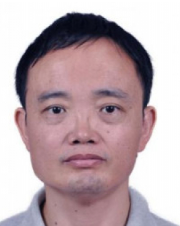 Jianyong Zhang (张建勇)合作论文数School of Chemistry, Sun Yat-sen University;School of Materials Science and Engineering, Sun Yat-sen University2Jianglong Gu合作论文数2Qingdong Liu (刘庆冬)合作论文数School of Materials Science and Engineering, Shanghai Jiao Tong University2
 Jiajun Li (李家俊)合作论文数School of Materials Science and Engineering, Tianjin University2
 Xiangtao Deng (邓想涛)合作论文数School of Materials Science and Engineering, Northeastern University2Wang Kai-yao合作论文数1Peikang Xia合作论文数1




