Sex-dimorphic adipose mitochondrial function (lower activity in males) correlates with visceral adiposity and metabolic risk, yet the underlying mechanisms remain elusive. We find that androgen-androgen receptor (AR) signaling suppresses mitochondrial respiration and thermogenesis in visceral adipose tissue (VAT), promoting visceral fat accumulation. Mechanistically, androgen-AR signaling represses transcription of Pdhb, which encodes a pyruvate dehydrogenase (PDH) subunit, thereby reducing PDH activity, acetyl-CoA levels, H3K27 acetylation, and chromatin accessibility at the promoters of mitochondrial respiration-related genes. Notably, Pdhb overexpression largely reverses these alterations and restores mitochondrial function. Furthermore, sodium dichloroacetate, a PDH activator, enhances mitochondrial respiration and reduces visceral fat in male mice. Multi-omics analyses reveal that the androgen-PDH axis orchestrates a male-specific chromatin-based transcriptional landscape that encompasses mitochondrial and metabolic pathways in visceral adipocytes. Collectively, this study identifies the androgen-PDH axis as a key regulator of sexual dimorphism in mitochondrial metabolism and adipose homeostasis in VAT.
Background Scar contractions caused by hand burns seriously impact both the function and appearance of the hand. Consequently, post-burn hand reconstruction is a primary focus of secondary reconstructive surgery performed within the first 10 years after a burn injury. This study aimed to identify developmental trends and research hotspots in post-burn hand reconstruction, providing insights and recommendations for researchers. Methods Bibliometric and visualization analyses were conducted using CiteSpace v6.4. R1 (64-bit) and VOS viewer. The Web of Science Core Collection served as the data source. A total of 136 articles between 1997 and 2025 were included based on the following keywords: “postburn hand reconstruction” or “postburn hand” or “scar contraction hand deformity.” Results The field of post-burn hand reconstruction is advancing, as indicated by the overall and annual increase in publications. The United States leads in number of published papers. However, major institutions show low centrality, indicating weak collaboration between countries and regions, with research still dominated by single-center studies. The top three most prolific authors were Paul P M van Zuijlen, Fatih Uyghur, and Ersin Uyghur. The keywords “double Z-plasty” and the cluster “flap” not only have high emergence intensity but also appear frequently in recent studies, marking them as current research hotspots. Conclusion The lack of long-term research and consensus limits further advancements in post-burn hand reconstruction. To address this, multi-center and multi-disciplinary collaborations should be encouraged. Additionally, integrating basic medical research with biomedical engineering could enhance the management and outcomes of post-burn hand reconstruction.
Lipedema is a hereditary disorder characterized by excessive accumulation of subcutaneous adipose tissue in the limbs. The genetic causes and mechanisms underlying abnormal adipocyte expansion in lipedema, however, remain unknown. Here, we identify compound heterozygous mutations in the PROC gene in three lipedema patients from two unrelated consanguineous families. In vitro studies demonstrate the wild-type Protein C (PC), encoded by PROC, plays an inhibitory role in adipogenesis; conversely, the identified PC mutants, p.R271Q and p.R272H, fail to inhibit this process. In mice, the receptor of PC (PROCR) marks adipocyte progenitors, and conditional deletion of PROCR in these cells leads to an increased number of newborn adipocytes within white adipose tissue (WAT). Transcriptomic analysis alongside chemical blockage tests identifies HIF-1α as a primary downstream transcription factor mediating PC–PROCR signaling in adipogenesis. Furthermore, adipose biopsy samples from the patients’ thighs exhibit hyperplastic expansion of adipocytes, while single-nucleus RNA sequencing confirms increased adipogenic capacity and down-regulated HIF-1α activity in affected subjects. These findings establish PROC as the first causal gene for human lipedema and unveil a previously unexpected role of the PC–PROCR axis in orchestrating adipogenesis.
Background Plexiform neurofibromas (PNF) are highly vascular tumors with the potential for significant growth. Surgical removal of giant PNF is often challenging because of intraoperative hemorrhage. This study proposed and evaluated an innovative surgical approach involving FENCY ligation and the role of preoperative embolization in the resection of giant PNF. Methods This was a retrospective, interventional, and sequential case series conducted in a plastic and reconstructive surgery unit. We summarized all patients with PNF who underwent resection at our center between 2019 and 2024. Surgical case notes from 11 patients with giant PNF who underwent FENCY ligation were reviewed, including three patients who received preoperative embolization. All patients participated in structured telephone interviews. Patient demographics, surgical safety, postoperative recovery, and patient satisfaction were evaluated. Results Among 456 patients with 494 PNF who underwent surgical resection, we categorized the procedures into median, large, and giant PNF subgroups. To illustrate comprehensive perioperative and surgical approaches, we analyzed seven female and four male patients with giant PNF. The median maximum tumor diameter at the time of surgery was 30.4 cm (range, 11.5–55.6 cm). Most PNF were located on the face (63.6%), followed by the back (18.2%), buttocks (18.2%), upper limbs (9.1%), and neck (9.1%). The median intraoperative hemorrhage volume was 366 mL (range, 10–2 034 mL), And the median hospital stay was 17 days (range, 14–33 days). The mean follow-up duration was 2.5 years (range, 0.4–5.5 years). No severe complications were observed, except for one case of infection. Conclusion PNF resection, particularly giant PNF resection, is a high-risk treatment option. Comprehensive evaluation, perioperative preparation, and surgical techniques are required to ensure efficacy and safety. FENCY ligation and preoperative embolization can be used to resect giant PNF in multiple complex regions with satisfactory outcomes.
Medical English holds increasing significance for medical students in non-English speaking countries. To foster self-directed, active learning among these students, we introduced innovative teaching methods that emphasize student-centered learning, with humanities integrated into this education. Guided by a student-centered educational philosophy, this course incorporated hybrid online-offline teaching models. By harnessing contemporary educational technologies, this course focused on practical application, thereby enhancing the effectiveness of the course and honing comprehensive skills in listening, speaking, reading, and writing. Concurrently, this course explored the integration of medical humanities within the curriculum, while establishing a multi-dimensional grading system including self-assessment, peer evaluations, and instructor reviews. Three unique survey questionnaires were designed to gather feedback. Post-course evaluations indicated a significant rise in students’ receptivity to medical English. Additionally, there has been a notable enhancement in both application skills and medical knowledge pertaining to medical English. Based on student-centered learning, students acquired integrated systematic thinking through the course, developed clinical thinking patterns, improved doctor-patient communication and collaboration skills, and enhanced their ability in paper reading and writing. The exploration of the “Medical Practical English” course provides an excellent example of student-based humanities education modes in medical curriculum design.
Plastic surgery, a venerable branch of surgical discipline, is imbued with a humanistic essence born from its origins in wartime reconstruction. It stands at the intersection of art and science, uniquely positioned by its association with human aesthetics. This article explores the rich and dynamic development of plastic surgery, providing a thorough examination of its historical evolution, contemporary practices, and future trajectories. From its roots in the reconstructive efforts of past conflicts to its modern emphasis on aesthetic enhancement and functional restoration, plastic surgery has been shaped by a continuous drive for innovation. This innovation is reflected in its academic infrastructure, collaborative endeavors, and the cultivation of skilled professionals. The narrative review presented here underscores the field’s distinctive characteristics and its ongoing commitment to advancing techniques, improving patient outcomes, and fostering a community of practice that values both the artistry and the science of its craft.
Importance Total face restoration remains a challenge in modern reconstructive surgery. After 17 years of experiments and preliminary clinical studies, a new concept of face prefabrication was developed for face restoration with autologous tissue. Objective To evaluate the long-term results of face restoration with autologous tissue and report a finalized and standardized approach of face prefabrication. Design, Setting, and Participants In this single-center long-term retrospective study, 32 patients who underwent total face restoration between 2005 and 2022 were reviewed. These patients underwent total facial reconstruction, which included flap prefabrication, 3-dimensional printing, tissue expansion, and flap transfer with aid of indocyanine green angiography (IGA). The flap first undergoes prefabrication by transferring vascularized fascia under the skin of the selected chest. A tissue expander is then placed under the fascia to create a large, thin, reliable skin flap after expansion. Once completed, the flap is transferred to the face during the second stage of the reconstruction. Intraoperative IGA is performed to guide the design of subsequent openings for facial fissures. Data were analyzed from July to September 2023. Main Outcomes and Measures Flap healing, reconstructive outcome, and patient recovery were assessed during follow-up. Three questionnaires, including the 36-Item Short Form Health Survey (SF-36), Aesthetic and Functional Status Score of Facial Soft-Tissue Deformities/Defects, and the EuroQoL Health-Related Quality of Life (EQ-5D-5L), were used to evaluate the quality of life and satisfaction with facial aesthetic and functional status. Results Of 24 included patients, 14 (58%) were male, and the mean (range) age was 32.9 (8-62) years. The mean (range) follow-up was 5.6 (2-12) years. All patients reported a significant improvement in quality of life (SF-36), especially in mean (SD) social functioning (preoperative score, 53.65 [34.51]; postoperative score, 80.73 [19.10]) and emotional stability (preoperative score, 56.67 [25.55]; postoperative score, 71.17 [18.51]). A total of 22 patients (92%) went back to work. Mean (SD) facial aesthetic status (preoperative score, 4.96 [3.26]; postoperative score, 11.52 [3.49]; P < .001) and functional status (preoperative score, 11.09 [3.51]; postoperative score, 15.78 [3.26]; P < .001) also improved. In addition, there was a significant increase in overall satisfaction and self-reported health status (preoperative score, 8.13 [1.52]; postoperative score, 3.58 [2.31]). Conclusions and Relevance In this study, 5-year follow-up results suggested that this innovative approach to total face restoration offered a safe and valid option for indicated patients, with acceptable reconstructive and cosmetic outcomes.
The midface is an important area in aesthetics and function and a complex area to manage after burn injuries, trauma, and tumor resection. Traditional treatment to reconstruct midface defects involving the nose, lips, and cheeks requires multiple sequential flap operations but results in a patch-like appearance, which remains a major challenge for head and neck reconstructive surgeons. This article describes how the authors perform prelamination using the prefabricated cervicothoracic flap on the anterior chest for midface reconstruction. The key point of the authors' procedure is to three-dimensionalize the cervicothoracic prefabricated flap with flap folding; flap rotation; and cartilage grafts for coverage, lining, and support of the nose and lips. This technique may be indicated for extensive midface defects involving total nose and lip loss. It provides a uniform matched facial appearance and significant functional improvement. Donor-site morbidity and the need for multiple flap procedures could be reduced.
Nowadays, laser is the mainstay treatment for cafe-au-lait macules (CALMs), but no systematic review has been published to demonstrate the overall efficacy and it’s still controversial which type of laser is optimal. Thus, we conduct the meta-analysis to evaluate the effectiveness and side effects of various types of lasers in treating CALMs. Original articles reporting the efficacy and side effects for CALMs in laser treatment were identified in PubMed, EMBASE, and Web of Science from 1983 to April 11, 2023. Using R software and the ‘meta’ package, meta-analysis was conducted for clearance and recurrence for evaluation of efficacy. And the occurrence of hypopigmentation and hyperpigmentation rate was pooled for safety evaluation. We used RoB2 and ROBINS-I tools to assess the risks of bias in RCT studies and non-RCT studies, respectively. The Grading of Recommendations, Assessment, Development and Evaluation system was used to assess the quality of the evidence. Nineteen studies involving 991 patients were included, which had a very low to moderate quality of evidence. The pooled 75% clearance rate was 43.3% (95% CI 31.8–54.7%, I 2 = 96%), 50% clearance rate was 75% (95% CI 62.2–85.9%, I 2 = 89%) and the recurrence rate was 13% (95% CI 3.2–26.5%, I 2 = 88%). The pooled hypopigmentation and hyperpigmentation rates were 1.2% (95% CI 0.3–2.1%, I 2 = 0%) and 1.2% (95% CI 0.3–2%, I 2 = 0%), respectively. Subgroup analysis revealed that QS-1064-nm Nd:YAG laser treatment not only achieved more than 75% clearance rate in 50.9% of patients (95% CI 26.9–74.4%, I 2 = 90%) but also resulted in the lowest hypopigmentation and hyperpigmentation rate of 0.5% (95% CI 0.0–2.5%, I 2 = 26%) and 0.4% (95% CI 0.0–2.5%, I 2 = 0%). To draw a conclusion, the laser treatment could reach an overall clearance rate of 50% for 75% of the patients with CALMs, for 43.3% of the patients, the clearance rate could reach 75%. When looking at different wavelength subgroups, QS-1064-nm Nd:YAG laser exhibited the best treatment capability. Laser of all the wavelength subgroups presented acceptable safety regarding of the low occurrence of side effects, namely, hypopigmentation and hyperpigmentation.
Background: Because of a lack of effective measures to visualize flap vasculature and perfusion, flap fenestration and facial organ fabrication cannot be performed effectively, preventing the transition from two-dimensional coverage to restoration of the three-dimensional (3D) structure of facial organs. This study aimed to evaluate the efficacy of indocyanine green angiography (ICGA) in guiding flap fenestration and facial organ fabrication in total facial restoration. Methods: Ten patients with total facial scarring after burn injury were enrolled in the study. They were treated with preexpanded, prefabricated monoblock flaps for total face restoration. The openings of nostrils and oral and palpebral orifices, together with organ fabrication, were conducted under the guidance of intraoperative ICGA by hemodynamic evaluation of flap perfusion. Postoperative follow-up measures include vascular crisis, infection, flap necrosis, and aesthetic and functional recovery. Results: The opening of facial organ orifices was performed at the stage of flap transfer in nine patients. To avoid damaging the major nourishing vessels, the left palpebral orifice was opened 8 days after the flap transfer in one patient, as observed by ICGA. Based on ICGA evaluation, the decision to perform additional vascular anastomosis before flap fenestration was made in six patients. Hemodynamic analysis of flap perfusion after fenestration revealed no significant change. Follow-up showed satisfactory aesthetic recovery and well-restored 3D structures of facial organs. Conclusion: This pilot study demonstrates how intraoperative ICGA can enhance the safety of flap fenestration, thereby transforming full facial restoration from the two-dimensional to the 3D realm by facilitating facial organ fabrication. CLINICAL QUESTION/LEVEL OF EVIDENCE: Therapeutic, IV.
Plexiform neurofibromas (pNF) is significant hallmark of type Ⅰ neurofibromatosis, posing substantial negative impacts on patients’ quality of life and daily functionality. Surgical intervention remains the primary modality of treatment. However, the surgery is fraught with challenges due to the rich vascularization, intricate neural involvement, and ill-defined borders of the tumors. The risk of recurrence and complications further complicates the surgical approach. Through extensive literature review and integrative analysis, this article summarizes the current surgical treatment options and adjunctive techniques available for pNF management. Preoperative radiological assessments, vascular embolization, intraoperative neural monitoring, and fluorescence navigation are among the ancillary techniques that can effectively mitigate surgical risks. The timing of surgery should be guided by specific indications and contraindications, while the surgical plan must be individualized based on the patient’s unique presentation, sometimes necessitating a multidisciplinary approach. Overall, a comprehensive assessment of the patient’s condition and the implementation of multifaceted adjunctive measures are imperative for maximizing tumor resection while minimizing the risks of recurrence and complications.
Background: Melanocytic nevus is mainly treated by complete or partial removal. However, predicting the risk of malignant transformation of melanocytic nevi and which treatment patients should receive, surgical or non-surgical management, to gain the best results and aesthetic outcomes is controversial. Methods: Global literature on melanocytic nevus treatment, published between 1997 and 2022, was scanned using the Web of Science Core Collection database. Microsoft Office Excel, CiteSpace V, VOSviewer, Scimago Graphica, Bibliometrix, and Biblioshiny packages in R were used for the bibliometric analysis to summarize the leading countries, institutions, professors, and research trends in this field. Results: This study included 1 723 articles. Publications and citations exhibited positive trends over the past 20 years. The United States had the most productive organizations and publications in the comprehensive worldwide cooperation network, and China was recently one of the most active major participants. Professor Giovanni Pellacani, whose H-index, G-index, and M-index ranked first in this field, founded a virtual biopsy using reflectance confocal microscopy. In addition, Krengel and Kinsler contributed significantly to diagnosing and treating melanocytic nevi. The top 25 keywords in recent years were mostly about the mechanisms and risk factors for the malignant transformation of nevi. Conclusion: The future trend for melanocytic nevi treatment is to specify genotype-phenotype and genotype-outcome correlations, choose proper therapy to reduce the risk of malignant transformation, and simultaneously achieve the best aesthetic outcomes.
[提要]近年来,随着罕见病在社会中得到越来越广泛的关注,与罕见病相关的基础和临床知识也逐渐成为医学生必须掌握的内容.传统的教学模式已无法满足整复外科相关罕见病的教学需求.目前,PBL联合CBL教学法已成为一种新兴、高效、灵活的教学模式,两者的联合在整复外科相关罕见病教学中有着很好的应用前景.
新时代背景下,健康中国战略的实施和立德树人目标的确立,均对医学院校及其附属医院的思想政治教育工作提出了更高层面的要求.在夯实专业教学的基础上加强医学生思政教育,全面推进课程思政建设是首要途径.充分认识课程思政在整复外科理论与实践教学中的应用价值的前提下,结合学科实际构建具有鲜明学科特色的课程思政教育体系,将思想政治融入整复外科医生培育的全过程,是培养有本领、有温度、有担当的卓越医学创新人才的重要保障.课程思政实际开展过程中,要求医学院校在注重隐性教育和显性教育相协同、理论传授和实践锻炼相结合的基础上,从教学团队组建、思政元素挖掘、课程方案设计等各个环节全方位探索并落实,形成"教师-课程-实践"全融合育人体系.
随着移植手术后免疫治疗方案的不断发展和人们理念的不断更新,以手移植和面部移植为代表的带血供的复合组织同种异体移植手术(Vascularized composite tissue allotransplantation,VCA)已在许多国家开展.移植成功率在不同地区之间存在较大差异,相关影响因素众多.其中,术前的全面评估非常重要,包括手术指征评估、心理学评估、认知能力评估、社会支持系统评估、第三方机构审核等.本文综述了上述评估内容及其重要性,并建议世界各VCA团队尽快建立术前评估标准,并立法规定第三方审核机制,从而提高手术的成功率.
Ⅰ型神经纤维瘤病是一种由nf1基因突变导致RAS通路调控异常的常染色体显性遗传病,其代表性特征神经纤维瘤可表现为浸润性生长的丛状神经纤维瘤.当瘤体累及眼眶及眶周组织时,可统一称为眼眶-眶周型丛状神经纤维瘤(OPPN).OPPN的病情复杂性为临床治疗带来了巨大挑战,现有治疗方案包括外科治疗和靶向药物治疗.外科干预手术可一定程度缓解患者情况,但整体根治效果欠佳;靶向药物治疗近年来发展迅速,部分药物临床试验也显示出不俗的研究成果.本文主要对OPPN的机制、临床特征诊断及治疗方案进展进行综述.
BACKGROUND:Extensive cervicofacial reconstruction is challenging for plastic surgeons. Because of the location of the adjacent scalp flap nourished by the superficial temporal artery (STA), it can be a candidate for cervicofacial reconstruction.OBJECTIVES:This article aims to report a combined treatment of an expanded island STA flap and an 810-nm diode laser hair removal technique for extensive cervicofacial defects.METHODS:Between January 2015 and December 2018, 10 patients with lower face and neck scar contraction were reconstructed with a bilateral or unilateral expanded STA island flap and an 810-nm diode laser for hair removal in this retrospective study. Hair removal via the 810-nm laser was started when the injected volume reached the volume of the expander, with a fluence of 35 to 40 J/cm2 and a 1 to 2 Hz repetition rate. Before second-stage surgery, the hair reduction rate was assessed. Twelve months after surgery, the degree of epilation efficacy according to the satisfaction scale and Global Aesthetic Improvement Scale was evaluated.RESULTS:This study included 2 single-pedicle flaps and 8 double-pedicle flaps. The average size of the implanted expanders was 600 mL. The average injected volume was 1405 mL. Before second surgery, there was a 67.4% hair reduction rate. Twelve months after surgery, the results of Global Aesthetic Improvement Scale were very good (3), good (6), average (1), and poor (0).CONCLUSIONS:The expanded island STA flap and 810-nm diode laser technique may be a novel treatment option for severe face and neck aesthetic reconstruction.
Objective:To summarize current widely-used therapies for cutaneous neurofibroma (cNF) and related research progress. Methods:Based on extensive investigation of domestic and foreign research, the existing treatment of cNF, including the indications, effectiveness and trials of targeted drugs were reviewed. Results:cNF is a hallmark feature of neurofibromatosis type 1 and has a dramatic negative impact on patient appearance and quality of life. At present, there is no standard management of cNF. Invasive treatment is a commonly-used treatment. Surgical removal gives excellent cosmetic results, but it is difficult for multiple tumors; CO2 laser ablation, laser photocoagulation, electro-drying, and radiofrequency ablation are effective in treating lots of cNF at one time. Although fast and effective, these therapies can lead to depigmentation, hyperpigmentation, or extensive scarring. There is no targeted drug approval for cNF, and a series of studies have been carried out on the Ras-MEK pathway, Ras-mTOR pathway, receptor tyrosine kinase, et al. Conclusion:The treatment of cNF has developed rapidly in recent years and has broad prospects, but the individualization and precision of the treatment still needs further clinical research.
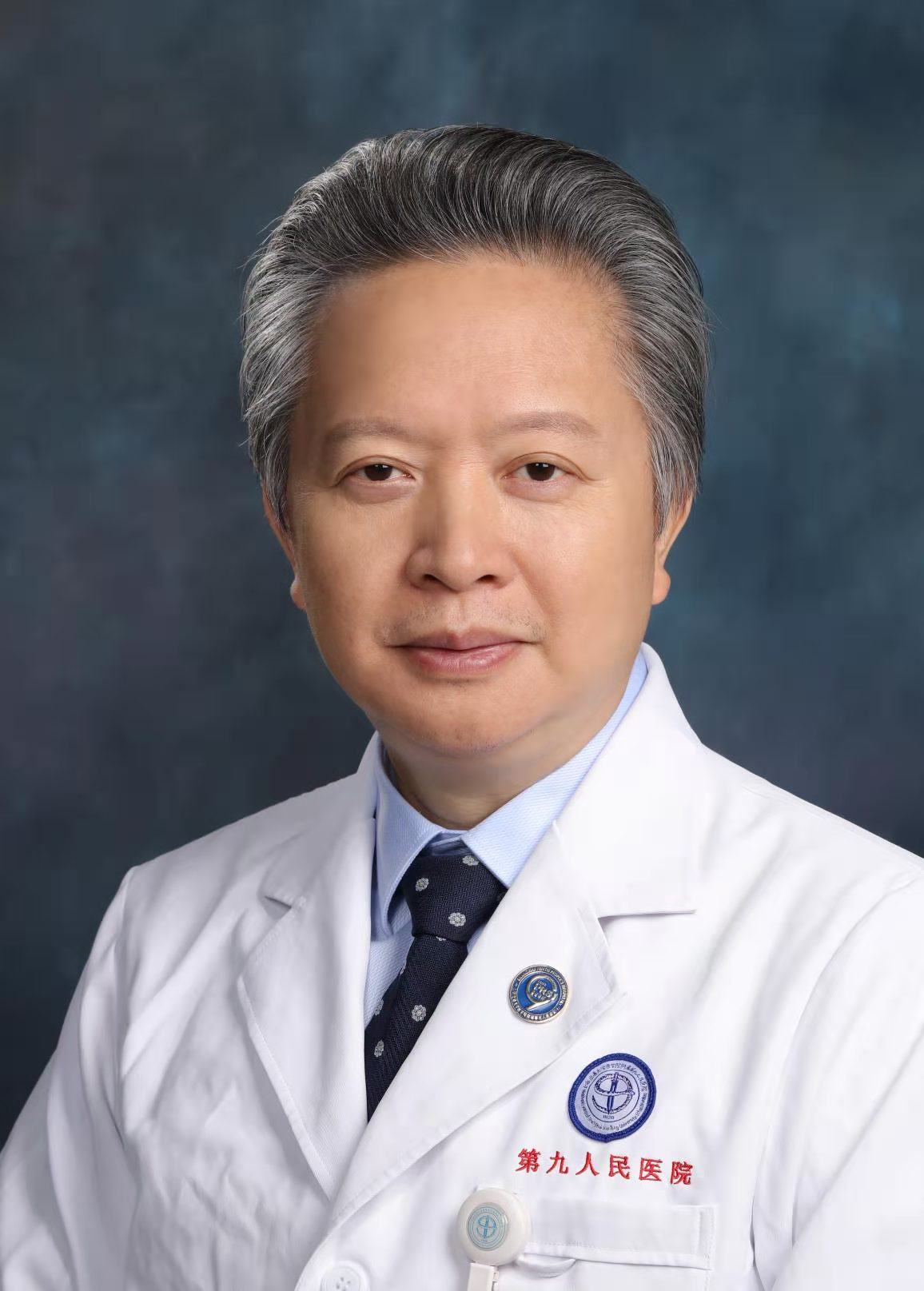 Qingfeng Li (李青峰)合作论文数Shanghai Ninth People's Hospital, School of Medicine, Shanghai Jiao Tong University88
 Tao Zan (昝涛)合作论文数Shanghai Ninth People's Hospital, Shanghai Jiao Tong University School of Medicine51
 Kai Liu (刘凯)合作论文数Ninth People’s Hospital, School of Medicine, Shanghai Jiaotong University35
 Feng Xie (谢峰)合作论文数Shanghai Ninth People's Hospital, School of Medicine, Shanghai Jiao Tong University35
 Zhichao Wang (王智超)合作论文数Shanghai Ninth People’s Hospital, Shanghai Jiao Tong University School of Medicine28
 Li Haizhou合作论文数25Yun Xie (谢芸)合作论文数23Cheng-Jiang Wei合作论文数20Guoxiong Shen合作论文数20Yashan Gao合作论文数19Yi-Hui Gu合作论文数16Jie-Yi Ren合作论文数14
 Shuchen Gu合作论文数11Zhu Hainan合作论文数11
 Shuang-Bai Zhou合作论文数Shanghai Jiao Tong University, Shanghai Jiao Tong University10
 Danning Zheng (郑丹宁)合作论文数Shanghai Ninth People's Hospital, Shanghai Jiaotong University School of Medicine10Xi-Wei Cui合作论文数8Tanja Herrler合作论文数7Wei Wang合作论文数6Zijing Du合作论文数6Xiang Lian合作论文数6
 Yuehua Li (李跃华)合作论文数School of Health Science and Engineering, University of Shanghai for Science and Technology;Shanghai Sixth People’s Hospital Affiliated to Shanghai Jiao Tong University6Xiangwen Xu合作论文数5Cheng-An Chiang合作论文数4Manmei Long合作论文数4
 Xiaoxi Lin (林晓曦)合作论文数Shanghai Ninth People Hospital, School of Medicine, Shanghai Jiaotong University4Huiyong Wang (王会勇)合作论文数4
 Hua Li (李华)合作论文数School of Materials Science and Engineering, Shanghai Jiao Tong University4Mei Yang合作论文数School of Medicine, Shanghai Jiao Tong University4
 Weiqiong Gu (顾卫琼)合作论文数Shanghai Jiaotong University School of Medicine4Lee L. Q. Pu合作论文数4Shenying Luo合作论文数3Ling-Ling Ge合作论文数3Yimin Khoong合作论文数3
 Hao Jiang合作论文数3Zizhen Guo合作论文数3
 Ru-Lin Huang (黄如林)合作论文数School of Medicine, Shanghai Jiao Tong University3Rui Weng合作论文数3Huijing Wang合作论文数3Yuwen YUAN (袁毓雯)合作论文数3ShengWu Zheng (郑胜武)合作论文数3Xin Huang (黄昕)合作论文数3
 Yifei Zhang (张翼飞)合作论文数Ruijin Hospital, Shanghai Jiao Tong University School of Medicine3
 Weiqing Wang (王卫庆)合作论文数Ruijin Hospital, School of Medicine, Shanghai Jiaotong University3
 Jiqiu Wang (王计秋)合作论文数Ruijin Hospital, Shanghai Jiaotong University School of Medicine3
 Zuoliang Qi (祁佐良)合作论文数Plastic Surgery Hospital, Chinese Academy of Medical Sciences3




