With their many degrees of freedom (DOFs) and flexible motion, serpentine manipulators (SMs) have become a research hotspot. Both discrete rigid-link and continuum elastic-rod SMs have been developed with various kinematic models. Yet, a unified kinematic framework and workspace boundary determination for diverse SMs remain unresolved. This article presents an efficient method to compute workspace boundaries based on a unified kinematic model, enabling rapid solutions across different SM structures. First, a unified kinematic modeling framework for SMs is established, resolving the issue of inconsistent kinematic descriptions across diverse structural forms. Two important kinematic characteristics of SMs are discussed: non-periodic and non-convex. Second, based on the unified kinematic model, a fast approximate solution method for determining the workspace boundary is proposed. Its computational complexity is only O(m), significantly improving computational efficiency compared to the continuation method with O(m3), while maintaining an accuracy of the workspace boundary at over 99%. The effectiveness of the proposed solution algorithm in determining workspace boundaries is verified using three SMs with different DOFs. Finally, an inverse kinematics and motion planning algorithm for SMs is proposed, based on the fast workspace boundary solution. Compared to planning methods based on Jacobian pseudoinverse and artificial potential fields, the proposed algorithm offers a clear efficiency advantage and is not affected by singularity issues. The algorithm’s effectiveness is validated both in simulations and on physical prototypes.
High-resolution visuo-tactile sensing enables accurate robotic manipulation. However, the scarcity of real tactile data and the pronounced discrepancy between simulated and physical measurements hinder scalable learning. Existing image translation methods mainly emphasize appearance realism, yet often introduce geometric inconsistencies that compromise the physical validity of tactile measurements, particularly under curved-surface contact. This paper presents TacyGAN, a geometry-consistent sim-to-real transfer framework for visuo-tactile sensing. By identifying geometric inconsistency as a primary source of sim-to-real degradation, TacyGAN explicitly constrains tactile deformation through depth geometric consistency and contact state consistency mechanisms. In addition, a multi-scale, geometry-adaptive generator–discriminator architecture is designed to more effectively couple global deformation patterns with local texture cues. Experimental results on a curved fingertip visuo-tactile sensor show that TacyGAN substantially reduces the sim-to-real gap. The translated images support more accurate depth reconstruction, achieving performance close to real-image baselines, and significantly improve force estimation with limited real-data fine-tuning. These results indicate that TacyGAN provides a reliable and scalable solution for simulation-driven tactile learning in complex contact scenarios.
Owing to the high degrees of freedom characteristic of hyper-redundant manipulator (HRM), path planning in complex environments poses significant challenges. To address the unique characteristics of HRMs, this paper proposes a forward propagation-enhanced Rapidly-exploring Random Tree (RRT) configuration planning method. This method divides the planning problem into two phases: the preparatory phase and the obstacle avoidance phase, enabling the computation of the spatial position of each joint throughout the entire planning process. First, an obstacle management method based on circumscribed regular geometric shapes is introduced, which significantly reduces the computational overhead of collision detection for irregular obstacles by dividing obstacle regions into danger zones and warning zones. Second, the preparatory phase and the obstacle avoidance phase are established using the RRT algorithm, constructing the position and configuration of the HRM for each phase. Subsequently, the forward propagation configuration planning method dynamically allocates the arm segment resources of the robotic arm, ensuring a smooth transition between the obstacle avoidance phase and the preparatory phase. Finally, experimental results demonstrate that the proposed method effectively improves the motion efficiency of HRMs in complex environments while ensuring the safety and real-time performance of path planning.
Whole-body reactive obstacle avoidance for mobile manipulators (MM) remains an open research problem. Control Barrier Functions (CBF), combined with Quadratic Programming (QP), have become a popular approach for reactive control with safety guarantees. However, traditional CBF methods often face issues such as pseudo-equilibrium problems (PEP) and are ineffective in handling dynamic obstacles. To overcome these challenges, we introduce the Adaptive Cyclic Inequality (ACI) method. ACI takes into account both the obstacle’s velocity and the robot’s nominal control to define a directional safety constraint. When added to the CBF-QP, ACI helps avoid PEP and enables reliable collision avoidance in dynamic environments. We validate our approach on a mobile manipulator comprising both low-dimensional and high-dimensional subsystems, demonstrating the generality of the framework. In addition, we integrate a simple yet effective method for avoiding self-collisions, allowing the robot enabling comprehensive whole-body collision-free operation. Extensive benchmark comparisons and experiments demonstrate that our method performs well in unknown and dynamic scenarios, including difficult tasks like avoiding sticks swung by humans and rapidly thrown objects.
Basketball players catch fast passes, and porters unload goods with apparent ease. These actions demonstrate how humans rely on intelligent regulation strategies to drive muscle activity. Replicating similar dynamic responses and strong impact absorption in robotics, however, remains a major challenge. Classical impedance control requires a trade-off between compliance and stability in high-impact interactions, which limits dynamic performance. To address this issue, this paper proposes a Stroke-based Variable Damping Model (SVDM), which adjusts the damping coefficient adaptively according to the position error relative to the contact point. In addition, a Force Attenuation (FA) strategy is applied to the external forces injected into SVDM, resulting in the SVDM with Force Attenuation (FA-SVDM). Based on human biomechanical principles, we fabricated a 4-DOF robotic manipulator using 3D printing technology. Using FA-SVDM, the manipulator successfully captured a 1kg rigid sphere falling freely from 0.8m. Under identical conditions, it exhibits superior performance compared to various fixed-damping configurations. We further developed a 6-DOF robotic manipulator equipped with a dexterous hand in the widely-used MuJoCo engine, employing quadratic programming (QP) for pre-contact trajectory tracking and FA-SVDM for post-contact energy dissipation, ultimately achieving human-like compliant capture of high-momentum flying objects using a single arm with a half-prehensile strategy.
Continuum manipulators (CMs) hold significant promise for space applications due to their flexibility and adaptability in extreme environments. However, similar to traditional articulated space manipulators (A-SMs), CMs face challenges arising from the dynamic coupling between the manipulator and the spacecraft. A key difficulty with CMs lies in their infinite degrees of freedom (DOFs) and the absence of conventional joint structures, which complicates the development of differential kinematics models similar to those of A-SMs using Jacobian matrix. To address this issue, we introduce the concept of the Jacobian operator to overcome the difficulties in establishing the differential kinematics of CMs. Building on this foundation, we further introduce the concept of the generalized Jacobian operator, an extension of the generalized Jacobian matrix in A-SMs, to develop the differential kinematics of continuum space manipulators (C-SMs). Based on the derived differential kinematics, we then propose a trajectory planning method for C-SMs. Additionally, utilizing the null space of the Jacobian operator, a base disturbance-free trajectory planning approach is developed, ensuring smooth operation under dynamic coupling conditions. Finally, the validity and effectiveness of the proposed planning methods are demonstrated through simulation cases. This framework offers a robust solution to the kinematic challenges of C-SMs, paving the way for more efficient trajectory planning and control in space applications.
While multi-arm continuum space manipulators (M-C-SMs) offer new prospects for on-orbit servicing through their full-arm collaborative capabilities, their infinite degrees of freedom (DOFs) and non-rigid nature create a technical bottleneck for traditional Jacobian-based kinematic modeling. To address this challenge, this paper introduces the Multi-arm Generalized Jacobian Operator (MGJO), a novel concept established by incorporating the law of momentum conservation into a multi-arm operator framework. The MGJO extends the conventional Generalized Jacobian Matrix (GJM) from describing the end-effector motion of rigid manipulators to an infinite-dimensional operator space capable of describing the full-arm motion of M-C-SMs. Based on this operator, we establish a complete kinematic framework that includes the differential forward kinematics, along with its adjoint and pseudo-inverse operators. This framework provides a systematic solution to the full-arm differential inverse kinematics problem. The framework is then applied to trajectory planning for collaborative on-orbit tasks, integrating systematic solutions for handling constraints such as base disturbance minimization, collision avoidance, and deformation limits, which enhances its practicality and reliability. Simulation results demonstrate the effectiveness of the proposed model and method. This research provides the first unified, operator-based theoretical framework for the kinematic modeling and trajectory planning of M-C-SMs, establishing a key enabling technology for future autonomous on-orbit servicing, maintenance, and assembly.
Fixed-position grasping is an efficient strategy in robotic assembly. Adaptive grippers employing differential mechanisms (DMs) can passively compensate for misalignment between gripper and object. However, conventional DMs, such as gear-based differential mechanisms (GDMs), are limited by rotational inertia and friction, generating excessive contact forces that compromise the object's positional stability and ultimately degrade assembly accuracy. To address this issue, a single-actuator gripper based on an antagonistic cable-driven differential mechanism (CDDM) is proposed, in which differential cable tensions are converted into low-friction pulley rotations to enable low-contact-force adaptive grasping. The kinematic relationship between the CDDM and the gripper stroke is modeled, and a kinematics-based optimization method is developed to minimize the gripper's dimensions and achieve the prescribed stroke without converging to local optima. Furthermore, the dynamics of the CDDM-based gripper are established to evaluate the contact forces on the object. Finally, an adaptive CDDM-based gripper is built to validate its payload capacity, repeatability, and adaptive performance in fixed-position grasping. Experimental results show that the proposed gripper outperforms a gear-based design, reducing the contact force by 53.28%, a repeatability displacement accuracy of less than 0.30 mm during the long-term operation, and limiting error to 0.28 mm for picks with a 4.02 mm positional offset.
Effective communication is pivotal for addressing complex collaborative tasks in multi-agent reinforcement learning (MARL). Yet, limited communication bandwidth and dynamic, intricate environmental topologies present significant challenges in identifying high-value communication partners. Agents must consequently select collaborators under uncertainty, lacking a priori knowledge of which partners can deliver task-critical information. To this end, we propose Interference-Aware K-Step Reachable Communication (IA-KRC), a novel framework that enhances cooperation via two core components: (1) a K-Step reachability protocol that confines message passing to physically accessible neighbors, and (2) an interference-prediction module that optimizes partner choice by minimizing interference while maximizing utility. Compared to existing methods, IA-KRC enables substantially more persistent and efficient cooperation despite environmental interference. Comprehensive evaluations confirm that IA-KRC achieves superior performance compared to state-of-the-art baselines, while demonstrating enhanced robustness and scalability in complex topological and highly dynamic multi-agent scenarios.
Cable-driven segmented manipulators adopt a hybrid active-passive actuation mechanism, enabling continuous bending of the entire manipulator while significantly reducing the number of driving motors and the overall size of the system. This makes them highly promising for maintenance tasks in fields such as aerospace and nuclear power. However, due to factors such as cable deformation and transmission friction, the ideal constant-angle bending characteristics of each segment are difficult to achieve. As a result, traditional kinematic modeling, trajectory planning, and control methods based on the constant-angle assumption introduce significant errors, making precise manipulation tasks challenging. To address this problem, this paper proposes a segment endpoint equivalence modeling and resolved motion control method for cable-driven segmented manipulators. First, the endpoint pose of each segment is described using a segment plane angle and an equivalent central angle, defining a segment space that effectively encapsulates linkage uncertainties. Then, the equivalent kinematics of the manipulator’s end-effector are modeled based on segment endpoint kinematics by taking into account its typical cable-driven linkage structure and unique geometric characteristics. Second, a segment endpoint control method is developed that incorporates segment-space parameterization and endpoint projection to handle non-ideal linkage conditions. The end-effector pose difference is further resolved into the segment space to achieve closed-loop control of the entire manipulator’s end-effector pose. Experimental validation confirms that the proposed method reduces the root mean square error, mean absolute error, and maximum error in trajectory tracking by 81.3
Recent years have witnessed many successful trials in the robot learning field. For contact-rich robotic tasks, it is challenging to learn coordinated motor skills by reinforcement learning. Imitation learning solves this problem by using a mimic reward to encourage the robot to track a given reference trajectory. However, imitation learning is not so efficient and may constrain the learned motion. In this paper, we propose instruction learning, which is inspired by the human learning process and is highly efficient, flexible, and versatile for robot motion learning. Instead of using a reference signal in the reward, instruction learning applies a reference signal directly as a feedforward action, and it is combined with a feedback action learned by reinforcement learning to control the robot. Besides, we propose the action bounding technique and remove the mimic reward, which is shown to be crucial for efficient and flexible learning. We compare the performance of instruction learning with imitation learning, indicating that instruction learning can greatly speed up the training process and guarantee learning the desired motion correctly. The effectiveness of instruction learning is validated through a bunch of motion learning examples for a biped robot and a quadruped robot, where skills can be learned typically within several million steps. Besides, we also conduct sim-to-real transfer and online learning experiments on a real quadruped robot. Instruction learning has shown great merits and potential, making it a promising alternative for imitation learning.
This research introduces an innovative robust tracking control framework addressing the trajectory coordination problem of space manipulators with unmodeled dynamics and parametric variations. The methodology unifies two core contributions: Dynamic-consistent reference acceleration architecture ensuring kinematic compatibility between the spacecraft base and manipulator links; Time-Delayed Estimation compensator actively attenuating lumped uncertainties without requiring prior disturbance modeling. Through rigorous Lyapunov-based stability analysis, the proposed control law is formally proven to achieve: Simultaneous asymptotic tracking of spacecraft attitude and manipulator joint trajectories, moreover appointed time convergence with user-predefined performance boundaries for joint tracking errors, guaranteeing both transient overshoot limitation and steady-state accuracy. Numerical simulations validate the framework’s efficacy in achieving precision control of coupled space manipulator systems.
Real-world decision-making systems often suffer from non-negligible observation and action delays arising from sensing and actuation, which break the standard Markov assumption and degrade reinforcement learning (RL) performance. We present Delay-resilient Encoder-Enhanced RL (DEER), a practical framework that systematically integrates well-established techniques (sequence-to-sequence representation learning, information-state construction, and offline-to-online RL) to enable robust performance in delayed environments. DEER first pretrains an encoder on offline delay-free trajectories and then uses it online to map delayed observations with recent action histories into fixed-length context vectors for standard RL agents. We further provide a theoretical decomposition that links reconstruction error, distributional mismatch, latent-policy generalization, and environment mismatch to overall performance, offering interpretable guidance for design choices. Empirically, integrating DEER with Soft Actor-Critic yields competitive and stable performance across a range of constant and random delaysettings on six continuous-control benchmarks. The contribution is therefore twofold: (i) a practical, deployable engineering solution for delayed RL that leverages existing building blocks effectively; and (ii) a quantitative analysis that explains when and why this integration works.
This paper proposes a lightweight decentralized solution for multi-robot coordinated navigation with cooperative perception. First, we introduce a rapid way to process sensory data, thus obtaining safe directions and key environmental features. Then, an information flow is created to facilitate real-time perception sharing over wireless ad-hoc networks. Consequently, the environmental uncertainties of each robot are reduced by interaction fields that deliver complementary information. Finally, path optimization is achieved in a probabilistic way, enabling self-organized coordination with effective convergence, divergence, and collision avoidance. Our method is fully interpretable and ready for deployment without gaps. Comprehensive simulations and real-world experiments demonstrate reduced path redundancy, robust performance across various tasks, and minimal demands on computation and communication.
Thermal imaging is resilient to adverse conditions, such as intense illumination, low-light operation, and fog, and can therefore mitigate odometry degradation when visible-spectrum imagery becomes unreliable. Nevertheless, most thermal cameras employ automatic gain control (AGC), and thermal images often present low global contrast despite containing informative edge structures. These characteristics undermine brightness constancy and cause conventional optical flow tracking-based odometry pipelines that fundamentally rely on the brightness constancy assumption across consecutive frames. To address these issues, we propose a general LiDAR-Inertial-Thermal SLAM system that accommodates both visible-light and thermal cameras. PL-LIT combines an online photometric calibration module with a deep neural network for point-line feature extraction, enabling more stable and repeatable thermal tracking. For state estimation, we design a tightly coupled LiDAR-Inertial-Thermal formulation within an Error-State Iterated Kalman Filter (ESIKF). We further introduce a line-feature constraint scheme ensuring the reliability of geometric constraints across varying thermal appearances. In addition, PL-LIT builds a probabilistic thermal-intensity voxel map, which supports real-time thermal anomaly detection. Extensive experiments demonstrate that PL-LIT exhibits generality and robustness in visible-light environments, achieves state-of-the-art performance on long-range thermal infrared datasets, and provides practical safety inspection functionality based on thermographic mapping.
Bistable grasping devices exhibit high maneuverability and rapid responsiveness; however, existing bistable grippers often lack the capability for active adjustment of triggering forces and effective interaction with the environment during grasping. Inspired by the zebra mantis shrimp, this article proposes a bistable, multimode, and adaptive gripper named bistable multimode adaptive gripper (BMA) gripper. Through a bioinspired design of a multimode bistable actuator and underactuated fingers with modular fingertips, the proposed gripper achieves rapid grasping across diverse scenarios. A series of experiments were conducted to evaluate the performance and functionality of the BMA gripper. Experimental results demonstrate that the gripper can operate in three distinct grasping modes: fully active, active bistable, and passive bistable grasping, effectively interacting with the environment to achieve adaptive grasping. In the bistable grasping mode, the gripper requires a minimal energy of only 0.412 mJ for state transition and can switch from the open state to the closed state in as short as 0.116 s. In addition, the gripper achieves a maximum gripping force of 68.4 N at a gripping distance of 120 mm. These results confirm the significant potential of the BMA gripper for high-speed adaptive grasping tasks in various application scenarios.
The cable-driven serial manipulator (CDSM) features slender structures, high dexterity, and inherent compliance, making them promising for tasks in confined and cluttered environments. Nevertheless, achieving comprehensive shape planning and coordinated control across the entire manipulator remains challenging, leading to underutilization of redundant degrees of freedom and limiting performance improvement. To address this limitation, we introduce the concept of arm-shape, from which arm angles are derived and combined with Cartesian poses to establish a generalized task framework. Within this framework, first- and second-order kinematic influence coefficients are derived to ensure efficient planning and feasible solutions. To exploit the redundant DOFs, a quadratic programming strategy integrating null-space projection with manipulability optimization is proposed, leading to the definition and enhancement of morpho-manipulative capability (MMC). Building on this, an optimal control scheme is designed by embedding MMC optimization into a multispace closed-loop controller, enabling simultaneous trajectory tracking and arm-shape regulation. The controller operates at the joint, cable, and motor levels, ensuring robustness against slack and breakage while maintaining high precision. Finally, both simulations and physical experiments on a CDSM prototype validate the proposed framework. Results demonstrate accurate trajectory tracking, effective arm-shape regulation, and significant improvement of MMC. These outcomes confirm that the proposed framework achieves a favorable balance between generalized task accuracy and internal optimization, thereby improving adaptability, manipulability, and robustness under real-world conditions.
Diffusion-based vision-language-action (VLA) models have emerged as strong priors for robotic manipulation, yet adapting them to real-world distributions remains challenging. In particular, on-robot reinforcement learning (RL) is expensive and time-consuming, so effective adaptation depends on efficient policy improvement within a limited budget of real-world interactions. Noise-space RL lowers the cost by keeping the pretrained VLA fixed as a denoising generator while updating only a lightweight actor that predicts the noise. However, its performance is still limited due to inefficient autonomous exploration. Human corrective interventions can reduce this exploration burden, but they are naturally provided in action space, whereas noise-space finetuning requires supervision over noise variables. To address these challenges, we propose UniSteer, a Unified Noise Steering framework that combines human corrective guidance with noise-space RL through approximate action-to-noise inversion. Given a human corrective action, UniSteer inverts the frozen flow-matching decoder to recover a noise target, which provides supervised guidance for the same noise actor that is simultaneously optimized via reinforcement learning. Real-world experiments on diverse manipulation tasks show that UniSteer adapts more efficiently than strong noise-space RL and action-space human-in-the-loop baselines, improving the success rate from 20
 Xueqian Wang (王学谦)合作论文数Center for Artificial Intelligence and Robotic, Graduate School at Shenzhen, Tsinghua University205
 Wenfu Xu (徐文福)合作论文数School of Mechanical Engineering and Automation, Harbin Institute of Technology (Shenzhen)145
 Houde Liu (刘厚德)合作论文数Shenzhen International Graduate School, Tsinghua University98
 Jun Yang合作论文数Department of Mathematical Sciences, University of Copenhagen48
 Cheng Li合作论文数47
 Zhang Chen (陈章)合作论文数Department of Automation, Tsinghua University46
 Tao Zhang (张涛)合作论文数Department of Automation, School of Information Science and Engineering, Tsinghua University43
 Deshan Meng (孟得山)合作论文数School of Aeronautics and Astronautics, Sun Yat-sen University43
 Feng Xu (徐峰)合作论文数Tsinghua Shenzhen International Graduate School, Tsinghua University37
 Junbo Tan合作论文数Tsinghua Univ, Tsinghua Natl Lab Informat Sci & Technol, Beijing 100084, Peoples R China36
 Wenyi Qiang (强文义)合作论文数Harbin Institute of Technology35
 Yangsheng Xu (徐扬生)合作论文数School of Science and Engineering, The Chinese University of Hong Kong, Shenzhen;Shenzhen Institutes of Advanced Technology, Chinese Academy of Sciences32
 Linqi Ye (叶林奇)合作论文数School of Future Technology, Shanghai University;THU-SHU Joint Lab of RoboArt & Embodied Intelligence32
 Weining Lu (芦维宁)合作论文数Beijing National Research Center for Information Science and Technology, Tsinghua University29
 Chongkun Xia (夏崇坤)合作论文数School of Advanced Manufacturing, Sun Yat-sen University24
 Yang Deng (邓飏)合作论文数Department of Automation, School of Information Science and Technology, Tsinghua University24
 Bo Yuan (袁博)合作论文数Tsinghua Shenzhen International Graduate School23
 Yu Liu (刘宇)合作论文数School of Astronautics, Beihang University23
 Lei Yan (闫磊)合作论文数School of Mechanical Engineering and Automation, Harbin Institute of Technology, Shenzhen21
 Xudong Zheng (郑旭东)合作论文数17Xiaojun Zhu合作论文数17
 Jianqing Peng (彭键清)合作论文数School of Intelligent Systems Engineering, Sun Yat-sen University16
 Zhonghua Hu合作论文数15
 Han Yuan (袁晗)合作论文数School of Robotics and Advanced Manufacture, College of Artificial Intelligence, Harbin Institute of Technology, Shenzhen14
 Panfeng Huang (黄攀峰)合作论文数School of Astronautics, Northwestern Polytechnical University13
 Yiyong Sun (孙一勇)合作论文数School of Aerospace Engineering, Beijing Institute of Technology13
 Ziwei Wang合作论文数Dept Bioengn, Imperial Coll London12
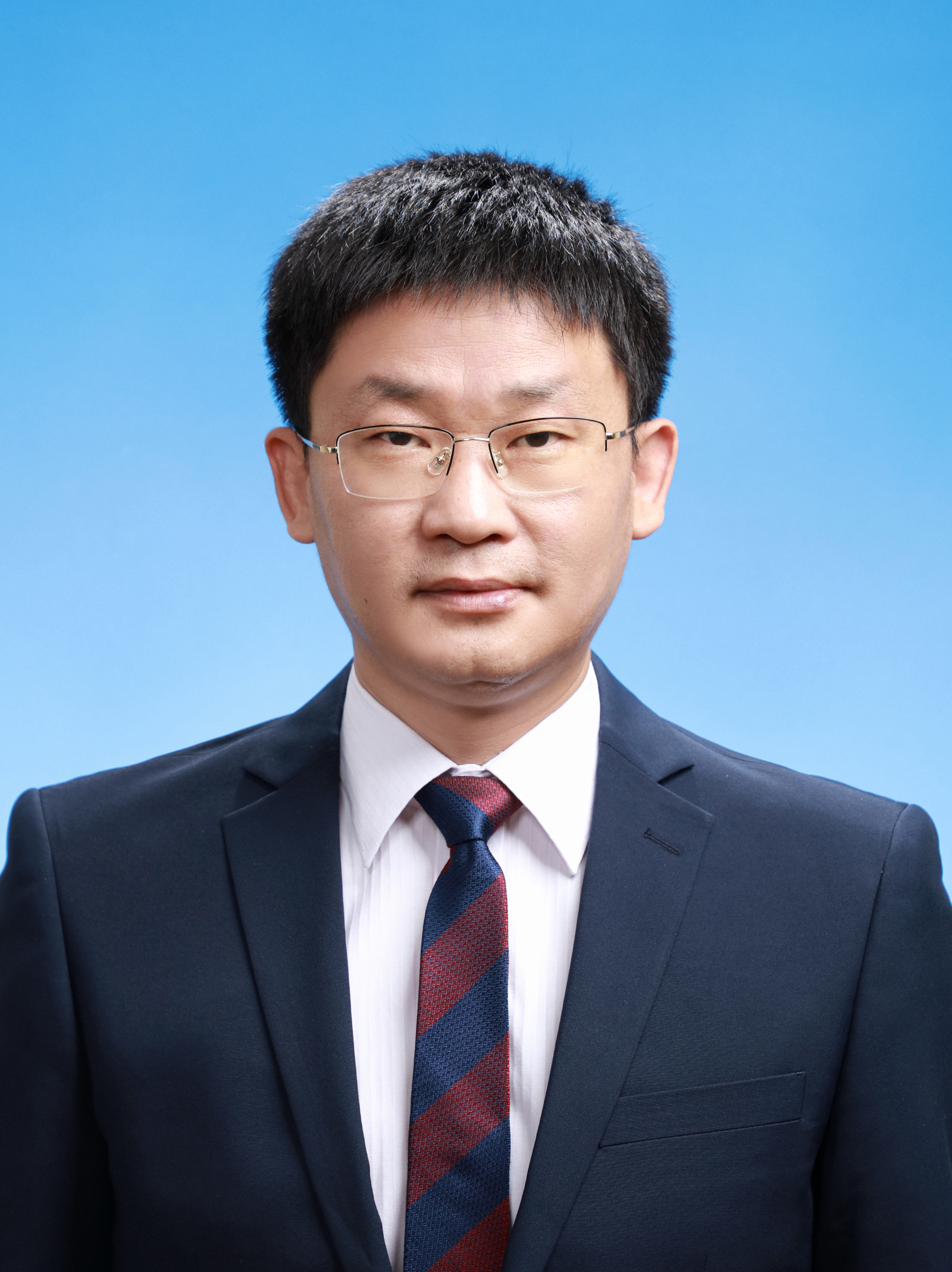 Guang Zhai (翟光)合作论文数School of Aerospace Engineering, Beijing Institute of Technology12Zhiheng Li (李志恒)合作论文数12Xianjin Zhu合作论文数11
 Zonggao Mu合作论文数10Xuehai Gao合作论文数10
 Chen Zhang (张宸)合作论文数Department of Micro-Nano Electronics, School of Electronic Information and Electrical Engineering, Shanghai Jiao Tong University10
 Jingyan Song (宋靖雁)合作论文数Department of Automation, Tsinghua University10Xia Bo合作论文数9
 Taiwei Yang (杨太玮)合作论文数9Zhang Bo合作论文数9Gang Li (李刚)合作论文数9
 Hailong Zhu (朱海龙)合作论文数College of Computer Science and Information Engineering, Harbin Normal University9Ye Shi合作论文数8
 Qiyuan Zhang合作论文数Harbin Institute of Technology, Harbin, China8
 Tianliang Liu合作论文数Jiangsu Provincial Key Lab. of Image Process. & Image Commun., Nanjing Univ. of Posts & Telecommun.;c;Jiangsu Provincial Key Lab. of Image Process. & Image Commun., Nanjing Univ. of Posts & Telecommun.8
 Xiaoteng Ma (马骁腾)合作论文数Mind Lab, Macaron AI8
 Ke Shao (邵可)合作论文数School of Civil Aviation, Northwestern Polytechnical University8
 Ying He合作论文数8
 Lijun Xue合作论文数8
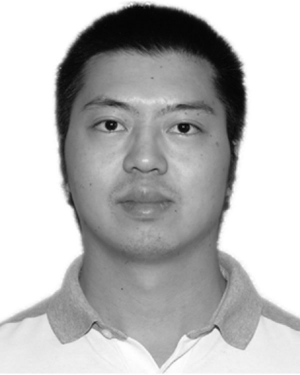 Rongjian Liang合作论文数NVIDIA7
 Wenshuo Li合作论文数Department of Mechatronic Engineering, Harbin Institute of Technology7BiBo Guo (郭碧波)合作论文数7




