Recent advances in generative artificial intelligence (AI) have led to transformative breakthroughs across multiple fields. As the core of generative AI, large language models (LLMs) possess strong generalization and reasoning capabilities, offering the potential to establish a unified framework for fault diagnosis. Such a framework can overcome the limitations of existing methods when faced with challenges, including multiple datasets, cross-condition transfer, and data imbalance. However, owing to the significant modality gap between continuous vibration signals and discrete text, effective LLM utilization to process time-series data for fault diagnosis remains a critical challenge. In this study, an LLM-driven hierarchical cross-modal alignment method, termed HCMA_GPT, is proposed to overcome this challenge. First, a signal-text synergistic representation module is constructed to generate domain-knowledge-enriched text descriptions from raw vibration signals. Then, these descriptions are jointly encoded with the original signals to enhance the diversity and semantic expressiveness of fault features. Secondly, a hierarchical cross-modal feature alignment and fusion module is designed to achieve feature alignment and fusion between signals and text data from shallow to deep layers. By minimizing the distributional discrepancy between the two modalities, this module enhances the applicability of semantically trained LLM to time-series data. Finally, a novel unified fault diagnosis framework is developed by leveraging the generalization and reasoning abilities of LLM. Extensive experiments conducted on multiple datasets, cross condition and data imbalance scenarios indicate that HCMA_GPT effectively improves diagnostic accuracy and exhibits superior robustness and generalization capabilities.
Current expansion-based methods for Class Incremental Learning (CIL) effectively mitigate catastrophic forgetting by freezing old features. However, such task-specific features learned from the new task may collide with the old features. From a causal perspective, spurious feature correlations are the main cause of this collision, manifesting in two scopes: (i) guided by empirical risk minimization (ERM), intra-task spurious correlations cause task-specific features to rely on shortcut features. These non-robust features are vulnerable to interference, inevitably drifting into the feature space of other tasks; (ii) inter-task spurious correlations induce semantic confusion between visually similar classes across tasks. To address this, we propose a Probability of Necessity and Sufficiency (PNS)-based regularization method to guide feature expansion in CIL. Specifically, we first extend the definition of PNS to expansion-based CIL, termed CPNS, which quantifies both the causal completeness of intra-task representations and the separability of inter-task representations. We then introduce a dual-scope counterfactual generator based on twin networks to ensure the measurement of CPNS, which simultaneously generates: (i) intra-task counterfactual features to minimize intra-task PNS risk and ensure causal completeness of task-specific features, and (ii) inter-task interfering features to minimize inter-task PNS risk, ensuring the separability of inter-task representations. Theoretical analyses confirm its reliability. The regularization is a plug-and-play method for expansion-based CIL to mitigate feature collision. Extensive experiments demonstrate the effectiveness of the proposed method.
Compared with single-source approaches, multi-source domain adaptation (MSDA) for fault diagnosis integrates complementary information from various domains. This avoids the subjectivity and arbitrariness associated with selecting a single source. However, existing MSDA methods for fault diagnosis typically enforce global distribution alignment between the feature of source and target domains. Such alignment often leads to the loss of discriminative fault features in the target domain, resulting in negative transfer. To address aforementioned issues, a cross-domain attention guided MSDA model (CDA-MSDA) is proposed in this paper. In this framework, a cross-domain attention module is constructed to dynamically fuse source and target domain features. This module effectively enhances the transfer of task-relevant features in the source domain and preserves discriminative features in the target domain. Then, a fault knowledge distillation module is developed to guide the feature extractor and classifier in achieving cross-domain fault category alignment. Finally, a multi-model dynamic collaborative decision module is designed. By aggregating prediction results from multiple classifiers, it addresses prediction conflicts arising from the varying reliability of different source domains. Extensive experiments on three benchmark datasets across 16 transfer tasks validate the effectiveness of the proposed method. Specifically, CDA-MSDA achieves an average diagnostic accuracy of 94.99 %, outperforming state-of-the-art baselines by 2-10 %, demonstrating superior robustness and stability in complex fault diagnosis scenarios.
With the rapid advancement of deep learning and sensing technology, Transformer models driven by multi-source information have attracted significant attention in the research of rotating machinery fault diagnosis. However, existing methods typically treat all sensor signals equally during signal fusion, overlooking the differences in their contribution to fault diagnosis, resulting in degraded generalization performance in the presence of faulty sensors. In addition, the opaque decision-making logic limits the trustworthiness of Transformer-based fault diagnosis results. Therefore, this paper proposes a general interpretable fault diagnosis framework called VAVFormer to address the aforementioned challenges. Firstly, a multi-source information variational fusion mechanism is designed to dynamically estimate sensor weights, considering the uncertainty and variability of sensor data. Secondly, an adaptive volatility attention block is constructed to quantify signal volatility and adjust attention boundaries, focusing on high-volatility regions critical for accurate fault diagnosis. The effectiveness of VAVFormer was validated through experiments on subway train bogie transmissions and wind turbine systems. Comparative results show that the proposed VAVFormer outperforms advanced Transformer-based methods across multiple diagnostic tasks, exhibiting excellent robustness and cross-domain generalization capabilities. Moreover, the visualization of sensor weights and attention heatmaps provides clear insights into the model’s decision-making process, enhancing its transparency and interpretability.
Recent advancements in domain generalization methods for fault diagnosis have achieved excellent performance. However, its inherent black-box characteristics seriously hinder its practical deployment in critical industrial scenarios. In addition, current cross-domain interpretability research often focuses on a single stage, resulting in an incomplete and unreliable understanding of model behavior. To overcome the above bottlenecks, this article proposes a dual-stage interpretable domain generalization fault diagnosis framework. In the first stage, a prior knowledge-guided feature extractor is constructed to extract steady-state and transient features from low- and high-frequency directions, thereby improving the model's ante-hoc interpretability. In the second stage, gradient-weighted class activation mapping is employed to visualize the class activation maps, revealing the attention regions during signal processing and enabling post-hoc interpretability analysis. The proposed method is validated using two distinct gearbox datasets, demonstrating superior performance in diagnostic accuracy and model interpretability compared to conventional domain generalization fault diagnosis approaches. In addition, the prior knowledge-guided feature extractor proves effective when integrated into other domain generalization models, and gradient-weighted class activation mapping proves to be a valuable tool for post-hoc interpretability assessment in the field of domain generalization fault diagnosis.
In practical industrial scenarios, distribution shifts induced by varying operating conditions severely hinder the accuracy and reliability of cross-domain fault diagnosis for rolling bearings. Moreover, existing domain adaptation methods generally lack interpretability and still face challenges in handling unreliable pseudo-labels in the target domain. To address these issues, a novel Physics-Informed Distribution Uncertainty Quantification network (PIDUQ) is proposed. First, a Physics-Constrained Differentiable Convolution (PCDConv) module is constructed to replace the conventional first-layer convolution. Through parameterized modeling and physics-based regularization, PCDConv reconfigures convolutional kernels into learnable band-pass filter banks, enabling the network to adaptively focus on fault-induced resonance frequency bands and thereby enhancing the physical consistency and noise robustness of feature extraction. Subsequently, the Uncertainty-guided Local Maximum Mean Discrepancy (ULMMD) metric is introduced. By jointly quantifying prediction reliability using normalized entropy and confidence margins, ULMMD employs a dynamic reweighting strategy to suppress the interference of highly uncertain samples during subdomain alignment, thereby alleviating negative transfer and refining decision boundaries. Extensive experiments are conducted on the Paderborn University and Mechanical Fault Simulation datasets. The results show that PIDUQ achieves accuracies of 95.15%-98.27% on the PU dataset and an average accuracy of 89.87% on co-located transfer tasks of the MFS dataset, while maintaining superior performance under multi-speed, cross-location, and compound fault scenarios. Furthermore, visualized filter responses validate the capability of the proposed method to capture physical information. Code is available at GitHub.
In practical industrial applications, fault samples of critical components such as rolling bearings are often scarce, thereby limiting the diagnostic performance of deep learning models under small samples scenarios. To address this issue, a graph feature-enhanced denoising diffusion probabilistic model (GF-DDPM) is proposed to generate high-quality fault samples and improve the accuracy of intelligent fault diagnosis. The proposed method utilizes a dynamic graph feature construction strategy to transform time-frequency representations into undirected graphs, enabling explicit modeling of spatial-frequency correlations among pixels. Furthermore, a residual block (GF-RB) is incorporated into the diffusion process to effectively fuse local spatial features extracted by convolutional neural network with global structural information captured by graph convolutional network, while gated feature fusion mechanisms are employed to enhance feature representation. Finally, high-quality fault samples are generated using the improved residual U-Net architecture, and a multidimensional comprehensive evaluation is performed based on the constructed comprehensive quality index QFSP. Experimental results on public and private datasets demonstrate that the proposed GF-DDPM significantly enhances sample diversity and diagnostic accuracy, offering an efficient and feasible solution for intelligent fault diagnosis with small samples scenarios.
Graph neural networks (GNNs) are prominent in multi-sensor fusion for mechanical anomaly detection, but their reliance on the availability of all sensor data may lead to low-quality information in the event of partial sensor failures. Furthermore, these studies mainly rely on fixed thresholds from single operating conditions, limiting adaptability to dynamic scenarios. To address these issues, this paper proposes a new mechanical anomaly detection method called threshold cyclic update graph autoencoder (TCUGAE), driven by partial sensing information. First, a subset of sensor data is selected based on a fused correlation metric, combining linear, nonlinear, and frequency-domain similarities, and the partial sensing information graph (PSG) is constructed to avoid interference from low-quality data. Subsequently, the partial sensing information graph autoencoder (PSGAE) is constructed to optimize a combined loss function, incorporating both reconstruction loss and latent space regularization, for identifying potential anomalies. Finally, a threshold cyclic update (TCU) strategy is developed to dynamically adjust weights and guide the model in adaptively determining anomaly thresholds across multiple operating conditions. The method is applied to analyze a multi-condition imbalanced dataset of multiple mechanical components. Comparative results show the proposed method outperforms existing ones across multiple metrics, demonstrating its robustness and adaptability.
Rotating machinery inevitably generates only a few samples of new fault categories during long-term operation, which requires the fault diagnosis model to incrementally learn few new categories and retain the existing fault knowledge. Recent few-shot continual fault diagnosis (FSCFD) methods mainly rely on constructing prototype classifiers and generating virtual samples to address the challenges of catastrophic forgetting and overfitting. However, this would ignore the rich feature information in the base session, while the limited incremental data makes it difficult to accurately depict the new category feature information. Therefore, a compact-sparse prototype calibration network (CSPCN) is proposed to improve the diagnosis capacity for new category faults in the FSCFD scenario. First, a compact-sparse base loss (CSBL) is employed to reserve sufficient space for new fault categories by maximizing the variance distribution among base prototypes. Second, an incremental prototype calibration classifier (IPCC) is designed to improve the ability to distinguish new categories by integrating new prototypes with the weighted base prototypes in real time. Extensive experiments conducted on the subway train bogie and variable load gearbox dataset validate the proposed method's exceptional diagnostic performance. Through multidimensional comparisons with state-of-the-art FSCFD methods and rigorous ablation experiments, CSPCN demonstrates significant improvements in effectively identifying and distinguishing new fault categories.
Transformer-based models have recently demonstrated notable strengths in intelligent fault diagnosis due to their capability for global feature extraction and effective modeling of long-range dependencies. Despite these advantages, existing Transformer-based fault diagnosis methods still encounter several limitations: First, lightweight Transformers still suffer from feature information loss, leading to inadequate complex feature extraction capability. Second, most Transformer-based fault diagnosis methods primarily focus on feature extraction from time-domain signals, which results in poor utilization of feature information in small sample and variable speed data. This study proposes an LSFConvformer framework to address the above issues. First, a lightweight Convformer module is designed to enhance the capture of complex feature information efficiently while reducing the number of learnable parameters and computational load of the intelligent fault diagnosis model. Second, a Shuffle time-frequency feature fusion module is introduced to enhance the multidimensional characteristics and richness of fault features, improving the diagnostic performance of Transformer on small sample and variable speed data. Experimental results on two small sample and variable speed fault datasets show that the proposed method effectively combines the advantages of lightweight architecture and diagnostic robustness, achieving superior accuracy and generalization performance in intelligent fault diagnosis scenarios.
Distribution shift significantly hampers the performance of deep fault diagnostic models in real-world applications, prompting an increased focus on transfer learning-based fault diagnosis. Domain adaptation (DA) and domain generalization (DG), two unsupervised versions of transfer learning, are particularly noteworthy. Unlike DA, which necessitates the availability of unlabeled data from the target domain, DG operates without this requirement, enhancing its flexibility and applicability across various scenarios. Since DG was first applied to fault diagnosis in 2020, a proliferation of DG-based diagnostic methods has emerged, sparking a need for a comprehensive review. This paper aims to fill this gap by surveying these methods, categorizing existing studies by task type and methodology type in turn, and analyzing and expanding upon the approaches within each category. This paper also offers baseline accuracy for several notable methods, serving as a useful reference. Furthermore, an algorithmic framework that integrates various DG approaches is released to aid researchers in replicating our experiments and developing their methodologies. This paper not only augments existing literature but also equips scholars with practical tools and insights to advance the field of DG fault diagnosis. The code is available at https://github.com/xiaoyiming1999/DG-for-RMFD.
With the rapid advancement of sensing technology, some critical components within engineering systems are equipped with sensors to collect condition monitoring (CM) signals. Such systems are referred to as partially monitored systems because only selected components are monitored. However, the method to integrate real-time component-level CM signals into reliability assessments of these systems remains unexplored. This study introduces a novel reliability assessment method designed to address the challenges of evaluating the reliability of partially monitored systems, particularly considering the highly nonstationary nature of CM signals and their dependence on the component states. A multistate degradation hidden Markov model with time-varying parameters (DHMM-TVP) is developed to better handle the nonstationary and nonlinear nature of CM signals. The expectation-maximization (EM) algorithm is adapted to estimate the unknown parameters within the DHMM-TVP framework. Furthermore, leveraging DHMM-TVP in combination with a functional kernel regression model, a generalized reliability assessment method is proposed, specifically tailored for cases where the system reliability structure is unknown or only partially known. A numerical simulation study and two case studies were conducted to validate the proposed reliability assessment approach. The component-level validation was performed using an experimental bearing accelerated degradation testing dataset, while the system-level verification employed aircraft turbofan engine datasets from the NASA prognostics data repository, collectively demonstrating the effectiveness of the proposed method.
Existing fault diagnosis research focuses on improving accuracy, implying that decisions are made by the model alone. This can lead to models providing untrustworthy predictions without the user's knowledge. Moreover, there are dual pitfalls of black-box effects and imperfect accountability mechanisms. Human-computer collaborative paradigm promises to address these issues by including humans in the decision-making loop, leveraging the strengths of both parties to provide safer decisions. To establish such a paradigm, a support is required and predictive uncertainty is a suitable candidate, which is often captured by constructing Bayesian neural network based on variational inference or deep ensemble. However, these ante-hoc uncertainty methods, which require prior adjustment of the model structure and training the model from scratch, suffer from many limitations: (1) Modification of model structure for uncertainty estimation may sacrifice accuracy or task-specific requirements. (2) These methods multiply the number of parameters and lead to a significant increase in training cost. (3) Retraining a model when a pre-trained model is available can be a waste of resources. Therefore, we propose a post-hoc uncertainty method based on Laplace approximation that quickly and easily switches any pre-trained model from deterministic to Bayesian mode, avoiding heavy computational burden and loss of predictive performance. The proposed method is validated by conducting calibration and OOD detection tasks in both indomain and cross-domain scenarios, and the experimental results show that the proposed method has comparable or even better uncertainty estimation quality than ante-hoc methods.
To address the common issues of insufficient interpretability in intelligent anomaly detection for rotating machinery, as well as the inefficiency and practical limitations caused by the reliance on a large number of labeled samples for model pretraining, this paper presents the multi-granularity scanning Extended isolation Forest with adaptive threshold strategy. A multi-granularity scanning based on interquartile range updating is employed to screen representative local features of the input samples, constituting a multi-granularity feature matrix for anomaly detection and improving feature processing efficiency. Additionally, a randomized 2-D anomaly assessment Extended isolation Forest model is constructed, which enhances model interpretability, optimizes data segmentation paths, avoids artifacts in the Gaussian distribution of anomaly scores, and improves detection accuracy and reliability. A clustering-based adaptive threshold strategy is designed to eliminate dependency on training samples and improve the flexibility and adaptability of the model. Experimental results on bearing and gearbox datasets achieve an accuracy of more than 99.22% and an The area under the ROC curve (ROC-AUC) value approximating 1, demonstrating that the proposed model responds quickly and accurately detects anomalous samples across various operating conditions.
Recent advances in visual intelligence, particularly in image recognition, have introduced a novel research direction for fault diagnosis. However, existing fault diagnosis methods based on visual intelligence primarily extract features from a single image, making it challenging to comprehensively capture fault information. Additionally, the diagnostic process operates as a black-box model, which lacks interpretability and diminish user trust. Therefore, this paper proposes a new visual intelligence-based fault diagnosis method named multi-image feature extraction and attention fusion (MIFEAF). Firstly, gramian angular field (GAF) is employed to encode vibration signals into gramian angular summation field (GASF) and gramian angular difference field (GADF) images respectively to fully express the fault information. Secondly, global correlation features of the time series from GASF and local variation features of the time series from GADF are extracted to comprehensively capture fault characteristics. Subsequently, a feature attention fusion module is constructed to dynamically adjust the fusion weights of GASF and GADF to improve the sensitivity of the model to important features and reduce the interference of irrelevant information. Finally, the extracted features and attention weights are visualized and analyzed to improve users' trust in intelligent fault diagnosis. Through two experiments, it is verified that the proposed method can fully leverage the advantages of visual intelligence in image recognition, comprehensively extract fault features, and exhibit high diagnostic accuracy.
The monitoring signals of bearings from single-source sensor often contain limited information for characterizing various working condition, which may lead to instability and uncertainty of the class-imbalanced intelligent fault diagnosis. On the other hand, the vectorization of multi-source sensor signals may not only generate high-dimensional vectors, leading to increasing computational complexity and overfitting problems, but also lose the structural information and the coupling information. This paper proposes a new method for classimbalanced fault diagnosis of bearing using support tensor machine (STM) driven by heterogeneous data fusion. The collected sound and vibration signals of bearings are successively decomposed into multiple frequency band components to extract various time-domain and frequency-domain statistical parameters. A third-order heterogeneous feature tensor is designed based on multisensors, frequency band components, and statistical parameters. STM-based intelligent model is constructed to preserve the structural information of the third-order heterogeneous feature tensor for bearing fault diagnosis. A series of comparative experiments verify the advantages of the proposed method.
Existing domain generalization (DG) fault diagnosis methods primarily use adversarial training to reduce shifts between source domains and learn domain-invariant features. However, such features are difficult to learn when dealing with substantial shifts between source domains. In addition, focusing only on domain-invariant and ignoring domain-specific information is not conducive to improving model generalization. Furthermore, these methods are typically developed under an assumption that source domains share the same label space. In situations where the source domains exhibit heterogeneity with inconsistent labels, as explored in this paper, aligning the source domains becomes more difficult due to severe class mismatches. To address the above challenges, this paper proposes a method named domain-augmented meta ensemble learning. Specifically, Dirichlet CutMix is developed to compensate for missing classes in a source domain by utilizing knowledge from other source domains. Moreover, a training strategy summarized as "learn to generalize to unseen domains through collaborative ensemble" is designed to balance the learning of domain-specific features with the ability to generalize across domains. The proposed method is applied to the bearing and gearbox fault diagnosis, and experimental results demonstrate the excellent generalization of the method from heterogeneous source domains to unseen target domains.
Current intelligent fault diagnosis studies focus on improving model accuracy. While accuracy is crucial, an exclusive emphasis on this metric can leave users oblivious to potentially untrustworthy decisions made by the model. This underscores the importance of confidence estimation and brings the model miscalibration problem to the forefront, i.e., the softmax probability, which is supposed to indicate the likelihood of the predicted label being correct but fails to reflect the true probability accurately. Addressing this issue is imperative for several reasons. Firstly, a well-calibrated model can provide users with an assessment of the risk associated with prediction failures, thereby withholding decision-making when the confidence is low and mitigating the risk of erroneous outputs. Especially in situations involving out-of-distribution (OOD) and distribution-shifted inputs, where the risk of model failure increases, the calibration property becomes even more critical. Secondly, wellcalibrated confidence estimates can enhance users' trust in today's many black-box models. However, there have been limited fault diagnosis studies that specifically explore model calibration. The effectiveness of existing calibration methods in handling OOD and distribution-shifted inputs also remains unclear. Therefore, this paper evaluates multiple calibration methods and discusses their advantages and limitations, providing insights for subsequent studies. The results suggest that a deep ensemble method, which derives predictive expectations using multiple models with significantly different structures or parameters, has the potential to be the best calibration method. Code used in this paper is available at https://github.com/xiaoyiming1999/Calibration _for_RMFD.
Most existing graph neural networks (GNNs)-based intelligent fault diagnosis models rely on complete information construction, which limits its ability to flexibly capture the multi-scale fault features embedded in the variable speed data under the scenario of partially missing information. In addition, the loss functions of traditional GNNs lack the capability to adaptively adjust loss weights, making them ineffective in accurately perceiving the varying diagnostic difficulties across different failure modes. To address the above issues, this paper proposes a novel multi-scale graph attention model (MS-GAM) based on a sparse threshold graph with adaptive loss weighting. First, a sparse threshold graph (STG) is constructed to mitigate the impact of partially missing information by dynamically adjusting the data structure and filtering weakly correlated connections. Second, a multi-scale attention graph convolution (MSAGC) module is designed to effectively capture both local and global feature information from the sparse threshold graph through its multi-scale structure, thus enhancing the representation capability for variable-speed data. Finally, an adaptive loss weighting (ALW) strategy is developed, adaptively adjusting loss weights based on the loss ratios among various fault modes, further improving the model’s discrimination ability across different faults. Comparative experiments on two datasets demonstrate that the proposed method achieves excellent performance on multiple fault datasets under variable-speed conditions, effectively improving training progression and prediction accuracy, while exhibiting superior adaptability and robustness.
 Haidong Shao (邵海东)合作论文数College of Mechanical and Vehicle Engineering, Hunan University45
 Yiming Xiao合作论文数College of Mechanical and Vehicle Engineering, Hunan University21
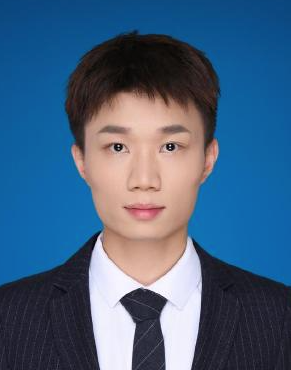 Shen Yan (颜深)合作论文数College of Mechanical and Vehicle Engineering, Hunan University15
 Baoping Cai (蔡宝平)合作论文数College of Mechanical and Electronic Engineering, China University of Petroleum (East China)9
 Xiujie Zhao (赵秀杰)合作论文数6Jian Lin合作论文数4Changfeng Yan合作论文数4
 Xiang Zhong (钟翔)合作论文数College of Mechanical and Vehicle Engineering, Hunan University4
 Zenglin Xu (徐增林)合作论文数School of Computer Science and Technology, Harbin Institute of Technology (Shenzhen);Shenzhen & Peng Cheng Lab4Jie Wang合作论文数3Jianyu Xu合作论文数3LiXiao Wu (吴黎晓)合作论文数3
 Shuguang He (何曙光)合作论文数College of Management and Economics, Tianjin University3
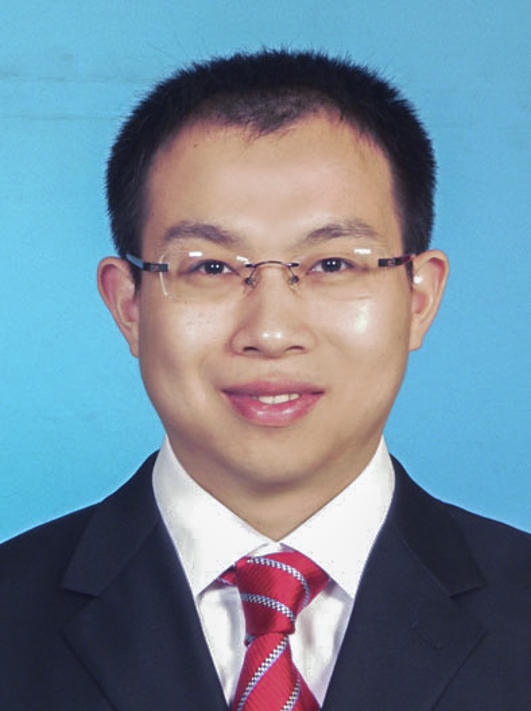 Zhengguo Xu (徐正国)合作论文数College of Control Science and Engineering, Zhejiang University;Huzhou Institute, Zhejiang University3
 Lirong He (贺丽荣)合作论文数School of Computer Science and Engineering, University of Electronic Science and Technology of China3
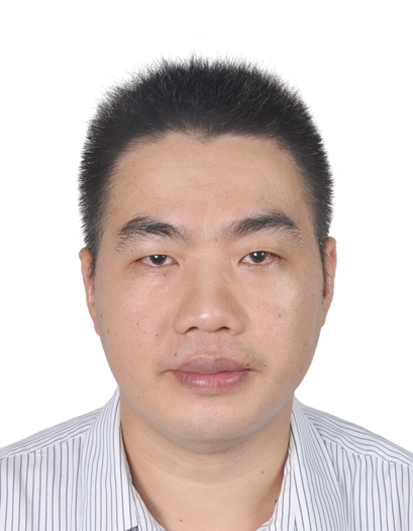 Jiafu Wan (万加富)合作论文数School of Mechanical & Automotive Engineering, South China University of Technology3Zhishan Min合作论文数2Jiangji Peng合作论文数2Bodunrin Brown合作论文数2Xingkai Chen合作论文数2lan xu合作论文数2
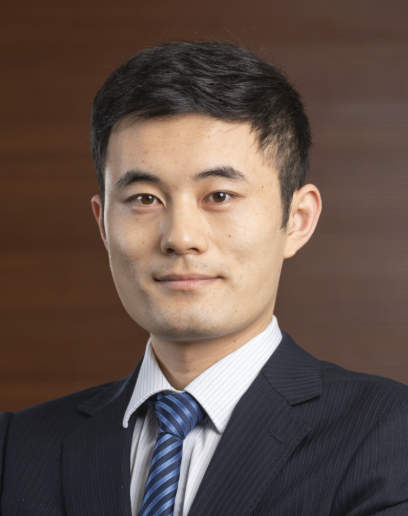 Xiao-Lin Wang合作论文数Corresponding author.2Jingjie Luo合作论文数2
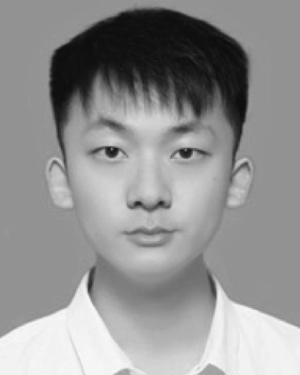 Hongru Cao合作论文数2Ting Li合作论文数2
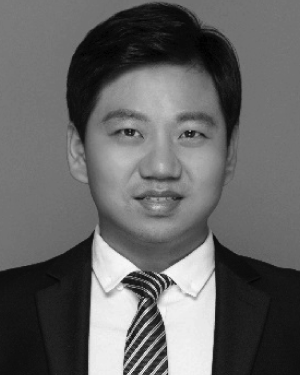 Liangwei Zhang合作论文数Dongguan Univ Technol, Dept Ind Engn, Dongguan 523808, Peoples R China2
 Kaiye Gao合作论文数Beijing Informat Sci & Technol Univ, Sch Econ & Management, Beijing 100192, Peoples R China2
 Xiang Xu (许翔)合作论文数School of Transportation, Southeast University2
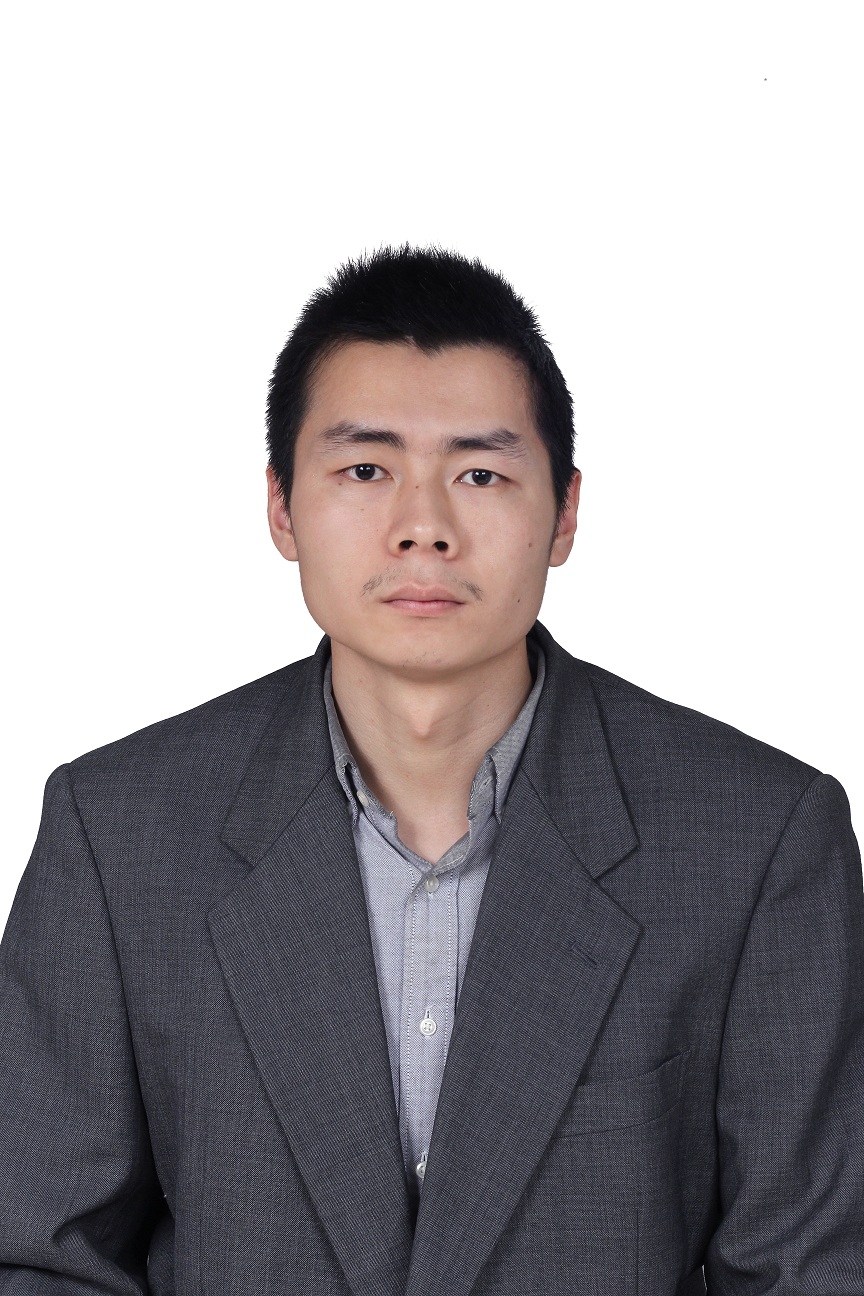 Rui Peng (彭锐)合作论文数Beijing University of Technology2
 Yan-Fu Li (李彦夫)合作论文数Institute for Quality & Reliability, Department of Industrial Engineering, School of Mechanical Engineering, Tsinghua University2
 Matthew Revie合作论文数Dept. of Manage. Sci., Univ. of Strathclyde;c;Dept. of Manage. Sci., Univ. of Strathclyde2
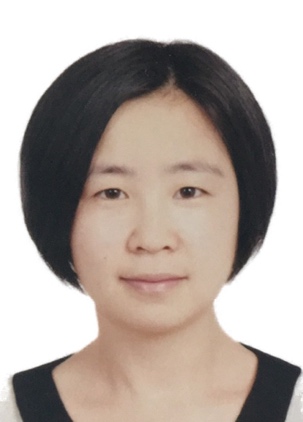 Nan Zhang (张楠)合作论文数School of Management and Economics, Beijing Institute of Technology2
 Qian Xiang (项前)合作论文数College of Mechanical Engineering, Donghua University2
 Yiqi Liu (刘乙奇)合作论文数School of Automation Science and Engineering, South China University of Technology2Daoping Huang (黄道平)合作论文数School of Automation Science and Engineering, South China University of Technology2
 Min Xie (謝旻)合作论文数Department of Systems Engineering, College of Engineering, City University of Hong Kong;School of Data Science, City University of Hong Kong2
 Jing Lin (林京)合作论文数Science & Technology on Reliability and Environmental Engineering Laboratory, Beihang University2
 Qiao Huang (黄侨)合作论文数School of Transportation, Southeast University2
 Jianguo Yang (杨建国)合作论文数College of Mechanical Engineering, Zhejiang University of Technology2
 Yuan Ren (任远)合作论文数School of Transportation, Southeast University2
 Jun Zhang (张军)合作论文数School of Information and Electronics, Beijing Institute of Technology;School of Electronic Information Engineering, Beihang University2Zhi Jun Lu合作论文数2
 Shandian Zhe (折闪电)合作论文数School of Computing, University of Utah;Purdue University2
 Stuart Mcintyre合作论文数Allander Institute;Department of Economics;University of Strathclyde;Fraser of Allander Institute, University of Strathclyde2Ying Peng合作论文数1
 Te Han (韩特)合作论文数School of Management and Economics, Beijing Institute of Technology1
 Tianli Men合作论文数1
 Haoxuan Dou合作论文数1




