As critical transitional zones between land and sea, estuaries are confronting the dual threats of increasing acidification and hypoxia driven by human activities and climate change. However, the combined effects of these stressors on estuarine nitrogen removal processes remain poorly understood. In this study, using stable-isotope tracing and molecular techniques in the Yangtze estuary, we found that hypoxia promoted N removal, yet concurrent acidification can override this effect, leading to net inhibition and a consequent reduction in estuarine nitrogen removal capacity. However, in seasonally hypoxic zones, these combined stressors generally enhanced nitrogen removal rates (by up to 34.4%), which suggests a degree of resilience under such perturbations. Nevertheless, the concurrent acidification-hypoxia in seasonally hypoxic areas stimulated N2O emissions (8.5-44.4%), which may intensify climate forcing and thereby further exacerbate these environmental stressors. Metagenomic and quantitative PCR analyses corroborated these response patterns, revealing coordinated changes in the abundance and expression of key nitrogen-removal genes, as well as divergent microbial response strategies and niche differentiation under acidification-hypoxia stress. This study elucidates the previously overlooked interactive effects of acidification and hypoxia on estuarine nitrogen removal, providing a mechanistic basis for refining biogeochemical models to improve the reliability of simulations under multiple stressors.
Estuaries worldwide are experiencing intensifying acidification and hypoxia, driven synergistically by anthropogenic activities and global climate change. Nevertheless, their combined impact on the emissions of the potent greenhouse gas methane (CH4) and its underlying regulatory mechanisms remains poorly understood, undermining our ability to project climate feedbacks. Here, we integrated 13C stable isotope tracing, DNA/mRNA-based qPCR, and amplicon/metagenomic sequencing to unravel how acidification-hypoxia interactions regulate the complex balance between CH4 production and consumption in estuarine sediments. Results showed that aquatic acidification and hypoxia combined to significantly increase CH4 emissions from estuarine sediments (P < 0.05), in a non-additive (antagonistic) manner where oxygen availability was the dominant factor governing this response. Notably, acidification increased CH4 emissions by suppressing methanotrophy more strongly than methanogenesis, whereas hypoxia preferentially stimulated methanogenic activity over CH4 oxidation. These response patterns were further demonstrated by metagenomic sequencing and mRNA-based quantitative PCR analyses, which revealed coordinated shifts in both the relative abundance and transcriptional activity of key functional genes. These findings uncover a previously overlooked mechanism whereby the worldwide co-occurrence of acidification and hypoxia in estuarine ecosystems jointly promote CH4 emissions, providing a scientific basis for improving predictive models of the global CH4 cycle and its climate feedbacks under combined anthropogenic and climatic stressors.
Abstract Ocean alkalinity enhancement (OAE) aims to mitigate climate change by increasing the chemical capacity of seawater to store anthropogenic CO 2 . OAE can be implemented through multiple pathways, each of which intentionally modifies marine carbonate chemistry through increases in total alkalinity (TA). Experimental research has only recently begun to assess how such TA perturbations (ΔTA) and associated carbonate chemistry changes affect ocean ecosystems. Meaningful assessments need context on how ΔTA‐induced by different OAE pathways would evolve over time and in magnitude. Here, we use a dilution equation, a regional model, and a global model to explore how marine organisms would be exposed to ΔTA under realistic constraints. We find that a more extreme ΔTA of>1,000 μmol kg −1 , a perturbation common in OAE experiments, only occurs for minutes in a minuscule fraction of the OAE‐perturbed seawater volume. In contrast, ΔTA between 1 and 100 μmol kg −1 is a ubiquitous perturbation range for OAE under real‐world constraints, yet are not commonly in focus of environmental OAE assessments. These results suggest that there is a disconnect between real‐world ΔTA that can plausibly be invoked by OAE and the experimental ΔTA range frequently used in the environmental OAE assessment. While “unrealistic” ΔTA can provide mechanistic insights into an organism or ecosystem response to carbonate chemistry changes, they can also cause overestimation of OAE effects, if the unrealistic ΔTA is not contextualized appropriately. Our results can be used to improve the contextualization of OAE studies, thereby making the interpretation of ΔTA effects on the environment more robust.
In recent years, environmental pollution problems in fishing ports have mainly manifested as water eutrophication, particularly driven by nutrients. We studied the spatial and temporal characteristics of nutrients, and compared the differences among 38 fishing ports by using physicochemical environmental parameters in the Yellow Sea (YS) and Bohai Sea (BS) during May and October of 2020. The results show that the mean nutrient concentrations in October were significantly higher than those in May. Fishing ports with high nutrient levels were mainly distributed in Tianjin Municipality, Hebei Province, and some fishing ports in the southern area of Laizhou Bay (mainly in the BS). According to the eutrophication index (EI), the values in the BS were much higher than those in the YS, and the organic pollution index (A) showed the same changing pattern. In other words, most fishing ports in the YS and BS have experienced water eutrophication to some extent. Principal component analysis (PCA) and cluster analysis (CA) also indicated that nutrients were the main reasons for the differences in water quality of fishing ports among different regions. Moreover, the nutrient characteristics of fishing ports in Hebei Province and Tianjin Municipality tended to be the same, which may be due to the fishery activities, domestic sewage, and aquaculture wastewater. This research has important implications for controlling water quality pollution in fishing ports and formulating fishery management measures.
Surface ocean alkalinity enhancement (OAE), through the release of alkaline materials, is an emerging marine carbon dioxide removal technology that could increase the storage of anthropogenic carbon in the ocean. Observations collected during recent and on-going field trials will provide important information on the feasibility and effects of alkalinity additions on carbon cycling and study ecological responses. However, given the scales involved (24/7 continuous addition, meters to hundreds/thousands of kilometers and minutes to months for alkalinity dispersion) observations, even with the use of autonomous platforms, will remain inherently sparse and limited. Alone, they cannot provide a comprehensive quantification of the effects of OAE on the carbonate system, and ultimately of the net air-sea CO2 fluxes. Numerical models, informed and validated by field observations, are therefore essential to OAE deployments and the measurement, reporting, and verification (MRV) of any resulting carbon uptake. They can help guide fieldwork design, including optimal design of measurement monitoring networks, provide forecasts of the ocean state, simulate the effects of alkalinity additions on the seawater carbonate system, and allow one to quantify net CO2 uptake. Here we describe a coupled physical-biogeochemical model that is specifically designed for coastal OAE. The model is an implementation of the Regional Ocean Modelling System (ROMS) in a nested grid configuration with increasing spatial resolution from the Scotian Shelf to Halifax Harbour (coastal fjord, eastern Canada), a current test site for operational alkalinity addition. The biogeochemical model simulates oxygen dynamics, carbonate system processes (including air-sea gas exchange), and feedstock properties (dissolution, sinking). We present a multi-year hindcast validated against the long-term weekly time series available for a long-term monitoring station at the deepest part of Halifax Harbour, as well as alkalinity addition simulations at various locations inside and outside the harbour to show the model's capabilities for assessing the effects of OAE at this coastal site. We found that release locations had a strong effect on the outcome of the addition, whereas feedstock types influenced the distribution of the signal. Up to 69 % of the net CO2 uptake was realized within the model domain, most of it inside the harbour. These results stress the importance of operational design, as well as the use of high-resolution regional models when quantifying additionality.
The complex hydrodynamic conditions in the Yangtze River Estuary play a pivotal role in shaping the distribution, transport, and transformation of nutrients, thereby influencing phytoplankton growth and ecosystem stability in the region. This study, based on hydrographic, biological, and chemical data collected during a mid-August 2023 cruise survey in the Yangtze River Estuary and the adjacent East China Sea, integrates nitrate nitrogen (delta 15NNO3) and oxygen isotope (delta 18ONO3) tracing techniques to investigate the synergistic effects of physical-biogeochemical processes during water mass convergence. The findings reveal that high concentrations of terrestrial nitrate, transported by the Changjiang Diluted Water (CDW), serve as the primary inorganic nitrogen source, driving rapid phytoplankton growth. Meanwhile, the Yellow Sea Coastal Current (YSCC) and Taiwan Warm Current (TWC) regulate nutrient transport and redistribution through mixing and convergence processes. The high phosphate input from the TWC optimizes the regional nutrient structure, alleviating phosphorus limitation caused by excessive nitrogen input from the CDW. However, the intrusion of low-oxygen YSCC waters may worsen bottom-water hypoxia. The frontal systems and water column stratification, induced by the convergence of CDW, YSCC, and TWC, control the spatial distribution of nitrogen and phosphorus nutrients, shape phytoplankton distribution patterns, and foster the formation of localized high-productivity zones. The synergistic effects of physical and biogeochemical processes, driven by water mass interactions, can significantly reduce bottom-water dissolved oxygen concentrations, thereby increasing the risk of localized hypoxia and threatening regional ecosystem stability.
An increase in riverine nutrient loads has generally been recognized as the primary cause of coastal deoxygenation, whereas the role of other riverine factors, especially suspended sediments, has received less attention. This study aims to discern the impacts of anthropogenic alterations in various riverine inputs on the subsurface deoxygenation over the past three decades in a large river-dominated estuary, the Pearl River estuary (PRE). Using a physical-biogeochemical model, we reproduced the observed dissolved oxygen (DO) conditions off the PRE in the historical period (the 1990s, with a high suspended sediment concentration (SSC), high DO, and low nutrients) and the present period (the 2010s, with low SSC, low DO, and high nutrients). In the 2010s, the PRE exhibited more extensive and persistent summer hypoxia, with the low-oxygen area (DO<4mgL(-1)) expanding by similar to 148% (to similar to 2926km(2)) and the hypoxia area (DO<3mgL(-1)) increasing by 192 % (to similar to 617km(2)). Low-oxygen durations extended to 15-35 d, and three distinct hypoxic centers formed under different controlling factors. Single-factor experiments suggested that the decreased riverine DO content (46 %) alone expanded low-oxygen areas in the upper estuarine regions by 44 %, the decreased SSC (by 60 %) alone caused a 47 % expansion in the lower reaches of the PRE, and the increased nutrients alone (100 % in dissolved inorganic nitrogen and 225 % in phosphate) drove a 31 % expansion. In comparison, the combined nutrient increases and the SSC declines synergistically enhanced primary production and bottom oxygen consumptions (dominated by sediment oxygen uptake), amplifying low-oxygen (104 %) and hypoxic (192 %) area growth in lower estuaries. Our results revealed that, by improving light availability for productivity, SSC declines play a larger role than nutrient increases in exacerbating deoxygenation off the PRE. This synergy complicates hypoxia mitigation efforts focused solely on nutrient controls. Given the widespread global declines in riverine suspended sediments, our findings underscore the importance of incorporating sediment-mediated processes, a relatively overlooked factor, in coastal deoxygenation studies.
Ocean acidification poses a growing environmental threat to estuarine ecosystems. Most research has focused on bottom water acidification driven by eutrophication from riverine nutrient inputs. In contrast, the impacts of other riverine components in estuarine systems have received less attention. This study investigates the impacts of riverine carbonate and organic matter input on acidification in the Pearl River estuary (PRE), using field data from April 2015 to January 2016. The results show that DIC and TA in the PRE are primarily governed by river-ocean mixing, while their seasonal variations are largely influenced by changes in the freshwater end-member. Compared to the marine carbonate system, the riverine DIC:TA ratio is significantly higher. Riverine carbonate input weakens the estuarine buffering capacity during mixing, thereby amplifying acidification from atmospheric anthropogenic CO2. The pH reduction in the estuary due to anthropogenic CO2 intrusion reached a maximum of 0.15 units at a salinity of around 15, exceeding the 0.12 reduction at the seawater end. With the urbanization of the Pearl River Basin, the increased input of anthropogenic organic matter enhanced aerobic respiration in the estuary, releasing CO2 that may further intensify acidification. Unlike eutrophication-induced bottom acidification, which is closely associated with water column stratification and mainly occurs in the outer estuary during summer, organic matter-driven acidification is most pronounced in the upper estuary and affects the entire water column year-round. Moreover, it caused a maximum pH decline of up to 1.01 units in the PRE, surpassing that induced by eutrophication.
Surface ocean alkalinity enhancement (OAE), through the release of alkaline materials, is an emerging carbon dioxide removal (CDR) technology that could increase the storage of anthropogenic carbon in the ocean. Although essential, evaluating the effects of alkalinity additions on the carbonate system and ultimately on air-sea CO2 fluxes is not straight forward. Observations, even with autonomous platforms, are inherently sparse and limited, and therefore cannot provide a comprehensive quantification of the effects of OAE. Numerical models are important complementary tools. They can help guide fieldwork design, provide forecasts of the ocean state, and simulate the effects of alkalinity additions on the seawater carbonate system. Here we describe a coupled physical-biogeochemical implementation of ROMS in a nested grid configuration that reaches a very high spatial resolution in Bedford Basin (51m), a coastal fjord in eastern Canada that is chosen as a test site for OAE. The biogeochemical model simulates oxygen dynamics and the carbonate system, including air-sea gas exchange. We present a multi-year hindcast validated against the long-term weekly time series available at the Compass Buoy station in the centre of the Basin as well as recent simulations carried out during alkalinity addition trials. We will discuss the model’s capabilities with respect to OAE and the challenges ahead.
Bays, as transitional zones in the land-sea continuum, exhibit fluctuating sea-air CO2 fluxes influenced by climate change and human activities. The role of eutrophic bays as CO2 sinks is debated, highlighting the need to understand CO2 dynamics and controlling factors. This research employs the subtropical semi-enclosed Yueqing Bay as a case to investigate the dynamics of pCO2 and sea-air CO2 flux, as well as the carbon sink potential in high-nutrient, low-chlorophyll (HNLC) bays through high-resolution underway surveys. Although eutrophic bays worldwide typically function as atmospheric CO2 sinks on an annual scale, the high concentration of suspended particulate matter (SPM) from the Oujiang River, combined with sediment resuspension and other processes, inhibits primary production, thereby reducing CO2 sequestration. As a result, Yueqing Bay acts as a net atmospheric CO2 source in August and November, with fluxes of 6.22 ± 8.79 mmol m-2 d-1 and 0.53 ± 0.19 mmol m-2 d-1, respectively, and an average flux of 1.23 ± 1.04 mol m-2 yr-1. However, acting as nutrient reservoirs, the underutilized nutrients in Yueqing Bay partially contribute to algal blooms, which in turn enhance CO2 absorption at the Bay Mouth through seawater exchange. Therefore, HNLC bays like Yueqing Bay demonstrate spatial redistribution of CO2 sink function due to hydrodynamic and biogeochemical processes, offering new insights into the role of bay ecosystems in the carbon cycle.
Ocean Alkalinity Enhancement (OAE) is considered as a potential technique to mitigate ocean acidification and remove carbon dioxide (CO2) from the atmosphere. In this study, a suite of numerical tracer experiments was conducted using a high-resolution nested model to support ongoing OAE field trials in Halifax Harbor and Bedford Basin. We first estimated the residence time, which provides an overall description of the circulation, for different seasons over the past 20 years (2003-2022). Results show a clear seasonal pattern in residence time which is longest in July and shortest in January. Particles with different dissolution rates and sinking velocities were then added continuously through the cooling outfall of a local power plant for three months to simulate the dissolution, dispersion, and movement of different alkaline mineral feedstocks. To account for inter-annual variability, the years with the longest and shortest residence time in each season were selected to perform these simulations. Furthermore, tracer simulations will be compared with ongoing Rhodamine WT field trials. Results obtained thus far show that the surface alkalinity signal due to OAE is most likely to be detected near the cooling outfall but depends on the tidal stage and the local circulation and weather conditions. Detectability is highest in July because the residence time is longest. In addition, the detectability increases with faster dissolution rate and slower sinking velocity.
In the Fall of 2023, in collaboration with Dalhousie University researchers, Planetary Technologies completed a first-of-a-kind series of alkalinity releases in the Bedford Basin/Halifax Harbour (Canada) using several alkalinity sources at varying dosing rates. These OAE trials aimed to test the detectability of alkalinity plumes resulting from the addition of varying amounts of alkalinization material and the different types of material - dissolved or particulate. Detectability of the released alkalinity was examined by observing the changes in the carbonate system of seawater measured in the water samples and by the sensor-equipped in situ platforms - fixed and mobile – before, during and after the trials. The collected data was used to test and validate the regional biogeochemical model (ROMS) available for the Bedford Basin, which largely informed the sampling design during the trial.We will present the challenges encountered, results and insights gained during the field trials in the Bedford Basin/Halifax Harbour in the Fall of 2023, particularly focusing on improvements to the observational component in 2024. We will discuss the utility of the moored and profiling assets, surface and underwater vehicles, and various water sampling methods in tracking and characterizing alkalinity plumes during the OAE trials
Ocean alkalinity enhancement (OAE) can potentially remove gigatons of CO2 from the atmosphere for durable storage in the ocean. Before implementing OAE at climate-relevant scales, questions about its safety and verifiability must be addressed. Operational deployment poses a dilemma between pursuing large detectability, essential for effective monitoring, reporting, and verification, and ensuring environmental safety and satisfying regulatory requirements. In this study, we present a computationally efficient approach, based on a high-resolution, coupled circulation-dissolution model of Halifax Harbor, to simulating the addition, transportation, dissolution, and sinking of various theoretical alkaline feedstocks for different dosages, seasons, and addition sites. Detectability and exposure risk of OAE are quantified and an approach for optimizing OAE deployment is demonstrated. Mean residence times (MRT) are calculated for different subregions and seasons. Results show that for a given amount of feedstock, summer is more favorable from the perspective of detectability but also creates higher exposure risks than other seasons because of a longer MRT. The exposure risk can be mitigated while maintaining large detectability by choosing optimal feedstocks with different characteristics for different seasons. The exposure risk can also be reduced by spreading alkalinity over multiple addition sites. The optimum allocation, where the largest detectability is sought without violating regulatory requirements, is specific to each season, dosage, and choice of feedstock. OAE deployments should be tailored taking into account local hydrography, season, dosage, and feedstock characteristics. Our approach provides a practical avenue for optimizing deployments.
Model uncertainty in simulating the biological carbon pump was quantified and partitioned using 14 models from the Coupled Model Intercomparison Project Phase 6. Uncertainty increases with depth. On the global scale, uncertainty in carbon export dominates above 900 m and uncertainty in transfer efficiency below. Reducing model uncertainty in carbon export and transfer efficiency offers similar benefits for understanding century-scale carbon sequestration and climate. These models produce three different qualitative patterns in transfer efficiency: one where it is globally homogenous and two opposite latitudinal patterns due to different model structures and parameters. The exponent b of the Martin curve, which has long been used to compare different representations of transfer efficiency, is shown here to underestimate uncertainty in transfer efficiency. This highlights the importance of using vertical profiles of carbon flux rather than the single exponent b in model validation and intercomparison exercises. At the global level, the model uncertainty of carbon export in the ocean dominates above 900 m, and below this depth, the uncertainty relates to carbon transfer efficiency according to an uncertainty analysis of 14 Earth Systems Model simulations.
Study region: Dongjiang River Network (DJRN), a complex urbanized river network in the Pearl River Basin, China. Study focus: Low-oxygen conditions have been expanding in urbanized river systems, whereas a clear and quantitative understanding on the deoxygenation processes is still lacking. This study utilized a well-validated physical-biogeochemical model to investigate the oxygen dynamics combined with river ecosystem metabolisms over an annual cycle and explicitly quantify the contribution of major oxygen-depleting substances from different sources to low-oxygen conditions. New hydrological insight for the region: Our results showed significant spatiotemporal variations in low-oxygen extents and oxygen source-sink patterns in the DJRN, where the underlying control mechanisms varied across stream order due to the intricate geographic and hydrological regime shifts in conjunction with diverse pollution stressors. Ascribed to the seasonal variations in anthropogenic pollution and water temperature, the entire DJRN shifted to a completely heterotrophic system with severe oxygen deficits during the late summer and early autumn. Scenario simulations indicated that in line with the substantial wastewater control in the DJRN region, local pollutant loads played a trivial role in the low-oxygen generation, which instead was primarily fueled by organic matter from transboundary delivery and in-situ primary production. Our findings underscored the necessity of co-regional collaborative management on pollutant emissions and the importance of eutrophication mitigation for the sake of oxygen recovery in the urbanized river network.
Abstract Model parameterizations of particulate organic carbon (POC) flux are critical for simulating the strength and future evolution of the biological carbon pump (BCP) but remain poorly constrained because direct observations are sparse. Here, we ask whether the Biogeochemical (BGC)‐Argo proxy observations of POC can help distinguish between these parameterizations by objectively comparing two common parameterizations, which reproduce the observed slowdown of flux attenuation with depth by either decreasing the remineralization rate or increasing the sinking velocity. Both can well reproduce the BGC‐Argo observations in top 1,000 m but predict different POC concentration below, making them possible to be distinguished if BGC‐Argo observations were available there. Therefore, an integration of backscatter sensors into the Deep Argo program is recommended to provide full depth proxy measurements. If the parameterization is known, POC flux can be determined from POC concentration. Thus, the BGC‐Argo proxy observations of POC concentration provide new insights into the BCP.
In natural systems, animal-mediated nutrient transport can be a major driver of primary productivity, but the role of marine megafauna such as cetaceans in mediating the transfer and recycling of nutrients has been overlooked. Here, we developed a spatially resolved, stochastic, nutrient-transport model for cetaceans in the oceanic Gulf of Mexico using species-specific foraging depths, distributions, and diets. An estimated 6.4 x 10⁸ mmol N d-1, or 0.06 mt N yr-1 ind-1, is transported to the surface from depths below 100 m by the 19 cetacean species that occur in the oceanic Gulf of Mexico; 75% of this transport occurs seaward of the continental slope, but the per area transported nitrogen is greater on the continental slope (200-1000 m) than in the ocean basin. Benthos to surface transport comprised 6.0 x 10⁷ mmol N d-1 and was much more common on the continental slope than the open basin. Compared to an existing physical-biogeochemical model, the transported nutrients add 8% N d-1 to the estimated ammonium concentration above the nutricline and could add 16% N d-1 to the surface ammonium concentration if expelled nutrients remain at the surface. Through feeding on diel vertical migrants, cetaceans retain an additional 2.7 x 10⁷ mmol N d-1 in the surface waters that would otherwise return to depth via downward diel vertical migration. Cetaceans contribute to nutrient movements and recycling in the oceanic Gulf of Mexico, and may provide one of the few allochthonous sources of nutrients for primary producers in oligotrophic ecosystems.
Ocean biogeochemical models describe the ocean’s circulation, physical properties, biogeochemical properties and their transformations using coupled differential equations. Numerically approximating these equations enables simulation of the dynamic evolution of the ocean state in realistic global or regional spatial domains, across time spans from years to centuries. This Primer explains the process of model construction and the main characteristics, advantages and drawbacks of different model types, from the simplest nutrient–phytoplankton–zooplankton–detritus model to the complex biogeochemical models used in Earth system modelling and climate prediction. Commonly used metrics for model-data comparison are described, alongside a discussion of how models can be informed by observations via parameter optimization or state estimation, the two main methods of data assimilation. Examples illustrate how these models are used for various practical applications, ranging from carbon accounting, ocean acidification, ocean deoxygenation and fisheries to observing system design. Access points are provided, enabling readers to engage in biogeochemical modelling through practical code examples and a comprehensive list of publicly available models and observational data sets. Recommendations are given for best practices in model archiving. Lastly, current limitations and anticipated future developments and challenges of the models are discussed.
 Katja Fennel合作论文数Department of Oceanography, Dalhousie University12
 Jiatang Hu (胡嘉镗)合作论文数School of Environmental Science and Engineering, Sun Yat-Sen University11
 Shiyu Li (李适宇)合作论文数School of Environmental Science and Engineering, Sun Yat-sen University9
 Liuqian Yu合作论文数5
 Arnaud Laurent合作论文数Dalhousie University, Dalhousie University5Chuang Xu合作论文数4Zhongren Zhang合作论文数4Jia Huang合作论文数4
 Jianfang Chen (陈建芳)合作论文数School of Oceanography, Shanghai Jiao Tong University;Second Institute of Oceanography, Ministry of Natural Resources4Dehong Liu合作论文数3
 Dariia Atamanchuk合作论文数Chemistry and Molecular Biology, University of Gothenburg3
 Dewang Li (李德望)合作论文数State Key Laboratory of Satellite Ocean Environment Dynamics, Second Institute of Oceanography, Ministry of Natural Resources3Qiantong Pei合作论文数2Yongji XU (许永基)合作论文数2
 Jinyu Sheng合作论文数Department of Oceanography, Dalhousie University2
 Haiyan Jin (金海燕)合作论文数Fourth Institute of Oceanography, Ministry of Natural Resource;School of Oceanography, Shanghai Jiao Tong University2
 Zhibing Jiang (江志兵)合作论文数Second Institute of Oceanography, Ministry of Natural Resources2Zhang Yixing合作论文数1Bingxu Geng合作论文数1
 Xiangyu Sun合作论文数1
 Subhadeep Rakshit合作论文数1
 Matthew S. Woodstock合作论文数Dept Biol Sci, Florida Int Univ1
 M. Rafael Ramírez-León合作论文数Departamento de Oceanografía Biológica, Centro de Investigación Científica y de Educación Superior de Ensenada1Ruth Musgrave合作论文数Woods Hole Oceanographic Institution1Kyoko Ohashi合作论文数1Zhenzhen Jia合作论文数1
 Christopher Gordon合作论文数Dept Oceanog, Dalhousie Univ1
 Qiang Hao (郝锵)合作论文数State Key Laboratory of Satellite Ocean Environment Dynamics, Second Institute of Oceanography, Ministry of Natural Resources1
 Kui Wang (王奎)合作论文数Ocean College, Zhejiang University1
 Hongliang Li (李宏亮)合作论文数Second Institute of Oceanography, Ministry of Natural Resources1
 Qian Li (李芊)合作论文数中国科学院南海海洋研究所1
 Yanling Zheng (郑艳玲)合作论文数School of Geographic Sciences, East China Normal University1
 Hao Zheng (郑浩)合作论文数College of Environmental Science And Engineering, Ocean University of China1Siying Wang合作论文数1
 Kedong Yin (殷克东)合作论文数School of Marine Sciences, Sun Yat-sen University;Southern Marine Science and Engineering Guangdong Laboratory(Zhuhai)1
 Feng Zhou (周锋)合作论文数School of Oceanography, Shanghai Jiao Tong University;Second Institute of Oceanography, Ministry of Natural Resources1
 Jie Zhou (周洁)合作论文数福建农林大学生命科学学院生物技术系1
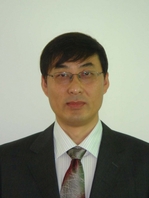 Min Liu (刘敏)合作论文数School of Geographic Sciences, East China Normal University1
 Lynn Keith Shay合作论文数Ocean Sciences Department, Rosenstiel School of Marine and Atmospheric Sciences, University of Miami1
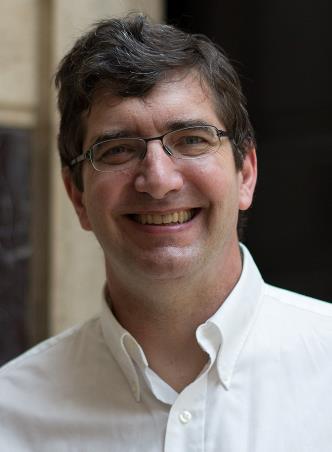 Scott Doney合作论文数Scott Doney Computational Biogeochemistry Lab, Department of Environmental Sciences, University of Virginia1
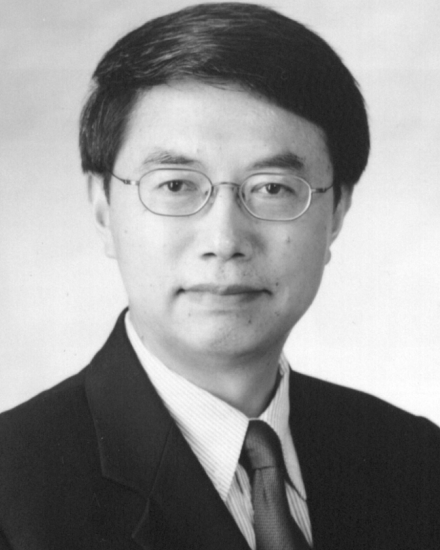 wu Bin合作论文数1
 Lihua Ran (冉莉华)合作论文数Second Institute of Oceanography, Ministry of Natural Resources1
 Laurent Bopp合作论文数Département de Géosciences, Ecole Normale Supérieure de Paris1
 Keith R. Thompson合作论文数1
 Jeremy J. Kiszka合作论文数National de la Chasse;Direction de l'Agriculture et de la Forêt;National de la Chasse, Direction de l'Agriculture et de la Forêt1Andrew M. Moore合作论文数Department of Ocean Sciences, University of California Santa Cruz, 1156 High Street, Santa Cruz CA 95062, USA1
 Lijun Hou (侯立军)合作论文数State Key Laboratory of Estuarine and Coastal Research, East China Normal University1Douglas W. R. Wallace合作论文数1
 Tracey T. Sutton合作论文数Harbor Branch Oceanographic Institution1




