The supply of macroalgal detritus to marine sediments may impact the degradation dynamics of pre-existing organic matter in the sediment. This was investigated in sediment sampled from a shallow coastal estuary (Limfjorden, Denmark). Measurements of oxygen (O2) consumption, the release of dissolved inorganic carbon (DIC), and the exchange of dissolved inorganic nutrients (NO2-, NO3-, NH4+, and PO43-) between sediment and bottom water in macroalgae-amended and unamended sediment cores showed a clear impact of macroalgae additions, with elevated carbon (C) turnover in these cores. The differences in total DIC release between unamended cores and macroalgae-amended cores were more than 100% and up to 298% of the added macroalgae C. The macroalgae addition, therefore accelerated the degradation of pre-existing organic matter in the sediment. This observation, known as a "priming effect," is well described in soils and freshwater systems but has only recently been considered in marine systems. Results from this experiment suggest that short term priming (<three months) did not depend on the macroalgae species added to the sediment, nor nutrient enrichment of the added tissue. The modification of organic matter in marine sediments, driven by secondary production from degrading macroalgal detritus, as well as the conditions that promote this priming, are poorly understood. These uncertain features of the C cycle are critical for understanding overall C turnover and assessing the C mitigation potential of both cultivated and natural macroalgae populations.
Melting glaciers have been claimed to be a significant and unaccounted-for source of mercury (Hg) in Greenland, raising concerns for economics, communities and ecosystem health. Here we demonstrate, however, that benthic species from Greenland fjords contain negligible concentrations of mercury across > 100 km spatial gradients and decadal time scales. Our results, together with other studies on Hg in Greenland’s waters, sediments, and planktonic species, cannot reproduce the previously reported mercury contamination from glaciers, and there is now substantial evidence against the claim that Greenland ice sheet has implications for Hg budgets and coastal ecosystems.
The brown macroalga Ascophyllum nodosum is a foundation species on intertidal rocky shores, where its perennial canopy and high productivity support key ecological functions. However, its population dynamics near the northern edge, where low temperatures and sea ice may challenge stability, are largely unknown. We followed the population structure, dynamics, and nutrient status of A. nodosum in the sheltered, subarctic Kobbefjord, Greenland from 2012 to 2019. Despite the northern location, population biomass (16-27 kg FW · m-2) was within the upper known range and was dominated by few large (max length: 109 cm), old individuals (observed age: up to 19 years; estimated mean lifespan: 37.5 years based on intrinsic mortality rate). Population density remained stable because of low mortality (0.019 · year-1) and recruitment rates (0.010 · year-1), sustained by an understory of small juveniles. Biomass increased 1.5-fold over the 8-year study, supported by high biomass productivity (3.3-8.1 kg FW · m-2 · year-1) that balanced branch loss and reflected a moderate biomass turnover time (2.6-6.3 years) of organic matter, underlying the apparent stability. Such overall population stability reflects a "biomass storer" strategy typical of environments with low disturbance and nutrient levels. The stability is remarkable given seasonal ice cover (2-7.5 months per year), large variation in average daily temperature (-3.9 to 15.4°C), and low nutrient supply. While ice breakup poses a risk of shoot abrasion, the ice cover likely provides protection against ice scouring. Enhanced growth during warmer summers and earlier ice break-up suggests faster turnover rates in the future to the extent nutrient availability can support it.
Grazing by sea urchins is a main driver of kelp forest dynamics causing shifts from kelp forests to urchin barrens in the temperate region but there is limited information on such patterns from the Arctic region. Based on information from 132 underwater video transects along Greenland's West Coast at 59.9-77.8 degrees N, we explored the distribution of kelps and sea urchins, including the occurrence of sea urchin barrens, along latitudinal- and depth-gradients. We observed more extended kelp cover and deeper-growing kelp forests toward south, although with marked variability among sites. Sea urchins were present along the entire West Coast, with no clear depth-related pattern, but their densities were generally higher toward north. Kelp cover declined toward deeper, light-limited waters and was also reduced where sea urchins were abundant, in some cases with urchin barrens within the kelp beds, suggesting a potential top-down control of kelp distribution by sea urchins. Sea urchins left, on average, 10% of the potential kelp area barren, with the largest proportion (20%) of barren ground toward north. Earlier studies have identified the length of the sea-ice free period and water temperature as main bottom-up drivers of spatial distribution of kelp in this region. We conclude that sea urchins are present all along Greenland's West Coast and occur at densities suggesting they may act as local co-drivers of kelp forest distribution and cover.
The habitat-forming intertidal brown alga Ascophyllum nodosum has its colder northern distribution limit at 69°N in Disko Bay, Greenland. Its reproductive effort has never been assessed there despite expected northward expansion with climate change. We analyzed reproductive allocation and phenology at the northern distribution edge and across the geographical distribution range through field studies at three Greenland sites and one Danish site, supplemented with a literature survey. Because Ascophyllum is long-lived and forms annual segments through apical growth, old shoots sampled in the reproductive season revealed receptacle formation with segment age, from the tip to the base of the shoots. We confirmed the fertility of the northernmost populations, as zygotes formed from gametes. We found a consistent pattern of receptacle formation with larger receptacles closer to the canopy top and receptacle abundance following a quadratic relationship with segment age. Ascophyllum's reproductive allocation constitutes 33%-39% of its annual production in the Disko Bay and increases towards southern, warmer latitudes. Reproductive phenology also varies significantly with latitude and temperature, showing a 4.5-day delay in the reproduction peak for every degree northward and a 14-day delay with every 1°C decrease in temperature. The carbon flux released from the reproductive structures to the surrounding Arctic ecosystem at the end of the reproductive season was significant, amounting to 212-827 g C m-2 year-1 in Greenland, which should be considered in future productivity assessments. Synthesis: Our results indicate different life-history strategies at the opposing distribution edges and stress the importance of temperature as a regulator of Ascophyllum reproduction. Arctic warming will likely enhance reproductive output and stimulate an earlier onset of reproduction. Furthermore, the significant contribution from sexual reproduction to the annual carbon production (26%-41% in Greenland) highlighted its importance to the Arctic detrital community.
The macroalgal family, Ulvaceae, holds promising candidates for cultivation in land-based Integrated Multitrophic Recirculated Aquaculture Systems (IMRAS) due to their fast growth and nutrient uptake capabilities. Selection of appropriate strains, however, is crucial before implementation in IMRAS. In this study, an evaluation of Ulvaceae strains was conducted through an initial screening of in total nine strains, eight sourced from natural habitats and one commercial Ulva producer. The abiotic conditions were characterised by high nutrient concentrations (883 mu M NO3--N) and were kept uniform for all strains during the screening. Following the initial screening, the effect of temperature on growth was investigated (10, 16, 22, and 28 degrees C) in two selected strains ( Ulva compressa and Ulvaria obscura) under high nutrient conditions. This study demonstrated that four investigated Ulvaceae strains achieved high and stable growth rates (15-22% fresh weight d- 1 ) in indoor free-floating cultures. Further, there was consistent and significant nitrogen uptake potential of a single Ulva compressa strain across temperatures between 10 and 22 degrees C (0.03 g N L- 1 Week- 1 corresponding to 74% of added dissolved inorganic nitrogen). Ulva compressa grew across all investigated temperatures with weekly variations in biomass yields (18-40 g dry weight m- 2 day- 1 ) while Ulvaria obscura grew stably at 10, 16, and 22 degrees C (15-16 g dry weight m- 2 day- 1 ). The findings of this study enhance our understanding of the potential uses of Ulvaceae strains in land-based cultivation and serves as a stepping stone for the integration of Ulvaceae cultivation into IMRAS on a commercial scale.
Despite growing attention on the contribution of macroalgae to carbon cycling and sequestration (blue carbon), more ob-servational data is needed to constrain current estimates. In this study, we estimate the floating macroalgal carbon flux within and beyond a large sub-Arctic fjord system, Nuup Kangerlua, Greenland, which could potentially reach carbon sinks. Our study estimates 1) the fjord-scale area with macroalgal coverage and barrens caused by sea urchin grazing, 2) the floating macroalgal biomass in the fjord, and 3) the annual export flux of floating macroalgae out of the fjord system. ROV surveys documented that macroalgal habitats cover 32 % of the seafloor within the photic zone (0-30 m) with an average coverage of 39.6, 22, and 7.2 % in the depth intervals 0-10, 10-20, and 20-30 m, respectively. 15 % of the area suitable for macroalgae was denuded by sea urchin grazing. Floating macroalgae were common with an average biomass of 55 kg wet weight km(-2). Densities and species composition varied seasonally with the highest levels after storms. The floating biomass was composed of intertidal macroalgal species (58 %) (Fucus vesiculosus, Fucus distichus, and Ascophyllumnodosum) and kelps (42 %) (Saccharinalongicruris, S. latissima, and Alaria esculenta). We deployed surface GPS drifters to simulate floating macroalgal trajectories and velocity. Data indicated that 80 % of the floating biomass is retained in the fjord where its fate in relation to long-term sequestration is unknown. Export beyond the fjord was limited and indicated an annual floating macroalgal export beyond the fjord of only 6.92 t Cyr(-1), which is equal to similar to 0.02 % of the annual net primary production. Our findings suggest that floating macroalgae support a limited blue carbon potential beyond this fjord and that future research should focus on the fate of retained floating macroalgae and subsurface export to resolve the connectivity between macroalgal habitats and long-term carbon sinks.
Despite growing attention to the potential contribution of macroalgae to Blue Carbon, there is a gaping lack of evidence of their export to carbon sinks in the deep ocean and marine sediments. In this study, we quantified the annual carbon export of floating macroalgae in a large sub-arctic fjord system, Nuup Kangerlua, Greenland, from April to August 2021 and trajectories of exported biomass within and beyond the fjord. We identified extensive macroalgae communities within the fjord system, which sustained 55.44 kg wet weight km -2 of floating macroalgal biomass on average in the fjord system. Using GPS drifters we identified transport pathways and the likelihood of macroalgal export out of the fjord to sinks in the deep ocean. The annual export of floating macroalgae beyond the fjord amounted to 445.73 t C yr -1 . Our observation suggests that most of the floating biomass is retained in the fjord where its fate in relation to long-term sequestration is unknown. The floating macroalgal biomass was composed of intertidal macroalgae species (58%) ( Fucus vesiculosus, Fucus distichus, and Ascophyllum nodosum) , and kelps (42%) ( Alaria esculenta , Saccharina latissima & Saccharina longicruris) . Macroalgae densities and species composition varied seasonally with the highest levels after storms. Dominance of intertidal species in the spring suggests that ice scouring related to ice melt is an important driver of export. Sea urchin barrens occupied 15% of the potential macroalgae habitats of the fjord and, hence, limited standing biomass and associated blue carbon potential.
We conducted a short-term field sampling complemented with time integrating stable isotope analysis to holistically investigate status and ecological interactions in a remote NE Atlantic Zostera marina meadow. We found high nutrient water concentrations, large biomass of fast-growing, ephemeral macroalgae, low abundance, and biodiversity of epifauna and a food web with thornback ray (Raja clavata) as intermediate and cod (Gadus morhua) as top predator. We observed no variation with increasing depth (3.5-11 m) except for decreasing shoot density and biomass of Zostera and macroalgae. Our results indicate that the Finnoya Zostera ecosystem is eutrophicated. During the past three to four decades, nutrients from aquaculture have steadily increased to reach 75% of anthmpogenic input while the coastal top predator cod has decreased by 50%. We conclude that bottom-up regulation is a predominant driver of change since top-down regulation is generally weak in low density and exposed Zostera ecosystems such as Finnoya.
Coastal refugia during the Last Glacial Maximum (~21,000 years ago) have been hypothesized at high latitudes in the North Atlantic, suggesting marine populations persisted through cycles of glaciation and are potentially adapted to local environments. Here, whole-genome sequencing was used to test whether North Atlantic marine coastal populations of the kelp Alaria esculenta survived in the area of southwestern Greenland during the Last Glacial Maximum. We present the first annotated genome for A. esculenta and call variant positions in 54 individuals from populations in Atlantic Canada, Greenland, Faroe Islands, Norway and Ireland. Differentiation across populations was reflected in ~1.9 million single nucleotide polymorphisms, which further revealed mixed ancestry in the Faroe Islands individuals between putative Greenlandic and European lineages. Time-calibrated organellar phylogenies suggested Greenlandic populations were established during the last interglacial period more than 100,000 years ago, and that the Faroe Islands population was probably established following the Last Glacial Maximum. Patterns in population statistics, including nucleotide diversity, minor allele frequencies, heterozygosity and linkage disequilibrium decay, nonetheless suggested glaciation reduced Canadian Atlantic and Greenlandic populations to small effective sizes during the most recent glaciation. Functional differentiation was further reflected in exon read coverage, which revealed expansions unique to Greenland in 337 exons representing 162 genes, and a modest degree of exon loss (103 exons from 56 genes). Altogether, our genomic results provide strong evidence that A. esculenta populations were resilient to past climatic fluctuations related to glaciations and that high-latitude populations are potentially already adapted to local conditions as a result.
The genomic era continues to revolutionize our understanding of the evolution of biodiversity. In phycology, emphasis remains on assembling nuclear and organellar genomes, leaving the full potential of genomic datasets to answer long‐standing questions about the evolution of biodiversity largely unexplored. Here, we used whole‐genome sequencing (WGS) datasets to survey species diversity in the kelp genus Alaria, compare phylogenetic signals across organellar and nuclear genomes, and specifically test whether phylogenies behave like trees or networks. Genomes were sequenced from across the global distribution of Alaria (including Alaria crassifolia, A. praelonga, A. crispa, A. marginata, and A. esculenta), representing over 550 GB of data and over 2.2 billion paired reads. Genomic datasets retrieved 3,814 and 4,536 single‐nucleotide polymorphisms (SNPs) for mitochondrial and chloroplast genomes, respectively, and upwards of 148,542 high‐quality nuclear SNPs. WGS revealed an Arctic lineage of Alaria, which we hypothesize represents the synonymized taxon A. grandifolia. The SNP datasets also revealed inconsistent topologies across genomic compartments, and hybridization (i.e., phylogenetic networks) between Pacific A. praelonga, A. crispa, and putative A. grandifolia, and between some lineages of the A. marginata complex. Our analysis demonstrates the potential for WGS data to advance our understanding of evolution and biodiversity beyond amplicon sequencing, and that hybridization is potentially an important mechanism contributing to novel lineages within Alaria. We also emphasize the importance of surveying phylogenetic signals across organellar and nuclear genomes, such that models of mixed ancestry become integrated into our evolutionary and taxonomic understanding.
Climate change has ecosystem‐wide cascading effects. Little is known, however, about the resilience of Arctic marine ecosystems to environmental change. Here we quantify and compare large‐scale patterns in rocky intertidal biomass, coverage and zonation in six regions along a north‐south gradient of temperature and ice conditions in West Greenland (60–72°N). We related the level and variation in assemblage composition, biomass and coverage to latitudinal‐scale environmental drivers. Across all latitudes, the intertidal assemblage was dominated by a core of stress‐tolerant foundation species that constituted > 95% of the biomass. Hence, canopy‐forming macroalgae, represented byFucus distichussubsp.evanescensandF. vesiculosusand, up to 69°N, alsoAscophyllum nodosum, together withSemibalanus balanoides, occupied > 70% of the vertical tidal range in all regions. Thus, a similar functional assemblage composition occurred across regions, and no latitudinal depression was observed. The most conspicuous difference in species composition from south to north was that three common species (the macroalgaeAscophyllum nodosum, the amphipodGammarus setosusand the gastropodLittorina obtusata) disappeared from the mid‐intertidal, although at different latitudes. There were no significant relationships between assemblage metrics and air temperature or sea ice coverage as obtained from weather stations and satellites, respectively. Although the mean biomass decreased > 50% from south to north, local biomass in excess of 10 000 g ww m−2was found even at the northernmost site, demonstrating the patchiness of this habitat and the effect of small‐scale variation in environmental characteristics. Hence, using the latitudinal gradient in a space‐for‐time substitution, our results suggest that while climate modification may lead to an overall increase in the intertidal biomass in north Greenland, it is unlikely to drive dramatic functional changes in ecosystem structure in the near future. Our dataset provides an important baseline for future studies to verify these predictions for Greenland's intertidal zone.
Whole genome sequencing datasets present the opportunity to not only study evolution in the target organism, but also the associated holobiont. The capacity to study epi-endobiotic kelp associations is improving substantially with the increased availability of high-throughput sequencing datasets. The goal of this study was to determine if shotgun sequencing libraries could be used to document epi- and endophyte/faunal species colonizing Alaria kelp sporophytes from Kamchatka (Russia), the Bay of Fundy (Atlantic Canada) and Nuuk (Greenland). Mitochondrial coxI and plastid rbcL reads were extracted and assembled from six Alaria whole genome sequencing datasets. In total, contigs representing 11 epi-endobiotic species were assembled, of which Chordariacean diversity dominated. Given the presence of a newly discovered phaeophycean coxI sequence lacking an rbcL counterpart, we secondarily tested our hypothesis that the coxI sequence belonged to a phaeophycean parasite. The entire read dataset was assembled for the Alaria specimen hosting the putative parasite, the mitochondrial genome was retrieved, and plastid scaffolds were annotated and screened for phylogenetic placement matching the coxI sequence. The mitochondrial genome of the candidate parasite displayed numerous atypical features, including duplicated genes and rearrangements, and clear signs of relaxed selection, in line with the notion this organism may have a deviant lifestyle. The plastid genome was recovered as several fragments and lacked genes for photosystem and cytochrome complexes and chlorophyll biosynthesis, confirming our hypothesis that the unknown phaeophycean represented a parasitic species. Furthermore, classification to order remained unclear for the phaeophycean parasite, suggesting this species could represent a newly discovered higher-level lineage. Our study showcases the utility of whole-genome sequencing datasets in revealing surprising aspects of the eukaryotic diversity inhabiting kelp holobionts.
Understanding the influence of physical drivers and their scale-dependent interactions on ecosystem structure and function is becoming increasingly relevant as ecologists are challenged to quantify and predict the biological implications of anthropogenic activities and climate changes. Here, we aim to quantify the impact of multiple physical drivers (ice scour, wave exposure, and air temperature) and their interactions with small scale modifying factors (tidal level, substrate rugosity, and canopy forming macroalgae) on rocky intertidal community structure. We did this by quantifying intertidal biomass, cover and species richness at three tidal levels (high, mid, and low) at four sites in a sub-arctic Greenland fjord. We found a well-developed intertidal community, with a total of 16 macroalgae and 20 invertebrate species. At one locality, the total biomass was dominated by canopy forming algae exceeding 16 kg wet weight per m–2. Physical stress from ice scour, waves, and air exposure had negative effects on all three community metrics but important interactions and modifying processes were identified. The effect of tidal level differed between sites ranging from an absence of organisms at both high- and mid-intertidal level at the most ice- and wave exposed site to extensive cover across all three tidal levels at the wave and ice sheltered site. Canopy forming macroalgae and substrate rugosity both modified the impacts of physical stress. In the absence of ice scour, canopy forming algae formed extensive cover that modified extreme air temperatures, and the abundance of dominant invertebrate species were all positively related to the biomass of macroalgae. Rugosity provided refuge from ice scour, facilitating increased species richness and cover at exposed sites. Moreover, we detected no negative effects of fast ice, and ice scour impacts were primarily found where presence of glacial ice was combined with wave exposure. Our results provide an example of how large-scale physical factors pass through a filter of several modifying smaller scale processes before their impact on plot scale community structure is manifested.
The data contains three supporting datasets: 1. Mid-intertidal data 2. Vertical transect data 3. GPS coordinates for all sites
Sea level rise and more frequent storm and precipitation events associated with climate change are predicted to increase salinity fluctuations in estuarine and inshore areas, where foundation species such as eelgrass (Zostera marina L.) will be exposed to more frequent salinity changes. Effects of acute hyposalinity exposure on seagrasses remain poorly understood compared to the effects of more prolonged, constant salinity. Here, we examined growth and photo-physiological responses of Z. marina to 5 levels of stable salinity (5, 12 19, 25, 33) and compared effects of prolonged (16 days) versus acute (24 and 48 hours) exposure to hyposalinity (salinity 5 and 12) using fluorescence imaging. We also examined if fluorescence kinetics were affected by age differences across leaves. Growth reached an optimum at salinity 19 and was more affected by hyposalinity than hypersalinity. Rapid reduction from salinity 25 to 5 decreased the maximum quantum yield (F-v/F-m) after just 48 h. In contrast with prolonged exposure, non-photochemical quenching processes were not increased at salinity 5 after 48 h. Young leaves were more susceptible to extreme hyposalinity than older leaves (e.g., lower photosynthetic quantum yield), which emphasizes the importance of considering shoot-scale and within-shoot variations in studies of stress response patterns. Differences between hyposalinity and hypersalinity responses were generally replicated in the literature, but we were not able to detect any differences across studies. Overall, these results suggest that eelgrass is tolerant to large fluctuations in salinity, but sudden extreme reductions may act as a severe co-stressor, and contribute to accumulated stress-exposure effects (chronic or lasting effects).
Submerged macrophytes are important contributors to primary production in clear water arctic and low arctic lakes. However, their production and potential coverage are hampered by the harsh climate conditions. In this study, we investigated the potential for increased macrophyte production and coverage in arctic lakes in a future warmer climate. In situ growth experiments with Callitriche hamulata were performed at 2, 4, 8 and 12 m depth in combination with nutrient assay experiments at 2 m depth. In addition, growth experiments were performed in the laboratory at four temperatures (5, 10, 15 and 20 °C) under saturated and light-limited conditions (150 and 25 µmol m−2 s−1). The results show that macrophyte growth in the low arctic lake, Badesø, is phosphorus limited, but they also indicate that nutrients are not the limiting factor for the macrophyte depth distribution. Rather the short growing season combined with low summer temperatures may limit the expansion of C. hamulata. Our study also shows that C. hamulata is a very temperature-sensitive plant, particularly around 10 °C. In a future warmer climate in the arctic, the thermocline in clear lakes is expected to expand deeper into the water column. Thus, at the present light conditions we can expect an expansion of both colonisation depth and coverage, which may affect the overall primary production in arctic lakes and the carbon flux and carbon cycling in the lake systems. Our findings strongly support recent predictions of increased growth and a more northerly distribution range of cold-temperature submerged macrophytes.
Seed burial in the sediment is critical for successful seedling establishment in seagrasses because it protects from predation and dispersal into unsuitable sites, and it may enhance germination by exposing the seeds to suitable germination stimuli. However, relatively little is known about the fate of buried seeds and their ability to emerge from greater depths. The goal of this study was to determine seed survival in the sediment, seedling emergence success and initial seedling biomass of Zostera marina in relation to burial depth and to evaluate if large seeds, having larger energy reserves, are more tolerant to burial than small seeds. Seeds from a perennial Z. marina population were buried at 7 different sediment depths (0.1-8 cm), and seeds sorted by size (large and small) were buried at depths of 2, 4 and 6 cm in outdoor mesocosms. Total seedling emergence after 2 months was significantly affected by seed burial depth, with maximum values in the top 2 cm of the sediment (48.1-56.7% of planted seeds), and a marked decline below 4 cm depth to only 5% seedling emergence at the deepest burial depth of 8 cm. Moreover, seeds had shorter time to emergence from shallow compared to deep burial depths. At all burial depths, a small fraction of seeds (<10%) died after germination but before emerging, and 15-30% remained viable after 6 months. Seed mortality was the major limitation to seedling recruitment from the deeper burial depths. The effect of seed size on seedling emergence success and time was not clear, but heavier seeds displayed greater longevity and gave rise to seedlings of significantly higher biomass, indicating that the mobilization of metabolic reserves may be important during initial seedling development.
The wide distribution range of eelgrass Zostera marina L. encompasses a broad temperature gradient potentially affecting the timing of life history events (phenology), which may also change with global warming. We explored the temperature dependence of eelgrass phenology by analysing published studies reporting the timing of in situ flowering, seed maturation and seedling emergence across a range of latitude (26.8−56.8° N) and annual mean air temperature (6.4−23.7°C). The timing of events changed significantly along the latitude and temperature gradients, being delayed towards northern, colder locations. On average, an increase in annual mean temperature by 1°C advanced the formation of flowering shoots by 12 d and the maturation of seeds by 10.8 d. Seedlings from warmer locations tended to emerge in autumn, whereas coldwater seedlings did not appear until late winter or early spring resulting in an overall advancement of 9.7 d per 1°C increase in annual temperature. The mean monthly temperature associated with specific life history events showed the strongest temperature specificity for maturation of seeds (range 13.5−20.2°C) and largest variability for the emergence of seedlings (range −1 to 20.2°C). Overall, increased latitude resulted in lower temperature thresholds for flowering, seed maturation and emergence of seedlings, indicating that such thresholds are subject to local adaptation or acclimation rather than being universal across the distribution range. Using a time-forspace approach, our results suggest that future warming will result in advanced timing of life history events of eelgrass and increased capacity for sexual reproduction at northern latitudes.
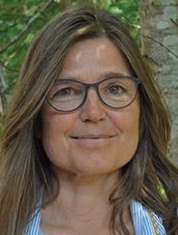 Dorte Krause-Jensen合作论文数Department of Ecoscience, Aarhus University;Department of Bioscience, Arctic Research Centre, Aarhus University29
 Nuria Marba合作论文数14
 Kaj Sand Jensen合作论文数Department of Biology, University of Copenhagen9
 Carlos M. Duarte合作论文数Biological and Environmental Science and Engineering Division, King Abdullah University of Science and Technology9
 Tenna Riis合作论文数Department of Biological Sciences, Aarhus University9
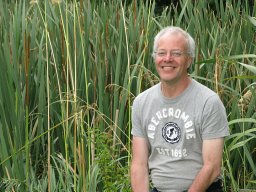 Brian K Sorrell合作论文数Department of Biological Sciences, Aarhus University8
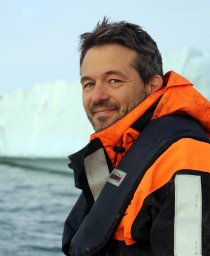 Mikael K. Sejr合作论文数Department of Marine Ecology, National Environmental Research Institute8
 Annette Bruhn合作论文数8
 Hans Brix合作论文数Department of Biology, Aarhus Universitet7Peter Bondo Christensen合作论文数National Environmental Research Institute7
 Carla Lambertini合作论文数Department of Biological Sciences, Aarhus University6
 Jakob Thyrring合作论文数Dept Zool, Univ British Columbia4
 Marianne Holmer合作论文数Department of Biology, Faculty of Science, University of Southern Denmark4John Clayton合作论文数4
 Susanne P. Baden合作论文数Institute of Marine Ecology, Göteborg University4
 Kim Nørgaard Mouritsen (Kim N. Mouritsen)合作论文数Arctic Research Centre, Institut for Biologi, Aarhus University4
 Susse Wegeberg合作论文数4
 Christoffer Boström合作论文数Environmental and Marine Biology, Åbo Akademi University4
 Just Cebrian合作论文数Northern Gulf Institute, Department of Geosciences, Mississippi State University3
 Gustafsson Camilla合作论文数Tvärminne Zoological Station, University of Helsinki3
 Trevor T Bringloe合作论文数Department of Biology, University of New Brunswick3
 Jonas RIbergaard Rasmussen合作论文数3
 Martin E. Blicher合作论文数3
 Heroen Verbruggen合作论文数School of BioSciences,University of Melbourne3
 Stein Fredriksen合作论文数Department of Biology, University of Oslo3Michael Bo Rasmussen合作论文数3
 Soren Laurentius Nielsen合作论文数Department of Environmental, Social and Spatial Change, Roskilde University3
 Susana Enriquez合作论文数Freshwater Biological Laboratory, University of Copenhagen3
 Jozef M. jr Wiktor合作论文数2
 Daniel F. Carlson合作论文数2Thomas Gjerluff Ager合作论文数2Anna V. Klimova合作论文数2
 Joao Rodrigues合作论文数2
 Karen Filbee-Dexter合作论文数Sch Biol Sci, Univ Western Australia2
 Jonas Thormar合作论文数Department of Biosciences, University of Oslo2
 Martin Gehrchen合作论文数Rigshospitalet, National University Hospital of Copenhagen2
 Vieira Christophe合作论文数2
 Samuel Starko合作论文数Oceans Institute, School of Biological Sciences, The University of Western Australia2
 Clausen Kevin K合作论文数2
 Mette Møller Nielsen合作论文数2
 Leif Pihl合作论文数Department of Biology and Environmental Sciences,University of Gothenburg;Institutionen for marin ekologi, Goteborgs universitet2
 Lloyd Peck合作论文数British Antarctic Survey, Natural Environment Research Council;Institute for Protein Biochemistry;Wolfson College, Cambridge University2
 Jeanine L. Olsen合作论文数Department of Marine Biology;Centre for Ecological and Evolutionary Studies;University of Groningen;Centre for Ecological and Evolutionary Studies, University of Groningen2Me Gallegos合作论文数2
 Miguel D. Fortes合作论文数College of Science, University of the Philippines2
 Hiroshi Kawai合作论文数2
 Karsten M. Dromph合作论文数Institute of Environmental and Natural Sciences, Lancaster University2
 Erik Jeppesen合作论文数Department of Ecoscience - Freshwater Ecology, Aarhus University;Arctic Research Centre, Aarhus University2
 Torben Linding Lauridsen合作论文数Department of Ecoscience - Freshwater Ecology, Aarhus University;Centre for Water Technology, Aarhus University2




