Offline reinforcement learning (RL) aims to learn the optimal policy from a fixed behavior policy dataset without additional environment interaction. One common challenge that arises in this setting is the out-of-distribution (OOD) error, which occurs when the policy leaves the training distribution. Prior methods penalize a statistical distance term to keep the policy close to the behavior policy, but this constrains policy improvement and may not completely prevent OOD actions. Another challenge is that the optimal policy distribution can be multimodal and difficult to represent. Recent works apply diffusion or flow policies to address this problem, but it is unclear how to avoid OOD errors while retaining policy expressiveness. We propose ReFORM, an offline RL method based on flow policies that enforces the less restrictive support constraint by construction. ReFORM learns a BC flow policy with a bounded source distribution to capture the support of the action distribution, then optimizes a reflected flow that generates bounded noise for the BC flow while keeping the support, to maximize the performance. Across 40 challenging tasks from the OGBench benchmark with datasets of varying quality and using a constant set of hyperparameters for all tasks, ReFORM dominates all baselines with hand-tuned hyperparameters on the performance profile curves.
Control Barrier Functions (CBFs) have proven to be an effective tool for performing safe control synthesis for nonlinear systems. However, guaranteeing safety in the presence of disturbances and input constraints for high relative degree systems is a difficult problem. In this work, we propose the Robust Policy CBF (RPCBF), a practical approach for constructing robust CBF approximations online via the estimation of a value function. We establish conditions under which the approximation qualifies as a valid CBF and demonstrate the effectiveness of the RPCBF-safety filter in simulation on a variety of high relative degree input-constrained systems. Finally, we demonstrate the benefits of our method in compensating for model errors on a hardware quadcopter platform by treating the model errors as disturbances. Website including code: www.oswinso.xyz/rpcbf/
Recent advances in deep reinforcement learning (RL) have achieved strong results on high-dimensional control tasks, but applying RL to reachability problems raises a fundamental mismatch: reachability seeks to maximize the set of states from which a system remains safe indefinitely, while RL optimizes expected returns over a user-specified distribution. This mismatch can result in policies that perform poorly on low-probability states that are still within the safe set. A natural alternative is to frame the problem as a robust optimization over a set of initial conditions that specify the initial state, dynamics and safe set, but whether this problem has a solution depends on the feasibility of the specified set, which is unknown a priori. We propose Feasibility-Guided Exploration (FGE), a method that simultaneously identifies a subset of feasible initial conditions under which a safe policy exists, and learns a policy to solve the reachability problem over this set of initial conditions. Empirical results demonstrate that FGE learns policies with over 50% more coverage than the best existing method for challenging initial conditions across tasks in the MuJoCo simulator and the Kinetix simulator with pixel observations.
Positional encodings (PEs) enhance the power of graph neural networks (GNNs), both theoretically and empirically. Two of the most popular families of PEs - spectral (e.g., Laplacian eigenspaces, effective resistance) and walk-based (polynomials of the adjacency matrix) - are theoretically equivalent in expressive power, with expressivity between the 1-WL and 3-WL tests. However, this equivalence assumes the GNN uses the "complete" version of these PEs, which requires O(n^3) time and space complexity. Instead, practitioners commonly use truncated variants of these encodings, such as the first k eigenspaces or powers of the adjacency matrix. However, the theoretical properties of these truncated PEs are unknown. In this work, we initiate the study of these truncated PEs. Theoretically, we show that, under truncation, several families of PEs are fundamentally different in expressive power. As a corollary, we show that truncated spectral PEs are no longer stronger than the 1-WL test. We also study a family of spectral PEs, the k-harmonic distances, to highlight the differences in expressive power of even closely related truncated PEs. Finally, we experimentally show that a mix of truncated PEs is preferable to any single family on real-world datasets.
Safety-critical control is imperative for deploying autonomous systems in the real world. Control Barrier Functions (CBFs) offer strong safety guarantees when accurate system and sensor models are available. However, widely used additive, fixed-noise models are not representative of complex sensor modalities with state-dependent error characteristics. Although CBFs have been designed to mitigate uncertainty using fixed worst-case bounds on measurement noise, this approach can lead to overly-conservative control. To solve this problem, we extend the Belief Control Barrier Function (BCBF) framework to accommodate state-dependent measurement noise via the Generalized Extended Kalman Filter (GEKF) algorithm, which models measurement noise as a linear function of the state. Using the original BCBF framework as baseline, we demonstrate the performance of the BCBF-GEKF approach through simulation results on a 1D single integrator setpoint tracking scenario and 2D unicycle kinematics trajectory tracking scenario. Our results confirm that the BCBF-GEKF approach offers less conservative control with greater safety.
We study safety for stochastic systems under sampled–data control and learned dynamics. We develop Bayesian Risk-Aware Control Barrier Functions (RA-CBFs) for discrete time. First, we give two guarantees for barrier crossing over a finite horizon: (i) a time-uniform martingale bound using Ville’s inequality and a predictable variance budget, and (ii) a tighter pathwise bound that recovers the continuous-time RA-CBF margin via DDS time change and the reflection principle. Second, we propagate posterior uncertainty in drift and diffusion into an upper confidence bound (UCB) on the generator and derive a closed-form inter-sample robustness margin. Third, we synthesize a minimally invasive controller via a convex QP that enforces risk and uncertainty thresholds jointly. The result is a high-confidence, finite-horizon safety bound and a practical sampled-data controller that, under the stronger pathwise noise assumption, recovers the continuous-time RA-CBF margin while avoiding supermartingale-based S-CBF conditions.
Quadratic programs (QP) subject to multiple time-dependent control barrier function (CBF) based constraints have been used to design safety-critical controllers. However, ensuring the existence of a solution at all times to the QP subject to multiple CBF constraints (hereby called compatibility) is non-trivial. We quantify the feasible control input space defined by multiple CBFs at a state in terms of its volume. We then introduce a novel feasible space (FS) CBF that prevents this volume from going to zero. FS-CBF is shown to be a sufficient condition for the compatibility of multiple CBFs. For high-dimensional systems though, finding a valid FS-CBF may be difficult due to the limitations of existing computational hardware or theoretical approaches. In such cases, we show empirically that imposing the feasible space volume as a candidate FS-CBF not only enhances feasibility but also exhibits reduced sensitivity to changes in the user-chosen parameters such as gains of the nominal controller. Finally, paired with a global planner, we evaluate our controller for navigation among other dynamically moving agents in the AWS Hospital gazebo environment. The proposed controller is demonstrated to outperform the standard CBF-QP controller in maintaining feasibility.
Tasks for multi-robot systems often require the robots to collaborate and complete a team goal while maintaining safety. This problem is usually formalized as a constrained Markov decision process (CMDP), which targets minimizing a global cost and bringing the mean of constraint violation below a user-defined threshold. Inspired by real-world robotic applications, we define safety as zero constraint violation. While many safe multi-agent reinforcement learning (MARL) algorithms have been proposed to solve CMDPs, these algorithms suffer from unstable training in this setting. To tackle this, we use the epigraph form for constrained optimization to improve training stability and prove that the centralized epigraph form problem can be solved in a distributed fashion by each agent. This results in a novel centralized training distributed execution MARL algorithm named Def-MARL. Simulation experiments on 8 different tasks across 2 different simulators show that Def-MARL achieves the best overall performance, satisfies safety constraints, and maintains stable training. Real-world hardware experiments on Crazyflie quadcopters demonstrate the ability of Def-MARL to safely coordinate agents to complete complex collaborative tasks compared to other methods.
Path Planning for stochastic hybrid systems presents a unique challenge of predicting distributions of future states subject to a state-dependent dynamics switching function. In this work, we propose a variant of Model Predictive Path Integral Control (MPPI) to plan kinodynamic paths for such systems. Monte Carlo may be inaccurate when few samples are chosen to predict future states under state-dependent disturbances and lacks computational efficiency when scaling to more particles. We employ recently proposed Unscented Transform-based methods to capture stochasticity in the states as well as the state-dependent switching surfaces. This is in contrast to previous works that perform switching based only on the mean of predicted states. We focus our motion planning application on the navigation of a mobile robot in the presence of dynamically moving agents whose responses are based on sensor-constrained attention zones. We evaluate our framework on a simulated mobile robot and show faster convergence to a goal without collisions when the robot exploits the hybrid human dynamics versus when it does not.
Control policies that can achieve high task performance and satisfy safety constraints are desirable for any system, including multi-agent systems (MAS). One promising technique for ensuring the safety of MAS is distributed control barrier functions (CBF). However, it is difficult to design distributed CBF-based policies for MAS that can tackle unknown discrete-time dynamics, partial observability, changing neighborhoods, and input constraints, especially when a distributed high-performance nominal policy that can achieve the task is unavailable. To tackle these challenges, we propose DGPPO, a new framework that simultaneously learns both a discrete graph CBF which handles neighborhood changes and input constraints, and a distributed high-performance safe policy for MAS with unknown discrete-time dynamics. We empirically validate our claims on a suite of multi-agent tasks spanning three different simulation engines. The results suggest that, compared with existing methods, our DGPPO framework obtains policies that achieve high task performance (matching baselines that ignore the safety constraints), and high safety rates (matching the most conservative baselines), with a constant set of hyperparameters across all environments.
The goal of graph inference is to design algorithms for learning properties of a hidden graph using queries to an oracle that returns information about the graph. Graph reconstruction, verification, and property testing are all types of graph inference. In this work, we study graph inference using an oracle that returns the effective resistance (ER) between a pair of vertices. Effective resistance is a distance originating from the study of electrical circuits with many applications. However, ER has received little attention from a graph inference perspective. Indeed, although it is known that an n-vertex graph can be uniquely reconstructed from all n2 possible ER queries, little else is known. We address this gap with several new results, including: 1. O(n)-query algorithms for testing whether a graph is a tree; deciding whether two graphs are equal assuming one is a subgraph of the other; and testing whether a given vertex (or edge) is a cut vertex (or cut edge). 2. Property testing algorithms, including for testing whether a graph is vertex- or edge-biconnected. We also give a reduction to adapt property testing results from the bounded-degree model to our ER query model. This yields ER-query-based algorithms for testing k-connectivity, bipartiteness, planarity, and containment of a fixed subgraph. 3. Graph reconstruction algorithms, including an algorithm for reconstructing a graph from a low-width tree decomposition; a Θ(k^2)-query, polynomial-time algorithm for recovering the adjacency matrix A of a hidden graph, given A with k of its entries deleted; and a k-query, exponential-time algorithm for the same task. We also compare the power of ER queries and shortest path queries, which are closely related but better studied. Interestingly, we show that the two query models are incomparable in power.
This paper addresses the problem of risk-aware fixed-time stabilization of a class of uncertain, output-feedback nonlinear systems modeled via stochastic differential equations. First, novel classes of certificate functions, namely risk-aware fixed-time- and risk-aware path-integral-control Lyapunov functions, are introduced. Then, it is shown how the use of either for control design certifies that a system is both stable in probability and probabilistically fixed-time convergent (for a given probability) to a goal set. That is, the system trajectories probabilistically reach the set within a finite time, independent of the initial condition, despite the additional presence of measurement noise. These methods represent an improvement over the state-of-the-art in stochastic fixed-time stabilization, which presently offers bounds on the settling-time function in expectation only. The theoretical results are verified by an empirical study on an illustrative, stochastic, nonlinear system and the proposed controllers are evaluated against an existing method. Finally, the methods are demonstrated via a simulated fixed-wing aerial robot on a reach-avoid scenario to highlight their ability to certify the probability that a system safely reaches its goal.
The rapid advancement of robotics necessitates robust tools for developing and testing safe control architectures in dynamic and uncertain environments. Ensuring safety and reliability in robotics, especially in safety-critical applications, is crucial, driving substantial industrial and academic efforts. In this context, we extend CBFkit, a Python/ROS2 toolbox, which now incorporates a planner using reach-avoid specifications as a cost function. This integration with the Model Predictive Path Integral (MPPI) controllers enables the toolbox to satisfy complex tasks while ensuring formal safety guarantees under various sources of uncertainty using Control Barrier Functions (CBFs). CBFkit is optimized for speed using JAX for automatic differentiation and jaxopt for quadratic program solving. The toolbox supports various robotic applications, including autonomous navigation, human-robot interaction, and multi-robot coordination. The toolbox also offers a comprehensive library of planner, controller, sensor, and estimator implementations. Through a series of examples, we demonstrate the enhanced capabilities of CBFkit in different robotic scenarios.
Control Barrier Functions (CBF) have provided a very versatile framework for the synthesis of safe control architectures for a wide class of nonlinear dynamical systems. Typically, CBF-based synthesis approaches apply to systems that exhibit nonlinear -- but smooth -- relationship in the state of the system and linear relationship in the control input. In contrast, the problem of safe control synthesis using CBF for hybrid dynamical systems, i.e., systems which have a discontinuous relationship in the system state, remains largely unexplored. In this work, we build upon the progress on CBF-based control to formulate a theory for safe control synthesis for hybrid dynamical systems. Under the assumption that local CBFs can be synthesized for each mode of operation of the hybrid system, we show how to construct CBF that can guarantee safe switching between modes. The end result is a switching CBF-based controller which provides global safety guarantees. The effectiveness of our proposed approach is demonstrated on two simulation studies.
The distinguishing power of graph transformers is closely tied to the choice of positional encoding: features used to augment the base transformer with information about the graph. There are two primary types of positional encoding: absolute positional encodings (APEs) and relative positional encodings (RPEs). APEs assign features to each node and are given as input to the transformer. RPEs instead assign a feature to each pair of nodes, e.g., graph distance, and are used to augment the attention block. A priori, it is unclear which method is better for maximizing the power of the resulting graph transformer. In this paper, we aim to understand the relationship between these different types of positional encodings. Interestingly, we show that graph transformers using APEs and RPEs are equivalent in terms of distinguishing power. In particular, we demonstrate how to interchange APEs and RPEs while maintaining their distinguishing power in terms of graph transformers. Based on our theoretical results, we provide a study on several APEs and RPEs (including the resistance distance and the recently introduced stable and expressive positional encoding (SPE)) and compare their distinguishing power in terms of transformers. We believe our work will help navigate the huge number of choices of positional encoding and will provide guidance on the future design of positional encodings for graph transformers.
This tutorial paper presents recent work of the authors that extends the theory of Control Barrier Functions (CBFs) to address practical challenges in the synthesis of safe controllers for autonomous systems and robots. We present novel CBFs and methods that handle safety constraints (i) with time and input constraints under disturbances, (ii) with high-relative degree under disturbances and input constraints, and (iii) that are affected by adversarial inputs and sampled-data effects. We then present novel CBFs and adaptation methods that prevent loss of validity of the CBF, as well as methods to tune the parameters of the CBF online to reduce conservatism in the system response. We also address the pointwise-only optimal character of CBF-induced control inputs by introducing a CBF formulation that accounts for future trajectories, as well as implementation challenges such as how to preserve safety when using output feedback control and zero-order-hold control. Finally we consider how to synthesize non-smooth CBFs when discontinuous inputs and multiple constraints are present.
Purpose The primary aim of this study was to develop an open-source Python-based software for the automated analysis of dynamic cell behaviors in three-dimensional tumor models using non-confocal microscopy. This research seeks to address the existing gap in accessible tools for high-throughput analysis of cancer and endothelial cell dynamics in vitro , facilitating the rapid assessment of drug sensitivity.Methods Our approach involved annotating over 1000 2 mm Z-stacks of cancer and endothelial cell co-culture model and training machine learning models to automatically calculate cell coverage, cancer invasion depth, and microvessel dynamics. Specifically, cell coverage area was computed using focus stacking and Gaussian mixture models to generate thresholded Z-projections. Cancer invasion depth was determined using a deep neural network binary classification model, measuring the distance between Z-planes with invaded cells. Lastly, microvessel dynamics were assessed through a U-Net Xception-style deep learning model for segmentation, a disperse algorithm for network graph representation, then persistent homology to quantify microvessel length and connectivity. Finally, we reanalyzed an image set from a high-throughput drug screen involving a chemotherapy agent on a 3D cervical and endothelial co-culture model.Results The software accurately measured cell coverage, cancer invasion, and microvessel length, yielding drug sensitivity IC50 values with a 95% confidence level compared to manual calculations. Additionally, it significantly reduced the image processing time from weeks down to hours.Conclusions Our free and open source software offers an automated solution for quantifying 3D cell behavior in tumor models using non-confocal microscopy, providing the broader Cellular and Molecular Bioengineering community with an alternative to standard confocal microscopy paired with proprietary software.### Competing Interest StatementThe authors have declared no competing interest.
The primary aim of this study was to develop an open-source Python-based software for the automated analysis of dynamic cell behaviors in microphysiological models using non-confocal microscopy. This research seeks to address the existing gap in accessible tools for high-throughput analysis of endothelial tube formation and cell invasion in vitro, facilitating the rapid assessment of drug sensitivity. Our approach involved annotating over 1000 2 mm Z-stacks of cancer and endothelial cell co-culture model and training machine learning models to automatically calculate cell coverage, cancer invasion depth, and microvessel dynamics. Specifically, cell coverage area was computed using focus stacking and Gaussian mixture models to generate thresholded Z-projections. Cancer invasion depth was determined using a ResNet-50 binary classification model, identifying which Z-planes contained invaded cells and measuring the total invasion depth. Lastly, microvessel dynamics were assessed through a U-Net Xception-style segmentation model for vessel prediction, the DisPerSE algorithm to extract an embedded graph, then graph analysis to quantify microvessel length and connectivity. To further validate our software, we reanalyzed an image set from a high-throughput drug screen involving a chemotherapy agent on a 3D cervical and endothelial co-culture model. Lastly, we applied this software to two naive image datasets from coculture lumen and microvascular fragment models. The software accurately measured cell coverage, cancer invasion, and microvessel length, yielding drug sensitivity IC50 values with a 95 https://github.com/fogg-lab/tissue-model-analysis-tools .
Effective resistance is a distance between vertices of a graph that is both theoretically interesting and useful in applications. We study a variant of effective resistance called the biharmonic distance. While the effective resistance measures how well-connected two vertices are, we prove several theoretical results supporting the idea that the biharmonic distance measures how important an edge is to the global topology of the graph. Our theoretical results connect the biharmonic distance to well-known measures of connectivity of a graph like its total resistance and sparsity. Based on these results, we introduce two clustering algorithms using the biharmonic distance. Finally, we introduce a further generalization of the biharmonic distance that we call the k-harmonic distance. We empirically study the utility of biharmonic and k-harmonic distance for edge centrality and graph clustering.
This paper introduces CBFKit, a Python/ROS toolbox for safe robotics planning and control under uncertainty. The toolbox provides a general framework for designing control barrier functions for mobility systems within both deterministic and stochastic environments. It can be connected to the ROS open-source robotics middleware, allowing for the setup of multi-robot applications, encoding of environments and maps, and integrations with predictive motion planning algorithms. Additionally, it offers multiple CBF variations and algorithms for robot control. The CBFKit is demonstrated on the Toyota Human Support Robot (HSR) in both simulation and in physical experiments.
 Dimitra Panagou合作论文数Aerospace Engineering Department, University of Michigan13
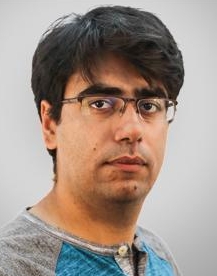 Amir Nayyeri合作论文数College of Engineering, Oregon State University;School of Electrical Engineering and Computer Science, Oregon State University10
 Bardh Hoxha合作论文数Cyber-Physical Systems Lab Arizona State University8
 Georgios Fainekos合作论文数Toyota Motor North America R&D, Toyota Research Institute of North America8
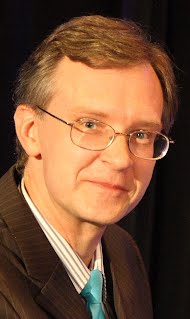 Danil Prokhorov合作论文数Research Strategy Office, Toyota Research Institute of North America;Collaborative Safety Research Center, Toyota Research Institute of North America;Toyota Technical Center6
 Hideki Okamoto合作论文数6
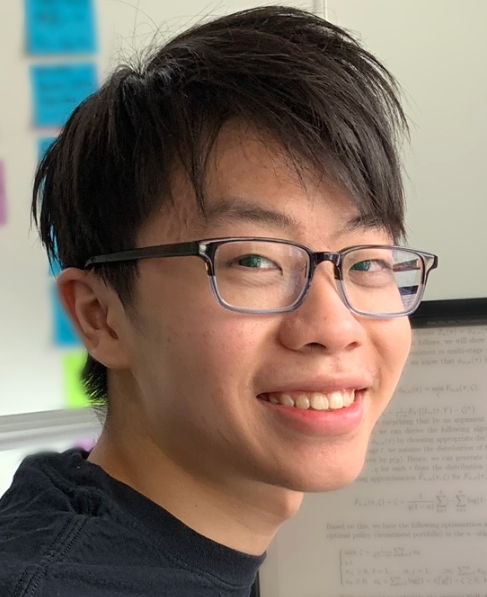 Oswin So合作论文数Reliable Autonomous Systems Lab, Massachusetts Institute of Technology5
 Chuchu Fan合作论文数5
 Hardik Parwana合作论文数4
 Songyuan Zhang合作论文数REALM Lab, Massachusetts Institute of Technology;Department of Aeronautics and Astronautics, Massachusetts Institute of Technology4
 William Maxwell合作论文数Oregon State University3
 Ines Cadena合作论文数Chem Biol & Environm Engn, Oregon State Univ2
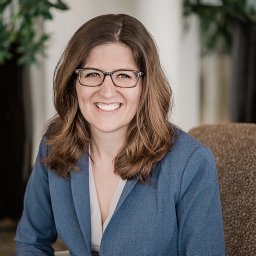 Kaitlin Fogg合作论文数Oregon State University2
 Zhengchao Wan合作论文数2
 Zachary Serlin合作论文数Boston Univ, Dept Mech Engn, Boston, MA 02215 USA2
 Kunal Garg合作论文数Univ Michigan, Dept Aerosp Engn, Ann Arbor, MI 48109 USA2
 Ehsan Arabi合作论文数Research and Advanced Engineering, Ford Motor Company2
 Weng-Keen Wong合作论文数School of Electrical Engineering and Computer Science, Oregon State University2Yusu Wang合作论文数2
 James Flora合作论文数School of Electrical Engineering and Computer Science, Oregon State University1Lucy Lin合作论文数1
 Kevin J. Leahy合作论文数Robotics Engineering Department, Worcester Polytechnic Institute;The Automata Lab, Worcester Polytechnic Institute1
 Abhishek Sharma合作论文数1Eli Winkelman合作论文数1
 Gal Mishne合作论文数Halıcıoğlu Data Science Institute, University of California San Diego;Department of Computer Science and Engineering, University of California San Diego1
 Erlend Raa Vagset合作论文数Dept Informat, Univ Bergen1
 Luzia Knoedler合作论文数1
 Shuo Yang合作论文数Department of Electrical and Systems Engineering, University of Pennsylvania1
 Devansh R Agrawal合作论文数Aerospace Engineering Department, University of Michigan at Ann Arbor1
 Keyvan Majd合作论文数School of Computing, Informatics, and Decision Systems Engineering, Arizona State University, Tempe, AZ 85281 USA1Joseph Breeden合作论文数1
 James Usevitch合作论文数Aerospace Engineering Department, University of Michigan1
 Rahul Mangharam合作论文数Department of Computer and Information Science, School of Engineering and Applied Science, University of Pennsylvania1Huck Bennett合作论文数New York University1
 Ji Yin合作论文数Georgia Institute of Technology1Blaser Nello合作论文数Institute of Social and Preventive Medicine (ISPM),, University of Bern1
 Hind Laurel E合作论文数Department of Bioengineering, University of Pennsylvania1
 Marian Hettiaratchi合作论文数The Wallace H. Coulter Department of Biomedical Engineering, Georgia Institute of Technology &Emory University;The Wallace H. Coulter Department of Biomedical Engineering, Georgia Institute of Technology & Emory University1
 J. (Javier) Alonso-Mora合作论文数Department of Cognitive Robotics, Faculty of Mechanical Engineering, Delft University of Technology1
 Mrdjan Jankovic合作论文数Ford Motor Company1
 Panagiotis Tsiotras合作论文数Dynamics and Control Systems Laboratory, Daniel Guggenheim School of Aerospace Engineering, College of Engineering, Georgia Institute of Technology;Institute for Robotics and Intelligent Machines, Georgia Institute of Technology1




