BACKGROUND:Uptake of colorectal cancer screening is suboptimal. The TEMPO trial evaluated the impact of two evidence-based, theory-informed, and co-designed behavioural interventions on uptake of faecal immunochemical test (FIT) colorectal screening. METHODS:TEMPO was a 2 × 4 factorial, eight-arm, randomised controlled trial embedded in the nationwide Scottish Bowel Screening Programme. All 40 000 consecutive adults (aged 50-74 years) eligible for colorectal screening were allocated to one of eight groups using block randomisation: (1) standard invitation; (2) 1-week suggested FIT return deadline; (3) 2-week deadline; (4) 4-week deadline; (5) problem-solving planning tool (no deadline); (6) planning tool plus 1-week deadline; (7) planning tool plus 2-week deadline; (8) planning tool plus 4-week deadline. The primary outcome was the proportion of FITs returned correctly completed to be tested by the colorectal screening laboratory providing a positive or negative result, within 3 months of the FIT being mailed to a person. The trial is registered with clinicaltrials.gov, NCT05408169. FINDINGS:From June 19 to July 3, 2022, 5000 participants were randomly assigned per group, with no loss to follow-up. 266 participants met the exclusion criteria; 39 734 (19 909 [50·1%] female and 19 825 [49·9%] male; mean age 61·2 [SD 7·3] years) were included in the analysis. The control group (no deadline, and no planning tool) had a 3-month FIT return rate of 66·0% (3275 of 4965). The highest return rate was seen with a 2-week deadline without the planning tool (3376 [68·0%] of 4964; difference vs control of 2·0% [95% CI 0·2 to 3·9]). The lowest return rate was seen when the planning tool was given without a deadline (3134 [63·2%] of 4958; difference vs control of -2·8% [-4·7 to -0·8]). The primary analysis, assuming independent effects of the two interventions, suggested a clear positive effect of giving a deadline (adjusted odds ratio [aOR] 1·13 [1·08 to 1·19]; p<0·0001), and no effect for use of a planning tool (aOR 0·98 [0·94 to 1·02]; p=0·34), though this was complicated by an interaction between the two interventions (pinteraction=0·0041); among those who were given a deadline, there was no evidence that receiving a planning tool had any effect (aOR 1·02 [0·97 to 1·07]; p=0·53), but in the absence of a deadline, giving the planning tool appeared detrimental (aOR 0·88 [0·81 to 0·96]; p=0·0030). In the absence of the planning tool, there was little evidence that the use of a deadline had any effect on return rates at 3 months. However, secondary analyses indicated that the use of deadlines boosted earlier return rates (within 1, 2, and 4 weeks, particularly around the time of the deadline), and reduced the need to issue a reminder letter after 6 weeks, with no evidence that the planning tool had any positive impact, and without evidence of interactions between interventions. INTERPRETATION:Adding a single sentence suggesting a deadline for FIT return in the invitation letter to FIT colorectal screening resulted in more timely FIT return and reduced the need to issue reminder letters. This is a highly cost-effective intervention that could be easily implemented in routine practice. A planning tool had no positive effect on FIT return. FUNDING:Scottish Government and Cancer Research UK.
AIM:The aim of this work was to quantify post-colonoscopy colorectal cancer (PCCRC) rates in National Health Service (NHS) Scotland using World Endoscopy Association guidelines, compare incidence between health boards and referral streams and explore comparisons in results with published data from other healthcare systems. METHOD:This is a population-based cohort study using NHS Scotland data between 2012 and 2018. All people undergoing colonoscopy between 2012 and 2018 and subsequently diagnosed as having bowel cancer up to 3 years after their investigation were included. The main outcome measures are national trends in the PCCRC rate at 3 years (PCCRC-3yr). with comparison between bowel screening and non-screening referral routes, board of referral and analysis of factors associated with occurrence. RESULTS:The overall unadjusted PCCRC-3yr was 7.9% (7.4%-8.3%). There was no change in the annual rate over the 7-year study period. The PCCRC rate was lower for the Scottish Bowel Cancer Screening Programme (6.7% vs. 8.3%), but compared unfavourably with rates reported by the NHS England Bowel Cancer Screening Programme from an earlier time period. There was wide variation in rates between health boards of similar population size. Rates were higher in women, with increasing age and in patients with a history of inflammatory bowel disease or diverticular disease. CONCLUSION:Despite advances in technology, there has been no improvement in the PCCRC rate in Scotland between 2012 and 2018. Rates in bowel screening colonoscopy are better than in nonscreening colonoscopy but compare unfavourably with NHS England, possibly as a result of less robust endoscopist selection and training. Quality improvement is required in colonoscopy in order to improve patient outcomes nationally, and to allow equitable access to higher-quality colonoscopy in different regions of the country.
ObjectivesTo assess variation in fecal hemoglobin concentration according to year and season of fecal immunochemical test screening in Sweden, the detection rate of advanced neoplasia, and factors that could influence fecal immunochemical test positivity including sex, age, comorbidity, and laboratory testing quality.MethodsWe performed a cross-sectional analysis of participants in the fecal immunochemical test arm of the randomized controlled trial SCREESCO between March 2014 and December 2019 and of participants in the screening program of Stockholm-Gotland, Sweden, who underwent a one-sample fecal immunochemical test between October 2015 and October 2024.ResultsA total of 33,232 individuals from SCREESCO and 315,664 individuals from the Stockholm-Gotland screening program were included. Fecal immunochemical test hemoglobin concentrations were generally higher in the winter but this varied over calendar years. In SCREESCO, the median fecal immunochemical test concentration was 0.0 μg hemoglobin/g feces in December 2015, 1.0 μg hemoglobin/g feces in June and 5.0 μg hemoglobin/g feces in December 2016, and 0.0 μg hemoglobin/g feces in June 2017. This was paralleled by a similar variation in the Stockholm-Gotland screening program. In months with higher fecal immunochemical test positivity in SCREESCO, there was a higher number of colonoscopies and a lower rate of advanced neoplasia detected. Male sex, higher age, and higher comorbidity were also associated with higher fecal immunochemical test positivity.ConclusionsThe variation in the number of colonoscopies and detection rate of advanced neoplasia paralleled the seasonal variation in fecal immunochemical test and warrants further studies on seasonal variation of fecal immunochemical test to optimize fecal immunochemical test-based colorectal cancer screening.
Abstract Head and neck cancer (HNC) is prevalent worldwide, and treatment options are limited. Momordicine-I (M-I), a natural component from bitter melon, shows antitumor activity against these cancers, but its mechanism of action, especially in the tumor microenvironment (TME), remains unclear. In this study, we establish that M-I reduces HNC tumor growth in two different immunocompetent mouse models using MOC2 and SCC VII cells. We demonstrate that the anticancer activity results from modulating several molecules in the monocyte/macrophage clusters in CD45+ populations in MOC2 tumors by single-cell RNA sequencing. Tumor-associated macrophages (TAM) often pose a barrier to antitumor effects, but following M-I treatment, we observe a significant reduction in the expression of Sfln4, a myeloid cell differentiation factor, and Cxcl3, a neutrophil chemoattractant, in the monocyte/macrophage populations. We further find that the macrophages must be in close contact with the tumor cells to inhibit Sfln4 and Cxcl3, suggesting that these TAMs are impacted by M-I treatment. Coculturing macrophages with tumor cells shows inhibition of Agr1 expression following M-I treatment, which is indicative of switching from M2 to M1 phenotype. Furthermore, the total B-cell population in M-I-treated tumors is significantly lower, whereas spleen cells also show similar results when cocultured with MOC2 cells. M-I treatment also inhibits PD1, PD-L1, and FoxP3 expression in tumors. Collectively, these results uncover the potential mechanism of M-I by modulating immune cells, and this new insight can help to develop M-I as a promising candidate to treat HNCs, either alone or as adjuvant therapy.
AimFaecal immunochemical testing (FIT) is used in the detection of colorectal cancer (CRC). FIT is invariably used at a single faecal haemoglobin (f-Hb) concentration threshold. The aim of this observational study was to explore risk scoring models (RSMs) with f-Hb and other risk factors for CRC in symptomatic patients attending primary care, potentially speeding diagnosis and saving endoscopy resources.MethodRecords of patients completing FIT were linked with The Scottish Cancer Registry and with other databases with symptoms, full blood count and demographic variables, and randomized into derivation and validation cohorts. Stepwise multivariable logistic regression created RSMs assessed in the validation cohort.ResultsOf 18 805 unique patients, 9374 and 9431 were in the derivation and validation cohorts, respectively: f-Hb, male sex, increasing age, iron deficiency anaemia and raised systemic immune inflammation index created the final RSM. A risk score threshold of >= 2.363, generating the same number of colonoscopies as a f-Hb threshold of >= 10 mu g Hb/g gave improved sensitivity for CRC in both cohorts. A RSM which excluded f-Hb was used to investigate the effect of raising the f-Hb threshold from >= 10 to >= 20 mu g Hb/g in those with a low risk score. This approach would have generated 234 fewer colonoscopies but missed four CRCs.ConclusionThe RSM conferred no significant benefit to patients with very low f-Hb and CRC. Alternative strategies combining FIT with other variables may be more appropriate for safety-netting of symptomatic patients. Further work to develop and investigate the value of RSM for significant bowel disease other than CRC may also be beneficial.
BackgroundWe determined the impact of an increased two-stool faecal immunochemical test (FIT) cut-off on colonoscopy positivity and relative sensitivity and specificity in the randomized controlled screening trial screening of Swedish colons conducted in Sweden.MethodsWe performed a cross-sectional analysis of participants in the FIT arm that performed FIT between March 2014 and 2020 within the study registered with ClinicalTrials.gov, NCT02078804, who had a faecal haemoglobin concentration of at least 10 mu g/g in at least one of two stool samples and who underwent a colonoscopy (n = 3841). For each increase in cut-off, we computed the positive predictive value (PPV), numbers needed to scope (NNS), sensitivity and specificity for finding colorectal cancer (CRC) and advanced neoplasia (AN; advanced adenoma or CRC) relative to cut-off 10 mu g/g.ResultsThe PPV for AN increased from 23.0% (95% confidence intervals [CI]: 22.3%-23.6%) at cut-off 10 mu g/g to 28.8% (95% CI: 27.8%-29.7%) and 33.1% (95% CI: 31.9%-34.4%) at cut-offs 20 and 40 mu g/g, respectively, whereas the NNS to find a CRC correspondingly decreased from 41 to 27 and 19. The PPV for AN was higher in men than women at each cut-off, for example 31.5% (95% CI: 30.1%-32.8%) in men and 25.6% (95% CI: 24.3%-27.0%) in women at 20 mu g/g. The relative sensitivity and relative specificity were similar in men and women at each cut-off.ConclusionA low cut-off of around 20-40 mu g/g allows detection and removal of many AN compared to 10 mu g/g while reducing the number of colonoscopies in both men and women. image
There is a critical need to understand the disease processes and identify improved therapeutic strategies for hepatocellular carcinoma (HCC). The long noncoding RNAs (lncRNAs) display diverse effects on biological regulations. The aim of this study was to identify a lncRNA as a potential biomarker of HCC and investigate the mechanisms by which the lncRNA promotes HCC progression using human cell lines and in vivo. Using RNA-Seq analysis, we found that lncRNA FIRRE was significantly upregulated in hepatitis C virus (HCV) associated liver tissue and identified that lncRNA FIRRE is significantly upregulated in HCV associated HCC compared to adjacent non-tumor liver tissue. Further, we observed that FIRRE is significantly upregulated in HCC specimens with other etiologies, suggesting this lncRNA has a potential to serve as an additional biomarker for HCC. Overexpression of FIRRE in hepatocytes induced cell proliferation, colony formation, and xenograft tumor formation as compared to vector transfected control cells. Using RNA pull-down proteomics, we identified HuR as an interacting partner of FIRRE. We further showed that the FIRRE-HuR axis regulates cyclin D1 expression. Our mechanistic investigation uncovered that FIRRE is associated with an RNA binding protein HuR for enhancing hepatocyte growth. Together, these findings provide molecular insights into the role of FIRRE in HCC progression.
The requirement of large-scale expensive cancer screening trials spanning decades creates considerable barriers to the development, commercialisation, and implementation of novel screening tests. One way to address these problems is to use surrogate endpoints for the ultimate endpoint of interest, cancer mortality, at an earlier timepoint. This Review aims to highlight the issues underlying the choice and use of surrogate endpoints for cancer screening trials, to propose criteria for when and how we might use such endpoints, and to suggest possible candidates. We present the current landscape and challenges, and discuss lessons and shortcomings from the therapeutic trial setting. It is hugely challenging to validate a surrogate endpoint, even with carefully designed clinical studies. Nevertheless, we consider whether there are candidates that might satisfy the requirements defined by research and regulatory bodies.
BackgroundFewer adenomas are detected at colonoscopy in women compared to men and failure to detect adenomas and sessile serrated polyps is associated with an increased risk of post-colonoscopy colorectal cancer. The aim of this study was to investigate whether this was in part due to the greater difficulty of conducting colonoscopy in women, with the difference being more apparent in colonoscopies conducted by less skilled endoscopists.Material and methodsCross-sectional exploratory analysis of data on 16,551 individuals undergoing a primary colonoscopy (PCOL group) or colonoscopy after positive faecal immunochemical test (FIT group) within the randomized controlled trial SCREESCO. Endoscopist adenoma detection rate (ADR; low or high) was determined based on each endoscopist's colonoscopies performed in SCREESCO. In each study group, the relationship between the sex difference in colonoscopy outcome and endoscopist ADR was assessed using multiplicative interaction tests.ResultsEndoscopists performed equally many colonoscopies in men and women (median 52% men). There were no signs of effect modification of the risk ratio of any finding (men vs women) by endoscopist ADR in the PCOL group (p = 0.33) or the FIT group (p = 0.30). The proportion of incomplete index colonoscopies was lower in men than in women in both groups and there was no effect modification by endoscopist ADR in either the PCOL group (p = 0.41) or the FIT group (p = 0.96).ConclusionsThis study provides no evidence that endoscopist skill measured by ADR underlies the sex difference in adenoma detection at colonoscopy. This study has trial number NCT02078804 and is registered with ClinicalTrials.gov.
Background Colorectal cancer (CRC) screening reduces all-cause and CRC-related mortality. New research demonstrates that the faecal haemoglobin concentration (f-Hb) may indicate the presence of other serious diseases not related to CRC. We investigated the association between f-Hb, measured by a faecal immunochemical test (FIT), and both all-cause mortality and cause of death in a population-wide cohort of screening participants. Methods Between 2014 and 2018, 1,262,165 participants submitted a FIT for the Danish CRC screening programme. We followed these participants, using the Danish CRC Screening Database and several other national registers on health and population, until December 31, 2018. We stratified participants by f-Hb and compared them using a Cox proportional hazards regression on all-cause mortality and cause of death reported as adjusted hazard ratios (aHRs). We adjusted for several covariates, including comorbidity, socioeconomic factors, demography and prescription medication. Results We observed 21,847 deaths in the study period. Our multivariate analyses indicated an association relationship between increasing f-Hb and the risk of dying in the study period. This risk increased steadily from aHR 1.38 (95% CI: 1.32, 1.44) in those with a f-Hb of 7.1–11.9 μg Hb/g faeces to 2.20 (95% CI: 2.10, 2.30) in those with a f-Hb ≥60.0 μg Hb/g faeces, when compared to those with a f-Hb ≤7.0 μg Hb/g faeces. The pattern remained when excluding CRC from the analysis. Similar patterns were observed between incrementally increasing f-Hb and the risk of dying from respiratory disease, cardiovascular disease and cancers other than CRC. Furthermore, we observed an increased risk of dying from CRC with increasing f-Hb. Conclusions Our findings support the hypothesis that f-Hb may indicate an elevated risk of having chronic conditions if causes for the bleeding have not been identified. The mechanisms still need to be established, but f-Hb may be a potential biomarker for several non-CRC diseases.
Objectives This study aimed to develop a risk-scoring model in the Scottish Bowel Screening Programme incorporating faecal haemoglobin concentration with other risk factors for colorectal cancer. Methods Data were collected for all individuals invited to participate in the Scottish Bowel Screening Programme between November 2017 and March 2018 including faecal haemoglobin concentration, age, sex, National Health Service Board, socioeconomic status, and screening history. Linkage with The Scottish Cancer Registry identified all screening participants diagnosed with colorectal cancer. Logistic regression was performed to identify which factors demonstrated significant association with colorectal cancer and could be used in the development of a risk-scoring model. Results Of 232,076 screening participants, 427 had colorectal cancer: 286 diagnosed following a screening colonoscopy and 141 arising after a negative screening test result giving an interval cancer proportion of 33.0%. Only faecal haemoglobin concentration and age showed a statistically significant association with colorectal cancer. Interval cancer proportion increased with age and was higher in women (38.1%) than men (27.5%). If positivity in women were mirrored in men at each age quintile interval cancer proportion would still have remained higher in women (33.2%). Moreover, an additional 1201 colonoscopies would be required to detect 11 colorectal cancers. Conclusions Development of a risk scoring model using early data from the Scottish Bowel Screening Programme was not feasible due to most variables showing insignificant association with colorectal cancer. Tailoring the faecal haemoglobin concentration threshold according to age could help to diminish some of the disparity in interval cancer proportion between women and men. Strategies to achieve sex equality using faecal haemoglobin concentration thresholds depend considerably on which variable is selected for equivalency and this requires further exploration.
INTRODUCTION:Screening can reduce deaths from colorectal cancer (CRC). Despite high levels of public enthusiasm, participation rates in population CRC screening programmes internationally remain persistently below target levels. Simple behavioural interventions such as completion goals and planning tools may support participation among those inclined to be screened but who fail to act on their intentions. This study aims to evaluate the impact of: (a) a suggested deadline for return of the test; (b) a planning tool and (c) the combination of a deadline and planning tool on return of faecal immunochemical tests (FITs) for CRC screening. METHODS AND ANALYSIS:A randomised controlled trial of 40 000 adults invited to participate in the Scottish Bowel Screening Programme will assess the individual and combined impact of the interventions. Trial delivery will be integrated into the existing CRC screening process. The Scottish Bowel Screening Programme mails FITs to people aged 50-74 with brief instructions for completion and return. Participants will be randomised to one of eight groups: (1) no intervention; (2) suggested deadline (1 week); (3) suggested deadline (2 weeks); (4) suggested deadline (4 weeks); (5) planning tool; (6) planning tool plus suggested deadline (1 week); (7) planning tool plus suggested deadline (2 weeks); (8) planning tool plus suggested deadline (4 weeks). The primary outcome is return of the correctly completed FIT at 3 months. To understand the cognitive and behavioural mechanisms and to explore the acceptability of both interventions, we will survey (n=2000) and interview (n=40) a subgroup of trial participants. ETHICS AND DISSEMINATION:The study has been approved by the National Health Service South Central-Hampshire B Research Ethics Committee (ref. 19/SC/0369). The findings will be disseminated through conference presentations and publication in peer-reviewed journals. Participants can request a summary of the results. TRIAL REGISTRATION NUMBER:clinicaltrials.govNCT05408169.
OBJECTIVE:New screening tests for colorectal cancer (CRC) are rapidly emerging. Conducting trials with mortality reduction as the end point supporting their adoption is challenging. We re-examined the principles underlying evaluation of new non-invasive tests in view of technological developments and identification of new biomarkers. DESIGN:A formal consensus approach involving a multidisciplinary expert panel revised eight previously established principles. RESULTS:Twelve newly stated principles emerged. Effectiveness of a new test can be evaluated by comparison with a proven comparator non-invasive test. The faecal immunochemical test is now considered the appropriate comparator, while colonoscopy remains the diagnostic standard. For a new test to be able to meet differing screening goals and regulatory requirements, flexibility to adjust its positivity threshold is desirable. A rigorous and efficient four-phased approach is proposed, commencing with small studies assessing the test's ability to discriminate between CRC and non-cancer states (phase I), followed by prospective estimation of accuracy across the continuum of neoplastic lesions in neoplasia-enriched populations (phase II). If these show promise, a provisional test positivity threshold is set before evaluation in typical screening populations. Phase III prospective studies determine single round intention-to-screen programme outcomes and confirm the test positivity threshold. Phase IV studies involve evaluation over repeated screening rounds with monitoring for missed lesions. Phases III and IV findings will provide the real-world data required to model test impact on CRC mortality and incidence. CONCLUSION:New non-invasive tests can be efficiently evaluated by a rigorous phased comparative approach, generating data from unbiased populations that inform predictions of their health impact.
BackgroundThe BeWEL randomised controlled trial (RCT) of weight loss in people with colorectal adenomas demonstrated that a significant proportion of people are interested in lifestyle interventions (49%) and clinically relevant changes in body weight were achieved at 12-month follow-up. The current work aimed to assess the feasibility of the BeWEL programme invitation and delivery in a nonresearch setting to assess whether the original results could be replicated. MethodsThe original BeWel programme was modified through the provision of verbal introductions (vs. letter), requirement for people to contact BeWEL team (vs. BeWEL team contacting them), community delivery (vs. home), duration (12 weeks vs. 12 months) and two intervention visits (vs. 3) and inclusion of people with predisposition to colorectal cancer. Eligible people were informed about the BeWel programme from National Health Service (NHS) staff after colonoscopy procedures and invited to contact a dedicated Bowel Cancer UK lifestyle team. ResultsFindings demonstrated that programme uptake (10.6% vs. 33%) and retention (71% vs. 93%) was significantly lower than that obtained from the BeWEL RCT. For people who participated in the 3-month programme (n = 21), self-reported weight loss (mean: -7% body weight) was successful, and the programme was well received. ConclusionsThe current approach to engaging clients with the BeWEL programme is unsustainable. Reliance on busy NHS staff to deliver invitations and the need for people to contact the delivery team (due to data protection) may have impacted on uptake. Alternative approaches to supporting weight management in this population should be explored further.
Background: Population-based screening for colorectal cancer by a faecal immuno-chemical test (FIT) is recommended by the European Union. Detectable faecal haemoglobin can indicate colorectal neoplasia as well as other conditions. A positive FIT predicts an increased risk of death from colorectal cancer but might also predict an increased risk of all-cause mortality.Methods: A cohort of screening participants was followed using the Danish National Register of Causes of Death. Data were retrieved from the Danish Colorectal Cancer Screening Data-base supplemented with FIT concentrations. Colorectal cancer specific and all-cause mortality were compared between FIT concentration groups using multivariate cox proportional haz-ards regression models.Findings: In 444,910 Danes invited for the screening program, 25,234 (5.7%) died during a mean follow-up of 56.5 months. Colorectal cancer caused 1120 deaths. The risk of colorectal cancer death increased with the increasing FIT concentration. The hazard ratios ranged from 2.6 to 25.9 compared to individuals with FIT concentrations <4 mg hb/g faeces. Causes other than colorectal cancer caused 24,114 deaths. The risk of all-cause death increased with the increasing FIT concentration, with the hazard ratios ranging from 1.6 to 5.3 compared to in-dividuals with FIT concentrations <4 mg hb/g faeces. Interpretation: The risk of colorectal cancer mortality increased with the increasing FIT con-centrations even for FIT concentrations considered negative in all European screening pro-grams. The risk of all-cause mortality was also increased for individuals with detectable faecal blood. For colorectal cancer specific mortality and all-cause mortality, the risk was increased at the FIT concentrations as low as 4-9 mu g hb/g faeces. Funding: The study was funded by the Odense University Hospital grants A3610 and A2359. 2023 The Author(s). Published by Elsevier Ltd. This is an open access article under the CC BY license (http://creativecommons.org/licenses/by/4.0/).
BACKGROUND:Colorectal cancer (CRC) screening using faecal tests reduces disease-specific mortality. To investigate mortality and its association with sex, rates in women and men, and in different age ranges, were examined, before and after screening began in Scotland. METHODS:From 1990-99, no structured screening existed. Three pilots ran from 2000 to 2007 and subsequent full roll-out completed in 2009. Crude mortality rates for 1990-2020 were calculated relative to Scottish population estimates, and age-sex standardized rates calculated for all, pre-screening (<50 years), screening (5-74 years) and post-screening (>74 years) age ranges. RESULTS:CRC mortality declined from 1990 to 2020, but not linearly, and differed between sexes. In women, 1990-99 showed a steady decline [average annual percentage change (AAPC): -2.1%, 95% confidence interval (CI): -2.8% to -1.4%], but a less marked decline after 2000 (AAPC: -0.7%, 95% CI: -0.9% to -0.4%). In men, no clear decline was seen from 1990 to 1999 (AAPC: -0.4%, 95% CI: -1.1% to 0.4%), but mortality declined from 2000 to 2020 (AAPC: -1.7%, 95% CI: -1.9% to -1.5%). This pattern was exaggerated in the screening age ranges. For 2000-20, the overall reduction in mortality was less in women and in the screening age range. In the post-screening age range, reductions were smaller, but an increase was seen in the pre-screening age range, greater in women. CONCLUSIONS:CRC mortality fell during 1990-2020, but the decline differed markedly between sexes, indicating a larger beneficial effect of screening on CRC mortality in men compared to women: use of different thresholds for the sexes might lead to equality.
 Callum Fraser合作论文数Consultant to Bowel Screening Centre, University of Dundee79
 Judith Strachan合作论文数35
 Digby Jayne合作论文数35
 Annie Anderson合作论文数School of Medicine, University of Dundee34
 David Weller合作论文数Usher Institute, Edinburgh Medical School,The University of Edinburgh30Carey F A合作论文数28Gillian Libby合作论文数27
 Campbell Christine合作论文数24Francis Carey合作论文数23
 Ratna B. Ray合作论文数Department of Pathology, School of Medicine, Saint Louis University21
 Craig Mowat合作论文数20
 Gavin Clark合作论文数15
 Katie Robb合作论文数School of Health and Wellbeing, University of Glasgow15David H Brewster合作论文数14Macdonald Sara合作论文数Institute of Health and Wellbeing, University of Glasgow14Frank A. Carey合作论文数14
 Roland Wolf合作论文数School of Medicine, University of Dundee;Medical Research Institute, University of Dundee13Paula J McDonald合作论文数12
 Aaron Quyn合作论文数Cell and Developmental Biology, University of Dundee12KL Campbell合作论文数11
 Ronan O'Carroll合作论文数University of Stirling11Colin Mccowan合作论文数11MA Thaha合作论文数10Marie Kotzur合作论文数10
 Ranjit Ray合作论文数Department of Molecular Microbiology and Immunology, Saint Louis University10
 John Camilleri-Brennan合作论文数10J.D. Hardcastle合作论文数10FA Carey合作论文数9
 Stephen Caswell合作论文数9Sa Watson合作论文数9Paula L. Mcclements合作论文数9
 Martine Stead合作论文数Centre for Social Marketing;University of Strathclyde;Centre for Social Marketing, University of Strathclyde9
 David Sebag-Montefiore合作论文数University of Leeds9
 Simon L Parsons合作论文数University of Nottingham;EIDO9
 Philip Quirke合作论文数School of Medicine, Faculty of Medicine and Health, University of Leeds;Yorkshire Cancer Research9
 Sheina Orbell合作论文数Department of Psychology, University of Essex9
 Julietta Patnick合作论文数NHS Canc Screening Programmes8
 Emilia M Crighton合作论文数8Brownlee Linda A合作论文数8
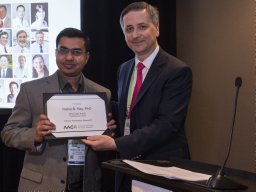 Subhayan Sur合作论文数8
 Maureen Macleod合作论文数Ninewells Hospital & Medical School, University of Dundee8
 Angela Mary Craigie合作论文数8
 Debbie Cavers合作论文数Usher Institute, Edinburgh Medical School,The University of Edinburgh7McClements Paula L合作论文数7
 John R. T. Monson合作论文数7
 Syed Yusuf Iftikhar合作论文数Royal Derby Hospital;The Medical School Derby, University of Nottingham;School of Graduate Entry Medicine and Health, University of Nottingham7
 Karen Barnett合作论文数7Gillian C. Smith合作论文数7Andrew J Farquharson合作论文数6




