To explore fog water harvesting potential in California, we conducted long-term measurements involving three types of mesh using standard fog collectors (SFC). Volumetric fog water measurements from SFCs and wind data were collected and recorded in 15-minute intervals over three summertime fog seasons (2014–2016) at four California sites. SFCs were deployed with: standard 1.00 m2 double-layer 35
In this study, the effect of surfactants and liquid temperature on boiling regime transitions of high-temperature rod during quenching was examined using inverse heat transfer analysis. Liquid pools of the aqueous sodium dodecyl sulfate (SDS) and Triton X-100 solutions were used with pure water. In the present experimental range, the critical heat flux (CHF) and minimum film boiling (MFB) point for all test fluids increased as the liquid temperature decreased. On the other hand, the SDS and Triton X-100 surfactants suppressed the CHF and MFB point, which might be due to the enhancement of vapor film stability caused by reduced surface tension. Some previous experimental studies have reported that the surfactants enhance the boiling regime transitions, but their results seem to be contradictory to the present ones. Considering the present study with the previous works, the surfactants seem to have different effect on boiling phenomena depending on the boiling regime. In other words, in the aqueous surfactant solution, the boiling regime transition points seem to be markedly influenced by a path of boiling regime. In addition, boiling mode diagrams were presented for pure water and aqueous surfactant solutions.
The behavior of an evaporating water droplet on lubricant-impregnated nano-structured surface (LINS) was investigated experimentally. For comparison, the flat hydrophobic surface (FHS) and superhydrophobic nanostructured surface (SHNS) were also prepared and tested. The initial water contact angles (WCAs) of LINS, FHS, and SHNS showed 108 degrees, 103 degrees, and 153 degrees, respectively, and their WCA hysteresis (WCAH) were 2 degrees, 30 degrees, and 23 degrees, respectively. During the evaporation of water droplet, FHS showed a typical constant contact radius (CCR) mode. On the contrary, SHNS and LINS showed more complicated mixed mode. These differences of evaporation modes were closely related to the total evaporation time. Initial WCA of LINS was between FHS and SHNS, but the water droplet on LINS showed the longest total evaporation time in the test surfaces. This may be because LINS has the water droplet of the high aspect ratio during the evaporation and the low thermal effusivity. In such a case, the large height of water droplet plays a role to the longer thermal resistance path, which can result in extending the total evaporation time.
In the present experimental study, the pool boiling heat transfer performance was controlled and enhanced through the photo-induced wettability change of titania (TiO2) nanotube arrayed surface (TNAS). The TNAS was analyzed using various spectroscopic techniques such as the scanning electron microscopy (SEM), energy dispersive spectrum (EDS), transmission electron microscopy (TEM), and water contact angle (WCA) measurements. The WCA of TNAS was tuned by the ultraviolet (UV) light irradiation time. The increase in UV light irradiation time to TNAS decreased the WCA. Enhanced wetting of TNAS had strong impact on the boiling heat transfer performance. As the WCA of TNAS decreased, the boiling curve was shifted to the right (i.e., higher wall superheat condition) accompanying critical heat flux (CHF) improvement. Measured CHF results of TNAS in the present study were different from those of plain TiO2 surface without the special structures tested in some previous reports. This discrepancy could be caused by the nanotube arrayed structures of the present TiO2 surface. The surface wettability was an important factor to determine the boiling heat transfer of TNAS. The present CHF measurement data were in good agreement with Liaw and Dhir (1989) correlation in the earlier CHF models tested in this work. Based on this study, it was found that the boiling heat transfer can be controlled and enhanced successfully by the photo-induced wettability change of TNAS through the UV light irradiation.
The effectiveness of condensation heat transfer to a surface is affected by the type of condensation that occurs. Condensation heat transfer is shown to improve in dropwise condensation (DWC) compared to filmwise condensation (FWC). This is mainly because condensate more readily departs the condensing surface as droplets in DWC than as a film in FWC, making room for further condensation. Steam-based DWC can also be promoted by making the surface more hydrophobic or other surface modifications.Two external condensation experiments have been developed to explore heat transfer and visualize condensation on hydrophobic surfaces. One is a tube condensing heat exchanger (TC-HEX) with carefully monitored coolant conditions inside the tube sample and ambient conditions in the surrounding chamber. The second is a plate condensing heat exchanger (PC-HEX) with a large viewport to the condensing surface of the plate sample.The TC-HEX is used to obtain the condensation heat transfer coefficient enhancement for a treated tube compared to an untreated tube. A high-speed camera is used in the PC-HEX to visualize the condensation phenomenon on the surface of a plate sample. Image analysis of the high-speed footage allows for further characterization of hydrophobic treated surfaces, including droplet radii, droplet population densities, and condensate sweep rate, all of which are relevant in heat flux models of dropwise condensation.
Drop-wise condensation (DWC) phenomena are closely related to hydrophobic promoters. In this study, various hydrophobic coatings such as PPS, FIFE, and self-assembled micro/nano silver were fabricated using surface treatments, with plain copper as a reference. Fabricated surfaces were examined by scanning electron microscope, contact angle measurements, and condensation heat transfer experiments. Heat fluxes were measured, and DWC population densities were recorded and compared. Results showed that surface morphologies and wetting behaviors directly affected drop sizes and population densities. When steady-state was reached, superhydrophobic surfaces showed poor condensation heat transfer compared to the self-assembled micro/nano silver deposited surface. It is assumed that contact angle hysteresis induced strong pinning along condensate periphery, which hindered rolling-off motion and droplet renewal rates. Also, durability of performance of the self-assembled layer coating was demonstrated. (C) 2015 Elsevier Ltd. All rights reserved.
Thermal management to prevent extreme heat surge in integrated electronic systems and nuclear reactors is a critical issue. To delay the thermal surge on the heater effectively, we report the benefit of a three dimensional nanotubular porous layer via noncovalent interactions (hydrophobic forces and hydrogen bonds). To observe the contribution of individual noncovalent interactions in a porous network formation, pristine carbon nanotubes (PCNTs) and oxidatively functionalized carbon nanotubes (FCNTs) were compared. Hydrogen-bonded interwoven nanotubular porous layer showed approximately two times critical heat flux (CHF) increase compared to that of a plain surface. It is assumed that the hydrophilic group-tethered nanotubular porous wicks and enhanced fluidity are the main causes for promoting the CHF increase. Reinforced hydrophilicity assists liquid spreading and capillarity-induced liquid pumping, which are estimated by using Electrochemical Impedance Spectroscopy. Also, shear induced thermal conduction, thermal boundary reduction and rheology of nanoparticles could attribute to CHF enhancement phenomena.
The influence of heated surfaces and fluids on pool boiling heat transfer was investigated experimentally. As the test specimen, Plain Surface (PS) and Nano-Structured Surface (NSS) were used. As the test fluid, pure water, an aqueous Lithium Bromide (LiBr) solution, and an aqueous Sodium Dodecyl Sulfate (SDS) solution were tested. Under the saturated water and aqueous LiBr solution conditions, the NSS showed a lower Onset of Nucleate Boiling (ONB) and higher Nucleate Boiling Heat Transfer Coefficient (NBHTC) than the PS. On the other hand, under aqueous SDS boiling conditions, the NBHTC was increased on the PS, but decreased on the NSS, as compared with under pure water boiling conditions. It was found that the interaction and combination between the heated surface and fluid can be an important parameter affecting the boiling heat transfer performance, and both the surface tension and surface wettability (i.e., contact angle) should be taken into account. The change of water contact angle induced by the chemical reaction between the heated surface and fluid was examined and discussed. As the test surface, copper PS, titanium PS, and titanium dioxide NSS were prepared. Then, they were boiled under saturated water and butanol conditions for 8 h, and their water contact angles were compared with the fresh (i.e., pre-boiled) surfaces. The water-boiling process remarkably decreased the water contact angles for all surfaces, as compared with the butanol-boiling process. This implies that the chemical reaction between the heated surfaces and boiling fluids affects the surface wettability, which can strongly influence the pool boiling heat transfer performance. (C) 2014 Elsevier Inc. All rights reserved.
In this study, we have observed substantial pool boiling heat transfer augmentation by creating one-dimensionally grown Alumina Nano Porous Surface (1-D ANPS). Pre-organized numerous nano pores have structural uniqueness such as enlarged surface area, increase in active nucleation sites, and liquid thin film evaporation at vapor–liquid menisci of the pore mouth. At the same time, the surface wetting of a cylindrical heater is modified with a hydrophobic Self-Assembled Monolayer (SAM) coating. Enhanced water contact angle of the 1-D ANPS yields substantial active nucleation site increase by preventing liquid impregnation into nano pores, which play a role of trapping non-condensible gas. The combination of structural uniqueness of the 1-D ANPS and surface wettability modification achieves significant heat transfer coefficient (HTC) enhancement in the nucleate pool boiling regime. Also, HTC improvement is closely related to bubble interactions on the cylindrical heating surface while they are moving along the periphery. For a hydrophobic surface, bubble sweeps along the heater periphery and efficiently removes adjacent premature bubbles. It leads to reduced waiting time. Enlarged bubbles carry more heat from the surface and yield huge internal/external convection. In order examine bubble motions, an analytical model and high speed camera were used.
Dropwise condensation (DWC) heat transfer depends strongly on the maximum diameter (Dmax) of condensate droplets departing from the condenser surface. This study presents a facile technique implemented to gain control of Dmax in DWC within vapor/air atmospheres. We demonstrate how this approach can enhance the corresponding heat transfer rate by harnessing the capillary forces in the removal of the condensate from the surface. We examine various hydrophilic-superhydrophilic patterns, which, respectively, sustain and combine DWC and filmwise condensation on the substrate. The material system uses laser-patterned masking and chemical etching to achieve the desired wettability contrast and does not employ any hydrophobizing agent. By applying alternating straight parallel strips of hydrophilic (contact angle ∼78°) mirror-finish aluminum and superhydrophilic regions (etched aluminum) on the condensing surface, we show that the average maximum droplet size on the less-wettable domains is nearly 42% of the width of the corresponding strips. An overall improvement in the condensate collection rate, up to 19% (as compared to the control case of DWC on mirror-finish aluminum) was achieved by using an interdigitated superhydrophilic track pattern (on the mirror-finish hydrophilic surface) inspired by the vein network of plant leaves. The bioinspired interdigitated pattern is found to outperform the straight hydrophilic-superhydrophilic pattern design, particularly under higher humidity conditions in the presence of noncondensable gases (NCG), a condition that is more challenging for maintaining sustained DWC.
The evolution of morphology has been a key parameter to modify electronic and physical properties of functional materials. For anatase titania, most research has been focused on tubular and/or mesoporous shapes. In this report, we note our findings of cone-shaped anatase titania self-assemblies grown by anodic oxidation. These individual anatase TiO2 cones are constructed from numerous titania nanospheres. The variation in morphology (base diameter and height) is controlled by varying the electrolyte, the concentration of fluoride, and the applied voltage. The crystallization of the anatase phase and the enlarged surface area is confirmed by various spectroscopic methods (FE-SEM, EDS, and TEM). Through controlling the enhanced surface area and the well-ordered ion passage, the Li+ diffusion rate significantly increases and leads to reversibility (charge–discharge cycle). The CV and EIS results imply structurally modified titania conic self-assemblies which can be a potential lithium intercalation template.
In this paper, a dropwise condensation model using innovative “nano-scale, pin structured surfaces” is presented. The surfaces are porous surfaces oriented with nano- or sub micro-scale pins randomly designed or structurally arranged on extended and/or porous surfaces. These surfaces can promote a dropwise condensation showing a higher heat transfer rate than that of “filmwise” condensation by increasing the number of nucleation sites on the condenser surface and providing tunable surface properties such as surface wetting conditions. The developed model is consisted of a heat flux estimation of a single condensate drop based on thermal resistance analysis and a population theory for small and large condensate drops. The results of heat flux of a single condensate drop indicate that a smaller condensate drop with higher contact angle has a higher condensation heat flux; however, when it combined with population theory, a hemispherical shape of condensate with Wenzel surface wetting mode and a higher pin density can increase dropwise condensation heat transfer rates. In addition, a thinner nano- or sub micro-scale pins surfaces is required to increase condensation heat fluxes, when it is applied.
The influence was investigated of aqueous electrolytes and organic-based electrolytes on nanopore growth. To create well-defined nanotubes with a high aspect ratio, it is important to maintain equilibrium between field-assisted metal oxide dissolution and field-assisted water dissociation, which influence the temperature and pH levels in TiO2 nanotubes (TiO2 NTs). This sought after balance in the net reactions of the TiO2 NT growth can be achieved by choosing the appropriate electrolytes that are a relatively low dielectric viscous media. Viscosity (eta) and dielectrics (epsilon) can be a priority in designing the experiment since it is closely related to joule-heating, diffusion-driven metal ions dissolution and chemical etching of the metal oxide. Solvation and the hydrogen bonding ability are inter-correlated to the stability of the [TiF6](2-) complex. In order to examine various electrolyte effects on the anodic-biased nanotube, different categories of electrolytes, each with different viscosity and dielectric properties, were incorporated in this study.
Unique micro/nano-scale porous surfaces were fabricated on the surfaces of steam condensers to promote dropwise condensation which can exhibit higher heat transfer rate than that of filmwise condensation. Steam condensation tests were conducted to evaluate heat transfer performance of the fabricated micro/nano-scale porous surfaces. The micro/nano-scale porous surfaces were prepared using a self-assembly technique, polymer based thin coatings, and a surface etchings technique. The resulting surface morphologies and the wetting characteristics were investigated using SEM and the liquid contact angle measurements to quantify important parameters for enhancing the dropwise condensation. From visual observations, it was deduced that the micro/nano-scale porous surfaces can effectively initiate dropwise condensation by generating smaller condensates and limiting the growth of 'large' condensate drops and by improving surface renewal rate.
Pool boiling in an aqueous surfactant solution is one of efficient approaches to increase pool boiling performance in nucleate boiling regime since additive polymer surfactants modify interfacial wetting properties between heating surface and fluids. Enhanced wetting increases bubble departure frequency and prevents bubble coalescence. Most pool boiling tests in aqueous surfactant solutions have been carried out on non-porous surfaces (plain surfaces) and heat transfer performances reported were not drastic. In this study, the Alumina Sponge-like Nano Porous Surface (ASNPS) was used as a heating surface in aqueous SDS solutions. The ASNPS's surface wetting was modified with a hydrophobic Self-Assembly Monolayer (SAM) coating. The wetting-modified ASNPS shows substantial increase in active nucleation sites through three-dimensionally interconnected porous network. Eventually, significant heat transfer enhancement (7.3 times) is achieved due to the combined effects.For bubble motion characterization associated with surfactants, various approaches have been made using Dynamic Light Scattering (DLS), Transmission Electron Microscopy (TEM), Static Water Contact Angle (SWCA) measurements, and high speed image analysis of liquid impingement. (C) 2013 Elsevier Ltd. All rights reserved.
In this letter, we propose a three dimensional, interconnected alumina nano porous surface (ANPS), which shows significant critical heat flux (CHF) and a reduction of wall superheat. ANPS is versatile in morphology modifications such as thickness and pore diameter and is used to enhance heat transfer. Structurally well-defined, porous wicks are efficient to absorb and spread liquid into a porous matrix. To characterize various surface wetting environments, synthetic approaches of wetting and liquid absorption have been carried out. We have studied the quantitative evaluation of liquid uptake utilizing electrochemical impedance spectroscopy (EIS). The CHF augment trend is well matched with the amount of liquid absorbed into the porous media, pre-determined by the EIS. 2012 American Institute of Physics. [http://dx.doi.org/10.1063/1.4739946]
For several decades, a porous surface has been recognized as an efficient medium to increase boiling performance in a nucleate boiling regime. Most feasible porous surfaces have been studied in millimeter and micron-sized domains. It has been believed that a higher wall superheat is required to commence incipient nucleate boiling under a submicron regime. In this study, we demonstrate that a significantly enhanced pool boiling heat transfer is observed in a submicron regime through three dimensionally interconnected hybrid pores: the Alumina sponge-like nano-porous structure (ASNPS). The structural uniqueness of the ASNPS leads to an enlarged surface area, increases the potential number of the active nucleation site density, and improves the vapor–liquid menisci through the reentrant pore. Simultaneously, by changing the surface wettability with a hydrophobic self-assembled monolayer (SAM) coating, the number of active nucleation site density is improved. Eventually, the combination of the ASNPS and hydrophobic SAM coating can achieve substantial heat transfer coefficient (HTC) enhancement in the nucleate boiling. Also, the thickness of the ASNPS is a critical issue to adequately augment the HTC in pool boiling. The thickness of the ASNPS is optimized by examining the boiling performance of the ASNPS fabricated in different amounts of anodizing times. A classical mechanistic model from literature was modified and compared with the experimentally obtained data. The modified mechanistic model – with the combination of forced-convection and thin liquid film evaporation – showed reasonable predictions.
In this study, a fabrication method for biologically inspired superhydrophobic micro- and nano-structured tier surfaces, each made of a self-assembled copper oxide, is presented. The method is controllable and applicable to bulk production when compared to existing high-end fabrication techniques. By modulating wet chemistry, different shapes and scales of tier structures were created. We demonstrated that their wetting behaviors are closely related to morphological information such as pitch, height and shape. To characterize their wetting behaviors, several experiments were designed and executed. In static water contact angle (WCA) measurements, morphological modulation led to wide WCA range (17°–95°). After hydrophobic self-assembly monolayer of 1-dodecanethiol, their WCA was escalated into superhydrophobic regime. In dynamic WCA, the contact angle hysteresis is greatly reduced by hybridizing the micro- and nano-tier (multiple tiers) when compared to utilizing a single tier. Also, the modification of the surface structure influences the rate of evaporation. In an analytical approach, the multiple tiers show a lower surface free energy compared to that of the single tier. By hybridizing different scales and shapes of tiers–such as hemispheric and conic shapes–the multiple tiers can efficiently reduce the surface energy barrier. Eventually, these manipulations lead to a subtle WCA hysteresis during the liquid motion testing. The analytical results are consistent with the dynamic WCA measurements. The multiple tiers also stabilize the Cassie regime and result in an increased hydrophobicity, which is more than when a single tier is employed.
 Jin Kim合作论文数Keck School of Medicine, University of Southern California;Department of Mechanical Engineering, University of Nevada, Las Vegas22
 Chi Young Lee合作论文数Department of Mechanical Engineering, KAIST9
 hyungkee yoon合作论文数8jiyeon park合作论文数4
 Sunwoo Kim合作论文数Department of Mechanical Engineering and Materials Science, Duke University4kuok cheng合作论文数3
 Ranjan Ganguly合作论文数Department of Power Engineering, Jadavpur University3Hwang Taeseon合作论文数2
 Sangsoo Lee合作论文数Hybrid Materials Research Center, Korea Institute of Science & Technology2sara s beaini合作论文数1Jae Han Kim合作论文数1jiong liu合作论文数1Daniel Fernandez合作论文数1Blake Naccarato合作论文数1
 Belmont Barry合作论文数1Kleingartner Justin A合作论文数1Torregrosa Alicia合作论文数1
 Jae Do Nam合作论文数School of Chemical Engineering, Sungkyunkwan University;Department of Polymer Science and Engineering, Sungkyunkwan University1
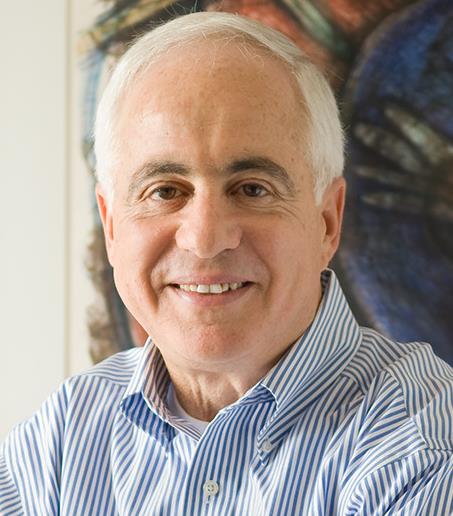 Robert E. Cohen合作论文数Department of Chemical Engineering, Massachusetts Institute of Technology1
 Gareth McKinley合作论文数School of Engineering, Massachusetts Institute of Technology;Department of Mechanical Engineering, Massachusetts Institute of Technology1
 Peter Weiss-Penzias合作论文数Department of Environmental Toxicology;University of California;Department of Environmental Toxicology, University of California1
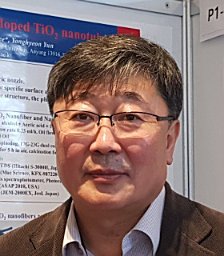 Deukyong Lee合作论文数Department of Materials Engineering, Daelim College of Technology1
 Viljar Palmre合作论文数Active Materials and Processing Laboratory, University of Nevada1
 Constantine M. Megaridis合作论文数Department of Mechanical and Industrial Engineering, College of Engineering, University of Illinois, Chicago1Andrew Oliphant合作论文数1Ganesh Skandan合作论文数1Jonghwan Suhr合作论文数1
 Dong Gu Kang合作论文数Korea Advanced Institute of Science and Technology1
 Md Mainul Hossain Bhuiya合作论文数Low Carbon Green Technology Laboratory, University of Nevada1




