Water contamination with surface-active agents, such as sodium lauryl sulfate (SLS), represents a serious environmental concern, driving the need for efficient and low-cost alternative adsorbents as a step toward sustainable waste valorization. In this study, waste biomass derived from plum stones, date stones, and walnut shells was successfully transformed into activated carbons via chemical activation using potassium hydroxide (KOH) at 850 °C with a 1:1 impregnation ratio. The synthesized materials underwent comprehensive physicochemical characterization utilizing TG-DSC, elemental analysis, Boehm titration, SEM, TEM, and nitrogen physisorption (BET), whereas their adsorption performance was evaluated against aqueous SLS solutions across various concentrations. The obtained results reveal a predominantly microporous structure with a high specific surface area, reaching up to 1059.01 m2/g for ACdate. The equilibrium adsorption data were well described by the Langmuir isotherm model, which yielded model-estimated asymptotic adsorption capacities (qm) of 219.70 mg/g for ACwalnut, 178.25 mg/g for ACdate, and 57.80 mg/g for ACplum. These values represent Langmuir-derived model parameters rather than experimentally attained adsorption capacities within the investigated concentration range. Notably, despite having a lower specific surface area than ACdate, ACwalnut exhibited the highest Langmuir-estimated qm, which may be associated with its structural balance and well-developed mesoporous network (0.210 cm3/g), facilitating the intraparticle transport of SLS molecules. These findings highlight that high efficiency originates from a synergistic combination of accessible porosity, a mesoporous transport network, hydrophobic character, and specific surface functional groups, demonstrating the exceptional potential of these activated carbons for anionic surfactant wastewater remediation.
Water purification by adsorption of various pollutants using carbon adsorbents with different characteristics has proven to be an effective method that is often used in purification technologies. In this work, a new method for obtaining a carbon adsorbent with a wide pore size and high surface area has been developed, particularly for the adsorption of bacterial cells. The characterization of the porous texture, the chemical nature of the surface, the structure, and the chemical composition of the obtained adsorbent is studied. The study demonstrates that the hierarchical macroporous structure of the macroporous carbon adsorbent (MCA) is highly effective for the physical sequestration of Escherichia coli from aqueous solutions. The high removal efficiency (86.4%) suggests that this material is a promising candidate for water purification and point-of-use filtration systems, where physical immobilization of pathogens is required.
This paper explores the complex interrelationships between biomass composition, thermochemical conversion pathways, carbon yield and other characteristics in order to expand the knowledge for biomass conversion processes and adapt them to specific requirements. A comprehensive characterization, chemical and thermal analysis of peach stone biomass, was performed. Thermogravimetric analysis, elemental analysis and low-temperature nitrogen sorption were also carried out in order to establish the composition and textural characteristics of the precursor material and obtained product. Carbon adsorbents were obtained from the studied biomass precursor under different conditions via one-step hydro-pyrolysis process by using steam activation at 800 degrees C. After research was conducted, it was established that cellulose is the main component, which influences the quantity and quality of the obtained adsorbent. The high content of hemicellulose reveals peach stones as a good candidate, especially for hydrothermal carbonization. High cellulose content (40%) in the biomass precursor is a prerequisite for the formation of porous texture in carbon adsorbent during hydro-pyrolysis. It was also shown that the carbon yield (26.70%) can be predicted and is highly dependent on the precursor composition. These results highlight the potential of peach stones as a valuable precursor for the production of sustainable, high-performance carbon adsorbents for environmental remediation.
Perfluoroalkyl and polyfluoroalkyl substances (PFASs) have become a global environmental concern due to their extreme persistence and toxicity. In this study, perfluorooctanoic acid (PFOA) was removed from aqueous solutions using porous carbon adsorbents synthesized from peach stones. The novelty of this work lies in the development of a procedure for obtaining a suitable carbon adsorbent, whose properties are consistent with the properties of the adsorbate. An appropriate activation was used, allowing the preparation of an adsorbent with a highly developed porous texture and a large surface area, which is a prerequisite for a significant adsorption capacity of the obtained adsorbents towards PFOA. Both carbon adsorbents obtained from peach pits, with clearly different surface chemistry-KOH-activated carbon (ACKOH) and its nitric acid-oxidized derivative (ACHNO3)-for PFOA adsorption were compared, along with the clarification of the relationship between the graphitic structure, pore development, surface functionality and adsorption characteristics. The first adsorbent was produced by chemical activation with KOH at 800 degrees C, while the second was obtained by oxidative modification of the activated sample with 12% HNO3. Characterization by Raman spectroscopy, SEM, and nitrogen physisorption revealed a highly graphitized structure (ID/IG = 0.86) and well-developed porosity. Adsorption experiments were carried out at PFOA concentrations from 8 to 40 & micro;mol/L using a spectrophotometric method based on methylene blue ion-pair extraction into chloroform. The results showed that ACKOH exhibited a high maximum adsorption capacity of 1660 & micro;mol/g (687.36 mg/g) and followed the Langmuir isotherm model, indicating monolayer adsorption. In contrast, ACHNO3 showed a significantly lower adsorption capacity of 398.36 & micro;mol/g (164.95 mg/g), which was attributed to electrostatic repulsion caused by acidic oxygen-containing surface groups. These findings demonstrate that peach stone-derived activated carbon is a promising, sustainable, and efficient adsorbent for the removal of PFOA from water.
Novel nanoporous bio-chars with well-developed mesoporous structure, derived from juice industry residues, are obtained by applying new energy-saving treatment method. Using a precursor with a significantly high content of cellulose, hemicellulose, and lignin (cherry stones) results in the formation of carbonaceous material with micro- and mesopores, whereas a raw material with a higher content of lipids and lignin (dried aronia fruit residue) produces carbon with narrow microporosity. The cadmium adsorption capacity values for activated carbon from cherry stones and aronia residue are 93 and 70 mg g-1, and mercury adsorption capacities are 83 and 104 mg g-1, respectively. The characteristics of the obtained nanoporous bio-chars indicate that they are suitable for the removal of highly toxicmetal ions from wastewater.
This study investigates a thermochemical method for the conversion of industrial biomass residues - specifically peach shells, walnut shells, and cherry stones - into high-value commodities. By employing flash pyrolysis across a range of temperature gradients, a waste-free processing cycle was established, yielding solid, liquid, and gaseous products.The research focuses on identifying the optimal process parameters and characterizing the physicochemical properties of the resulting fractions. Results indicate that the yield and molecular composition of the products are highly dependent on the precursor’s botanical origin and the specific pyrolysis temperature.
Activated carbons were obtained from three types of raw materials from the canning industry: peach, plum, and olive stones. The chemical composition and texture of the precursors and the physicochemical properties of the obtained carbons were analyzed. It was found that under the same conditions of preparation, the properties of the raw materials significantly affect the parameters of the activated carbons. The obtained carbons were oxidized with 12% nitric acid to form a larger amount of acidic oxygen-containing groups on their surface. The porous texture, the size, and the chemical nature of the surface of the activated carbons were analyzed. The adsorption capacity of the obtained activated carbons towards chlorhexidine gluconate contained in mouthwash was determined. It was found that the three carbons have a significant adsorption capacity towards chlorhexidine gluconate: 189.1 mg/g for carbon from peach stones, 189.1 mg/g for carbon from plum stones, and 156.7 mg/g for carbon from olive stones, respectively. It has been determined that the adsorption of chlorhexidine gluconate on the surface of the obtained activated carbons obeys the Langmuir model. It has been established that the adsorption capacity of the obtained activated carbons is influenced by their porous texture, size, and chemical nature of the surface.
The main aim of this work is to investigate the stability at high temperatures, graphitization properties, and possible application of graphite samples coated with a glassy-carbon layer. Two types of samples were stored in two different environments for a period of 2 years and 4 months - one in terrestrial conditions and the other in open space, mounted on the Star module of the International Space Station. The effect of space on the glassy carbon coatings was investigated by Scanning electron microscopy, powder X-ray diffractogram, Raman spectroscopy, and BET experiments.
Hydrogen production via methanol decomposition is a promising route for sustainable energy, but catalyst deactivation due to coking remains a major challenge. The issue is even more critical for low-cost catalysts, as their reuse or disposal poses environmental and economic concerns. In this study, activated carbon derived from industrial coal-tar pitch waste was modified through two different hydrazine-based thermal treatments, doped with 40 wt% NixFe3-xO4 spinels, and subjected to prolonged methanol decomposition to induce coking. All synthesized and spent catalysts were tested for the alkaline oxygen evolution reaction (OER). Notably, the coked catalyst derived from low-temperature hydrazine treatment exhibited improved electrocatalytic performance compared to the parent materials, achieving considerably lower OER overpotentials due to an increased electrochemically active surface area and reduced charge transfer resistance. The carbon coking induced by the methanol decomposition was found to be beneficial for enhancing the overall electrochemical properties of the catalyst depending on their preparation procedure. These findings highlight a new strategy for repurposing spent catalysts in electrocatalytic applications, offering a sustainable approach to catalyst lifecycle management.
Activated carbon-based composite materials, together with the well known antibacterial activity of metal nanoparticles, urged the performance of this study to prepare new antibacterial materials with antimicrobial activity, as an important step in fighting pathogenic organisms. Activated carbon derived from a waste source - almond shells - were combined with metal (Ag, Cu, Mg) nanoparticles, in order to obtain metal composite with desirable characteristics. The composites were obtained using one-step high-temperature hydro-pyrolysis and further impregnation of the metal from water solution. Investigation of the structure, chemical composition and morphology of obtained composites was carried out by scanning electron microscopy, XRD, XPS, elemental and BET analysis, before testing their antimicrobial activity. Strongest antibacterial effect against E. coli was observed when 10 % Cu Activated Carbon Composite (ACCCu) was used attaining 100 % reduction of microbial count even at the starting point. ACCAg, ACCMg and activated carbon only, demonstrated such effect after 24 h. Best results after treatment of S. aureus were achieved with ACCAg and ACCCu after 24 h.The results indicate that the antibacterial activity depends on the contact time, bacterial species, nature of the metal and metal concentration. The novel metal nanoparticles-incorporated activated carbon composites demonstrated very good antibacterial activity. The investigation provides novel materials with antibacterial properties for further development and potential application in hygiene devices.
Using XPS, the electron work function values on the surface of glassy carbon coatings of graphite samples, after an extended stay on a board of the ISS in open space conditions, were investigated. The results were compared with the characteristics of glassy carbon coatings of samples left on the ground for the same period. It was found that the electron work function does not change significantly, and this proves the possibilities of successfully application of these coatings, obtained by original Bulgarian technology, for space experiments on the board of satellites for measuring electric fields in the ionospheric-magnetospheric plasma. The minimal observed variations in the values of the electron work function are explained by small differences in the content of traces of different chemical elements on the surface of the coatings. It has been established that the glassy carbon coatings have stable characteristics after a long stay in space, despite the small fluctuations in the values of the electron work function. The results show that glassy carbon coatings are chemically and mechanically stable. The obtained results of this original technological experiment are unique for development of sensitive elements - sensors for measuring weak electric fields in the cosmic plasma.
Graphite samples covered with glassy-carbon layers, have stayed for 2 years and 4 months under different conditions - terrestrial conditions and on the International Space Station. The influence of outer space on glassy carbon coatings was studied by scanning electron microscopy (SEM), energy dispersive X-ray spectroscopy (EDX), Raman and infrared spectroscopy. The results show presence of some defects and heteroatoms (traces of O, F, Na, Cl) after staying in space, probably due to radiation and other effects. SEM data provide valuable information about the existence of undamaged glassy carbon layer with thickness of 20 μm. There are no structural changes in the layers of glassy carbon after stay in space. Data show that these materials can be successfully applied for electrical field measurements in ionosphere.
In this study two types of samples of spectrally pure graphite, compacted and coated with glassy carbon, were analyzed with liquid scintillation spectrometry, scanning electron microscopy (SEM) and X-ray diffractometry (XRD). “Space” sample has been sent in outer space on the surface of ISS for 28 months. “Space” sample is compared with “reference” sample, made of the same material, but stored on Earth for the same period. Radiation environment data were collected using R3DR2-Lyulin instrument, located in the outer space very close to the samples, in the same module of ISS. The effect of cosmic radiation leads to slight increase of 14C content, detected by liquid scintillation spectrometry. SEM and thermal test using XRD did not show any noticeable changes in terms of structure and phase composition. This confirms the high degree of reliability of this material under significantly milder operating conditions in Earth orbit.
The hydrogen sorption of materials based on 80 wt.% MgH2 with the addition of 15 wt.% Ni or V and 5 wt.% activated carbons synthesized from polyolefin wax, a waste product from polyethylene production (POW), walnut shells (CAN), and peach stones (CPS) prepared by milling under an inert Ar atmosphere for a period of 1 h, is investigated. All precursors are submitted to pyrolysis followed by steam activation in order to obtain the activated carbons. The hydrogen sorption evaluations are carried out for absorption at 473 and 573 K with pressure of 1 MPa and for desorption at 623 and 573 K with pressure of 0.15 MPa. The composition of the samples after milling and hydrogenation is monitored by X-ray diffraction analyses. The 80 wt.% MgH2–15 wt. %Ni–5 wt.% POW or CAN after absorption–desorption cycling and in a hydrogenated state at 573 K and 1 MPa are analyzed by TEM.
Carbon materials from almond shells were developed for the adsorption of microorganisms from air. Samples were processed by means of a one-step process – high-temperature hydro-pyrolysis. Studies were carried out in a wide temperature range of 600-900 °C. As a result, carbonates with predominant micro- and mesopores were obtained. The samples were impregnated with zinc, silver, iron and copper 5% by weight. The obtained samples were characterized by XDR, BET, scanning electron spectroscopy and elemental analysis. The final products are distinguished by a moderate surface and the presence of nanosized metal particles. The antibacterial properties of the activated carbon composites were examined using standard methodology under dynamic contact conditions and Escherichia coli K12 as test microorganism. All tested composite materials exhibit strong antibacterial properties after 48 h of contact with microbial cells. Thus the application of these materials in filtering system will be possible solution for successful reduction of microbial cell number. It is assumed that a similar effect can be achieved in an air environment.
The effect of graphene nanoplatelets (GNPs) and carbon foam (CF) micrograins on the morphology and thermomechanical and tribological properties of epoxy composites was determined. The binary composites containing separately CF grains or GNPs and multiphase composites with CF particles and GNPs together obtained by two procedures were studied. In the first method GNPs were dispersed initially in epoxy resin and then CF particles were introduced. In the second procedure, conversely, CF particles were distributed in polymer before GNPs addition. CF simultaneously applied with GNPs strongly improves storage modulus, hardness and thermal stability of composites and reduces the friction coefficient and the wear rate compared to epoxy matrix. The composite fabricated by the first method exhibited better tribological properties, especially considering the higher wear load.
The absorption of triclosan on the surface of four different carbon adsorbents, obtained on the base of plant and household waste (RDF), provided by Sofia Waste Plant, was investigated. The obtained results indicate that the most important parameters, which determine the process of triclosan adsorption by adsorbent surface are pore texture, the size of the accessible surface for the molecules of triclosan, and the chemical nature of the adsorbent surface. It was found that the obtained adsorbents can be successfully applied for the extraction of triclosan from waste and drinking water. The possibilities for solid products, obtained by thermal treatment of household and vegetable waste, to be applied successfully in a water purification technique are discussed.
Designing and developing affordable, high-performance, and stable electrocatalysts for oxygen evolution reaction (OER) is decisive for pragmatic water electrolysis to produce green hydrogen energy. In this work, we report cobalt and iron incorporated in phosphorus and nitrogen co-doped carbon foam (CF) derived from petroleum pitch as a promising electrocatalyst for alkaline OER. The P, N heteroatoms co-doped carbon foam (PN-CF) was first synthesized via thermo-chemical treatment of low-cost petroleum pitch in the presence of melamine (N source) and sodium hypophosphite (P source) precursors, followed by carbonization. Then, mono and bimetals of Co and Fe were impregnated into the as-prepared composite carbon foam (PN-CF) substrate, followed by further carbonization. Among the different catalysts, the bimetallic CoFe integrated with the PN-CF (CoFe@PN-CF) reveals an outstanding electrocatalytic activity (320 mV overpotential at j = 10 mA center dot cm(-2)), low Tafel slope (48 mV center dot dec(-1)), and excellent durability during OER measurement in 1 M KOH aqueous solution. The superb performance of the CoFe@PN-CF catalyst stems from the synergetic effect of the bimetals confined on phosphorus and nitrogen co-doped carbon foam support with high specific surface area, highly porous structure, and formation of graphitic domains, which enhances the electrical conductivity. This work sheds light on the potential for valorizing petroleum pitch and provides a facile synthesis approach to synthesizing a low-cost, high-performance, and durable electrocatalyst for alkaline OER.
Nanoporous carbon is synthesized on the base of phenol-formaldehyde resin and polyolefin wax, a by-product from industrial production of polyethylene at low pressure. The adsrption of phenol derivates from aqueous solutions on obtained carbon material was studied. The adsorption capacity of the carbon is related to the surface area and composition of the synthesized material, as well as to the nature of the adsorbent. The obtained adsorbent is characterized by high surface area and porosity, and it demonstrates high adsorption capacity towards aromatic compounds. All studied phenolic compounds show high affinity towards carbon, confirming that the retention mechanism occurs via non-specific interactions between the electronic density of the adsorbent and molecules of aromatic pollutants. Electrostatic interactions may also appear depending on pH of the solution pH and charge distribution of the carbons; and these effects has a strong influence on the final performance of the carbon.
Carbon foam is a sophisticated porous material with wide applications that depend on its structure, low density, thermal conductivity and electrical characteristics. This study deals with the preparation of carbon foam by the thermo-oxidative modification with HNO3 of mixtures containing different organic materials with appropriate chemical characteristics—furfural and tar pitch derived from RDF. Carbon foam is characterized by thermogravimetry, differential scanning calorimetry, elemental analysis, Raman spectroscopy, N2 sorption, infrared spectroscopy and scanning electron spectroscopy. The investigation of adsorption activity of carbon foam towards nickel (II) in water solution is carried out. Experimental results fit very well with the Langmuir adsorption model. The carbon foam, obtained from tar pitch derived from RDF and furfural, shows a high adsorption capacity towards nickel ions (203.67 mg/g). The high adsorption capacity could be explained by the properties of the adsorbent—moderately high surface area, micro-mesoporous texture and presence of oxygen-containing surface groups.
 Narzislav Petrov合作论文数Institute of Organic Chemistry, Bulgarian Academy of Sciences59T. Budinova合作论文数51Bilyana Petrova合作论文数28B. Petrova合作论文数26Ivanka Stoycheva合作论文数26Tanya Tsoncheva合作论文数17Urszula Szeluga合作论文数Centre of Polymer & Carbon Materials, Polish Academy of Sciences14
 Daniela Kovacheva合作论文数Institute of General and Inorganic Chemistry, Bulgarian Academy of Sciences14
 Georgi Tsvetkov Georgiev合作论文数13
 Angelina D. Kosateva合作论文数13Daniela Paneva合作论文数11
 Conchi O Ania合作论文数11M.F. Yardim合作论文数10
 Peter Tzvetkov合作论文数Institute of General and Inorganic Chemistry, Bulgarian Academy of Sciences10Nikolay Velinov合作论文数10
 Radostina Ivanova合作论文数9
 Ivanka Spassova合作论文数Institute of General and Inorganic Chemistry, Bulgarian Academy of Sciences9
 Eli Grigorova合作论文数9
 Andrei Sarbu合作论文数Chemical Engineering Department, Instituto Superior Técnico9Issa Gloria合作论文数8
 K. Hadjiivanov合作论文数Institute of General and Inorganic Chemistry, Bulgarian Academy of Sciences8M. Khristov合作论文数8Momtchil Dimitrov合作论文数7ivanka stoycheva合作论文数7
 Pavlina Dolashka合作论文数7
 J.B. Parra合作论文数CSIC, Instituto Nacional del Carbón7Sławomira Pusz合作论文数7
 Izabela Genova合作论文数6S. Pusz合作论文数6Anna Bouzekova-Penkova合作论文数6
 Daniela Karashanova合作论文数6
 Ivan Gergov Mitov合作论文数Medical University of Sofia5Dimitar G Klissurski合作论文数5
 Hristo Kolev合作论文数Institute of Catalysis, Bulgarian Academy of Sciences5
 Teodor Sandu合作论文数5
 Marta Krzesinska合作论文数Institute of Coal Chemistry, Polish Academy of Sciences5Dimitar Teodosiev合作论文数4Bogumila Nagel合作论文数4
 Bogumiła Elzbieta Kumanek合作论文数Lab Mat Engn & Environm, KOMAG Inst Min Technol4
 Leticia Fernandez Velasco合作论文数Department of Chemistry, Royal Military Academy4
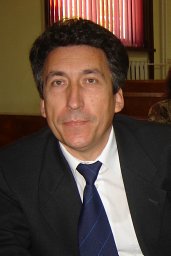 Tony Spassov合作论文数CERN4D. Teodosiev合作论文数4
 Ahmet Necdet Sirkecioglu合作论文数Department of Chemical Engineering, Technical University of Istanbul4
 Mladen Mladenov合作论文数Institute of Electrochemistry and Energy Systems, Bulgarian Academy of Sciences4Ts. Mandzhukova合作论文数4Kalina Miteva合作论文数3
 Biliana Georgieva合作论文数Institute of Optical Materials and Technologies "Acad. J. Malinowski", Bulgarian Academy of Sciences;Institute of Optical Materials and Technologies "Acad. J. Malinowski", Bulgarian Academy of Sciences3
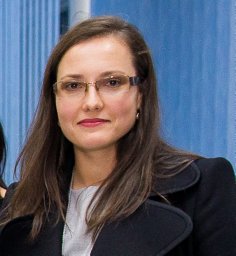 Damian Celina合作论文数3Ts. Marinova合作论文数3




