Nowadays, marine pollution is a global problem which finds in microplastics (MPs) and emerging pollutants, such as perfluoroalkyl substances (PFASs), two of the main culprits. Sea cucumbers are a group of marine benthic invertebrates that show ecological, economic and social relevance. As deposit/suspension feeders, sea cucumbers show high susceptibility to bioaccumulate marine pollutants, including PFASs and MPs. In this study, we describe the presence and the effects of MP and PFAS accumulation on gastrointestinal tract (GIT) and coelomic fluid of sea cucumber (Holothuria tubulosa) specimens through the assessment of oxidative stress biomarkers. The MP abundance in the GIT ranged from 3 to 20 particles animal-1, while the extracted MPs from the coelomic fluid ranged from 0 to 7 particles animal-1, thus confirming a probable transfer through the respiratory tree. The MPs were identified by FT-IR and Raman analyses, and the polymer types were mainly polyethylene (PE) and polypropylene (PP). The concentrations of nineteen perfluoroalkyl sulfonic acids (PFSAs) were measured in the body wall of sea cucumbers. We found up to seven out of the nineteen PFASs. The Σ19PFAS were in the range 0.083-0.620 μg kg-1 and the maximum concentrations of individual PFASs in all the samples varied from 0.010 (PFHxA, PFHpA) to 0.390 (PFBS). Pearson coefficients showed a positive correlation among MPs and most of the oxidative stress parameters (i.e. catalase, glutathione S transferase, malondialdehyde and DNA damage) suggesting, however, a potential tissue-related response. This study thus revealed that MPs, and partially PFASs, induce oxidative imbalance in H. tubulosa, and pointed up the importance of different tissues in mediating dose/time-related responses to oxidative stress. Sea cucumbers prove to be very promising model organisms for ecotoxicological investigation.
In order to better understand the Leontodon crispus group within L. sect. Asterothrix, we collected specimens belonging to this group during several journeys to the Apennines and the Balkan Peninsula, especially to Croatia, Albania, and Greece. In the present contribution, Leontodon biscutellifolius is lectotypified; the locus classicus of this taxon is located in the Abruzzo Mts (central Italy). As a consequence, the taxon is confirmed for the Italian flora (central and southern Apennines) and a new combination on variety rank is proposed: L. crispus var. biscutellifolius. Plants from the Balkan Peninsula, currently named L. biscutellifolius, were compared from a morphological point of view with the Apennines populations. Balkan populations show denser indumentum on the leaves, usually consisting of 4-fid hair vs. usually 3-fid hairs in the Apennines. Additionally, the ray number of marginal hairs on the external involucral bracts was found to be 3-5 in the Apennines vs. 4-6 in the Balkan Peninsula accessions. Morphological variation was found to be in correspondence with a variation in genetic respects based on DNA-based fingerprinting (AFLPseq). The oldest subspecific name that can be used for Greek and Albanian populations is L. crispus subsp. asper. A morphologically and genetically deviating population from Southern Pindus (Greece) is described here as L. hellenicus subsp. valeriae.
Global warming is influencing marine dynamics, with marine heat waves (MHWs) threatening the survival of several species. After observing mussels’ massive mortality for three consecutive years (2022–2024) along the Italian Mid-Adriatic Coast, the present study aimed to evaluate, from an ecological and molecular perspective, the evolution of the health state of the Mediterranean mussel (Mytilus galloprovincialis) population facing the effects of summer heatwave in 2024, in situ. Three MHWs were recorded over the summer, with the second being 41 days long and having temperatures higher than 30 °C. In both sites considered (at the Tronto River mouth and the Frana San Nicola) inside the Piceno coast, the mussel beds experienced a clear decrease in individual density from April (the reference month) to August, with the total mortality recorded in September. The transcriptional levels of the molecular biomarkers analyzed during this time span revealed a state of heat stress with HSP70 (heat shock protein 70) and HSP90 (heat shock protein 90) upregulated in July and August. The apoptotic signal measured through the branchial transcript quantification of p53 and caspase 3 is less clear. The occurrence of MHWs is reshaping the local macrozoobenthonic community structure: the permanent mussel beds that characterized the intertidal and shallow submerged reef along the Mid-Adriatic coast are shifting to a temporary population that renovates yearly.
Some plants belonging to the Leontodon sect. Asterothrix were collected from southern Albania. They were compared with the closest taxon (L. albanicus s.str.) from morphological and molecular (AFLPseq fingerprinting) points of view. Uni- and multivariate statistical analyses of morphological data revealed distinctive discontinuities—especially in terms of the characteristics of the indumentum–that are paralleled by separation into two genetic clusters in AFLPseq fingerprinting. Following an integrated taxonomic approach based on morphological, genetic, and geographical sources of evidence, we show that the newly discovered population should be regarded as a new subspecies named Leontodon albanicus subsp. acroceraunicus. The new taxon is described and illustrated, and its relationship with L. albanicus subsp. albanicus is also discussed. We have no data to assess conservation status according to IUCN categories and criteria; however, considering that it is probably limited to the Acroceraunian Mountains, it deserves particular conservation interest.
The effects of the climate crisis are affecting ecosystems at different scales and magnitudes. This paper focuses on a massive Mediterranean mussel die-off observed along the middle Italian Adriatic coast in the summer of 2022. We considered the possible environmental causes of this phenomenon and carried out a climatic analysis of the last decade. We performed field surveys in different locations along a 16 km coastal stretch from Martinsicuro (TE) in the south, to Grottammare (AP) in the north. The study area includes two marine Sites of Community Importance under the European Natura 2000 network. The die-off of the mussels was observed in practically all the natural mussel beds colonizing the study area. As sessile filter-feeding organisms inhabiting the intertidal zone, mussels are highly exposed to variations in environmental conditions such as temperature and nutrient load. We discuss the possible causes of this die-off, proposing that high temperature and the scarce availability of food acted simultaneously as stress factors, generating local unsustainable living conditions for this species.
The fight against alien invasive insect pests of plants in the urban environment often affects varied sectors of the economy, landscape gardening, public health, and ecology. This paper focuses on the evolution of the red palm weevil in San Benedetto del Tronto, a coastal urban area in central Italy. We investigated the evolution of this insect pest of palm trees in the 2013-2020 period, considering both the effectiveness of the chemicals used and their potentially harmful effects. With a multidisciplinary approach, we carried out a spatio-temporal analysis of the extent and mode of pest spread over time using historical aerial photos, freely available remote sensing images, and field surveys integrated in a GIS environment. We also assessed the toxicity risk associated with the chemicals used to protect the palms from the red weevil. The fight against this weevil is now concentrated in specific areas such as parks, roads, villas, hotels, farmhouses, and nurseries. The preventive chemical treatments applied are very effective in preserving the palms, but they show a toxic potential for all organisms. We discuss current local management of this pest, focusing on several aspects involved in the fight against this beetle in an urban area.
Climate change and human infrastructures heavily affect seashore dynamics with cascading consequences on coastal sand dunes. While there is a high number of studies conducted on plant communities, there is a lack of monitoring approaches conducted at population level. We studied the variations in spatial patterns of the population of three plant species in response to interannual coastline variation in a coastal Nature Reserve. We performed eight diachronic field observations over the course of eleven years, in which we registered the coastline variation and the position of each functional individual of the selected species. The population of the alien-naturalized and highly clonal Sporobolus pumilus demonstrated the ability to follow the interannual variations of the coastline, thus maintaining a constant distance from the seashore. In contrast, the native Polygonum maritimum and the dune-builder Thinopyrum junceum showed a progressive reduction of the distance from the seashore (− 21 m and − 16 m, respectively). However, this effect was detected only at a finer spatial scale, thus revealing the scale-dependence of this phenomenon. In addition, the spatial distribution patterns of T. junceum changed with the variation and stability of the seashore, showing spatial dispersion and aggregation patterns, respectively. Our study reveals how the plant response to the coastline variation was species-specific, probably depending on species functional strategies. Besides highlighting the importance of frequent diachronic surveys, our population-level approach may help in explaining the compositional changes observed at higher organizational level. Finally, our findings indicate that coastal erosion poses a serious threat for the conservation of dune ecosystems.
In this contribution, new data concerning the distribution of vascular flora alien to Italy are presented. It includes new records, confirmations, exclusions, and status changes for Italy or for Italian administrative regions. Nomenclatural and distribution updates published elsewhere are provided as Suppl. material 1.
Even though microplastic (MP) pollution in aquatic environment is nowadays widely studied, a huge gap of knowledge exists on their actual biological effects. In this study we first reported environmental baseline data on the occurrence and characterization of floating MPs in Italian coastal waters of the Central Adriatic Sea by using a standardized monitoring protocol. Further, we analyzed the concentrations of MP-associated chemicals and evaluated their potential adipogenic effects using 3T3-L1 preadipocytes. MPs were found in each sampling stations showing the highest abundance (1.88 ± 1.78 items/m3) in the sites more distant from the coast with fragments as the most common shape category. All targeted organic pollutants (i.e. polychlorinated biphenyls - PCBs, polycyclic aromatic hydrocarbons -PAHs, organophosphorus - OP, and organochlorine - OC pesticides) have been detected on the surface of the collected MPs. The highest concentrations of PAHs were found on MPs from inshore (i.e. <1.5 NM) surface waters with low-ring PAHs as dominant components. Similarly, MPs from inshore waters had higher ΣPCB concentrations (64.72 ng/g plastic) than those found in offshore (i.e. >6 NM) waters (10.37 ng/g plastic). Among pesticides, all measured OPs were detected in each sample analyzed with pirimiphos-methyl as the most representative compound. For OCs, the sum of all concentrations of congeners was higher in coastal with respect to offshore waters. Moreover, in vitro 3T3-L1 screening of MP extracts indicated potential metabolic effects resulting in both adipogenesis and lipid uptake/storage.
The spread of the red palm weevil is now a very severe problem on a global scale. In this paper, we investigate its spread during the 2007–2013 period in a coastal urban area characterized by a high density of palm trees, and discuss the application of a new approach to data collection and processing. While most works on the spread of the red palm weevil are based upon geo-referenced traps, we focused on the health of each palm, considering the surrounding territorial context. To this end, we used historical aerial photos, freely available remote sensing images and field surveys, integrated in a GIS environment to analyze the extent and mode of pest spread over time. Our results show that the exponential increase of new cases for each new year is regulated by this spatial spread model: at the early stage of infestation the red weevil tends to occupy as much space as possible, within the limitations of the distance it can fly; in the following stage, its infestation density increases in recently colonized areas. We discuss current local management of palm trees and the pests, and propose strategies that take into account both the ecology of the red weevil and the territorial context. Finally, we encourage the provision of more resources for early detection and prevention measures, as well as replacement of the dead Phoenix canariensis palms with a greater variety of species, as a varied composition would be less prone to pest-caused depopulation.
A morphometric study of populations from the central-southern Apennines and Sicily of the Italian endemic Corydalis densiflora has been undertaken, based on herbarium specimens and field research. A new subspecies, C. densiflora subsp. apennina, is described from the central Apennines. It differs from C. densiflora s.str. by its more divided leaves and bracts, basal leaf with more numerous and narrower leaflets, longer middle and lateral lobes of middle and upper bracts, narrower lower petal wing, shorter inner petals and shorter upper stamen.
BACKGROUND:The outbreaks of bluetongue and Schmallenberg disease in Europe have increased efforts to understand the ecology of Culicoides biting midges and their role in pathogen transmission. However, most studies have focused on a specific habitat, region, or country. To facilitate wider comparisons, and to obtain a better understanding of the spread of disease through Europe, the present study focused on monitoring biting midge species diversity in three different habitat types and three countries across Europe.METHODS:Biting midges were trapped using Onderstepoort Veterinary Institute light traps at a total of 27 locations in Sweden, the Netherlands and Italy, comprising farm, peri-urban and wetland habitats. From July 2014 to June 2015 all locations were sampled monthly, except for during the winter months. Trapped midges were counted and identified morphologically. Indices on species richness, evenness and diversity were calculated. Community compositions were analysed using non-metric multidimensional scaling (NMDS) techniques.RESULTS:A total of 50,085 female midges were trapped during 442 collection nights. More than 88% of these belonged to the Obsoletus group. The highest midge diversity was found in Sweden, while species richness was highest in the Netherlands, and most specimens were trapped in Italy. For habitats within countries, diversity of the trapped midges was lowest for farms in all countries. Differences in biting midge species communities were more distinct across the three countries than the three habitat types.CONCLUSIONS:A core midge community could be identified, in which the Obsoletus group was the most abundant. Variations in vector communities across countries imply different patterns of disease spread throughout Europe. How specific species and their associated communities affect disease risk is still unclear. Our results emphasize the importance of midge diversity data at community level, how this differs across large geographic range within Europe, and its implications on assessing risks of midge-borne disease outbreaks.
A new species, Oxytropis ocrensis, is described from Central Apennines (Italy). This species is morphologically closely related to O. halleri group (O. xerophila, O. halleri and O. korabensis) occurring in the Alps and Albania, from which it differs by longer calyx, larger lateral calyx teeth, long hairs on calyx teeth, smaller keel limb and larger diameter of stem under the inflorescence. The taxonomic relationships of the new species with the hitherto known species of O. halleri group are examined and discussed.
Polycyclic aromatic hydrocarbons (PAHs) and polychlorinated biphenyls (PCBs) are priority contaminants that bioaccumulate through the food webs and affect the biology of a variety of resident and migratory species, including sea turtles. Few studies have evaluated toxicological biomarkers of exposure to PAHs and PCBs in these animals. The present paper reports the results of an initial field study to quantify the association between plasma concentrations of PAHs/PCBs and whole blood cell expression of gene biomarkers in juvenile loggerhead sea turtles (Caretta caretta) rescued along the Italian coasts of the northern and central areas of the Adriatic Sea. While detectable levels of PAHs were found in all plasma samples examined, only three PCB congeners (PCB52, PCB95, and PCB149) were noted, with detection percentages ranging between 48% and 57%. A significant correlation was found between 3 of the 6 gene biomarkers assessed (HSP60, CYP1A and ERα) and plasma levels of some PAH congeners. In contrast, no significant association between PCB burden and gene expression was observed. The global DNA methylation levels were significantly and positively correlated with the concentrations of most of the PAHs and only one of the PCB congeners (PCB52). The relation between PAH concentration and gene expression in whole blood cells suggests that these genes may respond to environmental contaminant exposure and are promising candidates for the development of biomarkers for monitoring sea turtle exposure to persistent organic pollutants (POPs).
Background: Studies on mosquito species diversity in Europe often focus on a specific habitat, region or country. Moreover, different trap types are used for these sampling studies, making it difficult to compare and validate results across Europe. To facilitate comparisons of trapping sites and community analysis, the present study used two trap types for monitoring mosquito species diversity in three habitat types for three different countries in Europe.Methods: Mosquitoes were trapped using Biogents Sentinel (BGS), and Mosquito Magnet Liberty Plus (MMLP) traps at a total of 27 locations in Sweden, the Netherlands and Italy, comprising farm, peri-urban and wetland habitats. From July 2014 to June 2015 all locations were sampled monthly, except for the winter months. Indices of species richness, evenness and diversity were calculated, and community analyses were carried out with non-metric multidimensional scaling (NMDS) techniques.Results: A total of 11,745 female mosquitoes were trapped during 887 collections. More than 90% of the mosquitoes belonged to the genera Culex and Aedes, with Culex pipiens being the most abundant species. The highest mosquito diversity was found in Sweden. Within Sweden, species diversity was highest in wetland habitats, whereas in the Netherlands and Italy this was highest at farms. The NMDS analyses showed clear differences in mosquito communities among countries, but not among habitat types. The MMLP trapped a higher diversity of mosquito species than the BGS traps. Also, MMLP traps trapped higher numbers of mosquitoes, except for the genera Culex and Culiseta in Italy.Conclusions: A core mosquito community could be identified for the three countries, with Culex pipiens as the most abundant species. Differences in mosquito species communities were more defined by the three countries included in the study than by the three habitat types. Differences in mosquito community composition across countries may have implications for disease emergence and further spread throughout Europe. Future research should, therefore, focus on how field data of vector communities can be incorporated into models, to better assess the risk of mosquito-borne disease outbreaks.
In this work new floristic records for 12 taxa are reported for Natural Regional Reserve Sentina. Particularly 3 are new to Marche region (Cortaderia selloana, Eclipta prostrata, and Potamogeton berchtoldii). The survey was carried out from 2014 to 2015 through field research and collections. Some recorded species are particularly interesting from phytogeographical or conservational point of views as they are very rare in central Italy along the Adriatic coasts.
Plasma testosterone levels were evaluated, by validating and using a commercially available testosterone enzyme immunoassay (EIA) as an indicator of the sex of immature loggerhead turtles (Caretta caretta) recovered along the western coast of the central Adriatic Sea between November 2011 and February 2012. Testosterone levels were measured in blood samples collected from 28 immature turtles kept in short-term maintenance at the Fondazione Cetacea Rescue Centre (Italy). Overall, plasma testosterone ranged between 229.3 and 2628.6 pg ml−1, suggesting that the EIA procedure is effective for determining androgen titers in immature loggerhead sea turtles. Analysis of the obtained data indicates an unbiased sex ratio supporting previous studies of juvenile loggerhead turtle sex ratios in the Mediterranean Sea. The present work can be considered a starting point for augmenting knowledge on the dynamics of juvenile loggerhead aggregations increasingly found in the northern-central Adriatic Sea and for promoting local management for conservation actions.
In the Mediterranean mountains and hills spontaneous reforestation occurred in the last fifty years at the expenses of open habitats. This process was triggered by depopulation and cessation of traditional farming. In this paper we investigate landscape changes in one such area in central Apennines (Italy), which is currently almost uninhabited after centuries of human presence; we give a quantitative description of the changes that occurred between 1955 and 2006, and we discuss their management implications in a multidisciplinary context. To do this, we used aerial photos and field surveys to map land-use/land-cover classes in 1955, 1978 and 2006; we then employed a transition matrix model based on Markov chains, together with landscape and class metrics, to analyze gains and losses of each class over time. Our results show that almost all classes were replaced directly by woodlands: no "shrub stage" was observed and a surprisingly brief interval of about 25 years was sufficient for canopy closure on abandoned open lands; furthermore, some classes increased their transformation rate from period 1 (1955-1978) to period 2 (1978-2006), while others did not. Metrics show that reforestation is accompanied by simplification and homogenization of the original mosaic, with no intermediate fragmentation process. We discuss current management plans and propose strategies that take into account the presence of endangered species: management should exploit the spontaneous reforestation and promote the creation and preservation of mature forests; concurrently, it should plan to maintain the last "islands" of grasslands, even if small. (C) 2011 Elsevier B.V. All rights reserved.
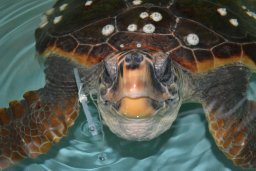 Palermo Francesco Alessandro合作论文数Centro Universitario di Ricerca per Sviluppo e Gestione delle Risorse dell'Ambiente Marino e Costiero (UNICRAM),, Università degli Studi di Camerino10
 Cocci Paolo合作论文数9
 Fabio Conti合作论文数7
 Martina Capriotti合作论文数5
 Gilberto Mosconi合作论文数Scuola di Bioscienze e Biotecnologie, Università degli Studi di Camerino5
 Giovanni Caprioli合作论文数Facoltà di Farmacia, Università di Camerino3
 Fabrizio Bartolucci合作论文数Univ Camerino, Ctr Ric Florist Appennino3
 Tim W R Möhlmann合作论文数Lab Entomol, Wageningen Univ & Res2
 Malin Talle合作论文数Swedish University of Agricultural Sciences2
 Dimitar Uzunov合作论文数Bulgarian Acad Sci, Natl Museum Nat Hist2
 G. Favia合作论文数FDN RES & TECHNOL HELLAS, INST MOLEC BIOL & BIOTECHNOL, GR-71110 IRAKLION, GREECE2
 Claudia Damiani合作论文数Scuola di Bioscienze e Biotecnologie, Università degli Studi di Camerino2
 C J M (Sander) Koenraadt合作论文数Laboratory of Entomology, Wageningen University2
 Gianni Sagratini合作论文数2
 Uno Wennergren合作论文数Department of Physics, Chemistry and Biology, Linköping University2Christoph Oberprieler合作论文数2Arianna Stramenga合作论文数1Tommaso Stecconi合作论文数1Giovanni Gestri合作论文数1Nicola Olivieri合作论文数1Leonardo Gubellini合作论文数1Adriano Soldano合作论文数1Samuele Maestri合作论文数1Antonio Pica合作论文数1
 Giulia Tomasi合作论文数1Valerio Lazzeri合作论文数1Giacomo Mei合作论文数1Dario Azzaro合作论文数1Valeria Angelini合作论文数1Sauro Pari合作论文数1Massimiliano Fazzini合作论文数1Germano Federici合作论文数1Fernando Lucchese合作论文数1Davide Barberis合作论文数1Marco Merli合作论文数1Michele Lonati合作论文数1
 Valentina Laface合作论文数1Adriano Stinca合作论文数1
 Gabriele Galasso合作论文数1Angela P. Lecis合作论文数1John Mark Nalocca合作论文数1Rizzieri R. Masin合作论文数1Jacopo Lupoletti合作论文数1Francesco Festi合作论文数1Giuliano Campus合作论文数1
 Andrea Mainetti合作论文数1
 Tiberio Fiaschi合作论文数Dept Life Sci, Univ Siena1Viviana Cavallaro合作论文数1Safiya Praleskouskaya合作论文数1




