Background: Chronic intractable ventricular tachycardia can cause significant morbidity and mortality. In the setting of failed intracardiac ablation, interruption of the sympathetic nerve can provide relief. We present our series of thoracoscopic sympathectomy for chronic recurrent and intractable ventricular tachycardia. Methods: We retrospectively reviewed records of sympathectomies performed at a large academic medical center between January 2018 and February 2024. We collected information regarding patients’ procedures, cardiovascular history, hospital course, postoperative cardiovascular outcomes, and mortality. Results: A total of 20 patients underwent sympathectomy for refractory cardiac arrhythmias. Two patients died in the hospital for reasons unrelated to surgery. Three patients were lost to follow-up. Of the 15 remaining patients, 2 patients died after hospitalization due to recurrent arrythmias, 1 patient died due to unknown reasons, and 12 patients were living and had follow-up. Three of these patients were without further arrythmias. Four patients had notable reduction in their symptoms. Two patients had continued episodes of ventricular tachycardia, and 3 patients proceeded to listing for heart transplantation. After surgery, 7 patients were recorded as having further ablations, with a maximum of 2 postoperative ablations. The mean number of postoperative ablations was 0.4. Conclusions: In a cohort of critically ill patients with refractory cardiac arrhythmias, sympathectomy is well tolerated. In this case series, a large proportion of patients undergoing sympathectomy experienced significant symptom reduction or complete remission of their cardiac pathologies, indicating that this procedure should be considered in select patients with refractory arrhythmias.
Epicardial catheter ablation of ventricular tachycardia (VT) is a well-established ablation technique for a variety of myocardial substrates including ischemic cardiomyopathy. Epicardial VT ablation has several potential life-threatening complications including a 1.5% incidence of coronary artery (CA) injury. A 68-year-old woman with ischemic cardiomyopathy, coronary artery disease status post left circumflex PCI, and VT status post multiple endocardial ablations presented to our institution with persistent slow VT and hemodynamic compromise.
BackgroundElectrical storm (ES) patients who fail standard therapies have a high mortality rate. Previous studies report effective management of ES with bedside, ultrasound-guided percutaneous stellate ganglion block (SGB). We report our experience with sympathetic blockade administered via a novel alternative approach: proximal intercostal block (PICB). Compared with SGB, this technique targets an area typically free of other catheters and support devices, and may pose less strict requirements for anticoagulation interruption, along with lower risk of focal neurological side effects.ObjectivesThe authors sought to describe the safety and efficacy of PICB in patients with refractory ES.MethodsWe reviewed our institutional data on ES patients who underwent PICB between January 2018 and February 2023 to analyze procedural safety and short- and long-term outcomes.ResultsA total of 15 consecutive patients with ES underwent PICB during this period. Of those, 11 patients (73.3%) were maintained on PICB alone, and 4 patients (26.6%) were maintained on combined block with SGB and PICB. Overall, 72.7% patients who were maintained on PICB alone and 77.8% patients who were maintained on bilateral PICB had excellent arrhythmia suppression. After PICB, implantable cardioverter-defibrillator therapies were significantly reduced (P < 0.05), with 93.3% of patients receiving PICB having no implantable cardioverter-defibrillator shock until discharge or heart transplant. Anticoagulation was continued in all patients and there were no procedure-related complications. Apart from mild transient neurological symptoms seen in 3 patients, no significant neurological or hemodynamic sequelae were observed.ConclusionsIn patients with refractory ES, continuous PICB provided safe and effective sympathetic block (77.8% ventricular arrhythmia suppression), achievable without interruption of anticoagulation, and without significant side effects.
A 65-year-old gentleman with ischemic cardiomyopathy and left ventricular (LV) ejection fraction 25-30% status post primary prevention AICD, history of LV thrombus complicated by cardioembolic CVA, and ventricular tachycardia (VT) status post prior endocardial catheter ablation. The patient initially presented to an outside hospital with progressive dyspnea, palpitations, and hypotension following index VT ablation two months prior. He was transferred to our institution for acute on chronic decompensated heart failure in the setting of recurrent slow monomorphic VT despite oral and intravenous antiarrhythmic therapies.
Limited single-center studies suggest that a combined endocardial-epicardial (endo-epi) ablation strategy may be superior to endocardial ablation (endo) alone in patients with recurrent ventricular tachycardia (VT). However, small sample size impedes determining the precise impact, as well as the risks, associated with a combined strategy.
 Nauffal Victor合作论文数Department of Internal Medicine, American University of Beirut;Department of Medicine, Johns Hopkins Medical Institutes;Johns Hopkins Medical Institutes, American University of Beirut30
 Kolade M. Agboola合作论文数29
 Usha B. Tedrow合作论文数Cardiac Arrhythmia Service, Brigham & Women's Hospital25
 William Henry Sauer合作论文数Department of Medicine, Harvard University;Brigham and Women's Hospital25
 Paul C. Zei合作论文数20
 Jorge Romero合作论文数19Thomas M. Tadros合作论文数19Steiger Nathaniel合作论文数19Bruce A. Koplan合作论文数Brigham and Women's Hospital, Harvard Medical School18
 Uyanga Batnyam合作论文数17Kapur Sunil合作论文数17Esseim Sharma合作论文数Warren Alpert Medical School, Brown University/Lifespan Health System16Ely A. Gracia合作论文数14Xiaoxiao Qian合作论文数13Erik Andrews合作论文数13Ely Gracia合作论文数13
 Andrés F Miranda-Arboleda合作论文数Division of Cardiology, Queen’s University13Carlos Patino合作论文数12David Chang合作论文数8Carlos D. Matos合作论文数7Carolina Hoyos合作论文数7David W. Chang合作论文数6Carolina Hoyos-Ochoa合作论文数5Leah John合作论文数5
 Estefania Rivera合作论文数5Daniela Hincapie Tabares合作论文数4Christopher Thorne合作论文数4Carlos Matos合作论文数4
 Allyson Varley合作论文数Heart Rhythm Clinical and Research Solutions4David O. Martin合作论文数4
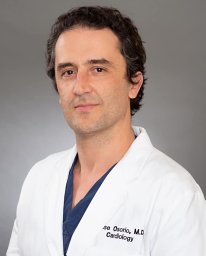 Jose Osorio合作论文数Department of Medicine, University of Alabama at Birmingham4Fernando Moreno合作论文数3
 Kamen V Vlassakov合作论文数Brigham and Women's Hospital, Harvard Medical School3
 Jeremy Bredfeldt合作论文数Beckman Institute, University of Illinois at Urbana-Champaign3Matthew Pulaski合作论文数2Sunil Kapur合作论文数2
 Juan Carlos Diaz Martinez合作论文数2Isabella Alviz合作论文数Albert Einstein Coll Med, Montefiore Einstein Ctr Heart & Vasc Care2
 John Whitaker合作论文数Department of Cardiovascular Imaging, King's College London2David Janfaza合作论文数Pain Management Center, Brigham and Women's Hospital, Boston, Massachusetts, USA2
 Jorge E. Marín合作论文数2
 Mauricio Duque合作论文数2Ian Ling合作论文数1Lauren Ashley Rousseau合作论文数1
 Hubert Cochet合作论文数1Logan McClennen合作论文数1Davis R. Sneider合作论文数1
 Julian M Aristizabal合作论文数1Anil Rajendra合作论文数1




