Epilepsy is commonly associated with gliomas, with glioma-neuron hyperexcitable interactions promoting tumor growth. Glioma vaccines are a promising form of immunotherapy, however immune-mediated effects on hyperexcitability are poorly understood. Seizures induce a proinflammatory state, whereas gliomas manipulate the microenvironment to evade adaptive immunity. This meta-analysis aimed to evaluate the incidence of seizures after glioma vaccine therapy as a clinical marker of peritumoral hyperexcitability. Studies were identified by query of the MEDLINE, Embase, and Web of Science databases with filtering for clinical trials and review of references. Inclusion criteria were prospective trials of cancer vaccines in patients with histologically confirmed diffuse glioma. Studies were excluded if seizure incidence was not reported or if data for all adverse events (AEs) regardless of treatment attribution was unavailable. Serious AEs were defined as grade 3 or higher by the Common Terminology Criteria for Adverse Events when available. Seizure incidence was calculated by pooled proportions with random effects using a generalized linear mixed model. Binary outcome meta-analysis of controlled trials was performed using the Mantel-Haenszel method with random effects. After applying pre-screening exclusion criteria, there were 125 studies screened for seizure-related AEs, and 53 studies with 2002 vaccine-treated patients were included in the final analysis. Treatment-emergent seizures of any grade occurred in 19.3
Astrocytes contribute to the pathology of multiple neurological disorders, including the T cell-driven autoimmune disease of the central nervous system (CNS) multiple sclerosis and its mouse model, experimental autoimmune encephalomyelitis1. However, little is known about functional interactions between astrocytes and CD4+ T cells. Here using rabies barcode interaction detection followed by sequencing2, in combination with single-cell RNA sequencing, in vitro co-culture systems and cell-specific in vivo CRISPR-Cas9-based genetic perturbation studies, we established that astrocytes expressing CD40 and MHC-II promote CNS T cell autoimmunity. We harnessed universal labelling immune partnerships by SorTagging intercellular contacts3 to analyse astrocyte-interacting CD4+ T cells, finding that direct astrocyte-CD4+ T cell interactions enhance pathogenic T helper 17 cell responses in experimental autoimmune encephalomyelitis. In addition, we studied the effect of these interactions on astrocytes. Using in vivo subproteomic approaches4 and AlphaFold-Multimer predictions5, we established that CD40 activation in astrocytes by CD40L expressed by CD4+ T cells induces the accumulation of PLIN4-positive lipid droplets, which provide acetyl-CoA to promote p65 acetylation-dependent NF-κB activation and antigen presentation. Finally, we detected CD40+MHC-II+LD+ astrocytes in multiple sclerosis samples by single-nucleus RNA sequencing and immunohistochemistry. In summary, these studies define a previously unrecognized mechanism by which astrocytes promote CNS autoimmunity.
Glioblastoma (GBM) is an aggressive, immunotherapy-resistant brain tumor. Here, we engineered an oncolytic virus platform based on herpes simplex virus 1 for GBM viroimmunotherapy. We mutated the highly cytopathic MacIntyre strain to increase spread and oncolytic activity, limit genetic drift, prevent neuron infection and enable PET tracing. We incorporated microRNA target cassettes to attenuate replication in healthy brain cells. Moreover, we engineered the gD envelope protein to specifically target GBM using EGFR-specific or integrin-specific binders. Lastly, we incorporated five immunomodulators to remodel the tumor microenvironment (TME) by locally expressing IL-12, anti-PD1, a bispecific T cell engager, 15-hydroxyprostaglandin dehydrogenase and anti-TREM2 to target T cells and myeloid cells in the GBM TME. A single intratumoral injection increased survival in GBM preclinical models, while promoting tumor-specific T cell, natural killer cell and myeloid cell responses in the TME. In summary, we engineered a retargeted, safe and traceable oncolytic virus with strong cytotoxic and immunostimulatory activities for GBM immunotherapy. Quintana and colleagues describe the engineering of oncolytic viruses armed with multiple immunomodulators and with targeted tropism for tumor cells for glioblastoma immunotherapy.
Astrocytes promote neuroinflammation and neurodegeneration in multiple sclerosis (MS) through cell-intrinsic activities and their ability to recruit and activate other cell types. In a genome-wide CRISPR-based forward genetic screen investigating regulators of astrocyte proinflammatory responses, we identified the C-type lectin domain-containing 16A gene (CLEC16A), linked to MS susceptibility, as a suppressor of nuclear factor-κB (NF-κB) signaling. Gene and small-molecule perturbation studies in mouse primary and human embryonic stem cell-derived astrocytes in combination with multiomic analyses established that CLEC16A promotes mitophagy, limiting mitochondrial dysfunction and the accumulation of mitochondrial products that activate NF-κB, the NLRP3 inflammasome and gasdermin D. Astrocyte-specific Clec16a inactivation increased NF-κB, NLRP3 and gasdermin D activation in vivo, worsening experimental autoimmune encephalomyelitis, a mouse model of MS. Moreover, we detected disrupted mitophagic capacity and gasdermin D activation in astrocytes in samples from individuals with MS. These findings identify CLEC16A as a suppressor of astrocyte pathological responses and a candidate therapeutic target in MS.
Glioblastoma is the most common and aggressive primary brain cancer and shows minimal response to therapies. The immunosuppressive tumour microenvironment in glioblastoma contributes to the limited therapeutic response. Astrocytes are abundant in the central nervous system and have important immunoregulatory roles. However, little is known about their role in the immune response to glioblastoma1. Here we used single-cell and bulk RNA sequencing of clinical glioblastoma samples and samples from preclinical models, multiplexed immunofluorescence, in vivo CRISPR-based cell-specific genetic perturbations and in vitro mouse and human experimental systems to address this gap in knowledge. We identified an astrocyte subset that limits tumour immunity by inducing T cell apoptosis through the death receptor ligand TRAIL. Moreover, we identified that IL-11 produced by tumour cells is a driver of STAT3-dependent TRAIL expression in astrocytes. Astrocyte signalling through STAT3 and TRAIL expression were associated with a shorter time to recurrence and overall decreased survival in patients with glioblastoma. Genetic inactivation of the IL-11 receptor or TRAIL in astrocytes extended survival in mouse models of glioblastoma and enhanced T cell and macrophage responses. Finally, treatment with an oncolytic HSV-1 virus engineered to express a TRAIL-blocking single-chain antibody in the tumour microenvironment extended survival and enhanced tumour-specific immunity in preclinical models of glioblastoma. In summary, we establish that IL-11-STAT3-driven astrocytes suppress glioblastoma-specific protective immunity by inducing TRAIL-dependent T cell apoptosis, and engineered therapeutic viruses can be used to target this mechanism of astrocyte-driven tumour immunoevasion.
Glioblastoma (GBM) is the most lethal primary brain malignancy1. Immunosuppression in the GBM tumour microenvironment (TME) is an important barrier to immune-targeted therapies, but our understanding of the mechanisms of immune regulation in the GBM TME is limited2. Here we describe a viral barcode interaction-tracing approach3 to analyse TME cell-cell communication in GBM clinical samples and preclinical models at single-cell resolution. We combine it with single-cell and bulk RNA-sequencing analyses, human organotypic GBM cultures, in vivo cell-specific CRISPR-Cas9-driven genetic perturbations as well as human and mouse experimental systems to identify an annexin A1-formyl peptide receptor 1 (ANXA1-FPR1) bidirectional astrocyte-GBM communication pathway that limits tumour-specific immunity. FPR1 inhibits immunogenic necroptosis in tumour cells, and ANXA1 suppresses NF-κB and inflammasome activation in astrocytes. ANXA1 expression in astrocytes and FPR1 expression in cancer cells are associated with poor outcomes in individuals with GBM. The inactivation of astrocyte-glioma ANXA1-FPR1 signalling enhanced dendritic cell, T cell and macrophage responses, increasing infiltration by tumour-specific CD8+ T cells and limiting T cell exhaustion. In summary, we have developed a method to analyse TME cell-cell interactions at single-cell resolution in clinical samples and preclinical models, and used it to identify bidirectional astrocyte-GBM communication through ANXA1-FPR1 as a driver of immune evasion and tumour progression.
Supplementary Tables 1-3, Figures 1-6 and Methods from Oxygen Is a Master Regulator of the Immunogenicity of Primary Human Glioma Cells
<p>PDF file - 63K, Table that summarizes the immune monitoring carried out, by dog.</p>
<p>PDF file - 75K, Contains descriptions of two methods used to acquire clinical histology and T cell response data.</p>
<p>PDF file - 63K, Table that summarizes the immune monitoring carried out, by dog.</p>
<p>PDF file - 72K, Table that contains clinical information on the dogs enrolled in the vaccination cohort arm of the study.</p>
PDF file - 75K, Contains descriptions of two methods used to acquire clinical histology and T cell response data.
<p>PDF file - 72K, Table that contains clinical information on the dogs enrolled in the vaccination cohort arm of the study.</p>
Cell–cell interactions in the central nervous system play important roles in neurologic diseases. However, little is known about the specific molecular pathways involved, and methods for their systematic identification are limited. Here, we developed a forward genetic screening platform that combines CRISPR-Cas9 perturbations, cell coculture in picoliter droplets, and microfluidic-based fluorescence-activated droplet sorting to identify mechanisms of cell–cell communication. We used SPEAC-seq (systematic perturbation of encapsulated associated cells followed by sequencing), in combination with in vivo genetic perturbations, to identify microglia-produced amphiregulin as a suppressor of disease-promoting astrocyte responses in multiple sclerosis preclinical models and clinical samples. Thus, SPEAC-seq enables the high-throughput systematic identification of cell–cell communication mechanisms.
<p>PDF file - 55K, Table describing survival times and causes of death for surgery historical control dogs.</p>
Genome-wide association studies have identified risk loci linked to inflammatory bowel disease (IBD)1—a complex chronic inflammatory disorder of the gastrointestinal tract. The increasing prevalence of IBD in industrialized countries and the augmented disease risk observed in migrants who move into areas of higher disease prevalence suggest that environmental factors are also important determinants of IBD susceptibility and severity2. However, the identification of environmental factors relevant to IBD and the mechanisms by which they influence disease has been hampered by the lack of platforms for their systematic investigation. Here we describe an integrated systems approach, combining publicly available databases, zebrafish chemical screens, machine learning and mouse preclinical models to identify environmental factors that control intestinal inflammation. This approach established that the herbicide propyzamide increases inflammation in the small and large intestine. Moreover, we show that an AHR–NF-κB–C/EBPβ signalling axis operates in T cells and dendritic cells to promote intestinal inflammation, and is targeted by propyzamide. In conclusion, we developed a pipeline for the identification of environmental factors and mechanisms of pathogenesis in IBD and, potentially, other inflammatory diseases. The herbicide propyzamide increases inflammation in the small and large intestine, and the AHR–NF-κB–C/EBPβ signalling axis—which operates in T cells and dendritic cells to promote intestinal inflammation—is targeted by propyzamide.
Epilepsy is the most common childhood neurological disease, and nearly 20% of affected children develop drug-resistant childhood epilepsy (DRCE). Using single-cell analysis methods, Kumar et al. have identified pro-inflammatory interactions between microglia and T cells in brain tissue from individuals with DRCE. This work may help to identify therapeutic targets for DRCE.
 John R. Ohlfest合作论文数22Michael R. Olin合作论文数20Matthew A. Hunt合作论文数16Charles E Seiler合作论文数13
 Michelle Goulart合作论文数13Grace Elizabeth Pluhar合作论文数13
 Wei Chen合作论文数College of Automation, Northwestern Polytechnical University12Karen S. Santacruz合作论文数11Dominik Faissler合作论文数8Joyce P. Meints合作论文数8Schutten Melissa M合作论文数8O'Sullivan M Gerard合作论文数8Thomovsky Stephanie A合作论文数8
 R. Timothy Bentley合作论文数College of Veterinary Medicine, Purdue University8Packer Rebecca A合作论文数8
 Francisco Quintana合作论文数Department of Neurology, Brigham and Women's Hospital;Harvard Medical School;Broad Institute;AnTolRx8Annie V. Chen合作论文数8
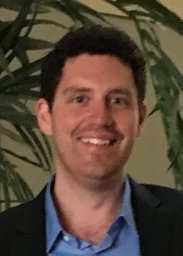 Michael A Wheeler合作论文数Harvard Med Sch, Brigham & Womens Hosp, Ann Romney Ctr Neurol Dis, Boston, MA 02115 USA7
 Hong-Gyun Lee合作论文数Hanyang Univ, Coll Nat Sci, Dept Life Sci, Seoul 04763, South Korea7
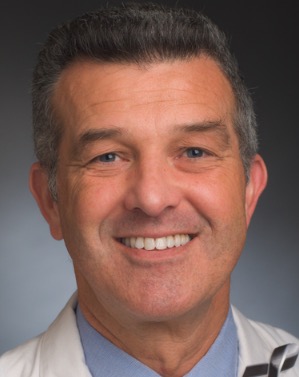 David Reardon合作论文数Center for Neuro-Oncology, Dana-Farber Cancer Institute;Harvard Medical School7
 Federico Giovannoni合作论文数Brigham and Women's Hospital, Harvard Medical School6
 Bruce Blazar合作论文数Division of Pediatric Blood and Marrow Transplantation & Cellular Therapy, Department of Pediatrics, Medical School, University of Minnesota;Center for Translational Medicine, University of Minnesota6Patrick T. Grogan合作论文数5
 Zhaorong Li合作论文数4
 Liliana Sanmarco合作论文数Harvard Med Sch, Ann Romney Ctr Neurol Dis, Brigham & Womens Hosp, Boston, MA 02115 USA4JunZhe Xia (夏俊哲)合作论文数4
 E. Antonio Chiocca合作论文数Department of Neurosurgery, Brigham and Women's Hospital;Institute for the Neurosciences, Brigham and Women's Hospital;Harvard Medical School;Center for Neuro-oncology, Dana-Farber Cancer Institute4
 Christopher A Pennell合作论文数4Camilo Faust Akl合作论文数Brigham and Women's Hospital, Harvard Medical School3Christophe Queva合作论文数3Rothhammer Veit合作论文数3Popescu Flavia E合作论文数3Lerner Lorena合作论文数3Litterman Adam J合作论文数Department of Neurosurgery, University of Minnesota3Craig A. Strathdee合作论文数Department ofMicrobiology3Christopher L. Moertel合作论文数3Zhengming Xiong (熊正明)合作论文数3J. Ohlfest合作论文数2G. E. Pluhar合作论文数2Paul T. Robertson合作论文数2Gavin Piester合作论文数2Caroline Miranda合作论文数2Jose L. Gallardo合作论文数2Agnieszka Denslow合作论文数2Matt Hunt合作论文数2
 Stephanie Zandee合作论文数2Joseph M Rone合作论文数2Agustin Plasencia合作论文数2Marc Charabati合作论文数2




