The homogeneous nature of the rat intermediate pituitary makes it a powerful model system in which to study peptide hormone secretion. Adult male rats were treated with bromocriptine, a dopamine agonist, or haloperidol, a dopamine antagonist, for 3 weeks. In cDNA libraries prepared from the neurointermediate pituitaries of these rats, pro-opiomelanocortin (POMC) expression exhibited the expected decrease in response to bromocriptine, and increase in response to haloperidol. We report the identification of six transcripts that are coregulated with POMC in the intermediate pituitary by these dopaminergic agents. In addition to demonstrating parallel dopamine-regulated expression of carboxy-peptidase E, chromogranin B, binding protein/glucose-regulated protein, and tenascin, two novel regulated transcripts are described. The expression of one of these novel transcripts, RESP18, is limited to neural and endocrine tissue. The RESP18 transcript is approximately 800 nucleotides in length; its cognate translation product is 20 +/- 1 kDa, contains a putative signal sequence, and has many characteristics of a secreted protein. Cell-free translation experiments in the presence of microsomal membranes demonstrate that the 20 +/- 1-kDa RESP18 protein is cleaved to an 18 +/- 1-kDa protein and sequestered within the lumen of the rough endoplasmic reticulum. Tissue in situ hybridization analysis shows that RESP18 mRNA is highly expressed in both the intermediate and anterior pituitary, as well as in the paraventricular and supraoptic nuclei of the hypothalamus.
Regulated endocrine-specific protein-18 (RESP18) is an 18-kilodalton endocrine-specific transcript whose expression is regulated by a number of different physiological and pharmacological stimuli in different tissues. RESP18 messenger RNA was identified in all cell types in the anterior pituitary, at levels that varied 2-fold from the lowest (corticotropes and thyrotropes) to the highest (gonadotropes, somatotropes, and mammotropes); the melanotropes of the intermediate pituitary have levels of RESP18 messenger RNA comparable to the highest levels in cells in the anterior pituitary. Mouse RESP18 was cloned and used as the basis for biosynthetic studies on RESP18 in AtT-20 cells, which express RESP18 endogenously; mouse RESP18 was highly homologous to rat RESP18. Pulse-chase biosynthetic labeling studies showed that AtT-20 cells expressed much less RESP18 than the endogenous prohormone, POMC, but that glucocorticoid treatment lowered POMC and raised RESP18 biosynthetic rates so that they were nearly equimolar. Surprisingly, RESP18 was not processed to smaller peptides to any significant extent, nor was RESP18 or any smaller peptide secreted. Newly synthesized RESP18 normally disappeared from AtT-20 cell extracts with a half-life of less than 15 min; the intracellular half-life of RESP18 was increased strikingly after glucocorticoid treatment of the cells. Upon subcellular fractionation, RESP18 was found to be entirely particulate and to cofractionate with markers for the endoplasmic reticulum, rather than with markers for secretory granules, such as POMC and prohormone-processing enzymes. Therefore, RESP18 is a major glucocorticoid-responsive protein in the secretory pathway of corticotropes, but its function may be entirely within the neuroendocrine cell.
Low stringency screening of a rat hypothalamic complementary DNA library for additional members of the subtilisin-like prohormone convertase (PC) family identified rat PACE4, which is 90% identical to human PACE4 in amino acid sequence, with much lower similarity to rat PC1, PC2, furin, PC4, or PC6. The rat PACE4 sequence has the Asp-His-Ser catalytic site triad, an Arg-Gly-Asp potential integrin binding site, and three potential sites for N-linked glycosylation. Rat PACE4 has a long COOH-terminal region, which is very rich in Cys residues (15%). The unique signal sequence of rat PACE4 mediates translocation across microsomal membranes during in vitro translation and secretion of PACE4 from stably transfected fibroblast cells. Rat PACE4 has a tissue and cell line distribution unlike any reported PC, including human PACE4, with high expression in the anterior pituitary and readily detectable expression in several brain regions, the atrium, and the ventricle; negligible PACE4 messenger RNA (mRNA) is detected in neurointermediate pituitary and many nonneuroendocrine tissues. PACE4 mRNA is prevalent in Buffalo rat liver and GH3 cells and present at low levels in AtT-20 cells, whereas it is undetectable in several other cell lines. In situ hybridization coupled with immunocytochemistry revealed that PACE4 is produced by somatotropes, mammotropes, and corticotropes, whereas less PACE4 mRNA was detected in thyrotropes. PACE4 mRNA levels in anterior pituitary are strikingly regulated by thyroid status, with more than a 10-fold increase seen from hypothyroid to hyperthyroid animals. The prevalence of PACE4 in anterior pituitary and the striking effect of thyroid status on PACE4 expression suggest a specific role for PACE4 in processing neuroendocrine peptides.
Studies on the mRNAs encoding PAM and on the various PAM proteins have begun to reveal some of the intricate mechanisms used to optimize the ability of this enzyme to carry out the alpha-amidation of peptides. Comparison of the regulatory elements governing expression of the various enzymes involved in peptide processing should reveal common elements. Knowledge of the processing enzymes themselves should help us to understand how these enzymes function in the secretory granule environment. In addition to their catalytic domains, other processing enzymes, like PAM, may well have processing domains and routing domains designed to optimize their ability to function in secretory granules.
Two subtilisin-like endoproteases called PC1 and PC2 are distributed in a tissue-specific manner in the pituitary and in the brain. AtT-20 cells and corticotropes of the anterior pituitary express primarily PC1 and perform a limited number of cleavages of the proopiomelanocortin (POMC) precursor during biosynthesis. Melanotropes of the intermediate pituitary express both PC1 and PC2 and perform a more extensive set of cleavages during the biosynthetic processing of POMC. To investigate the role of PC2 in the biosynthetic processing of POMC, AtT-20 mouse corticotropes were stably transfected with a full length PC2 cDNA. The AtT-20 cells expressing PC2 acquired the ability to perform all the additional cleavages seen in the intermediate pituitary, but did not acquire the ability to alpha-N-acetylate the product peptides. The kinetics of the earliest steps in biosynthetic processing were unaltered by the expression of PC2, and the changes due to PC2 expression were seen only in the middle and late steps in biosynthetic processing. Thus, both the identity of the final product peptides and the kinetics of the processing steps in the AtT-20 cells expressing PC2 fit the patterns expected for melanotropes of the intermediate pituitary.
The control of gene expression is critical to the proper development of all organisms. Genetic control at the posttranslational level is an important system of such regulation. Recent developments in the understanding of the proteases involved in the endoproteolytic cleavage of prohormones to produce active hormones have begun to provide insight into the tissue- and developmental-specific events of posttranslational processing. This review will discuss the development of our understanding of the action and regulation of these proteases, including KEX2, furin and the prohormone-converting enzymes, PC1 and PC2.
A method is described for quickly and reproducibly isolating genomic DNA contiguous with known DNA sequence by means of the polymerase chain reaction (PCR). Flanking genomic DNA is isolated using a biotinylated sequence-specific primer in combination with a generic hybrid primer that binds to a deoxyoligonucleotide sequence artificially added to the ends of the genomic DNA. Amplified sequences that include the biotinylated primer are purified from nonbiotinylated amplification products by binding to a solid-phase streptavidin matrix. The biotinylated amplification product(s) are subjected to a further round of amplification, after which they can be subcloned and analyzed. This technique was applied to the isolation of three intron-exon junctions. Verification of the identity of these junction sequences was accomplished by designing primers based on the intron sequences isolated by Biotin-RAGE, amplifying across the exon using these intron primers, and sequencing the PCR-generated product.
Peptidylglycine alpha-amidating monooxygenase (PAM; EC 1.14.17.3) is a multifunctional protein containing two enzymes that act sequentially to catalyze the alpha-amidation of neuroendocrine peptides. Peptidylglycine alpha-hydroxylating monooxygenase (PHM) catalyzes the first step of the reaction and is dependent on copper, ascorbate, and molecular oxygen. Peptidyl-alpha-hydroxyglycine alpha-amidating lyase (PAL) catalyzes the second step of the reaction. Previous studies demonstrated that alternative splicing results in the production of bifunctional PAM proteins that are integral membrane or soluble proteins as well as soluble monofunctional PHM proteins. Rat PAM is encoded by a complex single copy gene that consists of 27 exons and encompasses more than 160 kilobases (kb) of genomic DNA. The 12 exons comprising PHM are distributed over at least 76 kb genomic DNA and range in size from 49-185 base pairs; four of the introns within the PHM domain are over 10 kb in length. Alternative splicing in the PHM region can result in a truncated, inactive PHM protein (rPAM-5), or a soluble, monofunctional PHM protein (rPAM-4) instead of a bifunctional protein. The eight exons comprising PAL are distributed over at least 19 kb genomic DNA. The exons encoding PAL range in size from 54-209 base pairs and have not been found to undergo alternative splicing. The PHM and PAL domains are separated by a single alternatively spliced exon surrounded by lengthy introns; inclusion of this exon results in the production of a form of PAM (rPAM-1) in which endoproteolytic cleavage at a paired basic site can separate the two catalytic domains. The exon following the PAL domain encodes the trans-membrane domain of PAM; alternative splicing at this site produces integral membrane or soluble PAM proteins. The COOH-terminal domain of PAM is comprised of a short exon subject to alternative splicing and a long exon encoding the final 68 amino acids present in all bifunctional PAM proteins along with the entire 3'-untranslated region. Analysis of hybrid cell panels indicates that the human PAM gene is situated on the long arm of chromosome 5.
Several putative peptide-processing endoproteases have been identified by homology to the yeast Kex2 endoprotease, including furin, PC2, and PC1. However, the question is still open as to which might be involved in peptide posttranslational processing. To enable detailed comparisons of physiological changes in peptide processing with biochemical and molecular biological studies, we cloned rat pituitary cDNAs for PC1 and PC2. The amino acid sequence homologies among rat, human, and mouse PC1, PC2, and furin are consistent with each being a highly conserved but distinct member of a larger family of mammalian subtilisin-like proteases. PC1 and PC2 mRNAs show a restricted distribution among rat tissues and cultured cell lines, consistent with a role in tissue-specific peptide processing; the occurrence of furin mRNA among these tissues and cell lines is much more widespread, being high in many nonneuroendocrine tissues. In the neurointermediate pituitary, PC1 and PC2 mRNAs are strikingly regulated in response to dopaminergic agents, in parallel with mRNAs for POMC, peptidylglycine alpha-amidating monooxygenase, and carboxypeptidase-H. In AtT-20 cells, PC1 mRNA is coregulated with POMC and peptidylglycine alpha-amidating monooxygenase mRNAs in response to CRH and glucocorticoids. When the endogenous PC1 mRNA level in AtT-20 cells is significantly and specifically decreased by stable expression of antisense RNA to PC1, biosynthetic labeling of newly synthesized POMC-derived peptides shows a substantial blockade of normal POMC processing. These data are consistent with a role for PC1 protein in endoproteolysis, either as a processing endoprotease or as the activator of the actual processing endoprotease(s).
Stable cell lines with significantly elevated or diminished levels of a key neuropeptide processing enzyme, peptidylglycine alpha-amidating monooxygenase (PAM), were generated by transfection of a mouse pituitary cell line with expression vectors containing PAM cDNA in the sense or antisense orientation. By evaluating the ability of these cell lines to alpha-amidate endogenous neuropeptides, a rate-limiting role for PAM in neuropeptide alpha-amidation was demonstrated. Overexpression of either the full-length PAM precursor with its trans-membrane domain or a soluble protein containing only the monooxygenase domain of PAM led to increased alpha-amidation of endogenous neuropeptides. Overexpression of the full-length PAM led to an unexpected decrease in the endoproteolytic processing of endogenous prohormone; conversely, underexpression of PAM led to significantly enhanced endoproteolytic processing of endogenous prohormone. These data suggest that PAM may have additional functions in peptide processing.
A Drosophila phospholipase C (PLC) gene, designated as plc-21, was isolated by screening a genomic DNA library using a cDNA for a previously isolated Drosophila PLC gene, norpA, as probe under reduced stringency hybridization conditions. The gene maps to 21C on the left arm of the second chromosome. Two proteins of 1305 and 1312 amino acids, respectively, were deduced from two classes of cDNA which were isolated. The two putative plc-21 proteins are similar in sequence and overall structure to the beta-class of PLCs found in mammals and differ from each other only by 7 amino acid residues that are present near the C terminus of one of the proteins but not the other. Hybridization of plc-21 cDNA probes to blots of poly(A)+ RNA revealed that the gene encodes a 7.0-kilobase transcript that could be detected in the head but not in the body of adult flies and a 5.6-kilobase transcript that could be detected throughout development and in both heads and bodies of adults. In situ hybridization of cDNA sequences to tissue sections showed that the gene is expressed in the neuronal cell bodies of the optic lobe, central brain, and thoracic ganglia of adults and the brain of larvae. This tissue distribution of plc-21 transcripts is identical to the distribution of transcripts from a Drosophila Go alpha-subunit gene that we reported previously.
A Drosophila melanogaster gene (dgo) encoding a G protein alpha subunit has been isolated by screening genomic and adult head cDNA libraries using bovine transducin alpha subunit cDNA as probe. The gene, which maps to 47A on the second chromosome, encodes two proteins which are both 354 amino acids long but differ in seven amino acids in the amino-terminal region. The deduced amino acid sequences of the two proteins are 81% identical to that of a rat Go alpha subunit. Analysis of genomic clones revealed that there are eight coding exons and that the putative transcripts for the two proteins differ in the 5'-noncoding regions and the first coding exons but share the remaining six coding exons. The arrangement of two different 5'-noncoding regions on the gene suggests that two different promoters regulate the expression of the transcripts encoding the two proteins. RNA blot analysis detected three transcripts: a 3.9-kilobase (kb) transcript found at all stages of development; a 5.4-kb transcript present predominantly in adult heads; and a 3.4-kb transcript present only in adult bodies. In situ hybridizations of a cDNA probe to adult tissue sections showed that the gene is expressed abundantly in neuronal cell bodies in the brain, optic lobe, and thoracic ganglia.
Thirty genetic alterations, which involve the 4BC region of the Drosophila X chromosome, have been induced by ionizing radiation or by an endogenous mutator element. These mutations were recovered by screening for reversion of the dominant mutants Oce and Qd or for induction of the recessive mutants bi and rb. Among the 23 mutants generated by ionizing radiation, 20 have proven to be cytologically detectable chromosomal aberrations. Seven additional unique aberrations were generated in the Uc mutator strain. In total, 22 cytologically detectable deficiencies, 3 translocations, 1 inversion, 1 transposition, and 3 cytologically normal mutants have been recovered. Complementation analysis has permitted the cytogenetic localization of eight genes in the 4BC region. The mei-9 locus has been assigned to region 4B4-6, because this function is carried by Df(1)rb41 but not by Df(1)biD1. The norpA locus has been placed in the 4B6-C1 region based on its location between the distal breakpoints of Df(1)biD2 and Df(1)rb41. The genes lac, Qd, bi, and omb are localized to bands 4C5,6, rb to 4C6 and amb to 4C7,8. With one exception the complementation analysis has also permitted a determination of the linear sequence of these genes. This cytogenetic localization of these loci will facilitate the cloning and molecular analysis of genes controlling a key function in DNA repair and recombination (mei-9), and two fundamental neural functions (norpA and omb).
 Re Mains合作论文数11
 Elizabeth A. Eipper (Betty Eipper)合作论文数Department of Molecular Biology and Biophysics, University of Connecticut Health Center7Johnson R C合作论文数3W L Pak合作论文数3
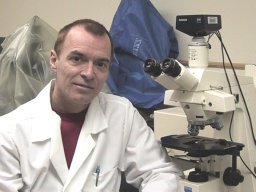 Daniel N Darlington合作论文数Department of Physiology, University of California3Mh Perdew合作论文数2Shortridge R D合作论文数2
 Jae-Seung Yoon合作论文数Department and Institute of Genetic Engineering, Kyung Hee University2t hand合作论文数1C. R. Lending合作论文数1E J Husten合作论文数1Sl Milgram合作论文数1S S Banga合作论文数UNIV CALIF DAVIS,DEPT GENET,DAVIS,CA 956161Jb Boyd合作论文数1A Zhou合作论文数1
 L'Houcine Ouafik合作论文数Laboratoire de Transfert D'oncologie Biologique, Assistance Publique Hôpitaux de Marseille1James M Mason合作论文数Laboratory of Molecular Genetics, National Institute of Environmental Health Sciences, National Institutes of Health1Gregory P. Mueller合作论文数1D. C. Larrivee合作论文数1
 Stephan Schneuwly合作论文数Institute of Zoology, University of Regensburg1Doris A. Stoffers合作论文数1R. K. Brodberg合作论文数1




