It is commonly held that parents have a profound impact on child development. Decades of research investigated the ways parents, the community, and school staff interact to foster student learning during kindergarten through twelfth grade education. Agriculture provides for daily needs through the growth, harvest, and processing of food, fiber, fuel, and forestry products. This research sought to understand the level of importance parents place on their children learning about agriculture in school. A 26-question survey was distributed to a nationally representative sample of parents having at least one child in K-12 education within the United States. Results of this study indicate parents found it important, even very important, for students to learn about many agricultural topics in school. Factors historically associated with parent perceptions and support of student learning proved to not significantly impact this indicated level of importance. Therefore, further research is needed to understand what impacts parents’ value of their students learning about agricultural topics in school. The conclusions of this study are of primary importance to entities conducting agricultural education outreach such as Agriculture in the Classroom programs, Extension, Career and Technical Education, agricultural industry organizations, and others interested in agricultural literacy.
The National Agricultural Literacy Outcomes (NALOs) are knowledge benchmarks for school-aged youth and are used to improve agricultural literacy (NAITC, 2014; NCAL, 2017). Despite educational efforts, prior research indicated that high school populations remained at low or deficient literacy levels. Additionally, no agricultural literacy assessment instruments using the NALOs as a standardization tool have been developed for the 9-12th grades. The purpose of the study was to validate a summative NALO-centered assessment that could provide baseline data on agricultural literacy following the completion of secondary education (12th grade). The study followed the framework established by Longhurst et al. (2020) for similar assessments in elementary grades. A Delphi team produced 45 items for validation that were reviewed using a convenience sample of [University] undergraduate students. Those items were evaluated using factor, item, and discriminant analysis. Results finalized two 15-item assessments and determined both had acceptable reliability, were adequate for model fit, and were valid for the NALOs and the three proficiency levels. The instruments are critical tools for providing a standardized approach to evaluation efforts. Researchers and educators should use these instruments to provide comparable agricultural literacy data across populations to better identify trends, program needs, and meaningful inferences.
The role of secondary education is critical to preparing graduates for adulthood. This study explored the transition experiences of high school graduates and factors that impacted their preparation for adulthood. This descriptive study focused on the experiences of degree and non-degree-seeking graduates. Surveys were distributed to students enrolled in a general education course at a state university and marketing research participants not enrolled in post-secondary programs. The survey sought to identify overall preparedness, responsibilities deemed necessary to teach in high school, and influence factors that prepared them for adulthood. The overall findings displayed that graduates seeking degrees felt more prepared for adulthood. While both groups agreed that many adulthood-responsibility topics should be taught, degree-seekers found less value in teaching parenting skills in a high school class despite identifying that parents have a more significant impact on preparing them for adulthood. Researchers recommend that in addition to college and career-ready curricula, instruction should include preparation topics that align with 21st-century markers that better support non-degree-seeking graduates toward successful transitions into adulthood.
Planning theories suggest a stepwise structure for organizing programs; evaluate current status with a needs assessment, identify strengths, weaknesses or gaps, use tools such as a logic model to plan, then implement and evaluate programming (Kettner et al., 2017). The National Agriculture in the Classroom organization and its state affiliates have the responsibility of providing agricultural education content to school-aged children and teachers to increase agricultural literacy (NAITC, n.d.). The Longhurst Murray Agricultural Literacy Instrument (LMALI) is a modern, valid tool to assess proficiency level of students participating in such programming (Longhurst, et al., 2020). Tri-Center Elementary in Iowa administered the LMALI to kindergarten through fifth grade students in March 2021. The findings from this case study suggest recommendations to state and national program planners to improve effectiveness of agricultural literacy outreach programs.
Research has shown 21st century skills are essential to a student’s success outside of the high school classroom. The 21st century skills prepare students to enter the workforce or higher education with the ability to think critically and creatively, collaborate with others, take the initiative when approached with a task, and use technology to its fullest potential. This study examined school-based agricultural education teachers’ perceived knowledge, ability, and importance of implementing 21st century skills into the classroom. Upon identifying teachers perceived level of importance, knowledge, and ability, results were analyzed to determine the professional development needs of school-based agricultural education teachers in particular 21st century skills. Results concluded professional development is needed to further educate and equip agriculture teachers with specific and applicable strategies to implement Critical Thinking, Communicating, and Technology Literacy skills into their classrooms.
The student teaching practicum experience is designed to give preservice teachers practical experience with teaching and is an important step in their development. While literature in agricultural education exists about preservice teacher professional development, little is known about the developmental process of agriculture teachers during the student teaching experience. Utilizing the theory of teacher concerns (Fuller & Brown, 1975) as a theoretical lens, the purpose of this qualitative document analysis was to determine how preservice teachers develop over the first half of the student teaching practicum by examining the way they talk about concerns. Written reflections of five different cohorts from 2010 through 2014 were analyzed at two different points in time (week two and week seven). During the first two weeks of student teaching, three themes emerged, including: 1) teacher/student identity crisis, 2) teaching competence: “I do not know how, what, or who…,” and 3) adjusting to change. During week seven, the concerns changed, which indicated the student teachers were developing into the professional role of a teacher. The three themes that emerged from the data for week seven were: 1) building professional relationships, 2) engaging students, and 3) it is about time: work-life balance. Implications exist for teacher educators to place more emphasis on teaching strategies to engage and motivate students in the learning process, rather than just the task itself. Recommendations are suggested for teacher educators to discuss with preservice teachers before student teaching the realities and challenges of balancing work and life roles.
Nationwide, agricultural education has experienced a shortage of qualified school-based agriculture teachers for over four decades. Students who seek careers as agriculture teachers are often those who participated in agricultural education and FFA in high school. The Ag Ed FITChoice® Model (Lawver 2009; Lawver & Torres, 2012) was used as the investigative framework for this phenomenological study, which sought to explore how active participation in school-based agricultural education programs influenced students’ choice to major in agricultural education and pursue a career in teaching. Seven agricultural education majors who participated in agricultural education and FFA in high school participated in a focus group interview. Transcripts of the focus group interview were analyzed and coded for thematic content using open, axial, and selective coding protocols. Five themes emerged from the data, which included, 1) socializer influencers, 2) social value 3) passion for agriculture, 4) alignment with personal values, and 5) agricultural education factors. The agricultural education factors theme was broken into four subthemes, which include agriculture teacher encouragement, FFA events, increased self-efficacy through a quality program, and post-high school opportunities. Based on the findings, implications and recommendations for recruitment are discussed.
Achievement test scores in mathematics have been a concern among educators for many years. Teaching contextualized mathematics has been found to be effective and includes providing a direct application to real-life scenarios rather than teaching linear equations and algebraic principles in isolation. This study measured the effects of integrating mathematical skills in one instructional unit in an animal science curriculum. Students from eight schools participated in the research study. Students completed a pretest measuring their existing mathematical skills and self-efficacy in math. All students were taught a unit of instruction about animal nutrition and feeding. The control group received a typical nutrition unit and the treatment group received the same unit of instruction with the addition of mathematical skill integration. Following the unit of instruction, students completed a posttest survey, which included a mathematics attitudinal scale, posttreatment self-efficacy scale, and posttreatment mathematics skills questions. No statistically significant difference was found in mathematics self-efficacy or mathematics skills between the control group and treatment. However, results indicated a strong positive relationship between students' mathematics self-efficacy and their mathematics skills. Further, highest level of mathematics courses completed and overall grade point average were statistically significant factors in predicting mathematics self-efficacy.
Agricultural education can take scientific topics to higher levels, emphasize scientific concepts, involve hands-on learning, and develop interrelationships with the other sciences, thus making the living and non-living world around them relevant for students, potentially supporting a STEM curriculum. As such, in 1996, Utah deemed agricultural biology an adequate substitute for general biology in preparing Utah high school students to meet state biology requirements. The appropriateness of that decision was not tested until this 2014 descriptive comparative post-test only analysis of 2008-2012 data from the Utah State Office of Education Data and Statistics. As seen in this study, not only did agricultural biology students tend to score lower than their general biology counterparts, in multiple cases this difference was significant (p ≤ .05), indicating a potential gap within the agricultural biology curriculum. Further, there were cases where Cohen’s d was ≥ .2, indicating at least a small effect size. This suggests that reevaluation is needed to ensure that biology standards taught in agricultural biology classes are better aligned with content tested by the biology portion of the Utah end-of-course core biology test standards.
This study examined the impact of sequencing practicums for welding on students’ ability to perform a 1F (flat position-fillet lap joint) weld on low-carbon steel. Participants were randomly assigned a specific practice sequence of welding for using gas metal arc welding (GMAW) and shielded metal arc welding (SMAW). A total of 71 participants (70.3%, N = 104) completed the research project. The majority of participants (95.8%, f = 69) were male. There was no significant difference between treatment groups on the written pretest (F = .847(3), p = .473) or posttest scores (F = .669(3), p = .574). Few students (15%, f = 11) met the performance standards for passing the cracks criterion using SMAW. The majority of students were able to meet the undercut criterion standard using both GMAW and SMAW. The mean weld performance test score among all treatment groups for GMAW was three out of four (SD = 1.04), while the mean weld performance test score for all SMAW treatment groups was two out of four (SD = 1.36). There were no significant differences between treatment groups and weld test performance. This project provided baseline data in understanding sequencing welding laboratory practicums by limiting operator-controlled variables.
Looking at Maddie on the initial day of her first agriculture class you wouldn't know she was any different from other students in the room. Yet, Maddie has Asperger's Syndrome, a disorder on the Autism Spectrum. Maddie struggles with abstract issues, taking concepts that are taught very literally. Loud noises and changes to routines can cause Maddie to react in unexpected and unpredictable ways. Social interaction can be a challenge for her. At first she was hesitant to get involved, questioned why agriculture was important to her and to her educational experience, and struggled with the concept of being part of a leadership organization. Finding out this information about a student can be intimidating for a teacher. An agriculture teacher is expected to engage every student in a program consisting of classroom and laboratory learning, a supervised agriculture experience (SAE), and leadership through FFA. But how fully do we embrace this notion of inclusion when it comes to students with special needs? Dormody, Seevers, Andreason, and VanLeeuwen (2006) found that, on average, 19% of students in agricultural education classrooms in New Mexico had special needs and had an educational guide called the Individualized Education Plan (IEP). According to national data collected by the U.S. Department of Education in 2005, 18 percent of high school graduates with disabilities were enrolled in agricultural education courses compared to 11.5 percent of all graduates. For students with disabilities, the components of classroom, SAE, and FFA are just as important as for students who are not on IEPs or another type of special education program. Johnson, Stodden, Emanuel, Luecking, and Mack (2002) suggested that public education is falling short in preparing students with special needs to transition from high school to postsecondary education, employment, and independent living. As part of the solution, they recommended that public schools make certain special education students access to the full range of secondary education curricula and programs (p. 522), including community-based work experience, vocational education, and service learning opportunities. Agricultural education has the ability to provide opportunities for students in each of these areas through the complete program model. However, in order for students with special needs to be successful in all areas of the program, a strong relationship must be built between the student, the parents, the agricultural educator, and the special education instructor. A study of Utah agriculture teachers (Giffing, Warnick, Tarpley, & Williams, 2009) indicated that agriculture teachers are willing to include students in their agricultural education programs, but often lack the skills and knowledge to do so successfully. Inclusion success can be defined in many ways and varies based on the student and their needs, the goals of the parents, and attitude of the teachers toward inclusion. Including students with special needs fully into a complete program of agricultural education can be overwhelming but it may also provide an amazing opportunity for all involved. You have to basically grab the bull by the horns and go for it. It is our obligation to provide a quality education to all students and make a positive difference in their lives. Classroom On the outset, classroom inclusion appears to be the easiest of the three components of agricultural education to successfully implement. However, it can be the most challenging. Adam is one of our students with Down Syndrome. He loves animals and so enrolled in an animal science course. Although Adam could not be expected to fully grasp highly scientific concepts or be examined using typical end-of-unit assessments, he could be provided with alternative activities to learn as well as alternative assessments to measure the increase in his understanding. In order for a student like Adam to be successful, the student must trust the teacher and feel safe and valued in the classroom. …
The purpose of this study was to describe the characteristics of beginning agriculture teachers and their perceived likelihood of teaching secondary agriculture in the future. Information was gathered from secondary agriculture teachers across the U.S. who were in their second year of teaching agricultural education during the 2003–2004 academic year. A survey instrument was created specifically for this study through which information about the experience of beginning teachers, the demographic characteristics of the beginning teacher, and the perceived likelihood of teaching secondary agriculture in the future was gathered. Data were analyzed using descriptive statistics and a multiple regression analysis. While nearly three–fourths of the respondents reported they were highly likely to teach secondary agriculture one–year from the time of the survey, less than one–third reported they were highly likely to do so at five years, and only 15% reported they were highly likely to do so twenty years from the time of the survey. No statistically significant relationship was found between the characteristics of beginning teachers and their perceived likelihood of remaining in the profession.
The purpose of this study was to identify and prioritize the inservice needs of agriculture teachers in the state of Utah. A list of 31 modified competencies from previous research and from the Utah State Office of Education was developed to assess the needs of Utah agriculture teachers. The Borich needs assessment model was used to determine the perceived level of importance and ability of agricultural instructors regarding the 31 competencies. All inservice needs were analyzed and ranked using mean weighted discrepancy scores (MWDS). The top five competencies in which agriculture teachers were most in need of inservice were: (a) utilizing the community in providing opportunities for students i.e. advisory committees, agricultural organizations, etc.; (b) developing supervised agricultural experience (SAE) opportunities for all students; (c) identifying and preparing FFA proficiency award applications; (d) planning and implementing student recruitment activities; and (e) teaching learning disabled students. In contrast, the five competencies in which agriculture teachers required the least amount of inservice were: (a) describing how to set up the meeting room; (b) conducting parent/teacher conferences; (c) explaining the history and organization of the FFA; (d) explaining FFA degree areas; and (e) explaining proper dress and characteristics of a good FFA leader.
The inclusion of students with special needs in regular education classrooms has been required by federal law for more than three decades. However, much of the responsibility for successful accommodation of students with disabilities rests upon the shoulders of teachers. Previous research has indicated that successful inclusion of students with special needs is strongly influenced by the attitude of teachers involved. In this study, secondary agriculture teachers in one western state were surveyed to determine their attitudes and perceptions related to their willingness and ability to include students with special needs in their classrooms and laboratories. Selected personal and professional characteristics were correlated with these attitudes and perceptions. A large majority of teachers responded that they understand the concept of inclusion, are in favor of including students with disabilities, and have had a positive experience teaching students with special needs. However, fewer respondents indicated that they had the skill level to successfully include students with disabilities. Overall, while teachers indicated willingness to include students with specific disability types, they were less positive in their perceived abilities to successfully accommodate these same students.
This study identified and prioritized the agricultural in-service needs of introductory level career and technical education teachers in Utah. The Utah State Board of Education requires that all seventh grade students complete an introductory career and technical education course as their first formal career exploration experience. One component of the course is exploration of the agriculture industry. In order to effectively help students explore agricultural opportunities, teachers, most of whom have little or no formal training in agriculture, must be prepared in their knowledge of the agriculture industry and careers. To meet the needs of teachers, the state office of education has requested relevant, meaningful in-service. A survey based on the Borich needs assessment model was used to determine areas in which teachers need additional support. The “new and emerging technologies in agriculture” standard emerged as an area of weakness. Teachers generally held positive attitudes toward the importance of teaching agriculture, which should be used to promote future in-service programs.
The focus of this descriptive study was to determine the type and frequency of collaborative activities occurring between agriculture teachers and science teachers who taught in schools with agricultural education programs. Additional foci of this study included determining the extent to which science and agriculture teachers value collaborative practices, identifying factors that facilitate collaboration, and identifying barriers inhibiting collaboration. Although results indicate that most science and agriculture teachers hold positive attitudes concerning the potential for collaboration, reported collaborative activities between the groups was limited, with science teachers indicating less collaboration occurring than agriculture teachers. The large majority of science teachers indicated that they have not attended workshops demonstrating agriscience integration, and both groups identified lack of preparation time as the most significant barrier inhibiting collaboration. Moreover, both groups indicated that close proximity of facilities, teacher commitment, teacher attitude toward science and agriculture, frequent professional interaction, and administrator support facilitate collaboration.
Agriculture teachers and science teachers who taught in a high school with an agricultural education program were targeted for this study to determine and compare their perceptions of integrating science into agricultural education programs. The data indicate that while both groups have responded positively to the call to integrate science into the agricultural education curriculum, some differences in attitudes do exist. A majority of the teachers indicated that teacher preparation programs should provide instruction on how to integrate science both at the preservice and inservice levels. More agriculture teachers were in agreement than science teachers that integrating science would help agriculture programs meet state standards and help students meet requirements for state standards.Although a majority of science teachers agreed, a significantly greater number of agriculture teachers agreed that students will be better prepared for standardized testing if they learn science through an agriculture context.
Maybe there really is something to this talk about a flattening world. A few weeks ago we had the opportunity to host a delegation of career and technical educators from Malaysia. They came to tour secondary and postsecondary career and technical education (CTE) programs in Utah, including agricultural education. As they toured facilities, the Malaysian educators met with state CTE specialists, high school teachers, technical school instructors, and teacher educators. One might wonder how a group from Malaysia ended up in Utah. The answer is as simple as an Internet search engine. While looking for information on Skills, the delegation found information related to Utah Career and Technical Education (CTE). From this simple search, global professional relationships have been established. How did a search for return Utah's CTE programs as a result? Utah Career and Technical Education programs, especially agricultural education, are committed to helping students develop skills they can use for a lifetime, especially those needed in a complex and global society. In this article we explore how agricultural education in Utah is working to meet these needs for our students. The Call For Life Skills In January 2006, the Utah State Office of Education (USOE) responded to legislation, state board resolutions and educational research by producing a document (Utah State Office of Education, 2006). The publication was intended to help multiple audiences integrate well-identified competencies andjdispositions more effectively in the core and classroom instruction. Those involved with the Life Skills initiative noted an educational be lief that, academic knowledge is not sufficiently comprehensive to prepare a child for the complex future and a lifetime of (p. iii). Further, the authors noted that students need knowledge coupled with the important life skills that develop quality behavior. Once this union of knowledge with life skills occurs, several outcomes should be expected. These outcomes include the maintenance of democracy, safer schools and the honoring of diversity. Moreover, students will be better able to choose alternatives, pursue options, make decisions, think and reason, solve problems, appreciate nature, art and music, communicate effectively, and live full and happy lives that come because of a comprehensive education and the opportunities it brings. Utah Life Skills The Utah Life Skills document was divided into seven domains: * Thinking and Reasoning * Social and Civic Responsibility * Character * Aesthetics * Communication * System Skills * Employability Thinking and Reasoning Thinking and reasoning are the use of cognitive and logical skills or strategies that increase the probability of a desirable outcome. Thinking and reasoning are intellectually disciplined processes of actively and skillfully conceptualizing, accessing, applying, analyzing, synthesizing, observing, experiencing, reflecting, reasoning, or communicating, as a guide to belief and action. Thinking and reasoning skills enable students to make logical choices in their lives. Students will become independent thinkers, able to apply thinking and reasoning skills strategically to solve new problems (Utah State Office of Education, 2006, p. 1). Indicators of thinking and reasoning include the ability of students to: (a) evaluate information and make decisions; (b) integrate new learning with existing knowledge and experiences; and (c) generate new and creative ideas in a variety of contexts. Social and Civic Responsibility Social and civic responsibility is the commitment to exploring and promoting the common good and meeting the needs of individuals and society without infringing on the basic rights of others. This includes participating in democratic processes, recognizing our commonalities, valuing diversity, respecting others, promoting social justice, and supporting the use of research for the improvement of the quality of life. …
 Rudy S. Tarpley合作论文数7
 Gregory W. Thompson合作论文数4
 Tyson J Sorensen合作论文数4
 Rebecca Lawver合作论文数University of Missouri4
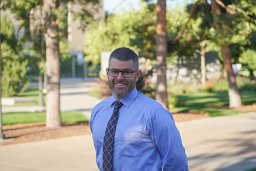 Michael L Pate合作论文数3
 Rose Judd-Murray合作论文数2
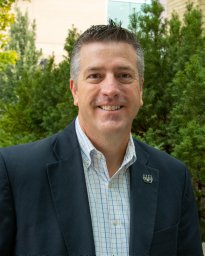 max longhurst合作论文数Utah State Univ2Monica D. Giffing合作论文数2
 Greg Thompson合作论文数Fielding Graduate University Santa Barbara2lee cole合作论文数1Jolene Christensen合作论文数1Cassidy Dutton合作论文数1Teresa North合作论文数1Deric Despain合作论文数1Beth Jensen合作论文数1
 Natalie A. Williams合作论文数Weber State Univ1Xin Dai合作论文数Utah Agricultural Experiment Station, Utah State University1Gary S. Straquadine合作论文数1
 Daniel Coster合作论文数1
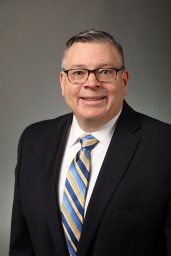 Kerry A. Rood合作论文数1




