BACKGROUNDNaive cells comprise 90% of the CD4+ T cell population in neonates and exhibit distinct age-specific capacities for proliferation and activation. We hypothesized that HIV-infected naive CD4+ T cell populations in children on long-term antiretroviral therapy (ART) would thus be distinct from infected memory cells.METHODSPeripheral blood naive and memory CD4+ T cells from 8 children with perinatal HIV on ART initiated at age 1.7-17 months were isolated by FACS. DNA was extracted from sorted cells, and HIV proviruses were counted, evaluated for intactness, and subjected to integration site analysis (ISA).RESULTSNaive CD4+ T cells containing HIV proviruses were detected in children with 95% statistical confidence. A median 4.7% of long terminal repeat-containing naive CD4+ T cells also contained HIV genetic elements consistent with intactness. Full-length proviral sequencing confirmed intactness of 1 provirus. In the participant with the greatest degree of naive cell infection, ISA revealed infected expanded cell clones in both naive and memory T cells, with no common HIV integration sites detected between subsets. Divergent integration site profiles reflected differential gene expression patterns of naive and memory T cells.CONCLUSIONThese results demonstrate that HIV persisted in both naive and memory CD4+ T cells that underwent clonal expansion and harbored intact proviruses, and suggest that infected memory T cell clones do not frequently arise from naive cell differentiation in children with perinatal HIV on long-term ART.FUNDINGCenter for Cancer Research, NCI; Office of AIDS Research; NCI FLEX; Children's and Emory Junior Faculty Focused Award.
Natural antisense transcripts (AST) are expressed in eukaryotes, prokaryotes, and viruses and can possess regulatory functions at the transcriptional and/or post-transcriptional levels. In vitro studies have shown that HIV-1 AST promote viral latency through epigenetic silencing of the proviral 5' long terminal repeat. However, expression of AST in vivo has not been convincingly demonstrated. Here, we used single RNA template amplification and sequencing to demonstrate expression of AST in unstimulated PBMC collected from people with HIV-1 (PWH). Our results show that expression levels of AST could be higher during ART compared with untreated individuals and that clones of infected cells persisting under ART continue to express HIV AST. This study is the first to verify HIV-1 AST expression in vivo with sequencing, documenting AST presence without cellular activation and suggest its natural occurrence in PWH. These findings advance our understanding of HIV-1 persistence and underscore the need for larger studies to determine if targeting AST in viral reservoirs could lead to new approaches for the design of strategies towards achieving HIV remission without ART.
Aneuploidy, a cancer hallmark, drives chromosomal instability, drug resistance, and clinically aggressive tumors. Cyclin-dependent kinase 2 (CDK2) antagonism with independent inhibitors or CDK2 knockdown triggered anaphase catastrophe. This disrupts supernumerary centrosome clustering, causing multipolar division and apoptosis. Time-lapse fluorescence microscopy of fluorescent ubiquitination-based cell cycle indicator (FUCCI) cell cycle probes transduced into aneuploid lung cancer cells revealed distinct fates of bipolar and polyploid cells after CDK2 inhibition. Apoptosis occurred in multipolar progeny but was repressed in persistent polyploid cancer cells. RNA-Seq analyses after CDK2 inhibition of 4N versus 2N lung cancer cells were enriched for CDK1 pathway and KIF family members. The Cancer Genome Atlas (TCGA) analysis of lung cancers indicated that CDK1 and KIF family member overexpression was associated with an unfavorable survival. Intravital microscopy of transplanted lung cancer cells in mice extended findings from the in vitro to in vivo settings. CDK2 inhibition of tumor-bearing mice produced polyploid cancer cells in vivo. These cancer cells were resistant to apoptosis and proliferated despite CDK2 inhibition. In contrast, polyploid populations were rarely detected in CDK2-inhibited human alveolar epithelial cells. These findings are translationally relevant. Combined targeting of CDK2 with CDK1 or kinesin family member antagonists should eliminate polyploid cancer cells, promote apoptosis, and augment antineoplastic effects.
RNA-DNA hybrids and R-loops can lead to extensive DNA damage and loss of genomic integrity if not regulated in a timely manner. Although RNase H1 overexpression is frequently used as a tool to resolve R-loops, the regulation of RNase H1, overexpressed or endogenous, remains poorly characterized. We reveal that in yeast, overexpressed RNase H1 (RNH1) has no effect on gene expression, cell growth, or RNA-DNA hybrid resolution in wild-type cells. Overexpressed RNase H1 does, however, remove RNA-DNA hybrids in mutants where hybrids have become dysregulated. Endogenous RNase H1 becomes up-regulated and chromatin-associated in the absence of Sen1 in a DNA replication checkpoint-dependent manner. Rnh1 gets recruited to genomic loci where RNA-DNA hybrids accumulate following the loss of Sen1. Rnh1, together with Sen1, promotes DNA replication at sites of transcription-replication conflict. Hence, RNase H1, overexpressed or endogenous, responds to unscheduled, stress-inducing RNA-DNA hybrids.
Telomere repeat-containing RNA (TERRA) is transcribed at telomeres and forms RNA-DNA hybrids. In budding yeast, the presence of RNA-DNA hybrids at short telomeres promotes homology-directed repair (HDR) and prevents accelerated replicative senescence. RNA-DNA hybrids at telomeres have also been demonstrated to prevent 5'end resection, an essential step for HDR. In accordance, we now demonstrate that, not only the presence, but also the removal, of RNA-DNA hybrids drives HDR at shortened telomeres during replicative senescence. Although RNase H2 is absent from short telomeres, it is quickly compensated for by the recruitment of RNase H1 and Sen1. The recruitment of RNase H1 is essential to allow for the loading of Rad51, consistent with the notion that RNA-DNA hybrids prevent Exo1-mediated end resection. In the absence of RNase H1 or Sen1 function, yeast cultures prematurely enter replicative senescence in the absence of telomerase. Furthermore, the delayed senescence phenotype observed when RNase H2 is deleted, depends on the presence of RNase H1 and Sen1. This study demonstrates the importance of transient RNA-DNA hybrids at short telomeres to regulate senescence.
Sequence-level data offers insights into biological processes through the interaction of two or more genomic features from the same or different molecular data types. Within motifs, this interaction is often explored via the co-occurrence of feature genomic tracks using fixed-segments or analytical tests that respectively require window size determination and risk of false positives from over-simplified models. Moreover, methods for robustly examining the co-localization of genomic features, and thereby understanding their spatial interaction, have been elusive. We present a new analytical method for examining feature interaction by introducing the notion of reciprocal co-occurrence, define statistics to estimate it and hypotheses to test for it. Our approach leverages conditional motif co-occurrence events between features to infer their co-localization. Using reverse conditional probabilities and introducing a novel simulation approach that retains motif properties (e.g. length, guanine-content), our method further accounts for potential confounders in testing. As a proof-of-concept, motif co-localization (MoCoLo) confirmed the co-occurrence of histone markers in a breast cancer cell line. As a novel analysis, MoCoLo identified significant co-localization of oxidative DNA damage within non-B DNA-forming regions that significantly differed between non-B DNA structures. Altogether, these findings demonstrate the potential utility of MoCoLo for testing spatial interactions between genomic features via their co-localization.
In the absence of antiretroviral therapy (ART), a subset of individuals, termed HIV controllers, have levels of plasma viremia that are orders of magnitude lower than non-controllers (NC) who are at higher risk for HIV disease progression. In addition to having fewer infected cells resulting in fewer cells with HIV RNA, it is possible that lower levels of plasma viremia in controllers are due to a lower fraction of the infected cells having HIV-1 unspliced RNA (HIV usRNA) compared with NC. To directly test this possibility, we used sensitive and quantitative single-cell sequencing methods to compare the fraction of infected cells that contain one or more copies of HIV usRNA in peripheral blood mononuclear cells (PBMC) obtained from controllers and NC. The fraction of infected cells containing HIV usRNA did not differ between the two groups. Rather, the levels of viremia were strongly associated with the total number of infected cells that had HIV usRNA, as reported by others, with controllers having 34-fold fewer infected cells per million PBMC. These results reveal that viremic control is not associated with a lower fraction of proviruses expressing HIV usRNA, unlike what is reported for elite controllers, but is only related to having fewer infected cells overall, maybe reflecting greater immune clearance of infected cells. Our findings show that proviral silencing is not a key mechanism for viremic control and will help to refine strategies toward achieving HIV remission without ART.
AbstractTranscription stress has been linked to DNA damage -driven aging, yet the underlying mechanism remains unclear. Here, we demonstrate that Tcea1−/− cells, which harbor a TFIIS defect in transcription elongation, exhibit RNAPII stalling at oxidative DNA damage sites, impaired transcription, accumulation of R-loops, telomere uncapping, chromatin bridges, and genome instability, ultimately resulting in cellular senescence. We found that R-loops at telomeres causally contribute to the release of telomeric DNA fragments in the cytoplasm of Tcea1−/− cells and primary cells derived from naturally aged animals triggering a viral-like immune response. TFIIS-defective cells release extracellular vesicles laden with telomeric DNA fragments that target neighboring cells, which consequently undergo cellular senescence. Thus, transcription stress elicits paracrine signals leading to cellular senescence, promoting aging.
Functional genomics with libraries of knockout alleles is limited to non-essential genes and convoluted by the potential accumulation of suppressor mutations in knockout backgrounds, which can lead to erroneous functional annotations. To address these limitations, we constructed genome-wide libraries of conditional alleles based on the auxin-inducible degron (AID) system for inducible degradation of AID-tagged proteins in the budding yeast Saccharomyces cerevisiae. First, we determined that N-terminal tagging is at least twice as likely to inadvertently impair protein function across the proteome. We thus constructed two libraries with over 5,600 essential and non-essential proteins fused at the C-terminus with an AID tag and an optional fluorescent protein. Approximately 90% of AID-tagged proteins were degraded in the presence of the auxin analog 5-Ph-IAA, with initial protein abundance and tag accessibility as limiting factors. Genome-wide screens for DNA damage response factors revealed a role for the glucose signaling factor GSF2 in resistance to hydroxyurea, highlighting how the AID libraries extend the yeast genetics toolbox.
SARS-CoV-2 vaccination-induced protection against infection is likely to be affected by functional antibody features. To understand the kinetics of antibody responses in healthy individuals after primary series and third vaccine doses, sera from the recipients of the two licensed SARS-CoV-2 mRNA vaccines were assessed for circulating anti-SARS-CoV-2 spike IgG levels and avidity for up to 6 months post-primary series and 9 months after the third dose. Following primary series vaccination, anti-SARS-CoV-2 spike IgG levels declined from months 1 to 6, while avidity increased through month 6, irrespective of the vaccine received. The third dose of either vaccine increased anti-SARS-CoV-2 spike IgG levels and avidity and appeared to enhance antibody level persistence—generating a slower rate of decline in the 3 months following the third dose compared to the decline seen after the primary series alone. The third dose of both vaccines induced significant avidity increases 1 month after vaccination compared to the avidity response 6 months post-primary series vaccination (p ≤ 0.001). A significant difference in avidity responses between the two vaccines was observed 6 months post-third dose, where the BNT162b2 recipients had higher antibody avidity levels compared to the mRNA-1273 recipients (p = 0.020).
BACKGROUND Robust physical mobility is the key to healthy independent aging. Although the association between socioeconomic status and health is well documented, it is unclear whether there is a relationship between mobility and income, because income data are not readily available. QUESTIONS/PURPOSES (1) Do individuals with better mobility have higher incomes? (2) Does maintaining mobility over time allow individuals to keep working? (3) Is exercise associated with higher mobility over time? METHODS We obtained longitudinal income and health data from the nationally representative Health and Retirement Study. Three cohorts were used. First, we studied the relationship between household income and mobility (on a 6-point index of walking impairment) in 19,430 adults who were assessed in 2016 (representing 93% of the 20,805-person total cohort). We measured the association of mobility and household income in a multivariate linear regression analysis of age, gender, health conditions, and education. We then identified a second group of 1094 individuals with unrestricted mobility in the year 2000 and compared differences in income and working rates between those who maintained mobility and those who lost mobility after 10 years. Finally, we identified a third group of 7063 individuals who were 60 to 80 years old in 2012, divided the group by how often they engaged in exercise, and observed differences in mobility after 4 years. RESULTS After adjusting for covariates, a drop of one level of mobility was associated with a USD 3410 reduction in annual household income (95% CI USD 2890 to USD 3920; p < 0.001). After 10 years, individuals who maintained their mobility had incomes that were USD 6500 higher than that of individuals who were not working (95% CI USD 2300 to USD 10,300; p < 0.001) and were more likely to be working (40% versus 34.5%; p < 0.001). Exercising at least once per week was associated with better mobility 4 years later (mobility score 4.46 ± 0.08 versus 3.66 ± 0.08; p < 0.001). CONCLUSION Better mobility was associated with more than USD 3000 in annual income. Regular exercise and other interventions that improve mobility may have meaningful returns on investment. CLINICAL RELEVANCE Because greater mobility is strongly associated with higher income, orthopaedic interventions may be undervalued.
Genome maintenance is orchestrated by a highly regulated DNA damage response with specific DNA repair pathways. Here, we investigate the phylogenetic diversity in the recognition and repair of three well-established DNA lesions, primarily repaired by base excision repair (BER) and ribonucleotide excision repair (RER): (1) 8-oxoguanine, (2) abasic site, and (3) incorporated ribonucleotide in DNA in 11 species: Escherichia coli, Bacillus subtilis, Halobacterium salinarum, Trypanosoma brucei, Tetrahymena thermophila, Saccharomyces cerevisiae, Schizosaccharomyces pombe, Caenorhabditis elegans, Homo sapiens, Arabidopsis thaliana, and Zea mays. Using quantitative mass spectrometry, we identified 337 binding proteins across these species. Of these proteins, 99 were previously characterized to be involved in DNA repair. Through orthology, network, and domain analysis, we linked 44 previously unconnected proteins to DNA repair. Our study presents a resource for future study of the crosstalk and evolutionary conservation of DNA damage repair across all domains of life.
Single ribonucleoside monophosphates (rNMPs) are transiently present in eukaryotic genomes. The RNase H2-dependent ribonucleotide excision repair (RER) pathway ensures error-free rNMP removal. In some pathological conditions, rNMP removal is impaired. If these rNMPs hydrolyze during, or prior to, S phase, toxic single-ended double-strand breaks (seDSBs) can occur upon an encounter with replication forks. How such rNMP-derived seDSB lesions are repaired is unclear. We expressed a cell cycle phase restricted allele of RNase H2 to nick at rNMPs in S phase and study their repair. Although Top1 is dispensable, the RAD52 epistasis group and Rtt101Mms1-Mms22 dependent ubiquitylation of histone H3 become essential for rNMP-derived lesion tolerance. Consistently, loss of Rtt101Mms1-Mms22 combined with RNase H2 dysfunction leads to compromised cellular fitness. We refer to this repair pathway as nick lesion repair (NLR). The NLR genetic network may have important implications in the context of human pathologies.
At critically short telomeres, stabilized TERRA RNA-DNA hybrids drive homology-directed repair (HDR) to delay replicative senescence. However, even at long- and intermediate-length telomeres, not subject to HDR, transient TERRA RNA-DNA hybrids form, suggestive of additional roles. We report that telomeric RNA-DNA hybrids prevent Exo1-mediated resection when telomeres become non-functional. We used the well-characterized cdc13-1 allele, where telomere resection can be induced in a temperature-dependent manner, to demonstrate that ssDNA generation at telomeres is either prevented or augmented when RNA-DNA hybrids are stabilized or destabilized, respectively. The viability of cdc13-1 cells is affected by the presence or absence of hybrids accordingly. Telomeric hybrids do not affect the shortening rate of bulk telomeres. We suggest that TERRA hybrids require dynamic regulation to drive HDR at short telomeres; hybrid presence may initiate HDR through replication stress, whereby their removal allows strand resection.
Although combination antiretroviral therapy (ART) blocks HIV replication, it is not curative because infected CD4+ T cells that carry intact, infectious proviruses persist. Understanding the behavior of clones of infected T cells is important for understanding the stability of the reservoir; however, the stabilities of clones of infected T cells in persons on long-term ART are not well defined. We determined the relative stabilities of clones of infected and uninfected CD4+ T cells over time intervals of one to four years in three individuals who had been on ART for 9–19 years. The largest clones of uninfected T cells were larger than the largest clones of infected T cells. Clones of infected CD4+ T cells were more stable than clones of uninfected CD4+ T cells of a similar size. Individual clones of CD4+ T cells carrying intact, infectious proviruses can expand, contract, or remain stable over time.
Telomere shortening rates inversely correlate with life expectancy and hence it is critical to understand how telomere shortening is regulated. Recently, the telomeric non-coding RNA, TERRA has been implicated in the regulation of replicative senescence. To better understand how TERRA is regulated we employed a proteomics approach to look for potential RNA regulators that associate with telomeric sequences. Based on the results, we have identified proteins that may regulate TERRA in both a positive and negative manner, depending on the state of the telomere. In this mini-review, we discuss and speculate about these data to expand our understanding of TERRA and telomere interactors with respect to telomere shortening dynamics.
C/EBPβ is a potent regulator of RAS-induced senescence (RIS) and the SASP. C/EBPβ is post- translationally activated in RIS cells by the effector kinases ERK1/2 and CK2, but in tumor cells activation is suppressed by the CEBPB 3’UTR. 3′UTR regulation of protein activity (UPA) requires a G/U-rich element (GRE) and its cognate binding protein, HuR. These components segregate CEBPB transcripts away from a perinuclear compartment harboring ERK1/2 and CK2, restricting C/EBPβ from its activating kinases. We report here that the mRNA decay proteins UPF1 and Staufen1/2 are essential UPA factors enriched within the perinuclear cytoplasm. STAU1/2 colocalize with CK2 on perinuclear signaling endosomes where they promote localized CEBPB mRNA decay. UPF1 or STAU1/2 depletion in tumor cells increased CEBPB transcripts adjacent to CK2 foci, coinciding with C/EBPβ activation and senescence. The GRE and an adjacent STAU binding site act to suppress C/EBPβ-mediated senescence, while a separate 3’UTR region inhibits SASP induction. Accordingly, KrasG12D-driven lung tumors in mice carrying a Cebpb GRE deletion rarely progressed to malignant adenocarcinomas. Our findings identify kinase-proximal mRNA decay as a novel mechanism to inhibit C/EBPβ activating modifications in tumor cells to facilitate senescence bypass.
Ultraviolet light causes DNA lesions that are removed by nucleotide excision repair (NER). The efficiency of NER is conditional to transcription and chromatin structure. UV induced photoproducts are repaired faster in the gene transcribed strands than in the non-transcribed strands or in transcriptionally inactive regions of the genome. This specificity of NER is known as transcription-coupled repair (TCR). The discovery of pervasive non-coding RNA transcription (ncRNA) advocates for ubiquitous contribution of TCR to the repair of UV photoproducts, beyond the repair of active gene-transcribed strands. Chromatin rules transcription, and telomeres form a complex structure of proteins that silences nearby engineered ectopic genes. The essential protective function of telomeres also includes preventing unwanted repair of double-strand breaks. Thus, telomeres were thought to be transcriptionally inert, but more recently, ncRNA transcription was found to initiate in subtelomeric regions. On the other hand, induced DNA lesions like the UV photoproducts must be recognized and repaired also at the ends of chromosomes. In this study, repair of UV induced DNA lesions was analyzed in the subtelomeric regions of budding yeast. The T4-endonuclease V nicking-activity at cyclobutene pyrimidine dimer (CPD) sites was exploited to monitor CPD formation and repair. The presence of two photoproducts, CPDs and pyrimidine (6,4)-pyrimidones (6-4PPs), was verified by the effective and precise blockage of Taq DNA polymerase at these sites. The results indicate that UV photoproducts in silenced heterochromatin are slowly repaired, but that ncRNA transcription enhances NER throughout one subtelomeric element, called Y’, and in distinct short segments of the second, more conserved element, called X. Therefore, ncRNA-transcription dependent TCR assists global genome repair to remove CPDs and 6-4PPs from subtelomeric DNA.
Nucleotide metabolism fuels normal DNA replication and is also primarily targeted by the DNA replication checkpoint when replication stalls. To reveal a comprehensive interconnection between genome maintenance and metabolism, we analyzed the metabolomic changes upon replication stress in the budding yeast S. cerevisiae. We found that upon treatment of cells with hydroxyurea, glucose is rapidly diverted to the oxidative pentose phosphate pathway (PPP). This effect is mediated by the AMP-dependent kinase, SNF1, which phosphorylates the transcription factor Mig1, thereby relieving repression of the gene encoding the rate-limiting enzyme of the PPP. Surprisingly, NADPH produced by the PPP is required for efficient recruitment of replication protein A (RPA) to single-stranded DNA, providing the signal for the activation of the Mec1/ATR-Rad53/CHK1 checkpoint signaling kinase cascade. Thus, SNF1, best known as a central energy controller, determines a fast mode of replication checkpoint activation through a redox mechanism. These findings establish that SNF1 provides a hub with direct links to cellular metabolism, redox, and surveillance of DNA replication in eukaryotes.
 Jack R Collins合作论文数Molecular Research Institute20
 John W. Mellors合作论文数Department of Medicine, School of Medicine, University of Pittsburgh15
 Mary Kearney合作论文数15Ravichandran Sarangan合作论文数Advanced Biomedical Computing Center, SAIC-Frederick Inc.14
 John Coffin合作论文数School of Medicine, Tufts University;Graduate School of Biomedical Sciences, Tufts University13
 Xiaolin Wu合作论文数11Uma Mudunuri合作论文数11
 Josip Blonder合作论文数Frederick National Laboratory for Cancer Research, NCI-Frederick11DaRue Prieto合作论文数10Wei Shao合作论文数10Xiaoying Ye合作论文数10Robert M. Stephens合作论文数9
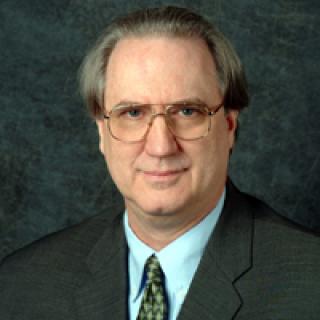 Stephen H. Hughes合作论文数Center for Cancer Research, National Cancer Institute9
 Matthias Peter合作论文数Department of Biology, Eidgenossische Technische Hochschule Zurich8Luke-Glaser Sarah合作论文数8Frank Maldarelli合作论文数8
 Albino Bacolla合作论文数Institute of Biosciences and Technology, The Texas A&M University System Health Science Center8Duncan E. Donohue合作论文数Krasnow Institute for Advanced Study, George Mason University8Michael J Bale合作论文数NCI7Ming Yi合作论文数7
 Joachim Lingner合作论文数Ecole Polytechnique Fédérale de Lausanne7Halvas Elias合作论文数7King C. Chan合作论文数7
 Donald J Johann Jr合作论文数7Martina Dees合作论文数6Marco Graf合作论文数Institute of Molecular Biology (IMB), Ackermannweg 4, Mainz 55128, Germany.6Michele D. Sobolewski合作论文数6Temiz Nuri A合作论文数Advanced Biomedical Computing Center, In Silico Research Centers of Excellence6Maicher André合作论文数6Spindler Jonathan E合作论文数6
 Timothy Veenstra合作论文数School of Pharmacy, Cedarville University6
 Regina Z. Cer合作论文数6Arianna Lockhart合作论文数5
 Shuang Guo合作论文数Frederick Natl Lab Canc Res, Leidos Biomed Res Inc5
 Vanessa Kellner合作论文数Department of Biology, New York University5
 Thomas Ried合作论文数Center for Cancer Research, National Cancer Institute, National Institutes of Health5
 Neil E. Caporaso合作论文数Division of Cancer Epidemiology & Genetics, National Cancer Institute, National Institutes of Health5
 Meredith Yeager合作论文数Department of Biology, Hood College;Cancer Genomics Research Laboratory, Division of Cancer Epidemiology and Genetics, National Cancer Institute5Ann Wiegand合作论文数5Natalia Volfovsky合作论文数5Falk Butter合作论文数Institute for Biochemistry;University of Leipzig;Institute for Biochemistry, University of Leipzig5Olga Vydzhak合作论文数4Tina Wagner合作论文数4Katharina Bender合作论文数4
 Karen Vasquez合作论文数Division of Pharmacology and Toxicology, College of Pharmacy, University of Texas at Austin4
 Julia Klermund合作论文数4
 Stephen J. Chanock合作论文数Division of Cancer Epidemiology & Genetics, National Cancer Institute, National Institutes of Health4
 Joseph Boland合作论文数4Haleem Issaq合作论文数4




