BACKGROUND AND OBJECTIVES Injured children and youth with special health care needs (CYSHCN) can present competing priorities for prehospital and hospital care. Clinicians must balance the potential impact of chronic conditions-such as attention-deficit/hyperactivity disorder, autism, diabetes, or depression-with concerns about acute injury treatment for CYSHCN. The objective of this study is to identify the organizational and macro-level challenges and opportunities that clinicians face when caring for injured CYSHCN in acute care settings.METHODS We conducted qualitative interviews (N = 36) with prehospital and hospital clinicians that serve the level 1 trauma centers in 1 metropolitan region in the Northeastern United States and treat patients aged younger than 19 years. The interviews were recorded, transcribed, and analyzed through rapid analysis to identify themes as well as suggestions for recommendations to improve care.RESULTS We identified 4 themes that corresponded with organization-level factors: multidisciplinary care coordination; staffing and skill alignment; protocols, policies, and practices in conflict with patient care; and competing organizational needs. Additionally, clinicians listed myriad inter-organizational, regulatory, and societal factors that varied based on the specific context.CONCLUSIONS Five recommendations are presented based on the identified themes, grounded in improving care quality for CYSHCN: developing protocols to enable coordination and follow-up across disciplines; ensuring that staff are trained to handle dual priorities; engaging trained staff and resources; reviewing organizational protocols, policies, and practices to better accommodate CYSHCN and their families; and galvanizing organizational buy-in for change. In a future study, we will engage family caregivers to inform these recommendations.
Reliable objective measures of a person's intoxication and impairment from alcohol consumption are not readily available to the public. Wearable biosensors have the potential to provide a ubiquitous on-demand tool to deliver this kind of objective assessment in real world settings. This study evaluated the feasibility of assessing ethanol intoxication in N=28 healthy participants in a police academy's intoxication lab using wrist-worn biosensors to continuously measure heart rate, skin temperature, electrodermal activity, and accelerometry. Participants consumed ad hoc standard alcoholic drinks in a controlled setting and had regular breath alcohol content assessments and underwent standard field sobriety testing. The analysis showed statistically significant changes in each physiologic parameter between the sober and intoxicated periods. An XGBoost model was applied to this data producing machine learning algorithms to identify impairment with an accuracy as high as 0.80. These results demonstrate that it is feasible to assess ethanol intoxication using wrist-worn biosensors.
OBJECTIVES:Determining a child's weight is a critical first step in administering the appropriate dose of a medication in an emergency. The National Emergency Medical Services Quality Alliance (NEMSQA) patient safety process measure, "Pediatrics-03b," calls for weight documentation in kilograms or length-based weight estimate for pediatric patients who receive weight-based medications in the prehospital setting. To date, no publication has identified compliance with this measure at a national level. The goal of this study was to describe weight documentation in pediatric 9-1-1 responses and factors associated with this quality measure. METHODS:Using the ImageTrend Collaborate 2024 national dataset, we analyzed 9-1-1 responses for pediatric patients (<18 years of age) who received medication by EMS clinicians consistent with the Pediatrics-03b definition denominator. Weight documentation was obtained from eExam01 and eExam02 National EMS Information System fields. Differences in weight documentation were assessed by patient demographics, unit, and scene characteristics. Furthermore, medication type and administration routes were examined. Statistical analyses included chi-square tests for comparison of proportions and population averaged univariable logit regression models for the binary outcome of weight documentation with clustering for state. RESULTS:Overall, 57,378 responses met inclusion criteria, and 41,963 (73.1%) had a documented weight. Weights were less likely to be documented in cases involving adolescent (age 13-17) patients (Odds Ratio [OR]: 0.87, 95% Confidence Interval [95% CI]: 0.75-0.99), patients described as Black (OR: 0.72, 95% CI: 0.61-0.85), or those with lower acuity (OR: 0.59, 95% CI: 0.50-0.71). Weights were more likely to be documented in cases managed by advanced life support units (OR: 2.02, 95% CI: 1.31-3.11) and in patients described as male (OR: 1.08, 95%: 1.03-1.14). CONCLUSIONS:Three quarters of 9-1-1 responses meeting the Pediatrics-03b case definition were compliant with the measure. Future studies should be focused on evaluating the case definition for the measure to determine how to best evaluate and improve care in this domain.Establishing a benchmark, evaluating that benchmark, and understanding barriers to optimal implementation are critical to improving prehospital care and documentation of pediatric patients by EMS clinicians.
Background Prehospital intubation is a high risk, low frequency skill. Manikin intubations, the most common means of evaluating providers’ competency, may be insufficient to predict procedural success. Objective The objective of this pilot study was to explore whether physiological measures, including gaze behavior, pupil response, and cortical activation, differed between groups of pre-hospital emergency medical services (EMS) providers during simulated endotracheal intubation. Methods Fifteen certified paramedics (expert clinicians) and fifteen Advanced Emergency Medical Technicians (intermediate clinicians) participated in this pilot study. Each participant performed three intubations on a standard airway manikin. During the intubations, pupillometry and gaze data were collected using eye tracking glasses and brain activation using functional near infrared spectroscopy (fNIRS). Groups were compared based on the eye tracking and neuroimaging metrics. Results Twenty-seven out of 30 participants successfully intubated the manikin across all repetitions, and expert clinicians finished the task on average 11.6s faster than intermediate clinicians. Experts spent less task time in gaze fixation (39.8 % vs. 55.2 %, p = 0.03). Peaks in pupil diameter during the task most often occurred during the sub-task of inserting the tube in the trachea (76% of the time). Neuroimaging results revealed significant group-level differences in the left supramarginal gyrus. Conclusion This study explored physiological responses during simulated intubation by pre-hospital emergency medicine providers. While some group-level differences were observed in gaze behavior and brain activation, these findings were not sufficient to differentiate expertise. Further research is needed to better understand how physiological responses may reflect task demands in clinical settings.
OBJECTIVES:Tourniquet (TQ) application is a critical self-care skill for law enforcement. Current training paradigms predominantly occur under controlled, simulated conditions. However, the impact of acute physiological stressors on the ability to self-apply a TQ remains poorly understood. This pilot study employed a lower-body negative pressure model to simulate hemorrhagic shock and investigate the effects on TQ self-application efficacy. METHODS:Twelve (n = 12) law enforcement officers with prior formal training in TQ self-application participated in this study. After donning tactical body armor, each participant entered a lower-body negative pressure (LBNP) tube and was tested under two conditions: an experimental (EXP) condition, where 80-100 mmHg of negative pressure was applied to induce central hypotension and simulated hypovolemia, and a control (CON) condition with no LBNP. Participants were instructed to self-apply a Combat Application Tourniquet to their non-dominant upper extremity in each condition. Successful application was confirmed via manual palpation, Doppler ultrasonography, and visual inspection. The absence of radial artery flow was the primary success criterion. RESULTS:All 12 participants completed the study protocol. Mean age and BMI were 39 years (SD 6) and 28.7 kg/m2 (SD 4.9), respectively. Mean systolic blood pressure in the EXP condition was 101 mmHg (SD 19.8) at the beginning of TQ application. Application of TQ was successful in 10 of 12 participants in CON and 8 of 12 participants in the EXP condition, but times did not differ (p = 0.3). Failures in both conditions were attributed to insufficient TQ tightening despite anatomically correct placement. One participant experienced syncope in the EXP condition before completing the TQ application, and another reported pre-syncopal symptoms. CONCLUSIONS:These preliminary findings suggest that simulated hemorrhagic shock impairs TQ self-application performance. These results highlight the need for further investigation into the interplay between physiological stress and procedural efficacy. Future work should inform training protocols and policy development aimed at enhancing survivability through optimized self-care in austere operational settings.
OBJECTIVES:Social determinants of health (SDOH) are the non-medical factors that affect people's health and quality of life. Emergency medical services (EMS) clinicians are in a unique position to recognize and respond to SDOH through their presence and responses in the communities they serve. The objective of this study was to generally explore the existing body of literature of SDOH within the context of EMS. METHODS:The Preferred Reporting Items for Systematic Reviews and Meta-Analyses extension for Scoping Reviews guided the analysis of peer-reviewed literature from PubMed, CINAHL, and Web of Science databases published between January 1960 and June 2024. Using Covidence software, titles and abstracts then, separately, full texts, were reviewed by two distinct researchers to include studies published in English that referenced SDOH and EMS. We later excluded articles that were published before 2010, when the SDOH term was made more popular by its inclusion in the Healthy People 2020 project. Reviewers then performed data extraction for qualitative analysis using a grounded theory approach. RESULTS:Of the 1,503 records imported from the databases (PubMed n = 779, Web of Science n = 687, CINAHL n = 37), 1,164 unique manuscripts were screened, and 62 full texts were assessed for eligibility. Forty-two articles met inclusion criteria; 39 were EMS patient-centric and three were illustrative of EMS clinicians' SDOH, thus excluded from this analysis. Patient-related impact levels included individual characteristics, community characteristics, EMS clinicians' recognition of and response to SDOH, healthcare system factors, and social and cultural considerations. Articles were on the topic areas of medical conditions, EMS practice, trauma, pediatrics, and mental health. More than half (n = 24) of the manuscripts were from studies conducted in North America and a majority (n = 32) of the papers were published since 2020. CONCLUSIONS:Research in SDOH and their association with EMS is rapidly growing. A deeper understanding of how the EMS system and EMS clinicians affect, recognize, and manage patients' SDOH insecurities can improve efforts toward health equity and improve patients' health outcomes.
BACKGROUND:Endotracheal intubation (ETI) is an emergency procedure performed in civilians and combat casualty care settings to establish an airway. It's crucial that healthcare personnel are proficient in these skills, which traditionally have been evaluated through direct feedback from experts. Unfortunately, this method can be inconsistent and subjective, requiring considerable time and resources. METHODS:This study introduces a system for assessing ETI skills using video analysis. The system employs advanced video processing techniques, including a 2D convolutional autoencoder (AE) based on a self-supervision model, capable of recognizing complex patterns in videos. A 1D convolutional model enhanced with a cross-view attention module then uses AE features to make assessments. Data for the study was gathered in two phases, focusing first on comparisons between experts and novices, and then examining how novices perform under time constraints with outcomes labeled as either successful or unsuccessful. A separate set of data using videos from head-mounted cameras was also analyzed. RESULTS:The system successfully distinguishes between experts and novices in initial trials and demonstrates high accuracy in further classifications, including under time pressure and using head-mounted camera footage. CONCLUSIONS:This system's ability to accurately differentiate between experts and novices instills confidence in its effectiveness and potential to improve training and certification processes for healthcare providers.
Objective Children and youth with special health care needs (CYSHCN) are those who have one or more chronic conditions necessitating medical, educational, and/or social services use. Of the 15 million CYSHCN, a quarter report accessing emergency care annually, some of whom have physical injuries. This study examines the perspectives, challenges, and opportunities identified by prehospital and hospital clinicians delivering injury care to CYSHCN. Methods Qualitative interviews were conducted with 23 hospital and 13 prehospital clinicians in one geographic region. All interviews were recorded and transcribed; interviews were analyzed using multiple coders and rapid analysis procedures to identify themes. Results One intrapersonal theme pertaining to clinicians’ prior experiences and 6 interpersonal themes capture the factors characterized by the participating Emergency Medical Services and hospital-level clinicians. Identified interpersonal themes include 1) how prior experiences of injured CYSHCN shape future encounters with emergency care, 2) communication challenges specific to CYSHCN, 3) parental expertise and guidance during care, 4) emotional support, 5) trust building, and 6) the need to balance accommodations pertaining to the child’s special health care need in the emergent care context. Conclusions In prehospital and hospital settings, injured CYSHCN may need care for both their physical injury and their special health care need. Prehospital and hospital clinicians, who likely have not previously provided care for the child, are mindful of the opportunities and challenges this situation presents. These results inform an understanding of how clinicians approach care of injured CYSHCN in the emergency setting and indicate opportunities for future exploration, such as how to effectively leverage family strengths in this context.
Standby divers must be fully dressed in the appropriate ensemble during military and commercial diving operations. These garments are often fully encapsulating and may result in heat stress and hypohydration when worn in warm environments. We examined the physiologic responses to heat in subjects wearing a Viking HD drysuit during 1 hour of exposure to dry-bulb temperatures of 33°C, 36°C, 39°C, and 42°C. Euhydrated subjects donned a heavy rubber drysuit and chemical protective gloves over a lightweight base layer. The drysuit was appropriate for contaminated water diving with integrated boots and neck dam. Heart rate (HR), core (Tc), and skin (Tsk) temperatures were monitored. Eight subjects (4 males) aged 27 ± 5 y completed all study conditions. HR and Tc increased over time (p < 0.001). Seated HR peaked at 138 ± 17 bpm in the 42°C and at 114 ± 13 bpm in the 39°C condition. Peak Tc was 37.0 ± 0.2, 37.1 ± 0.2, 37.4 ± 0.3, and 37.9 ± 0.5°C in the 33°C, 36°C, 39°C, and 42°C conditions, respectively, and differed between all conditions (p < 0.001) except 33°C and 36°C (p = 0.60). Sweat rates progressively increased in the warmer conditions and corresponded with a -0.20 ± 0.10, -0.40 ± 0.19, -0.69 ± 0.46, and -0.99 ± 0.55% change in body mass. Even in the absence of radiant heating, significant hypohydration and heat stress occurs in standby divers after 30 min of exposure to 42°C and after 40 min at 39°C. Awareness of the conditions and rotation of standby divers could increase mission safety in these hot environments.
BACKGROUND:Seizures are one of the most common reasons for emergency medical services (EMS) activation for children, and current EMS practice results in underdosing and delayed delivery of anti-seizure medication. A prehospital evidence-based guideline recommends using intranasal or intramuscular midazolam as first-line treatment for pediatric seizures. Despite attempts to implement these guidelines, one-third of children having a paramedic-witnessed seizure have ongoing seizures on emergency department (ED) arrival; this may be due to inadequate or delayed midazolam dosing. Replacing the error-prone, sequential calculations with age-based midazolam dosing may be simpler, faster, and more effective without compromising safety. The objective of this manuscript is to describe the methodology of the Pediatric Dose Optimization for Seizures in EMS (PediDOSE) study, a clinical trial designed to compare the effectiveness and safety of an EMS protocol with four age-based categories for midazolam dosing relative to the current weight-based dosing. METHODS:We are conducting a large EMS-based stepped wedge trial in the Pediatric Emergency Care Applied Research Network (PECARN) by implementing midazolam dosing based on four age categories in seizure protocols in EMS systems in 20 cities. We believe that this implementation will stop more seizures before ED arrival without increasing respiratory failure rates. The primary aim of this study is to compare the effectiveness of age-based EMS midazolam dosing compared to the current weight-based dosing on seizure cessation upon ED arrival. The secondary aim is to determine the frequency of respiratory failure in children after the implementation of EMS midazolam dosing based on these age categories. CONCLUSION:If this study demonstrates that an EMS patient care protocol with age-based midazolam dosing is safe and more effective than current practice, the potential impact of this study is a paradigm shift in the treatment of pediatric seizures that can be easily implemented in EMS systems across the country. Beyond seizures, the concept of age-based dosing may also be applicable to other commonly encountered pediatric prehospital conditions for which medication may be indicated.
The opioid epidemic continues to pose a significant threat to public health. Naloxone, a potent opioid antagonist, has proven to be a crucial tool in reversing opioid overdoses. Efforts to increase access to overdose reversal agents, initially given by injection in hospitals and emergency environments, resulted in the development of intranasal (IN) forms of naloxone, and more recently, nalmefene. This rapid review examines the currently available IN overdose reversal agents in the United States, focusing on their dosing, efficacy, and prescription status.We conducted a comprehensive search of the FDA Electronic Drug and Listing System (eDRLS) to identify all approved naloxone and nalmefene formulations in 2024. The search yielded nine available overdose reversal agents, including generic formulations of naloxone available over the counter and accessible to the public. Additionally, newer agents, such as nalmefene, offer longer-acting effects and may provide additional benefits in certain overdose scenarios.As the opioid crisis evolves, it is essential to stay informed about the latest advancements in formulations of reversal agents. By understanding the characteristics and availability status of available agents, health care providers, public health officials, and individuals can make informed decisions about the most appropriate overdose treatment strategies.
INTRODUCTION:Thermal protective clothing (TPC) protects firefighters from physical threats associated with structural firefighting. However, it also limits the release of body heat generated, which can result in hyperthermia and dehydration. Despite the prevalence of winter structure fires in the United States, there is a paucity of cold-weather firefighting research. STUDY OBJECTIVE:This study documented physiological responses to moderate-intensity exercise in a cold environment while wearing TPC with the hypothesis that while exercising in firefighting TPC, a cold environment would maintain normal core body temperature and decrease extremity temperature compared to a thermal neutral environment. METHODS:Fourteen firefighters (two females; 30.9 [SD = 8.1] years) participated in both a thermal neutral (20°C) and cold (-8°C) condition simulation. Each subject was outfitted with a heart rate (HR) monitor, eight surface temperature sensors, and a core temperature (Tc) capsule prior to donning TPC. For each condition, subjects walked on a treadmill in an environmental chamber to simulate the common firefighting work intervals of two 20-minute sessions, with a short rest in between, followed by a 20-minute rehabilitation period. Body temperatures, HR, respiratory rate (RR), rate of perceived exertion (RPE), and thermal sensation, comfort, and preference were recorded during exercise and recovery. RESULTS:Core temperature, HR, RR, and RPE increased during exercise in both conditions. Mean skin temperature (MST) rose during the thermal neutral condition but not during the cold condition. Overall, Tc (0.3 [SD = 0.4]°C; P = .0142), HR (26.3 [SD = 8.36] BPM), RR (3.56 [SD = 5.6] BPM), RPE (2.0 [SD = 1.9]), and MST (3.4 [SD = 1.2]°C) were all higher at the end of the neutral condition compared to the cold condition. During recovery, most measures returned to baseline after approximately five-to-20 minutes in both conditions, but they recovered more slowly in the thermal neutral condition. CONCLUSION:Moderate-intensity exercise in TPC increased physiological and perceptual measures more in a thermal neutral environment than a cold environment. Recovery was faster following the cold condition. This may allow firefighters to work for longer durations or recover faster, possibly allowing for fewer crews on scene. However, this study did not account for the risk of other cold induced conditions due to prolonged exposure, such as frostbite. Further investigations should be conducted on cold weather firefighting and its impact on firefighters to establish guidelines and standard operating procedures.
Introduction: Deimplementation is the process through which an existing practice, procedure, or protocol is discontinued. Past deimplementation efforts in emergency medical services (EMS), such as reduction of liberal oxygen administration, backboard use, and lights and sirens responses, have been slow in rates of change and had varying levels of adoption. Our objective in this study was to analyze the deimplementation of albuterol administration in the beginning of the 2019 novel coronavirus (COVID-19) pandemic for the adoption of deimplementation guidelines, rate of change, and factors leading to this change in EMS practice. Methods: Using the 2020 National Emergency Medical Services Information System (NEMSIS) dataset, we analyzed the change in EMS calls with albuterol administration following the US Centers for Disease Control and Prevention (CDC) advisory recommending limiting aerosol-generating procedures in response to the COVID-19 pandemic. Results: The 2020 NEMSIS dataset included 43,488,767 total records, and 449,290 (1.0%) records included at least one albuterol administration. Calls with albuterol administration dropped 61.7% in a near-linear fashion in the six weeks following the publication of the CDC’s guidance (from March 8–April 18, 10,426 absolute reduction; from 16,891 to 6,465, in average calls per week with albuterol administration). In the period before the guidance, there were on average 16,891 calls with albuterol administration of 640,597 (2.6%) calls per week. In the period after the guidance, there were, on average, 6,465 calls with albuterol administration of 601,943 (1.1%) calls per week. Therefore, while total EMS calls declined by 6% during the transition period, the proportion of albuterol calls within this decline went down by 1.5% (2.6% to 1.1%), reflecting rapid deimplementation. Conclusion: Deimplementation of albuterol administration in the beginning of the COVID-19 pandemic was significant in its rate and success in adherence to guidelines when compared to other changes in EMS policies, procedures, and protocols. A better understanding of deimplementation can guide future EMS efforts to phase out ineffective practices while minimizing disruption to care.
Background Prior studies have demonstrated a correlation between in-training exam performance and success on the certifying exam in various medical specialties. It is unknown if a relationship exists between performance on the Emergency Medical Services (EMS) In-Training Exam (EMSITE) and success on the EMS Certifying Exam (EMSCE); consequently, EMSITE score reports include percentile rankings to compare performance against other fellows, but do not offer a criterion score or prediction of success on the EMSCE. The goal of this study was to examine if an association exists between EMSITE score and success on the EMSCE.Methods This was a retrospective data review, linking data from EMSITE records and EMSCE records. Performances on the 2020 and 2021 EMSITE were compared to the 2021 EMSCE results. Fellows who took the EMSITE but did not take the EMSCE were excluded. EMSITE performance was examined based on overall score and for each of the four content areas. EMSCE results were dichotomized as "pass" or "fail." Odds ratios were obtained using an unadjusted univariate logistic regression and reported with 95% confidence intervals.Results During the 2019-2020 and 2020-2021 academic years, 161 fellows took the EMSITE. This includes 132 (82.0%) who took the EMSCE in 2021. Among those who took the EMSCE, 117 (88.6%) passed. There was an association between the overall EMSITE score and passing the EMSCE (OR 1.17, 95% CI: 1.05-1.30). This association was demonstrated in the content areas of Medical Oversight of EMS (OR 1.14, 95% CI 1.05-1.23) and Quality Management and Research (OR 1.06, 95% CI 1.01-1.10). This association was not significant in the content areas of Clinical Aspects of EMS Medicine (OR 1.09, 95% CI 1.00-1.20) and Special Operations (OR 1.02, 95% CI 0.96-1.09).Conclusion These data demonstrate an association between performance on the EMSITE and success on the EMSCE.
INTRODUCTION:Acute mountain sickness (AMS) is a common condition in individuals ascending rapidly to high altitudes and often presents with headaches, fatigue, and gastrointestinal symptoms. AMS is prevalent above 13,000 ft (4000 m), but some individuals experience it at lower elevations. This pilot study assessed the prevalence and timing of AMS symptoms in unacclimatized individuals exposed to 16,000 ft (4900 m) in a controlled hypobaric environment. METHODS:A total of 10 healthy, unacclimatized men and women were exposed to an altitude of 16,000 ft (4900 m) for 5 h. Physiological parameters, including heart rate (HR), oxygen saturation (Spo2), and respiratory rate (RR), were recorded alongside AMS symptom severity using the 2018 Lake Louise Questionnaire (LLQ) and divided into low, moderate, and high responders based on severity. RESULTS:All subjects experienced some degree of AMS symptoms, with LLQ scores increasing over time. Two subjects could not complete the full exposure due to moderate and severe symptoms. HR increased (Δ = 7.0 ± 0.6), while Spo2 remained stable but lower than baseline (Δ = 9 ± 4.2). LLQ score increases were strongly correlated with HR, Spo2, and RR. RR remained stable across subjects but varied between AMS severity groups. DISCUSSION:This pilot study demonstrated that unacclimatized individuals rapidly exposed to 13,000 ft (4900 m) develop AMS symptoms in a controlled environment. The correlation between LLQ scores and physiological changes offers insight into AMS pathophysiology, supporting the need for further research into AMS susceptibility and genetic factors. Murphey JT, Hess HW, Schwob J, Monaco BA, Clemency BM, Hostler D. Acute mountain sickness symptoms after rapid ascent to 4900 m. Aerosp Med Hum Perform. 2025; 96(11):958-963.
Drug test strips can be used to check for the presence of contaminants, such as fentanyl and xylazine in a person’s drug supply. In 2022, New York State began a media campaign and free drug test strip distribution effort throughout the state to raise awareness of adulterated drugs, help people who use drugs make safer choices, and ultimately prevent overdoses. Utilizing the RE-AIM Framework, the objective of this study was to conduct a process evaluation of the implementation of this project and discuss lessons learned to help inform future distribution and media campaigns. The study team utilized operational, public health, and census data to identify specific trends to inform metrics for each construct of RE-AIM. A retrospective analysis was conducted using 22 months of operational data including logistical data and marketing information. The demand for test strips increased in association with the release of campaigns. The most populous counties in the State were not always associated with the highest concentration of demand. A correlation analysis between county overdose death rates and county orders for test strips indicated a weak positive association (r = 0.0014) which was statistically significant (p =.05). By the end of the 22-month analysis, all counties in the State had adopted the intervention and based on this success the program is now expanding to other methods of dispensation to reach more vulnerable populations. Mass media campaigns with free product distribution can be effective public health promotion strategies, particularly in acute circumstances. Our evaluation demonstrates an implementation experience for public health practitioners considering similar efforts.
CONTEXT:Efforts in the United States to address the opioid epidemic often include harm reduction approaches. Harm reduction vending machines (HRVMs) are a newer model for distributing harm reduction supplies in the United States, although they have been more widely used for decades in Europe. OBJECTIVE:The goal of the current study is to describe the programmatic details and implementation process for a potentially unique HRVM rollout in New York State (NYS), where HRVM implementation was facilitated by a centralized state program (MATTERS). We also describe evaluation data on the experiences of the agencies that agreed to host a machine through the program, to identify the pros and cons of the model and lessons learned for others considering this approach. DESIGN:Program description and qualitative program evaluation using interviews. SETTING AND PARTICIPANTS:Fourteen representatives from 12 organizations, collectively hosting 15 vending machines across NYS. MAIN OUTCOME:Description of the program structure and process, and identification of themes emerging from the qualitative interviews around the model. A rapid analysis approach was used to identify themes from the data. RESULTS:Findings revealed: 1) perceptions of how HRVMs fit into overall harm reduction activities; 2) pros (eg, privacy and 24/7 availability) and cons (eg, identifying partners and technological challenges); and 3) lessons learned (eg, thoughtful planning and engagement are critical) that can help inform other organizations considering taking on an HRVM and other entities considering regional or statewide rollout of HRVMs. CONCLUSIONS:Organizations perceived HRVMs as valuable additions to their harm reduction activities and saw few challenges associated with hosting a machine. The centralized rollout process facilitated the ability of individual organizations to implement a machine. Future studies are needed to fully understand the cost-benefit of HRVMs, as well as the impact of HRVMs on key substance use and overdose outcomes.
OBJECTIVES:Emergency medical services (EMS) personnel, including EMS physicians, should reflect the diversity of the patient populations they serve to ensure equitable healthcare outcomes. The historical predominance of White male EMS medical directors may contribute to disparities in patient care. Recruiting and training a diverse cadre of EMS fellows is a key step toward fostering equity in EMS leadership and improving outcomes for diverse communities. This study examines demographic trends among EMS fellows and explores their implications for advancing equity in EMS care delivery. METHODS:Publicly available data were extracted from the Accreditation Council for Graduate Medical Education (ACGME) Data Resource Books for the academic years 2012-2013 through 2022-2023. Data regarding residents' and fellows' self-identified gender and race/ethnicity were analyzed for EMS fellowships, emergency medicine (EM) residencies, and all residencies/fellowships. The investigation utilized chi-square tests to analyze associations between categorical variables, such as gender and race, and the Cochran-Armitage Trend Test to evaluate trends in proportions across years. RESULTS:Data for 680 EMS fellows during the 11-year period were reviewed. Overall, 66% (range 55-78%) of EMS fellows were male and 34% (range 22-45%) were female. There was a smaller proportion of female EMS fellows than female EM residents (37%), female toxicology fellows (39%), female pediatric emergency medicine (PEM) fellows (65%), and female residents overall (45%). The majority of EMS fellows identified as White (75%, range 69-100%). The next most commonly reported race/ethnicity by EMS fellows was Asian (8%, range 0-13%). There was a larger proportion of White EMS fellows than White toxicology fellows (68%), White EM residents (60%), White PEM fellows (49%), and White residents overall (45%). There were no significant trends in gender or race/ethnicity of EMS fellows over time. CONCLUSIONS:Over the first 11 years since fellowship accreditation, one third of EMS fellows were female and more than three quarters of EMS fellows were White. EMS leaders, including fellowship directors, should strengthen the recruitment of women and underrepresented racial and ethnic minority groups in EMS medical direction.
Background Conflicting guidance exists regarding the characterization of nebulization as an aerosol-generating procedure and subsequent risk of transmission of SARS-CoV-2 to healthcare workers. Aim/Objective This study sought to address whether SARS-CoV-2 viral load distribution was impacted by bronchodilator delivery via nebulizer versus metered-dose inhaler (MDI). Methods Adults infected with COVID-19 were enrolled and received a single dose of albuterol sulfate nebulized solution (2.5 mg/3 mL via breath-actuated nebulizer with filtered mouthpiece) or albuterol sulfate hydrofluoroalkane inhalation aerosol (90 µg/actuation; two puffs via MDI with spacer) in a randomized crossover sequence. Air and surfaces were sampled at predefined locations within patients’ hospital rooms to assess SARS-CoV-2 dispersion over three periods (baseline, MDI, and nebulizer). Findings/Results Eleven patients received crossover therapy. Six patients had detectable SARS-CoV-2 RNA during one treatment period ( n = 3 each for MDI and nebulizer) and one during both treatment periods. No viral RNA was found in the rooms of four (36.4%) patients. Overall, few environmental samples (17/397; 4.3%) contained detectable viral RNA, with no meaningful differences in positivity rate across periods; RNA genome copy numbers were low in positive samples. No correlation between dispersion and patient clinical status or environmental parameters was observed. Discussion In this first prospective trial evaluating viral load distribution following use of nebulizer versus MDI in hospitalized patients with COVID-19, low environmental contamination was found regardless of administration method. Findings support the use of either device when needed to treat patients with COVID-19.
IntroductionEmergency medical services (EMS) facilitated telemedicine encounters have been proposed as a strategy to reduce transports to hospitals for patients who access the 9-1-1 system. It is unclear which patient impressions are most likely able to be treated in place. It is also unknown if the increased time spent facilitating the telemedicine encounter is offset by the time saved from reducing the need for transport. The objective of this study was to determine the association between the impressions of EMS clinicians of the patients' primary problems and transport avoidance, and to describe the effects of telemedicine encounters on prehospital intervals.MethodsThis was a retrospective review of EMS records from two commercial EMS agencies in New York and Tennessee. For each EMS call where a telemedicine encounter occurred, a matched pair was identified. Clinicians' impressions were mapped to the corresponding category in the International Classification of Primary Care, 2nd edition (ICPC-2). Incidence and rates of transport avoidance for each category were determined. Prehospital interval was calculated as the difference between the time of ambulance dispatch and back-in-service time.ResultsOf the 463 prehospital telemedicine evaluations performed from March 2021 to April 2022, 312 (67%) avoided transports to the hospital. Respiratory calls were most likely to result in transport avoidance (p = 0.018); no other categories had statistically significant transport rates. Four hundred sixty-one (99.6%) had matched pairs identified and were included in the analysis. When compared to the matched pair, telemedicine without transport was associated with a prehospital interval reduction in 68% of the cases with a median reduction of 16 min; this is significantly higher than telemedicine with transport when compared to the matched pair with a median interval increase in 27 min. Regardless of transport status, the prehospital interval was a median of 4 min shorter for telemedicine encounters than non-telemedicine encounters (p = 0.08).ConclusionIn this study, most telemedicine evaluations resulted in ED transport avoidance, particularly for respiratory issues. Telemedicine interventions were associated with a median four-minute decrease in prehospital interval per call. Future research should investigate the long-term effects of telemedicine on patient outcomes.
 David Hostler合作论文数Department of Exercise and Nutrition Sciences, School of Public Health and Health Professions, University at Buffalo30
 Lindstrom Heather A合作论文数25
 Deborah P. Waldrop合作论文数Sch Social Work, SUNY Buffalo17Susan J Burnett合作论文数13
 Zachary Schlader合作论文数Department of Kinesiology, School of Public Health - Bloomington, Indiana University11Johanna Innes合作论文数10Renoj Varughese合作论文数10
 Blair T. Johnson合作论文数Department of Psychological Sciences, College of Liberal Arts and Sciences, University of Connecticut10
 Joshua Lynch合作论文数9
 Erika St. James合作论文数9
 Jacqueline M McGinley合作论文数Dept Social Work, Binghamton Univ9
 Hayden W Hess合作论文数Indiana University9Jocelyn Stooks合作论文数8Courtney E Wheelock合作论文数7
 Kaori Tanaka合作论文数Dept Otolaryngol, Ehime Univ6Christopher T Tanski合作论文数5Jacqueline Schwob合作论文数5
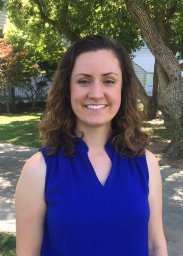 Pryor Riana R合作论文数Ctr Res & Educ Special Environm, SUNY Buffalo5May Paul R合作论文数5Carroll M. Harmon合作论文数Division of Pediatric Surgery, University of Alabama at Birmingham5Michael Waldrop合作论文数4Lindsey Russo合作论文数4
 Derek Cooney合作论文数4Vest Bonnie M合作论文数4
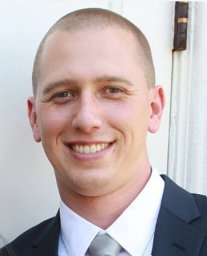 Kyle J Kelleran合作论文数Department of Human Movement Sciences, Old Dominion University4Kathryn D Bass合作论文数4
 Penelope Chun Lema合作论文数Department of Emergency Medicine, New York Hospital Queens4Radu Filipescu合作论文数3Joseph D Consiglio合作论文数3Colin Powers合作论文数3
 Jeffrey Thompson合作论文数3Remle P Crowe合作论文数3Howard Lin合作论文数3Han Yu合作论文数3
 David Rothstein合作论文数3
 Cordes Colleen Clemency合作论文数3
 Christian Martin-Gill合作论文数3Panchal Ashish R合作论文数Arizona Emergency Medicine Research Center, University of Arizona3
 Cavuoto Lora A合作论文数Department of Industrial and Systems Engineering, University at Buffalo3
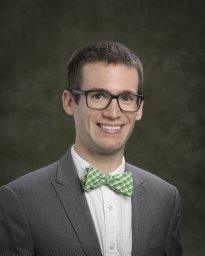 William Eggleston合作论文数Upstate New York Poison Center, SUNY Upstate Medical University3Matthew Hackett合作论文数Army Research Laboratory - HRED / STTC.3
 Changxing Ma合作论文数3
 Michael Dailey合作论文数3Daniel J Kruger合作论文数Institute for Social Research, University of Michigan3
 Kenneth E Leonard合作论文数Department of Psychiatry, Jacobs School of Medicine and Biomedical Sciences, University at Buffalo, The State University of New York;Clinical and Research Institute on Addictions, University at Buffalo, The State University of New York;Faculty of Arts and Letters, University at Buffalo, The State University of New York3
 Jihnhee Yu合作论文数3Jack Norfleet合作论文数Simulation3Lynn J. White合作论文数3Emily R. Payne合作论文数2




