This cross-sectional study examines dermoscopic features associated with malignant melanocytic longitudinal melanonychia in patients with skin of color.
Naltrexone is a long-acting opioid receptor antagonist that may be compounded at lower doses (1-5 mg) to treat inflammatory or autoimmune conditions. Low-dose naltrexone (LDN) transiently blocks the opioid receptor, resulting in increased ligand and receptor expression, favoring κ over μ receptors and decreasing inflammatory mediators and itch. In addition, LDN antagonizes nonopioid receptors, including the pro-inflammatory toll-like receptor 4. Altogether, the anti-inflammatory properties of LDN have supported its use in dermatologic conditions, including Hailey-Hailey disease, Darier disease, pruritus, lichen planus, psoriasis, dermatomyositis, hidradenitis suppurativa, and body-focused repetition behaviors. LDN has demonstrated efficacy in treating these dermatologic conditions with improvement in disease severity, body surface area involvement, and associated symptoms. However, clinical response may vary based on initial disease presentation. There is also evidence supporting LDN in combination with other anti-inflammatory agents. Fewer side effects have been reported with LDN compared to standard naltrexone doses, though larger studies are required to optimize dosage and management. LDN is commonly compounded by a pharmacy, which may pose barriers to access. In this clinical review, we describe updated and practical uses of LDN in inflammatory dermatologic conditions, associated side effects, cost barriers, and comparisons to standard naltrexone doses.
Hell's itch is a neurocutaneous dysesthesia following sunburn that is underreported in scientific literature despite considerable discussion online. 'Hell's itch' describes an acute, uncontrollable itch with intense stabbing pain several days post-sunburn and often follows an inciting event such as water exposure. Here, we present a case of Hell's Itch in a 24-year-old Caucasian male and a subsequent mechanism proposal.
This research letter holds particular significance for a global health and equity dermatology journal as it addresses critical considerations for continuing medical education and relevant epidemiology of the Caribbean. The aim of our survey was to determine the perspectives and needs of Caribbean dermatologists to better support this community. Our focus was to identify common conditions seen in clinical practice and the educational interests of the group. We hope our data help guide local and international efforts to identify and address the needs of this diverse and unique region.
Introduction:Yellow nail syndrome (YNS) is a rare disorder characterized by a triad of thickened yellow nails, primary lymphedema, and chronic respiratory manifestations. A key feature of the condition is diminished nail growth which contributes to the development of the characteristic yellow nails. Although its underlying etiology is unclear, it is postulated that microvasculopathy, lymphatic dysfunction, and protein leakage are involved. Current treatment options are limited and do not demonstrate consistent efficacy. Case Reports:We report 2 cases of YNS which improved with treatment using oral minoxidil for 3-6 months. Conclusion:Oral minoxidil therapy was well tolerated and resulted in visible improvement in nail changes. To our knowledge, oral minoxidil therapy for YNS has not previously been reported and may represent a promising new treatment.
Introduction: Dermatologists are experts in the skin, hair, and nails. However, it is the authors’ perception that many dermatologists lack comfort in performing nail matrix biopsies. Methods: Concerned for inadequate training, we surveyed US dermatology residents to assess their exposure to this procedure. Results: Of the 130 respondents, 43 were PGY4 residents. Of these, 37.21% had never observed and 62.79% had never performed a nail matrix tangential shave biopsy. Similarly, 32.56% had never observed and 58.14% had never performed a nail matrix punch biopsy. Overall, 83.8% of all residents did not feel comfortable with and 71.5% did not anticipate feeling comfortable with performing nail matrix biopsies by residency completion. Interestingly, size of the training program and presence of a nail expert at the institution did not increase comfort levels in performing nail matrix biopsies (p = 0.348 and p = 1.0, respectively). Additionally, the presence of a nail expert did not affect the number of biopsies observed or performed by residents. The only statistically significant associations were between year of training (p < 0.001) and having a formalized curriculum and comfort with nail matrix biopsies (p = 0.002). Conclusions: Our survey highlights a potential lack of instruction in performing nail matrix biopsies in US dermatology residencies and calls for improved resident education.
We have previously identified that a structural membrane protein Caveolin-1 (Cav1) is involved in the regulation of aberrant keratinocyte proliferation and differentiation. The aim of this study was to elucidate the role of Cav1, Caveolin-2 (Cav2), and Cavin-1 in the pathogenesis of psoriasis vulgaris and between psoriasis subtypes. We utilized human biopsies from validated cases of psoriasis vulgaris (n = 21) at the University of Miami Hospital and compared the expression of Cav1, Cav2, and Cavin-1 by immunohistochemistry staining with that in normal healthy age-/sex-/location-matched skin (n = 15) and chronic spongiotic dermatitis skin samples (as control inflammatory skin condition) and quantified using QuPath. Distinct subtypes of psoriasis included guttate, inverse, nail, plaque, palmoplantar, and pustular. All biopsy samples exhibited a trend toward downregulation of Cav1, with nail, plaque, and palmoplantar psoriasis exhibiting the most pronounced effects. Only nail and pustular psoriasis samples exhibited significant downregulation of Cav2 and Cavin-1, suggesting Cav1 to be the main caveolar contributor to the pathogenesis of psoriasis. Together, these data support caveolae as pathophysiological targets in nail and pustular psoriasis, whereas Cav1 seems to be a general biomarker of multiple subtypes of psoriasis.
Background: Squamous cell carcinoma (SCC) and SCC in situ (Bowen's disease) are the most common malignancies of the nail unit. They are frequently seen in men over 50 and most commonly affect the fingers. The role of high-risk human papillomavirus (HPV) infection has been identified as a key contributor to the development of nail unit SCC. Summary: In this review, we aimed to summarize the current state of our understanding of how HPV contributes to nail unit SCC, the role of genitodigital transmission of HPV, and the clinical features of HPV-associated nail unit SCC. We also review current advances in the treatment of nail unit SCC, with a focus on the potential role of HPV vaccination in the treatment and prevention of nail unit SCC. Key Messages: Nail unit SCC should be recognized as an HPV-associated disease. HPV vaccination may represent a non-surgical modality for the management of these challenging malignancies in the appropriate clinical setting.
Importance:Nail lichen planus has the potential to cause permanent destruction of the nail unit and remains challenging to treat. Studies suggest that low-dose naltrexone is a safe and potentially effective treatment for other dermatologic conditions, including lichen planopilaris. Objective:To assess the effectiveness of low-dose naltrexone in treating nail lichen planus. Design, Setting, and Participants:This case series evaluates 7 adult patients with biopsy-proven nail lichen planus who were treated with low-dose naltrexone (3 mg per day) at the University of Miami dermatologic clinics from November 2022 to December 2023. The data were analyzed in March 2024. Patients were treated for at least 2 months and had in-person follow-up evaluation while receiving treatment. Main Outcomes and Measures:The main outcome was posttreatment clinical nail lichen planus severity index, which was scored as clear, mild, moderate, or severe. Patients were evaluated for oral and cutaneous disease during the course of treatment. Tolerance and adverse events were noted. Results:A total of 7 patients (mean [range] age, 60 [38-77] years; 3 female individuals) were included. All but 1 patient had been previously treated and did not respond to at least 1 prior treatment (median [range], 2.5 [0-4.0] treatments). Treatment duration ranged from 2 to 11 months. Clinical response was observed in 4 of 7 patients, with an overall 35% reduction in nail lichen planus severity index. Two patients with severe disease achieved a reduction to mild severity. None of the patients had to discontinue low-dose naltrexone due to adverse events, and no adverse events were reported. Conclusions and Relevance:The results of this study suggest that low-dose naltrexone may be a therapeutic approach for treating nail lichen planus. Further controlled studies are warranted to better understand its clinical efficacy and safety profile in treating nail lichen planus.
The growing demand for natural treatments has raised concerns among clinicians due to limited scientific evidence supporting their use. This review article addresses the issue by assisting dermatologists and general practitioners in recommending natural treatments for the following common nail disorders: nail brittleness, onychomycosis, periungual verrucae, paronychia, chloronychia, nail psoriasis, nail lichen planus, onychocryptosis, onycholysis, and congenital malalignment of the great toenail. One limitation is the scarcity of existing reviews on natural treatment options for nail disorders in the literature. Through a comprehensive review of existing literature, this article consolidates the available evidence on natural treatment options for these conditions. Although some natural treatments for nail disorders are supported by scientific evidence, the indiscriminate use of such remedies may lead to severe poisoning and health problems. Given the widespread and increasing use of natural treatments, clinicians play a pivotal role in educating patients about evidence-based remedies and debunking misleading claims. By doing so, clinicians can enhance patient safety and improve treatment outcomes. It is essential for healthcare professionals to be well-informed and equipped with the knowledge to differentiate between effective natural treatments and unverified claims, ensuring that patients receive appropriate care.
To the Editor: Although contemporary health care delivery models aim to tackle health care disparities, the most vulnerable patient populations continue to suffer from reduced access to care. A street-based approach presents a framework for clinical outreach to this truly underserved population that bears a disproportionate burden of disease.1Petrovich J.C. Hunt J.J. North C.S. Pollio D.E. Roark Murphy E. Comparing unsheltered and sheltered homeless: demographics, health services use and predictors of health services use.Community Ment Health J. 2020; 56: 271-279https://doi.org/10.1007/s10597-019-00470-0Crossref PubMed Scopus (9) Google Scholar Patients who would otherwise be unable to attend structured, charitable clinics can instead be evaluated in their own setting and on their own terms. Such "house-calls for the homeless" can bridge notable gaps in care, especially for essential yet difficult to access services like dermatology.2Stefanowicz M. Feldman B. Robinson J. House calls without walls: street medicine delivers primary care to unsheltered persons experiencing homelessness.Ann Fam Med. 2021; 19: 84https://doi.org/10.1370/afm.2639Crossref PubMed Scopus (3) Google Scholar The distinction between sheltered and unsheltered populations is not often made in medical literature, as previous studies involving people experiencing homelessness utilize shelter-based cohorts.3Koh K.A. Roncarati J.S. Racine M.W. O'Connell J.J. Gaeta J.M. Unsheltered vs. Sheltered adults experiencing homelessness: health care spending and utilization.J Gen Intern Med. 2022; 37: 2100-2102https://doi.org/10.1007/s11606-021-07153-1Crossref PubMed Scopus (1) Google Scholar In the absence of reliable shelter, people experiencing unsheltered homelessness (PEUH) are exposed to conditions that increase their risk of suboptimal dermatologic health leading to cellulitis and osteomyelitis.4Raoult D. Foucault C. Brouqui P. Infections in the homeless.Lancet Infect Dis. 2001; 1: 77-84https://doi.org/10.1016/S1473-3099(01)00062-7Abstract Full Text Full Text PDF PubMed Scopus (167) Google Scholar Street Dermatology is a model to provide direct dermatologic care for PEUH living near sidewalks, encampments, and overpasses. Many of these patients live in squalid conditions with both food and medical insecurity, and lack the means to coordinate formal health care visits. After registering with the state health department, ethical approval was obtained by the University of Miami Institutional Review Board (IRB) in conjunction with established volunteer street medicine providers. PEUH encountered face-to-face were offered basic medical care by a team of providers supervised by a physician. Although board-certified dermatologists were invited to participate in the outreach, most initial dermatologic input was provided via store-and-forward telemedicine (Fig 1). Skin conditions were documented among 160 PEUH encountered in Miami-Dade County from January to June 2022. A total of 125 dermatologic diagnoses (Table I) were made. We reviewed patient history, clinical presentation, and recommended treatment weekly. There was a wide distribution of dermatologic disease noted, with infectious (28.0%, n = 35), inflammatory (24.0%, n = 30), ulcers/erosion/wounds (12.8%, n = 16), UV-induced/neoplastic disorders (10.4%, n = 13), and pruritus (7.2%, n = 9) being prevalent. Patients received treatment and education about their condition including preventative measures. Patient information was stored on a secure, custom REDCap medical record.Table IDermatologic conditions encountered over a 6-month periodType of conditionNumber of diagnoses (% of total)Inflammatory30 (24.0) Acne4 (3.2) Pseudofolliculitis barbae1 (0.8) Dermatitis20 (16.0)Contact5 (4.0)Chronic dermatitis/Lichen simplex chronicus8 (6.4)Photodermatitis2 (1.6)Venous3 (2.4)Unspecified2 (1.6) Psoriasis2 (1.6) Seborrheic dermatitis2 (1.6) Lichen planus1 (0.8)Infectious35 (28.0) Tinea cruris1 (0.8) Tinea pedis10 (8.0) Tinea manuum1 (0.8) Onychomycosis10 (8.0) Verruca vulgaris4 (3.2) Erosio interdigitalis blastomycetica5 (4.0) Pityriasis versicolor1 (0.8) Scabies3 (2.4)Ulcerations/erosions/wounds16 (12.8) Erosions and wounds11 (8.8) Burn2 (1.6) Post-trauma scars3 (2.4)Nail disorders6 (4.8) Paronychia2 (1.6) Micronychia1 (0.8) Leukonychia1 (0.8) Beau's lines1 (0.8) Clubbing1 (0.8)Pruritus10 (8.0) Prurigo nodularis1 (0.8)Cutaneous neoplasm or UV damage13 (10.4) Seborrheic keratosis6 (4.8) Actinic keratosis3 (2.4) Solar lentigo2 (1.6) Idiopathic guttate hypomelanosis1 (0.8) Melanoma1 (0.8)Miscellaneous10 (8.0) Arthropod assault4 (3.2) Acrochordon1 (0.8) Corns1 (0.8) Ichthyosis vulgaris1 (0.8) Xerosis2 (1.6) Terra firma-forme dermatosis1 (0.8)Unspecified, requiring dermatology evaluation5 (4.0)Total125 (100) Open table in a new tab Life-changing diagnoses were also made. For roughly 15 years, one patient had a slow growing, quarter-sized hyperpigmented lesion on his cheek. During street evaluation, the characteristics of his lesion raised concern for melanoma. He was immediately connected to our dermatology service where he received biopsies which confirmed the diagnosis of melanoma at a depth of 1 mm. Subsequently, surgery was coordinated. In this way, PEUH could now be connected to reliable, specialized care. This model's reproducibility varies on a regional basis but can be adopted by a multidisciplinary team of medical providers, educators, and social workers.5Doohan N.C. Mishori R. Street medicine: creating a "classroom without walls" for teaching population health.Med Sci Educ. 2019; 30: 513-521https://doi.org/10.1007/s40670-019-00849-4Crossref PubMed Scopus (6) Google Scholar Notable drawbacks include unpredictability of follow-up care due to the inherently informal structure of our evaluations. Funding is dependent on charitable contributions and first-line treatments may be unavailable. Such outreach works for patients whose condition does not warrant urgent medical care but still requires timely management. Street Dermatology demonstrates the vital role our specialty can play in the care in one of the most underserved populations. None disclosed.
To the Editor: While recent research is exploring the unique manifestations of skin disease in individuals with skin of color (SoC), limited research and educational materials exist pertaining to the diagnosis and treatment of nail lesions, specifically. 1 Hogue L. Harvey V.M. Basal cell carcinoma, squamous cell carcinoma, and cutaneous melanoma in skin of color patients. Dermatol Clin. 2019; 37: 519-526 Abstract Full Text Full Text PDF PubMed Google Scholar ,2 Falotico J.M. Lipner S.R. Lack of skin of color images of nail conditions in dermatology textbooks. Int J Dermatol. 2023; 62: e48-e50 Crossref PubMed Scopus (5) Google Scholar Therefore, we aimed to determine the frequency of nail disorders and their clinical features in a SoC population to aid in improving early diagnosis and proper management of nail disorders.
International Journal of DermatologyVolume 62, Issue 9 p. e489-e490 Correspondence Effects of oral minoxidil on nails: a cross-sectional analysis Waleed Alsalhi MD, Waleed Alsalhi MD Department of Dermatology, College of Medicine, Majmaah University, Al-Majmaah, Kingdom of Saudi ArabiaSearch for more papers by this authorBetty Nguyen BS, Corresponding Author Betty Nguyen BS [email protected] orcid.org/0000-0002-0402-3926 Dr. Phillip Frost Department of Dermatology and Cutaneous Surgery, University of Miami Miller School of Medicine, Miami, USASearch for more papers by this authorBrian W. Morrison MD, Brian W. Morrison MD Dr. Phillip Frost Department of Dermatology and Cutaneous Surgery, University of Miami Miller School of Medicine, Miami, USASearch for more papers by this authorEran C. Gwillim MD, Eran C. Gwillim MD Dr. Phillip Frost Department of Dermatology and Cutaneous Surgery, University of Miami Miller School of Medicine, Miami, USASearch for more papers by this authorAntonella Tosti MD, Antonella Tosti MD Dr. Phillip Frost Department of Dermatology and Cutaneous Surgery, University of Miami Miller School of Medicine, Miami, USASearch for more papers by this author Waleed Alsalhi MD, Waleed Alsalhi MD Department of Dermatology, College of Medicine, Majmaah University, Al-Majmaah, Kingdom of Saudi ArabiaSearch for more papers by this authorBetty Nguyen BS, Corresponding Author Betty Nguyen BS [email protected] orcid.org/0000-0002-0402-3926 Dr. Phillip Frost Department of Dermatology and Cutaneous Surgery, University of Miami Miller School of Medicine, Miami, USASearch for more papers by this authorBrian W. Morrison MD, Brian W. Morrison MD Dr. Phillip Frost Department of Dermatology and Cutaneous Surgery, University of Miami Miller School of Medicine, Miami, USASearch for more papers by this authorEran C. Gwillim MD, Eran C. Gwillim MD Dr. Phillip Frost Department of Dermatology and Cutaneous Surgery, University of Miami Miller School of Medicine, Miami, USASearch for more papers by this authorAntonella Tosti MD, Antonella Tosti MD Dr. Phillip Frost Department of Dermatology and Cutaneous Surgery, University of Miami Miller School of Medicine, Miami, USASearch for more papers by this author First published: 02 February 2023 https://doi.org/10.1111/ijd.16608Citations: 1 Conflict of interest: Antonella Tosti is an investigator for Eli Lilly, Pfizer, and Erchonia and a consultant for DS Laboratories, Monat Global, Almirall, Thirty Madison, Eli Lilly, Bristol Myers Squibb, P&G, Pfizer, and Myovant. The remaining authors have no conflicts to declare. Funding source: None. Read the full textAboutPDF ToolsRequest permissionExport citationAdd to favoritesTrack citation ShareShare Give accessShare full text accessShare full-text accessPlease review our Terms and Conditions of Use and check box below to share full-text version of article.I have read and accept the Wiley Online Library Terms and Conditions of UseShareable LinkUse the link below to share a full-text version of this article with your friends and colleagues. Learn more.Copy URL Share a linkShare onEmailFacebookTwitterLinkedInRedditWechat No abstract is available for this article. References 1Randolph M, Tosti A. Oral minoxidil treatment for hair loss: a review of efficacy and safety. J Am Acad Dermatol. 2021; 84: 737–46. 10.1016/j.jaad.2020.06.1009 CASPubMedWeb of Science®Google Scholar 2Aiempanakit K, Geater A, Limtong P, Nicoletti K. The use of topical minoxidil to accelerate nail growth: a pilot study. Int J Dermatol. 2017; 56: 788–91. 10.1111/ijd.13620 CASPubMedWeb of Science®Google Scholar 3Garbers L, Miola AC, Dias PCR, Miot LDB, Miot HA, Schmitt JV. Efficacy of 2.5 mg oral biotin versus 5% topical minoxidil in increasing nail growth rate. Exp Dermatol. 2021; 30: 1322–3. 10.1111/exd.14316 CASPubMedWeb of Science®Google Scholar 4Geyer AS, Onumah N, Uyttendaele H, Scher RK. Modulation of linear nail growth to treat diseases of the nail. J Am Acad Dermatol. 2004; 50: 229–34. 10.1016/j.jaad.2003.07.011 PubMedWeb of Science®Google Scholar Citing Literature Volume62, Issue9September 2023Pages e489-e490 ReferencesRelatedInformation
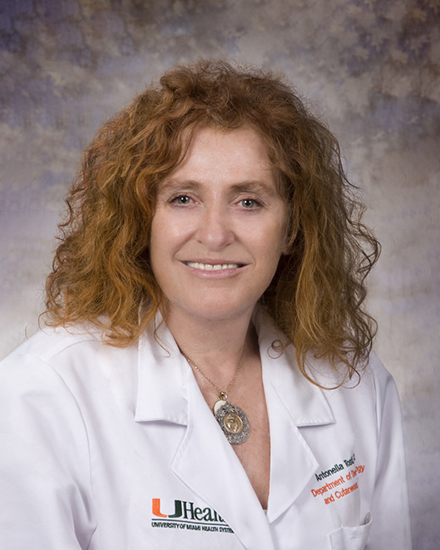 Antonella Tosti合作论文数Dr. Phillip Frost Department of Dermatology and Cutaneous Surgery, Miller School of Medicine, University of Miami11
 Natalie M. Williams合作论文数4Paolo Romanelli合作论文数3Eric Bray合作论文数2
 Taha Rasul合作论文数2
 Shesly Jean Louis合作论文数2Megan Mathew合作论文数2Julia Escandon Brehm合作论文数2Shari R Lipner合作论文数2Danie Dure合作论文数2Myriam Fethiere合作论文数2A Caresse Gamret合作论文数2Yumeng Li合作论文数2Shasa Hu合作论文数2Fabrizio Galimberti合作论文数2O. Reyes Jaimes合作论文数2D Delgado合作论文数1Sana Gulraiz合作论文数1Divya J. Aickara合作论文数1Adam Elkhadem合作论文数1
 Armen Henderson合作论文数1
 Luis F Andrade合作论文数1Divya Chopra合作论文数1Caralin Schneider合作论文数1Arfa Faiz合作论文数1Natalie C Yin合作论文数1Ella Glaser合作论文数1Chloe Goldman合作论文数1
 Kayla D. Mashoudy合作论文数1Daniela Baboun合作论文数1Jordan Rosen合作论文数1Victoria Dahl合作论文数1Deborah Lin合作论文数1Orly Morgan合作论文数1Arvin Jadoo合作论文数1
 Emily Eachus合作论文数1Andjela Egger合作论文数1
 Daniel R. Bergholz合作论文数1Maressa C Criscito合作论文数1
 Nicholas R Kurtansky合作论文数Dept Med, Mem Sloan Kettering Canc Ctr1
 Eran C Gwillim合作论文数1
 Luis J. Borda合作论文数Dept Dermatol & Cutaneous Surg, Univ Miami1Karishma Desai合作论文数1Shahzeb Hassan合作论文数1Margaret I Sanchez合作论文数Univ Miami, Miller Sch Med, Dept Dermatol & Cutaneous Surg, Miami, FL 33136 USA1N Aranzazu合作论文数1
 Nilton Di Chiacchio合作论文数Department of Dermatology, Faculdade de Medicina do ABC1Beatriz Abdo Abujamra合作论文数1Timothy Wu合作论文数1




