Seed weight (SW) and nutrient allocation are key determinants of yield and grain quality in wheat, yet the regulatory basis of naturally occurring variation in these traits remains poorly resolved. Wild emmer wheat (Triticum dicoccoides), the progenitor of modern wheat, retains extensive eco-geographically structured genetic diversity that was largely eroded during domestication. Here, we identify a B3-domain transcription factor (B3TF) as a key regulator of seed growth and metabolic partitioning in wheat. Genome-wide association analysis of ~460 wild emmer accessions reveals a major locus on chromosome 2BL associated with SW, seed area and nitrogen (N) content, displaying pronounced climatic differentiation across environmental gradients. Introgression of the 2BL wild segment into the hexaploid wheat cultivars Chinese Spring and Bethlehem increases SW in cultivated backgrounds. Independent loss-of-function alleles generated by EMS mutagenesis in the tetraploid wheat cultivar Kronos produce larger seeds. Further, RNA-seq of EMS mutants revealed metabolic reprogramming with upregulated fatty acid, nitrogen and phenylpropanoid pathways and downregulated carbohydrate metabolism and sugar transport. Metabolomic, lipidomic and ICP-MS data showed increased essential amino acids, sugars, lipids, N content and minerals (Zn, Fe, Mo). Furthermore, CRISPR/Cas9-mediated editing in the hexaploid wheat cultivar Fielder produced similar increases in SW and N content as observed in the EMS mutants, establishing this gene as a negative regulator of seed growth across ploidy levels. In addition, natural haplotypes show reciprocal climatic distributions, linking regulatory variation to environmental adaptation. Our findings uncover a TF underlying natural seed trait variation in wild wheat, providing a framework for exploiting regulatory alleles to enhance yield and nutritional quality in modern wheat.
Acquiring new cellular states entails metabolic reprogramming driven by changes in the expression of cytosolic and mitochondrial metabolic enzymes. Most mitochondrial proteins are synthesized in the cytosol and imported into the mitochondria in a linear form, after which they are folded by a network of mitochondrial chaperones and co-chaperones. Which mitochondrial protein is dependent upon which chaperone for its folding is largely unknown. HSPD1/HSPE1 (HSP60/HSP10) are evolutionarily conserved mammalian homologues of the bacterial proteins GroEL/GroES, forming a chamber-and-lid chaperonin to facilitate the folding of client proteins. We used gene knockdown and SILAC-based proteomics to identify HSPD1 client proteins. We found that HSPD1 supports the expression of Methylenetetrahydrofolate Dehydrogenase 2 (MTHFD2), a key essential protein in the mitochondrial one-carbon (1C) pathway, in cells and tumors, and directly folds MTHFD2, independently of its co-chaperone HSPE1. HSPD1 interacts with MTHFD2 in mitochondria, and MTHFD2 is degraded by LONP1 in HSPD1 knockdown cells. Consequently, we observed reduced nucleotide and S-adenosylmethionine (SAM) levels in HSPD1 knockdown and found minimal overlap in the transcriptional and metabolic cellular responses to HSPD1 vs. HSPE1 depletion. In C. elegans, knockout of HSP60 triggers the mitochondrial stress response in the gut, while HSP10 knockout triggers the mitochondrial stress response in muscle tissue. Our data support that HSPD1 is an MTHFD2 chaperone and that, in addition to working together, HSPD1 and HSPE1 have distinct biological functions.
Plants integrate environmental and internal cues such as light and sugar availability to coordinate growth and water-use strategies. While hypocotyl elongation is widely used to study photo- and thermo-morphogenesis, its connection to whole-plant physiological traits remains unclear. Here, we uncover a negative correlation between hypocotyl length in young Arabidopsis thaliana seedlings and water loss in mature plants. Genome-wide association mapping across diverse natural accessions identified two genes, HEAT SHOCK TRANSCRIPTION FACTOR A2 (HSFA2) and a 2-oxoglutarate-dependent dioxygenase-like (2OGD-like), that affect hypocotyl elongation. Both genes are preferentially expressed in guard cells and are associated with reduced hypocotyl growth and increased stomatal conductance. Loss-of-function mutants displayed elongated hypocotyls and reduced gas exchange, whereas inducible and guard cell-specific expression of HSFA2 suppressed hypocotyl elongation and promoted stomatal opening. Guard cell transcriptomics and ChIP-seq analyses further revealed that HSFA2 directly targets genes involved in sugar signaling, light responses, and actin reorganization, including SCAR3, a component of the WAVE-ARP2/3 complex required for stomatal dynamics. Together, these findings establish a functional link between seedling growth and stomatal performance, expand the role of HSFA2 beyond heat responses, and position hypocotyl growth as a predictive platform for assessing plant water-use traits.
Drought is one of the major environmental constraints limiting tomato growth and productivity. Identifying regulators that enhance drought tolerance without compromising plant growth is therefore important for tomato production. Homeodomain-leucine zipper (HD-Zip) transcription factors (TFs) play essential roles in plant development and abiotic stress responses; however, the functions of most HD-Zip II members in tomato remain poorly understood. Here, we identified SlHZ07, a drought-responsive HD-Zip II TF, through transcriptome analysis and characterized its biological function in tomato. SlHZ07 was rapidly induced by drought stress and localized predominantly to the nucleus. Overexpression of SlHZ07 significantly enhanced drought tolerance, whereas RNAi-mediated suppression increased drought sensitivity. Physiological analyses showed that SlHZ07 overexpression reduced reactive oxygen species (ROS) accumulation, enhanced antioxidant enzyme activities, upregulated expression of ROS-scavenging genes, and alleviated membrane damage under drought stress. Hormone analyses revealed that SlHZ07 positively regulated jasmonic acid (JA) accumulation and the expression of JA biosynthetic genes, including OPR2, OPR3, JAR1, and AOC, but did not alter endogenous abscisic acid (ABA) levels under well-watered conditions. Furthermore, SlHZ07 promoted vegetative growth by increasing endogenous gibberellin (GA) levels and upregulating the expression of the GA biosynthetic genes GA20ox2 and GA20ox4. Together, our findings identify SlHZ07 as a previously uncharacterized positive regulator that coordinates plant growth and drought adaptation by integrating GA biosynthesis, JA homeostasis, and ROS detoxification. These results expand our understanding of HD-Zip II TFs and provide a promising genetic target for improving drought tolerance in tomato.
Abstract Vascular plants rapidly coordinate root and shoot responses to water stress. Abscisic acid (ABA) mediates these adaptations; however, it remains unclear which cells produce ABA, whether ABA synthesis shifts during stress, and whether ABA movement is required for its adaptive functions. Here, we map ABA biosynthesis at cellular resolution in Arabidopsis and report that water-stress adaptive responses in roots and shoots require movement of ABA and its precursor AB-aldehyde from vascular tissues to target cells. We suggest that ABA accumulation arises from two parallel routes: (i) ABA synthesized in the vasculature via ABA2 and AAO3, then moving to guard cells, and (ii) phloem-derived AB-aldehyde being converted to ABA in the epidermis or bundle sheath by AAO1 and AAO2. Finally, we predict that tightly packed cells beneath leaf veins facilitate efficient ABA delivery to guard cells, an anatomical arrangement that has enabled angiosperms to evolve the use of ABA to rapidly close stomata.
The Green Revolution (GR) profoundly altered plant-microorganism interactions through widespread agrochemical use and crop breeding. Phytopathogenic fungi present major challenges to agriculture by reducing yield and quality, increasing production costs, and impacting food security and environmental sustainability. Historical biological collections preserving pre-GR diversity are key to understanding how modern intensive agriculture has shaped these interactions. In this study, we revived two Botrytis cinerea strains from the early 1940s and performed phenotypic, genomic, transcriptomic, and metabolomic analyses. Comparisons with modern strains revealed significant differences, including adaptations likely driven by fungicide use and environmental pressures such as host-specific pathogenicity and pH tolerance. Our findings highlight the value of natural history collections and demonstrate how archived pathogens can be revisited with advanced omic technologies to reveal long-term ecological and evolutionary changes. These insights are crucial for plant disease management, outbreak prediction, biodiversity conservation, and advancing sustainable agriculture practices.
β-Alanine, an abundant non-proteinogenic amino acid, acts as a precursor for coenzyme A and plays a role in various stress responses. However, a comprehensive understanding of its metabolism in plants remains incomplete. Previous metabolic genome-wide association studies (mGWAS) identified ALANINE:GLYOXYLATE AMINOTRANSFERASE2 (AGT2, AT4G39660) linked to β-alanine levels in Arabidopsis under normal conditions. In this study, we aimed to deepen our insights into β-alanine regulation by conducting mGWAS under two contrasting environmental conditions: control (12 h photoperiod, 21°C, 150 μmol m-2 sec-1) and stress (harvested after 1820 min at 32°C and darkness). We identified two highly significant quantitative trait loci (QTL) for β-alanine, including the AGT2 locus associated in both environments and ALDEHYDE DEHYDROGENASE6B2 (ALDH6B2, AT2G14170) associated only under stress conditions. A coexpression-correlation network revealed that the regulatory pathway involving β-alanine levels, AGT2, and ALDH6B2 connects the branched chained amino acid (BCAA) degradation through the propionate pathway. Metabolic profiles of AGT2 overexpression (OE) and knock-out (KO) lines (agt2) across various organs and developmental stages established the critical role of AGT2 in β-alanine metabolism. This work underscores the importance of β-alanine homeostasis for proper growth and development in Arabidopsis.
Climate change is impacting the performance of plants worldwide. However, the impact on ferns, the second-most diverse lineage of vascular plants, has received little attention. Here, we investigated the effects of one of the most claimed scenarios of the climatic change: drought (D), high temperature (HT) and high CO2 concentration (HCO2) on a fern (Nephrolepis exaltata) and a commonly studied angiosperm (Brassica oleracea) at photosynthetic, anatomical, and metabolic levels. Leaf anatomy was slightly affected by stress conditions in both species. Multivariate analysis demonstrated that B. oleracea's physiological responses to HCO2 were greater than N. exaltata's. Lipids and primary metabolites levels differed in response to stress in B. oleracea. Notably, the combination of D, HT, and HCO2 exacerbated the changes in primary metabolites, reducing amino and organic acids levels. Interestingly, phosphatidylcholine and phosphatidylethanolamine levels showed varied responses, increasing under HT and decreasing under HCO2 or combined stress in B. oleracea. In contrast, the fern was mostly unresponsive to D, HT, HCO2, and the combination among them at the metabolic level. Beyond providing important information concerning the trade-off between carbon uptake and stress acclimation mechanisms, our study indicates minor fern responses to D, HT, HCO2, suggesting differential impacts of climate change on ferns and angiosperms.
Soil salinization represents a critical global challenge to agricultural productivity, profoundly impacting crop yields and threatening food security. Plant salt-responsive is complex and dynamic, making it challenging to fully elucidate salt tolerance mechanism and leading to gaps in our understanding of how plants adapt to and mitigate salt stress. Here, we conduct high-resolution time-series transcriptomic and metabolomic profiling of the extremely salt-tolerant maize inbred line, HLZY, and the salt-sensitive elite line, JI853. Utilizing advanced data mining techniques, we identify key factors underlying the divergence in salt tolerance between these two lines and discover a series of novel genes and metabolites essential for maize salt tolerance. Additionally, we develop an innovative decision algorithm that enabled the construction of a high-confidence gene regulatory network for important salt-responsive metabolites. Comprehensive genetic and molecular studies further reveal the pivotal role of a hub gene, ZmGLN2, in regulating metabolite biosynthesis and salt tolerance in maize. Our study provides the first high-resolution transcriptomic and metabolomic dataset for crop salt response, uncovering novel maize salt-responsive genes and metabolites. These findings demonstrate the effectiveness of high-resolution multi-omics in deciphering the mechanisms underlying complex crop traits. Furthermore, we develop a systematic analytical framework for mining time-series multi-omics data, which can be broadly applied to other species or traits.
Orofacial pain (OFP) includes chronic pain conditions categorized into musculoskeletal (MS), neurovascular (NV), and neuropathic (NP) pain types, encompassing temporomandibular disorders (TMD), migraines, trigeminal neuralgia (TN), post-traumatic neuropathies, and burning mouth syndrome (BMS). These conditions significantly affect quality of life; yet, their underlying metabolic disruptions remain inadequately explored. Salivary metabolomics provides a non-invasive method to investigate biochemical alterations associated with OFP subtypes. This study aimed to identify pain-specific salivary metabolites across chronic OFP types and examine their correlations with clinical characteristics. Saliva samples from 63 OFP patients (TMD, migraines, TN, post-traumatic neuropathies, BMS) and 37 pain-free controls were analyzed using liquid chromatography-mass spectrometry (LC-MS) targeting 28 metabolites linked to pain. Statistical analyses determined significant metabolite changes and associations with pain subtypes and patient characteristics. Among the 28 analyzed metabolites, 18 showed significant differences between OFP patients and controls. Key amino acids, including DL-glutamic acid, DL-aspartic acid, DL-citrulline, spermidine, and DL-ornithine, were significantly elevated in MS, NV, and NP pain types compared to controls. Additionally, DL-glutamine, DL-valine, and DL-phenylalanine were distinctively elevated in TMD and migraine patients. BMS displayed fewer alterations, with significantly lower levels of DL-proline, DL-tryptophan, DL-glutamic acid, DL-asparagine, and DL-aspartic acid compared to other pain types but elevated spermidine levels relative to controls. Salivary metabolomics revealed distinct metabolic alterations in OFP subtypes, providing insights into potential biomarkers for diagnosis and monitoring. These findings offer a foundation for personalized approaches in OFP management, although further research is required to validate and expand these results.
Collections of insertional mutants have been instrumental for characterizing the functional relevance of genes in different model organisms, including Arabidopsis (Arabidopsis thaliana). However, mutations may often result in subtle phenotypes, rendering it difficult to pinpoint the function of a knocked-out gene. Here, we present a data-integrative modeling approach that enables predicting the effects of mutations on metabolic traits and plant growth. To test the approach, we gathered lipidomics data and physiological read-outs for a set of 64 Arabidopsis lines with mutations in lipid metabolism. Use of flux sums as a proxy for metabolite concentrations allowed us to integrate the relative abundance of lipids and facilitated accurate predictions of growth and biochemical phenotype in approximately 73% and 76% of the mutants, respectively, for which phenotypic data were available. Likewise, we showed that this approach can pinpoint alterations in metabolic pathways related to silent mutations. Therefore, our study paves the way for coupling model-driven characterization of mutant lines from different mutagenesis approaches with metabolomic technologies, as well as for validating knowledge structured in large-scale metabolic networks of plants and other species.
Fruit glossiness is a visually appealing trait that positively influences consumer preferences and market value. Despite its commercial importance, the biological basis of fruit glossiness has only recently gained attention. This review provides a comprehensive overview of the current understanding of fruit glossiness, with emphasis on its physiological, biochemical, and molecular underpinnings. Fruit glossiness is primarily determined by the structure and composition of the fruit cuticle, which consists of cutin and waxes. The accumulation, transport, and organization of these components dictate surface reflectivity and gloss levels. Various instrumental approaches, including gloss meters, luster sensors, spectrophotometers, and imaging systems, have been developed to objectively quantify glossiness, complementing traditional visual assessments. Advances in molecular genetics have revealed that genes involved in cuticle biosynthesis and regulation, such as WAX2, CER1, GPAT6, and SHINE family transcription factors, play critical roles in determining surface gloss. In cucumber and tomato, genetic dissection has uncovered distinct regulatory pathways involving wax and cutin metabolism, vesicle trafficking, and transcriptional control. Emerging evidence from other fruit species such as citrus, bilberry, and grape further supports a conserved yet diverse genetic architecture underlying fruit glossiness. Collectively, this review highlights the complex interplay between structural biology, environmental cues, and gene regulation in shaping fruit surface properties, and identifies promising directions for future research and crop improvement strategies.
Improving water use efficiency in crops is a significant challenge as it involves balancing water transpiration and CO2 uptake through stomatal pores. This study investigates the role of SlROP9, a tomato Rho of Plants protein, in guard cells and its impact on plant transpiration. The results reveal that SlROP9 null mutants exhibit reduced stomatal conductance while photosynthetic CO2 assimilation remains largely unaffected. Notably, there is a notable decrease in whole-plant transpiration in the rop9 mutants compared to the wild type, especially during noon hours when the water pressure deficit is high. The elevated stomatal closure observed in rop9 mutants is linked to an increase in reactive oxygen species formation. This is very likely dependent on the respiratory burst oxidase homolog (RBOH) NADPH oxidase and is not influenced by abscisic acid (ABA). Consistently, activated ROP9 can interact with RBOHB in both yeast and plants. In diverse tomato accessions, drought stress represses ROP9 expression, and in Arabidopsis stomatal guard cells, ABA suppresses ROP signaling. Therefore, the phenotype of the rop9 mutants may arise from a disruption in ROP9-regulated RBOH activity. Remarkably, large-scale field experiments demonstrate that the rop9 mutants display improved water use efficiency without compromising fruit yield. These findings provide insights into the role of ROPs in guard cells and their potential as targets for enhancing water use efficiency in crops.
Drought is one of the major and growing threats to agriculture productivity and food security. Metabolites are involved in the regulation of plant responses to various environmental stresses, including drought stress. The complex drought tolerance can be ascribed to several simple metabolic traits. These traits could then be used for detecting the genetic architecture of drought tolerance. Plant metabolomes show dynamic differences when drought occurs during different developmental stages or upon different levels of drought stress. Here, we reviewed the major and most recent findings regarding the metabolite-mediated plant drought response. Recent progress in the development of drought-tolerant agents is also discussed. We provide an updated schematic overview of metabolome-driven solutions for increasing crop drought tolerance and thereby addressing an impending agricultural challenge.
During long-distance migration, many birds experience periods of either prolonged fasting (during endurance flights) or extensive feeding (during stopovers). Despite decades of research on avian metabolism during migration, many questions have remained unanswered, as such research mainly focused on targeted metabolites and fat metabolism. Here, we examined the plasma-metabolome of two migrating passerine species before they crossed the Sahara Desert. Birds were sampled at two sites populated by Pistacia trees bearing fat-rich fruits and at an additional site dominated by blooming Eucalyptus trees. The blood samples were analyzed using both GC-MS and LC-MS, using an untargeted approach. Examination of metabolic pathways activated during stopovers indicated a crucial role for cycling glucose through the Cori and Cahill cycles in resting and recovery processes. This novel perspective, conducted on free-ranging birds, suggests the evolution of avian insulin resistance due to factors such as endurance exercise, fasting, and a preference for fatty acid oxidation during migration, akin to cell trauma recovery. We detected significant inter-site variations in birds' polar and lipophilic metabolic profiles. We interpret the differences in the polar metabolites to be associated with the physiological state of the birds, with birds that are considered to have landed during the night prior to capture showing different metabolic profiles compared to birds that have spent more time at the stopover site. In contrast, distinctions in the lipophilic profiles of birds were associated with variations in the primary food source that was available to them in the different sites. This study underscores the challenge of interpreting commonly used indicators for assessing migrating birds' physiological state, which was predominantly derived from lipid metabolism in complex ecological systems.
Enzymes of the core energy metabolism pathways tend to assemble into transient supramolecular complexes, yet the functional significance of the interactions within these complexes, particularly between enzymes catalyzing non-consecutive reactions, remains unclear. Here, by co-localizing two non-consecutive enzymes of the TCA cycle from B. subtilis , malate dehydrogenase (MDH) and isocitrate dehydrogenase (ICD), in highly crowded liquid-liquid phase separated droplets we discovered that MDH-ICD interaction causes an enhancement of ICD catalytic rate and an apparent sequestration of its reaction product, 2-oxoglutarate. Theory suggests that the observed phenomena are explained by the MDH-mediating clustering of ICD molecules. In vivo validation with targeted GC-MS and 13 C tracer analyses revealed that when B. subtilis is grown on glucose and ammonia, overexpression of MDH leads to accumulation of 2-oxoglutarate with a concomitant reduction of fluxes flowing through both the catabolic and anabolic branches of the carbon-nitrogen intersection occupied by 2-oxoglutarate, resulting in impeded ammonium assimilation and reduced biomass production. Our findings thus suggest that in B. subtilis the MDH-ICD interaction is an important coordinator of carbon-nitrogen metabolism, thereby expanding the list of types of functionally understood unconventional enzyme-enzyme interactions.
Social wasps exhibit a unique nutritional cycle in which adults feed larvae with prey, and larvae provide adults with larval secretions (LS). LS serves as a vital nutritional source for adults, contributing to the colony’s health and reproductive success. The LS nutrient composition has been previously reported in various wasp species, yet these analyses focused solely on worker-destined larvae, overlooking the potential caste designation effects on LS composition.Using metabolomics techniques, we analysed and compared the metabolite and nutrient composition in LS of queen- and worker-destined larvae of the Oriental hornet. We found that queen-destined LS (QLS) contain greater amounts of most metabolites, including amino acids, and smaller amounts of sugars compared to worker-destined LS (WLS). The amino acid-to-sugar ratio in QLS was approximately tenfold higher than in WLS. Thus, as the colony transitions from the production of workers to the production of reproductives, it gradually experiences a nutritional shift that may influence the behaviour and physiology of the adult nest population. This caste-specific metabolite profile and nutrient composition of LS reflect the differences in the diet and physiological requirements of worker- and queen-destined larvae and may play a critical role in caste determination in social wasps.
Phaeodactylum tricornutum is a model oleaginous pennate diatom, widely investigated for the accumulation of triacylglycerols (TAG) in lipid droplets during nitrogen (N) starvation. However, lipid droplet breakdown, TAG catabolism, and remobilization upon N replenishment during growth restoration are less studied. Serine hydrolases (SH) constitute a diverse family encompassing proteases, amidases, esterases, and lipases. In this report, we adopted a chemoproteomic approach called Activity-Based Protein Profiling (ABPP) to explore the repertoire of active serine hydrolases to elucidate the mechanisms of lipid metabolism in P. tricornutum (strain Pt4). A superfamily-wide profile of serine hydrolases revealed a differentially active proteome (activome) during N starvation and after nutrient replenishment. We report 30 active serine hydrolases, which were broadly categorized into metabolic serine hydrolases and serine proteases. Lipases appeared to be the major metabolic linchpins prevalent during lipid remobilization. Global transcriptomics analysis provided a complementary insight into the gene expression level of the detected serine hydrolases. It revealed putative phospholipases as central players in membrane lipid turnover and remodeling involved in cellular lipid homeostasis and TAG accumulation. TAG remobilization and lipid droplet breakdown were impaired in the presence of phenyl mercuric acetate (PMA), whose activity as an SH inhibitor was validated by competitive ABPP. Lipid species profiling corroborated the impairment in TAG degradation and the buildup of structural lipids in the presence of PMA after nutrient replenishment. Collectively, our functional proteome approach, coupled with the transcriptome and lipidome data, provides a comprehensive landscape of bona fide active serine hydrolases, including lipases in this model diatom.### Competing Interest StatementThe authors have declared no competing interest.
Despite recent advances in crop metabolomics, the genetic control and molecular basis of the wheat kernel metabolome at different developmental stages remain largely unknown. Here, we performed widely targeted metabolite profiling of kernels from three developmental stages (grain-filling kernels [FKs], mature kernels [MKs], and germinating kernels [GKs]) using a population of 159 recombinant inbred lines. We detected 625 annotated metabolites and mapped 3173, 3143, and 2644 metabolite quantitative trait loci (mQTLs) in FKs, MKs, and GKs, respectively. Only 52 mQTLs were mapped at all three stages, indicating the high stage specificity of the wheat kernel metabolome. Four candidate genes were functionally validated by in vitro enzymatic reactions and/or transgenic approaches in wheat, three of which mediated the tricin metabolic pathway. Metabolite flux efficiencies within the tricin pathway were evaluated, and superior candidate haplotypes were identified, comprehensively delineating the tricin metabolism pathway in wheat. Finally, additional wheat metabolic pathways were re-constructed by updating them to incorporate the 177 candidate genes identified in this study. Our work provides new information on variations in the wheat kernel metabolome and important molecular resources for improvement of wheat nutritional quality.
Migratory birds excel in phenotypic flexibility, adapting physiologically as their life histories and environments require. Discerning the metabolic processes underlying migrants' physiology, an emergent property of multiple continuous and dynamic organism–environment interactions, is therefore challenging, particularly under natural conditions. Accordingly, analyses of snapshot‐sampled serum‐circulating metabolites, versatile and readily applicable for migrating birds, have increasingly become the method of choice for such physiologic inference. However, the atemporal nature of single sampling might obscure the links between observed metabolite concentrations and the processes producing them, necessitating an analytical decoupling of focal processes from their broader biochemical background.In the present study, we examined how variation in combined fat and muscle fuel stores, traits pivotal in migratory context, relates to the serum‐circulating metabolomes of spring‐migrating Eurasian blackcaps stopping‐over. Our analyses accounted for potential spatiotemporal influences in the form of time past night's fasting and random local conditions across three sites within the Negev Desert. We shifted the focus from compound‐level analysis of preselected metabolites towards the level of inclusive metabolome, quantifying serum‐circulating lipophilic and polar molecules via UHPLC–MS/MS untargeted metabolomic technique.Our results indicated a general relationship between fuel stores and the metabolome, comprising 16 326 lipophilic and 6923 polar compounds, among which 918 and 44 were annotated, respectively. By applying generalized latent‐variable linear modeling (GLLVM) upon concentrations of annotated metabolites, we identified several candidate biomarkers, some novel in migratory context, notably the fuel‐associated increase in serum ceramides likely derived from circulating very low‐density lipoproteins (VLDLs). Relying on estimated metabolite links with fuel and foraging time and on modeled residual covariations among metabolites, we demonstrate fuel–metabolite associations generally consistent with higher fat‐ and lower protein mobilization in birds having greater stores and with decreased fuel utilization as ingested nutrients accumulate over time, thus introducing a novel approach for the physiological study of migrating birds.
 Alisdair Fernie合作论文数Max Planck Institute of Molecular Plant Physiology68
 Lothar Willmitzer合作论文数Max Planck Institute of Molecular Plant Physiology24
 Saleh H. Al-Seekh合作论文数College of Agriculture, Hebron University23
 Weronika Jasinska合作论文数17
 Takayuki Tohge (峠隆之)合作论文数Plant Secondary Metabolism Lab, Nara Institute of Science and Technology;Institute for Research Initiatives, Division of Biological Sciences, Nara Institute of Science and Technology16
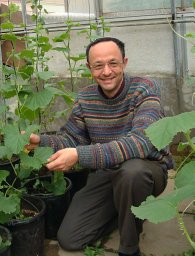 Rafael Perl-Treves合作论文数Department of Plant Genetics;Weizmann Institute of Science;Department of Plant Genetics, Weizmann Institute of Science14
 Si Wu (吴思)合作论文数13Nir Sade合作论文数13
 Nikoloski Zoran合作论文数Syst Biol & Math Modeling Grp, Max Planck Inst Mol Plant Physiol12
 Weiwei Wen (闻玮玮)合作论文数College of Horticulture & Forestry Sciences of Huazhong Agricultural University11Alvaro Cuadros-Inostroza合作论文数11
 Leah Rosental合作论文数10
 Jianbing Yan (严建兵)合作论文数National Key Laboratory of Crop Genetic Improvement, Huazhong Agricultural University10Ada Viterbo合作论文数10Nurit Katzir合作论文数Hadassah Medical School, The Hebrew University10
 Ilan Chet合作论文数Department of Plant Pathology and Microbiology, Robert H. Smith Faculty of Agriculture, Food & Environment, Hebrew University of Jerusalem9Sandra M Correa合作论文数7
 Burgos Asdrubal合作论文数Max Planck Institute of Molecular Plant Physiology, 14424 Potsdam-Golm, Germany.7Zhu Feng合作论文数7
 de Souza Leonardo Perez合作论文数7
 Aleksandra Skirycz合作论文数Institute of Biochemistry and Molecular Biology, University of Wrocław;Max-Planck-Institute of Molecular Plant Physiology, Am Mühlenberg 1, D-14476 Golm, Germany;Max-Planck-Institute of Molecular Plant Physiology, University of Wrocław7Catherine Dogimont合作论文数7
 Urszula Luzarowska合作论文数Department of Life Sciences, Ben Gurion University of the Negev6
 Gupta Kapuganti J合作论文数Natl Inst Plant Genome Res6Tenenboim Hezi合作论文数6
 Orf Isabel合作论文数6
 Szymanski Jedrzej合作论文数Max Planck Institute of Molecular Plant Physiology, 14476 Potsdam-Golm, Germany.6
 Corina M. Fusari合作论文数Instituto de Biotecnología (CNIA),, Instituto Nacional de Tecnología Agropecuaria (INTA),6Anastasiya Kuhalskaya合作论文数5
 Henryk Czosnek合作论文数Institute of plant Sciences and Genetics in Agriculture, The Robert H Smith Faculty of Agriculture, Food and Environment, The Hebrew University of Jerusalem5I. Kovalski合作论文数4Simy Weil合作论文数4Marguerite Batsale合作论文数4
 Taly Lapidot合作论文数4Niklas Endres合作论文数4Irina Kovalski合作论文数4Sarah Khedhayir合作论文数4Anne-Kathrin Ruß合作论文数4
 Venkatesh P Thirumalaikumar合作论文数equal contribution.4Mingchao Zhao合作论文数4Julia Schumacher合作论文数4Nooshin Omranian合作论文数4
 Silit Lazare合作论文数Gilat Res Ctr, Volcani Inst4
 Jérôme Joubès合作论文数CNRS, Univesity of Bordeaux4Scossa Federico合作论文数Max Planck Institute of Molecular Plant Physiology, Centro di Ricerca per l'Orticoltura4
 Avin-Wittenberg Tamar合作论文数Department of Plant Sciences, The Weizmann Institute of Science4
 Yaron Haviv合作论文数Department of Oral Medicine, Hebrew University - Hadassah School of Dental Medicine4
 Jorge Gago合作论文数4
 Marcin Luzarowski合作论文数From the Laboratories of Biochemistry and.4




