This chapter begins with painting a broad picture of campaigns and elections in the United States. It introduces a new element—campaign ethics—and revisits the phenomenon of the "permanent campaign". A discussion of campaigns and elections from an ethical standpoint provides standards for judging the health of the system. The permanent campaign allows us to explore the nexus between campaigning and governing and the future of both. Campaigns and elections are among the most important events in the life of a democracy. Campaigns help the citizenry come to a collective decision about who should control the levers of power in the country and elections make the use of those levers legitimate. The permanent campaign was perfected in the Bill Clinton administration and showed no signs of abating under either George W. Bush or Barack Obama. Polling is a significant aspect of the permanent campaign.
This chapter constitutes an effort to offer appraisal in an objective fashion. It constructs a series of benchmarks for Congress to meet. These benchmarks were built from a number of basic aspirations for congressional performance found in normative political theory and the thinking of Americans, particularly influential ones like the Founders. A large number of citizens still think of themselves as politically independent. Political activists watch different cable news stations—Republicans tend to like Fox, Democrats CNN. The news often frames political developments in threatening ways with profound effects on public attitudes. In the political world this is demonstrated by the constant shrinking of the news sound bite—a chunk of television or radio time allotted to the coverage of a candidate explaining her policy positions. Congress is also a transparent and responsive legislature in a media-saturated, robust …
 Robert D Brown合作论文数2David W Brady合作论文数2
 Lee Sigelman合作论文数Department of Political Science, Columbian College of Arts and Sciences, George Washington University2
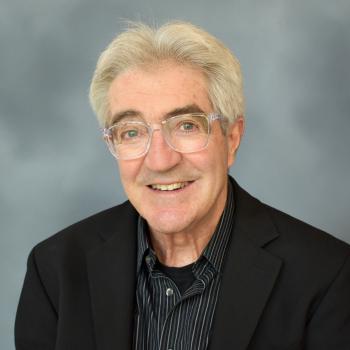 Morris P. Fiorina合作论文数Department of Political Science, Stanford University;Hoover Institution, Stanford University2
 Jeffrey Segal合作论文数Department of Political Science, College of Arts & Sciences, Stony Brook University2
 Julia R. Azari合作论文数2
 Charles Bullock合作论文数2
 Stephen Ansolabehere合作论文数Department of Government, Harvard University2Joseph Bafumi合作论文数Department of Government;Dartmouth College;Department of Government, Dartmouth College2
 William T. Bianco合作论文数Department of Political Science, Duke University Durham2
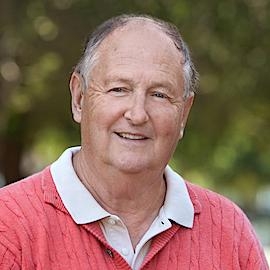 David W. Brady合作论文数Graduate School of Business, Stanford University2
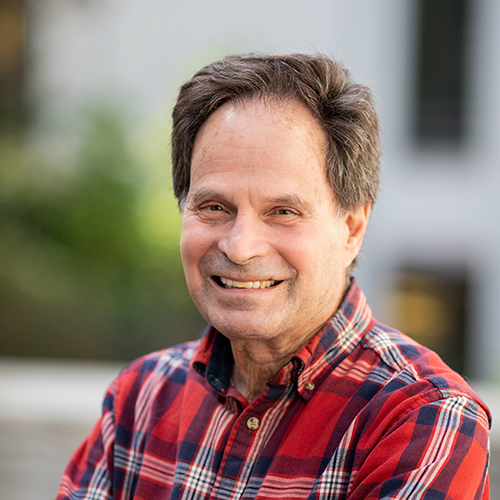 Alan Ira Abramowitz合作论文数Department of Political Science, College of Arts and Sciences, Emory University2valerie heitshusen合作论文数1richard s beth合作论文数1Lawrence C. Dodd合作论文数1Philip E. Converse合作论文数1David S. Broder合作论文数1Frances E Lee合作论文数1candice j nelson合作论文数1Karin MacDonald合作论文数1m f payne合作论文数1Michael W. HERRON合作论文数1
 James M Avery合作论文数1Franklin D. Gilliam Jr.合作论文数1Chandler Davidson合作论文数1Robert J Hendershott合作论文数1Walter Berns合作论文数1herbert e alexander合作论文数1Brad Alexander合作论文数1Js Banks合作论文数1Barry Burden合作论文数1Larry M Bartels合作论文数1Morris Fiorina合作论文数1Matthew J. Streb合作论文数1William G. Mayer合作论文数1bob woodward合作论文数1Paul Brace合作论文数1
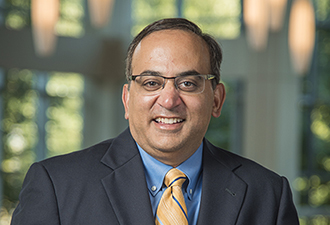 John M. de Figueiredo合作论文数School of Law, Duke University1
 Sean Gailmard合作论文数Department of Political Science, University of California, Berkeley1
 Sarah F. Anzia合作论文数Richard & Rhoda Goldman School of Public Policy, University of California, Berkeley;The Charles and Louise Travers Department of Political Science, University of California, Berkeley;Niskanen Center1
 Alicia Adsera合作论文数Princeton School of Public and International Affairs, Princeton University1
 Carles Boix合作论文数Department of Politics, Princeton University;School of Public and International Affairs, Princeton University;Institutions & Political Economy Research Group, University of Barcelona1
 William G. Howell合作论文数Harris School of Public Policy, The University of Chicago;Department of Political Science, The University of Chicago1Ahuja Sunil K合作论文数1
 Rebecca Lessem合作论文数Business Technologies Faculty, Tepper School of Business, Carnegie Mellon University1
 Talbert Jeffery C合作论文数College of Pharmacy, University of Kentucky1J. Smith合作论文数1
 Mike Allen合作论文数Department of Communication, College of Letters and Science, University of Wisconsin-Milwaukee1




