RATIONALE:Pulmonary arterial hypertension (PAH) is a progressive disease characterized by pulmonary microvascular loss and obliterative remodeling driven by endothelial dysfunction. Low penetrance of only bone morphogenetic protein receptor 2 (BMPR2) mutations causing metabolic shifts in pulmonary microvascular endothelial cells (PMVECs) suggests a role of additional genetic modifiers. Genetic screening of PAH PMVECs identified carboxylesterase 1 (CES1)-an endoplasmic reticulum (ER) enzyme involved in lipid metabolism and detoxification-as a candidate regulator of endothelial metabolism and angiogenesis. We hypothesize that CES1 loss promotes endothelial dysfunction via metabolic reprogramming, lipotoxicity, and oxidative stress. METHODS:PAH/healthy PMVECs and lung tissues were obtained from transplant donors and commercial sources. CES1 knockdown and CES1 overexpression was performed in PMVECs for functional assays. Animal studies were done on CES1 heterozygous knockout (HET-KO) and endothelial-specific knockout (ECKO) mice exposed to normoxia or hypoxia. MEASUREMENTS AND MAIN RESULTS:CES1 expression was significantly reduced in PAH PMVECs and vascular lesions. CES1-deficient PMVECs exhibited increased apoptosis, reactive oxygen species production, mitochondrial fragmentation, ER stress, and impaired angiogenesis. CES1 loss caused lipid droplet accumulation, reduced fatty acid oxidation, and glycolytic shift-phenotypes reversed by CES1 restoration. CES1 transcription was induced by BMPR2 via NRF2 activation, a key regulator of redox and metabolic homeostasis. CES1-deficient mice developed severe pulmonary hypertension under hypoxia, with extensive vascular remodeling, right ventricular dysfunction, and dysregulated angiogenesis and lipid metabolism pathways. CONCLUSIONS:CES1 is essential for pulmonary endothelial homeostasis and modifier of BMPR2 signaling. Restoring CES1 expression may serve as potential therapeutic strategy in reversing endothelial dysfunction and small-vessel loss.
Inflammatory response and oxidative stress play important roles in the development of Acute Lung Injury (ALI). In the current study, we discovered a series of soluble epoxide hydrolase (sEH) inhibitors containing bis-urea scaffold that potently inhibited the generations of various inflammatory factors mediated by NF-κB activation and ROS. Especially, lead compound 20k showed potent inhibitory activities against sEH (20k; HsEH IC50 = 0.8 nM, MsEH IC50 = 0.7 nM). Compound 20k exhibited excellently intraperitoneal bioavailability (F = 125.90%). In vivo, 20k showed a strong anti-inflammatory activity in ALI models and decreased the release of IL-1β, IL-6 and TNF-α. More importantly, 20k reduced expression of MPO and prevented polarization of macrophage M1. In addition, 20k was well-tolerated in a subacute safety evaluation at a high dose of 2 g/kg/day. Overall, this study demonstrated the potential of 20k as a promising lead compound for ALI therapy, which merited further investigation.
Cornea alkali injuries are difficult to treat and potentially blinding, and there are still no specific treatments. The cytochrome P450 arachidonic acid metabolism pathway generates epoxy fatty acids (EpFAs) which have analgesic, anti-inflammatory, and anti-fibrotic activities. EpFAs have anti-fibrotic effects in several tissues including kidney, heart, liver, and lungs, while the cornea has never been examined. Soluble epoxide hydrolase (sEH) metabolizes EpFAs to biologically less active diols, and its inhibitors (sEHi) can alleviate or prevent fibrosis. The current studies were designed to examine the role of sEHi in NaOH and ammonia wounded corneas and develop new in vitro and in vivo cornea ammonia wound models. Haziness was reduced or eliminated in NaOH wounded mouse corneas treated with sEHi by day 17 post-injury. Ammonia wounded corneas treated with sEHi did not vascularize and most of the haze resolved. αSMA, collagen III, and fibronectin were significantly decreased in NaOH and ammonia wounded corneas treated with sEHi. Fewer CD45+ and F4/80+ cells were observed in NaOH wounded sEH KO mouse corneas compared to WT by day 31 post-injury. Collagen I and CD45+ cells persisted within WT corneas at 31 days post-injury, suggesting more matrix remodeling and inflammation in WT compared to sEH KO corneas. TGFβ1-stimulated αSMA and sEH expression was reduced in human corneal fibroblasts cultured with sEHi. The results demonstrate that sEHi can play a critical role in NaOH and ammonia injury responses and indicate that topical sEHi administration works to effectively treat these wounds.
The liver plays an important role in cardiovascular disease by amplifying systemic inflammation, while the underlying mechanisms remain to be defined. Soluble epoxide hydrolase (sEH) is a pro-inflammatory enzyme, and pharmacological inhibition of sEH was shown to protect against various inflammatory diseases. In this study, we have identified a novel role of the liver, through expression of sEH, in the pathogenesis of abdominal aortic aneurysm (AAA). sEH expression and activity were markedly higher in mouse liver compared with aorta and further increased in the context of AAA. Pharmacological inhibition or hepatocyte-specific disruption of sEH prevented AAA formation in two animal models of AAA (angiotensin II infusion and aortic calcium chloride application in male mice), concomitant with reduced expression of complement C3 and serum amyloid A, liver-derived inflammatory factors causally linked to AAA formation. Interestingly, data from co-incubation of liver ex vivo with aorta identified galectin-3 secreted from the aneurysm-prone aorta that activates sEH in the liver. We also determined 12,13-dihydroxyoctadecenoic acid (DiHOME) and various circulating pro-inflammatory cytokines as a downstream mechanism potentially associated with hepatic sEH in the context of AAA. These novel findings provide direct evidence that bidirectional crosstalk between aorta and liver contributes to AAA via hepatic sEH.
Diabetes mellitus (DM) is a major risk factor contributing to the development of Alzheimer's disease-related dementias (ADRD). While one of the early symptoms of both Alzheimer's disease (AD) and DM-related ADRD is a reduction in cerebral blood flow, the underlying biological mechanisms driving this decline remain to be fully elucidated. Genome-wide association studies have linked AD/ADRD to single-nucleotide polymorphisms in the gene encoding soluble epoxide hydrolase (sEH), an enzyme we previously reported to be upregulated in the brains of an AD rat model. Our previous work also demonstrated that chronic inhibition of sEH with 1-trifluoromethoxyphenyl-3-(1-propionylpiperidin-4-yl) urea (TPPU) preserves hippocampal-dependent spatial learning and memory and improves cerebral hemodynamics in both AD and DM-ADRD models. In the present study, we found that chronic TPPU treatment (1 mg/kg/day for 9 weeks) reduced brain sEH expression, improved cortical-based long-term non-spatial recognition memory involving both cortical and hippocampal networks, and reduced anxiety in DM-ADRD rats. TPPU improved brain perfusion and normalized impaired whisker-evoked functional hyperemia, an effect linked to upregulation of Kir2.1 expression in cerebral capillaries. Furthermore, TPPU restored tight junction proteins (ZO-1 and OCLN), mitigated capillary rarefaction, and suppressed astrocyte and microglial activation. At the cellular level, TPPU attenuated hippocampal neurodegeneration, restored the expression of synaptic proteins (PSD95 and SY38), and reduced levels of key pro-inflammatory chemokines, including MCP-1, RANTES, and MIP-1α, in DM-ADRD. In conclusion, TPPU preserves cognitive function in DM-ADRD by mitigating cerebrovascular dysfunction, neuroinflammation, and gliosis while protecting synaptic integrity and neuronal survival, representing a promising therapeutic strategy for DM-ADRD.
Uveal melanoma (UM) is the primary intraocular malignancy in adults and has an extremely poor prognosis due to a high rate of metastasis. Because current drug options are generally ineffective, there is an urgent need for new agents with anti-UM efficacy. The phenylcyclohexyl-urea UC2288 was investigated in in vitro, ex vivo and in vivo UM models. The anti-cancer actions of UC2288 were evaluated using cell viability and cell death assays. Tumour migration, invasion and reproductive cell growth assays were used to assess the anti-metastatic potential of UC2288. Such effects were corroborated in primary cultures derived from patient tumours and in vivo in a UM cell xenograft mouse model. UC2288 decreased UM cell proliferation in conventional and 3-dimensional cell culture by disrupting cell cycle progression and modulating cyclin expression. UC2288 also targeted the mitochondrion and increased the production of reactive oxygen species, which promoted necrotic cell death. In mechanistic studies, UC2288 activated AMPK and downstream eIF2/ATF pathways of ER stress and autophagy in UM cells. UC2288 also impaired UM cell migration, invasion and reproductive growth, which is consistent with anti-metastatic activity. These findings were replicated in vivo in a UM cell xenograft model. Taken together, UC2288 represents a promising candidate for further development that targets UM tumours with favourable anti-cancer effects.
The inhibition of soluble epoxide hydrolase (sEH) has emerged as an attractive therapeutic strategy through the stabilization of endogenous bioactive epoxyeicosatrienoic acids. Most of the inhibitors developed to date contain a central urea pharmacophore; however, these compounds often suffer from physicochemical limitations, particularly limited aqueous solubility. Herein, we report the design, synthesis, and biological evaluation of a new family of 2-(1-benzylpiperidin-4-yl)acetamides inspired by the reference sEH inhibitor 1-(1-propionylpiperidin-4-yl)-3-(4-(trifluoromethoxy)phenyl)urea (TPPU). Replacement of the urea pharmacophore in TPPU with an amide significantly improved aqueous solubility but reduced inhibitory potency. Surprisingly, substitution of the trifluoromethyl group of TPPU with a pentafluorosulfanyl substituent restored potency against human sEH, leading to the identification of a promising hit compound. Subsequent structure-activity relationship studies guided by the Topliss Batchwise Scheme (TBS) enabled systematic optimization of the aromatic substitution pattern and revealed that electronic effects are the main drivers of inhibitory potency, leading to several analogs displaying strong activity across human, mouse, and rat sEH. However, their further development was discontinued due to safety-related liabilities identified during the screening cascade. Nevertheless, these results highlight the utility of the underexplored pentafluorosulfanyl group and the TBS strategy for optimizing amide-based sEH inhibitors.
ABSTRACT Colloidal gold immunochromatography (CG‐ICA) is distinguished by its cost‐effectiveness and rapid detection capabilities. However, its key recognition components—antigens and antibodies—are typically produced through chemical synthesis or ascites induction techniques. These methods often lead to batch‐to‐batch variability and the risk of cell line loss, thereby limiting the production efficiency of antigens and antibodies. In this study, using atrazine as the target analyte, a novel colloidal gold test strip, AId/rAb‐ICA (Anti‐Idiotypic nanobody/recombinant full‐length antibody‐immunochromatographic assay), was successfully developed by employing an anti‐idiotypic nanobody (AI‐Nb‐66) and a recombinant full‐length antibody (ATR‐rAb) to replace the traditional antigen‒antibody pair in CG‒ICA. The detection limit (LOD) of this test strip was 0.31 ng/mL. It was successfully validated in apples, celery, and scallions, with recovery rates ranging from 82.45% to 103.60% and coefficients of variation (CVs) not exceeding 7.80%. This study offers a new approach for atrazine detection and the development of colloidal gold test strips.
Recent advances in anti-amyloid therapies for Alzheimer's disease have been promising, but they have also highlighted critical challenges, including increased vascular complications, such as amyloid-related imaging abnormalities. Emerging evidence suggests that the soluble epoxide hydrolase may be a promising therapeutic target due to the involvement of sEH-derived diols in inflammation, oxidative stress, and vascular destabilization. APPPS1 mice, a model of amyloidosis, were crossed with an inducible soluble epoxide hydrolase knock-out mouse line. The knock-out was induced before onset of amyloid deposition, and then the mice were analyzed using histological, molecular, and RNA sequencing techniques. Here, we identify astrocytic soluble epoxide hydrolase as a key mediator of vascular instability in amyloid pathology. Targeted astrocyte-specific deletion of soluble epoxide hydrolase in APPPS1 mice dramatically mitigated vascular changes, reducing the vascular amyloid burden by 67.95% and preserving VE-cadherin architecture. Importantly, vasomotion was markedly impaired in the Alzheimer's disease model and was preserved in soluble epoxide hydrolase-deficient animals. Transcriptomic profiling of vasculature in APPPS1xsEHΔAC mice revealed upregulated expression of genes critical for neurovascular protection. These findings identify soluble epoxide hydrolase as a central regulator of neurovascular dysfunction and underscore its therapeutic potential in increasing vascular stability in amyloidosis-associated diseases, such as Alzheimer's disease.
Arachidonic acid is a long chain polyunsaturated fatty acid and precursor to bioactive lipid molecules contributing to inflammation and vasoregulation. Placental arachidonic acid metabolites (including oxylipins) are involved in maternal adaptation to pregnancy and fetoplacental development, and are considered biomarkers of pregnancy complications and delivery timing. Arachidonic acid metabolic pathway enzymes (including COX, LOX, CYP) have been studied in human placenta, but the role of epoxide hydrolases (responsible for degradation of CYP-dependent metabolites-epoxyeicosatrienoic acids) is not as widely researched. We hypothesized that fetal growth restriction (FGR) and gestational age both independently affect placental arachidonic acid metabolism and expression and activity of epoxide hydrolases. Placenta tissue samples were collected: Cohort 1 included women with healthy term pregnancy (HT), preterm birth (PT), or FGR (birth weight <5th centile). Cohort 2 included women with HT pregnancy or FGR (same criteria). Cohorts were analyzed separately. Placental lipids (arachidonic acid-derived oxylipins) were extracted and quantified using LC-MS/MS. Placental abundance of arachidonic acid metabolites in COX, LOX, sEH and autooxidation pathways were lower in PT compared to HT (p<0.05). No differences were found in CYP pathway lipids and no significant differences detected between HT and FGR for any measured lipid. Increased placental content of oxylipins across the second half of pregnancy likely contributes to labor initiation signaling, xenobiotic protection and, importantly, increased lipid transfer to support fetal brain and somatic growth. Our data indicates that studies of placental lipid signaling must include carefully gestational age-matched controls in order to correctly identify changes of pathologic interest.
140 Background: Chemotherapy-induced peripheral neuropathy (CIPN) is a painful and frequently persistent and debilitating toxicity of cancer treatment that greatly affects the quality of life of cancer survivors. There is an unmet need for effective treatments against established CIPN and for preventative approaches. The enzyme soluble epoxide hydrolase (sEH) converts epoxy fatty acids (EpFAs), which are polyunsaturated fatty acid (PUFA) derivatives with inflammation-resolving, analgesic and anti-cancer properties, into corresponding pro-inflammatory and hyperalgesic dihydroxy metabolites (diols). Thus, sEH is a master regulator of inflammation. The sEH inhibitor (sEHI) EC5026 has completed phase 1 studies in healthy volunteers, with no significant adverse effects noted. The EpFAs of the ω-3 PUFAs are particularly effective at promoting analgesia and resolution of inflammation, suggesting that a diet rich in ω-3 PUFAs would enhance the inflammation-resolving effects of a sEHI. Methods: We examined the prophylactic efficacy of the sEHI EC5026 in a mouse model of docetaxel-induced painful neuropathy, by measuring mechanical hind paw withdrawal thresholds (PWTs) using an electronic von Frey aesthesiometer (IITC, Woodland Hills, CA). EC5026 was formulated in the drinking water at a concentration calculated to provide the mice with a dose of ~5 mg/kg/day through their daily unrestricted water intake. In addition, we studied docetaxel-induced CIPN in adult sEH ( Ephx2 ) male homozygous knock-out (KO) mice and wild-type (WT) mice on a diet high in ω-3 PUFAs vs a diet high in ω-6 PUFAs (both from Research Diets Inc., New Brunswick, NJ), starting 3 weeks prior to beginning docetaxel treatment and continued throughout the duration of the experiment. We also measured the levels of non-esterified PUFAs and their corresponding EpFAs and diols by UPLC-MS/MS in mouse plasma. Results: Docetaxel decreased the PWT in male C57BL/6J WT mice, while prophylactic administration of EC5026 mitigated this neuropathic allodynia. After 3 weeks on the ω-3 vs ω-6 diet, the respective PUFAs and their corresponding dihydroxy metabolites were significantly enriched. As expected, genetic ablation of Ephx2 increased the plasma levels of the corresponding epoxides. Importantly, sEH KO mice exhibited less severe docetaxel-induced CIPN and recovered from it faster than their WT counterparts when fed a diet high in ω-3 PUFAs, but not when fed a diet high in ω-6 PUFAs. Conclusions: We propose that sEH is a druggable therapeutic target in CIPN pathophysiology. The benefits of targeting sEH can be augmented by a diet rich in omega-3 PUFAs.
This study aimed to investigate the effects of soluble epoxide hydrolase (sEH) inhibition on osteoclast differentiation and activity in vitro and in vivo, as well as to elucidate the signaling pathways associated with osteoclastogenesis. Primary murine bone marrow monocytes were stimulated with macrophage colony-stimulating factor and receptor activator of nuclear factor kappa B ligand to induce osteoclastogenesis and treated with the sEH inhibitor 1-(1-propanoylpiperidin-4-yl)-3-[4-(trifluoromethoxy)phenyl]urea (TPPU) (0.1-10 μM). Tartrate-resistant acid phosphatase staining, gene expression analyses, and immunofluorescence were used to evaluate osteoclast formation, transcriptional regulation, and cell fusion. A murine model of ligature-induced periodontitis was used to assess in vivo effects of sEH inhibition (TPPU 10 mg/kg). Alveolar bone loss was quantified by histomorphometry, and gingival gene expression was analyzed. In vitro, sEH inhibition significantly reduced tartrate-resistant acid phosphatase-positive multinucleated osteoclast formation, downregulated the expression of key transcription factors and osteoclast activity-related genes. Immunofluorescence analysis revealed attenuation of mitogen-activated protein kinase signaling and reduced dendritic cell-specific transmembrane protein expression, indicating impaired cell fusion. In vivo, TPPU treatment preserved alveolar bone structure, reduced osteoclast-like cell numbers, and decreased the expression of osteoclastic markers in gingival tissues during experimental periodontitis. sEH acts as a crucial regulator of osteoclast differentiation and function. Pharmacological inhibition of sEH suppresses osteoclastogenesis and protects against inflammatory bone loss. Therefore, targeting sEH may represent a novel therapeutic approach to modulate osteoclast activity and prevent bone destruction in periodontitis and other bone-resorptive diseases. SIGNIFICANCE STATEMENT: This study provides direct evidence that soluble epoxide hydrolase inhibition modulates osteoclast differentiation and fusion, contributing to reduced inflammatory bone loss. By demonstrating effects on osteoclast-intrinsic pathways while also influencing the inflammatory microenvironment, our findings support soluble epoxide hydrolase as a pharmacological target for chronic inflammatory bone-resorptive diseases.
Bifunctional soluble epoxide hydrolase (sEH) represents an attractive therapeutic target for inflammation-associated disorders. Targeted protein degradation (TPD) offers new opportunities for targeting and blocking the enzymatic function of sEH, thereby ameliorating inflammation-related diseases. Herein, a diversity-oriented synthesis of 24 proteolysis-targeting chimeras (PROTACs) and 5 hydrophobic tag-targeted degraders (HyTTDs) was successfully facilitated by a Ugi-4CR reaction. Notably, the E3 ubiquitin ligase RNF126 and hydrophobic tag (HyT) ligands are delicately embedded in the degraders and exhibit moderate to good degradative activities toward sEH. After comprehensive biological screening, the PROTAC molecule 1d was found to have the highest degradation potency (DC50 = 2.9 nM) and exhibited satisfactory degradative pharmacokinetic properties within 6 h, which further proved to significantly attenuate LPS-induced in vivo acute inflammation, highlighting its therapeutic utility.
Alzheimer’s disease (AD) is an increasing global healthcare crisis with few effective treatments. The accumulation of amyloid plaques and hyper-phosphorylated tau are thought to underlie the pathogenesis of AD. However, current studies have recognized a prominent role of cerebrovascular dysfunction in AD. We recently reported that SNPs in soluble epoxide hydrolase (sEH) are linked to AD in human genetic studies and that long-term administration of an sEH inhibitor attenuated cerebral vascular and cognitive dysfunction in a rat model of AD. However, the mechanisms linking changes in cerebral vascular function and neuroprotective actions of sEH inhibitors in AD remain to be determined. This study investigated the effects of administration of an sEH inhibitor, 1-(1-Propanoylpiperidin-4-yl)-3-[4-(trifluoromethoxy)phenyl]urea (TPPU), on neurovascular coupling, blood–brain barrier (BBB) function, neuroinflammation, and cognitive dysfunction in an hAPP/PS1 TgF344-AD rat model of AD. We observed predominant β-amyloid accumulation in the brains of 9–10-month-old AD rats and that TPPU treatment for three months reduced amyloid burden. The functional hyperemic response to whisker stimulation was attenuated in AD rats, and TPPU normalized the response. The sEH inhibitor, TPPU, mitigated capillary rarefaction, BBB leakage, and activation of astrocytes and microglia in AD rats. TPPU increased the expression of pre- and post-synaptic proteins and reduced loss of hippocampal neurons and cognitive impairments in the AD rats, which was confirmed in a transcriptome and GO analysis. These results suggest that sEH inhibitors could be a novel therapeutic strategy for AD.
Anorexia nervosa (AN) is one of the deadliest disorders in psychiatry. AN patients tend to avoid high-fat and high-calorie foods to maintain a pathologically low body weight. High-fat foods are major sources of polyunsaturated fatty acids (PUFAs), lipids that are crucial for health and brain development. PUFAs can be categorized into different omega classes (n-3, n-6) or into essential (ALA, LA) versus nonessential PUFAs (EPA, DHA, ARA). PUFAs are metabolized by Cytochrome P450 (CYP450) enzymes into bioactive oxylipins with inflammation-resolving properties termed epoxy-fatty acids (EpFAs). EpFAs are further hydrolyzed into pro-inflammatory diol-fatty acids (DiHFAs) by soluble epoxide hydrolase (sEH), the protein product of an AN risk gene, EPHX2 . Using a meal challenge study protocol, EpFA and DiHFA oxylipins and sEH were analyzed in age-matched AN and healthy women to determine if sEH-associated oxylipins affect AN risk and psychopathology. At the fasting timepoint, half of the oxylipins were lower in AN compared to controls (all p<0.050). After eating, all but one EpFAs increased in AN (p=0.091 to 0.697) whereas all EpFAs decreased in controls (p=0.0008 to 0.462). By contrast, essential PUFA-derived DiHFAs significantly increased, whereas nonessential PUFA-derived DiHFAs significantly decreased in both groups. DiHFA oxylipins associated with AN psychopathology displayed a PUFA-dependent directionally opposite pattern: n-3 DHA-derived DiHFAs (DiHDPEs) were associated with lower severity in eating disorder risk, global psychological maladjustment, shape and restraint concerns, and global Eating Disorder Examination score. By contrast, n-6 ARA-derived DiHFAs (DiHETrEs) were associated with more severe emotional dysregulation, bulimia, interoceptive deficits, asceticism, and overcontrol scores. On the other hand, EpFA oxylipins were not significantly associated with AN psychopathology. This study confirms lipid metabolic dysregulation as a risk factor for AN. CYP450 oxylipins associated with AN risk and symptoms are sEH- and PUFA class-dependent. Our findings reveal that gene-diet interactions contribute to metabolic dysregulation in AN, highlighting a need for additional research to develop precision medicine for AN management.
To explore the hypothesis that differential exposures to estrogen active chemicals may contribute to regional disparities in cancer incidence, a comprehensive targeted and nontargeted analysis was conducted over two seasons (2020) for drinking water samples from 120 households served by 8 public water systems (4 with historically elevated breast cancer incidence) and from 15 brands of retail water. All samples were analyzed using gas and liquid chromatography with high-resolution mass spectrometry and a bioassay for estrogen receptor agonism. Target compounds included disinfection byproducts, per- and polyfluoroalkyl substances (PFAS), trace elements, and compounds selected for their possible relation to breast cancer. Over 7500 GC and LC nontargeted molecular features passed all quality control filters in each sampling season and were prioritized for identification if they were related to measured estrogen receptor agonism or were present at higher levels in areas with high breast cancer incidence (n = 1036). Benzothiazole-2-sulfonic acid, acetyl tributyl citrate, and diphenyl sulfone were among the prioritized and confirmed nontarget compounds. Nine polycyclic aromatic hydrocarbons and two ketone derivatives displayed significant negative correlations with estrogen receptor agonism. Many prioritized compounds remained unidentified, as 84.4% of the LC features and 77.5% of the GC features could not be annotated with high confidence.
Inhibitors of soluble epoxide hydrolase (sEHIs) have been of interest for treating various diseases in humans and animals. Therefore, various sEHIs have been investigated in several clinical trials. Here, we report the development of a co-amorphous solid dispersion of an sEHI t-TUCB with the amino acid L-arginine. t-TUCB has a very low aqueous equilibrium solubility (0.031 ± 0.013 μg/mL in pH 6.6 DI water) but possesses a free carboxylic acid. Thus, converting t-TUCB into the corresponding sodium salt improved the water solubility (1.2 mg/mL). However, the sodium salt tended to form insoluble t-TUCB sodium salt aggregates, which is problematic for scale-up of the sodium salt. However, adding L-arginine can de-aggregate t-TUCB sodium salt aggregates. Moreover, the basicity of L-arginine allows us to prepare solid dispersion of t-TUCB directly, which forms a co-amorphous system. The co-amorphous solid dispersion of t-TUCB with L-arginine at a ratio of 1:3 (t-TUCB/Arg (1:3) solid dispersion) not only improved the water solubility (2.2 mg/mL) and dissolution profile (>80% in 10 minutes) of t-TUCB, but also solved the problem of forming insoluble heavy aggregates associated with the sodium salt of t-TUCB. Therefore, the t-TUCB/Arg (1:3) solid dispersion obtained showed 87.1% bioavailability and alleviated LPS-induced pain in rats when orally administered.
 Christophe Morisseau合作论文数Department of Entomology, University of California, Davis;UCD Cancer Center410
 Jun Yang (杨军)合作论文数Department of Entomology and Nematology, University of California, Davis234
 Sung Hee Hwang合作论文数School of Veterinary Medicine, University of California, Davis210
 Shirley J. Gee合作论文数150
 Shirley J Gee合作论文数83
 Bora Inceoglu合作论文数Discovery Biosystems79
 Kin Sing Stephen Lee合作论文数UC Davis, University of California70
 John D Imig合作论文数Department of Physiology, Tulane University School of Medicine69Karen Wagner合作论文数66Debin Wan合作论文数56Shizuo G. Kamita合作论文数Department of Entomology, University of California, Davis46
 Junyan Liu (刘俊彦)合作论文数Institute of Life Sciences, Chongqing Medical University45Marvin H. Goodrow合作论文数44
 Bogdan Barnych合作论文数Institute of Organic Chemistry, National Academy of Sciences of Ukraine40
 Natalia Vasylieva合作论文数INSA de Lyon, Lyon Institute of Nanotechnologies;Lyon Neuroscience Research Center, University Claude Bernard Lyon 1;Lyon Institute of Nanotechnologies, University Claude Bernard Lyon 139
 Craig Wheelock合作论文数Institute of Environmental Medicine, Karolinska Institutet;Gunma University39
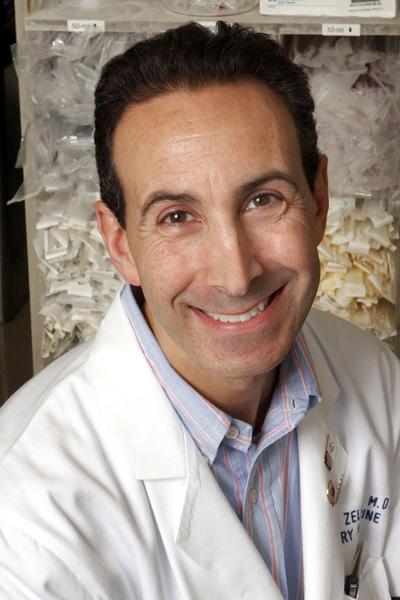 Darryl Zeldin合作论文数Immunity, Inflammation, and Disease Laboratory, National Institute of Environmental Health Sciences, National Institutes of Health38
 John W. Newman合作论文数Western Human Nutrition Research Center, Agricultural Research Service, U.S. Department of Agriculture38
 Ki Chang Ahn合作论文数38Hsing-Ju Tsai合作论文数38
 Dipak Panigrahy合作论文数Harvard Medical School, Harvard University;Department of Pathology, Beth Israel Deaconess Medical Center37
 Ian M. Kennedy合作论文数Department of Mechanical and Aerospace Engineering, University of California, Davis36
 Bryony C. Bonning合作论文数Entomology and Nematology Department, University of Florida;Center for Arthropod Management Technologies, NSF;Iowa State University35
 John R Falck合作论文数University of Texas Southwestern Medical Center35
 Dongyang Li (李冬阳)合作论文数College of Biosystems Engineering and Food Science, Zhejiang University34Nipavan Chiamvimonvat合作论文数UC Davis, University of California34Hua Dong合作论文数UCD Comprehens Canc Ctr, Univ Calif Davis33
 Nils Helge Schebb合作论文数Inst Food Toxicol, Univ Vet Med Hannover30
 Gualberto Gonzalez-Sapienza合作论文数Catedra de Immunologia;Facultad de Quimica;Catedra de Immunologia|Facultad de Quimica29James R. Sanborn合作论文数29
 Cindy Mcreynolds合作论文数28Mikaela Nichkova合作论文数28In-Hae Kim合作论文数28Arzu Ulu合作论文数28
 Zhenlin Xu (徐振林)合作论文数College of Food Science, South China Agricultural University27
 Weicang Wang合作论文数Department of Food Science, University of Massachusetts-Amherst26
 Andras Szekacs合作论文数the Hungarian Academy of Sciences, Plant Protection Institute26
 Ludek Cervenka合作论文数25
 Guodong Zhang (张国栋)合作论文数Department of Food Science & Technology, Faculty of Science, National University of Singapore25Todd R. Harris合作论文数25Sean D Kodani合作论文数Comprehensive Cancer Center, University of California,24
 Thomas C Sparks合作论文数Agrilucent LLC24
 Paul Jones合作论文数School of Environment and Sustainability, University of Saskatchewan24Hee-Joo Kim合作论文数24
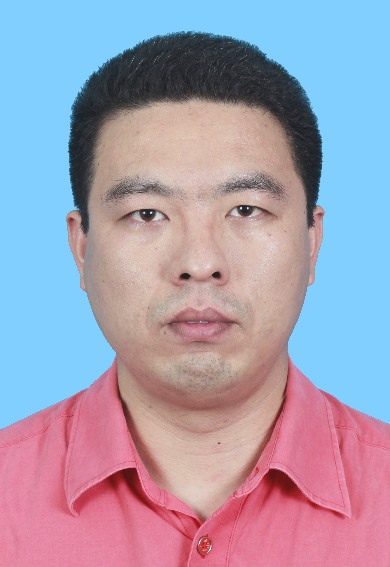 Yudong Shen (沈玉栋)合作论文数College of Food Science, South China Agricultural University23Swee J. Teh合作论文数23
 Junmao Jin (金茂俊)合作论文数Institute of Quality Standard and Testing Technology for Agro-Products, Chinese Academy of Agricultural Sciences22
 Ingrid Fleming合作论文数Institute for Vascular Signalling, Goethe University Frankfurt am Main22
 Zhenfeng Li合作论文数21




