Importance Overweight and obesity affect 60% to 78% of patients with psoriasis, affecting disease severity, treatment response, and clinical outcomes. However, no large, randomized, active-controlled clinical trial has evaluated a treatment strategy that addresses both diseases simultaneously. Objective To evaluate the efficacy and safety of ixekizumab with or without tirzepatide in participants with psoriasis and overweight or obesity. Design, Setting, and Participants This phase 3b, randomized, open-label, 52-week clinical trial was conducted at 72 sites in the US in adults with moderate to severe plaque psoriasis who have overweight with 1 or more weight-related comorbidities or obesity. The trial started on September 30, 2024, and completed the week 36 primary end point on January 8, 2026. Data were analyzed from January to February 2026. Interventions Participants were randomized (1:1) to ixekizumab plus tirzepatide or ixekizumab as adjunct to diet and exercise in both treatment arms. Main Outcomes and Measures At week 36, the primary end point was simultaneous achievement of Psoriasis Activity and Severity Index (PASI) 100 and 10% or greater weight reduction. Key secondary end points were PASI 100 and simultaneous PASI 75 and 5% or greater weight reduction, as well as 10% or greater weight reduction. Results Among the 274 randomized participants (mean [SD] age, 45.6 [12.7] years; 123 [44.9%] women and 151 [55.1%] men; mean [SD] screening body mass index [calculated as weight in kilograms divided by height in meters squared], 39.2 [9.1]; mean [SD] duration of psoriasis, 14.6 [13.0] years; mean [SD] PASI, 19.7 [8.1]), 231 (84.3%) completed the treatment through week 36. Overall, 27.1% of participants simultaneously achieved PASI 100 and a 10% or greater weight reduction with ixekizumab plus tirzepatide vs 5.8% with ixekizumab (risk difference [RD], 21.2%; 95% CI, 12.8%-29.7%; P < .001). Also, 40.6% vs 29.0% of participants achieved PASI 100 (RD, 11.6%; 95% CI, 0.3%-22.9%; P = .04), 79.9% vs 17.9% simultaneously achieved PASI 75 and a 5% or greater weight reduction (RD, 62.0%; 95% CI, 51.7%-72.2%; P < .001), and 69.2% vs 9.1% achieved a 10% or greater weight reduction (RD, 60.0%; 95% CI, 50.4%-69.7%; P < .001), respectively. Adverse events were generally consistent with established drug safety profiles, the most common being gastrointestinal tract events and injection site reactions. Gastrointestinal tract events occurred more frequently with ixekizumab plus tirzepatide vs ixekizumab. Conclusions and Relevance The trial results suggest that concomitant ixekizumab and tirzepatide produced clinically meaningful, statistically significant improvements in skin clearance and reductions in weight in participants with moderate to severe psoriasis, with no new safety concerns, while providing additional cardiometabolic benefits and a potential to elevate care. Trial Registration ClinicalTrials.gov Identifier: NCT06588283
Background The first phase of the Psoriasis Longitudinal Assessment and Registry (PSOLAR) provided safety, demographic, and other outcomes data from >12,000 patients (>75,000 patient-years) eligible to receive biologics for psoriasis. In 2018, PSOLAR enrollment criteria were updated to specifically include patients receiving either guselkumab or an interleukin-17 inhibitor (IL-17i). Methods Baseline characteristics are described for patients included in PSOLAR after adoption of Protocol Amendment 6 (March 26, 2018), which updated enrollment criteria to include patients exposed to guselkumab or an IL-17i. Results As of July 12, 2025, 3501 patients (guselkumab, n = 2213; IL-17i, n = 1288) were enrolled at sites in 17 countries. Baseline characteristics were generally balanced between the guselkumab and IL-17i cohorts. The majority of patients were male (59.9%), white (74.3%), and overweight/obese (78.5%; mean [SD] BMI = 30.2 [7.2] kg/m 2 ). Mean (SD) age was 50.3 (13.9) years. On average, patients had longstanding psoriasis at baseline (mean [SD] duration of psoriasis = 19.0 [13.7] years; mean [SD] body surface area = 8.6% [12.7]). Most patients reported current or prior history of alcohol use (77.3%) and smoking (54.1%). Prior to enrollment, most patients (76.9%) reported exposure to ≥1 biologic. Self-reported psoriatic arthritis was less common in the guselkumab vs the IL-17i group (25.0% vs 38.1%). Conclusion Patients with psoriasis treated with guselkumab or an IL-17i in this real-world cohort had similar baseline characteristics, although psoriatic arthritis was more common in the IL-17i group. Findings from PSOLAR may help clinicians better understand characteristics of patients who may be prescribed guselkumab or an IL-17i for psoriasis in a real-world setting. Clinicaltrials.gov Identifier NCT00508547.
Importance:Overweight and obesity affect 60% to 78% of patients with psoriasis, affecting disease severity, treatment response, and clinical outcomes. However, no large, randomized, active-controlled clinical trial has evaluated a treatment strategy that addresses both diseases simultaneously. Objective:To evaluate the efficacy and safety of ixekizumab with or without tirzepatide in participants with psoriasis and overweight or obesity. Design, Setting, and Participants:This phase 3b, randomized, open-label, 52-week clinical trial was conducted at 72 sites in the US in adults with moderate to severe plaque psoriasis who have overweight with 1 or more weight-related comorbidities or obesity. The trial started on September 30, 2024, and completed the week 36 primary end point on January 8, 2026. Data were analyzed from January to February 2026. Interventions:Participants were randomized (1:1) to ixekizumab plus tirzepatide or ixekizumab as adjunct to diet and exercise in both treatment arms. Main Outcomes and Measures:At week 36, the primary end point was simultaneous achievement of Psoriasis Activity and Severity Index (PASI) 100 and 10% or greater weight reduction. Key secondary end points were PASI 100 and simultaneous PASI 75 and 5% or greater weight reduction, as well as 10% or greater weight reduction. Results:Among the 274 randomized participants (mean [SD] age, 45.6 [12.7] years; 123 [44.9%] women and 151 [55.1%] men; mean [SD] screening body mass index [calculated as weight in kilograms divided by height in meters squared], 39.2 [9.1]; mean [SD] duration of psoriasis, 14.6 [13.0] years; mean [SD] PASI, 19.7 [8.1]), 231 (84.3%) completed the treatment through week 36. Overall, 27.1% of participants simultaneously achieved PASI 100 and a 10% or greater weight reduction with ixekizumab plus tirzepatide vs 5.8% with ixekizumab (risk difference [RD], 21.2%; 95% CI, 12.8%-29.7%; P < .001). Also, 40.6% vs 29.0% of participants achieved PASI 100 (RD, 11.6%; 95% CI, 0.3%-22.9%; P = .04), 79.9% vs 17.9% simultaneously achieved PASI 75 and a 5% or greater weight reduction (RD, 62.0%; 95% CI, 51.7%-72.2%; P < .001), and 69.2% vs 9.1% achieved a 10% or greater weight reduction (RD, 60.0%; 95% CI, 50.4%-69.7%; P < .001), respectively. Adverse events were generally consistent with established drug safety profiles, the most common being gastrointestinal tract events and injection site reactions. Gastrointestinal tract events occurred more frequently with ixekizumab plus tirzepatide vs ixekizumab. Conclusions and Relevance:The trial results suggest that concomitant ixekizumab and tirzepatide produced clinically meaningful, statistically significant improvements in skin clearance and reductions in weight in participants with moderate to severe psoriasis, with no new safety concerns, while providing additional cardiometabolic benefits and a potential to elevate care. Trial Registration:ClinicalTrials.gov Identifier: NCT06588283.
Risankizumab (RZB) is an approved injectable IL-23 inhibitor with demonstrated high levels of skin clearance, and icotrokinra (ICO) is an oral IL-23 receptor blocker recently approved for the treatment of moderate-to-severe plaque psoriasis. In the absence of head-to-head trials, this study uses matching-adjusted indirect comparison (MAIC) to compare RZB with ICO in the treatment of adult patients with moderate-to-severe psoriasis. Individual patient data from phase 3 RZB trials and summary data from published ICO phase 3 trials were used in this MAIC through week 52. Risk differences between RZB and ICO placebo-adjusted response rates (anchored) were assessed for ≥ 75
BACKGROUND:Patients with psoriasis affecting a low percentage of their body surface area (BSA) are under-represented in clinical studies and may face substantial disease burden if high-impact sites are affected. OBJECTIVES:To evaluate in a phase IIIb randomized placebo-controlled study (SPECTREM; NCT06039189) the efficacy and safety of guselkumab in participants with low BSA (2-15%), moderate [Investigator's Global Assessment (IGA) = 3] plaque psoriasis involving one or more high-impact site (scalp, face, genitals, intertriginous areas). METHODS:Eligible participants were randomized 2 : 1 to receive guselkumab 100 mg or placebo at week 0 and week 4, then every 8 weeks. The primary endpoint was the proportion of participants achieving IGA 0/1 (cleared/minimal) at week 16. Major secondary endpoints included the proportion of participants achieving ≥ 90% improvement in Psoriasis Area and Severity Index (PASI 90), IGA 0 and 100% improvement in PASI (PASI 100); mean percentage improvements from baseline to week 16 in BSA and PASI; and proportions of participants achieving site-specific IGA or Physician's Global Assessment (PGA) 0/1 among those with scalp, facial, genital or intertriginous site-specific IGA/PGA ≥ 3 at baseline. RESULTS:Among the 338 randomized participants (guselkumab, n = 225; placebo, n = 113), mean (SD) baseline BSA was 7.6% (3.7) and PASI was 9.0 (3.8). At week 16, all primary and major secondary endpoints were met, with guselkumab demonstrating superiority vs. placebo (all P < 0.001) in the proportions of participants achieving IGA 0/1 (74.2% vs. 12.4%), IGA 0 (40.4% vs. 3.5%), PASI 90 (52.9% vs. 6.2%) and PASI 100 (32.4% vs. 2.7%), and mean percentage improvement from baseline in BSA (80.6% vs. 6.1%) and PASI (82.6% vs. 13.7%). Site-specific IGA/PGA 0/1 response rates for guselkumab vs. placebo were as follows: scalp 75.0% (n = 114/152) vs. 14.5% (n = 11/76); face 87.8% (n = 79/90) vs. 28.6% (n = 12/42); genital 78.0% (n = 64/82) vs. 37.5% (n = 15/40) and intertriginous 86.5% (n = 96/111) vs. 28.8% (n = 15/52). In the guselkumab and placebo groups, respectively, 37.8% and 39.8% experienced one or more adverse event; no new safety signals were identified. CONCLUSIONS:Through week 16, guselkumab was effective and well tolerated in participants with low BSA, moderate plaque psoriasis with involvement of high-impact sites. Statistically significant improvements across multiple clearance measures, irrespective of baseline BSA, support the effectiveness of guselkumab across a broad range of patients.
This is a summary of the original article “Apremilast improves skin outcomes in pediatric plaque psoriasis of shorter disease duration: 52-week results from the SPROUT phase 3 trial”. Enrolled patients were aged 6–17 years with moderate to severe plaque psoriasis (PsO) inadequately controlled by, or inappropriate for, topical therapy (NCT03701763). Patients were randomized to apremilast or placebo for 16 weeks, after which all patients transitioned to apremilast through 52 weeks. The efficacy of apremilast was assessed by disease duration at baseline (shorter, < 2 years; medium, ≥ 2 to < 5 years; longer, ≥ 5 years). In this post hoc analysis, patients had generally similar baseline characteristics across disease durations. At week 16, patients receiving apremilast vs placebo experienced numerically greater improvements in most skin clearance outcomes across all disease durations, particularly in patients with disease duration < 2 years. Through week 52, patients experienced numerical improvements across all disease durations, with the most pronounced efficacy in patients with disease duration < 5 years. These findings suggest early intervention with a systemic therapy such as apremilast in pediatric patients with moderate to severe PsO may mitigate disease burden.
Pediatric patients (pts) with plaque psoriasis (PsO) experience impaired quality of life and undertreatment, often receiving only topical therapy. Based on adult studies, early systemic intervention in pediatric pts may improve disease course. The phase 3 SPROUT (NCT03701763) trial enrolled pts 6—17 years (y) with moderate to severe PsO inadequately controlled by/inappropriate for topical therapy and showed apremilast (APR)—the only oral systemic therapy approved in the EU and US for moderate to severe pediatric PsO—improved disease activity vs placebo (PBO) and was well tolerated. This post hoc analysis assessed APR by disease duration (<2 y, 2—<5 y, ≥5 y) over 52 weeks (wks): static Physician’s Global Assessment (sPGA) response (score 0/1 with ≥2-point decrease from baseline [BL]); ≥75%, ≥90%, or 100% reduction from BL in Psoriasis Area and Severity Index (PASI-75, -90, or -100); and % change from BL in affected body surface area (BSA). Among 245 pts enrolled (APR 163; PBO 82), 221 (90%) completed Wk 16 (APR 149; PBO 72) and 186 (84%) completed Wk 52 (APR/APR 125; PBO/APR 61). At Wk 16, greater responses in sPGA, PASI-75, PASI-90, and BSA were seen with APR vs PBO across all disease durations, particularly <2 y. At Wk 52, further improvements were seen in all outcomes across all disease durations, particularly <2 y and 2—<5 y. These findings support the value of early intervention with APR to mitigate long-term disease burden in pediatric pts with moderate to severe PsO.
Background Atopic dermatitis (AD) is a chronic inflammatory disease affecting millions worldwide. Despite strong recommendations from leading dermatology organizations discouraging routine use of systemic corticosteroids (SCS) in AD, they remain frequently prescribed. This expert consensus provides evidence-based recommendations on the role of SCS in the management of AD. Methods A comprehensive literature search was completed using combination of keywords “atopic dermatitis,” “systemic corticosteroids,” “adverse effects,” “short-term,” “long-term,” and “alternative therapies”. A panel of 9 dermatologists with substantial expertise in management of AD reviewed eligible articles using Strength of Recommendation Taxonomy (SORT) criteria and developed consensus statements. A modified Delphi process was used to approve each statement, and a strength of recommendation was assigned. Results The literature search produced 500 articles, of which 27 met screening criteria for inclusion. The expert panel unanimously voted to adopt 11 consensus statements and recommendations: eight with strength of “A” and three with strength of “C”. Conclusion This expert consensus defines evidence-based thresholds for short- and long-term systemic SCS use in AD, highlights their significant safety risks, and affirms that any SCS exposure constitutes a systemic therapy trial, supporting prompt transition to advanced systemic treatments.
Introduction The Psoriasis Longitudinal Assessment and Registry (PSOLAR; NCT00508547) is a large, international, prospective, longitudinal, disease-based registry that enrolled patients with psoriasis (PsO) who were receiving, or were candidates for, systemic therapy. The aims of the Registry are to assess the long-term safety and improve understanding of real-world biologic use in patients with PsO. Objective The objective of this analysis is to describe real-world effectiveness of guselkumab in patients with psoriasis. Methods Disease characteristics, absolute Psoriasis Area and Severity Index (PASI) score, percentage of body surface area (BSA) involvement, and change from baseline in PASI score and BSA through two years are reported for patients with PsO treated with guselkumab (GUS). Some patients initiated GUS ahead of enrolment in the registry. Results As of 12 July 2024, 2198 patients who initiated GUS prior to, or at, enrolment were included with a mean (standard deviation [SD]) duration of follow-up of 3.02 (1.08) years. Of these, 1184 (53.9%) were from North America, 672 (30.6%) were from Europe and 342 (15.6%) were from the Asia-Pacific region. Through 2 years of treatment, 244 (11.1%) patients withdrew from the registry, with the most common reason for withdrawal being patient choice (n=96, 39.3%) and 48 (19.7%) patients being lost to follow-up. Most patients had plaque PsO (2140, 97.4%) with a mean (SD) baseline PASI score of 6.0 (7.02) and a mean (SD) BSA involvement of 8.9% (12.72%). At baseline, 427 (21.1%) patients had a PASI score of 0, 188 (9.3%) had PASI >0–<1, 199 (9.8%) had PASI ≥1–<2, 160 (7.9%) had PASI ≥2–<3, 231 (11.4%) had PASI ≥3–<5 and 816 (40.4%) had PASI ≥5. Approximately 1 in 4 GUS patients had a PASI score of >10 (n=496; 24.5%). At Month 6, the mean (SD) change from baseline in PASI score was −4.5 (7.06) and the mean (SD) change from baseline in %BSA was −6.6 (12.41), corresponding to a mean (SD) absolute PASI score of 1.6 (3.10) and a mean (SD) BSA of 2.3% (5.81%), respectively. Improvements were maintained through 1 year of therapy; at Month 12, the mean (SD) change from baseline in PASI score was −4.4 (6.96) and in %BSA was −6.8 (12.26), corresponding to mean (SD) absolute PASI score of 1.5 (2.74) and a mean (SD) BSA of 1.9% (4.79%). Improvements were maintained through 2 years of treatment, with a mean (SD) absolute PASI score of 1.5 (3.13) and a mean (SD) BSA of 2.1% (6.08%), respectively. Conclusion: Patients in this large real-world registry experienced improvements in PsO severity while receiving treatment with GUS. Improvements were maintained through 2 years of treatment, supporting the use of GUS as a highly effective long-term option for patients with PsO.
Deucravacitinib, an oral, selective, allosteric tyrosine kinase 2 inhibitor, is approved in the USA and other countries for treatment of adults with moderate to severe plaque psoriasis who are candidates for systemic therapy. In POETYK PSO-1 and PSO-2, deucravacitinib was superior to placebo and apremilast and well tolerated in patients with plaque psoriasis. Patients who completed PSO-1/PSO-2 could enroll in the POETYK long-term extension (LTE) trial. This analysis evaluates the effects of deucravacitinib on laboratory parameters. POETYK PSO-1 and PSO-2 were 52-week, phase 3, double-blinded trials that randomized patients 1:2:1 to placebo, deucravacitinib 6 mg once daily, or apremilast 30 mg twice daily. At week 52, eligible patients enrolled in POETYK LTE and received open-label deucravacitinib. Mean changes from baseline in laboratory parameters, laboratory adverse events (AEs), and laboratory AEs resulting in discontinuation were evaluated over 3 years. A total of 1519 patients received one or more doses of deucravacitinib across trials. Total exposure over 3 years was 3294.3 person-years. No clinically relevant mean changes were observed in laboratory parameters. Grade ≥ 3 laboratory AEs were infrequent during the 1-year period, with incidence rates remaining stable in patients treated with deucravacitinib through 3 years. Most laboratory AEs remained at the same grade; shifts to higher grades were infrequent, with most increases being to grade ≤ 2. Discontinuations due to laboratory AEs were rare. Deucravacitinib did not result in clinically meaningful changes in laboratory parameters over 3 years, including changes seen with Janus kinase (JAK) 1,2,3 inhibitors. Grade ≥ 3 laboratory AEs and discontinuations were rare. ClinicalTrials.gov identifier, POETYK PSO-1 (NCT03624127), POETYK PSO-2 (NCT03611751), POETYK LTE (NCT04036435).
Many patients with psoriasis remain on topical therapy despite meeting criteria for systemic therapy. Our objective was to estimate the effect of earlier initiation of apremilast on attaining body surface area (BSA) treatment targets in patients with psoriasis in a real-world setting. This retrospective cohort study conducted in the OM1 database analyzed patients with psoriasis and a BSA value between ≥ 1 and ≤ 10
People with generalized pustular psoriasis experience underlying skin inflammation, even in the absence of flares. Spesolimab treatment helps control the inflammation and prevent future flares.
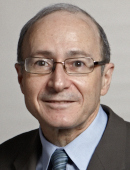 Mark G Lebwohl合作论文数Kimberly and Eric J. Waldman Department of Dermatology, Icahn School of Medicine at Mount Sinai155
 April W. Armstrong合作论文数David Geffen School of Medicine, University of California Los Angeles;Division of Dermatology, Department of Medicine, University of California Los Angeles69
 Kim Alexander Papp合作论文数Probity Medical Research Inc.68
 Andrew Blauvelt合作论文数Blauvelt Consulting, LLC68
 Richard G. Langley合作论文数Department of Medicine, Dalhousie University;Department of Medicine, Dalhousie University60Kenneth B. Gordon合作论文数57
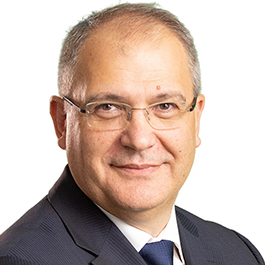 Diamant Thaci合作论文数Comprehensive Center for Inflammation Medicine, University of Lübeck57
 Alice Gottlieb合作论文数Department of Dermatology, The University of Texas Southwestern Medical Center50
 Richard Warren合作论文数49
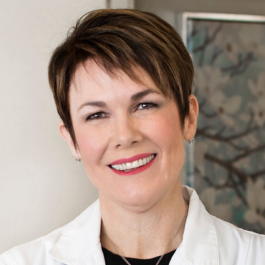 Melinda Gooderham合作论文数SKiN Centre for Dermatology;Queens University;Peterborough Regional Health Centre42Craig L. Leonardi合作论文数39Stein Gold Linda合作论文数Mount Sinai School of Medicine;Mount Sinai School of Medicine35Subhashis Banerjee合作论文数31
 Peter Foley合作论文数Department of Medicine, Faculty of Medicine, Dentistry and Health Sciences, The University of Melbourne;St Vincent's Hospital;Probity Medical Research;Skin Health Institute29
 Joseph Merola合作论文数Department of Dermatology, The University of Texas Southwestern Medical Center28
 Lluís Puig合作论文数Department of Dermatology, Hospital de la Santa Creu i Sant Pau;Medicine School, Universitat Autònoma de Barcelona25
 Alexandra B. Kimball合作论文数Department of Dermatology, Harvard Medical School;Beth Israel Deaconess Medical Center, Inc.23
 Shinichi Imafuku合作论文数Atomic-Bomb Survivors Hospital, Hiroshima Red Cross Hospital23
 Martin Menter合作论文数Baylor University Medical Center22Jerry Bagel合作论文数21
 Kristian Reich合作论文数Center for Psychosocial Medicine, Universitätsklinikum Hamburg-Eppendorf;Institute of Health Care Research in Dermatology and Nursing, Universitätsklinikum Hamburg-Eppendorf;JeruCON21Boni E. Elewski合作论文数21Leon Kircik合作论文数20
 Matthias Augustin合作论文数Center for Psychosocial Medicine, Universitatsklinikum Hamburg-Eppendorf;Institute of Health Care Research in Dermatology and Nursing, Universitatsklinikum Hamburg-Eppendorf20
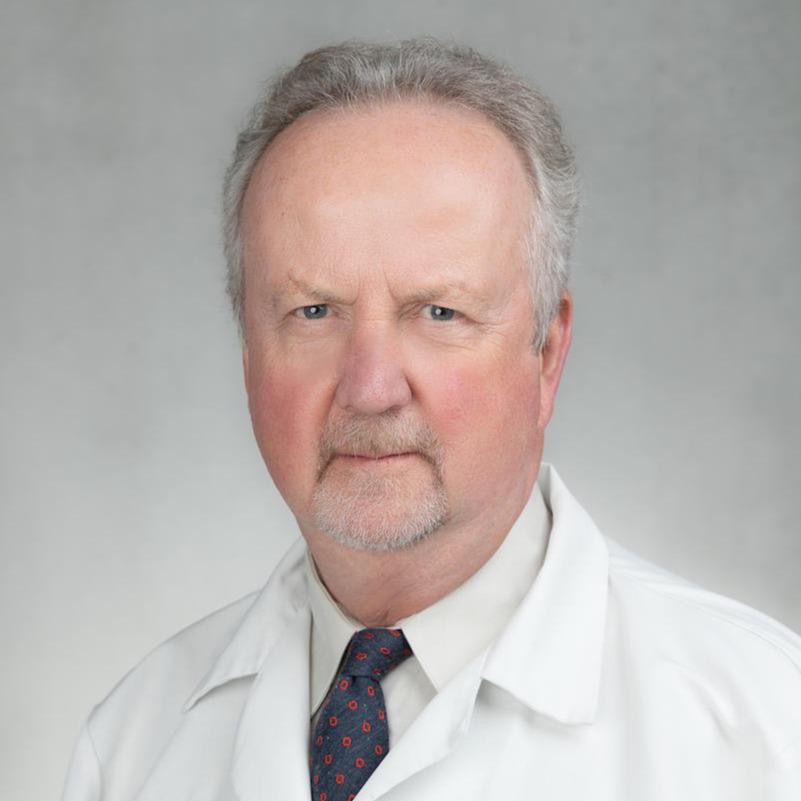 Arthur Kavanaugh合作论文数Center for Innovative Therapy, Division of Rheumatology, Allergy and Immunology, University of California, San Diego;School of Medicine, University of California, San Diego19
 Carle F Paul合作论文数Department of Dermatology, Toulouse University;Paul Sabatier University18Morita Akimichi合作论文数18Yihua Gu合作论文数17Callis Duffin Kristina合作论文数Univ Utah17Korman N J合作论文数17Paolo Gisondi合作论文数17Ning Guo合作论文数16
 Howard L Sofen合作论文数16David Pariser合作论文数16Christian Thoma合作论文数15
 Alan Menter MD合作论文数15
 Jeffrey J Crowley合作论文数15Adam P. Sima合作论文数14
 Christopher E.M. Griffiths合作论文数Division of Musculoskeletal & Dermatological Sciences, University of Manchester14
 Robert Bissonnette合作论文数Innovaderm Research Inc14Abby S. Van Voorhees合作论文数14Marc A. Mason合作论文数13Hervé Bachelez合作论文数Department of Dermatology, AP-HP Hôpital Saint-Louis13Krueger Gerald G合作论文数13Wayne K. Langholff合作论文数13
 Yukari Okubo合作论文数Department of Dermatology, Tokyo Medical University13Huzefa Photowala合作论文数12Joe Zhuo合作论文数12Delphine Deherder合作论文数12




