Fibrobacter succinogenes, Ruminococcus albus, and Ruminococcus flavefaciens are the three predominant cellulolytic bacterial species found in the rumen. In vitro studies have shown that these species compete for adherence to, and growth upon, cellulosic biomass. Yet their molecular interactions in vivo have not heretofore been examined. Gnotobiotically raised lambs harboring a 17-h-old immature microbiota devoid of culturable cellulolytic bacteria and methanogens were inoculated first with F. succinogenes S85 and Methanobrevibacter sp. strain 87.7, and 5 months later, the lambs were inoculated with R. albus 8 and R. flavefaciens FD-1. Longitudinal samples were collected and profiled for population dynamics, gene expression, fibrolytic enzyme activity, in sacco fibrolysis, and metabolite profiling. Quantitative PCR, metagenome and metatranscriptome data show that F. succinogenes establishes at high levels initially but is gradually outcompeted following the introduction of the ruminococci. This shift resulted in an increase in carboxymethyl cellulase (CMCase) and xylanase activities but not in greater fibrolysis, suggesting that F. succinogenes and ruminococci deploy different but equally effective means to degrade plant cell walls. Expression profiles showed that F. succinogenes relied upon outer membrane vesicles and a diverse repertoire of CAZymes, while R. albus and R. flavefaciens preferred type IV pili and either CBM37-harboring or cellulosomal carbohydrate-active enzymes (CAZymes), respectively. The changes in cellulolytics also affected the rumen metabolome, including an increase in acetate and butyrate at the expense of propionate. In conclusion, this study provides the first demonstration of in vivo competition between the three predominant cellulolytic bacteria and provides insight on the influence of these ecological interactions on rumen fibrolytic function and metabolomic response.IMPORTANCE Ruminant animals, including cattle and sheep, depend on their rumen microbiota to digest plant biomass and convert it into absorbable energy. Considering that the extent of meat and milk production depends on the efficiency of the microbiota to deconstruct plant cell walls, the functionality of predominant rumen cellulolytic bacteria, Fibrobacter succinogenes, Ruminococcus albus, and Ruminococcus flavefaciens, has been extensively studied in vitro to obtain a better knowledge of how they operate to hydrolyze polysaccharides and ultimately find ways to enhance animal production. This study provides the first evidence of in vivo competitions between F. succinogenes and the two Ruminococcus species. It shows that a simple disequilibrium within the cellulolytic community has repercussions on the rumen metabolome and fermentation end products. This finding will have to be considered in the future when determining strategies aiming at directing rumen fermentations for animal production.
ABSTRACT Gut microbiome-host interactions play a crucial role in health and disease. Altered gut microbiome composition has been observed in patients with interstitial cystitis/bladder pain syndrome (IC/BPS), a disorder characterized by pelvic pain, voiding dysfunction, and often co-morbid with anxiety/depression. We recently showed that mice deficient for acyloxyacyl hydrolase (AOAH) mimic pelvic pain symptoms and comorbidities of IC/BPS and also exhibit gut dysbiosis. In addition, we previously identified that the conditional knockout (cKO) of two transcriptional regulators of the gene encoding corticotropin-releasing factor, Crf , that are downstream of AOAH, aryl hydrocarbon receptor (AhR) and peroxisome proliferator-activated receptor- γ (PPAR γ ), alleviate anxiety/depressive and voiding phenotypes of AOAH-deficient mice. Here, we examined the effects of AhR and PPAR γ in CRF-expressing cells on the dysbiosis of AOAH-deficiency. AOAH-deficient mice with cKO of PPAR γ and AhR/PPAR γ exhibited reduced pelvic allodynia compared to AOAH-deficient mice, suggesting a role for PPAR γ in regulating pelvic pain. 16S rRNA sequencing of fecal stool from female AOAH-deficient mice with a cKO of AhR and/or PPAR γ in CRF-expressing cells identified altered gut microbiota distinct from AOAH-deficient stool. The cKO of AhR and PPAR γ showed improved cecum barrier function in females compared to AOAH-deficient mice, whereas males were primarily affected by PPAR γ , suggesting sex differences in gut responses. Pair-wise comparison of microbiota also suggested sex differences in response to AOAH-deficiency and conditional knockout of AhR and PPAR γ . Our findings suggest that the dysbiosis and leaky gut of AOAH deficiency is mediated by AhR and PPAR γ in CRF-expressing cells and reveal a novel mechanism and therapeutic targets for pelvic pain.
Andres Gomez,a Ashok Kumar Sharma,a Elizabeth K. Mallott,b Klara J. Petrzelkova,c,d,e Carolyn A. Jost Robinson,f Carl J. Yeoman,g Franck Carbonero,h Barbora Pafco,c,i Jessica M. Rothman,j Alexander Ulanov,k Klara Vlckova,c,i Katherine R. Amato,b Stephanie L. Schnorr,l,y Nathaniel J. Dominy,m David Modry,d,i,n Angelique Todd,o Manolito Torralba,p Karen E. Nelson,p Michael B. Burns,q Ran Blekhman,r Melissa Remis,s Rebecca M. Stumpf,t,u Brenda A. Wilson,t,v H. Rex Gaskins,t,w Paul A. Garber,u Bryan A. White,t,w Steven R. Leighx
Dysbiosis of gut microbiota is associated with many pathologies, yet host factors modulating microbiota remain unclear. Interstitial cystitis/bladder pain syndrome (IC/BPS) is a debilitating condition of chronic pelvic pain often with comorbid urinary dysfunction and anxiety/depression, and recent studies find fecal dysbiosis in patients with IC/BPS. We identified the locus encoding acyloxyacyl hydrolase, Aoah, as a modulator of pelvic pain severity in a murine IC/BPS model. AOAH-deficient mice spontaneously develop rodent correlates of pelvic pain, increased responses to induced pelvic pain models, voiding dysfunction, and anxious/depressive behaviors. Here, we report that AOAH-deficient mice exhibit dysbiosis of gastrointestinal (GI) microbiota. AOAH-deficient mice exhibit an enlarged cecum, a phenotype long associated with germ-free rodents, and a “leaky gut” phenotype. AOAH-deficient ceca showed altered gene expression consistent with inflammation, Wnt signaling, and urologic disease. 16S sequencing of stool revealed altered microbiota in AOAH-deficient mice, and GC-MS identified altered metabolomes. Cohousing AOAH-deficient mice with wild-type mice resulted in converged microbiota and altered predicted metagenomes. Cohousing also abrogated the pelvic pain phenotype of AOAH-deficient mice, which was corroborated by oral gavage of AOAH-deficient mice with stool slurry of wild-type mice. Converged microbiota also alleviated comorbid anxiety-like behavior in AOAH-deficient mice. Oral gavage of AOAH-deficient mice with anaerobes cultured from IC/BPS stool resulted in exacerbation of pelvic allodynia. Together, these data indicate that AOAH is a host determinant of normal gut microbiota, and dysbiosis associated with AOAH deficiency contributes to pelvic pain. These findings suggest that the gut microbiome is a potential therapeutic target for IC/BPS.
Urologic chronic pelvic pain syndrome patients include men chronic prostatitis/chronic pelvic pain syndrome (CP/CPPS) and patients, mainly women, with interstitial cystitis/bladder pain syndrome (IC/BPS or IC). CP/CPPS is marked by severe chronic pelvic pain of unknown etiology that is differentially associated with prostatic inflammation. Microbes are known to modulate sensory responses, and microbiota are increasingly understood to drive normal biological processes and pathogenesis, including inflammation. Recent studies have linked fecal dysbiosis with chronic pelvic pain in IC/BPS, suggesting a role for microbiota in modulating UCPPS pain. Similarly, dysbiosis has been reported in CP/CPPS patients, but the relationship between with the dysbiosis of IC/BPS patients is unclear. Here, we characterized the fecal microbiota of men with CP/CPPS and women and men with IC/BPS. Similar to recent reports, we identified fecal dysbiosis in men with CP/CPPS relative to healthy controls among specific phyla and overall differences in diversity and richness. Interestingly, we also observed differences between CP/CPPS microbiota and IC/BPS microbiota that were not likely due to sex differences. These findings suggest that CP/CPPS is marked by changes in the gut microbiome, but these changes differ from IC/BPS. Taken together, UCPPS appears associated with distinct dybioses among CP/CPPS and IC/BPS, raising the possibility of distinct contributions to underlying pelvic pain mechanisms and/or etiologies.
Compared with urban-industrial populations, small-scale human communities worldwide share a significant number of gut microbiome traits with nonhuman primates. This overlap is thought to be driven by analogous dietary triggers; however, the ecological and functional bases of this similarity are not fully understood. To start addressing this issue, fecal metagenomes of BaAka hunter-gatherers and traditional Bantu agriculturalists from the Central African Republic were profiled and compared with those of a sympatric western lowland gorilla group (Gorilla gorilla gorilla) across two seasons of variable dietary intake. Results show that gorilla gut microbiomes shared similar functional traits with each human group, depending on seasonal dietary behavior. Specifically, parallel microbiome traits were observed between hunter-gatherers and gorillas when the latter consumed more structural polysaccharides during dry seasons, while small-scale agriculturalist and gorilla microbiomes showed significant functional overlap when gorillas consumed more seasonal ripe fruit during wet seasons. Notably, dominance of microbial transporters, transduction systems, and gut xenobiotic metabolism was observed in association with traditional agriculture and energy-dense diets in gorillas at the expense of a functional microbiome repertoire capable of metabolizing more complex polysaccharides. Differential abundance of bacterial taxa that typically distinguish traditional from industrialized human populations (e.g., Prevotella spp.) was also recapitulated in the human and gorilla groups studied, possibly reflecting the degree of polysaccharide complexity included in each group's dietary niche. These results show conserved functional gut microbiome adaptations to analogous diets in small-scale human populations and nonhuman primates, highlighting the role of plant dietary polysaccharides and diverse environmental exposures in this convergence.IMPORTANCE The results of this study highlight parallel gut microbiome traits in human and nonhuman primates, depending on subsistence strategy. Although these similarities have been reported before, the functional and ecological bases of this convergence are not fully understood. Here, we show that this parallelism is, in part, likely modulated by the complexity of plant carbohydrates consumed and by exposures to diverse xenobiotics of natural and artificial origin. Furthermore, we discuss how divergence from these parallel microbiome traits is typically associated with adverse health outcomes in human populations living under culturally westernized subsistence patterns. This is important information as we trace the specific dietary and environmental triggers associated with the loss and gain of microbial functions as humans adapt to various dietary niches.
INTRODUCTION AND OBJECTIVE: Interstitial cystitis/bladder pain syndrome (IC/BPS) is a debilitating condition of chronic pelvic pain often co-morbid with voiding dysfunction and depression. We have previously identified the locus encoding acyloxyacyl hydrolase, Aoah, as a modulator of pelvic pain severity in an IC murine model. AOAH-deficient mice develop spontaneous pelvic pain and an increased response to induced pelvic pain models, in addition to voiding dysfunction and a depressive-like phenotype. Recent studies in female IC/BPS patients have also indicated fecal dysbiosis, suggesting altered gut flora in AOAH-deficient mice. Therefore, we sought to characterize the gut microbiome of AOAH-deficient mice and identify its role in modulating symptoms of IC/BPS. METHODS: For these studies we utilized male wild-type (WT) C57BL/6 and AOAH-deficient mice. To determine cecum and cecal content mass, samples were weighed and reported as the fraction of total body mass. Gut microbiome composition was analyzed using 16S rDNA sequencing and liquid chromatography mass spectrometry. Intestinal barrier integrity was measured using transepithelial/transendothelial electrical resistance (TEER). To address the role of the microbiome on symptoms of IC/BPS, AOAH-deficient mice were co-housed with WT mice or received stool slurry gavage prior to analyses of visceromotor response (VMR) to bladder distension and defensive burying. RESULTS: We observed that AOAH-deficient mice exhibited an enlarged cecum, a phenotype associated with germ-free rodents, and increased mass of cecal contents. Furthermore, AOAH-deficient mice exhibited both altered microbiota and altered metabolomes compared to WT. TEER was significantly lower in the cecum of AOAH-deficient mice, suggesting a “leaky gut” phenotype. Co-housing AOAH-deficient mice with WT mice resulted in converged microbiota and abrogated the pelvic pain phenotype of AOAH-deficient mice. Alleviation of pelvic pain and anxiety/depressive behavior was also observed by gavage of AOAH-deficient mice with stool slurry of WT mice. CONCLUSIONS: Together, these data indicate that AOAH mediates normal gut microbiota and that the dysbiosis associated with AOAH deficiency is linked to pelvic pain and depressive-like behavior. Therefore, the gut flora may be a potential therapeutic target for treating patients with IC/BPS. Source of Funding: These studies were supported by NIDDK awards U01 DK082342 and R01 DK066112-06S1
Colorectal adenomas are precursors of CRC. Recently, the gut microbiota, i.e., the collection of microbes residing in our gut, has been recognized as a key player in CRC development. There have been a number of gut microbiota profiling studies for colorectal adenoma and CRC; however, fewer studies have considered the gut metabolome, which serves as the chemical interface between the host and gut microbiota. Here, we conducted a gut metabolome profiling study of colorectal adenoma and CRC and analyzed the metabolomic profiles together with paired microbiota composition profiles. We found several chemical signatures of colorectal adenoma that were associated with some gut microbes and potentially indicative of future CRC. This study highlights potential early-driver metabolites in CRC pathogenesis and guides further targeted experiments and thus provides an important stepping stone toward developing better CRC prevention strategies.
Introduction The gut microbiota is intricately connected with host health and is known to influence gene expression across multiple organ systems. Both animal and human longitudinal studies have demonstrated that exercise has independent effects on the composition and functionality of the gut microbiota. Previous studies performed by our group have also shown that transplant of an “exercised” microbiota into germ‐free mice confers enhanced protection against colitis compared to transplant of a “sedentary” microbiota. In this study, we assessed how an “exercised” microbiota transplant impacts global gene expression in gut, brain, and muscle tissue compared to a “sedentary” microbiota transplant. Methods Donor mice received access to a running wheel (n=10) or remained without access (n=9) for six weeks prior to euthanasia. Donor cecal contents were pooled by activity group and transplanted into two separate groups of recipient germ‐free mice (n=16 for each group). After five weeks of gut microbial colonization, recipient mice were sacrificed, and tissues were collected. Total RNA was isolated from the distal colon, soleus muscle, and hippocampus. Four representative mice were chosen from each group for whole transcriptome analysis (RNAseq) of these tissues. Anticipated Results We hypothesize that mice that received an “exercised” microbiome will have different global gene expression profiles than those that received a “sedentary” microbiome. We predict that genes related to immune function, cellular metabolism, and gut barrier function may be particularly affected by transplant of the “exercised” microbiome. Support or Funding Information This work supported by a grant from the Mayo Clinic‐University of Illinois Alliance for Technology‐based Healthcare. This abstract is from the Experimental Biology 2019 Meeting. There is no full text article associated with this abstract published in The FASEB Journal .
OBJECTIVES:Environmental and ecological factors, such as geographic range, anthropogenic pressure, group identity, and feeding behavior are known to influence the gastrointestinal microbiomes of great apes. However, the influence of individual host traits such as age and sex, given specific dietary and social constraints, has been less studied. The objective of this investigation was to determine the associations between an individual's age and sex on the diversity and composition of the gut microbiome in wild western lowland gorillas.MATERIALS AND METHODS:Publicly available 16S rRNA data generated from fecal samples of different groups of Gorilla gorilla gorilla in the Central African Republic were downloaded and bioinformatically processed. The groups analyzed included habituated, partially habituated and unhabituated gorillas, sampled during low fruit (dry, n = 28) and high fruit (wet, n = 82) seasons. Microbial community analyses (alpha and beta diversity and analyses of discriminant taxa), in tandem with network-wide approaches, were used to (a) mine for specific age and sex based differences in gut bacterial community composition and to (b) asses for gut community modularity and bacterial taxa with potential functional roles, in the context of seasonal food variation, and social group affiliation.RESULTS:Both age and sex significantly influenced gut microbiome diversity and composition in wild western lowland gorillas. However, the largest differences were observed between infants and adults in habituated groups and between adults and immature gorillas within all groups, and across dry and wet seasons. Specifically, although adults always showed greater bacterial richness than infants and immature gorillas, network-wide analyses showed higher microbial community complexity and modularity in the infant gorilla gut. Sex-based microbiome differences were not evident among adults, being only detected among immature gorillas.CONCLUSIONS:The results presented point to a dynamic gut microbiome in Gorilla spp., associated with ontogeny and individual development. Of note, the gut microbiomes of breastfeeding infants seemed to reflect early exposure to complex, herbaceous vegetation. Whether increased compositional complexity of the infant gorilla gut microbiome is an adaptive response to an energy-limited diet and an underdeveloped gut needs to be further tested. Overall, age and sex based gut microbiome differences, as shown here, maybe mainly attributed to access to specific feeding sources, and social interactions between individuals within groups.
Microbiomes are vast communities of microorganisms and viruses that populate all natural ecosystems. Viruses have been considered to be the most variable component of microbiomes, as supported by virome surveys and examples of high genomic mosaicism. However, recent evidence suggests that the human gut virome is remarkably stable compared with that of other environments. Here, we investigate the origin, evolution and epidemiology of crAssphage, a widespread human gut virus. Through a global collaboration, we obtained DNA sequences of crAssphage from more than one-third of the world’s countries and showed that the phylogeography of crAssphage is locally clustered within countries, cities and individuals. We also found fully colinear crAssphage-like genomes in both Old-World and New-World primates, suggesting that the association of crAssphage with primates may be millions of years old. Finally, by exploiting a large cohort of more than 1,000 individuals, we tested whether crAssphage is associated with bacterial taxonomic groups of the gut microbiome, diverse human health parameters and a wide range of dietary factors. We identified strong correlations with different clades of bacteria that are related to Bacteroidetes and weak associations with several diet categories, but no significant association with health or disease. We conclude that crAssphage is a benign cosmopolitan virus that may have coevolved with the human lineage and is an integral part of the normal human gut virome.
In this study, sequencing of the 16S rRNA gene targeting the V4-V6 regions was conducted to assess the cecal microbial alterations in response to dietary supplementation with a yeast derived mannan rich fraction (MRF) in standard commercial broiler production settings across four separate broiler trials. The resulting data was analysed to identify consistent changes in the bacterial community structure of the broiler cecum in response to MRF supplementation. Subsequently, the datasets from each individual trial were pooled and analysed for differences between control and MRF supplemented diets at day 35 posthatch. The results from this analysis showed that Phylum Firmicutes was decreased and Phylum Bacteroidetes was increased across all four trials at day 35 posthatch when compared to the control. An extension of the random forest bioinformatics approach to discover a highly relevant set of microbial operational taxonomic units (OTUs) which are indicative of MRF supplementation in the broiler cecum was then used. This approach has enabled the identification of a novel set of yeast-mannan sensitive bacterial OTUs in the cecal microbiome. This information will be helpful in developing potential future nutritional strategies and will be favourable to the poultry industry.
Multi-omic data and genome-scale microbial metabolic models have allowed us to examine microbial communities, community function, and interactions in ways that were not available to us historically. Now, one of our biggest challenges is determining how to integrate data and maximize data potential. Our study demonstrates one way in which to test a hypothesis by combining multi-omic data and community metabolic models. Specifically, we assess hydrogen sulfide production in colorectal cancer based on stool, mucosa, and tissue samples collected on and off the tumor site within the same individuals. 16S rRNA microbial community and abundance data were used to select and inform the metabolic models. We then used MICOM, an open source platform, to track the metabolic flux of hydrogen sulfide through a defined microbial community that either represented on-tumor or off-tumor sample communities. We also performed targeted and untargeted metabolomics, and used the former to quantitatively evaluate our model predictions. A deeper look at the models identified several unexpected but feasible reactions, microbes, and microbial interactions involved in hydrogen sulfide production for which our 16S and metabolomic data could not account. These results will guide future in vitro, in vivo, and in silico tests to establish why hydrogen sulfide production is increased in tumor tissue.
BACKGROUND:Links between colorectal cancer (CRC) and the gut microbiome have been established, but the specific microbial species and their role in carcinogenesis remain an active area of inquiry. Our understanding would be enhanced by better accounting for tumor subtype, microbial community interactions, metabolism, and ecology. METHODS:We collected paired colon tumor and normal-adjacent tissue and mucosa samples from 83 individuals who underwent partial or total colectomies for CRC. Mismatch repair (MMR) status was determined in each tumor sample and classified as either deficient MMR (dMMR) or proficient MMR (pMMR) tumor subtypes. Samples underwent 16S rRNA gene sequencing and a subset of samples from 50 individuals were submitted for targeted metabolomic analysis to quantify amino acids and short-chain fatty acids. A PERMANOVA was used to identify the biological variables that explained variance within the microbial communities. dMMR and pMMR microbial communities were then analyzed separately using a generalized linear mixed effects model that accounted for MMR status, sample location, intra-subject variability, and read depth. Genome-scale metabolic models were then used to generate microbial interaction networks for dMMR and pMMR microbial communities. We assessed global network properties as well as the metabolic influence of each microbe within the dMMR and pMMR networks. RESULTS:We demonstrate distinct roles for microbes in dMMR and pMMR CRC. Bacteroides fragilis and sulfidogenic Fusobacterium nucleatum were significantly enriched in dMMR CRC, but not pMMR CRC. These findings were further supported by metabolic modeling and metabolomics indicating suppression of B. fragilis in pMMR CRC and increased production of amino acid proxies for hydrogen sulfide in dMMR CRC. CONCLUSIONS:Integrating tumor biology and microbial ecology highlighted distinct microbial, metabolic, and ecological properties unique to dMMR and pMMR CRC. This approach could critically improve our ability to define, predict, prevent, and treat colorectal cancers.
Multiple sequence alignment in fasta format, and matching phylogeny in newick format, for recA genes of cultured and yet-to-be-cultured microbes found in the human gut microbiome.
Over the past decade several studies have reported that the gut microbiomes of mammals with similar dietary niches exhibit similar compositional and functional traits. However, these studies rely heavily on samples from captive individuals and often confound host phylogeny, gut morphology, and diet. To more explicitly test the influence of host dietary niche on the mammalian gut microbiome we use 16S rRNA gene amplicon sequencing and shotgun metagenomics to compare the gut microbiota of 18 species of wild non-human primates classified as either folivores or closely related non-folivores, evenly distributed throughout the primate order and representing a range of gut morphological specializations. While folivory results in some convergent microbial traits, collectively we show that the influence of host phylogeny on both gut microbial composition and function is much stronger than that of host dietary niche. This pattern does not result from differences in host geographic location or actual dietary intake at the time of sampling, but instead appears to result from differences in host physiology. These findings indicate that mammalian gut microbiome plasticity in response to dietary shifts over both the lifespan of an individual host and the evolutionary history of a given host species is constrained by host physiological evolution. Therefore, the gut microbiome cannot be considered separately from host physiology when describing host nutritional strategies and the emergence of host dietary niches.
This study assessed the effect of in ovo threonine supplementation on the response of broiler chicks challenged with Salmonella Enteritidis, considering bacterial counts in cecal contents, intestinal morphology, body weight, and weight gain. Fertilized eggs were inoculated in the amniotic fluid with saline (NT) or 3.5% threonine (T) solution at day 17.5 of incubation. At hatch, chicks were individually weighed and cloacal swabs were screened for Salmonella. At 2 days of age, half of the birds from each in ovo treatment were given either 0.5 mL of nutrient broth (sham-inoculated) or nalidixic acid-resistant Salmonella Enteritidis (SE NalR) in nutrient broth (8.3 × 10⁷ colony forming units (CFU) SE NalR/mL). The birds were distributed using a completely randomized design with four treatments after the Salmonella challenge: no in ovo Thr supplementation and sham-inoculated in the posthatch challenge (NT-SHAM), in ovo Thr supplementation and sham-inoculated (T-SHAM), no in ovo Thr supplementation and SE NalR-challenged (NT-SE), and in ovo Thr supplementation and SE NalR-challenged (T-SE). In ovo threonine supplementation reduced Salmonella Enteritidis colonization 168-hour postinoculation and reduced the negative effects associated with Salmonella infection on intestinal morphology and performance, with results similar to those of the sham-inoculated birds. In ovo Thr supplementation increased the expression of MUC2 at hatch and the expression of MUC2 and IgA at 2 days of age and 168-hour postinoculation. Our results suggest that providing in ovo threonine promotes intestinal health in broilers challenged with Salmonella Enteritidis in the first days of life.
Exposure to stressors can negatively impact the mammalian gastrointestinal microbiome (GIM). Here, we used 454 pyrosequencing of 16S rRNA bacterial gene amplicons to evaluate the impact of physiological stress, as evidenced by faecal glucocorticoid metabolites (FGCM; ng/g), on the GIM composition of free-ranging western lowland gorillas (Gorilla gorilla gorilla). Although we found no relationship between GIM alpha diversity (H) and FGCM levels, we observed a significant relationship between the relative abundances of particular bacterial taxa and FGCM levels. Specifically, members of the family Anaerolineaceae (ρ=0.4, FDR q=0.01), genus Clostridium cluster XIVb (ρ=0.35, FDR q=0.02) and genus Oscillibacter (ρ=0.35, FDR q=0.02) were positively correlated with FGCM levels. Thus, while exposure to stressors appears to be associated with minor changes in the gorilla GIM, the consequences of these changes are unknown. Our results may have implications for conservation biology as well as for our overall understanding of factors influencing the non-human primate GIM.
 Karen E. Nelson合作论文数Thermo Fisher Scientific50
 Carl J. Yeoman合作论文数Department of Animal & Range Sciences, Montana State University47
 Steven Leigh合作论文数Department of Anthropology, College of Arts and Sciences, University of Colorado Boulder43
 Brenda A. Wilson合作论文数38
 Rebecca Stumpf合作论文数Carle Illinois College of Medicine, University of Illinois at Urbana-Champaign30
 Gomez Andres合作论文数Institute for Genomic Biology, University of Illinois at Urbana Champaign;Department of Animal Sciences, University of Illinois at Urbana Champaign;University of Illinois at Urbana Champaign, University of Illinois at Urbana Champaign27
 Margret E Berg合作论文数25
 Nicholas Lee-Ping Chia合作论文数Argonne National Laboratory24
 Manolito Torralba合作论文数Department of Genomic Medicine, J. Craig Venter Institute;Faculty of Medicine, Infectious Diseases J. Craig Venter Institute22
 Raphael Lamed合作论文数18
 Edward A. Bayer合作论文数Department of Biomolecular Sciences, Faculty of Biochemistry, Weizmann Institute of Science18
 Katherine Amato合作论文数Department of Anthropology, Weinberg College of Arts and Sciences, Northwestern University16
 Jeraldo Patricio合作论文数Department of Surgical Research, Mayo Clinic;Institute for Genomic Biology, University of Illinois at Urbana-Champaign;Institute for Genomic Biology, University of Illinois at Urbana-Champaign16
 Harry Flint合作论文数The Rowett Institute of Nutrition and Health, The School of Medicine, Medical Sciences and Nutrition, University of Aberdeen15
 Roderick I. Mackie合作论文数Animal Sciences Laboratory, College of Agricultural, Consumer and Environmental Sciences, University of Illinois at Urbana-Champaign12
 Rebecca M. Stumpf合作论文数Department of Anthropology, College of Liberal Arts and Sciences, University of Illinois at Urbana-Champaign12
 Klara Petrzelkova合作论文数Czech Academy of Sciences, Institute of Vertebrate Biology11Gillis Marcus合作论文数10
 Angelique Todd合作论文数10
 Ilya Borovok合作论文数George S. Wise Faculty of Life Sciences, Tel Aviv University10
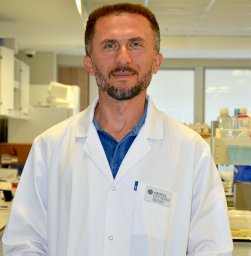 Suleyman Yildirim合作论文数Department of Molecular, Microbial and Structural Biology, University of Connecticut Health Center10
 Douglas J Creedon合作论文数10
 Nigel Goldenfeld合作论文数Loomis Laboratory, Department of Physics, The Grainger College of Engineering, University of Illinois at Urbana-Champaign;Institute for Genomic Biology9
 Klara Vlckova合作论文数9
 Bernard Henrissat合作论文数Federative Research Institute, CNRS, Aix-Marseille Universities;Architecture et Fonction des Macromolécules Biologiques;Technical University of Denmark;Department of Biological Sciences, King Abdulaziz University9
 David Modry合作论文数8Jennifer M. Brulc合作论文数8
 Dionysios A. Antonopoulos合作论文数Argonne National Laboratory8Colleen Bushell合作论文数7
 Richard Isaacson合作论文数Weill Cornell Medicine7
 Sadanari Jindou合作论文数7
 Angela D Kent合作论文数Department of Natural Resources and Environmental Sciences, College of Agricultural, Consumer and Environmental Sciences, University of Illinois at Urbana-Champaign7
 Pedro M Coutinho合作论文数Laboratoire Architecture et Fonction des Macromolécules Biologiques, UMR7257, CNRS, Aix-Marseille University;Biological Engineering Department, Polytech Marseille, Aix-Marseille Université7
 Jacob Matthew Allen合作论文数Division of Nutritional Sciences, College of Agricultural, Consumer and Environmental Sciences, University of Illinois at Urbana-Champaign7
 Rob Knight合作论文数Rady Children's Hospital San Diego;Center for Microbiome Innovation, University of California, San Diego;Shu Chien-Gene Lay Department of Bioengineering, Jacobs School of Engineering, University of California, San Diego7
 matthew g berry合作论文数Department of Chemical and Biomolecular Engineering, North Carolina State University6Marina Walther-Antonio合作论文数6
 Anthony J Schaeffer合作论文数Department of Urology, Feinberg School of Medicine, Northwestern University6
 David J Klumpp合作论文数Department of Microbiology-Immunology, Feinberg School of Medicine, Northwestern University;Department of Urology, Feinberg School of Medicine, Northwestern University6Yaggie Ryan E合作论文数6
 Heidi Nelson合作论文数Department of Surgery, Mayo Clinic6Lisa Boardman合作论文数6
 Tony L. Goldberg合作论文数Department of Pathobiological Sciences, School of Veterinary Medicine, University of Wisconsin‐Madison6
 Rex Gaskins合作论文数Division of Nutritional Sciences, College of Agricultural, Consumer and Environmental Sciences, University of Illinois at Urbana-Champaign6Michael Welge合作论文数Mathematics and Computer Science Group
Beckman Institute6Michael E. Konkel合作论文数5Melissa K. Wilson合作论文数5
Rex Gaskins合作论文数Division of Nutritional Sciences, College of Agricultural, Consumer and Environmental Sciences, University of Illinois at Urbana-Champaign6Michael Welge合作论文数Mathematics and Computer Science Group
Beckman Institute6Michael E. Konkel合作论文数5Melissa K. Wilson合作论文数5 Itzhak Mizrahi合作论文数Faculty of Natural Sciences, Ben-Gurion University of the Negev5Susan M. Thomas合作论文数5




