Eosinophilic esophagitis (EoE) is a chronic immune-mediated disease of the esophagus. It is diagnosed in the setting of symptoms of esophageal dysfunction and an eosinophilic predominant infiltrate in the esophagus. The condition is rapidly increasing in incidence and prevalence and is commonly encountered in gastroenterology and allergy practices, emergency departments, and primary care settings. Over the past decade, there have been paradigm shifts in disease diagnosis and management, increases in knowledge about EoE risk factors, natural history, and pathogenesis, and development of validated outcome metrics. This updated American College of Gastroenterology Clinical Guideline uses Grading of Recommendations, Assessment, Development, and Evaluation methodology to make recommendations across domains of diagnosis, treatment, monitoring and assessment of response, and pediatric-specific considerations. Proton pump inhibitors, topical steroids, empiric diet elimination, a biologic, and esophageal dilation are all recommended treatments; feeding therapy is used adjunctively in children with food aversion or feeding dysfunction. Monitoring with clinical, endoscopic, and histologic assessments is recommended to assess for treatment response and follow patients over time with maintenance therapy. When evaluating and following patients with EoE, consideration should be given to assessing and controlling both the inflammatory and fibrostenotic aspects of disease.
Backgrounds/Aims:The guidelines regarding the management of intraductal papillary mucinous neoplasms (IPMNs) all have slightly different surgical indications for high-risk lesions. We aim to retrospectively compare the accuracy of four guidelines in recommending surgery for high-risk IPMNs, and assess the accuracy of elevated CA-19-9 levels and imaging characteristics of IPMNs considered high-risk in predicting malignancy or high-grade dysplasia (HGD). Methods:The final histopathological diagnosis of surgically resected high-risk IPMNs during 2013-2020 were compared to preoperative surgical indications, as enumerated in four guidelines: the 2015 American Gastroenterological Association (AGA), 2017 International Consensus, 2018 European Study Group, and 2018 American College of Gastroenterology (ACG). Surgery was considered "justified" if histopathology of the surgical specimen showed HGD/malignancy, or there was postoperative symptomatic improvement. Results:Surgery was postoperatively justified in 26/65 (40.0%) cases. All IPMNs with HGD/malignancy were detected by the 2018 ACG and the combined (absolute and relative criteria) 2018 European guidelines. The combined ("high-risk stigmata" and "worrisome features") 2017 International guideline missed 1/19 (5.3%) IPMNs with HGD/malignancy. The 2015 AGA guideline missed the most cases (11/19, 57.9%) of IPMNs with HGD/malignancy. We found the features most-associated with HGD/malignancy were pancreatic ductal dilation, and elevated CA-19-9 levels. Conclusions:Following the 2015 AGA guideline results in the highest rate of missed HGD/malignancy, but the lowest rate of operating on IPMNs without these features; meanwhile, the 2018 ACG and the combined (absolute and relative criteria) 2018 European guidelines result in more operations for IPMNs without HGD/malignancy, but the lowest rates of missed HGD/malignancy in IPMNs.
Background: The prevalence of super obesity (body mass index [BMI] > 50) continues to rise. However, the adoption of bariatric surgery in this population remains very low. There are limited studies evaluating the utility of endoscopic sleeve gastroplasty (ESG) in super obesity. Objectives: The purpose of this study is to evaluate the short-term safety profile of ESG in patients with super obesity using data from the Metabolic and Bariatric Surgery Accreditation and Quality Improvement Program database. Setting: United States. Methods: We retrospectively analyzed patients who underwent ESG and sleeve gastrectomy (SG) from 2016 to 2021. Patients with BMI > 50 who underwent ESG were compared to ESG patients with BMI < 50 and also SG patients with BMI > 50. Primary outcomes included the incidence of severe adverse events (AEs), hospital readmission, reintervention, and reoperation within 30 days of the primary procedure. Secondary outcomes included procedure time, hospital length of stay, and total body weight loss at 30 days. Results: There were no significant differences in AE, reoperations, hospital readmissions, or reinterventions for patients with super obesity undergoing ESG, compared to patients with BMI below 50. Mean total body weight loss was greater in patients with super obesity. There were no significant differences in AEs for patients with super obesity who underwent ESG versus SG, although ESG patients had more hospital readmissions, reinterventions, and reoperations. Conclusions: ESG may be performed safely, with comparable safety to SG, in patients with BMI as high as 70. However, further studies are needed to validate the feasibility and long-term efficacy prior to clinical implementation.
Proton pump inhibitors (PPI) are often a first-line therapy for EoE. Clinically, some patients have increased EoE disease activity following PPI therapy. The objective of this study was to identify the prevalence of PPI-induced EoE exacerbation (PPI-EoEE) and factors associated with this response.
Focal liver lesions (FLLs) have become an increasingly common finding on abdominal imaging, especially asymptomatic and incidental liver lesions. Gastroenterologists and hepatologists often see these patients in consultation and make recommendations for management of multiple types of liver lesions, including hepatocellular adenoma, focal nodular hyperplasia, hemangioma, and hepatic cystic lesions including polycystic liver disease. Malignancy is important to consider in the differential diagnosis of FLLs, and healthcare providers must be familiar with the diagnosis and management of FLLs. This American College of Gastroenterology practice guideline uses the best evidence available to make diagnosis and management recommendations for the most common FLLs.
Informed consent was obtained verbally via telephone call from the patient and his family and this consent was documented in the electronic medical recordA 43-year-old male with history of asthma presented to his primary care physician with solid and liquid dysphagia. A barium esophagram revealed “free gastroesophageal reflux” and findings suspicious for ineffective esophageal motility. He was referred to gastroenterology, but did not establish care due to lack of insurance.
Alcohol-associated liver disease (ALD) is the most common cause of advanced hepatic disease and frequent indication for liver transplantation worldwide. With harmful alcohol use as the primary risk factor, increasing alcohol use over the past decade has resulted in rapid growth of the ALD-related healthcare burden. The spectrum of ALD ranges from early asymptomatic liver injury to advanced disease with decompensation and portal hypertension. Compared with those with other etiologies of liver disease, patients with ALD progress faster and more often present at an advanced stage. A unique phenotype of advanced disease is alcohol-associated hepatitis (AH) presenting with rapid onset or worsening of jaundice, and acute on chronic liver failure in severe forms conveying a 1-month mortality risk of 20%-50%. The model for end stage disease score is the most accurate score to stratify AH severity (>20 defined as severe disease). Corticosteroids are currently the only available therapeutic with proven efficacy for patients with severe AH, providing survival benefit at 1 month in 50%-60% of patients. Abstinence of alcohol use, a crucial determinant of long-term outcomes, is challenging to achieve in ALD patients with concurrent alcohol use disorder (AUD). As patients with ALD are rarely treated for AUD, strategies are needed to overcome barriers to AUD treatment in patients with ALD and to promote a multidisciplinary integrated care model with hepatology, addiction medicine providers, and social workers to comprehensively manage the dual pathologies of liver disease and of AUD. Liver transplantation, a definitive treatment option in patients with advanced cirrhosis, should be considered in selected patients with AH, who are unresponsive to medical therapy and have a low risk of relapse to posttransplant alcohol use. Level of evidence and strength of recommendations were evaluated using the Grading of Recommendations, Assessment, Development, and Evaluations system. This guideline was developed under the American College of Gastroenterology Practice Parameters Committee.
See the article "Bile acid sequestrants in poor healing after endoscopic therapy of Barrettâs esophagus" in Volume 56 on page 194.
BACKGROUND & AIMS: Socioeconomic determinants of health are understudied in early stage esophageal adenocar-cinoma. We aimed to assess how socioeconomic status influences initial treatment decisions and survival outcomes in patients with T1a esophageal adenocarcinoma.METHODS: We performed an observational study using the 2018 submission of the Surveillance, Epide-miology, and End Results-18 database. A total of 1526 patients from 2004 to 2015 with a pri-mary T1aN0M0 esophageal adenocarcinoma were subdivided into 3 socioeconomic tertiles based on their median household income. Endoscopic trends over time, rates of endoscopic and surgical treatment, 2-and 5-year overall survival, cancer-specific mortality, and non-cancer-specific mortality were calculated. Statistical analysis was performed using R-studio.RESULTS: Patients within the lowest median household income tertile ($20,000-$54,390) were associated with higher cancer-specific mortality at 2 years (P < .01) and 5 years (P < .02), and lower overall survival at 2 and 5 years (P < .01) compared with patients in higher income tertiles. Patients with a higher income had a decreased hazard ratio for cancer-specific mortality (hazard ratio, 0.66; 95% CI, 0.45-0.99) in a multivariate Cox proportional hazards regression model. Patients within the higher income tertile were more likely to receive endoscopic intervention (P < .001), which was associated with improved cancer-specific mortality compared with patients who received primary surgical intervention (P [ .001). The South had lower rates of endoscopy compared with other regions. CONCLUSIONS: Lower median household income was associated with higher rates of cancer-specific mortality and lower rates of endoscopic resection in T1aN0M0 esophageal adenocarcinoma. Population-based strategies aimed at identifying and rectifying possible etiologies for these socioeconomic and geographic disparities are paramount to improving patient outcomes in early esophageal cancer.
Acute pancreatitis (AP), defined as acute inflammation of the pancreas, is one of the most common diseases of the gastrointestinal tract leading to hospital admission in the United States. It is important for clinicians to appreciate that AP is heterogenous, progressing differently among patients and is often unpredictable. While most patients experience symptoms lasting a few days, almost one-fifth of patients will go on to experience complications, including pancreatic necrosis and/or organ failure, at times requiring prolonged hospitalization, intensive care, and radiologic, surgical, and/or endoscopic intervention. Early management is essential to identify and treat patients with AP to prevent complications. Patients with biliary pancreatitis typically will require surgery to prevent recurrent disease and may need early endoscopic retrograde cholangiopancreatography if the disease is complicated by cholangitis. Nutrition plays an important role in treating patients with AP. The safety of early refeeding and importance in preventing complications from AP are addressed. This guideline will provide an evidence-based practical approach to the management of patients with AP.
BACKGROUND:Recent studies have shown deposition of immunoglobulin G4 (IgG4) and food proteins in the esophageal mucosa of eosinophilic esophagitis (EoE) patients. Our aims were to assess whether co-localization of IgG4 and major cow's milk proteins (CMPs) was associated with EoE disease activity and to investigate the proteins enriched in proximity to IgG4 deposits.METHODS:This study included adult subjects with EoE (n = 13) and non-EoE controls (n = 5). Esophageal biopsies were immunofluorescence stained for IgG4 and CMPs. Co-localization in paired samples from active disease and remission was assessed and compared to controls. The proteome surrounding IgG4 deposits was evaluated by the novel technique, AutoSTOMP. IgG4-food protein interactions were confirmed with co-immunoprecipitation and mass spectrometry.RESULTS:IgG4-CMP co-localization was higher in the active EoE group compared to paired remission samples (Bos d 4, p = .02; Bos d 5, p = .002; Bos d 8, p = .002). Co-localization was also significantly higher in the active EoE group compared to non-EoE controls (Bos d 4, p = .0013; Bos d 5, p = .0007; Bos d 8, p = .0013). AutoSTOMP identified eosinophil-derived proteins (PRG 2 and 3, EPX, RNASE3) and calpain-14 in IgG4-enriched areas. Co-immunoprecipitation and mass spectrometry confirmed IgG4 binding to multiple food allergens.CONCLUSION:These findings further contribute to the understanding of the interaction of IgG4 with food antigens as it relates to EoE disease activity. These data strongly suggest the immune complex formation of IgG4 and major cow's milk proteins. These immune complexes may have a potential role in the pathophysiology of EoE by contributing to eosinophil activation and disease progression.
IntroductionEosinophilic Esophagitis (EoE) is a chronic allergic disease characterized by progressive inflammation of the esophageal mucosa. This chronic inflammatory disorder affects up to 50 per 100,000 individuals in the United States and Europe yet is limited in treatment options. While the transcriptome of EoE has been reported, few studies have examined the genetics among a cohort including both adult and pediatric EoE populations. To identify potentially overlooked biomarkers in EoE esophageal biopsies that may be promising targets for diagnostic and therapeutic development.MethodsWe used microarray analysis to interrogate gene expression using esophageal biopsies from EoE and Control subjects with a wide age distribution. Analysis of differential gene expression (DEGs) and prediction of impaired pathways was compared using conventional transcriptome analysis (TAC) and artificial intelligence-based (ADVAITA) programs. Principal Components Analysis revealed samples cluster by disease status (EoE and Control) irrespective of clinical features like sex, age, and disease severity.ResultsGlobal transcriptomic analysis revealed differential expression of several genes previously reported in EoE (CCL26, CPA3, POSTN, CTSC, ANO1, CRISP3, SPINK7). In addition, we identified differential expression of several genes from the MUC and SPRR families, which have been limited in previous reports.DiscussionOur findings suggest that there is epithelial dysregulation demonstrated by DEGs that may contribute to impaired barrier integrity and loss of epidermal cell differentiation in EoE patients. These findings present two new gene families, SPRR and MUC, that are differentially expressed in both adult and pediatric EoE patients, which presents an opportunity for a future therapeutic target that would be useful in a large demographic of patients.
Background and Aims: Endoscopic sleeve gastroplasty (ESG) is an incisionless, transoral, restrictive bariatric procedure designed to imitate sleeve gastrectomy (SG). Comparative studies and large-scale population-based data are limited. Additionally, no studies have examined the impact of race on outcomes after ESG. This study aims to compare short-term outcomes of ESG with SG and evaluate racial effects on short-term outcomes after ESG. Methods: We retrospectively analyzed over 600,000 patients in the Metabolic and Bariatric Surgery Accreditation and Quality Improvement Program database from 2016 to 2020. We compared occurrences of adverse events (AEs), readmissions, reoperations, and reinterventions within 30 days after procedures. Multivariate regression evaluated the impact of patient factors, including race, on AEs. Results: A total of 6054 patients underwent ESG and 597,463 underwent SG. AEs were low after both procedures with no significant difference in major AEs (SG vs ESG: 1.1% vs 1.4%; P >.05). However, patients undergoing ESG had more readmissions (3.8% vs 2.6%), reoperations (1.4% vs.8%), and reinterventions (2.8% vs.7%) within 30 days (P <.05). Race was not significantly associated with AEs after ESG, with black race associated with a higher risk of AEs in SG. Conclusions: ESG demonstrates a comparable major AE rate with SG. Race did not impact short-term AEs after ESG. Further prospective studies long-term studies are needed to compare ESG with SG. (Gastrointest Endosc 2023;97:11-21.)
 Vanessa M. Shami合作论文数84
 Michel Kahaleh合作论文数Weill Cornell Medical College51
 Andrew Wang合作论文数Department of Medicine, School of Medicine, Duke University School of Medicine42
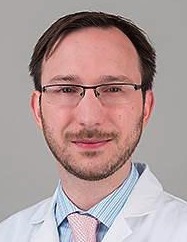 Daniel Stephen Strand合作论文数Division of Gastroenterology & Hepatology, University of Virginia School of Medicine;Centra Health Inc;Fauquier Hospital26
 Emily C Mcgowan合作论文数Baltimore, MD.19Kristi Ellen合作论文数15
 Barrett H Barnes合作论文数14Jayant P. Talreja合作论文数14Michele E. Rehan合作论文数13
 James Patrie合作论文数Department of Public Health Sciences, University of Virginia School of Medicine13Gomez Justin M合作论文数11Amrita Sethi合作论文数11Shrode Charles W合作论文数9
 Monica Gaidhane合作论文数Digestive Health, University of Virginia9Ross C D Buerlein合作论文数8Dushant S. Uppal合作论文数8
 Alexander Podboy合作论文数8
 Thomas A E Platts-Mills合作论文数Division of Allergy and Clinical Immunology, School of Medicine, University of Virginia8Dawn G. Cox合作论文数8Todd W. Bauer合作论文数8
 Timothy M Schmitt合作论文数8James M. Scheiman合作论文数8jeanetta frye合作论文数7
 Emily Noonan合作论文数7James Mann合作论文数7Melissa S. Phillips合作论文数7Reid B. Adams合作论文数7Rung-Chi Li合作论文数7Grace E. White合作论文数7Wissam Bleibel合作论文数6Mark Radlinski合作论文数6
 Patel Sandeep合作论文数Department of Orthopaedics, PGIMER, Chandigarh, India.6
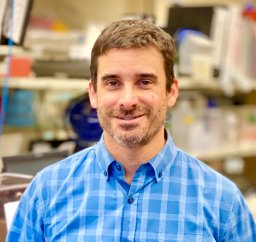 Wilson Jeffrey M合作论文数Department of Medicine, University of Virginia6
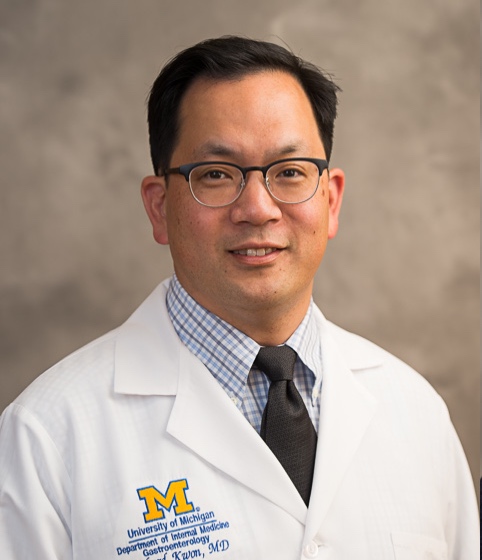 Richard S Kwon合作论文数Division of Gastroenterology, Department of Internal Medicine, University of Michigan6
 Isaac Raijman合作论文数Texas Digestive Disease Consultants6Uzma D. Siddiqui合作论文数6
 Victor Zaydfudim合作论文数Department of Surgery, Vanderbilt University Medical Center6Henry C. Ho合作论文数5Jonathan Medernach合作论文数5Muhammad A. Javaid合作论文数5Andrew Y Wang合作论文数5mary m flynn合作论文数5
 Larry Borish合作论文数Division of Asthma, Allergy & Immunology, School Of Medicine, University of Virginia5
 Edward B. Stelow合作论文数Department of Pathology, University of Virginia5
 Paul Yeaton合作论文数Digestive Health Center of Excellence, University of Virginia Health System5Peter D. Stevens合作论文数5
 Neeral L. Shah合作论文数University of Virginia Health System5B. Schirmer合作论文数5Alan Brijbassie合作论文数5




