Abstract Introduction: Pancreatic ductal adenocarcinoma (PDAC) is a highly aggressive malignancy with a dismal prognosis. Dense fibrous tumor stroma creates a drug delivery barrier, cultivates aggressive tumor biology and immunosuppression in PDAC. A well-recognized hallmark of PDAC is nerve infiltration into tumors and cancer cells invading neurons, which correlate with local invasion and poor survival. Neural invasion leads to severe and intractable pain in PDAC patients, due to release neurotransmitters and pro-inflammatory responses. Sympathetic nerves release catecholamines interacting with β-adrenergic receptors (β-AR) to stimulate tumor cell proliferation and invasion, induce immunosuppression and increase pain sensation. Clinical studies revealed treatment with β-AR inhibitors improved survival of PDAC patients. In this study, we have developed tumor cell, stroma, and cancer nerve targeted hyaluronic acid nanoparticles (HANPs) carrying SN-38 and β-AR blocker (Propranolol, Pro) for targeted therapy of PDAC and mitigation of neuropathic pain. Methods: To enhance targeted delivery, we leveraged the biological properties of upregulation of urokinase plasminogen activator receptor (uPAR) and MMP14 in invasive tumor cells to developed a biomimetic nanoparticle drug delivery platform targeting to uPAR with MMP14 for stroma-penetration and drug delivery. The hydrophobic SN38 (an active metabolite of irinotecan) and Pro, were encapsulated into HANPs by self-assembling, resulting HANP/Pro+SN38 (HANP/PS). A uPAR targeted stroma penetrating recombinant ligand, ATFmmp14 was conjugated to HANP/PS to produce ATFmmp14-HANP/PS (AM-HANP/PS). Targeted delivery and therapeutic response were evaluated in an orthotopic PDAC patient derived xenograft model. Results: Our results showed that NIR 830 dye labeled-AM-HANP/PS led to a high tumor accumulation (46%) in a PANC XXIV PDX model. AM-HANP/PS treatment by co-delivery of SN38 (4 mpk) and Pro (10 mpk) resulted in significantly stronger inhibition of tumor growth (67%) compared with single drug delivery (40%) or free SN38+Pro (46%). Histological analysis revealed nearly complete elimination of sympathetic and sensory nerves in treated tumors, while other formulations showed a moderate level of nerve reduction. Pain evaluation showed decreased pain in AM-HANP/PS treated mice. The level of pain neurotransmitter, substance P, was significantly reduced in tumors. These findings support AM-HANP/PS as an effective tumor and nerve targeted therapy. Conclusion: AM-HANP/PS that targets PDAC tumor cells and cancer neurons achieved a high level of tumor accumulation. Co-delivery of SN38 and Pro significantly inhibits tumor growth, reduces density of sympathetic and sensory nerves, and relieves cancer-related pain. This dual-targeted strategy exhibited both antitumor efficacy and neuropathic pain mitigation in PDAC PDX model. Citation Format: Songyu Wu, Lei Zhu, Weiping Qian, Tongrui Liu, Lisa Sudmeier, Charles A. Staley, Lily Yang. Nanoparticle mediated disruption of tumor-nerve crosstalk enhances pancreatic cancer treatment and pain mitigation [abstract]. In: Proceedings of the American Association for Cancer Research Annual Meeting 2026; Part 1 (Regular Abstracts); 2026 Apr 17-22; San Diego, CA. Philadelphia (PA): AACR; Cancer Res 2026;86(7 Suppl):Abstract nr 6384.
8000 Background: The NCI’s ALCHEMIST program has screened thousands of patients with resected lung adenocarcinoma for mutations in EGFR and ALK. EA5142 studied the efficacy of adjuvant nivolumab after standard of care adjuvant therapy in patients with resected lung adenocarcinoma without sensitizing EGFR and ALK alterations and squamous cell carcinoma. Methods: Patients enrolled in the ALCHEMIST screening trial (A151216) with resected NSCLC tumors at least 4 cm and/or lymph node positive (N1/2) (for lung adenocarcinoma, without sensitizing EGFR and ALK alterations), were centrally tested for tumor cell PD-L1 expression using the DAKO 28-8 clone. After completion of all planned adjuvant therapy (chemotherapy and/or post-operative radiation) patients were randomized 1:1 to adjuvant nivolumab 480 mg IV every 4 weeks for up to 1 year or best supportive care. Patients were stratified by tumor histology, stage (AJCC 7 th edition IB/IIA vs IIB/IIIA), prior adjuvant treatment, and PD-L1 status (<1% vs ≥1%). The primary study endpoints were disease free survival (DFS) in all patients and in patients with high tumor PD-L1 expression (≥50%). Overall survival was powered to be tested hierarchically, if DFS was positive. Results: Between July 2016 and October 2019, 935 patients were randomized across 378 sites. The treatment arms were balanced for age (median 66 years), sex (52% male), smoking status (10% never smoked), histology (29% squamous), stage and PD-L1 expression (29% PD-L1 high). With a median follow-up of 72.6 months, nivolumab did not improve DFS in the intention to treat population (median DFS 71.3 months vs. 68.8 months in observation arm), hazard ratio (HR) 0.97 (95% CI 0.81-1.17, p=0.78) or the PD-L1 ≥50% subset (median DFS 89.8 months vs. 78.5 months in observation arm), HR 0.86 (95% CI 0.59-1.25, p=0.43). In multivariate analysis, adjusting for age, gender, and smoking history, the DFS HR was 0.99 (95% CI 0.82-1.19, p=0.89) in all randomized patients and 0.82 (95% CI 0.56-1.2, p=0.31) in the PD-L1 ≥50% subset. As the primary recurrence endpoint included any lung cancer, including new primaries, a sensitivity analysis was performed excluding new primary lung cancers, DFS HR 0.97 (95% CI 0.80-1.18, p=0.76) in all patients and HR 0.88 (95% CI 0.60-1.30, p=0.52 in the ≥50% subset. The median duration of treatment with adjuvant nivolumab was 9.4 months (range 0-12.7 months). The most common reasons for nivolumab discontinuation were adverse event (29%), patient withdrawal (11%), and disease progression while on treatment (10%). Treatment related grade 3-5 toxicities were reported in 25% of patients: Grade 3: 23%, Grade 4: 2%, Grade 5: <1%. Conclusions: In patients with resected NSCLC (≥4cm or LN+, EGFR/ALK -) adjuvant nivolumab did not improve DFS, irrespective of tumor PD-L1 expression. Clinical trial information: NCT02595944 .
Most patients who have colorectal cancer peritoneal metastases (CRC-PM) treated with cytoreductive surgery ± hyperthermic intraperitoneal chemotherapy (CRS±HIPEC) experience recurrence within 1 year. This study assessed the safety and oncologic value of secondary CRS±HIPEC for patients with CRC-PM. A multi-institutional database of patients treated for CRC-PM (2000–2024) was reviewed. Patients who underwent curative-intent initial CRS±HIPEC alone were compared with those who underwent secondary CRS±HIPEC for recurrent disease. Patients who received more than two procedures were excluded. The primary objective was to evaluate the safety of secondary CRS±HIPEC for CRC-PM as measured by perioperative outcomes. The secondary objective was to examine the association between overall survival (OS) and secondary CRS±HIPEC. The study included 136 patients, 17 of whom underwent secondary CRS±HIPEC. There was no difference in postoperative complications between secondary and initial CRS±HIPEC. When OS was defined from the date of the index operation, secondary CRS±HIPEC was associated with improved OS versus initial CRS±HIPEC alone (51.0 months [95
BACKGROUND:Despite improvements over time, Ivor Lewis Esophagectomy (ILE), a potentially curative surgical option for patients with invasive esophageal cancer, carries high morbidity and mortality. We analyzed postoperative outcomes in patients undergoing ILE at our institution, comparing open (OE), hybrid (HE), and totally minimally invasive (TMIE) approaches. METHODS:We reviewed the records of patients who underwent elective ILE for benign or malignant pathology at our institution (2018-2022). Patients who underwent transhiatal or McKeown esophagectomy, as well as those undergoing emergent procedures, were excluded. Factors associated with major postoperative complications (Clavien-Dindo Grade ≥ 3) were assessed using multivariable analysis (MVA). RESULTS:Of 260 patients, 135 met the inclusion criteria: 40 (29.6%) underwent OE, 50 (37.0%) underwent HE, and 45 (33.3%) underwent TMIE. Median length of stay was shorter for patients undergoing TMIE compared to OE and HE (9 vs. 12 and 13 days, p < 0.001). A higher major postoperative complication rate was noted in patients undergoing OE and HE compared to TMIE (32.5% and 36% vs. 13.3%) (p = 0.03). This result persisted on MVA (OE: aOR 3.4, p = 0.04; HE: aOR 5.5, p = 0.002; reference:TMIE). CONCLUSION:A totally minimally invasive approach to Ivor-Lewis Esophagectomy is associated with lower major postoperative complications and shortened length of stay at our institution. Prospective evaluations in the United States population are warranted to optimize and standardize surgical approaches.
Background:Cytoreductive surgery (CRS) with or without heated intraperitoneal chemotherapy (HIPEC) represents a viable therapy for select patients with colorectal cancer (CRC) peritoneal metastases. Given recurrence rates, challenges returning to oncologic treatment postoperatively, and desire to assess tumor biology, neoadjuvant chemotherapy (NAC) is common. Evidence-based guidance regarding NAC duration is limited. Methods:A single institution database (2009-2024) of patients with CRC that underwent CRS ± HIPEC was reviewed. Patients undergoing curative intent CRS ± HIPEC with known NAC duration were stratified by NAC duration (0-3 vs > 3 months). Primary outcomes were recurrence-free survival (RFS) and overall survival (OS). Secondary outcome was clinically significant postoperative complications. Results:From 2009-2024, 87 patients underwent curative intent CRS ± HIPEC (> 3 months NAC: 58 patients, 0-3 months NAC: 29 patients). Median peritoneal cancer index score was similar between cohorts (> 3 months: 11 vs 0-3 months: 12; p = 0.98). RFS and OS were not statistically different based on NAC duration (RFS: > 3 months: 8 months vs 0-3 months: 15 months, p = 0.28) (OS: > 3 months: 26 months vs 0-3 months: 35 months; p = 0.33). > 3 months of NAC was associated with increased median length of stay (> 3 months: 10 days vs 0-3 months: 8 days; p = 0.04). Even when controlling for other perioperative variables on multivariable analysis, > 3 months of NAC was associated with increased risk of clinically significant complications (HR 3.47, 95 % CI 1.11-10.88; p = 0.03). Conclusion:Greater duration of NAC prior to CRS ± HIPEC is not associated with improved RFS or OS, and, rather, is associated with higher complication rate and longer hospital stay.
Metabolic reprogramming characterized by mitochondrial dysfunction and increased glycolysis is associated with aggressive tumor biology and poor therapeutic response. The interplays among NADPH oxidase (NOX)-mediated reactive oxygen species, regulation of glycolysis and oxidative phosphorylation (OXPHOS) in cancer cells suggest an opportunity to develop a new cancer therapy. We found that treatment with a hyaluronic acid nanoparticle encapsulated with GKT831 (HANP/GKT831), a NOX1/4 inhibitor, markedly inhibited the proliferation and invasion of cancer cells. Treated tumor cells had reduced levels of mitochondrial ROS, glycolysis, and OXPHOS. The combination of HANP/GKT831 with radiation reduced colony formation and invasion of tumor cells. The combination therapy markedly inhibited the levels of molecules in glycolysis, OXPHOS, and DNA repairing pathways in tumor cells. Systemic administrations of HANP/GKT831 combined with radiotherapy significantly inhibited tumor growth by 84.7 % in a mouse colorectal tumor model. Tumors treated with HANP/GKT831 and radiation had increased DNA damage and apoptotic cell death. Furthermore, the combined therapy increased intratumoral infiltration of activated cytotoxic T cells and M1 macrophages but reduced the levels of immunosuppressive fibroblasts and M2 macrophages. Our results support HANP/GKT831 as a cancer nanotherapeutic agent that induces redox and bioenergy stresses in cancer cells for enhanced therapeutic response to radiotherapy.
IntroductionLow grade appendiceal mucinous neoplasms (LAMN) are indolent tumors that lack invasive potential but may present as pseudomyxoma peritonei. Cytoreductive surgery (CRS) and hyperthermic intraperitoneal chemotherapy (HIPEC) significantly improves both overall and recurrence free survival. While systemic chemotherapy is generally considered ineffective for LAMN, little literature is available to support this notion. We evaluated outcomes for individuals with LAMN who did and did not receive systemic chemotherapy in combination with CRS+HIPEC.MethodsA multicenter retrospective cohort study was performed using the US HIPEC Collaborative that included patients with LAMN who underwent CRS+HIPEC. The overall survival (OS) and recurrence-free survival (RFS) of patients who did and did not receive systemic chemotherapy were compared. Survival and variables associated with survival were evaluated with the Kaplan-Meier analysis and cox regression, respectively.ResultsAmong the 529 included patients with LAMN, 63 (11.9%) received systemic chemotherapy and CRS+HIPEC, while 466 (88.1%) were treated with only CRS+HIPEC. Patients selected for systemic chemotherapy had a higher burden of disease (mean peritoneal cancer index: 18.8 +/- 8.6 versus 14.3 +/- 8.8, p<0.001). Patients who were not treated with chemotherapy had better mean OS and RFS (OS: 104.3 +/- 6.2 months, RFS: 84.9 +/- 6.6 months) compared to those who underwent systemic chemotherapy (OS: 70.2 +/- 6.8 months, RFS: 38 +/- 5.9 months, p<0.001). Increasing pre-operative CEA level (HR 1.012, p<0.001), higher completeness of cytoreduction score (reference CCR 0, CCR2 HR 34.175, p=0.001 and CCR3 HR 52.041, p=0.001), and treatment with systemic chemotherapy (HR 4.196, p=0.045) were associated with worse OS.ConclusionsIn this multicenter retrospective study, the receipt of perioperative chemotherapy was associated with worse long-term outcomes among patients with LAMN undergoing CRS-HIPEC. Systemic chemotherapy may lead to patient deconditioning and contribute to worse long-term outcomes. It should not be recommended outside of a clinical trial.
INTRODUCTION:Current decision support tools designed to predict postoperative complications, following cytoreductive surgery with hyperthermic intraperitoneal chemotherapy (CRS-HIPEC), are limited by small sample sizes and lack of external validation. Our aim was to develop an externally validated machine-learning tool that can predict severe complications (Clavien-Dindo grade ≥ 3) after CRS-HIPEC. METHODS:The dataset consisted of adult patients who underwent CRS-HIPEC at the University of Pittsburgh Medical Center (UPMC) and was split into an 80:20 ratio for the training and internal validation datasets, respectively. For external validation, we used the US HIPEC collaborative dataset. Three different models were trained and tested, and SHAP values were calculated to assess variable importance. RESULTS:A total of 37% (n = 719/1955) of cases in the UPMC cohort experienced severe postoperative complications compared to 22% (n = 134/617) in the US HIPEC collaborative dataset. Recursive feature elimination algorithm determined that the optimal performance was achieved with 15 variables. After optimization, the random forest model had the highest area under the ROC curve (AUC, 0.71) in the internal validation cohort and was chosen as the final model. The random forest model had an AUC that ranged from 0.60 to 0.73 (mean AUC, 0.65) in the external validation cohorts. Finally, the most important variables associated with severe complications were high PCI, subtotal gastrectomy, low albumin levels, small bowel resection, and high Charlson Comorbidity Index. CONCLUSIONS:Using the largest cohort of CRS-HIPEC patients in the US, we developed and externally validated a machine-learning model that can aid with patient selection and help providers anticipate complications in the postoperative setting.
Background. Adjuvant chemotherapy offers survival benefit to patients with gastric cancer. Only 50-65% of patients who undergo neoadjuvant chemotherapy and gastrectomy are able to receive adjuvant therapy. It is optimal to start adjuvant therapy within 8 weeks after gastrectomy. We compared the rate of return to intended oncologic therapy (RIOT) between minimally invasive gastrectomy (MIG) and open gastrectomy (OG). Method. Retrospectively, we analyzed patients who underwent gastrectomy within a multi-hospital university-based health system (2019-2022). Data on patient demographics, comorbid conditions, operative approach, and postoperative outcomes were assessed with univariate analysis and multivariable analysis (MVA) to determine the association with RIOT. Results. Among 87 eligible patients, 33 underwent MIG and 54 underwent OG. There were no differences in demographics, performance status, comorbid conditions, or type of gastrectomy between the two groups. MIG patients were significantly more likely to RIOT compared with OG patients (87.9% vs. 63%, p = 0.003), with 73.1% of MIG patients starting adjuvant therapy within 8 weeks compared with 53.1% of OG patients. Factors associated with higher odds of RIOT included MIG and age <65 years, while major postoperative complications (Clavien-Dindo grade >= IIIa) was associated with lower odds of RIOT. On MVA, MIG was independently associated with higher odds of RIOT compared with OG (odds ratio 6.05, 95% confidence interval 1.47-24.78, p = 0.008). Conclusion. The minimally invasive approach may benefit patients undergoing gastrectomy, irrespective of the extent of gastric resection for adenocarcinoma. MIG is associated with a higher likelihood of (1) RIOT and (2) starting adjuvant therapy within the optimal time period after gastrectomy.
INTRODUCTION:Patients with colorectal peritoneal metastases (CRPM) are increasingly treated with cytoreductive surgery and hyperthermic intraperitoneal chemotherapy (CRS/HIPEC). Unfortunately, data identifying preoperative risk factors for poor oncologic outcomes after this procedure are limited. We aimed to determine the prognostic value of preoperative CEA, CA 125, and CA 19-9 on disease progression after CRS/HIPEC.METHODS:Patients with CRPM treated with curative intent CRS/HIPEC from 12 participating sites in the United States from 2000 to 2017 were identified. Progression-free survival (PFS), defined as disease progression or recurrence, was the primary outcome.RESULTS:In 279 patients who met inclusion criteria, the rate of disease progression was 63.8%, with a median PFS of 11 months (interquartile range [IQR] 5-20). Elevated CA 19-9 was associated with dismal PFS at 2 years (8.9% elevated vs. 30% not elevated, p < 0.01). In 113 patients who underwent upfront CRS/HIPEC, CA 19-9 emerged as the sole tumor marker independently predictive of worse PFS (hazard ratio [HR] 2.88, p = 0.048). In the subgroup of patients who had received neoadjuvant therapy (NAT), no variable was independently predictive of PFS. CA 19-9 levels over 37 U/ml were highly specific for accelerated disease progression after CRS/HIPEC. Lastly, there was no association between PFS and elevated CEA or CA 125.CONCLUSIONS:Elevated CA 19-9 is associated with decreased PFS in patients with CRPM. While traditionally CEA is the main tumor marker assessed in colon cancer, we found that CA 19-9 may better inform preoperative risk stratification for poor oncologic outcomes in patients with CRPM. However, prospective studies are required to confirm this association.
Introduction We explored the association between weekend discharge and 30- and 90-d readmission rates in patients undergoing hyperthermic intraperitoneal chemotherapy (CRS/HIPEC) for peritoneal carcinomatosis. Methods The US HIPEC Collaborative database, comprised of a longitudinal cohort of patients undergoing CRS/HIPEC for peritoneal carcinomatosis at twelve academic institutions between 2000 and 2017, was queried for date of discharge information. Patients were retrospectively divided into weekday and weekend/holiday discharge groups. Patients <18 y old, lacking day of discharge information, or who experienced intraoperative/in-hospital mortality were excluded. Comparisons were made between patients discharged on a weekday versus those discharged on a weekend or major holiday. Results 1415 patients met inclusion criteria for the study: 1108 (78%) patients with a weekday discharge and 308 (22%) with a weekend/holiday discharge. Median age at time of surgery was 55 y (Interquartile Range: 46-63); 59% (n = 841) patients were female, 25% (n = 328) of patients had high volume disease (defined as a peritoneal cancer index >20 intraoperatively), and 92% (n = 1210) of patients had a complete cytoreduction (defined as a completeness of cytoreduction score of 0 or 1). Overall, 15% (n = 218) of patients were readmitted within 30 d and 19% (n = 265) within 90 d. In a linear mixed effects model, weekend discharge was not associated with higher 30- or 90-d readmissions (P = 0.291, P = 0.743). Conclusions Weekend discharges are safe following CRS/HIPEC. Length of stay initiatives should focus on discharging the patient when medically ready, rather than avoiding weekend discharge out of an abundance of caution.
4000 Background: E/GEJ adenocarcinoma has a high mortality rate despite curative intent therapy. Although the use of immune checkpoint inhibition (ICI) in combination with chemotherapy in the metastatic setting and as adjuvant monotherapy both confer survival benefits, its role in combination with neoadjuvant chemoradiation or with other ICIs in the adjuvant setting remains unclear. Here we report the impact of nivo on pCR rate in pts with E/GEJ adenocarcinoma receiving neoadjuvant chemoradiation as part of the EA2174 clinical trial. Methods: Pts with a localized T1N1-3M0 or T2-3N0-2M0 E/GEJ adenocarcinoma with an ECOG PS of 0-1 and deemed surgical candidates for an esophagectomy were eligible. In step 1, pts were randomized to neoadjuvant therapy with carboplatin AUC 2 and paclitaxel 50 mg/m2 intravenously (IV) weekly x 5 along with 41.4-50.4 Gy radiation without (Arm A) or with (Arm B) nivo 240 mg IV during weeks 1 and 3 of treatment, followed by esophagectomy. Pts underwent a second randomization (step 2) to 6-12 months of adjuvant nivo with or without 6 months of ipi. Planned accrual for step 1 was 278 pts. The primary neoadjuvant endpoint was pCR rate with H0= 23% vs HA= 38%, 90% power, one-sided α = 0.10. The primary adjuvant endpoint comparing nivo to nivo/ipi is disease free survival and will be reported separately once data are mature. Results: Between May 2019 and Dec 2022, 275 pts were enrolled to step 1 of the study (Arm A, n = 138; Arm B, n = 137). Male = 89.5%; White = 92%, Asian = 2.2%, Black 1.5%; median age 65.5 years; E = 60.4%, GEJ = 39.3%. Only 78.5% of pts proceeded to surgery (Arm A = 76.1%, Arm B 81.0%). The pCR rate in Arm A was 21.0% (95% CI, 14.5-28.8) and in Arm B was 24.8% (95% CI, 17.8-32.9), showing no statistically significant difference (p = 0.27). Surgical complication rates between the two arms were similar (Arm A = 28.7%, Arm B = 25.4%). Grade (G) 3/4 events occurring in at least 5% of pts on Arm A—anemia (n = 7), dysphagia (n = 9), esophagitis (n = 7), decreased lymphocytes (n = 80), decreased neutrophils (n = 7); decreased white blood cells (n = 20). G3/4 events occurring in at least 5% of pts on Arm B—anemia (n = 10), dysphagia (n = 8), nausea (n = 8), decreased lymphocytes (n = 84), decreased neutrophils (n = 20), decreased white blood cells (n = 31). Three treatment related deaths occurred on Arm A and two on Arm B. There were no notable differences in chemotherapy or radiation exposure between the two arms. Conclusions: The addition of nivo to neoadjuvant carboplatin, paclitaxel and radiation does not improve the pCR rate in pts with resected E/GEJ adenocarcinoma. Given the known benefit of the addition of ICI to chemotherapy, a further understanding of the impact of radiation on ICI activity is needed. Clinical trial information: NCT03604991 .
PDF file - 981KB, Representative Immunohistochemistry for CHD7 Expression in Primary Tumor Tissue (S1). Network Analysis via MetaCore ExPlain Process Network Analysis for genes involved in CHK1, CDC25A, AURKB, PLK1, HUS1 pathway (S2). CHD7 Knockdown Causes Gemcitabine Sensitization (S3). Mice with Xenograft Tumors Showed No Significant Difference in Body Weight (S4). CHD7 Knockdown Effect on Cell Cycle (S5). Gemcitabine Does Not Significantly Change CHD7 Protein Levels in Cells (S6).
BACKGROUND Esophagectomy is an important, but potentially morbid, operation used to treat benign and malignant conditions that may significantly impact patient quality of life (QOL). Patient-reported outcomes (PROs) are measures of QOL that come directly from patient self-report. This study characterizes patterns of change and recovery in PROs in the first year after esophagectomy. METHODS Longitudinal QOL scores measuring physical function, pain, and dyspnea were obtained from esophagectomy patients during all clinic visits. PRO scores were obtained using the National Institutes of Health-sponsored Patient-Reported Outcomes Measurement Information System from April 2018 to February 2021. Mean PRO scores over 100 days after surgery were compared with baseline PRO scores using mixed-effects modeling with compound symmetry correlational structure. RESULTS One hundred three patients with PRO results were identified. Reasons for esophagectomy were malignancy (87.4%), achalasia (5.8%), stricture (5.8%), and dysplasia (1.0%). When comparing mean PRO scores at visits <= 50 days after surgery with preoperative PRO scores, physical function scores declined by 27.3% (P<.001), whereas dyspnea severity and pain interference scores had increased by 24.5% (P<.001) and 17.1% (P<.001), respectively. Although recovery occurred over the course of the 100 days after surgery, mean physical function scores and dyspnea scores were still 12.7% (P=.02) and 26.4% (P=.001) worse, respectively, than mean preoperative levels. CONCLUSIONS Despite declines in QOL scores immediately after esophagectomy, recovery back toward baseline was observed during the first 100 days. These findings are of considerable importance when counseling patients regarding esophagectomy, tracking recovery, and implementing quality improvement initiatives. Further long-term follow-up is needed to determine recovery beyond 100 days. (C) 2023 by The Society of Thoracic Surgeons
 David A. Kooby合作论文数Winship Cancer Institute, Emory University;Emory Saint Joseph's Hospital;Division of Surgical Oncology, Department of Surgery, School of Medicine, Emory University;Emory Johns Creek Hospital149
 Shishir Maithel合作论文数Division of Surgical Oncology, Department of Surgery, Emory University School of Medicine;Winship Cancer Institute, Emory University134
 Juan Sarmiento合作论文数Winship Cancer Institute of Emory University;Emory University School of Medicine54
 Kenneth Cardona合作论文数52
 Maria Russell合作论文数51Sameer H. Patel合作论文数44
 Volkan Adsay合作论文数Department of Pathology, School of Medicine, Koç University;Koç University Hospital41
 Bassel El-Rayes合作论文数Department of Hematology and Medical Oncology, Emory University School of Medicine;O'Neal Comprehensive Cancer Center, School of Medicine, The University of Alabama at Birmingham40
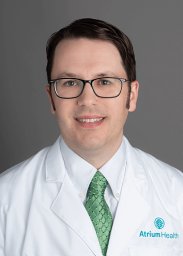 Malcolm (Hart) Squires合作论文数Division of Surgical Oncology, Levine Cancer Institute, Atrium Health39Fisher Sarah B合作论文数36Fournier Keith合作论文数32
 Travis E Grotz合作论文数Dept Surg, Mayo Clin31Jordan M. Cloyd合作论文数The Ohio State University Wexner Medical Center30
 Sharon M Weber合作论文数Division of Surgical Oncology, Department of Surgery, School of Medicine and Public Health, University of Wisconsin-Madison;Carbone Cancer Center, University of Wisconsin-Madison30
 Jerome C Landry合作论文数Winship Cancer Center, Emory University School of Medicine30
 Sean Dineen合作论文数Moffitt Cancer Center, Morsani College of Medicine28Laura A. Lambert合作论文数28
 Fabian Johnston合作论文数Johns Hopkins University28Daniel E. Abbott合作论文数27
 Callisia N. Clarke合作论文数Department of Surgery, University of Cincinnati27
 Timothy M Pawlik合作论文数Department of Surgery, College of Medicine, The Ohio State University Wexner Medical Center27Jula Veerapong合作论文数25
 Clifford Cho合作论文数Division of Hepatopancreatobiliary and Advanced Gastrointestinal Surgery, Medical School, University of Michigan23
 Lauren Postlewait合作论文数23
 John Kauh合作论文数Department of Radiation Oncology, Emory University School of Medicine23Joel M. Baumgartner合作论文数University of Colorado at Denver;and Health Sciences Center;and Health Sciences Center, University of Colorado at Denver23
 Mustafa Raoof合作论文数22
 Keith Delman合作论文数Division of Surgical Oncology, Department of Surgery, School of Medicine, Emory University;Winship Cancer Institute, Emory University22
 Jonathan Greer合作论文数Department of Otolaryngology-Head and Neck Surgery, School of Medicine, Johns Hopkins University21
 Ryan C. Fields合作论文数Division of General Surgery, Department of Surgery, School of Medicine, Washington University;Barnes-Jewish Hospital;Siteman Cancer Center, Barnes-Jewish West County Hospital21
 Cecilia G. Ethun合作论文数20
 George A. Poultsides合作论文数Division of General Surgery, School of Medicine, Stanford University20
 Winslow Emily R合作论文数19
 Mark Bloomston合作论文数19
 Konstantinos Votanopoulos合作论文数School of Medicine, Wake Forest University;Wake Forest Organoid Research Center, Wake Forest Institute for Regenerative Medicine;Atrium Health Wake Forest Baptist19D. Kooby合作论文数18
 Schmidt Carl合作论文数Wexner Med Ctr, Ohio State Univ17Jennifer L Leiting合作论文数16
 Linda X Jin合作论文数Department of Surgery, Washington University in St. Louis16
 Robert C.G. Martin合作论文数Division of Surgical Oncology, Department of Surgery, School of Medicine, University of Louisville;Upper GI and HPB Multi-Disciplinary Clinic16Joshua H. Winer合作论文数Brigham and Women’s Hospital Department of Surgery Boston MA USA16Ryan J. Hendrix合作论文数15Andrew Lee合作论文数15
 Alyssa M Krasinskas合作论文数15
 Charles R. Scoggins合作论文数Surgical Oncology Division, Department of Surgery, School of Medicine, University of Louisville15
 Lily Yang合作论文数Department of Surgery, School of Medicine, Emory University15
 Olca Basturk合作论文数Department of Pathology, Wayne State University School of Medicine15
 Ejaz Aslam合作论文数14
 Harveshp D Mogal合作论文数14




