Introduction: The management of ductal carcinoma in situ (DCIS) is evolving as clinical trials investigate active surveillance. Identifying risk factors for upstaging to invasive disease must be understood for safe de-escalation of care. This study examined risk factors associated with upgrade to invasive disease, focusing on hormone receptor (HR) status. Methods: The National Cancer Database (NCDB) was queried for female patients >= 18 years with DCIS who underwent curative-intent surgery from 2004 to 2020. HR positive (HR+) DCIS was defined as estrogen and/or progesterone receptor positive (immunohistochemical stain >= 1%). Upstaging to invasive disease was defined as >= pT1 or >pN0 on final pathology. Univariate and multivariable logistic regression were performed to identify risk factors predictive of upstaging to invasive disease. Results: Among 226,837 patients, median age was 60 years old (IQR 50-68) and 85.1% had HR+ disease. Overall, 17.2% (n = 39,086) were upstaged to invasive carcinoma. HR - DCIS had higher odds of upstaging than HR+ DCIS on univariate analysis (OR 1.45; 95%CI 1.41-1.50, p < 0.001). After controlling for factors such as grade and tumor size on multivariate analysis, HR negative status remained predictive of upgrade to invasive disease (OR 2.51; 95%CI: 2.42-2.60, p < 0.001). Conclusions: In this large national cohort, 17.2% of patients with DCIS were upstaged to invasive cancer. Hormone receptor-negative status is independently associated with increased risk of upstaging to invasive disease. As we continue to redefine the management of DCIS, understanding how hormone receptor status influences upgrade risk, may help clinicians to risk-stratify patients and inform treatment decision-making.
Objective Effective communication is integral to patient outcomes with communication failure cited as a major cause of medical errors. The comfort level of general surgery residents sharing concerns with supervising attendings and associated factors were investigated. Design A cross-sectional survey for general surgery residents with Likert scale, objective-response, and free-response questions was administered. Quantitative data were analyzed with multivariable ordinal logistic regression models. Setting General surgery residency programs in the United States. Participants A total of 162 general surgery residents from across the country responded. Results Of 162 respondents, 159 (98%) acknowledged concerns regarding attendings’ decisions at least annually, with 120 (74%) perceiving patient harm from suboptimal decisions. While 161 (99%) supported the importance of escalating concerns, 85 (52%) were uncomfortable speaking up in the operating room. Factors identified as “very important” for speaking up included department culture, rapport with attending, self-perceived medical knowledge, and severity of potential harm to patient (all>50%). Forty-six (28%) respondents received formal communication training. Eighty (49%) respondents were uncertain that program leadership would support raising concerns. Factors associated with increased comfort in speaking up intraoperatively included prior communication training (OR: 2.2; 95% CI: 1.6-4.2, p < 0.01), increased postgraduate year (OR: 4.3, 95% CI: 2.3-8.1, p < 0.01), and male gender (OR: 2.7, 95% CI: 1.5-5.1, p < 0.01). Established escalation protocols and residency program details (location/institution type) were not (p > 0.05). Conclusions Not all general surgery residents are comfortable raising patient safety concerns. Resident communication training is associated with increased comfort, and widespread adoption of such curricula may be valuable. However, residency program culture and supervising attending behavior appear to contribute to communication hesitancy. These issues should be addressed with faculty as well as institutional and program leadership.
Disparate breast cancer outcomes have been reported in rural settings and for lower-income patients. There are limited data on the interaction between rurality and income in breast cancer outcomes, particularly at the national level. The National Cancer Institute’s Surveillance, Epidemiology, and End Results (SEER) Program’s 17 Registry was queried for new breast cancer diagnoses (2004–2020). Location was defined as rural or urban on the basis of SEER’s Rural-Urban Continuum Codes. Annual income was defined as lower (≤ 55,000) or higher (>55,000). Data were stratified by rurality and income level. Oncologic factors and outcomes were compared. Of 815,220 breast cancer cases identified, 57,063 were rural lower-income (RLI), 55,667 were urban lower-income (ULI), 29,762 were rural higher-income (RHI), and 672,728 were urban higher-income (UHI). RLI patients were more likely to be diagnosed with localized (breast only) disease (66.06
PURPOSE:To emulate the Selective Use of Postoperative Radiotherapy After Mastectomy (SUPREMO) phase III clinical trial using real-world data to assess the impact of postmastectomy radiation therapy (PMRT) on overall survival (OS) among patients with intermediate-risk breast cancer. PATIENTS AND METHODS:Using the National Cancer Database, women diagnosed between 2006 and 2013 with intermediate-risk breast cancer (defined as pT1-2N1; pT3N0; or pT2N0 and grade III or with lymphovascular invasion) and 0-3 positive axillary lymph nodes, who underwent total mastectomy, were identified as being in accordance with the SUPREMO trial protocol and included in this study. Multivariable logistic regression, Cox proportional hazards regression, and stabilized inverse probability of treatment weighting were used to explore the relationship between PMRT and OS. The effects of PMRT within subgroups were explored using multivariable interaction models. RESULTS:In total, 49335 patients were included in the study, with 6882 (13.9%) receiving PMRT. Patients with stage T3N0 cancer, 1-3 positive axillary lymph nodes, or positive surgical margins were more likely to receive PMRT. Overall, PMRT was associated with no significant improvement in OS (HR: 0.98, 95% CI, 0.92-1.04). However, improved survival was observed among women with stage T3N0 cancer who received PMRT (HR: 0.72, 95% CI, 0.58-0.89). CONCLUSION:Although PMRT may not be associated with improved OS among all intermediate-risk breast cancer patients with 0-3 positive axillary lymph nodes, the subgroup of patients with stage T3N0 cancer seemed to benefit from PMRT. The study's retrospective nature introduces some uncertainty, but preliminary findings of the SUPREMO trial support these results.
Aims Evaluation of pathological complete response (pCR) [no residual invasive carcinoma in the breast (RIC) or lymph node metastases (LNM) in surgical specimens following therapy] is typically based on evaluation of one level of haematoxylin and eosin (H&E) section. Not achieving pCR is associated with worse outcomes, and additional therapy may ensue. This study of patients with triple‐negative (TNBC) or human epidermal growth factor receptor 2 (HER2)‐positive (HER2+) breast cancer who underwent neoadjuvant therapy aims to assess whether occult residual disease (ORD) can be identified in deeper sections of tumour beds and lymph nodes in cases originally reported as pCR and whether ORD is associated with worse outcomes. Methods and results In 84 cases of pCR (2009–17) at our institution, deeper‐level recuts were assessed for ORD. Oncological and survival outcomes were compared. ORD was identified in seven of 40 TNBC (17.5%; five RIC; one LMN; one RIC and LMN) and four of 44 HER2+ (9.1%; three RIC; one LMN) cases (all residual cancer burden I). Median follow‐up was 46.7 months for TNBC (one local recurrence, four distant metastases and two deaths) and 86.8 months for HER2+ (no local recurrence, three distant metastases and two deaths). All recurrence and death events occurred in patients with pCR without ORD, with no recurrence events in patients with ORD. Conclusions In patients with TNBC and HER2+ breast cancer with pCR by standard pathological assessment, occult residual disease is not uncommon. Occult disease was not associated with worse oncological or survival outcomes, suggesting standard pathological assessment is sufficient to identify clinically meaningful disease.
Neoadjuvant chemotherapy (NAC) may allow de-escalation of axillary surgery; yet treatment disparities persist. We aimed to assess race-based disparities in use of axillary lymph node surgery (ALND) among patients who achieve a nodal response in the context of a large, multicenter NAC trial. We conducted a retrospective analysis of the I-SPY 2 trial. All patients received NAC, but type of surgery was not mandated. Multivariable logistic regression was used to predict odds ratio (OR) of undergoing ALND by race while adjusting for clinical and demographic confounders, including age, region, tumor receptor subtype, clinical and pathologic node status (cN and ypN +/−, respectively), and clinical and pathologic tumor size (cT and ypT, respectively). Among 1394 patients, 79.4
Neoadjuvant chemotherapy (NAC) is widely used to treat high-risk breast cancer. However, the optimal time to surgery (TTS) following NAC remains undefined. This study investigates the impact of TTS on oncologic outcomes using the I-SPY 2 Trial cohort. A retrospective analysis of 1877 patients with breast cancer enrolled in the I-SPY 2 Trial was performed. Patients were grouped by TTS post-NAC: 1–4 weeks, 5 weeks, 6–8 weeks, and 9 + weeks. Baseline demographic, clinical, imaging, and treatment response data were collected. Event-free survival (EFS) and local recurrence-free interval (LRFI) were evaluated using Kaplan–Meier analyses and Cox models. Subgroup analyses were performed by tumor receptor subtypes (hormone receptor [HR]+ human epidermal growth factor receptor 2 [HER2]−, HER2 +, and triple-negative breast cancer [TNBC]) and residual cancer burden (RCB) class. Among 1877 patients, 526 (28.0
BACKGROUND:Surgical oncology operative experience during general surgery residency is poorly characterized. We hypothesized that graduates pursuing the Complex General Surgical Oncology (CGSO) fellowship would have greater surgical oncology exposure and log more surgical oncology relevant (SOR) cases. PATIENTS AND METHODS:Demographics, program characteristics, and Accreditation Council for Graduate Medical Education (ACGME) case logs were collected from 20 general surgery residency programs in the US Resident OPerative Experience (ROPE) Consortium spanning 2010-2020. CGSO matriculants (CGSO group) were compared with graduates entering other surgical fellowships/practice (non-CGSO group). SOR cases included liver, pancreas, breast, endocrine, laparoscopic colorectal, and abdominoperineal resection. RESULTS:Among 1343 graduates, 80 (6%) pursued CGSO fellowships. Demographics, including sex, race/ethnicity, and underrepresented in medicine, were similar between groups (all p > 0.05). CGSO matriculants more often graduated from university-based programs with CGSO-trained faculty (95% vs 86%), dedicated surgical oncology divisions (81% vs 66%), and National Cancer Institute (NCI)-designated Cancer Centers (85% vs 68%, all p < 0.05). Median total cases were similar between groups; however, CGSO-bound graduates logged greater SOR procedures (162 vs 141), including liver (+4), pancreas (+10), endocrine (+7), and laparoscopic colorectal (+5, all p < 0.05). In multivariable analysis, factors associated with CGSO matriculation included departmental NIH funding (OR 4.82, 95% CI 1.18-19.79, p = 0.02), dedicated research experience (OR 5.62, 95% CI 3.02-10.44, p < 0.001), and increased SOR cases (OR 1.01, 95% CI 1.001-1.01, p = 0.02). CONCLUSIONS:CGSO matriculants have a unique general surgery training experience and log more SOR cases, which could reflect efforts to prepare for fellowship and/or the influence of surgical oncology immersion on career interest. These data highlight opportunities to bolster CGSO recruitment and fellowship preparation.
BACKGROUND:Breast cancer care has become increasingly complex, lending itself to fellowship-based specialization. However, breast surgery expertise remains central to general surgery training. We hypothesized that residents entering breast surgical oncology (BSO) fellowship have more exposure to breast surgery and log a higher number of breast cases compared with all other graduating residents. MATERIALS AND METHODS:Demographics, program characteristics, and Accreditation Council for Graduate Medical Education (ACGME) case logs were collected for graduates from 20 general surgery residency programs in the US Resident OPerative Experience (ROPE) Consortium from 2010 to 2020. BSO fellowship matriculants (BSO group) were compared to those entering other surgical fellowships or general surgery practice (non-BSO group). RESULTS:Among 1343 graduates, 45 (3.4%) matriculated into BSO fellowship. BSO matriculants were more often female (89% versus 34%, p < 0.0001). Demographic, program, and institutional variables were otherwise similar (all p > 0.05). The BSO group logged fewer total procedures (median, 976 versus 1039), consistent across Surgeon Junior and Teaching Assistant roles and multiple operative domains, including alimentary tract, pediatric, plastics, thoracic, trauma, and vascular (all p < 0.05). However, BSO group logged more breast cases (74 versus 50, p < 0.0001), despite comparable access to a breast surgery rotation (64% versus 64%) and fellowship-trained faculty (82% versus 84%; both p > 0.05). CONCLUSIONS:Future BSO matriculants performed 50% more breast cases during residency but logged fewer total cases across multiple operative domains. These residents may develop early interest in breast surgery and subsequently tailor their training. Further mixed-methods studies are needed to understand these findings and their implications for trainees pursuing breast surgery.
Invasive lobular carcinoma (ILC) has lower response rates to neoadjuvant chemotherapy (NAC) than invasive ductal carcinoma. While ILC often has low-risk biology, there is a high-risk subset within this heterogeneous tumor type. We compared surgical treatment and response rates by histology in I-SPY2, a multicenter NAC trial. We evaluated 1329 patients with stage II–III breast cancer and high-risk 70-gene assay. Patients with classic, pleomorphic, or mixed lobular/ductal histology were included in the lobular cohort. We evaluated rates of mastectomy, positive margins, axillary dissection, and conversion from clinical node-positive (cN+) to pathologic node-negative (ypN−) status after NAC. Overall, 124 patients (9.3
PURPOSE:In metastatic breast cancer, differences in expression patterns of estrogen receptor (ER), progesterone receptor (PR), and human epidermal growth factor receptor-2 (HER2) between the primary tumor (PT) and metastatic site (MET) have been reported. However, there is limited understanding of the relationship of tumor subtype discordance and overall survival (OS). We evaluated patterns of ER/PR/HER2 in PTs and corresponding METs and assessed the relationship between these patterns and OS. METHODS:Patients diagnosed at our center with metastatic breast cancer (2011-2020) were included. ER/PR were stratified as < 1%/1-10%/ > 10% by immunohistochemistry and HER2 as positive/negative by immunohistochemistry/FISH. Tumor subtypes were classified as ER or PR + /HER2-, HER2+ , or triple-negative. Biomarker discordance data from PTs to METs were analyzed for expression patterns. OS was assessed. RESULTS:Of 254 patients, 41 (16.1%) had synchronous and 213 (83.9%) had metachronous METs. Category change of ER/PR/HER2 expression was observed in 56 (22.0%), 117 (40.5%), and 30 (11.8%) patients, respectively. Tumor subtype changed in 56 (22.0%) patients. We identified a difference between PT and MET from ER > 10% to ER < 1% (n = 28,16.2% p < 0.01); PR > 10% to PR < 1% (n = 54,48.2%, p < 0.001); PR > 10% to PR 1-10% (n = 18,16.1%, p < 0.001), and ER or PR+/HER2- to triple-negative (n = 19,13.0%, p = 0.03). In log-rank analysis, change from an ER or PR+/HER2- (5-year OS 88.6%) PT to a HER2+(67.5%) or triple-negative (54.6%) MET was associated with decreased survival (p < 0.01); however, in multivariate analysis, discordant biomarker expression was not associated with decreased survival (p > 0.05). CONCLUSION:Tumor expression of ER/PR/HER2 can differ between the PT and MET. Loss of ER/PR expression is common and may be related to worse survival. Routine assessment of MET tumor markers could inform prognosis and therapeutic decision-making.
e12592 Background: The ACOSOG Z0011 Study is a practice-changing phase III clinical trial that promotes the de-escalation of axillary surgery in early breast cancer patients, which supports no completion axillary lymph node dissection (ALND) in clinically node negative patients with 1 or 2 positive sentinel lymph nodes (pSLN). Strong evidence for patients with 3 positive SLN was still lacking. We emulated the Z0011 trial using the National Cancer Database (NCDB) to validate the post-trial evidence in the real-world setting followed by a deeper investigation in the subgroups by the number of pSLN. Methods: NCDB PUF 2020 was queried for clinical T1-2 N0 M0 breast cancer patients diagnosed 2010-2017. The inclusion and exclusion criteria were the same as in the Z0011 trial except for the inclusion of 3 positive sentinel lymph nodes. Sentinel lymph node biopsy (SLNB) alone and ALND were defined using Site-Specific Factor 19. The primary endpoint, overall survival (OS), was modeled by the Cox proportional hazard model. The propensity score-based average treatment effect on the treated (ATT) weighting schema was implemented to generate pseudo samples based on this eligible study population and its subgroups as pSLN = 1, 2, and 3, where covariate balance between the two cohorts was achieved for all observed demographic and disease characteristics. Results: 25,774 patients were included in the analysis. 20311 (78.8%) patients were in the SLNB alone group, and 5463 (21.2%) patients were in the ALND group respectively. The utility rate of SLNB increased steadily over the years from 53.7% in 2010 to 91.0% in 2017. The median age was 60, which was older than that in the Z0011 trial (55). The median follow-up time was 6.78 [95% CI: 4.98-8.81] years. By multivariable analysis using the original sample, SLNB alone and the ALND group had similar survival (HR = 0.99 [95% CI: 0.90-1.09]; P = 0.83). By ATT weighting, the SLNB group had significantly improved survival (HR= 0.88 [95% CI: 0.82-0.95]; P = 0.001). The magnitude of HR is close to that in the Z0011 trial (HR= 0.87 [95% CI: 0.62-1.23]), but the statistical significance was mainly driven by a much larger sample size in this study. In the subgroup ATT weighting analysis for pSLN = 1, the SLNB group had significantly better survival compared to the ALND group (HR = 0.85 [95% CI: 0.79-0.93]; P < 0.001). Survival was equivalent for subgroup patients with pSLN = 2 (HR = 1.04 [95% CI: 0.91-1.19]; P = 0.54), while in the subgroup of pSLN = 3 patients, the SLNB group had a significantly worse survival when compared to the ALND group (HR, 1.22 [95% CI, 1.04-1.45]; P = 0.02). Conclusions: This NCDB-based Trial-Emulation study validates the result of the ACOSOG Z0011 clinical trial through a post-trial and real-world setting, where we confirmed that patients with 1 or 2 pSLN are suitable for SLNB alone, but for patients with 3 pSLN, ALND may still maintain a viable option.
Objective: To determine the relationship between race/ethnicity and case volume among graduating surgical residents. Background: Racial/ethnic minority individuals face barriers to entry and advancement in surgery; however, no large-scale investigations of the operative experience of racial/ethnic minority residents have been performed. Methods: A multi-institutional retrospective analysis of the Accreditation Council for Graduate Medical Education case logs of categorical general surgery residents at 20 programs in the US Resident OPerative Experience Consortium database was performed. All residents graduating between 2010 and 2020 were included. The total, surgeon chief, surgeon junior, and teaching assistant case volumes were compared between racial/ethnic groups. Results: The cohort included 1343 residents. There were 211 (15.7%) Asian, 65 (4.8%) Black, 73 (5.4%) Hispanic, 71 (5.3%) “Other” (Native American or Multiple Race), and 923 (68.7%) White residents. On adjusted analysis, Black residents performed 76 fewer total cases (95% CI, −109 to −43, P<0.001) and 69 fewer surgeon junior cases (−98 to −40, P<0.001) than White residents. Comparing adjusted total case volume by graduation year, both Black residents and White residents performed more cases over time; however, there was no difference in the rates of annual increase (10 versus 12 cases per year increase, respectively, P=0.769). Thus, differences in total case volume persisted over the study period. Conclusions: In this multi-institutional study, Black residents graduated with lower case volume than non-minority residents throughout the previous decade. Reduced operative learning opportunities may negatively impact professional advancement. Systemic interventions are needed to promote equitable operative experience and positive culture change.
INTRODUCTION:Technical learning in surgical training is multifaceted and existing literature suggests a positive relationship between case volume and proficiency. Little is known about factors associated with a decreased volume of operative experience. This study aimed to identify resident and program factors associated with general surgery residents (GSR) in the bottom quartile of logged case volume upon program completion. METHODS:A post hoc analysis of a multicenter study was used to examine case logs for categorical GSR. Participants included graduates between 2010 and 2020 from 20 programs. Residents below and above the 25th percentile for total operative volume were compared. RESULTS:The present study includes 1343 GSR who graduated over the 11-y period. In total, 336 residents were below the 25th percentile and 1007 residents were above the 25th percentile. Those below the 25th percentile were more likely to be female (41% versus 34%, P = 0.02), identify as underrepresented in medicine (22% versus 14%, P < 0.01), and pursue fellowship (86% versus 80%, P = 0.01) compared to those above the 25th percentile. Residents below the 25th percentile were more likely to have graduated from a low volume program (55% versus 25%, P < 0.01) and from top National Institutes of Health funded institutions (57% versus 52%, P = 0.01). CONCLUSIONS:This study identified individual and program characteristics associated with lower operative volume of GSR. Understanding such characteristics will aid surgical educators to achieve better equity in training.
BACKGROUND:For patients with clinically node-positive (cN+) breast cancer undergoing neoadjuvant chemotherapy (NAC), retrieving previously clipped, biopsy-proven positive lymph nodes during sentinel lymph node biopsy [i.e., targeted axillary dissection (TAD)] may reduce false negative rates. However, the overall utilization and impact of clipping positive nodes remains uncertain. PATIENTS AND METHODS:We retrospectively analyzed cN+ ISPY-2 patients (2011-2022) undergoing axillary surgery after NAC. We evaluated trends in node clipping and associations with type of axillary surgery [sentinel lymph node (SLN) only, SLN and axillary lymph node dissection (ALND), or ALND only] and event-free survival (EFS) in patients that were cN+ on a NAC trial. RESULTS:Among 801 cN+ patients, 161 (20.1%) had pre-NAC clip placement in the positive node. The proportion of patients that were cN+ undergoing clip placement increased from 2.4 to 36.2% between 2011 and 2021. Multivariable logistic regression showed nodal clipping was independently associated with higher odds of SLN-only surgery [odds ratio (OR) 4.3, 95% confidence interval (CI) 2.8-6.8, p < 0.001]. This was also true among patients with residual pathologically node-positive (pN+) disease. Completion ALND rate did not differ based on clip retrieval success. No significant differences in EFS were observed in those with or without clip placement, both with or without successful clip retrieval [hazard ratio (HR) 0.85, 95% CI 0.4-1.7, p = 0.7; HR 1.8, 95% CI 0.5-6.0, p = 0.3, respectively]. CONCLUSION:Clip placement in the positive lymph node before NAC is increasingly common. The significant association between clip placement and omission of axillary dissection, even among patients with pN+ disease, suggests a paradigm shift toward TAD as a definitive surgical management strategy in patients with pN+ disease after NAC.
Abstract Hormone receptor positive (HR+), HER2 negative (HER2-) breast cancers are poor responders to immunotherapy. There is a need for innovative approaches to improve immune responses in these tumors. The combination of statins and aromatase inhibitors have demonstrated antiproliferative and immunomodulatory properties. However, this combination has never been studied in the preoperative setting; thus, our ongoing study represents an opportunity to investigate this approach. We designed a randomized two-arm presurgical “window of opportunity” trial to evaluate the effects of letrozole and simvastatin versus letrozole alone 14 days prior to surgery. Tissue and blood will be obtained at baseline and 14 days after completion of therapy at the time of surgery. Inflammatory markers in the blood and multiplex immunohistochemistry (IHC) in tissue will be assessed. To be eligible for the trial, participants must be postmenopausal women with histologically confirmed stage I-III HR+, HER2- invasive breast cancer with baseline ki-67 ≥10% that have not received prior chemotherapy, endocrine therapy, and/or immunotherapy within 3 months prior to trial enrollment. They should also not have received any cholesterol lowering medication within 3 months prior to trial enrollment. The primary objective is to determine if the addition of simvastatin to letrozole compared to letrozole alone will result in a decrease in geometric mean % change in ki-67 from pre-surgical baseline to 14 days following preoperative therapy. Ki-67 is a validated surrogate marker for disease-free survival in HR+, HER2- breast cancer. The main secondary objective is to determine if the addition of simvastatin to letrozole compared to letrozole alone will result in increased immune activation from pre- to post-treatment based on the evaluation of the immune subtype composition in tissue via multiplex immunofluorescence. We aim to enroll 16 patients in each arm to achieve 90% power and detect a minimum difference of 7.5% in ki-67 using a two-sided Mann-Whitney U or Wilcoxon Rank-Sum test. After accounting for a possible drop off rate of 20%, the study’s target accrual will be 40 participants. Statistical analyses will be performed using SAS 9.4. the significance level will be set at alpha = 0.1. Descriptive statistics will be applied to tissue and blood biomarkers of interest at 2 designated time points, prior to preoperative therapy and following completion of preoperative therapy. The absolute change or percentage change of those biomarkers will also be calculated and compared between the 2 arms using the nonparametric Mann-Whitney U test. The correlation among biomarkers will be described by Pearson correlation coefficient with 95% confidence interval. The p-value will be adjusted by Benjamini-Hochberg procedure to control the false discovery rate. All adverse events experienced data will be described by summary statistics and will be assessed according to CTCAE version 5.0. Currently, the study has accrued 2 participants. After completing accrual, we will assess whether the tumor-immune milieu has undergone modulation, resulting in a more immunogenic environment. If an immunogenic effect is demonstrated, this will provide rationale for a future multi-center trial assessing the combination of letrozole, simvastatin, and immunotherapy. Citation Format: Ruth Sacks, Elizabeth Haas, Jade Jones, Manali Bhave, Keerthi Gogineni, Jane Meisel, Demetria Smith-Graziani, Suchi Pakkala, Sarah Friend, Cletus Arciero, Lauren Postlewait, Clara Farley, Cathy Graham, Toncred Styblo, Monica Rizzo, Rhonda Pickett, Nicholas Crasta, Lori Brown, Xiaoxian Li, Sunil Badve, Madhav Dhodapkar, Kevin Kalinsky. A Randomized Window of Opportunity Study of Preoperative Letrozole and Simvastatin Versus Letrozole Alone in Stage I-III Hormone Receptor Positive, HER2 Negative Breast Cancer [abstract]. In: Proceedings of the 2023 San Antonio Breast Cancer Symposium; 2023 Dec 5-9; San Antonio, TX. Philadelphia (PA): AACR; Cancer Res 2024;84(9 Suppl):Abstract nr PO4-20-04.
BACKGROUND:The National Accreditation Program for Breast Cancer (NAPBC) standards were recently revised to promote breast cancer (BC) risk assessment and subsequent referral for high-risk services. This project sought to estimate the proportion of patients at high risk for BC in the authors' safety-net hospital system, gauge patient interest in high-risk services, and define resources for program development. METHODS:Women presenting for breast imaging during 2 weeks in 2023 were surveyed. Thirty-five patients with a history or diagnosis of BC were excluded. The Tyrer-Cuzick (TC) model version 8 was used to calculate BC risk. High/intermediate risk was defined as a 10-year risk of 5% or more, a lifetime risk of 15% or more, or both. The criteria for genetic counseling and testing referral were based on National Comprehensive Cancer Network guidelines. RESULTS:A total of 257 patients had a TC risk assessment showing 14.8% (n = 38) with a 10-year BC risk of 5% or more (consideration of endocrine therapy), 6.2% (n = 16) with a lifetime BC risk of 20% or more (qualifying for annual screening MRI), and 10.5% (n = 27) with a lifetime BC risk of 15% or more (consideration of high-risk screening). The criteria for genetic counseling/testing were met by 61 (23.7%) of the 257 patients. Overall, 31.5% (n = 81) qualified for high/intermediate-risk screening, risk reduction, and/or genetic assessment/testing, 92.8% of whom were interested in referrals for additional information and care. CONCLUSIONS:In the authors' community, almost one third of patients undergoing breast imaging qualify for BC high-risk assessment and services. The majority of the patients expressed interest in pursuing such services. These data will be used in financial planning and resource allocation to develop a high-risk program at the authors' institution in line with NAPBC guidelines. They are hopeful that these efforts will improve oncologic outcomes and survival from BC in their community.
 Shishir Maithel合作论文数Division of Surgical Oncology, Department of Surgery, Emory University School of Medicine;Winship Cancer Institute, Emory University64
 Sharon M Weber合作论文数Division of Surgical Oncology, Department of Surgery, School of Medicine and Public Health, University of Wisconsin-Madison;Carbone Cancer Center, University of Wisconsin-Madison41
 David A. Kooby合作论文数Winship Cancer Institute, Emory University;Emory Saint Joseph's Hospital;Division of Surgical Oncology, Department of Surgery, School of Medicine, Emory University;Emory Johns Creek Hospital41
 Ryan C. Fields合作论文数Division of General Surgery, Department of Surgery, School of Medicine, Washington University;Barnes-Jewish Hospital;Siteman Cancer Center, Barnes-Jewish West County Hospital36
 George A. Poultsides合作论文数Division of General Surgery, School of Medicine, Stanford University32
 Tran Thuy合作论文数School of Medicine, Stanford University27
 Konstantinos Votanopoulos合作论文数School of Medicine, Wake Forest University;Wake Forest Organoid Research Center, Wake Forest Institute for Regenerative Medicine;Atrium Health Wake Forest Baptist26
 Timothy M Pawlik合作论文数Department of Surgery, College of Medicine, The Ohio State University Wexner Medical Center26
 Ahmed Salem合作论文数Division of Cancer Sciences, School of Medical Sciences, Faculty of Biology, Medicine and Health, The University of Manchester25
 Cecilia G. Ethun合作论文数24
 Kenneth Cardona合作论文数24
 Charles A Staley合作论文数School of Medicine, Emory University23
 Ioannis Hatzaras合作论文数James Cancer Hospital, The Ohio State University Medical Center23
 Linda X Jin合作论文数Department of Surgery, Washington University in St. Louis21Shenoy Rivfka合作论文数20Yopp Adam C合作论文数Univ Texas Southwestern Med Ctr Dallas19Mansour John C合作论文数Div Surg Oncol, Univ Texas Southwestern Med Ctr Dallas19Kiernan Colleen M合作论文数Division of Surgical Oncology/Endocrine Surgery, Vanderbilt University19
 Robert C.G. Martin合作论文数Division of Surgical Oncology, Department of Surgery, School of Medicine, University of Louisville;Upper GI and HPB Multi-Disciplinary Clinic19
 Quan-Yang Duh合作论文数Division of Surgical Oncology, Department of Surgery, University of California, San Francisco19
 Carmen C. Solorzano合作论文数University of Miami/Jackson Memorial Medical Center19
 Edward A. Levine合作论文数Department of Surgical Sciences, School of Medicine, Wake Forest University;Atrium Health Wake Forest Baptist Comprehensive Cancer Center19Tracy S. Wang合作论文数16Natalie Seiser合作论文数16
 Jason Sicklick合作论文数Department of Surgery, School of Medicine, University of California, San Diego16
 Clifford Cho合作论文数Division of Hepatopancreatobiliary and Advanced Gastrointestinal Surgery, Medical School, University of Michigan16
 John Phay合作论文数16Shady Gad合作论文数15Prescott Jason D合作论文数15
 Maria Russell合作论文数14
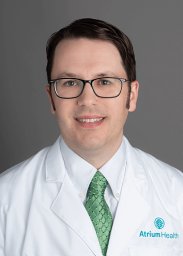 Malcolm (Hart) Squires合作论文数Division of Surgical Oncology, Levine Cancer Institute, Atrium Health13
 Charles R. Scoggins合作论文数Surgical Oncology Division, Department of Surgery, School of Medicine, University of Louisville13N. Le合作论文数12Cletus A Arciero合作论文数Dept Surg, Emory Univ Hosp12Kara Keplinger合作论文数12
 Schmidt Carl合作论文数Wexner Med Ctr, Ohio State Univ11
 Juan Sarmiento合作论文数Winship Cancer Institute of Emory University;Emory University School of Medicine11Jason Glenn合作论文数10
 Monica Rizzo合作论文数Winship Cancer Institute, Emory University School of Medicine10
 Bassel El-Rayes合作论文数Department of Hematology and Medical Oncology, Emory University School of Medicine;O'Neal Comprehensive Cancer Center, School of Medicine, The University of Alabama at Birmingham9
 Roshni Rao合作论文数9Kamran Idrees合作论文数Memorial Sloan-Kettering Cancer Center9Mia R McInnis合作论文数8Jeffry Nahmias合作论文数8Daniel E. Abbott合作论文数8
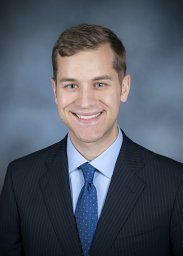 Matthew R Woeste合作论文数Hiram C Polk Jr MD Dept Surg, Univ Louisville8Yuhree Kim合作论文数8
 Julia C. Tchou合作论文数Surgery Faculty, Perelman School of Medicine, University of Pennsylvania8
 Winslow Emily R合作论文数8




