Transforming Growth Factor-beta (TGF-β) promotes lens epithelial–mesenchymal transition (EMT) and fibrosis, contributing to anterior subcapsular cataract (ASC) formation. Transgenic mice overexpressing TGF-β1 in the lens have been studied for over three decades, and yet the impact of active TGF-β1-overexpression on the lens epithelial transcriptome is undefined. We have addressed this knowledge gap by examining the gene expression landscape of these unique lens epithelia. High-throughput RNA-sequencing was performed on isolated lens epithelia from three-week-old TGF-β1-overexpression transgenic mice from two independent lines, OVE853 and OVE918, and wild-type mice. Downstream analyses included comparisons with lens datasets (e.g., cataract surgery model) and investigations using various resources/tools (e.g., Gene Ontology, CompBio, and iSyTE). Compared to wild-type murine lens epithelia, 384 differentially expressed genes (DEGs) were commonly identified in the lens of both transgenic lines. Candidates involved in EMT, inflammatory response, extracellular matrix organization, and mechano-sensation were elevated, while those involved in lipid metabolism, Wnt-suppression, Bmp- and Notch-activation were reduced. Comparative analyses with temporal transcriptomes on a mouse cataract surgery model identified overlapping pathological pathways, and some elevated genes, for example, endoplasmic reticulum stress genes, were consistent with human ASC data. This study provides the first comprehensive transcriptomic characterization of two independent TGF-β1 transgenic ASC models and identifies novel candidate downstream genes and pathways associated with TGF-β1 overexpression. All our data is made user-friendly and accessible through iSyTE.
Abstract CCCTC-binding factor ( CTCF ) is frequently mutated in endometrial cancer, resulting in genetic haploinsufficiency that contributes to tumour progression. We previously showed that depletion of CTCF disrupted cell polarity in KLE endometrial cancer spheroids; however, the implications for gene dysregulation and endometrial cancer pathophysiology remains poorly understood. ZNF185, an actin-associated and LIM domain-containing protein involved in cytoskeletal remodelling, was identified as a dysregulated target following CTCF haploinsufficiency. In this study, shRNA-mediated knockdown of CTCF was used to model haploinsufficiency in endometrial cancer cells, leading to the identification of a previously unrecognised isoform of ZNF185, named ZNF185B. Unlike the full-length protein, ZNF185B lacked co-localisation with F-actin and exhibited a diffuse cytoplasmic distribution, and ZNF185B was significantly upregulated in CTCF -depleted endometrial cancer cells and in an auxin-inducible degron model in a dose-dependent manner. Functional studies demonstrated that depletion of ZNF185 expression reduced endometrial cancer cell proliferation and clonogenic potential. Together, these findings identify ZNF185B as a novel isoform negatively regulated by CTCF protein dosage and establish ZNF185 as a requirement for endometrial cancer cell proliferation. Our results suggest that dysregulated ZNF185 expression is a crucial downstream consequence of CTCF haploinsufficiency and may contribute to tumour progression in endometrial cancer.
Abstract Adeno-associated viruses (AAV) are approved for gene therapy of several genetic disorders; however, key aspects of AAV cellular entry remain poorly understood. We previously identified carboxypeptidase D (AAVR2) as an AAV receptor distinct from the multi-serotype AAV receptor KIAA0319L (AAVR). In this study, we investigate the molecular mechanisms and biological roles of AAVR and AAVR2 in mediating AAV gene transfer. Using proximity-dependent biotin identification (BioID), we defined the interactome of AAVR in the presence or absence of AAV8 and identified various proteins involved in viral entry including AAVR2. We confirmed a direct physical interaction between AAVR and AAVR2, mediated by non-AAV interacting regions in the C-termini. Further, we identified functional motifs within the carboxy-terminal tails of both receptors to facilitate the engineering of chimeric receptors with enhanced activity. Functional assays demonstrated that the overexpression of AAVR or AAVR2 enhances the cellular attachment and entry of AAV in a serotype-specific manner. Finally, we generated a stable cell line expressing a minimal functional AAVR2 with increased sensitivity for in vitro potency testing for AAVR2-engaging serotypes like AAV8. Collectively, these findings reveal significant functional similarities in AAV receptor biology and establish a framework for engineering receptor-guided modalities.
Systemic gene therapy using adeno-associated virus (AAV) vectors is approved for the treatment of several genetic disorders, but challenges and toxicities associated with high vector doses remain. We report an alternate receptor for AAV (AAVR2, carboxypeptidase D [CPD]), which is distinct from the multi-serotype AAV receptor (AAVR). AAVR2 enables the transduction of clade E AAVs, including AAV8, and determines an exclusive AAVR-independent transduction pathway for AAV11 and AAV12. We characterized direct binding between the AAV8 capsid and AAVR2 by cryo-electron microscopy (cryo-EM) and identified contact residues. We observed that AAV8 directly binds to the carboxypeptidase-like domain 1 of AAVR2 via its variable region VIII and demonstrated that AAV capsids that lack AAVR2 binding can be bioengineered to engage with AAVR2. Finally, we overexpressed a minimal functional AAVR2 to enhance AAV transduction in vivo. Our study provides insights into AAV biology and clinically deployable solutions to reduce dose-related toxicities associated with AAV vectors.
Chromodomain helicase DNA-binding (CHD) enzymes play a pivotal role in genome regulation. They possess highly conserved ATPase domains flanked by poorly characterized and intrinsically disordered N- and C-termini. Using mass spectrometry, we identify dozens of novel protein-protein interactions (PPIs) within the N- and C-termini of human CHD family members. We also define a highly conserved aggregation-prone region (APR) within the C-terminus of CHD4 which is critical for its interaction with the nucleosome remodeling and deacetylase (NuRD), as well as ChAHP (CHD4, activity-dependent neuroprotective protein (ADNP), and HP1γ) complexes. Further analysis reveals a regulatory role for the CHD4 APR in gene transcription during erythrocyte formation. Our results highlight that the N- and C-termini of CHD chromatin remodelers shape protein interaction networks that drive unique transcriptional programs.
The nucleosome remodelling and deacetylase complex (NuRD) plays a key role in chromatin regulation and a wide range of biological processes including development, haemopoiesis, immunity and neurogenesis. Its interaction with tissue-enriched and sequence-specific transcription factors (TFs) leads to distinct functional outputs in the given tissue by targeting a specific set of genes. However, how NuRD dynamically and specifically regulates gene expression in a tissue-specific manner is poorly understood. Here, we refine an N-terminal specific NuRD interaction motif which enables direct engagement with many transcriptional regulatory proteins. Using a series of structural modelling and biochemical techniques, we show that ZNF512B, a poorly characterised neuronal-expressed zinc finger protein, directly binds to the RBBP4 subunit of the NuRD complex. Subsequent knockdown of ZNF512B results in the downregulation of several neural-related molecular pathways suggesting that ZNF512B may play a regulatory role during neurogenesis. We also show that in NTERA-2 neural cells, the expression of ZNF512B is necessary for cell growth and survival, and is markedly enhanced during neural progenitor cell (NPC) differentiation. In summary, our data suggest that ZNF512B might regulate neural-specific transcriptional programs via engagement with the NuRD complex. ### Competing Interest Statement The authors have declared no competing interest.
BACKGROUND AIMS:Several anti-mesothelin (MSLN) chimeric antigen receptor (CAR) T cells are in phase 1/2 clinical trials to treat solid-organ malignancies. The effect of MSLN antigen density on MSLN CAR cytotoxicity against tumor cells has not been examined previously, nor are there data regarding the effect of agents that increase MSLN antigen density on anti-MSLN CAR T cell efficacy.METHODS:MSLN antigen density was measured on a panel of pancreatic cancer and mesothelioma cell lines by flow cytometry. In parallel, the cytotoxicity and specificity of two anti-MSLN CAR T cells (m912 and SS1) were compared against these cell lines using a real-time impedance-based assay. The effect of two MSLN 'sheddase' inhibitors (lanabecestat and TMI-1) that increase MSLN surface expression was also tested in combination with CAR T cells.RESULTS:SS1 CAR T cells were more cytotoxic compared with m912 CAR T cells against cell lines that expressed fewer than ∼170 000 MSLN molecules/cell. A comparison of the m912 and amatuximab (humanized SS1) antibodies identified that amatuximab could detect and bind to lower levels of MSLN on pancreatic cancer and mesothelioma cell lines, suggesting that superior antibody/scFv affinity was the reason for the SS1 CAR's superior cytotoxicity. The cytotoxicity of m912 CAR T cells was improved in the presence of sheddase inhibitors, which increased MSLN antigen density.CONCLUSIONS:These data highlight the value of assessing CAR constructs against a panel of cells expressing varying degrees of target tumor antigen as occurs in human tumors. Furthermore, the problem of low antigen density may be overcome by concomitant administration of drugs that inhibit enzymatic shedding of MSLN.
Phyllodes tumours (PTs) are rare fibroepithelial lesions of the breast that are classified as benign, borderline, or malignant. As little is known about the molecular underpinnings of PTs, current diagnosis relies on histological examination. However, accurate classification is often difficult, particularly for distinguishing borderline from malignant PTs. Furthermore, PTs can be misdiagnosed as other tumour types with shared histological features, such as fibroadenoma and metaplastic breast cancers. As DNA methylation is a recognised hallmark of many cancers, we hypothesised that DNA methylation could provide novel biomarkers for diagnosis and tumour stratification in PTs, whilst also allowing insight into the molecular aetiology of this otherwise understudied tumour. We generated whole-genome methylation data using the Illumina EPIC microarray in a novel PT cohort (n = 33) and curated methylation microarray data from published datasets including PTs and other potentially histopathologically similar tumours (total n = 817 samples). Analyses revealed that PTs have a unique methylome compared to normal breast tissue and to potentially histopathologically similar tumours (metaplastic breast cancer, fibroadenoma and sarcomas), with PT-specific methylation changes enriched in gene sets involved in KRAS signalling and epithelial-mesenchymal transition. Next, we identified 53 differentially methylated regions (DMRs) (false discovery rate < 0.05) that specifically delineated malignant from non-malignant PTs. The top DMR in both discovery and validation cohorts was hypermethylation at the HSD17B8 CpG island promoter. Matched PT single-cell expression data showed that HSD17B8 had minimal expression in fibroblast (putative tumour) cells. Finally, we created a methylation classifier to distinguish PTs from metaplastic breast cancer samples, where we revealed a likely misdiagnosis for two TCGA metaplastic breast cancer samples. In conclusion, DNA methylation alterations are associated with PT histopathology and hold the potential to improve our understanding of PT molecular aetiology, diagnostics, and risk stratification. © 2024 The Authors. The Journal of Pathology published by John Wiley & Sons Ltd on behalf of The Pathological Society of Great Britain and Ireland.
Chromodomain helicase DNA-binding (CHD1-9) enzymes reposition nucleosomal DNA for transcription, recombination, and replication. They possess highly conserved ATPase domains flanked by poorly characterised N- and C-termini, which are enriched with intrinsically disordered regions (IDRs) and short aggregation-prone regions (APRs). The roles of IDRs and APRs in CHD function has remained elusive. Here, by integrating proteomics and AlphaFold Multimer analysis, we defined the protein-protein interaction (PPI) networks within the N- and C-termini of all CHDs. We generated a comprehensive map of CHD1-9-specific binding proteins, revealing dozens of novel interactions with transcription regulators. We identified APR regions that contribute to PPI formation and demonstrated that a highly conserved APR within the C-terminus of CHD4 is critical for its interaction with the nucleosome remodeling and deacetylase (NuRD), as well as the CHD, ADNP, and HP1 (ChAHP) complexes. Further analysis unravels a regulatory role for the CHD4 APR in gene transcription during erythrocyte formation. Our results emphasize that the N- and C-termini of CHD chromatin remodelers establish PPI networks that drive unique transcriptional programs. ### Competing Interest Statement The authors have declared no competing interest.
Chimeric antigen receptor (CAR) T-cells have revolutionized the treatment of CD19- and B-cell maturation antigen-positive haematological malignancies. However, the effect of a CAR construct on the function of T-cells stimulated via their endogenous T-cell receptors (TCRs) has yet to be comprehensively investigated. Experiments were performed to systematically assess TCR signalling and function in CAR T-cells using anti-mesothelin human CAR T-cells as a model system. CAR T-cells expressing the CD28 or 4-1BB costimulatory endodomains were manufactured and compared to both untransduced T-cells and CAR T-cells with a non-functional endodomain. These cell products were treated with staphylococcal enterotoxin B to stimulate the TCR, and in vitro functional assays were performed by flow cytometry. Increased proliferation, CD69 expression and IFNγ production were identified in CD8+ 4-1BBζ CAR T-cells compared to control untransduced CD8+ T-cells. These functional differences were associated with higher levels of phosphorylated ZAP70 after stimulation. In addition, these functional differences were associated with a differing immunophenotype, with a more than two-fold increase in central memory cells in CD8+ 4-1BBζ CAR T-cell products. Our data indicate that the 4-1BBζ CAR enhances CD8+ TCR-mediated function. This could be beneficial if the TCR targets epitopes on malignant tissues or infectious agents, but detrimental if the TCR targets autoantigens.
Purpose To determine the safety and efficacy of PARP plus PD-L1 inhibition (olaparib + durvalumab, O + D) in patients with advanced solid, predominantly rare cancers harbouring homologous recombination repair (HRR) defects. Patients and methods In total, 48 patients were treated with O + D, 16 with BRCA1/2 alterations (group 1) and 32 with other select HRR alterations (group 2). Overall, 32 (66%) patients had rare or less common cancers. The primary objective of this single-arm Phase II trial was a progression-free survival rate at 6 months (PFS6). Post hoc exploratory analyses were conducted on archival tumour tissue and serial bloods. Results The PFS6 rate was 35% and 38% with durable objective tumour responses (OTR) in 3(19%) and 3(9%) in groups 1 and 2, respectively. Rare cancers achieving an OTR included cholangiocarcinoma, perivascular epithelioid cell (PEComa), neuroendocrine, gallbladder and endometrial cancer. O + D was safe, with five serious adverse events related to the study drug(s) in 3 (6%) patients. A higher proportion of CD38 high B cells in the blood and higher CD40 expression in tumour was prognostic of survival. Conclusions O + D demonstrated no new toxicity concerns and yielded a clinically meaningful PFS6 rate and durable OTRs across several cancers with HRR defects, including rare cancers.
L-proline (Pro) has previously been shown to support normal development of mouse embryos. Recently we have shown that Pro improves subsequent embryo development when added to fertilisation medium during in vitro fertilisation of mouse oocytes. The mechanisms by which Pro improves embryo development are still being elucidated but likely involve signalling pathways that have been observed in Pro-mediated differentiation of mouse embryonic stem cells. In this study, we show that B0AT1, a neutral amino acid transporter that accepts Pro, is expressed in mouse preimplantation embryos, along with the accessory protein ACE2. B0AT1 knockout (Slc6a19−/−) mice have decreased fertility, in terms of litter size and preimplantation embryo development in vitro. In embryos from wild-type (WT) mice, excess unlabelled Pro inhibited radiolabelled Pro uptake in oocytes and 4–8-cell stage embryos. Radiolabelled Pro uptake was reduced in 4–8-cell stage embryos, but not in oocytes, from Slc6a19−/− mice compared to those from WT mice. Other B0AT1 substrates, such as alanine and leucine, reduced uptake of Pro in WT but not in B0AT1 knockout embryos. Addition of Pro to culture medium improved embryo development. In WT embryos, Pro increased development to the cavitation stage (on day 4); whereas in B0AT1 knockout embryos Pro improved development to the 5–8-cell (day 3) and blastocyst stages (day 6) but not at cavitation (day 4), suggesting B0AT1 is the main contributor to Pro uptake on day 4 of development. Our results highlight transporter redundancy in the preimplantation embryo.
With increasing electricity tariffs for African farmers, as well as pressure on global energy sectors to end their reliance on coal, a renewable system that has the potential to cut both costs and emissions would be a valuable resource. This paper details a waste-to-energy system intended for African animal farms. A focus on animal farms in Africa is important as many African power supply utilities are unreliable and rural areas are often at a loss for power. Africa, as a largely developing continent, is well suited to lead the way in a novel system of on-farm energy production. This paper shows that a system with 84% biomass and 16% PV supply provides an African farmer with the ability to save more than R6 million over the project’s lifespan of 20 years, while also recycling a waste resource and cutting methane emissions.
Normal protein-protein interactions (normPPIs) occur with high fidelity to regulate almost every physiological process. In cancer, this highly organised and precisely regulated network is disrupted, hijacked or reprogrammed resulting in oncogenic protein-protein interactions (oncoPPIs). OncoPPIs, which can result from genomic alterations, are a hallmark of many types of cancers. Recent technological advances in the field of mass spectrometry (MS)-based interactomics, structural biology and drug discovery have prompted scientists to identify and characterise oncoPPIs. Disruption of oncoPPI interfaces has become a major focus of drug discovery programs and has resulted in the use of PPI-specific drugs clinically. However, due to several technical hurdles, studies to build a reference oncoPPI map for various cancer types have not been undertaken. Therefore, there is an urgent need for experimental workflows to overcome the existing challenges in studying oncoPPIs in various cancers and to build comprehensive reference maps. Here, we discuss the important hurdles for characterising oncoPPIs and propose a three-phase multidisciplinary workflow to identify and characterise oncoPPIs. Systematic identification of cancer-type-specific oncogenic interactions will spur new opportunities for PPI-focused drug discovery projects and precision medicine.
Background & Aim In Australia clinical trials of viral vector gene therapies or gene modified (GM) viruses are required to be licenced by the Office of the Gene Technology Regulator (OGTR). Institutional Biosafety Committees (IBCs) play a crucial role by reviewing applications before they go to the OGTR for decision. IBCs also advise on cell therapy trials that do not require a licence and on laboratory research. Their advice covers safety, compliance and governance to meet the objective of the Australian Gene Technology Act 2000, which 'is to protect the health and safety of people, and to protect the environment, by identifying risks posed by or as a result of gene technology, and by managing those risks through regulating certain dealings with GMOs [Genetically Modified Organisms]'. Methods, Results & Conclusion Royal Prince Alfred Hospital (RPAH) IBC contributes to cell and gene therapy capacity building within Sydney Local Health District. Since 2008 it has advised on over 22 clinical trials; 14 of which required an OGTR licence. It has reviewed 6 licence applications and local risk management for 7 licences obtained via other IBCs. The number of trials advised on is increasing (5 in 2008-2015, 9 in 2016-2019 and 4 as at March 2020). They cover adeno-associated viral vectors for haemophilia, adenoviral vectors for mesothelioma, oncolytic GM human HSV-1 for melanoma and squamous cell carcinoma, oncolytic GM vaccinia virus vaccine strain for liver and kidney cancer, autologous cells transduced ex vivo with lentiviral vectors for beta-thalassemia (CD34+ cells) and adult diffuse large B-cell lymphoma (chimeric antigen receptor T cells targeting CD19) and allogeneic CRISPR Cas-9 engineered T-cells for B cell malignancies. The IBC conducts science-based risk assessments, facility inspections, assists organisations to prepare for cell and gene therapy clinical trials and contributes to policy and national reviews. It assists applicants and liaises with the OGTR. It has answered infection control queries, educated sponsors, developed a GMO-waste management training program with environmental services; ensured eye-wash, autoclave maintenance and spills management training are provided; assisted with corrective actions; and provided risk prevention advice. The members are scientists, researchers, health professionals, engineers and lay persons. The committee has processes for managing confidential information and dualities of interest and assesses new technologies, policies and regulations as they emerge. In Australia clinical trials of viral vector gene therapies or gene modified (GM) viruses are required to be licenced by the Office of the Gene Technology Regulator (OGTR). Institutional Biosafety Committees (IBCs) play a crucial role by reviewing applications before they go to the OGTR for decision. IBCs also advise on cell therapy trials that do not require a licence and on laboratory research. Their advice covers safety, compliance and governance to meet the objective of the Australian Gene Technology Act 2000, which 'is to protect the health and safety of people, and to protect the environment, by identifying risks posed by or as a result of gene technology, and by managing those risks through regulating certain dealings with GMOs [Genetically Modified Organisms]'. Royal Prince Alfred Hospital (RPAH) IBC contributes to cell and gene therapy capacity building within Sydney Local Health District. Since 2008 it has advised on over 22 clinical trials; 14 of which required an OGTR licence. It has reviewed 6 licence applications and local risk management for 7 licences obtained via other IBCs. The number of trials advised on is increasing (5 in 2008-2015, 9 in 2016-2019 and 4 as at March 2020). They cover adeno-associated viral vectors for haemophilia, adenoviral vectors for mesothelioma, oncolytic GM human HSV-1 for melanoma and squamous cell carcinoma, oncolytic GM vaccinia virus vaccine strain for liver and kidney cancer, autologous cells transduced ex vivo with lentiviral vectors for beta-thalassemia (CD34+ cells) and adult diffuse large B-cell lymphoma (chimeric antigen receptor T cells targeting CD19) and allogeneic CRISPR Cas-9 engineered T-cells for B cell malignancies. The IBC conducts science-based risk assessments, facility inspections, assists organisations to prepare for cell and gene therapy clinical trials and contributes to policy and national reviews. It assists applicants and liaises with the OGTR. It has answered infection control queries, educated sponsors, developed a GMO-waste management training program with environmental services; ensured eye-wash, autoclave maintenance and spills management training are provided; assisted with corrective actions; and provided risk prevention advice. The members are scientists, researchers, health professionals, engineers and lay persons. The committee has processes for managing confidential information and dualities of interest and assesses new technologies, policies and regulations as they emerge.
Gene therapy has been promising paradigm-shifting advances in medical science for over two decades. Broadly, it is defined as a human therapy in which an existing defective gene function is added to, replaced, edited or disrupted to achieve a clinical benefit, up to and including a potential lifelong cure. Although originally set out to treat monogenic disorders, gene therapy has since been utilised to treat neoplasia, cardiovascular and neurodegenerative diseases, as well as infections. The realisation of this therapy has been dependent on the achievement of fundamental milestones in medicine, from determining the human genome sequence to identifying effective vehicles for the gene of interest, ultimately facilitating gene delivery in humans. In this review, six approved gene and cell therapies available in Australia are described. Their efficacy, adverse effects, limitations and eligibility are discussed, as well as an overview of cost and future directions.
In living systems, a complex network of protein-protein interactions (PPIs) underlies most biochemical events. The human protein-protein interactome has been surveyed using yeast two-hybrid (Y2H)- and mass spectrometry (MS)-based approaches such as affinity purification coupled to MS (AP-MS). Despite decades of systematic investigations and collaborative multi-disciplinary efforts, there is no "gold standard" for documenting PPIs. A surprisingly large fraction of the human interactome remains uncharted, which we refer to as the "dark interactome." In this review, we highlight the complexity of the human interactome and discuss the current status of the human reference interactome maps. We discuss why a large proportion of the human interactome has remained refractory to traditional approaches. We propose an experimental model that can enable the identification of the dark interactome in a cell-type-specific manner. We also propose a framework to implement when embarking on studies designed to rigorously identify and characterize protein interactions.
Epithelial-mesenchymal transition (EMT) of lens epithelial cells (LECs) principally contributes to the pathogenesis of fibrotic cataract. Sprouty (Spry) and Spred proteins are receptor tyrosine kinase (RTK) antagonists that can regulate RTK-mediated signaling pathways, such as the MAPK/ERK1/2-signaling pathway. The present study examines the ability of Spry and Spred to inhibit TGFβ-induced EMT in LECs. LECs explanted from postnatal-day-21 Wistar rats were transduced with adenoviral vectors coding for Spry1, Spry2 or Spred2, and subsequently treated with or without TGFβ2. Immunofluorescent labeling of explants for the epithelial membrane marker β-catenin, and the mesenchymal marker alpha-smooth muscle actin (α-sma), were used to characterize the progression of EMT. Western blotting was used to quantify levels of α-sma and ERK1/2-signaling. Overexpression of Spry or Spred in LECs was sufficient to suppress EMT in response to TGFβ, including a block to cell elongation, β-catenin delocalization and α-sma accumulation. Spry and Spred were also shown to significantly block ERK1/2 phosphorylation for up to 18 h of TGFβ treatment but did not impair the earlier activation of ERK1/2 at 20 min. These findings suggest that Spry and Spred may not directly impact ERK1/2-signaling activated by the serine/threonine kinase TGFβ receptor, but may selectively target later ERK1/2-signaling driven by downstream RTK-mediated signaling. Taken together, our data establish Spry and Spred antagonists as potent negative regulators of TGFβ-induced EMT that can regulate ERK1/2-signaling in a temporal manner. A greater understanding of how Spry and Spred regulate the complex signaling interactions that underlie TGFβ-induced EMT will be essential to facilitate the development of novel therapeutics for different pathologies driven by EMT, including fibrotic forms of cataract.
 John E. J. Rasko合作论文数Faculty of Medicine, University of Sydney72
 Jeff Holst合作论文数School of Medical Sciences, Faculty of Medicine, The University of New South Wales30
 Aarthi Narayanan合作论文数College of Science, George Mason University29
 Kylene Kehn-Hall合作论文数National Center for Biodefense and Infectious Diseases, George Mason University21Taissia G. Popova合作论文数17
 Fatah Kashanchi合作论文数School of Systems Biology, George Mason University;College of Science, George Mason University17Metierre Cynthia合作论文数16Qian Wang合作论文数15
 Serguei Popov合作论文数Instituto de Matematica e Estat ´ õstica;Universidade de Sao Paulo;Instituto de Matematica e Estat ´ õstica, Universidade de Sao Paulo15Rajini Nagarajah合作论文数14
 Moushimi Amaya合作论文数13Feng Yue合作论文数13
 Ulf Schmitz合作论文数Systems Biology and Bioinformatics, University of Rostock12
 Jessamy Tiffen合作论文数Centre for Cancer Innovations, Centenary Institute;Melanoma Epigenetics Laboratory, Centenary Institute;School of Medical Sciences, Faculty of Medicine and Health, University of Sydney12
 Emanuel F. Petricoin合作论文数School of Systems Biology, College of Science, George Mason University10
 Ritchie William合作论文数10Keck Forrest合作论文数10
 Sharifi Tabar Mehdi合作论文数10
 Justin Wong合作论文数Epigenetics and RNA Biology Laboratory, School of Medical Sciences, Faculty of Medicine and Health, University of Sydney10
 John E Rasko合作论文数10
 Annora Thoeng合作论文数10
 Myung-Chul Chung合作论文数Korea Research Institute of Bioscience and Biotechnology10
 Kelsey Voss合作论文数9
 Michelle van Geldermalsen合作论文数Origins of Cancer Laboratory, Centenary Institute9N. Mitsiades合作论文数8
 Stefan Broer合作论文数Division of Biomedical Science and Biochemistry, Research School of Biology, Australian National University8
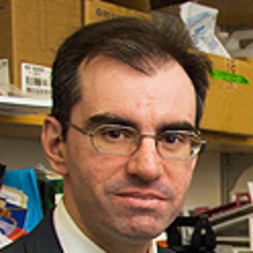 Constantine S. Mitsiades合作论文数Department of Medicine, Dana-Farber Cancer Institute;Department of Medicine, Harvard Medical School8
 Nikhil C. Munshi合作论文数Jerome Lipper Multiple Myeloma Center, Dana-Farber Cancer Institute;Harvard Medical School7
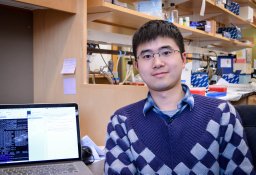 Gao Dadi合作论文数Sydney Medical School, University of Sydney7
 Towia Aron Libermann合作论文数Divisions of Immunology and Nephrology, Beth Israel Deaconess Medical Center;Harvard Medical School, Harvard University7
 Kenneth C. Anderson合作论文数Dana-Farber Cancer Institute;Harvard Medical School7Cynthia Ng合作论文数7
 Lance Liotta合作论文数Center for Applied Proteomics and Molecular Medicine, College of Science, George Mason University;School of Systems Biology, College of Science, George Mason University7
 Ladan Fazli合作论文数Vancouver Prostate Centre7
 Melanie Lehman合作论文数7
 Colleen Nelson合作论文数Centre for Genomics and Personalised Health, Queensland University of Technology;Vancouver Prostate Centre, University of British Columbia7Marie Joseph合作论文数7Xs Gu合作论文数6Roberts Brian合作论文数6
 Andrew Hoy合作论文数School of Medicine Sciences, Faculty of Medicine and Health, The University of Sydney6
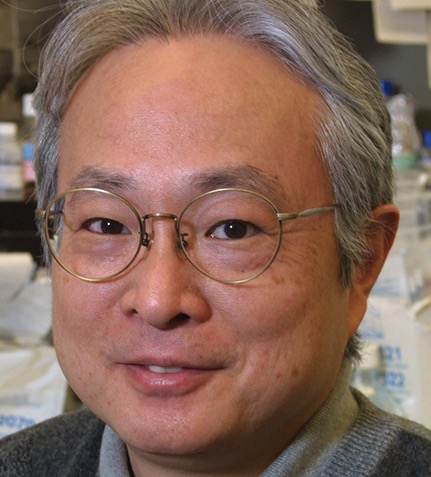 Teru Hideshima合作论文数Department of Medicine, Harvard Medical School;Jerome Lipper Center for Multiple Myeloma, Dana-Farber Cancer Institute6
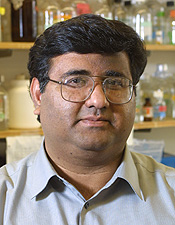 Dharminder Chauhan合作论文数Department of Medical Oncology, Dana Farber Cancer Institute;Jerome Lipper Myeloma Center, Dana Farber Cancer Institute;Harvard Medical School6Jessica M. Vanslambrouck合作论文数6A Broer合作论文数6Patrick O’Young合作论文数5
 Habib Francis合作论文数5Michael E Lindquist合作论文数5
 Amy Denise Marshall合作论文数5Caroline Giardina合作论文数5




