Objectives Aim of this retrospective cohort study was to evaluate whether oral health parameters would be associated with infection-related parameters and overall survival of patients with severe heart failure (HF). Methods Patients with severe HF, heart transplantation (HTx) and left-ventricular assist device (LVAD), which underwent a full oral examination between 2017 and 2018 were included. Infection-related and survival data were assessed from the patient´s medical records. The oral examination included: remaining teeth, caries and periodontal condition, including periodontal probing depth (PPD), clinical attachment loss (CAL), bleeding on probing (BOP), and diagnosis (staging/grading). In addition, the periodontal inflamed surface area (PISA) was determined. Statistical analysis included Chi-square, Fisher´s exact and Mann-Whitney-U test, as well as a logistic regression, considering age, gender, body-mass-index (BMI), diabetes and several oral health parameters with regard to overall survival and infections at heart/driveline. Results 329 patients (HTx: 34%, LVAD: 38.9%, HF: 27.1%), were included. Patients had on average 18.96 ± 8.90 remaining teeth, whereby the majority had a periodontitis stage III or IV (88.7%) and a grade B (80.5%). Higher BOP was associated with infections at heart/driveline (p = 0.04) and outside the heart (p < 0.01) during follow-up. Increased PISA was significantly associated with bacterial infections outside the heart (p < 0.01) and sepsis (p = 0.02). Only BMI of 25 or higher correlated with an increased risk of infections at heart/driveline in regression analysis (OR 3.063, CI 95 1.158–8.101, p = 0.02), while no associations between oral health parameters and infections at heart/driveline or overall survival were confirmed. Conclusions In patients with severe HF, periodontal inflammation might be associated with infection-related parameters. Improved dental care, especially including periodontal therapy and maintenance might be favourable to support prevention of infections in patients with severe HF.
Objectives The aim of this cross-sectional study was to compare oral health-related quality of life (OHRQoL) of patients with left ventricular assist device (LVAD) and heart failure (HF). Material and methods Seventy-four patients with LVAD were recruited from University Department for Cardiac Surgery, Leipzig Heart Center, Germany. A group of 72 patients with HF was composed by matching (age, gender, smoking). The German short form of oral health impact profile (OHIP G14) was applied. Health-related quality of life (HRQoL) was measured by short form 36 survey (SF-36). Dental conditions (decayed-, missing- and filled-teeth [DMF-T]), remaining teeth and periodontal findings were assessed. Statistics: t -test, Mann-Whitney U test, Kruskal-Wallis test, chi-square or Fisher test, linear regression. Results Age, gender, smoking, underlying disease, co-morbidities and oral findings were comparable between groups ( p > 0.05). OHIP G14 sum score was 3.53 ± 6.82 (LVAD) and 2.92 ± 5.35 (HF; p = 0.70), respectively. The scales SF-36 physical functioning ( p = 0.05) and SF-36 social functioning ( p < 0.01) were worse in LVAD. In the LVAD group, the DMF-T and remaining teeth negatively correlated with OHIP G14 sum score ( p < 0.01). In HF patients, positive correlations were found between OHIP G14 and D-T ( p < 0.01) and remaining teeth ( p = 0.04). Moreover, DMF-T ( p = 0.03) and remaining molars/premolars ( p = 0.02) were negatively correlated with SF-36 scales in HF. Conclusions Oral health and OHRQoL was comparable between LVAD and HF; thereby, OHRQoL reflected the clinical oral status. Clinical relevance Dental care, with beginning in early stage of HF, should be fostered to preserve teeth and support quality of life before and after LVAD implantation.
Background This cross-sectional study aimed in the comparison of periodontal parameters, number of remaining teeth and oral behaviour between patients with ischemic- (ICM) and non-ischemic dilative cardiomyopathy (DCM). Methods Patients with HF from the Department for Cardiac Surgery at the Heart Center Leipzig were included. The two groups (ICM and DCM) were composed by matching according to age, gender and smoking habits. All participants received a comprehensive periodontal examination, including a periodontal probing on six measurement points of each tooth. Results A total of 226 patients (n = 113 each group) was included. Patients in DCM group used interdental cleaning significantly more often than ICM (23.9% vs. 12.5%, p = 0.04). The majority of patients in both groups (ICM: 83.6%, DCM: 84.6%, p = 0.23) were diagnosed with stage III–IV periodontitis. Periodontal parameters were comparable between groups ( p > 0.05). Variance analysis revealed no influence of the group (ICM vs. DCM) on the number of remaining teeth ( p = 0.16), periodontitis stage ( p = 0.27) or the periodontal inflamed surface area ( p = 0.62). Conclusions Patients with severe HF show high periodontal burden, without any differences between ICM and DCM group. Therefore, increased attention should be payed to periodontal health of patients with severe heart disease, irrespective of their underlying disease.
The aim of this retrospective study was to investigate whether there would be an association between periodontal disease parameters and positive bacterial findings at the driveline of patients with a left ventricular assist device (LVAD). Patients with an LVAD, who underwent a full oral and microbiological examination between 2016 and 2018, were included. During oral examination, periodontitis severity (stage and grade) and the periodontal inflamed surface area (PISA) were evaluated. A microbiological analysis was performed from swabs of the driveline, whereby different bacterial species were cultivated and analyzed. A total of 73 patients were included in the current study. The majority of participants (80.8%) had at least one positive bacterial finding during the study period. Most patients had a periodontitis stage of III-IV (80.9%). The determined PISA of the total group was 284.78 ± 352.29 mm2. No associations were found between the periodontal disease parameters and the bacterial findings in general, the bacterial findings on the day of oral examination or the bacterial findings 12 months prior to/after the oral examination (p > 0.05). Periodontitis is not associated with cultivated microbiological findings at the driveline of patients with an LVAD and thus appears not to be a risk indicator for driveline colonization. Nevertheless, the high periodontal burden in LVAD patients underlines the need for their improved periodontal care.
The aim of this cross-sectional study was to examine the oral health-related quality of life (OHRQoL) in patients after heart transplantation (HTx) and those with heart failure (HF). In total, 186 participants (HTx: 104, HF: 82) were recruited from the University Department for Cardiac Surgery, Leipzig Heart Centre, Germany. OHRQoL was assessed with the German short form of the oral health impact profile (OHIP-G14). Health-related quality of life (HRQoL) was evaluated using the short form 36 survey (SF-36). Furthermore, the dental and periodontal treatment need was recorded. With an OHIP-G14 sum score of 6.58 ± 6.40 [5; 2.5–8] in the HTx group and 5.54 ± 5.47 [5; 2–7] in the HF group, no clinically relevant or statistically significant difference was apparent (p = 0.39). The SF-36 scales for physical functioning, role-physical, general health and vitality were significantly worse in the HF group compared with the HTx group (pi < 0.01). A worse SF-36 physical component summary was significantly associated with a higher OHIP-G14 sum score (HTx: p < 0.01, HF: p = 0.04). In the HTx group, a significant association was also observed for the mental component summary (p < 0.01). Multiple regression analysis revealed physical component summary (p = 0.04) and mental component summary (p < 0.01) in HTx, and physical component summary (p = 0.02), mental component summary (p = 0.02) and smoking (p < 0.01) as significant predictors for OHIP G14 in HF. The OHRQoL in HF and HTx patients appears to be mainly associated with general HRQoL. Therefore, multidisciplinary dental care concepts may be recommended to improve oral health conditions in these patients.
AbstractAimsThe aim of this cross‐sectional study was the assessment of dental behaviour, oral health, as well as oral health‐related quality of life of patients with left ventricular assist device (LVAD).Methods and resultsPatients (128) with LVAD were recruited from the University Department for Cardiac Surgery at Heart Center, Leipzig, Germany. A healthy control group (HC, n = 113) was included. Dental behaviour was assessed with a standardized questionnaire, and to evaluate oral health‐related quality of life, the German short form of oral health impact profile was applied. The presence of decayed, missing, and filled teeth; dental treatment need; periodontitis severity; and periodontal treatment need were assessed. These findings were correlated to disease‐related and device‐related factors. The minority of patients used aids for interdental hygiene (16.4%). For the LVAD patients, a German short form of oral health impact profile sum score of 4.96 ± 8.67 [0.5; 0–6] was assessed. The LVAD group suffered from more missing teeth (11.91 ± 9.13 vs. 3.70 ± 3.77; P < 0.01) than HC. More severe periodontitis was found in LVAD group (LVAD = 41.4% and HC = 27.4%; P < 0.01). Periodontal treatment need was high in both groups, without a significant difference (LVAD = 84.4% vs. HC = 86.7%; P = 0.71). LVAD therapy as bridge to transplantation was correlated with periodontal treatment need (odds ratio = 11.48 [1.27; 103.86]; P = 0.03). Further correlations between treatment need and disease specific factors were not detected.ConclusionsPatients with LVAD suffer from a high periodontal treatment need and a lack in oral behaviour. Interdisciplinary special care concepts appear recommendable to improve oral health in LVAD patients.
Background: To assess whether the standardized recommendation of patients with heart failure (HF), left-ventricular assist device (LVAD) and heart transplantation (HTx) to visit their dentist leads to improved oral conditions after 12 months. Methods: Patients from the Department of Cardiothoracic Surgery, Leipzig Heart Centre, Germany were examined at baseline and after 12 months. A dental (decayed-, missing-, and filled-teeth index (DMF-T)) and periodontal examination (periodontal probing depth, clinical attachment loss) was performed. At baseline, patients received a standardized recommendation to visit their dentist. At follow-up, a standardized questionnaire regarding the dental consultation was applied. Results: Eighty-eight participants (HTx: 31, LVAD: 43, HF: 14) were included. The majority of patients (79.5%) followed the recommendation to visit their dentist. Within the total cohort, periodontal treatment need was significantly reduced from 91% (baseline) to 75% (follow-up; p < 0.01). Only 10% of total cohort stated that they received periodontal treatment. The outcome in periodontal and dental treatment need at follow-up appointment revealed no statistically significant associations to the questionnaire regarding dentist consultation (p > 0.05). Conclusions: The simple recommendation to visit the dentist appears not enough to obtain sufficient dental and periodontal conditions in patients with severe heart diseases. Thereby, a lack in periodontal treatment of patients with HF, HTx and LVAD was identified, making interdisciplinary dental special care programs recommendable.
The aim of this cross-sectional study was the assessment of dental behaviour, oral health, as well as oral health-related quality of life of patients with left ventricular assist device (LVAD). Patients (128) with LVAD were recruited from the University Department for Cardiac Surgery at Heart Center, Leipzig, Germany. A healthy control group (HC, n = 113) was included. Dental behaviour was assessed with a standardized questionnaire, and to evaluate oral health-related quality of life, the German short form of oral health impact profile was applied. The presence of decayed, missing, and filled teeth; dental treatment need; periodontitis severity; and periodontal treatment need were assessed. These findings were correlated to disease-related and device-related factors. The minority of patients used aids for interdental hygiene (16.4%). For the LVAD patients, a German short form of oral health impact profile sum score of 4.96 ± 8.67 [0.5; 0–6] was assessed. The LVAD group suffered from more missing teeth (11.91 ± 9.13 vs. 3.70 ± 3.77; P < 0.01) than HC. More severe periodontitis was found in LVAD group (LVAD = 41.4% and HC = 27.4%; P < 0.01). Periodontal treatment need was high in both groups, without a significant difference (LVAD = 84.4% vs. HC = 86.7%; P = 0.71). LVAD therapy as bridge to transplantation was correlated with periodontal treatment need (odds ratio = 11.48 [1.27; 103.86]; P = 0.03). Further correlations between treatment need and disease specific factors were not detected. Patients with LVAD suffer from a high periodontal treatment need and a lack in oral behaviour. Interdisciplinary special care concepts appear recommendable to improve oral health in LVAD patients.
BACKGROUND:The aim of this cross-sectional study was the assessment of dental behaviour and oral health condition of heart transplant recipients (HTx) in comparison to patients with heart insufficiency (HI). METHODS:Patients attending the Department for Cardiac Surgery, Leipzig Heart Center, Germany were recruited. Standardized questionnaires regarding dental behaviour and periodontal complaints were applied. A dental (decayed-, missing- and filled-teeth index) and periodontal examination (periodontal probing depth (PPD) and clinical attachment loss (CAL)) was performed. Based on the oral findings, dental and periodontal treatment need was determined. STATISTICS:T-test, Mann-Whitney U test, Chi-square test, and Fisher-test (p < 0.05). RESULTS:A total of 201 patients (HTx: 112, HI: 89) were included. HTx patients were significantly more often allocated to dentists (p < 0.01). Furthermore, the HTx patients rated feeling informed appropriately about oral health more often (p < 0.01). HTx patients used interdental cleaning (p < 0.01) and mouth rinse (p = 0.02) more often than HI patients. No differences between groups were present regarding dental status and periodontitis severity (p > 0.05). Periodontal treatment need was high, showing prevalence of 79.5% (HTx) and 87.6% (HI, p = 0.14), respectively. CONCLUSIONS:Both groups show insufficient oral behaviour and a high need for periodontal treatment. Special care programs for HTx candidates and recipients appear recommendable.
Background Hypercholesterolaemia is common in patients after cardiac transplantation. Monoclonal antibodies that inhibit proprotein convertase subtilisin-kexin type 9 (PCSK9) reduce low-density lipoprotein (LDL) cholesterol levels and subsequently the risk of cardiovascular events in patients with dyslipidaemia. There are no published data on the effect of this medication class on cholesterol levels in patients after cardiac transplantation. Methods In this retrospective study we investigated patients who were treated with PCSK9 inhibitors either because of intolerance of statins or residual hypercholesterolaemia with evidence of cardiac allograft vasculopathy. We compared the data of patients prior to the start with these medications with their most recent dataset. Results Ten patients (nine men; mean age 58±6 years) underwent cardiac transplantation 8.3±4.5 (range 3–15) years ago. The treatment duration of Evolocumab or Alirocumab was on average 296±125 days and lead to a reduction of total Cholesterol (281±52 mg/dl to 197±36 mg/dl; p = 0.002) and LDL Cholesterol (170±22 mg/dl to 101±39 mg/dl; p = 0.001). No significant effects on HDL Cholesterol, BNP, Creatin Kinase or hepatic enzymes were noticed. There were no unplanned hospitalisations, episodes of rejections, change of ejection fraction or opportunistic infections. Both patients on Alirocumab developed liver pathologies: One patient died of hepatocellular carcinoma and the other developed hepatitis E. Conclusions Our study demonstrates that the PCSK9 inhibitors Evolocumab and Alirocumab lead to a significant reduction of LDL Cholesterol in heart transplantation recipients. No effect on cardiac function or episodes of rejections were noticed. Larger and long-term studies are needed to establish safety and efficacy of PCSK9 inhibitors after cardiac transplantation.
Background: Clostridium difficile (CD) is the most common pathogen causing nosocomial diarrhea. The clinical presentation ranges from mild diarrhea to severe complications, including pseudomembranous colitis, toxic megacolon, sepsis, and multi-organ failure. When the disease takes a fulminant course, death ensues rapidly in severe and complex cases. Preventive screening or current prophylactic therapies are not useful. Therefore, this study was conducted to detect risk factors for a fulminant CD infection (CDI) in patients undergoing cardiac surgery. Methods: Between April 1999 and April 2011, a total of 41,466 patients underwent cardiac surgery at our institution. A review of our hospital database revealed 1256 patients (3.0%) with post-operative diarrheal disease who tested positive for CD; these patients comprised the cohort of this observational study. A fulminant CDI occurred in 153 of these patients (12.2%), which was diagnosed on the basis of gastrointestinal complications, e.g. pseudomembranous colitis, and/or the need for post-cardiac surgery laparotomy. Demographic, peri-operative, and survival data were analyzed, and predictors of a fulminant CDI were assessed by binary logistic regression analysis. Results: The 30-day mortality was 6.1% (n = 77) for the entire cohort, with significantly higher mortality among patients with a fulminant CDI (21.6% vs. 4.0%, p < 0.001). Overall mortality (27.7%, n = 348) was also higher for patients with a fulminant course of the disease (63.4% vs. 22.8%, p < 0.001), and a laparotomy was required in 36.6% (n = 56) of the fulminant cases. Independent predictors of a fulminant CDI were: diabetes mellitus type 2 (OR 1.74, CI 1.15-2.63, p = 0.008), pre-operative ventilation (OR 3.52, CI 1.32-9.35, p = 0.012), utilization of more than 8 units of red blood cell concentrates (OR 1.95, CI 1.01-3.76, p = 0.046) or of more than 5 fresh-frozen plasma units (OR 3.38, CI 2.06-5.54, p < 0.001), and a cross-clamp time > 130 min (OR 1.93, CI 1.12-333, p = 0.017). Conclusions: We identified several independent risk factors for the development of a fulminant CDI after cardiac surgery. Close monitoring of high-risk patients is important in order to establish an early onset of therapy and thus to prevent a CDI from developing a fulminant course after cardiac surgery.
Background and study aims In patients taking different regimens of antithrombotic and/or anticoagulant therapy, endoscopic management of gastrointestinal bleeding represents a major challenge due to failing endogenous hemostasis. In this retrospective study we report on success rates with the over-the-scope clip (OTSC) system in upper and lower gastrointestinal bleeding in this high-risk patient population. Patients and methods Between February 2011 and June 2014, 75 patients were treated with an OTSC for active gastrointestinal bleeding. Success rates with the first endoscopic therapy, rebleeding episodes, their management and the influence of antithrombotic or anticoagulant therapy were analyzed retrospectively. Results Application of the OTSC resulted in immediate hemostasis (primary success rate) in all 75 patients. However, in 34.7 % a rebleeding episode was noted that could be treated by further endoscopic interventions. Only 3 patients had to be sent to the operating room because of failure of endoscopic therapy. In the rebleeding group the use of antiplatelet therapies was higher (73.1 % vs. 48.9 %). Conclusions Application of the OTSC in GI bleeding results in a high rate of primary hemostasis. Rebleeding occurs in up to 35 % of patients receiving antithrombotic/anticoagulant therapy but can be managed successfully with further endoscopic treatments. Patients in the rebleeding group were more frequently treated with antiplatelet agents. Radiological or surgical therapy was reserved for a small subgroup not successfully managed by repeated endoscopic therapies. OTSC application is the treatment of choice in high-risk patients when conventional clips used as first-line treatment fail.
BACKGROUND The aim of this observational, single-center study was to evaluate the impact of gender on surgical outcome in patients with active infective endocarditis (AIE) of the aortic valve. MATERIAL AND METHODS Between October 1994 and January 2011, 755 patients (558 men and 297 women) underwent surgery for AIE at the Leipzig Heart Center, Germany, according to the modified Duke criteria. Data were collected before surgery and as the study was ongoing. Gender influence on survival was evaluated (Kaplan-Meier curves). Cox proportional models were used to evaluate gender differences in relation to early mortality (within 30 days) and late mortality (up to 10 years). RESULTS The early mortality rate was 15.0% among men and 23.0% among women, which was statistically significant different (p=0.01). In male patients, variables associated with overall mortality were age (HR 1.63, 95% CI 1.43-1.86; p<0.001), insulin-dependent diabetes mellitus (HR 2.02, 95% CI 1.48-2.75; p<0.001), preoperative low ejection fraction (OR 0.99, 95% CI 0.98-0.99; p=0.002), previous cardiac surgery (OR 1.62, 95% CI 1.22-2.13; p=0.001), preoperative ventilation (OR 1.77, 95% CI 1.14-2.75; p=0.012), preoperative dialysis (OR 1.89, 95% CI 1.20-2.98; p=0.006), NYHA Class IV (OR 1.56, 95% CI 1.12-2.15; p=0.008), and involvement of multiple valves (OR 1.65, 95% CI 1.24-2.19; p=0.001) had a statistically significant influence on the late mortality. Focus identification (OR 1.75, 95% CI 1.08-2.77; p=0.023), involvement of multiple valves (OR 1.52, 95% CI 1.02-2.26; p=0.040), preoperative dialysis (OR 3.65, 95% CI 1.96-6.77; p<0.001), and age (OR 1.53, 95% CI 1.28-1.82; p<0.004) were predictive risk factors for late mortality in women with AIE (OR 3.6, 95% CI 1.5-8.4; p<0.004). CONCLUSIONS This study demonstrated distinct gender-based differences in risk of mortality in patients with AIE (who were undergoing surgical treatment) with different early and long-term outcomes.
Background: Aim of this study was to investigate the perioperative conditions as well as short- and mid-term outcome of patients with isolated mitral valve (MV) endocarditis undergoing MV surgery.
Background The aim of this study was to evaluate the perioperative characteristics and the short- and mid-term outcomes in patients undergoing tricuspid valve (TV) surgery for isolated TV endocarditis. Patients and Methods A total of 56 patients with isolated TV endocarditis underwent TV surgery at a single center between June 1995 and February 2012. Mean age of patients was 53.8 ± 17.1 years, 39 (69.6%) being male. The mean left ventricular ejection fraction was 60.4 ± 13.6% and 13 (23.2%) patients had diabetes mellitus. Average logistic EuroSCORE was 19.4 ± 17.0%. Mean follow-up was 4.7 ± 3.8 years. Results Microbiological investigations revealed positive blood cultures in 89.1% of patients and positive intraoperative swabs in 51.9%. The most common pathogen (42.9%) isolated was Staphylococcus aureus, followed by coagulase-negative staphylococcus (17.9%). Discussion A history of intravenous drug abuse (IVDA) was recorded in 11 patients (19.6%), of which 8 patients additionally had hepatitis C. A total of 15 patients (26.8%) had a permanent pacemaker/implantable cardioverter-defibrillator in situ. TV replacement was performed in 22 patients (39.3%) and TV repair was performed in 34 patients (60.7%). Overall 30-day mortality was 12.5%. Five-year survival was 63.9 ± 7.2% (95% confidence interval [CI]: 64.0-137.5 months). Freedom from reoperation for recurrent TV endocarditis was 91.7 ± 4.0% (95% CI: 152.3-179.3 months) at 5 years. Conclusion Blood culture is the most important tool to detect the causative pathogen causing IE of TV. The high risk of hepatitis C in patients with IVDA and IE of the TV should be mentioned.
Correction to: Tricuspid Valve Surgery in Patients with Isolated Tricuspid Valve Endocarditis: Analysis of Perioperative Parameters and Long-Term OutcomesThorac Cardiovasc Surg 2017; 65(08): 626-633DOI: 10.1055/s-0035-1564926
OBJECTIVES:Destruction of the intervalvular fibrous body, though uncommon, occurs due to paravalvular abscess formation following active infective endocarditis. This warrants a highly complex operation involving radical surgical debridement of the intervalvular fibrous body, followed by double valve (aortic and mitral) replacement with patch reconstruction of the anterior mitral annulus, the left ventricular outflow tract and the left atrial roof. The objective of this study was to review the early and mid-term outcomes in patients undergoing this operation.METHODS:A total of 25 patients underwent double valve replacement with reconstruction of the intervalvular fibrous body for extensive infective endocarditis between January 1999 and March 2012. The mean age was 64.3 ± 10.5 years. Most of the patients (60%) were in New York Heart Association Class III-IV, 12% and in cardiogenic shock. Associated comorbidities like acute renal insufficiency and cerebrovascular accidents were observed in 40 and 20% of patients, respectively. Twenty patients had previous heart valve surgeries. The logistic EuroSCORE predicted risk of mortality was 55.1 ± 22.9%.RESULTS:Overall, 30-day mortality was 32%. Postoperative complications like low cardiac output, stroke and acute renal failure developed in 16, 28 and 56%, respectively. Thirty-two percent of patients required re-exploration for bleeding. Nine patients were alive at a mean follow-up of 406 days (0-8 years). The 2- and 5-year survivals were 37.0 ± 11.1 and 24.6 ± 12.5%, respectively.CONCLUSIONS:Double valve replacement with reconstruction of the intervalvular fibrous body for infective endocarditis is a complex, technically challenging operation associated with high perioperative morbidity and mortality. Nevertheless, being the only option available for such complex disease, it should be performed in these patients who, otherwise, face 100% mortality.
Background. The high risk of morbidity and mortality for patients on hemodialysis who are undergoing cardiac surgery is increased for those with active infective endocarditis (AIE). This retrospective observational single-center study evaluated the impact of chronic hemodialysis on the outcome of aortic valve replacement in patients with aortic AIE.Methods. Data were retrospectively collected for consecutive patients undergoing aortic valve surgery for AIE diagnosed according to modified Duke criteria between October 1994 and January 2011. Characteristics and outcomes of patients receiving preoperative chronic hemodialysis were analyzed.Results. Aortic valve AIE was present in 992 patients. Forty-five (4.5%) of the aortic valve AIE patients were receiving long-term hemodialysis preoperatively, 19 of whom (42.2%) had diabetes mellitus. Mean logistic EuroSCORE was 64.2% +/- 32.2%. Twenty-four preoperative septic emboli were found in 15 patients. Results of microbiologic cultures were positive in 36 patients, with the major causative organisms identified as Staphylococcus aureus (n = 17) and Enterococcus faecalis (n = 10). Isolated aortic valve replacement was performed in 19 patients (42.2%), and 26 patients (57.8%) underwent concomitant procedures. The mean follow-up was 5.3 +/- 5.2 years (range, 0.1 to 17.1 years). Postoperative complications occurred in 30 patients (66.7%). Nineteen patients (42.2%) died within 30 days of surgery, which in 8 patients was attributable to a cardiac cause.Conclusions. In patients receiving chronic hemodialysis who undergo aortic valve replacement for acute AIE, postoperative mortality is high, especially in patients undergoing aortic root replacement or culture-negative AIE. (C) 2015 by The Society of Thoracic Surgeons
Objectives: To determine the influence of silent vs. symptomatic embolism on outcome of urgent/emergent surgery after infective endocarditis.
 Fw Mohr合作论文数31
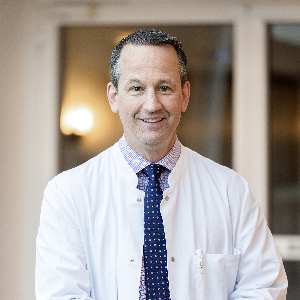 Michael Borger合作论文数University Clinic of Cardiac Surgery, Leipzig Heart Center19Jens Garbade合作论文数19
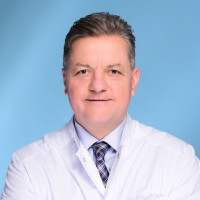 Martin Misfeld合作论文数University Clinic of Cardiac Surgery, Leipzig Heart Center;Department of Cardiothoracic Surgery, Royal Prince Alfred Hospital;Medical School, University of Sydney;Sydney Adventist Hospital18
 Pascal Maria Dohmen合作论文数13
 Christian Etz合作论文数12Sven Lehmann合作论文数11
 Wiebke Friedrich合作论文数10
 Falk Volkmar合作论文数10
 Dirk Ziebolz合作论文数Department of Cariology, Endodontology and Periodontology, University of Leipzig, Liebigstraße 12, 04103 Leipzig, Germany9
 Gerhard Schmalz合作论文数8
 Tanja Kottmann合作论文数8Justus Wagner合作论文数7Mirjam Eisner合作论文数7
 Haak Rainer合作论文数Department of Cariology, Endodontology and Periodontology, University of Leipzig7Rudiger Autschbach合作论文数7MA Borger合作论文数6Josephine Rast合作论文数6Pfannmueller Bettina合作论文数6
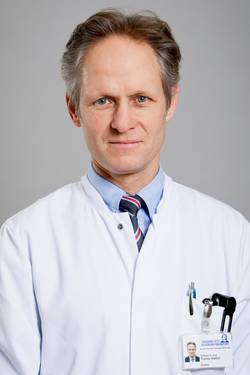 Thomas Walther合作论文数Klinik für Herz- und Gefäßchirurgie, Universitätsklinikum Frankfurt6k binneroussenek合作论文数5Piroze M Davierwala合作论文数5A Diegeler合作论文数5A Schubert合作论文数5Bittner Hartmuth B合作论文数5Andreas Oberbach合作论文数5
 Markus J. Barten合作论文数Department of Cardiovascular Surgery, University Heart Center Hamburg5Hartmuth B. Bittner合作论文数5H. B. Bittner合作论文数4Nicolas Doll合作论文数4
 Sabine Bleiziffer合作论文数3Mareike Kahmann合作论文数3
 Meradjoddin Matin合作论文数3
 Ardawan Julian Rastan合作论文数3
 Meinhard Mende合作论文数3Girrbach Felix F合作论文数Heart Center Leipzig, University of Leipzig3P. Pracki合作论文数3J. F. Gummert合作论文数3
 Hubert Wirtz合作论文数Department of Pulmonology, University Hospital Leipzig3Farhad Bakhtiary合作论文数3T. Wagner合作论文数2M. J. Barten合作论文数2M Mende合作论文数2Hindricks Gerhard合作论文数2Eberhard Struck合作论文数2Claudia Walther合作论文数2
 Friedrich W. Mohr合作论文数Leipzig Heart Institute2Torsten Bossert合作论文数2




