The Telomere Repeat-Binding factor 2 (TRF2) contributes to cancer progression by both telomere-dependent and independent mechanisms, including immune escape and angiogenesis. Here, we found that TRF2, through its Basic domain, directly interacts with Emerin forming a complex, including Lamin A/C, Lamin B1, SUN1, and SUN2. Importantly, TRF2 association with the inner nuclear membrane is functional to the proper establishment of cell polarity, finally promoting productive 1D and 3D migration in triple negative breast cancer cells (TNBC). In line with this, a spontaneous model of TNBC metastasis, combined with intravital imaging, allowed us to demonstrate that TRF2 promotes cell migration at the primary tumor site and is required for the early steps of the metastatic cascade. In human breast cancers, aberrantly elevated TRF2 expression positively correlates with cancer progression, metastasis, and poor prognosis, identifying TRF2 as a potential target for novel therapeutic strategies against TNBC.
BACKGROUND:The Telomeric repeat-binding factor 2 (TRF2) binds to TTAGGG repeats located at chromosomes ends and ensures telomere protection together with the other members of shelterin. In addition to its well-known role in telomere maintenance, TRF2 can also bind to interstitial telomeric sequences and regulate the expression of specific genes with a consequent impact on tumor formation and progression. However, a comprehensive analysis of the impact of TRF2 on global gene expression of human cancer cells and of the underlying mechanisms is still lacking. METHODS:The integration of omics technologies (RNA sequencing (RNA-seq), chromatin immunoprecipitation (ChIP-seq), interactomics, and microRNA (miRNA) profiling) was used to deeply investigate the extra-telomeric role of TRF2. Differential gene expression and binding sites of TRF2 were confirmed by qRT-PCR while the interaction of TRF2 with TATA-box binding protein associated factor 15 (TAF15) was validated by immunoprecipitation and proximity ligation assay. Finally, target specificity was assessed by luciferase assay and western blotting while biological effects were investigated by cell migration analysis (unpaired t tests was used to calculate statistical significance). RESULTS:We found that TRF2 impinges on the expression of 717 genes involved in various cancer-related pathways. Unexpectedly, just a small portion of Differentially Regulated genes are directly bound by TRF2, suggesting the existence of alternative mechanisms of TRF2-mediated gene regulation. In particular, we found that TRF2 binds to various noncoding RNA regions and interacts with many RNA binding proteins, supporting TRF2's involvement in noncoding RNA-mediated mechanisms. Through the intersection of omics-analyses, we provided here experimental evidence of a multilayered mechanism of regulation where TRF2, interacting with TAF15, regulates miR-181A1 host gene and mature miR-181a-5p expression, which in turn targets S100A10, a known plasma membrane protein with oncogenic role. CONCLUSIONS:Our work shows, for the first time, a broad overview on the extra-telomeric role of TRF2 in human cancer, further revealing a new axis through which TRF2 contributes to cancer progression.
Abstract Background Breast Cancer (BC) can be classified, due to its heterogeneity, into multiple subtypes that differ for prognosis and clinical management. Notably, triple negative breast cancer (TNBC) – the most aggressive BC form – is refractory to endocrine and most of the target therapies. In this view, taxane-based therapy still represents the elective strategy for the treatment of this tumor. However, due variability in patients’ response, management of TNBC still represents an unmet medical need. Telomeric Binding Factor 2 (TRF2), a key regulator of telomere integrity that is over-expressed in several tumors, including TNBC, has been recently found to plays a role in regulating autophagy, a degradative process that is involved in drug detoxification. Based on these considerations, we pointed, here, at investigating if TRF2, regulating autophagy, can affect tumor sensitivity to therapy. Methods Human TNBC cell lines, over-expressing or not TRF2, were subjected to treatment with different taxanes and drug efficacy was tested in terms of autophagic response and cell proliferation. Autophagy was evaluated first biochemically, by measuring the levels of LC3, and then by immunofluorescence analysis of LC3-puncta positive cells. Concerning the proliferation, cells were subjected to colony formation assays associated with western blot and FACS analyses. The obtained results were then confirmed also in mouse models. Finally, the clinical relevance of our findings was established by retrospective analysis on a cohort of TNBC patients subjected to taxane-based neoadjuvant chemotherapy. Results This study demonstrated that TRF2, inhibiting autophagy, is able to increase the sensitivity of TNBC cells to taxanes. The data, first obtained in in vitro models, were then recapitulated in preclinical mouse models and in a cohort of TNBC patients, definitively demonstrating that TRF2 over-expression enhances the efficacy of taxane-based neoadjuvant therapy in reducing tumor growth and its recurrence upon surgical intervention. Conclusions Based on our finding it is possible to conclude that TRF2, already known for its role in promoting tumor formation and progression, might represents an Achilles’ heel for cancer. In this view, TRF2 might be exploited as a putative biomarker to predict the response of TNBC patients to taxane-based neoadjuvant chemotherapy.
Drug repositioning strategy represents a valid tool to accelerate the pharmacological development through the identification of new applications for already existing compounds. In this view, we aimed at discovering molecules able to trigger telomere-localized DNA damage and tumor cell death. By applying an automated high-content spinning-disk microscopy, we performed a screening aimed at identifying, on a library of 527 drugs, molecules able to negatively affect the expression of TRF2, a key protein in telomere maintenance. FK866, resulting from the screening as the best candidate hit, was then validated at biochemical and molecular levels and the mechanism underlying its activity in telomere deprotection was elucidated both in vitro and in vivo. The results of this study allow us to discover a novel role of FK866 in promoting, through the production of reactive oxygen species, telomere loss and deprotection, two events leading to an accumulation of DNA damage and tumor cell death. The ability of FK866 to induce telomere damage and apoptosis was also demonstrated in advanced preclinical models evidencing the antitumoral activity of FK866 in triple-negative breast cancer-a particularly aggressive breast cancer subtype still orphan of targeted therapies and characterized by high expression levels of both NAMPT and TRF2. Overall, our findings pave the way to the development of novel anticancer strategies to counteract triple-negative breast cancer, based on the use of telomere deprotecting agents, including NAMPT inhibitors, that would rapidly progress from bench to bedside.
TERF2/TRF2 is a pleiotropic telomeric protein that plays a crucial role in tumor formation and progression through several telomere-dependent and -independent mechanisms. Here, we uncovered a novel function for this protein in regulating the macroautophagic/autophagic process upon different stimuli. By using both biochemical and cell biology approaches, we found that TERF2 binds to the non-histone chromatin-associated protein HMGB1, and this interaction is functional to the nuclear/cytoplasmic protein localization. Specifically, silencing of TERF2 alters the redox status of the cells, further exacerbated upon EBSS nutrient starvation, promoting the cytosolic translocation and the autophagic activity of HMGB1. Conversely, overexpression of wild-type TERF2, but not the mutant unable to bind HMGB1, negatively affects the cytosolic translocation of HMGB1, counteracting the stimulatory effect of EBSS starvation. Moreover, genetic depletion of HMGB1 or treatment with inflachromene, a specific inhibitor of its cytosolic translocation, completely abolished the pro-autophagic activity of TERF2 silencing. In conclusion, our data highlighted a novel mechanism through which TERF2 modulates the autophagic process, thus demonstrating the key role of the telomeric protein in regulating a process that is fundamental, under both physiological and pathological conditions, in defining the fate of the cells.Abbreviations: ALs: autolysosomes; ALT: alternative lengthening of telomeres; ATG: autophagy related; ATM: ATM serine/threonine kinase; CQ: Chloroquine; DCFDA: 2',7'-dichlorofluorescein diacetate; DDR: DNA damage response; DHE: dihydroethidium; EBSS: Earle's balanced salt solution; FACS: fluorescence-activated cell sorting; GFP: green fluorescent protein; EGFP: enhanced green fluorescent protein; GSH: reduced glutathione; GSSG: oxidized glutathione; HMGB1: high mobility group box 1; ICM: inflachromene; IF: immunofluorescence; IP: immunoprecipitation; NAC: N-acetyl-L-cysteine; NHEJ: non-homologous end joining; PLA: proximity ligation assay; RFP: red fluorescent protein; ROS: reactive oxygen species; TIF: telomere-induced foci; TERF2/TRF2: telomeric repeat binding factor 2.
BH3 mimetics, targeting the Bcl-2 family anti-apoptotic proteins, represent a promising therapeutic opportunity in cancers. ABT-199, the first specific Bcl-2 inhibitor, was approved by FDA for the treatment of several hematological malignancies. We have recently discovered IS21, a novel pan BH3 mimetic with preclinical antitumor activity in several tumor types. Here, we evaluated the efficacy of IS21 and other BH3 mimetics, both as single agents and combined with the currently used antineoplastic agents in T-cell acute lymphoblastic leukemia, ovarian cancer, and melanoma. IS21 was found to be active in T-cell acute lymphoblastic leukemia, melanoma, lung, pancreatic, and ovarian cancer cell lines. Bcl-xL and Mcl-1 protein levels predicted IS21 sensitivity in melanoma and ovarian cancer, respectively. Exploring IS21 mechanism of action, we found that IS21 activity depends on the presence of BAX and BAK proteins: complexes between Bcl-2 and Bcl-xL proteins and their main binding partners were reduced after IS21 treatment. In combination experiments, BH3 mimetics sensitized leukemia cells to chemotherapy, ovarian cancer cells and melanoma models to PARP and MAPK inhibitors, respectively. We showed that this enhancing effect was related to the potentiation of the apoptotic pathway, both in hematologic and solid tumors. In conclusion, our data suggest the use of inhibitors of anti-apoptotic proteins as a therapeutic strategy to enhance the efficacy of anticancer treatment.
Aiming to identify highly effective and selective G-quadruplex ligands as anticancer candidates, five natural compounds were investigated here, i.e., the alkaloids Canadine, D-Glaucine and Dicentrine, as well as the flavonoids Deguelin and Millettone, selected as analogs of compounds previously identified as promising G-quadruplex-targeting ligands. A preliminary screening with the G-quadruplex on the Controlled Pore Glass assay proved that, among the investigated compounds, Dicentrine is the most effective ligand of telomeric and oncogenic G-quadruplexes, also showing good G-quadruplex vs. duplex selectivity. In-depth studies in solution demonstrated the ability of Dicentrine to thermally stabilize telomeric and oncogenic G-quadruplexes without affecting the control duplex. Interestingly, it showed higher affinity for the investigated G-quadruplex structures over the control duplex (Kb~106 vs. 105 M−1), with some preference for the telomeric over the oncogenic G-quadruplex model. Molecular dynamics simulations indicated that Dicentrine preferentially binds the G-quadruplex groove or the outer G-tetrad for the telomeric and oncogenic G-quadruplexes, respectively. Finally, biological assays proved that Dicentrine is highly effective in promoting potent and selective anticancer activity by inducing cell cycle arrest through apoptosis, preferentially targeting G-quadruplex structures localized at telomeres. Taken together, these data validate Dicentrine as a putative anticancer candidate drug selectively targeting cancer-related G-quadruplex structures.
Telomeres are nucleoprotein structures at eukaryotic chromosome termini. Their stability is preserved by a six-protein complex named shelterin. Among these, TRF1 binds telomere duplex and assists DNA replication with mechanisms only partly clarified. Here we found that poly (ADP-ribose) polymerase 1 (PARP1) interacts and covalently PARylates TRF1 in S-phase modifying its DNA affinity. Therefore, genetic and pharmacological inhibition of PARP1 impairs the dynamic association of TRF1 and the bromodeoxyuridine incorporation at replicating telomeres. Inhibition of PARP1 also affects the recruitment of WRN and BLM helicases in TRF1 containing complexes during S-phase, triggering replication-dependent DNA-damage and telomere fragility. This work unveils an unprecedented role for PARP1 as a “surveillant” of telomere replication, which orchestrates protein dynamics at proceeding replication fork.
The telomeric repeat-binding factor 2 (TRF2) is a telomere-capping protein that plays a key role in the maintenance of telomere structure and function. It is highly expressed in different cancer types, and it contributes to cancer progression. To date, anti-cancer strategies to target TRF2 remain a challenge. Here, we developed a miRNA-based approach to reduce TRF2 expression. By performing a high-throughput luciferase screening of 54 candidate miRNAs, we identified miR-182-3p as a specific and efficient post-transcriptional regulator of TRF2. Ectopic expression of miR-182-3p drastically reduced TRF2 protein levels in a panel of telomerase- or alternative lengthening of telomeres (ALT)-positive cancer cell lines. Moreover, miR-182-3p induced DNA damage at telomeric and pericentromeric sites, eventually leading to strong apoptosis activation. We also observed that treatment with lipid nanoparticles (LNPs) containing miR-182-3p impaired tumor growth in triple-negative breast cancer (TNBC) models, including patient-derived tumor xenografts (PDTXs), without affecting mouse survival or tissue function. Finally, LNPs-miR-182-3p were able to cross the blood-brain barrier and reduce intracranial tumors representing a possible therapeutic option for metastatic brain lesions.
The telomeric protein TRF2 is overexpressed in several human malignancies and contributes to tumorigenesis even though the molecular mechanism is not completely understood. By using a high-throughput approach based on the multiplexed Luminex X-MAP technology, we demonstrated that TRF2 dramatically affects VEGF-A level in the secretome of cancer cells, promoting endothelial cell-differentiation and angiogenesis. The pro-angiogenic effect of TRF2 is independent from its role in telomere capping. Instead, TRF2 binding to a distal regulatory element promotes the expression of SULF2, an endoglucosamine-6-sulfatase that impairs the VEGF-A association to the plasma membrane by inducing post-synthetic modification of heparan sulfate proteoglycans (HSPGs). Finally, we addressed the clinical relevance of our findings showing that TRF2/SULF2 expression is a worse prognostic biomarker in colorectal cancer (CRC) patients.
Naphthalene diimide dyads exhibiting a different substitution pattern and linker length have been synthesized and evaluated as G-quadruplex (G4) ligands, investigating their cytotoxicity in selected cell lines. The dyads with the long C7-linker exhibit extremely low IC50 values, below 10 nM, on different cancer cell lines. Contrary, the dyads with shorter C4-linker were much less effective, with IC values increasing up to 1 μM. Among the three dyads with the longest linker, small differences in IC50 emerge, suggesting that its length plays a more important role rather than the substitution pattern. We have further shown that the dyads are able to induce cellular DNA damage response, which is not limited to the telomeric regions and is likely the origin of their cytotoxicity. Both absorption titrations and dynamic light scattering of the most cytotoxic dyads in the presence of hTel22 highlight their ability to induce effective G4 aggregation, acting as non-covalent cross-linking agents.
Breast cancer represents the main malignancy in women and autologous fat grafting is a diffuse procedure in the management of post-surgical breast defects causing patients’ psychosocial problems, with high costs for the public health. Recently, beneficial effects of fat grafting during post-surgical breast reconstruction have been amplified from the enrichment with human adipose-derived stem cells (ASCs) present in the stromal vascular fraction (SVF) of adult adipose tissue isolated during intraoperatory procedures. The major concern about the ASC enrichment during post-surgery breast reconstruction depends on their potential ability to release growth factors and hormones that can promote proliferation of residual or quiescent cancer cells, with the risk of de novo cancer development or recurrence. The recent description that adult stem cells primed in vitro may be vehicle for anti-cancer drug delivery offers a new vision concerning the role of ASCs in breast reconstruction after cancer surgery. Paclitaxel (PTX) is a chemotherapeutic agent acting as a microtubule-stabilizing drug inhibiting cancer cell mitotic activity. We optimized PTX loading and release in cultured ASCs and then analyzed the effects of PTX-loaded ASCs and their conditioned medium on CG5 breast cancer survival, proliferation and apoptosis in vitro, and inCG5 xenograft in vivo. We documented that ASCs can uptake and release PTX in vitro, with slight cytotoxic effects. Interestingly, PTX-loaded ASCs in co-culture, as well as conditioned medium alone, inhibited CG5 cell proliferation and survival in vitro and xenograft tumor growth in vivo. The antitumor effect of PTX-loaded ASCs may offer a new perspective concerning the use of ASCs during breast reconstruction becoming an additional local preventive chemotherapeutic agent against tumor recurrence. However, further experiments in vitro and in vivo are needed to collect more evidence confirming the efficacy and safety in cancer patients.
Telomere repeat binding factor 2 (TRF2) has been increasingly recognized to be involved in telomere maintenance and DNA damage response. Here, we show that TRF2 directly binds SIRT6 in a DNA independent manner and that this interaction is increased upon replication stress. Knockdown of SIRT6 up-regulates TRF2 protein levels and counteracts its down-regulation during DNA damage response, leading to cell survival. Moreover, we report that SIRT6 deactetylates in vivo the TRFH domain of TRF2, which in turn, is ubiquitylated in vivo activating the ubiquitin-dependent proteolysis. Notably, overexpression of the TRF2cT mutant failed to be stabilized by SIRT6 depletion, demonstrating that the TRFH domain is required for its post-transcriptional modification. Finally, we report an inverse correlation between SIRT6 and TRF2 protein expression levels in a cohort of colon rectal cancer patients. Taken together our findings describe TRF2 as a novel SIRT6 substrate and demonstrate that acetylation of TRF2 plays a crucial role in the regulation of TRF2 protein stability, thus providing a new route for modulating its expression level during oncogenesis and damage response.
We report on the potential of a water-soluble tetracationic quaternary ammonium naphthalene diimide (NDI) as multifunctional agent of interest for theranostic applications. The DNA binding ability of this NDI has been investigated. NDI exhibits high binding constants for G-quadruplex DNA but it is not selective for this type of DNA. Taking advantage of its intrinsic fluorescence and singlet oxygen sensitizing ability, cellular uptake, cytotoxicity and photocytotoxicity have been investigated. The intense emission in the red/NIR allows monitoring of the cell permeability of this charged tetracationic NDI, accumulating into the cell nuclei. No dark cytotoxicity has been observed on selected tumor cell lines. Irradiation of the NDI loaded cells with red light reduces cell viability up to 40% and causes a significant increase of the percentage of cells expressing γH2AX foci indicating DNA damage. The presence of distinct DNA damage foci inside the nucleus suggests that the NDI molecule might induce DNA damage in specific sites. To the best of our knowledge this is the first NDI exhibiting PDT activity at μM concentration combined with low dark cytotoxicity.
Cancer stem cells (CSCs) have been identified in several solid malignancies and are now emerging as a plausible target for drug discovery. Beside the questionable existence of CSCs specific markers, the expression of CD133 was reported to be responsible for conferring CSC aggressiveness. Here, we identified two G-rich sequences localized within the introns 3 and 7 of the CD133 gene able to form G-quadruplex (G4) structures, bound and stabilized by small molecules. We further showed that treatment of patient-derived colon CSCs with G4-interacting agents triggers alternative splicing that dramatically impairs the expression of CD133. Interestingly, this is strongly associated with a loss of CSC properties, including self-renewing, motility, tumor initiation and metastases dissemination. Notably, the effects of G4 stabilization on some of these CSC properties are uncoupled from DNA damage response and are fully recapitulated by the selective interference of the CD133 expression.In conclusion, we provided the first proof of the existence of G4 structures within the CD133 gene that can be pharmacologically targeted to impair CSC aggressiveness. This discloses a class of potential antitumoral agents capable of targeting the CSC subpopulation within the tumoral bulk.
Here, with the aim of obtaining insight into the intriguing selectivity of G-quadruplex (G4) ligands toward cancer compared to normal cells, a genetically controlled system of progressive transformation in human BJ fibroblasts was analyzed. Among the different comparative evaluations, we found a progressive increase of DNA damage response (DDR) markers throughout the genome from normal toward immortalized and transformed cells. More interestingly, sensitivity to G4 ligands strongly correlated with the presence of a basal level of DNA damage, including at the telomeres, where the chromosome ends were exposed to the DDR without concurrent induction of DNA repair activity, as revealed by the lack of 53BP1 recruitment and telomere aberrations. The link between telomere uncapping and the response to G4 stabilization was directly assessed by showing that a partial TRF2 depletion, causing a basal level of telomere localized DDR, rendered telomerized fibroblasts prone to G4-induced telomere damage and anti-proliferative defects. Taken together these data strongly indicate that the presence of a basal level of telomere-associated DDR is a determinant of susceptibility to G4 stabilization.
The epigenetics of early commitment to embryonal cardiomyocyte is poorly understood. In this work, we compared the effect of thyroid hormone and that of anacardic acid, a naturally occurring histone acetylase inhibitor, or both in combination, on mouse embryonic stem cells (mES) differentiating into embryonal cardiomyocyte by embryoid bodies (EBs) formation. Although the results indicated that anacardic acid (AA) and thyroid hormone were both efficient in promoting cardiomyocyte differentiation, we noticed that a transient exposure of mES to AA alone was sufficient to enlarge the beating areas of EBs compared to those of untreated controls. This effect was associated with changes in the chromatin structure at the promoters of specific cardiomyogenic genes. Among them, a rapid induction of the transcription factor Castor 1 (CASZ1), important for cardiomyocytes differentiation and maturation during embryonic development, was observed in the presence of AA. In contrast, thyroid hormone (T 3) was more effective in stimulating spontaneous firing, thus suggesting a role in the production of a population of cardiomyocyte with pacemaker properties. In conclusion, AA and thyroid hormone both enhanced cardiomyocyte formation along in apparently distinct pathways.
Quadruplexes DNA are present in telomeric DNA as well as in several cancer-related gene promoters and hence affect gene expression and subsequent biological processes. The conformations of G4 provide selective recognition sites for small molecules and thus these structures have become important drug-design targets for cancer treatment. The DNA G-quadruplex binding pentacyclic acridinium salt RHPS4 (1) has many pharmacological attributes of an ideal telomere-targeting agent but has undesirable off-target liabilities. Notably a cardiovascular effect was evident in a guinea pig model, manifested by a marked and sustained increase in QTcB interval. In accordance with this, significant interaction with the human recombinant β2 adrenergic receptor, and M1, M2 and M3 muscarinic receptors was observed, together with a high inhibition of the hERG tail current tested in a patch clamp assay. Two related pentacyclic structures, the acetylamines (2) and (3), both show a modest interaction with β2 adrenergic receptor, and do not significatively inhibit the hERG tail current while demonstrating potent telomere on-target properties comparing closely with 1. Of the two isomers, the 2-acetyl-aminopentacycle ( 2 ) more closely mimics the overall biological profile of 1 and this information will be used to guide further synthetic efforts to identify novel variants of this chemotype, to maximize on-target and minimize off-target activities. Consequently, the improvement of toxicological profile of these compounds could therefore lead to the obtainment of suitable molecules for clinical development offering new pharmacological strategies in cancer treatment.
Tumor angiogenesis is mainly mediated by vascular endothelial growth factor (VEGF), a pro-angiogenic factor produced by cancer cells and active on the endothelium through the VEGF receptor 2 (VEGFR-2). Here we identify a G-rich sequence within the proximal promoter region of vegfr-2, able to form an antiparallel G-quadruplex (G4) structure. This G4 structure can be efficiently stabilized by small molecules with the consequent inhibition of vegfr-2 expression. Functionally, the G4-mediated reduction of VEGFR-2 protein causes a switching off of signaling components that, converging on actin cytoskeleton, regulate the cellular events leading to endothelial cell proliferation, migration and differentiation. As a result of endothelial cell function impairment, angiogenic process is strongly inhibited by G4 ligands both in vitro and in vivo. Interestingly, the G4-mediated antiangiogenic effect seems to recapitulate that observed by using a specific interference RNA against vegfr-2, and it is strongly antagonized by overexpressing the vegfr-2 gene. In conclusion, we describe the evidence for the existence of G4 in the promoter of vegfr-2, whose expression and function can be markedly inhibited by G4 ligands, thereby revealing a new, and so far undescribed, way to block VEGFR-2 as target for anticancer therapy.
 Annamaria Biroccio合作论文数37
 Luigina Romani合作论文数Department of Experimental Medicine and Biochemical Sciences|University of Perugia28
 Silvia Moretti合作论文数23
 Teresa Zelante合作论文数Microbiology Section;Department of Experimental Medicine and Biochemical Sciences;University of Perugia;Department of Experimental Medicine and Biochemical Sciences, University of Perugia23Silvia Bozza合作论文数Department of Experimental Medicine and Biochemical Sciences;University of Perugia;Department of Experimental Medicine and Biochemical Sciences, University of Perugia23Antonella De Luca合作论文数22Carlo Leonetti合作论文数Department of Experimental Oncology, Laboratory of Experimental Preclinical Chemotherapy, National Cancer Institute “Regina Elena”, Rome, Italy19Pierluigi Bonifazi合作论文数19
 Gloria Giovannini合作论文数18
 Erica Salvati合作论文数Experimental Chemotherapy Laboratory, Regina Elena Cancer Institute17Manuela Porru合作论文数16Angela Rizzo合作论文数14Zizza Pasquale合作论文数14Iannitti Rossana G合作论文数11Iachettini Sara合作论文数11Francesco Bistoni合作论文数University of Perugia11
 Paolo Puccetti合作论文数Dipartimento Di Medicina Sperimentale E Scienze Biochimiche, Universita’ Degli Studi Di Perugia10Silvia Zagarella合作论文数10Francesca Fallarino合作论文数10
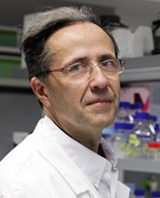 Eric Gilson (埃里克·丹尼尔·雅克·吉尔森)合作论文数Institute for Research on Cancer and Aging, Université Côte d'Azur;Department of Medical Genetics, Archet 2 Hospital9Antonella Stoppacciaro合作论文数Department of Experimental Medicine and Pathology, University of Rome ‘La Sapienza’8G Zupi合作论文数7
 Cristina W. Cunha合作论文数7
 Eleonora Petti合作论文数7
 Agostinho Carvalho合作论文数School of Health Sciences, University of Minho7Chiara Cingolani合作论文数6Serena Di Vito合作论文数6Mottolese Marcella合作论文数Division of Pathology, IRCCS, Regina Elena National Cancer Institute6Carmen Maresca合作论文数5Marco Scarsella合作论文数5
 Novellino Ettore合作论文数Dipartimento di Farmacia, Facoltà di Farmacia, Universita degli Studi di Napoli Federico II5Gabriella Zupi合作论文数5Ada Sacchi合作论文数5
 Malcolm Stevens合作论文数School of Pharmacy, Faculty of Science, University of Nottingham;Centre for Biomolecular Sciences, University of Nottingham5
 Katia Perruccio合作论文数5Franco Aversa合作论文数4
 Louis Boon合作论文数4
 Antonio Randazzo合作论文数Department of Pharmacy, University of Naples Federico II4Simonetta Buglioni合作论文数4
 Maurizio Cosimelli合作论文数4
 Jean-Paul Latge合作论文数State Key Laboratory of Mycology, Institute of Microbiology, Chinese Academy of Sciences4
 Antonella Farsetti合作论文数Institute of Neurobiology and Molecular Medicine, National Research Council4
 Ostano Paola合作论文数Fondazione Edo ed Elvo Tempia Valenta3Di Benedetto Anna合作论文数3
 Roberto Dinami合作论文数3Sacconi Andrea合作论文数Translational Oncogenomics Unit, "Regina Elena"National Cancer Institute3Massi-Benedetti Cristina合作论文数3
 Alfonso Baldi合作论文数3
 Andrea Velardi合作论文数Universita’ Di Perugia3




