This work investigates nematic fluctuations and electronic correlations in the hole-doped iron pnictide superconductor Ba_1-xK_xFe_2As_2 by means of longitudinal and transverse elastoresistance measurements over a wide doping range (0.63 < x < 0.98). For this purpose, the orbital character of the electronic response was revealed by decomposition of the elastoresistance into the A_1g and B_2g symmetry channels. It was shown that at lower doping levels nematic fluctuations in the B_2g channel dominate, while for x > 0.68 the A_1g channel becomes dominant and reaches a pronounced maximum at x ≈ 0.8 which indicates strong orbital-selective electronic correlations. Despite the dominance of the A_1g signal at high doping, a weak contribution in the B_2g channel persists, which can be interpreted as a remnant of nematic fluctuations. Model calculations based on a five-orbital tight-binding Hamiltonian with interactions attribute the observed enhancement in the A_1g channel to an orbital-selective Kondo-like resonance, predominantly involving the d_xy orbital. We discuss our results in relation to the evolution of the Sommerfeld coefficient reported in the literature and a reported change of the superconducting order parameter. All this indicates that for x > 0.68 qualitatively new physics emerges. Our findings suggest that electronic correlations in the strongly hole-doped regime play an important role in superconductivity, while the detectable weak nematic fluctuations may also be of relevance.
Layered van der Waals tellurides reveal topologically nontrivial properties that give rise to unconventional magneto-transport phenomena. Additionally, their semimetallic character with high mobility makes them promising candidates for large magneto-thermoelectric effects. Remarkable studies on the very large and unconventional Nernst effect in WTe_{2} have been reported, raising questions about whether this property is shared across the entire family of van der Waals tellurides. In this study, systematic measurements of the Nernst effect in telluride van der Waals Weyl semimetals are presented. Large linear Nernst coefficients in WTe_{2} and MoTe_{2} are identified, and moderate Nernst coefficients with nonlinear behavior in magnetic fields are observed in W_{0.65}Mo_{0.35}Te_{2}, TaIrTe_{4}, and TaRhTe_{4}. Within this sample set, a correlation between the dominant linear-in-magnetic-field component of the Nernst coefficient and mobility is established, aligning with the established Nernst scaling framework, although with a different scaling factor compared with existing literature. This enhancement might be caused by the shared favorable electronic band structure of this family of materials. Conversely, the nonlinear component of the Nernst effect in a magnetic field could not be correlated with mobility. This nonlinear term is almost absent in the binary compounds, suggesting a multiband origin and strong compensation between electron-like and hole-like carriers. This comprehensive study highlights the potential of van der Waals tellurides for thermoelectric conversion.
Iron–molybdenum mixed oxides are well‐established catalysts for the oxidative dehydrogenation (ODH) of methanol, but their performance in the ODH of ethanol (EtOH), particularly with respect to the Mo:Fe ratio, remains unexplored. In this study, we present the synthesis of mixed oxides across the full composition range, their catalytic assessment in the ODH of EtOH, and their structural characterization. While pure iron oxide is unselective toward acetaldehyde (AcH), introducing small amounts of molybdenum oxide enhances the catalyst's selectivity significantly. In contrast, molybdate‐rich systems tend to produce more dehydration products such as diethyl ether and ethene due to an increased acid site density. The optimal catalyst was found to be an iron‐rich system with a composition of x Fe = 0.95, yielding 94% AcH at temperatures as low as 220 °C with promising long‐term stability. Therefore, while molybdenum is essential for high catalytic activity and selectivity, only small amounts are required when supported by a high surface area, defect‐rich iron oxide, highlighting the efficiency of this mixed oxide system as catalyst for the ODH of EtOH.
Topological superconductors offer a fertile ground for realizing Majorana zero modes – topologically protected, zero-energy quasiparticles that are resilient to local perturbations and hold great promise for fault-tolerant quantum computing. Recent studies have presented encouraging evidence for intrinsic topological superconductivity in the Weyl semimetal trigonal PtBi_2, hinting at a robust surface phase potentially stable beyond the McMillan limit. However, due to substantial spatial variations in the observed superconducting (SC) gap Δ the nature of the underlying order parameter Δ(k) remained under debate. Here we report the realization of sizable surface SC gaps (Δ> 10 meV) in PtBi_2, exhibiting remarkable spatial uniformity from hundreds of nanometers down to the atomic level, as revealed by scanning tunneling microscopy and spectroscopy. Building on this spatial homogeneity – indicative of long-range phase coherence – we uncover previously unobserved low-energy Andreev bound states (ABSs) that ubiquitously emerge within the SC gap across the surface. Theoretical simulations that closely reproduce the experimental spectra, reveal an anisotropic chiral pairing symmetry of Δ(k), and further suggest that the observed ABSs are of topological origin. The combination of a large, nontrivial pairing gap and accessible surface states establishes PtBi_2 as a compelling platform for investigating topological superconductivity and its associated Majorana modes.
We investigated the electronic properties of the topological insulator Bi_2Te_3 by scanning tunneling microscopy and spectroscopy at low temperature. We obtained high-resolution quasiparticle interference data of the topological surface Dirac electrons at different energies. Spin-selective joint density of states calculations were performed for surface and bulk electronic states to interpret the observed quasiparticle interference data. The topological properties of our crystals are demonstrated by the absence of backscattering along with the linear energy dispersion of the dominant scattering vector. In addition, we detect non-dispersive scattering modes which we associate with bulk-surface scattering and, thus, allow an approximate identification of the bulk energy gap range based on our quasiparticle interference data. Measurements of differential conductance maps in magnetic fields up to 15 T have been carried out, but no strong modifications could be observed.
The Weyl semimetal trigonal PtBi_2 has recently been identified as a promising candidate material for intrinsic topological surface superconductivity emerging from the Fermi arc states of the material with a sizeable superconducting gap. We report the temperature evolution of the superconducting excitation spectrum using scanning tunneling spectroscopy in the range of 8-45K. A large low-temperature gap in the order of Δ≈ 9meV and a closing of the gap around T_c ≈ 45K is observed. Thus, our results confirm the previously indicated high T_c-like superconductivity in t-PtBi_2.
A novel setup for spatially resolved operando Raman spectroscopy was used to directly correlate structural changes such as lattice oxygen consumption and oxygen vacancy formation with the catalytic conversion during CO oxidation over Cu/CeO 2 .
Despite widespread use of chemoresistive gas sensors, their underlying sensor mechanism is often poorly understood on a molecular level. This work provides significantly new insight into the sensor mechanism of SnO2 and Au/SnO2 during CO gas sensing by combining modulation excitation IR spectroscopy with steady-state spectroscopy (UV-vis, IR). We demonstrate that surface lattice oxygen sites and hydroxyl groups are active sites in the CO oxidation reaction leading to the primary sensor response. Correlation of the temporal course of characteristic spectroscopic bands of surface oxygen species with the DC resistance reveals that the sensor response and reversibility cannot be solely explained by a pure reduction-reoxidation mechanism. Carbonate-related species also need to be considered, as they are only formed after the initial oxidation reaction and significantly define the total sensor response and reversibility by hindering surface reoxidation and restructuring. Direct spectroscopic evidence for CO adsorption and activation on gold nanoparticles was obtained, involving different CO-Au n+ species. Our results provide valuable new insights into the sensor mechanism of loaded metal oxide gas sensors, which is often more complex than assumed based on steady-state methods. As illustrated in this study, some key aspects of the sensor mechanism may only be accessible by applying transient spectroscopic methods.
The design of cathode/electrolyte interfaces in high-energy density Li-ion batteries is critical to protect the surface against undesirable oxygen release from the cathodes when batteries are charged to high voltage. However, the involvement of the engineered interface in the cationic and anionic redox reactions associated with (de-)lithiation is often ignored, mostly due to the difficulty to separate these processes from chemical/catalytic reactions at the cathode/electrolyte interface. Here, a new electron energy band diagrams concept is developed that includes the examination of the electrochemical- and ionization- potentials evolution upon batteries cycling. The approach enables to forecast the intrinsic stability of the cathodes and discriminate the reaction pathways associated with interfacial electronic charge-transfer mechanisms. Specifically, light is shed on the evolution of cationic and anionic redox in high-energy density lithium-rich 0.33Li2MnO3·0.67LiNi0.4Co0.2Mn0.4O2 (HE-NCM) cathodes, particularly those that undergo surface modification through SO2 and NH3 double-gas treatment to suppress the structural degradation. The chemical composition and energy distribution of the occupied and unoccupied electronic states at the different charging/discharging states are quantitatively estimated by using advanced spectroscopy techniques, including operando Raman spectroscopy. The concept is successfully demonstrated in designing artificial interfaces for high-voltage olivine structure cathodes enabling stable battery operation up to 5.1 V versus Li+/Li.
The CO2-assisted oxidative dehydrogenation (ODH) of propane is of great technical importance and enables the use (and thus removal from the atmosphere) of CO2, a greenhouse gas, in a value-adding process. Supported vanadium oxide (VOx) catalysts are a promising alternative to more active but toxic chromium oxide catalysts. Despite its common use, TiO2 has not been investigated as a support material for VOx in the CO2-ODH of propane. In this study, we elucidate the interaction between titania (P25) and vanadia in the reaction mechanism by analyzing the reaction network and investigating the catalyst using X-ray diffraction (XRD), multiwavelength Raman, UV-vis and diffuse reflectance IR Fourier transform (DRIFT) spectroscopy. Besides direct and indirect ODH reaction pathways, propane dry reforming (PDR) is identified as a side reaction, which is more prominent on bare titania. The presence of VOx enhances the stability and the selectivity toward propylene by participating in the redox cycle, activating CO2 and leading to a higher rate of regeneration. Additionally, VOx catalyzes the conversion of anatase to rutile, which facilitates CO2 activation, thereby leading to an encapsulation of vanadium. At higher loadings, reducible VOx oligomers are present on the surface, facilitating some PDR, but less than on bare P25. As the main deactivation mechanisms of the catalyst system, we propose the reduction of the titania lattice and the consumption of vanadium, while carbon formation appears to be less relevant. Our results highlight the importance of analyzing the CO2-ODH reaction network and applying a multispectroscopic approach to obtain a detailed mechanistic understanding of CO2-assisted propane ODH over supported VOx catalysts.
Supported vanadia is an important catalyst for oxidation reactions but its properties and catalytic activity heavily depend on the support material. Ceria is a promising support due to its reducibility and active participation in many oxidation reactions. To understand these catalysts at work, operando spectroscopy is required, which can be difficult to interpret. To obtain a fundamental, nuclearity-dependent understanding of the vibrational structure of VOx/CeO2, we combined Raman characterization with density functional theory (DFT) by calculating vibrational frequencies and Raman intensities based on established vanadia structures on support structures with (4 x 4) periodicity. Monomeric and oligomeric structures were simulated based on VO and VO2 clusters, resulting in VnOn (n = 1-3) and VnO2n (n = 1-7) oligomers. The latter were combined based on weighting factors determined from the experimental vanadyl fine structure and the thermodynamic stability of the clusters, yielding a simulated spectrum of the nuclearity distribution. Using this approach, vanadium coverage effects could be simulated, resulting in an overall agreement between experimental and theoretical spectra and providing nuclearity-dependent insight into the vibrational spectrum of VOx/CeO2, including the interface region and the vanadyl fine structure. Our study highlights the importance of DFT calculations to facilitate the assignment of spectroscopic features and obtain a detailed understanding of catalytic materials.
ConspectusA rational design of catalysts requires a knowledge of the active species and sites. Often, catalyst surfaces are dominated by spectators, which do not participate in the reaction, while the catalytically active species and sites are hidden. Modulation-excitation spectroscopy (MES) allows discrimination between active and spectator species by applying a concentration modulation, which is translated into the active (that is, actively responding) species by phase-sensitive detection (PSD).While MES has been known for a while, its combination with infrared spectroscopy (IR-MES) has been applied to the detailed mechanistic analysis of a wide range of supported metal and metal oxide catalysts only recently, used for catalytic reactions such as CO2 hydrogenation, water-gas shift, and CO and selective oxidation. The applicability of IR-MES is not limited to catalysis but has started to expand into other areas of research (e.g., gas sensing).In the context of renewable energy, CO2 hydrogenation has been a matter of intense mechanistic debate, despite its great importance for synthesis gas production and further processing to fuels and chemicals. Applying IR-MES to supported Cu and Au catalysts enabled us to discriminate between redox and associative mechanisms. While CO2 hydrogenation to CO and water follows an associative pathway with sequential H2 activation via hydrides and formation of carbon- and oxygen-containing intermediates, such as carbonates and formates, the reverse reaction, that is, the water-gas shift reaction, was shown to proceed via a redox mechanism including oxygen vacancy formation followed by reoxidation of the catalyst by CO2.Recent IR-MES studies on (supported) metal oxides have provided direct spectroscopic insight into the catalytically active sites during the selective oxidation of alkanes and alcohols. By further expanding the potential of IR-MES by transient isotopic exchange experiments, we were able to resolve the nuclearity-dependent vanadium and adsorbate dynamics of supported vanadia catalysts during oxidative dehydrogenation, highlighting the intimate interplay between the surface vanadia species and the support. The strong influence of the support material (ceria and titania) on the sequence of reaction steps provides an explanation for the different catalytic performance. Based on these mechanistic insights, the rational design of improved catalysts has been possible.Expanding the application of IR-MES to the area of gas sensing, as recently demonstrated for doped SnO2, provides access to enhanced mechanistic insight, including previously undetected surface species. Methodical challenges arising from background features associated with semiconductor metal oxides have been successfully tackled, supporting further expansion of IR-MES in the gas sensing community. Mechanistically, the application of IR-MES allows identification of the actively participating OH groups and adsorbed species (e.g., alkoxy, CO, carbonate) and monitoring of reaction sequences based on their temporal behavior, providing a level of understanding typically not accessible by steady-state methods.As outlined above, the combination of MES/PSD with IR spectroscopy constitutes a powerful approach for the identification of catalytically active species and sites, which is essential for a profound mechanistic understanding of surface reactions, greatly facilitating the rational design of catalysts and other functional materials.
Batteries are among the fastest growing energy storage technologies in the sustainable energy sector. While lithium-ion batteries are currently the most widespread battery systems, their application is still limited due to electrode degradation and stability issues. Raman spectroscopy allows to enhance the fundamental understanding of electrode degradation as it can be readily applied under battery working conditions. Over the years, a variety of Raman spectroscopic approaches have been developed addressing different aspects of electrode materials, including in situ/operando, spatially-resolved analysis, resonance Raman spectroscopy, surface-enhanced Raman spectroscopy (SERS) and shell-isolated nanoparticle surface-enhanced Raman spectroscopy (SHINERS), as well as tip-enhanced Raman spectroscopy (TERS). In this article we highlight major methodical developments of Raman spectroscopy in the context of lithium-ion batteries and illustrate its application to common cathode materials.
Ceria-supported vanadium oxide (VOx/CeO2) is an important catalyst for various oxidation reactions. Recently, vanadia has emerged again as a less toxic alternative to CrOx-based catalysts for the CO2-assisted oxidative dehydrogenation (ODH) of alkanes. To establish a mechanistic understanding of catalyst regeneration during CO2 exposure, often described as the rate-limiting step of these reactions, we investigated the regeneration of VOx/CeO2 catalysts with different vanadia loadings using multiple in situ spectroscopies, that is, multi-wavelength Raman, UV-Vis, IR and X-ray photoelectron spectroscopy. Time-dependent analysis reveals that ceria is only partially regenerated in the bulk but fully regenerated in the subsurface. At the surface, stable carbonates form at vacancies, which are able to regenerate the lattice and deactivate ceria surface oxygen. The VOx/CeO2 samples show a loading-dependent behavior, with low-loaded samples regenerating vanadia only partially, due to the high concentration of monomers, while at higher loadings, vanadia can be almost fully regenerated due to the higher nuclearities being thermodynamically more stable. Ceria is regenerated faster than vanadia, indicating that vanadia regenerates by oxygen spill-over from the ceria lattice. Our results provide important mechanistic insight into CO2 activation over supported vanadia catalysts, which is of great relevance for CO2-assisted ODH reactions.
Modulation excitation spectroscopy (MES) with so-called phase-sensitive detection (PSD) is receiving increasing attention for the identification of active species and the elucidation of reaction mechanisms in heterogeneous catalysis. We report the combination of Raman- and UV-vis-MES to be a powerful approach to gain new mechanistic insight into oxide-supported metal catalysts, as illustrated for the CO oxidation over low-loaded Cu/CeO2 catalysts. Due to the enhanced sensitivity of the MES/PSD approach, Raman spectroscopy provides direct evidence for the active participation of surface lattice oxygen of the ceria support in the reaction mechanism. While Raman-MES enables exclusive insight into the role of the ceria support, UV-vis-MES is shown to be sensitive to the low copper loading. ME-UV-vis spectra highlight the redox activity of copper species and the electronic interactions between copper and ceria, revealing major reduction of Cu2+ to Cu+ while reduction of Ce4+ to Ce3+ is minor under the studied reaction conditions. Based on the mechanistic findings provided by the combined Raman/UV-vis-MES/PSD methodology, we expect this approach to be a valuable tool to gain information about active species and sites of catalysts relevant for renewable energy.
The activation and utilization of the greenhouse gas CO2 is of great interest for the energy transition as a fossil-free carbon source for mitigating climate change. CO2 hydrogenation via the reverse water-gas shift reaction (RWGSR) converts CO2 to CO, a crucial component of syngas, enabling further transformation by means of the Fischer-Tropsch process. In this study, we unravel the detailed mechanism of the RWGSR on low-loaded Au/CeO2 catalysts using IR modulation excitation spectroscopy (MES), by periodically modulating the concentration of the reactants, followed by phase-sensitive detection (PSD). Applying such a MES-PSD approach to Au/CeO2 catalysts during RWGSR gives direct spectroscopic evidence for the active role of gold hydride, bidentate carbonate and hydroxyl species in the reaction mechanism, while disproving the participation of other species such as formate. Our results highlight the potential of modulation excitation spectroscopy combined with phase-sensitive detection to provide new mechanistic insight into catalytic reactions not accessible by steady-state techniques, including a profound understanding of the sequence of reaction steps.
Metal-support interactions, which are essential for the design of supported metal catalysts, used, e.g., for CO2 activation, are still only partially understood. In this study of gold-loaded In2O3 and CeO2 catalysts during CO2 hydrogenation using near-ambient pressure X-ray photoelectron spectroscopy, supported by near edge X-ray absorption fine structure, we demonstrate that the role of the noble metal strongly depends upon the choice of the support material. Temperature-dependent analyses of X-ray photoelectron spectra under reaction conditions reveal that gold is reduced on CeO2, enabling direct H2 activation, but oxidized on In2O3, leading to decreased activity of Au/In2O3 compared to bare In2O3. At elevated temperatures, the catalytic activity of the In2O3 catalysts strongly increases as a result of facilitated CO2 and (In2O3-based) H2 activation, while the catalytic activity of Au/CeO2 is limited by reoxidation by CO2. Our results underline the importance of operando studies for understanding metal-support interactions to enable a rational support selection in the future.
The understanding of reaction mechanisms of supported metal oxide catalysts has significantly increased over the last years due to new methods being applied. This increased knowledge allows to develop approaches towards catalytic materials for reactions with low selectivities by rational design, such as the oxidative dehydrogenation (ODH) of propane, which is of great technical importance. Vanadia (VOx) supported on reducible oxides (TiO2, CeO2, etc.) has shown promising catalytic properties in propane ODH. In this study, we followed a rational-design approach employing atomic layer deposition (ALD) to synthesize a VOx/TiOx/CeO2 catalyst with superior selectivity, by combining favourable properties of the individual catalysts (VOx/TiO2, VOx/CeO2). By applying multiple spectroscopies, including multi-wavelength Raman, UV-Vis, DRIFT, and XP spectroscopy as well as XRD, we were able to identify the functions of each oxide and develop a mechanistic picture. The increased selectivity is the result of distinct interactions between the oxides that slow down the oxygen dynamics in the catalyst and favour reaction pathways beneficial to propylene formation. Our findings highlight the use of rational design to develop improved catalysts based on previously established mechanistic knowledge.
 Bernd Büchner合作论文数Institute of Complex Materials, Leibniz Institute for Solid State and Materials Research Dresden;Institute of Solid State Research, Leibniz Institute for Solid State and Materials Research Dresden;TU Dresden230
 Rüdiger Klingeler合作论文数Kirchhoff Institute for Physics, Heidelberg University89
 Sabine Wurmehl合作论文数Department Synthesis and Crystal Growth, Leibniz Institute for Solid State and Materials Research83
 Günter U. Behr合作论文数55Saicharan Aswartham合作论文数Leibniz Institute for Solid State and Materials Research Dresden37Norman Leps合作论文数37A. Kondrat合作论文数34
 Alexandre Revcolevschi合作论文数Universite Paris-Sud28
 Vladislav Kataev合作论文数Leibniz Institute for Solid State and Materials Research Dresden28Federico Caglieris合作论文数Institute for Superconductors, Innovative Materials, and Devices, Consiglio Nazionale delle Ricerche24A. U. B. Wolter合作论文数24
 Drechsler stefan-Ludwig合作论文数23
 H.-J. Grafe合作论文数22
 J. Hamann-Borrero合作论文数Institute for Solid State Research, IFW Dresden21Anja U. B. Wolter合作论文数19J. Werner合作论文数19
 Jeroen van den Brink合作论文数Institute for Theoretical Solid State Physics, Leibniz Institute for Solid State and Materials Research Dresden19
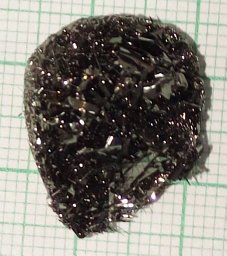 Luminita Harnagea合作论文数Institute for Solid State Research;IFW Dresden;Institute for Solid State Research, IFW Dresden19
 Mahmoud Rabie Abdel-Hafiz合作论文数Physics Department, Faculty of Science, Fayoum University18U. Ammerahl合作论文数17
 Leon Schumacher合作论文数17Martin Knupfer合作论文数Leibniz-Institut für Festkörper- und Werkstoffforschung Dresden, Department Electronic and Optical Properties, IFW Dresden/TU Bergakademie Freiberg17Sykora Steffen合作论文数17Danny Baumann合作论文数16P. Ribeiro合作论文数16
 Vadim Grinenko合作论文数Condensed Matter Division, Tsung-Dao Lee Institute, Shanghai Jiao Tong University;School of Physics and Astronomy, Shanghai Jiao Tong University16
 Jochen Geck合作论文数IFW Dresden, Institute for Solid State Research16
 Franziska Hammerath合作论文数16
 Marc Ziemba合作论文数15frank steckel合作论文数15
 Hans-Henning Klauss合作论文数Institute of Solid State and Materials Physics, Faculty of Physics, Technische Universität Dresden15
 Sergey V. Borisenko合作论文数Leibniz-Institut fur Festkorper- und Werkstoffforschung Dresden15
 Romuald Saint-Martin合作论文数Institut de Chimie Moléculaire et Matériaux d’Orsay, Université de Paris Sud 1115
 Xiaochen Hong (洪晓晨)合作论文数School of Physics, Chongqing University14
 Daniil Evtushinsky合作论文数École Polytechnique Fédérale de Lausanne13
 Surjeet Singh合作论文数Institute for Solid State Research;IFW Dresden;Institute for Solid State Research, IFW Dresden12
 Volodymyr Zabolotnyy合作论文数Physikalisches Institut, The Julius Maximilians University of Würzburg12
 Anna Isaeva合作论文数12Igor V. Morozov合作论文数Inorganic Chemistry Division, Chemistry Department, Lomonosov Moscow State University11Liran Wang合作论文数Karlsruhe Inst Technol, Inst Solid State Phys, D-76021 Karlsruhe, Germany11Maria Roslova合作论文数11G. Lang合作论文数11N. Tristan合作论文数11D. V. Efremov合作论文数10Richard Hentrich合作论文数10Matthias Gillig合作论文数10Kathrin Hofmann合作论文数10
 Pranab Kumar Nag合作论文数Condensed Matter Physics Department, Weizmann Institute of Science10Christoph Wuttke合作论文数IFW Dresden, Leibniz Inst Solid State & Mat Res10




