Background: A resection with clear margins (R0 resection) is the most important prognostic factor in patients with locally recurrent rectal cancer (LRRC). However, this is achieved in only 60 per cent of patients. The aim of this study is to investigate whether the addition of induction chemotherapy to neoadjuvant chemo(re)irradiation improves the R0 resection rate in LRRC. Methods: This multicentre, international, open-label, phase III, parallel-arms study will enrol 364 patients with resectable LRRC after previous partial or total mesorectal resection without synchronous distant metastases or recent chemo- and/or radiotherapy treatment. Patients will be randomized to receive either induction chemotherapy (three 3-week cycles of CAPOX (capecitabine, oxaliplatin), four 2-week cycles of FOLFOX (5-fluorouracil, leucovorin, oxaliplatin) or FOLFORI (5-fluorouracil, leucovorin, irinotecan)) followed by neoadjuvant chemoradiotherapy and surgery (experimental arm) or neoadjuvant chemoradiotherapy and surgery alone (control arm). Tumours will be restaged using MRI and, in the experimental arm, a further cycle of CAPOX or two cycles of FOLFOX/FOLFIRI will be administered before chemoradiotherapy in case of stable or responsive disease. The radiotherapy dose will be 25 x 2.0 Gy or 28 x 1.8 Gy in radiotherapy-naive patients, and 15 x 2.0 Gy in previously irradiated patients. The concomitant chemotherapy agent will be capecitabine administered twice daily at a dose of 825 mg/m(2) on radiotherapy days. The primary endpoint of the study is the R0 resection rate. Secondary endpoints are long-term oncological outcomes, radiological and pathological response, toxicity, postoperative complications, costs, and quality of life. Discussion: This trial protocol describes the PelvEx II study. PelvEx II, designed as a multicentre, open-label, phase III, parallel-arms study, is the first randomized study to compare induction chemotherapy followed by neoadjuvant chemo(re)irradiation and surgery with neoadjuvant chemo(re)irradiation and surgery alone in patients with locally recurrent rectal cancer, with the aim of improving the number of R0 resections.
BACKGROUND:Previous analysis of Dutch practice in treatment of left-sided obstructive colon cancer (LSOCC) until 2012 showed that emergency resection (ER) was preferred, with high mortality in patients aged ≥70 years. Consequently, Dutch and European guidelines in 2014 recommended a bridge to surgery (BTS) with either self-expandable metal stent (SEMS) or decompressing stoma (DS) in high-risk patients. The implementation and effects of these guidelines have not yet been evaluated. Therefore, our aim was to perform an in-depth update of national practice concerning curative treatment of LSOCC, including an evaluation of guideline implementation.PATIENTS AND METHODS:This multicenter cohort study was conducted in 75 of 77 hospitals in the Netherlands. We included data on patients who underwent curative resection of LSOCC in 2009 through 2016 obtained from the Dutch ColoRectal Audit. Additional data were retrospectively collected.RESULTS:A total of 2,587 patients were included (2,013 ER, 345 DS, and 229 SEMS). A trend was observed in reversal of ER (decrease from 86.2% to 69.6%) and SEMS (increase from 1.3% to 7.8%) after 2014, with an ongoing increase in DS (from 5.2% in 2009 to 22.7% in 2016). DS after 2014 was associated with more laparoscopic resections (66.0% vs 35.5%; P<.001) and more 2-stage procedures (41.5% vs 28.6%; P=.01) with fewer permanent stomas (14.7% vs 29.5%; P=.005). Overall, more laparoscopic resections (25.4% vs 13.2%; P<.001) and shorter total hospital stays (14 vs 15 days; P<.001) were observed after 2014. However, similar rates of primary anastomosis (48.7% vs 48.6%; P=.961), 90-day complications (40.4% vs 37.9%; P=.254), and 90-day mortality (6.5% vs 7.0%; P=.635) were observed.CONCLUSIONS:Guideline revision resulted in a notable change from ER to BTS for LSOCC. This was accompanied by an increased rate of laparoscopic resections, more 2-stage procedures with a decreased permanent stoma rate in patients receiving DS as BTS, and a shorter total hospital stay. However, overall 90-day complication and mortality rates remained relatively high.
AIM:Morbidity in patients with an ostomy is high. A new care pathway, including perioperative home visits by enterostomal therapists, was studied to assess whether more elaborate education and closer guidance could reduce stoma-related complications and improve quality of life (QoL), at acceptable cost. METHOD:Patients requiring an ileostomy or colostomy, for any inflammatory or malignant bowel disease, were included in a 15-centre cluster-randomized 'stepped-wedge' study. Primary outcomes were stoma-related complications and QoL, measured using the Stoma-QOL, 3 months after surgery. Secondary outcomes included costs of care. RESULTS:The standard pathway (SP) was followed by 113 patients and the new pathway (NP) by 105 patients. Although the overall number of stoma-related complications was similar in both groups (SP 156, NP 150), the proportion of patients experiencing one or more stoma-related complications was significantly higher in the NP (72% vs 84%, risk difference 12%; 95% CI: 0.3-23.3%). Although in the NP more patients had stoma-related complications, QoL scores were significantly better (P < 0.001). In the SP more patients required extra care at home for their ostomy than in the NP (60.6% vs 33.7%, respectively; risk difference 26.9%, 95% CI: 13.5-40.4%). Stoma revision was done more often in the SP (n = 11) than in the NP (n = 2). Total costs in the SP did not differ significantly from the NP. CONCLUSION:The NP did not reduce the number of stoma-related complications but did lead to improved quality of care and life, against similar costs. Based on these results the NP, including perioperative home visits by an enterostomal therapist, can be recommended.
A Snapshot study design eliminates changes in treatment and outcome over time. This population based Snapshot study aimed to determine current practice and outcome of rectal cancer treatment with published landmark randomized controlled trials as a benchmark.
Background: Fifteen to twenty percent of the patients with locally advanced rectal cancer have a pathological complete response (pCR) after chemoradiotherapy (CRT). These patients have an excellent long-term outcome. Organ preservation strategies like a watch-and-wait strategy (W&W) or a local excision (TEM) could be a good alternative to TME resection in selected patients. The aim of this prospective cohort study was to evaluate the long-term oncological outcome of patients with a (near) complete response (cCR), who are treated with organ preservation. This report is on behalf of the Dutch Wait-and-See Group.
Introduction: This study evaluated the outcome of liver surgery in patients over 75 years in the Managed Clinical Network (MCN) HPB Surgery Northeast Netherlands, a new national multicentre cooperation. Patients and methods: Within the MCN, 4 hospitals (3 tertiary and 1 quaternary referral center) work closely together to assure optimal quality and service for all HPB pathology in the region. We analyzed the results from a prospective database since the start of our cooperation in 2012 until 2014. Results: 620 patients underwent a liver resection. 81 (13%) were over 75 years, this cohort was separately investigated. The majority of the elderly patients (61, 75%) underwent resection for colorectal liver metastasis. Remaining resections were performed for primary malignancy (14) or benign lesions of the liver. For the elderly group resected for CRLM 24% scored ASA3+. A major resection was performed in one-third of the patients. In 40 patients (66%) one or two lesions were resected. Neoadjuvant chemotherapy was administered in 56%. Postoperative biliary fistula rate was 4%, median length of stay was 7 days. R0 resections were performed in 89% of patients. Recurrent disease was seen in 37% of the patients (median follow up 19.3 months Survival in the entire elderly group was 100% at 90 days. Conclusion: Liver resection in the elderly within the MCN is performed with a excellent survival rate and acceptable morbidity rate. We are encouraged to investigate our selection process further and more in-depth the quality of life of the elderly after surgery.
Rectal cancer surgery is accompanied with high morbidity and poor long term functional outcome. Screening programs have shown a shift towards more early staged cancers. Patients with early rectal cancer can potentially benefit significantly from rectal preserving therapy. For the earliest stage cancers, local excision is sufficient when the risk of lymph node disease and subsequent recurrence is below 5 %. However, the majority of early cancers are associated with an intermediate risk of lymph node involvement (5–20 %) suggesting that local excision alone is not sufficient, while completion radical surgery, which is currently standard of care, could be a substantial overtreatment for this group of patients.
BACKGROUND & AIMS:It was shown that patients in the Netherlands remain exposed to unnecessarily prolonged starvation after abdominal surgery. The present study examined whether a structured collaborative effort would help to implement the early start of oral nutrition after colorectal surgery. METHODS:In 2006, twenty-six Dutch hospitals signed up to a "breakthrough project" concerning the implementation of the enhanced recovery after surgery (ERAS) programme with early oral feeding as one of the key elements. Each hospital determined the usual start of food intake by analyzing 50 patients who underwent a colorectal resection in 2004 (n=1126). Subsequently, over the course of one year 861 colorectal surgery patients were treated according to the ERAS programme. The first day that patients were eating before and after the breakthrough project was compared using Kaplan-Meier analyses and Cox regression models. RESULTS:Patients treated according to the ERAS programme were eating 3 days earlier than the patients traditionally treated (p<0.000). Two days after surgery 65% of the ERAS patients were eating normal food versus 7% of the pre-ERAS patients. CONCLUSIONS:The present nationwide collaborative effort was successful in implementing a change towards an early start of oral nutrition after abdominal surgery.
 Geerard Beets合作论文数Department of Surgery, Antoni Van Leeuwenhoek, Netherlands Cancer Institute;GROW Research Institute for Oncology and Reproduction, Maastricht University5
 Klaas Havenga合作论文数5
 Ernst J Spillenaar Bilgen合作论文数4
 J B Tuynman合作论文数VU University Medical Center;Department of Surgery, Amsterdam University Medical Center4
 Wilhelmina M U Van Grevenstein合作论文数4van Westreenen H L合作论文数4
 David Daniel Eisinga Zimmerman合作论文数4A. W. H. van de Ven合作论文数3
 Jan Willem T Dekker合作论文数3van Geloven A A W合作论文数3Burger Jacobus W A合作论文数3Tanis P J合作论文数3
 E. C. J. (Esther) Consten合作论文数Department of Surgery, Meander Medisch Centrum3
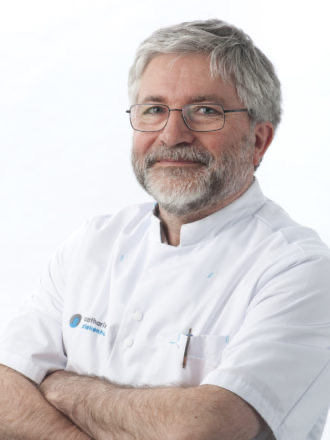 Harm H.J.T. Rutten合作论文数Department of Surgery, Catharina Ziekenhuis;Oncologisch Netwerk Zuidoost-Nederland3J. H. W. De Wilt合作论文数3
 J.M. (Joost) Klaase合作论文数Faculty of Medical Sciences, University of Groningen3
 Willem Bemelman合作论文数Amsterdam University Medical Centers3
 Michael F. Gerhards合作论文数Department of Surgery, Onze Lieve Vrouwe Gasthuis3
 Regina Beets-Tan合作论文数Department of Radiology, Netherlands Cancer Institute;GROW School for Oncology and Developmental Biology, Maastricht University3Colin Sietses合作论文数3Marinke Westerterp合作论文数3
 Jarno Melenhorst合作论文数3S. Bruin合作论文数2A. Demirkiran合作论文数2B M M Reiber合作论文数2E. Belgers合作论文数2J. F. Lange合作论文数2R.J. Oostenbroek合作论文数2Gerrit Slooter合作论文数2Wouter J Vles合作论文数2Y. T. van Loon合作论文数2Anke Smits合作论文数2Emma Bruns合作论文数2W A A Borstlap合作论文数2B Lamme合作论文数2
 Anjoeka Pronk合作论文数Department of Health and Human Services, National Cancer Institute2
 Nicole Bouvy合作论文数2Furnée Edgar J B合作论文数2Swank H A合作论文数2
 Jennifer Straatman合作论文数2Martens Milou H合作论文数2
 S. O. Breukink合作论文数Department of Surgery, Maastricht University Medical Centre;School of Nutrition and Translational Research in Metabolism, Maastricht University2
 Hogendoorn Wouter合作论文数School of Medicine, Yale University;Department of Surgery, University Medical Center;Department of Surgery, Maasstad Ziekenhuis;Yale University, University Medical Center2
 Rogier Crolla合作论文数2Menon Anand G合作论文数2
 J. P. Maarten Burbach合作论文数Medisch Centrum Leeuwarden2
 Jeroen Leijtens合作论文数2Bakker I S合作论文数2
 Mario Maas合作论文数Department of Radiology and Nuclear Medicine, Amsterdam UMC;Academic Medical Centre2




