Porphyromonas gingivalis is one of the main etiological organisms in periodontal disease. On oral surfaces P. gingivalis is a component of multispecies biofilm communities and can modify the pathogenic potential of the community as a whole. Accumulation of P. gingivalis in communities is facilitated by interspecies binding and communication with the antecedent colonizer Streptococcus gordonii. In this study we screened a library of small molecules to identify structures that could serve as lead compounds for the development of inhibitors of P. gingivalis community development. Three small molecules were identified that effectively inhibited accumulation of P. gingivalis on a substratum of S. gordonii. The structures of the small molecules are derived from the marine alkaloids oroidin and bromoageliferin and contain a 2-aminoimidazole or 2-aminobenzimidazole moiety. The most active compounds reduced expression of mfa1 and fimA in P. gingivalis, genes encoding the minor and major fimbrial subunits, respectively. These fimbrial adhesins are necessary for P. gingivalis co-adhesion with S. gordonii. These results demonstrate the potential for a small molecular inhibitor-based approach to the prevention of diseases associated with P. gingivalis.
Establishment of a community is considered to be essential for microbial growth and survival in the human oral cavity. Biofilm communities have increased resilience to physical forces, antimicrobial agents and nutritional variations. Specific cell-to-cell adherence processes, mediated by adhesin-receptor pairings on respective microbial surfaces, are able to direct community development. These interactions co-localize species in mutually beneficial relationships, such as streptococci, veillonellae, Porphyromonas gingivalis and Candida albicans. In transition from the planktonic mode of growth to a biofilm community, microorganisms undergo major transcriptional and proteomic changes. These occur in response to sensing of diffusible signals, such as autoinducer molecules, and to contact with host tissues or other microbial cells. Underpinning many of these processes are intracellular phosphorylation events that regulate a large number of microbial interactions relevant to community formation and development.
The periodontal pathogen Porphyromonas gingivalis experiences a number of environmental conditions in the oral cavity, and must monitor and respond to a variety of environmental cues. However, the organism possesses only five full two-component systems, one of which is the hybrid system GppX. To investigate the regulon controlled by GppX we performed RNA-Seq on a ΔGppX mutant. Fifty-three genes were upregulated and 37 genes were downregulated in the ΔGppX mutant. Pathway analyses revealed no systemic function for GppX under nutrient-replete conditions; however, over 40% of the differentially abundant genes were annotated as encoding hypothetical proteins indicating a novel role for GppX. Abundance of small RNA was, in general, not affected by the absence of GppX. To further define the role of GppX with respect to regulation of a hypothetical protein observed with the greatest significant relative abundance change relative to a wild-type control, PGN_0151, we constructed a series of strains in which the ΔgppX mutation was complemented with a GppX protein containing specific domain and phosphotransfer mutations. The transmembrane domains, the DNA-binding domain and the phosphotransfer residues were all required for regulation of PGN_0151. In addition, binding of GppX to the PGN_0151 promoter regions was confirmed by an electrophoretic mobility shift assay. Both the ΔGppX mutant and a ΔPGN_0151 mutant were deficient in monospecies biofilm formation, suggesting a role for the GppX-PGN_0151 regulon in colonization and survival of the organism.
 Richard J. Lamont合作论文数Department Oral Immunology & Infectious Diseases, School of Dentistry, University of Louisville3
 C.R. Back合作论文数1Schalken Jack A合作论文数1Jenkinson Howard F合作论文数1
 Angela Nobbs合作论文数Bristol Dental School, University of Bristol1
 Roberta Melander合作论文数Department of Chemistry & Biochemistry, College of Science, University of Notre Dame1
 Hui Wu合作论文数Department of Microbiology, Graduate Biomedical Sciences, Graduate School, University of Alabama at Birmingham1
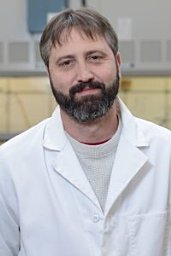 Christian Melander合作论文数Dept Chem, N Carolina State Univ1
 Takanori Hirano合作论文数Institute of Scientific and Industrial Research, Osaka University1Donald R. Demuth合作论文数School of Dental Medicine, University of Pennsylvania1
 David A.C. Beck合作论文数Department of Chemical Engineering, University of Washington1Murray Hackett合作论文数1




