Abstract Hodgkin lymphoma (HL) is a B‐cell‐derived malignancy often affecting young adults. Allocation into risk groups is based on staging with positron emission tomography and computed tomography (PET/CT) and the presence or absence of risk factors. Standard treatment for early‐stage favorable classic HL (cHL) consists of two cycles of doxorubicin, bleomycin, vinblastine, and dacarbazine (ABVD), followed by 20 Gy involved‐site radiotherapy (IS‐RT). Two cycles of escalated bleomycin, etoposide, doxorubicin, cyclophosphamide, vincristine, procarbazine, and prednisone (eBEACOPP) or a procarbazine‐free eBEACOPP variant plus two cycles of ABVD, followed by 30 Gy IS‐RT in the case of PET/CT positivity and no further treatment in the case of PET/CT negativity after chemotherapy should be considered in patients with early‐stage unfavorable cHL ≤ 60 years. If a less intensive approach is preferred and in individuals > 60 years, four cycles of A(B)VD followed by 30 Gy IS‐RT can be given. In advanced cHL, brentuximab vedotin, etoposide, cyclophosphamide, doxorubicin, dacarbazine, and dexamethasone (BrECADD) for four (in the case of PET/CT negativity after two cycles) or six cycles (in the case of PET/CT positivity after two cycles), followed by PET/CT‐guided 30 Gy IS‐RT should be considered in patients ≤ 60 years. Six cycles of nivolumab and AVD (N‐AVD) followed by PET/CT‐guided 30 Gy IS‐RT represents a less intensive alternative for younger patients and the preferred approach for patients > 60 years. Patients with cHL recurrence should receive checkpoint inhibitor‐containing salvage treatment followed by high‐dose chemotherapy and autologous stem cell transplantation if eligible. Treatment of nodular lymphocyte‐predominant HL differs from cHL in some situations and may contain an anti‐CD20 antibody. This guideline aims at providing recommendations for diagnosis, staging, treatment, and follow‐up of HL.
In relapsed/refractory classic Hodgkin lymphoma (r/r cHL), salvage followed by high-dose chemotherapy and autologous stem cell transplantation (HD-ASCT) yields suboptimal outcomes. PD-1 inhibitor-based salvage regimens have shown superior complete response (CR) rates of up to 95% (for P-GVD) with unprecedented PFS after HD-ASCT. However, immune checkpoint inhibitors are not EMA-approved in 2nd line, and European data remain sparse. This retrospective, multicentric analysis included r/r cHL patients who received salvage with intent to consolidation. Response before and after SCT consolidation, and PFS and OS were assessed. 47 patients were included (median prior lines: 2). Salvage regimens were PD-1 monotherapy (n=10), PD-1 + chemotherapy [P-ICE/ N-ICE /P-GVD] (n=34), or PD-1 + BV (brentuximab vedotin) (n=3). Overall response (OR)/CR were 90.9%/47.7%. OR/CR rates by salvage regimen were: PD-1 monotherapy 80/10%; PD-1 + chemotherapy, 93.6/61.3%; PD-1 + BV, 100/33.3%. With median follow-up of 16 months, 1- year PFS was 83.9% and OS was 95.6%. In the subgroup of patients with one prior line (n=22), 1-year PFS was 100%. In this real-world cohort, previously reported high CR rates were not reached. However, with the restriction of a limited follow-up, outcomes after HDASCT were excellent, supporting the role of PD-1 inhibitor-based salvage followed by consolidative HD-ASCT for r/r cHL.
Abstract The Lugano Imaging Committee recently refined the Deauville score (DS), subdividing DS5 into DS5a (>2× liver uptake without new lesions) and DS5b (new lesions). We investigated whether this improves prognostic discrimination at interim positron emission tomography (PET) after 2 cycles (PET-2) in patients with advanced-stage classical Hodgkin lymphoma (AS-cHL) treated in recent German Hodgkin Study Group randomized phase 3 trials. The primary analysis cohort was HD18 postamendment standard arms (uniform treatment with 6 cycles of escalated doses of bleomycin, etoposide, doxorubicin, cyclophosphamide, vincristine, procarbazine, and prednisone [eBEACOPP]); sensitivity cohorts were HD18 intention-to-treat and HD21 eBEACOPP and brentuximab vedotin, etoposide, cyclophosphamide, doxorubicin, dacarbazine, and dexamethasone arms. Progression-free survival (PFS) was analyzed by landmark Cox models starting at PET-2. DS5a was infrequent (4%-6% across cohorts; 39/639, 67/1745, 33/568, and 29/560). In the primary cohort, DS5 was associated with inferior PFS vs DS1 to DS3 (hazard ratio [HR], 3.00; 95% confidence interval [CI], 1.25-7.23) and vs DS1 to DS4 (HR, 2.35; 95% CI, 1.01-5.50). Across sensitivity cohorts, DS5a remained adverse compared with DS1 to DS4 (HR range, 2.57-5.47), whereas DS4 according to the new definition did not consistently separate from DS1 to DS3, which is likely a result of PET-adapted treatment. Overall survival trends were concordant, but interpretation is limited by few events. To our knowledge, this is the first prognostic validation of the refined DS in prospectively randomized trial populations. The newly introduced DS5a isolates a small high-risk AS-cHL, which further supports risk assessment and adaptation using quantitative biomarkers from PET. The HD18 and HD21 trials were registered at www.clinicaltrials.gov as NCT00515554 and NCT02661503, respectively.
C-X-C motif chemokine receptor 4 (CXCR4) has emerged as a powerful imaging target in nuclear oncology. In this regard, the PET agent [68Ga]Ga-pentixafor is promising but still evolving. In this article, we provide an overview of potentially useful imaging applications for CXCR4-targeted imaging in hemato-oncology and guidance on scan interpretation by discussing diagnostic pitfalls. We also report on theranostic efforts and how the field has been expanded toward the imaging of solid tumors. As such, this review focuses on potential clinical integration of CXCR4-targeted molecular imaging across multiple disease entities, particularly in the field of hemato-oncology.
ABSTRACT:In 82 patients with classic Hodgkin lymphoma, stable gonadal hormone levels were observed up to 24 months after nivolumab in combination with doxorubicin, vinblastine, and dacarbazine (N-AVD) first-line treatment. These findings suggest preserved gonadal function and fertility after 4×N-AVD. The trial was registered at www.clinicaltrials.gov as NCT03004833.
Die 18F‑Fluordesoxyglukose-Positronenemissionstomographie-Computertomographie (FDG-PET-CT) spielt für die individuelle Therapie des klassischen Hodgkin Lymphoms eine zentrale Rolle. Zur Risikostratifizierung und Therapieplanung erfolgt vor Therapiebeginn eine PET-basierte Stadieneinteilung sowie eine Beurteilung des Therapieansprechens während und/oder nach Systemtherapie mittels PET-CT zur Anpassung der Therapie. Diese an das individuelle Risikoprofil und das individuelle Therapieansprechen angepasste Behandlung ermöglicht es, hohe Heilungsraten bei Patienten mit Hodgkin-Lymphom zu erzielen und gleichzeitig negative Begleiteffekte der Therapie zu begrenzen. Neue Risikoparameter wie das metabolische Tumorvolumen (MTV) versprechen eine weitere Optimierung individualisierter Therapiekonzepte.
INTRODUCTION The German Hodgkin Study Group (GHSG) HD21 trial for adult patients with newly diagnosed advanced-stage classical Hodgkin lymphoma (AS-cHL) was designed to reduce treatment-related morbidity (TRMB) and improve efficacy by comparing the novel BrECADD regimen (brentuximab vedotin, etoposide, cyclophosphamide, doxorubicin, dacarbazine, dexamethasone) to the standard eBEACOPP protocol. Here, we report the final efficacy and safety including long-term progression-free survival (PFS), overall survival (OS), and late toxicity outcomes. METHODS This open-label, international, randomized phase III trial included adults aged 18-60 with newly diagnosed AS-cHL, randomized 1:1 to treatment with 4–6 cycles of eBEACOPP or BrECADD, guided by positron emission tomography after two cycles (PET2). The trial was registered at clinicaltrials.gov (NCT02661503) and conducted according to ICH-GCP guidelines. Co-primary objectives were reduction of TRMB and superiority of PFS with BrECADD vs. eBEACOPP, both of which were met previously. The final analysis focused on long-term PFS, overall survival (OS), and second primary malignancies (SPMs). Kaplan-Meier estimates and Cox regression were used for time-to-event analysis in the intention-to-treat (ITT) population. Additionally, we describe prognostic factors for PET2 response among baseline characteristics including metabolic tumor volume (MTV) and the prognostic value of international prognostic score (IPS) variables and MTV at baseline for PFS, respectively, in the BrECADD arm. Univariate logistic regressions were used to identify associations with interim PET response (p<=.001), which were then compared using multivariate analyses. RESULTS A total of 1,500 patients were enrolled between July 2016 and August 2020 across 233 sites in nine countries. Baseline demographics and disease characteristics were well balanced between arms. After 2 cycles of BrECADD, 235/664 patients (35%) with centrally reviewed PET2 were classified as PET-positive. ECOG > 0 (Odds Ratio [OR] 1.62, 95% CI 1.03-2.55) and higher MTV (OR 1.14 per 100 mL, 95% CI 1.06-1.22) at baseline were associated with positive PET after 2x BrECADD in multivariate analysis. Median follow-up for this final analysis was 60 months and seven new PFS-events occurred after the previous analysis at 48 months: Five in the eBEACOPP arm and two in the BrECADD arm. Confirming earlier analysis, the hazard ratio (HR) for PFS was 0.64 (95% CI 0.44–0.93) favoring BrECADD. The absolute 5-year PFS for BrECADD was 93.6% (95% CI 91.7–95.5) vs. 90.6% (95% CI 88.4-92.8) with eBEACOPP, with a particularly pronounced 5y PFS benefit in PET2-negative patients of 96.2% vs. 92.4% (HR 0.46, 95% CI 0.25–0.83;). Among the IPS variables, male sex (HR 2.68, CI 95% 1.37-5.27) and hemoglobin < 10.5 g/dL (HR 2.41, 95% CI 1.25-4.68) were associated with higher risk for PFS events in multivariate cox regression, whereas MTV at baseline in univariate cox regression was not (HR 0.95 per 100 mL, 95% CI 0.81-1.11). Salvage therapies were similar across treatment arms: most patients with progression or relapse received autologous stem cell transplantation (52/61 (82%) after eBEACOPP vs 29/38 (76%) after BrECADD). With four (two in each treatment group) new death events since the previous analysis, OS remained at 98% in both arms. The cumulative incidence of SPMs at 60 months was 2.1% after eBEACOPP and 2.8% after BrECADD, with differing patterns: more secondary MDS/AML occurred in the eBEACOPP arm (six vs. one), while more secondary NHL cases were observed in the BrECADD arm (two vs. eight). No new sMDS/AML events occurred beyond the primary analysis. CONCLUSION With 5 years follow-up, this analysis confirms the unprecedented primary cure-rate and long-term safety profile of BrECADD. While higher baseline lymphoma burden associates with incomplete remission at PET2, the risk for treatment failure seems mitigated through response-adaptation. Taken together, our results establish individualized BrECADD as a standard treatment option for adult patients with newly diagnosed AS-cHL.
Staging with [18F]fluorodeoxyglucose positron emission tomography/computed tomography (PET) is standard of care in classic Hodgkin lymphoma (cHL). Metabolic tumor volume (MTV) is a quantitative biomarker of tumor burden and has been shown to predict treatment response. This study investigates the association between MTV at baseline PET and health-related quality of life (HRQoL) across different disease stages. This post-hoc analysis included 441 patients with newly diagnosed cHL and available baseline PET imaging, enrolled in the GHSG trials HD16, HD17, and HD18. MTV was quantified using a fixed threshold of SUV ≥ 4.0 (SUV4.0) via the LifeX Analytics workstation. HRQoL was assessed using the EORTC QLQ-C30 questionnaire at baseline and, for HD18 patients, again at 2-year follow-up. Multiple regression models adjusted for sex, age, and trial/stage were used for statistical analyses. Higher MTV was associated with higher baseline HRQoL burden across several domains: fatigue (β = 0.14, 95
PURPOSE:Positron emission tomography (PET)-guided therapy with 4-6 cycles of brentuximab vedotin, etoposide, cyclophosphamide, doxorubicin, dacarbazine, and dexamethasone (BrECADD) is highly effective in younger patients with advanced-stage classic Hodgkin lymphoma (AS-cHL). We report feasibility and efficacy of PET-guided BrECADD as first-line treatment in older patients with AS-cHL. PATIENTS AND METHODS:Patients with AS-cHL aged 61-75 years were enrolled in a phase II single-arm cohort of the HD21 trial (ClinicalTrials.gov identifier: NCT02661503). Patients with negative PET/computed tomography after 2×BrECADD (PET2) received a total of 4×BrECADD, while PET2-positive patients received 6×BrECADD. The primary end point was the centrally reviewed complete remission (CR) rate after the end of chemotherapy (EOC). Secondary end points included feasibility, adverse events, treatment-related morbidity (TRMB), progression-free survival (PFS), overall survival (OS), and health-related quality of life (HRQoL). RESULTS:Between June 2020 and April 2023, 85 patients were enrolled, of whom 83 with a median age of 67 years (range, 61-75) were analyzed in the intention-to-treat cohort. Most prevalent ≥grade 3 toxicities included leukopenia (n = 80 [96%]), thrombocytopenia (n = 71 [86%]), anemia (n = 57 [69%]), and febrile neutropenia (n = 46 [55%]). Forty-eight (60%) of 80 patients with centrally reviewed PET2 were scheduled for 4×BrECADD and 32 (40%) for 6×BrECADD. Of these, 71 patients (89%) received the target number of cycles. Sixty-eight patients (82%; 95% CI, 72 to 90) achieved CR at EOC. PFS and OS estimates at 2 years were 91.5% (95% CI, 85 to 98) and 90.8% (95% CI, 84 to 98), respectively. No death was attributed to study treatment. Initially, impaired HRQoL scores improved during follow up and on average reached population reference values. CONCLUSION:PET-guided BrECADD in older patients is feasible and effective. With a PFS rate on par with that of younger patients, short duration, and limited anthracycline exposure, BrECADD is a valuable treatment option also for older patients with AS-cHL.
OBJECTIVES:Tumor volume in prostate-specific membrane antigen (PSMA-TV)-PET/computed tomography (CT) has shown an emerging impact for prognosis and response evaluation in patients with prostate cancer. We evaluated the robustness of different PSMA-TV delineation methods. MATERIALS AND METHODS:A total of 40 18 F-JK-7-PSMA-PET/CT performed on the same scanner were analyzed. PSMA-TV measurements were performed using a standardized uptake value of 4.0 as a fixed threshold (T1), 41% of the single hottest voxel as an adaptive threshold (T2), and a liver-specific threshold (T3) for delineation in two reconstruction methods [four iterations and 12 subsets (R1) and three iterations and 21 subsets while applying a point spread function and a time-of-flight algorithm (R2)]. Differences between the segmentation thresholds in R1 and R2 were gathered and tested for statistical significance. RESULTS:PSMA-TV differed significantly between R1Tx and R2Tx for individual segmentation thresholds, with PSMA-TV in R2 being significantly smaller than in R1 using the same segmentation method. Comparing the differences in PSMA-TV between R1 and R2 reconstruction between the three separate segmentation thresholds showed significantly larger absolute volume differences for T2 compared with T3 and significantly larger relative volume differences for T2 compared with T1 and T3. CONCLUSION:Reconstruction settings greatly influence the measurement of PSMA-TV, regardless of the segmentation threshold chosen; however, our results indicate that the fixed thresholds (T1 and T3) are less susceptible to reconstruction-induced volumetry effects than a relative threshold.
Graves’ disease and hyperthyroidism in women with childbearing potential are a challenge in pre-conceptional counseling. The non-surgical alternatives are radioiodine therapy or antithyroid drugs. Here, we focus on the TSH receptor antibody (TRAb) level—without or after radioiodine therapy—and the probability of fetal or neonatal hyperthyroidism. This immunological effect should be weighed against the risk of congenital malformation taking propylthiouracil during pregnancy. For up to 2 years after radioiodine therapy for Graves’ disease, TRAb levels may remain above the pre-therapeutic level. The time of conception after radioiodine therapy and a high TRAb level are associated with the likelihood of neonatal hyperthyroidism: 8.8% probability if conception occurred 6–12 months after radioiodine therapy, with a 5.5% probability for 12–18 months, and 3.6% probability for 18–24 months. The TRAb value above 10 U/L in the third trimester is the main risk factor for neonatal hyperthyroidism. If a woman does not wish to postpone her family planning, the pre-conceptional counseling has to describe the risk of propylthiouracil, thiamazole, or of an uncontrolled hyperthyroidism. According to some national cohort studies (Danish, Swedish, Korean), the risk for fetal malformations (ear, urinary tract) under propylthiouracil is increased by 1.1–1.6%, in addition to the spontaneous risk for unexposed pregnant women. For thiamazole, the additional risk for fetal malformation was about 2–3%, depending on the dose of thiamazole. Propylthiouracil has posed a lower risk for congenital malformation than an uncontrolled hyperthyroidism. To minimize the risk for the newborn, women with Graves’ disease and hyperthyroidism should offer a definitive therapy strategy (e.g., radioiodine therapy) long before planning a pregnancy.
Introduction: Relapsed and refractory classic Hodgkin lymphoma (cHL) is typically treated with salvage chemotherapy, followed by high-dose chemotherapy (HD-CT) and autologous stem cell transplantation (ASCT). This standard approach, however, achieves long-term remission in only about 60% of patients. Moreover, severe short- and long-term side effects remain major concerns. Recent studies suggest high response rates of up to 95% and unprecedented progression-free survival (PFS) with anti-programmed cell death protein 1 (PD-1)-based salvage regimens such as pembrolizumab, gemcitabine, vinorelbine, and liposomal doxorubicin (P-GVD). Therefore, we hypothesize that anti-PD1-based chemotherapy combinations might allow patients who achieve a negative PET during therapy to be spared from the highly toxic HD-CT. Methods: Pembro-CORE (NCT04838652) is a multicenter phase II trial investigating a HD-CT free approach for first-relapsed cHL by combining the anti-PD1-antibody pembrolizumab with salvage chemotherapy. Initiated in March 2024 at four German centers, the trial has enrolled 23 patients to date. Patients receive an initial cycle of pembrolizumab followed by two cycles of P-ICE (pembrolizumab, ifosfamide, carboplatin, etoposide). After PET restaging, complete responders continue with two more cycles of P-ICE, while patients failing to achieve a complete response switch to two cycles of P-DHAP (pembrolizumab, dexamethasone, high-dose cytarabine, cisplatin). A second PET restaging after five cycles determines further treatment; PET-positive cases are treated outside the study per standard of care (SOC). Complete responders in the P-DHAP arm may receive two additional cycles of P-DHAP consolidation and undergo a third restaging. Persistent PET positivity at the third restaging leads to SOC treatment. Treatment concludes with eight consolidation cycles of pembrolizumab until final staging. The primary endpoint is the complete metabolic response rate (CMR), defined as the proportion of patients achieving a Deauville score of 1–3 after treatment with one infusion of pembrolizumab followed by either four cycles of P-ICE or two cycles of P-ICE followed by two cycles of P-DHAP. This measures the proportion of patients who can avoid HD-CT. Results: A total of 23 of the planned 29 patients were enrolled at the time of the interim analysis (data cutoff 14th July 2025) (60.9 % male, 39.1 % female; mean age 37.2 ± 10.8 years). At baseline, 73.9 % had ECOG 0 and 26.1 % ECOG 1. At relapse, Ann Arbor stages I–IV were distributed as 8.7 %, 43.5 %, 26.1 % and 21.7 %, respectively; GHSG risk-group at first diagnosis was advanced in 47.8 %, early-unfavorable in 47.8 % and early-favorable in 4.3 %. B-symptoms at relapse occurred in 26.1 %. First-line regimens comprised 2×eBEACOPP + 2×ABVD (47.8 %), eBEACOPP-like (47.8 %) or ABVD-like (4.3 %) protocols, with a median of four cycles (range 2–8) administered. At the first restaging (with n=20 patients evaluable), 50% had a CMR and 50% had a partial response and underwent further treatment with two cycles of P-ICE or P-DHAP, respectively. At the time of data cutoff, 15 patients had already reached the primary endpoint - either four cycles of P-ICE or two cycles of P-ICE followed by two cycles of P-DHAP. At this time point, 93.3 % of patients achieved a complete response. A total of nine serious adverse events were reported. Of these, only one was confirmed as immune-related (immune-mediated colitis). Other events included acute kidney injury (n=2), febrile neutropenia (n=2), respiratory tract infections (n=2), and viral dermatitis (n=1). In addition to the patient with colitis, another patient had to withdraw from the trial due to possibly immune-related elevation of liver enzymes. Four patients had progressive disease in the interim or end-of-treatment staging. Conclusion: The interim analysis of the Pembro-CORE trial demonstrates promising early results for a PET-adapted, HD-CT-free treatment strategy in first-relapsed cHL. A high CMR of 93.3% was observed among evaluable patients reaching the primary endpoint restaging. However, thus far four patients showed relapse in imaging-based assessment. Updated data will be presented at the conference.
 Markus Dietlein合作论文数Department of Nuclear Medicine, University of Cologne;Klinik und Poliklinik für Nuklearmedizin, Universitätsklinikum Köln208
 Peter Borchmann合作论文数Department of Haematology and Oncology, University Hospital of Cologne125
 Andreas Engert合作论文数University Hospital of Cologne98
 Alexander Drzezga合作论文数95
 Christian Baues合作论文数73Michael Fuchs合作论文数64
 Hans Theodor Eich合作论文数Department of Radiation Oncology, University of Münster;Department of Radiotherapy, Faculty of Medicine, University of Münster59Harald Schicha合作论文数45Von Tresckow Bastian合作论文数44Georg Kuhnert合作论文数Department of Nuclear Medicine, University of Cologne43Matthias Schmidt合作论文数37M. Fuchs合作论文数35
 Conrad-Amadeus Voltin合作论文数Fac Med, Univ Cologne35Deniz Kahraman合作论文数35
 Volker Diehl合作论文数Department of Internal Medicine, University of Cologne35
 Bernd Neumaier合作论文数Department of Nuclear Medicine;University of Ulm;Department of Nuclear Medicine, University of Ulm33
 Matthias Scheffler合作论文数febit biomed gmbh32
 Josée Zijlstra-Baalbergen合作论文数Department of Haematology, Amsterdam University Medical Center31
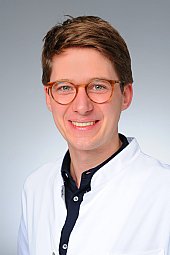 Paul Jan Brockelmann合作论文数University of Cologne, University Hospital of Cologne30
 R Greil合作论文数IIIrd Medical Department, Paracelsus Medical University;Salzburg Cancer Research Institute;Austrian Academy for Sexual Medicine;Austrian Group for Medical Tumor Therapy30
 Juergen Wolf合作论文数Center for Integrated Oncology Köln Bonn, University Hospital of Cologne;Department I of Internal Medicine, University Hospital of Cologne30Eichenauer Dennis A合作论文数29
 Julia Meißner合作论文数27Helen Kaul合作论文数26
 Klaus Schomacker合作论文数26
 Justin Ferdinandus合作论文数25
 Melanie Hohberg合作论文数23Jasmin Mettler合作论文数22
 Stefanie Kreissl合作论文数21Thomas Fischer合作论文数20
 Thomas Zander合作论文数Centrum für Integrierte Onkologie, Universitätsklinikum Köln Klinik I für Innere Medizin20Ronald Boellaard合作论文数20Lucia Nogova合作论文数20
 Stephan Mathas合作论文数19
 Reinhard Büttner合作论文数Center for Molecular Medicine Cologne, Faculty of Medicine, University of Cologne;Institut für Pathologie, Universitätsklinikum Köln19
 Andreas Rosenwald合作论文数Pathologisches Institut, Medizinische Fakultät, Julius-Maximilians-Universität Würzburg17
 Wolfgang Eschner合作论文数17Helen Goergen合作论文数16
 Wolfram Klapper合作论文数Institut für Pathologie, Universitätsklinikum Schleswig-Holstein;Department of Pathology, Christian-Albrechts-University Kiel15
 Alexander Fosså合作论文数Department of Oncology, Oslo University Hospital;Department of Oncology, Norwegian Radium Hospital15Andreas Huttmann合作论文数15
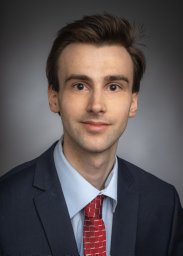 Felix Dietlein合作论文数Department of Translational Genomics, University of Cologne;Max Planck Institute for Neurological Research, 50931 Cologne, Germany;Max Planck Institute for Neurological Research, University of Cologne14Stephanie Sasse合作论文数14Judith Dierlamm合作论文数14
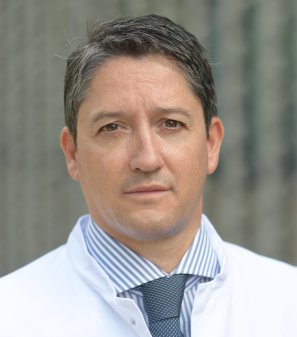 Ulrich Keller合作论文数Medical Department, Division of Hematology und Oncology, Charite – Universitatsmedizin Berlin;Max Delbrück Center for Molecular Medicine14Lutz van Heek合作论文数13
 Sebastian Michels合作论文数13
 Philipp Krapf合作论文数13
 Max Topp合作论文数Department of Internal Medicine II, University of Wuerzburg13




