Abstract Workforce shortages within palliative care restricts availability of this service. Although clinicians may develop an interest in this specialty later in their careers, acquiring the necessary education and training is challenging. In academic medical centers like the Veteran’s Administration (VA), interprofessional palliative care teams are well-positioned to deliver high-quality, accessible palliative care services when patient needs surpass what can be addressed by primary care and surgical subspecialities. Given workforce shortages, this quality improvement project aims to increase competency for nurse practitioners (NPs) in hospice and palliative care. A 12-month, minimum 500 clinical hour, training program designed to provide clinical and skill-based education to NPs currently working on the VA Community Living Center was developed. The predominantly practical curriculum focuses on interprofessional teamwork, communication skills, and application of medical, psychosocial, cultural, spiritual, and ethical content. The curriculum is designed in a longitudinal manner that supports the NP’s ability to maintain their routine clinical care responsibilities. The program includes two hours of protected time each day consisting of hospice and palliative care clinical experiences alongside interprofessional learning. The training cohort, beginning March 2024, consists of two NPs. The team developed a mixed methods approach to assess competencies and progress across the training period. This project has resulted in an innovative approach to enhance hospice and palliative care training that will advance mid-career clinicians’ skills and help address workforce shortages without requiring clinicians to leave their jobs for extended training. Implementation will have implications for the feasibility, sustainability, and replication of this model.
INTRODUCTION:Despite a growing number of older lesbian, gay, bisexual transgender, and queer (LGBTQ) adults in the United States, education on care for this vulnerable population has historically been inadequate across all levels of training. This research assessed the extent of LGBTQ education in geriatric medicine fellowship curricula across the United States. METHODS:We designed a survey to anonymously collect information from geriatric medicine fellowship programs on LGBTQ curricular content. Eligible participants included all 160 fellowship directors on record with the American Geriatrics Society. The survey addressed demographics of the fellowship program, current state of inclusion of LGBTQ content in didactic curricula and in clinical settings, and other available training opportunities. RESULTS:Out of those contacted, 80 (50%) completed the survey. Of the programs surveyed, 60 (75%) were housed in internal medicine, 19 (24%) were in family medicine, and one was in their own department. Forty-seven fellowships (59%) reported some formal didactic session (e.g., lecture or case based), with the majority of these programs (72%) featuring 1-2 h of formal instruction. Forty-five programs (56%) reported offering no formal clinical experiences. There was less than 50% coverage for all surveyed topics in the required curriculum (range 46% for discrimination to 9% for gender affirming care). Time and lack of expertise were cited as the main barriers to content inclusion. CONCLUSIONS:Curricular content regarding care for LGBTQ older adults is inadequate in geriatric medicine fellowships. Faculty development of current educators and providing standardized guidelines and curricula are steps toward addressing this deficit.
The Tideswell Emerging Leaders in Aging (ELIA) Program is a 1-year leadership training program focused on developing a sustainable pipeline of leaders in aging who are poised to lead initiatives that will optimize the health of older people. The Tideswell ELIA Program is jointly administered by the American Geriatrics Society, the Association of Directors of Geriatric Academic Programs, and Tideswell at University of California, San Francisco (UCSF), a program within the Division of Geriatrics at UCSF. The ELIA Program prepares early to midcareer healthcare professionals in aging (scholars) for their transition into key leadership roles that involve one or more areas of patient care, education, and research. The program emphasizes the understanding of one's own and others' inherent work strategies and communication styles as integral to leading programs. Approximately 15 ELIA scholars are selected annually to participate in this interactive leadership development program. We conducted a qualitative analysis of program evaluations from 2015 to 2018 scholars (n = 47) to determine effectiveness and impact. All scholars (100%) completed the end-of-training survey. Scholars' satisfaction with the program is high. Scholars reported heightened leadership development and improvements in leadership skills, including communication, team building, and self-awareness. Scholars also reported enhancement of personal leadership attributes that contributed to career advancement. The Tideswell ELIA Program accelerates scholars' personal career development, positively impacts their institutions, and ultimately benefits older people. Sustaining leadership programs such as the Tideswell ELIA Program is vital to ensure a continuous pipeline of leaders skilled in both advocating for and advancing the health of older Americans. J Am Geriatr Soc 67:434-436, 2019.
Perspectives Viewpoints•Enhancing geriatric training of internal medicine residents is crucial to meet the needs of an aging population.•Current models of geriatric training in residency are not meeting this need.•Integrating geriatric didactic and point-of-care clinical instruction in a resident continuity clinic can improve resident attitudes and skills in caring for geriatric patients. •Enhancing geriatric training of internal medicine residents is crucial to meet the needs of an aging population.•Current models of geriatric training in residency are not meeting this need.•Integrating geriatric didactic and point-of-care clinical instruction in a resident continuity clinic can improve resident attitudes and skills in caring for geriatric patients.
Surgical outcomes are significantly influenced by patients' overall health, function, and life expectancy. A comprehensive geriatric preoperative assessment of older adults requires expanding beyond an organ-based or disease-based assessment. At a preoperative visit, it is important to establish the patient's goals and preferences, and to determine whether the risks and benefits of surgery match these goals and preferences. These discussions should cover the possibility of resuscitation and ventilator support, prolonged rehabilitation, and loss of independence. The assessment should include evaluation of medical comorbidities, cognitive function, decision-making capacity, functional status, fall risk, frailty, nutritional status, and potentially inappropriate medication use. Problems identified in any of these key areas are associated with an increased risk of postoperative complications, institutionalization, functional decline, and, in some cases, mortality. If a patient elects to proceed with surgery, the risks should be communicated to surgical teams to allow for inpatient interventions that lower the risk of postoperative complications and functional decline, such as early mobilization and limiting medications that can cause delirium. Alcohol abuse and smoking are associated with increased rates of postoperative complications, and physicians should discuss cessation with patients before surgery. Physicians should also assess patients' social support systems because they are a critical component of discharge planning in this population and have been shown to predict 30-day postoperative morbidity. Copyright (C) 2018 American Academy of Family Physicians.
Polypharmacy brings with it increased risks for adverse drug events and reduced functional capacity. This 4-step plan will help you safely deprescribe in older adults.
Most geriatric care is provided in non-hospital settings. Internal Medicine and Family Medicine residents should therefore learn about these different clinical sites and acuity levels of care. To help facilitate this learning, a geriatrics training curriculum for internal medicine residents was developed that focused on cognition, function, goals of care and medication management in both in-hospital and non-hospital settings. Residents rotated through both in-hospital and non-hospital settings as one block rotation. They took a test of geriatric learning before the rotation and then took the same test at the end of the rotation. Residents showed an improvement in several geriatric domains on completion of a combined in-hospital and non-hospital rotation curriculum. We concluded that the development and implementation of a combined rotation curriculum has practical application to resident learning and the potential to improve geriatrics care outside of hospital settings.
Deep venous thrombosis NoNausea and
Daniel A. Anaya, MD; Jason Johanning, MD; Seth A. Spector, MD; Mark R. Katlic, MD; Albert C. Perrino, MD; Jessica Feinleib, MD, PhD; Ronnie A. Rosenthal, MD, MS
Falls are common health events that cause discomfort and disability for older adults and stress for caregivers. Using the case of an older man who has experienced multiple falls and a hip fracture, this article, which focuses on community-living older adults, addresses the consequences and etiology of falls; summarizes the evidence on predisposing factors and effective interventions; and discusses how to translate this evidence into patient care. Previous falls; strength, gait, and balance impairments; and medications are the strongest risk factors for falling. Effective single interventions include exercise and physical therapy, cataract surgery, and medication reduction. Evidence suggests that the most effective strategy for reducing the rate of falling in community-living older adults may be intervening on multiple risk factors. Vitamin D has the strongest clinical trial evidence of benefit for preventing fractures among older men at risk. Issues involved in incorporating these evidence-based fall prevention interventions into outpatient practice are discussed, as are the trade-offs inherent in managing older patients at risk of falling. While challenges and barriers exist, fall prevention strategies can be incorporated into clinical practice.
Letter to the Editor: A 73-year-old woman presented to the emergency department with acute kidney injury and 3 to 4 weeks of general malaise consisting of headache, diffuse abdominal pain, myalgia, weakness, and subjective fever and chills. Her primary care physician sent her after laboratory results revealed a serum creatinine of 2.9 mg/dL (baseline 0.7 mg/dL) and a high erythrocyte sedimentation rate (ESR) of 93 mm/h. She had a history of monoclonal gammopathy of undetermined significance discovered 14 years before, but recent repeat serum protein electrophoresis (SPEP) showed disease resolution. Her medications include levothyroxine 100 μg once daily and omeprazole 20 mg once daily for the past 10 months to treat peptic ulcer disease. For occasional headaches, she took combination acetaminophen and caffeine. She was afebrile on physical examination, and her examination was unremarkable except for nontender bilateral forefinger bony enlargement in the distal interphalangeal joints. Her blood urea nitrogen level was 42 mg/dL, and creatinine was 3.5 mg/dL. Her electrolytes were within normal limits. Her white blood cell count was 9.1 × 10⁹/L, hemoglobin 11.8 g/dL, hematocrit 34.7% with mean corpuscular volume 87 fL/cell, and platelets 430 × 109/L. Urinalysis was significant for more than 30 white blood cells, and a clean-catch urine culture showed no growth. Her ESR was 104 mm/h, and C-reactive protein (CRP) was 43.9 mg/L. SPEP showed two faint bands in the gamma region, but further characterization using immunofixation was negative. She was negative for antineutrophil cytoplasmic and antinuclear antibodies, double-strand deoxyribonucleic acid, and rheumatoid factor. Her complement component 3 was mildly high at 156 mg/dL (80–145 mg/dL reference range), and complement component 4 was normal. Tests for hepatitis, human immunodeficiency virus, respiratory syncytial virus, herpes, and parvovirus were negative. Within the first 24 hours of presentation to the emergency department, she received 2 L of normal saline. She was not given omeprazole during her hospital stay. Over the course of her stay, her serum creatinine continued to improve, from 3.5 mg/dL on admission to 1.9 mg/dL on discharge (daily creatinine: 3.5, 2.9, 2.5, 2.2, 2.1, 1.9 mg/dL). By hospital Day 5, the patient had experienced a gradual decline in creatinine to 2.1 mg/dL. The decision was made to perform a renal biopsy for definitive diagnosis. The biopsy showed diffuse lymphocytic infiltrate with numerous plasma cells and occasional eosinophils. The tubules showed mild acute injury with casts. Six glomeruli were present that showed mild mesangial hypercellularity. Vessels were unremarkable. According to electron microscopy, there was diffuse effacement of foot processes. Immunohistochemistry stains for herpes and adenovirus were negative. These results, in conjunction with the clinical presentation, were consistent with omeprazole-induced acute interstitial nephritis (AIN) and probably not due to her low-dose, infrequent acetaminophen use. Omeprazole was the first available drug in the class of proton pump inhibitors (PPIs), which suppress gastric acid secretion by inhibiting the H+/K+ATPase proton pump on parietal cell membranes. A review of English literature conducted in 2009 identified a total of 114 cases of PPI-induced AIN.1 The patient presented here was both typical and unique. As in most case reports, she was in her 70s and presented with insidious constitutional symptoms associated with acutely high creatinine that improved upon discontinuation of the agent. She also presented with sterile pyuria and high ESR and CRP, but she had no fever, rash, or urinary or peripheral eosinophilia, putting her among the 21% of patients who do not present with any of these signs or symptoms.2 Moreover, AIN typically develops within weeks of starting the PPI, as is expected of a hypersensitivity immune reaction. To the knowledge of the authors of this letter, there have been only two reported cases of omeprazole-induced AIN occurring after 10 or more months of use.3 In this case, late-onset omeprazole-associated AIN was arrived at as a biopsy-proven diagnosis of exclusion. Although the Food and Drug Administration has approved omeprazole for long-term use, clinicians should consider it as a possible cause of AIN even in patients who have tolerated the therapy for many months. Discontinuation of the drug leads to improvement. Conflict of Interest: The editor in chief has reviewed the conflict of interest checklist provided by the authors and has determined that the authors have no financial or any other kind of personal conflicts with this paper. Author Contributions: NN: conception and design, acquisition of data, drafting the letter, and final approval of the version to be published. GWM: acquisition, analysis, and interpretation of data; revising the letter critically for important intellectual content; and final approval of the version to be published. CK: conception and design, revising the letter critically for important intellectual content, and final approval of the version to be published. Sponsor's Role: None.
 J. Ouellet合作论文数4
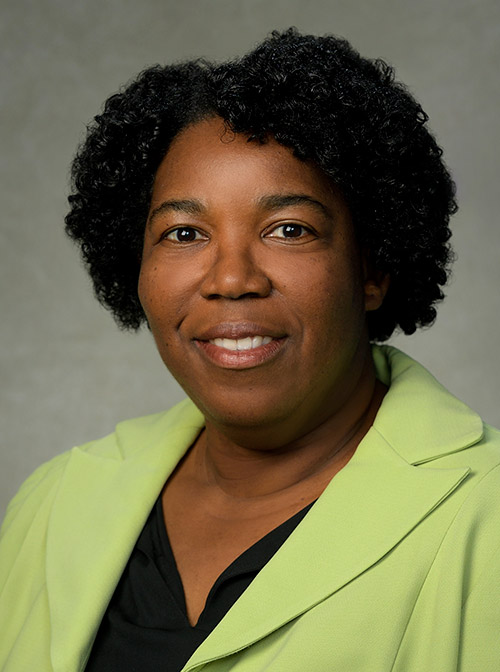 Lisa M. Walke合作论文数Division of Geriatrics, Department of Medicine, Perelman School of Medicine, University of Pennsylvania4A. Romegialli合作论文数3Jessica L Colburn合作论文数3
 Brooke E Salzman合作论文数3L. Walke合作论文数2Nina Ni合作论文数2
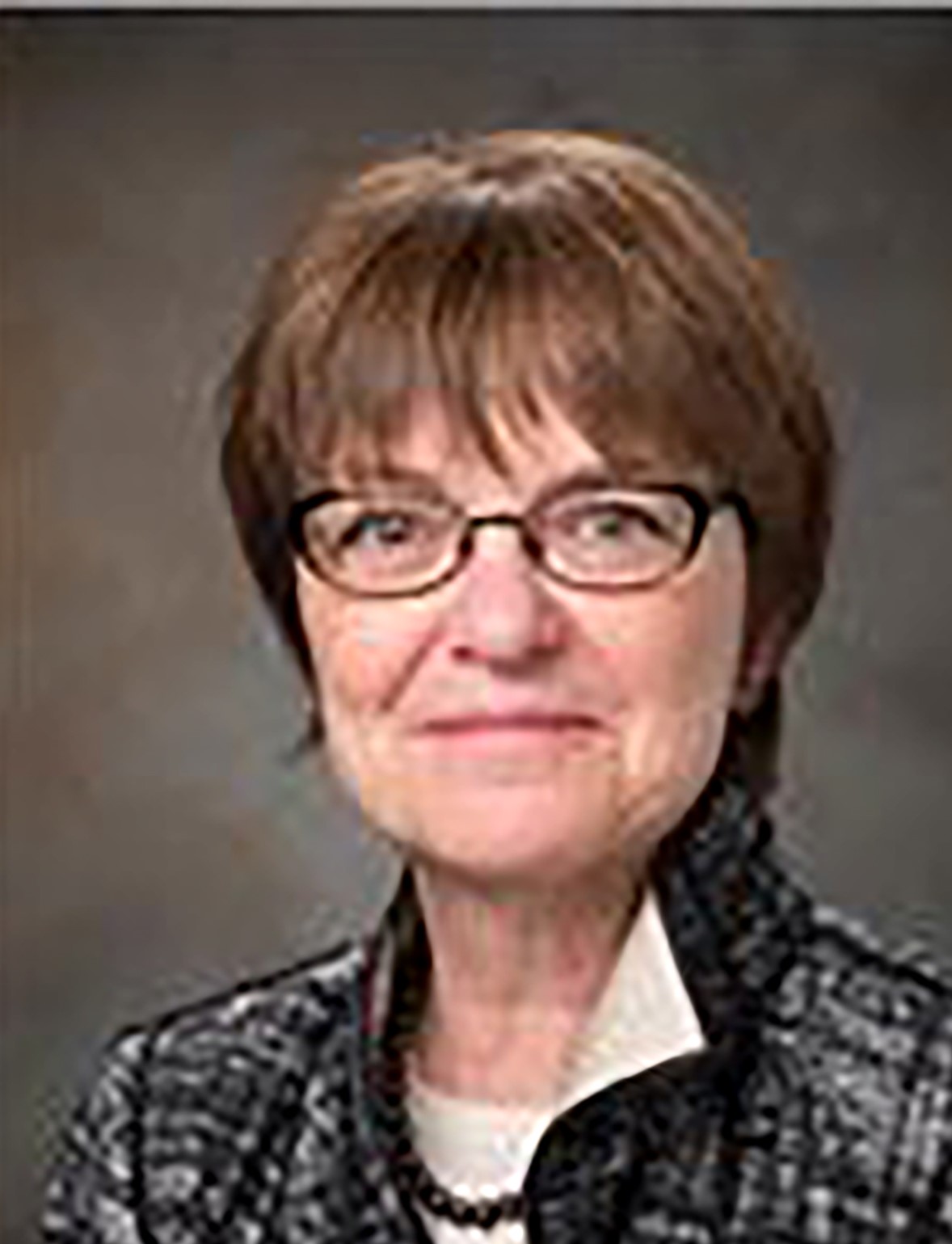 Ronnie Rosenthal合作论文数Yale Department of Surgery, Yale School of Medicine, Yale University2
 Jennifer Ouellet合作论文数Geriatric Medicine, Internal Medicine, Yale School of Medicine, Yale University2
 Marcia Mecca合作论文数Geriatric Medicine, Internal Medicine, Yale School of Medicine, Yale University2
 Gilbert Moeckel合作论文数Pathology Faculty, Yale School of Medicine, Yale University2Tackett John J合作论文数2Melin Emily合作论文数2Accordino Linda合作论文数2Andrea Rink合作论文数1Rebecca Rottman-Sagebiel合作论文数1Joan Abrams合作论文数1Alexandra M Klomhaus合作论文数1
 Benjamin A Bensadon合作论文数1Eileen Blake合作论文数1Barry J Wu合作论文数1Timothy W Farrell合作论文数1Tracy Shamas合作论文数1Andrea Ruskin合作论文数1Christopher Hwang合作论文数1Christine M Ramsey合作论文数1Angela Primbas合作论文数1Sarah Gillespie-Heyman合作论文数1Maria H. van Zuilen合作论文数1
 Carl G Streed合作论文数Boston Med Ctr, Ctr Transgender Med & Surg1Kathryn McGrath合作论文数1L. M. Walke合作论文数1G. Kerins合作论文数1Ryan Chippendale合作论文数1
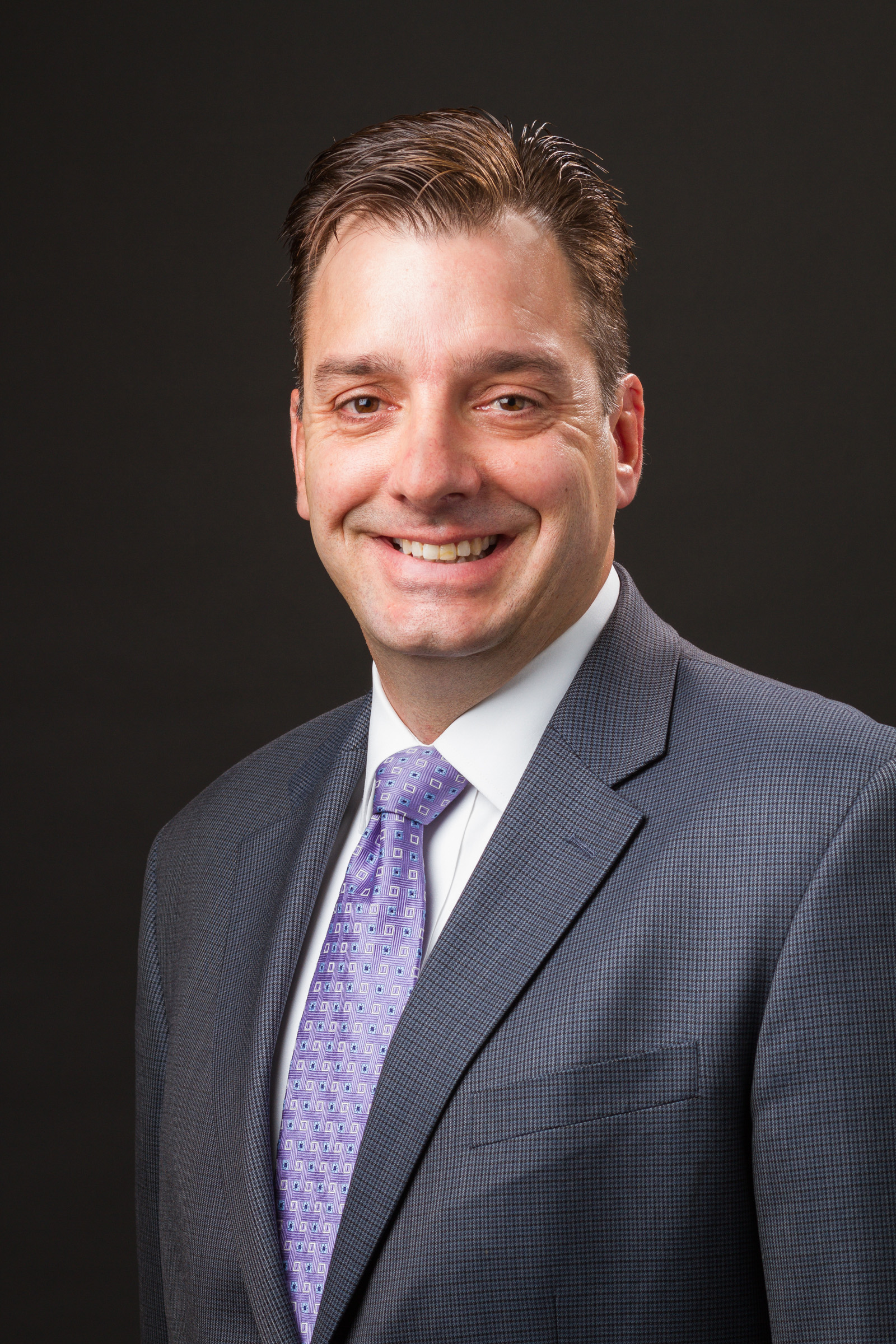 John Moriarty合作论文数General Internal Medicine, Internal Medicine, Yale School of Medicine, Yale University1Bishop Troy合作论文数1Swartz Kristine合作论文数1Hong Bryan Kun合作论文数1Foley Kevin合作论文数1Young Megan E合作论文数1Richard A. Marottoli合作论文数1
 Mary Tinetti合作论文数School of Medicine, Yale University;Institution for Social and Policy Studies, Yale University1
 Emily Hajjar合作论文数1
 Douglas Bruce合作论文数1Anna Chang合作论文数1
 Cooney Leo合作论文数1
 Laura M. Wagner合作论文数The Kunin-Lunenfeld Applied Research Unit;Bloomberg Faculty of Nursing, University of Toronto;Bloomberg Faculty of Nursing, University of Toronto1Stephen Huot合作论文数1Peter H. Van Ness合作论文数1




