Arachidonic acid undergoes two metabolic pathways in leukocytes. The first, catalysis by prostaglandin cyclo-oxygenase, yields the prostaglandin endoperoxides G2 and H2 and thromboxane A2, which induce rapid irreversible aggregation of human platelets and are potent inductors of smooth muscle contraction. The second pathway, catalysis by lipoxygenase, yields various hydroperoxy acids. In platelets, 12-hydroperoxyeicosatetraenoic acid is the predominant product; in polymorphonuclear leukocytes, 5-hydroperoxy-eicosatetraenoic acid is formed. These are primarily reduced to 12-hydroxyeicosatetraenoic acid and 5-hydroxyeicosatetraenoic acid. 5-Hydroperoxyeicosatetraenoic acid may also be dehydrated to leukotriene A4. Enzymatic hydrolysis of leukotriene A4 yields leukotriene B4, a potent mediator of leukocyte function. Prostaglandins, thromboxanes, and some hydroxyeicosatetraenoic acids exert chemotactic effects on polymorphonuclear leukocytes. In this respect, leukotriene B4 is the most active compound derived from arachidonic acid. In vivo, adherence of leukocytes to the endothelium of microvessels near inflammatory areas and the sticking phenomenon of these cells are the initial hallmarks of an inflammatory response. In vitro, these responses seem to correspond with leukocyte aggregation and adherence. Leukotriene A4 may also react to form leukotriene C4 (a natural component of slow-reacting substance of anaphylaxis), leukotriene D4, leukotriene E4, and the 11-trans-isomers. All three leukotrienes are virtually unable to induce chemotaxis, enzyme release, or leukocyte aggregation, but they possess biologic properties previously attributed to slow-reacting substances, such as a potent effect on smooth muscle in the peripheral airway and an ability to markedly increase macromolecular permeability in venules. In addition to prolonging bleeding time and causing gastric ulcers, aspirin and other nonsteroidal anti-inflammatory drugs can trigger or aggravate an asthmatic attack. Aspirin can also trigger or aggravate urticaria, probably as a direct effect of thioether leukotrienes rather than from antibody mediation. Many nonsteroidal anti-inflammatory drugs increase formation of slow-reacting substance-A after challenge with allergen, perhaps by inhibiting cyclo-oxygenase, thereby releasing more arachidonic acid for metabolism by lipoxygenase. Alternatively, certain prostaglandins inhibit liberation of arachidonic acid from phospholipids; inhibiting their formation causes release of more arachidonic acid, which must be metabolized by different lipoxygenase pathways, since the cyclo-oxygenase pathway is closed.
We assessed the effects of several leukotrienes and of f-Met-Leu-Phe on oxygen consumption in neutrophils and on the initial burst of chemiluminescence (CL) in both neutrophils and eosinophils. It was found that f-Met-Leu-Phe initiated 2.6 times higher oxygen consumption in neutrophils than did leukotriene B4 (LTB4). f-Met-Leu-Phe also stimulated five to 10 times more CL from both types of granulocytes than LTB4, which was at least five times more potent than its omega-hydroxylated metabolite, 20-OH-LTB4, whereas the corresponding 20-COOH derivative was effective only in eosinophils. The double dioxygenation product 5(S), 12(S)- DHETE caused no CL. Neutrophils from patients with chronic granulomatous disease did not respond with CL to any of the agents. The peak of CL occurred 50 to 60 sec after the addition of fMLP, whereas the LTB4-associated peak occurred after 5 to 6 sec and then rapidly subsided. The treatment of cells with sodium azide to inhibit the myeloperoxidase system did not change the kinetics or the rapid decline of the LTB4-induced CL. The CL response to LTB4 could be inhibited to 85% by 0.5 microgram/ml of superoxide dismutase, to 72% by 200 mg/ml of catalase, and to 50% by 80 microM of mannitol. The corresponding figures for f-Met-Leu-Phe-induced CL were 80, 58, and 16%, suggesting that, although a substantial part of the CL appears to be due to superoxide ion production, other oxygen radicals are involved in luminol-enhanced CL production. Thus, in contrast to some previous reports that leukotrienes do not stimulate an oxidative metabolic response in granulocytes despite their potent activity as chemotactic factors, our studies show that leukotrienes are definite inducers of granulocyte oxidative metabolism.
FEBS LettersVolume 144, Issue 1 p. 81-84 Full-length articleFree Access Effects of novel leukotrienes on neutrophil migration Jan Palmblad, Jan Palmblad Departments of Medicine IV, Karolinska Institute at Södersjukhuset, 100 64 Stockholm and Department of Physiological Chemistry, Karolinska Institute, 104 01 Stockholm, SwedenSearch for more papers by this authorAnn-Mari Udén, Ann-Mari Udén Departments of Medicine IV, Karolinska Institute at Södersjukhuset, 100 64 Stockholm and Department of Physiological Chemistry, Karolinska Institute, 104 01 Stockholm, SwedenSearch for more papers by this authorJan-Åke Lindgren, Jan-Åke Lindgren Departments of Medicine IV, Karolinska Institute at Södersjukhuset, 100 64 Stockholm and Department of Physiological Chemistry, Karolinska Institute, 104 01 Stockholm, SwedenSearch for more papers by this authorOlof Rådmark, Olof Rådmark Departments of Medicine IV, Karolinska Institute at Södersjukhuset, 100 64 Stockholm and Department of Physiological Chemistry, Karolinska Institute, 104 01 Stockholm, SwedenSearch for more papers by this authorGöran Hansson, Göran Hansson Departments of Medicine IV, Karolinska Institute at Södersjukhuset, 100 64 Stockholm and Department of Physiological Chemistry, Karolinska Institute, 104 01 Stockholm, SwedenSearch for more papers by this authorCurt L. Malmsten, Curt L. Malmsten Departments of Medicine IV, Karolinska Institute at Södersjukhuset, 100 64 Stockholm and Department of Physiological Chemistry, Karolinska Institute, 104 01 Stockholm, SwedenSearch for more papers by this author Jan Palmblad, Jan Palmblad Departments of Medicine IV, Karolinska Institute at Södersjukhuset, 100 64 Stockholm and Department of Physiological Chemistry, Karolinska Institute, 104 01 Stockholm, SwedenSearch for more papers by this authorAnn-Mari Udén, Ann-Mari Udén Departments of Medicine IV, Karolinska Institute at Södersjukhuset, 100 64 Stockholm and Department of Physiological Chemistry, Karolinska Institute, 104 01 Stockholm, SwedenSearch for more papers by this authorJan-Åke Lindgren, Jan-Åke Lindgren Departments of Medicine IV, Karolinska Institute at Södersjukhuset, 100 64 Stockholm and Department of Physiological Chemistry, Karolinska Institute, 104 01 Stockholm, SwedenSearch for more papers by this authorOlof Rådmark, Olof Rådmark Departments of Medicine IV, Karolinska Institute at Södersjukhuset, 100 64 Stockholm and Department of Physiological Chemistry, Karolinska Institute, 104 01 Stockholm, SwedenSearch for more papers by this authorGöran Hansson, Göran Hansson Departments of Medicine IV, Karolinska Institute at Södersjukhuset, 100 64 Stockholm and Department of Physiological Chemistry, Karolinska Institute, 104 01 Stockholm, SwedenSearch for more papers by this authorCurt L. Malmsten, Curt L. Malmsten Departments of Medicine IV, Karolinska Institute at Södersjukhuset, 100 64 Stockholm and Department of Physiological Chemistry, Karolinska Institute, 104 01 Stockholm, SwedenSearch for more papers by this author First published: July 19, 1982 https://doi.org/10.1016/0014-5793(82)80573-5Citations: 30AboutPDF ToolsRequest permissionExport citationAdd to favoritesTrack citation ShareShare Give accessShare full text accessShare full-text accessPlease review our Terms and Conditions of Use and check box below to share full-text version of article.I have read and accept the Wiley Online Library Terms and Conditions of UseShareable LinkUse the link below to share a full-text version of this article with your friends and colleagues. Learn more.Copy URL References 1 B. Samuelsson, B. Samuelsson R. Paoletti Advances in Prostaglandin, Thromboxane and Leukotriene Research 9, (1982), Raven Press New York 1– 17. 2 C. Malmsten, J. Palmblad, A.-M. Udén, O. R→dmark, L. Engstedt, B. Samuelsson, Acta Physiol. Scand., 110, (1980), 449– 451. 3 A.W. Ford-Hutchinson, M.A. Bray, M.V. Doing, M.E. Shipley, J.H. Smith, Nature, 286, (1980), 264– 265. 4 E.J. Goetzl, W.C. Pickett, J. Immunol., 125, (1980), 1789– 1791. 5 J. Palmblad, C. Malmsten, A.M. Udén, O. Rådmark, L. Engstedt, B. Samuelsson, Blood, 58, (1981), 658– 661. 6 I. Hafström, J. Palmblad, C. Malmsten, O. Rådmark, B. Samuelsson, FEBS Lett., 130, (1981), 146– 148. 7 M.A. Bray, F.M. Cunninghamn, A.W. Ford-Hutchinson, M.J.H. Smith, Brit. J. Pharmacol., 72, (1981), 483– 486. 8 S.-E. Dahlén, J. Björk, P. Hedqvist, K.-E. Arfors, S. Hammarström, J.Å. Lindgren, B. Samuelsson, Proc. Natl. Acad. Sci. USA, 78, (1981), 3887– 3891. 9 G. Hansson, J.Å. Lindgren, S.E. Dahlén, P. Hedqvist, B. Samuelsson, FEBS Lett., 130, (1981), 107– 112. 10 W. Jubiz, O. Rådmark, C. Malmsten, G. Hansson, J.Å. Lindgren, J. Palmblad, A.-M. Udén, B. Samuelsson, J. Biol. Chem., (1982), in press 11 P. Borgeat, B. Samuelsson, Proc. Natl. Acad. Sci. USA, 76, (1979), 3213– 3217. 12 U. Lundberg, O. Rådmark, C. Malmsten, B. Samuelsson, FEBS Lett., 126, (1981), 127– 132. 13 R.L. Maas, A.R. Brash, J.A. Oates, Proc. Natl. Acad. Sci. USA, 78, (1981), 5523– 5527. 14 J.Å. Lindgren, G. Hansson, B. Samuelsson, FEBS Lett., 128, (1981), 329– 335. 15 P. Borgeat, B. Fruteau de Laclos, S. Picard, P. Vallerand, P. Sirois, B. Samuelsson R. Paoletti Advances in Prostaglandin, Thromboxane and Leukotriene Research 9, (1982), Raven Press New York 45– 51. 16 R.L. Maas, A.R. Brash, J.A. Oates, B. Samuelsson R. Paoletti Advances in Prostaglandin, Thromboxane and Leukotriene Research 9, (1982), Raven Press New York 29– 44. 17 P. Borgeat, B. Samuelsson, Proc. Natl. Acad. Sci. USA, 76, (1979), 2148– 2152. 18 P. Borgeat, B. Samuelsson, J. Biol. Chem., 254, (1979), 2643– 2646. 19 O. Rådmark, U. Lundberg, W. Jubiz, C. Malmsten, B. Samuelsson, B. Samuelsson R. Paoletti Advances in Prostaglandin, Thromboxane and Leukotriene Research 9, (1982), Raven Press New York 61– 70. 20 E.J. Corey, A. Marfat, G. Goto, F. Brion, J. Am. Chem. Soc., 102, (1980), 7984– 7985. 21 K.L. Cates, S.D. Douglas P.G. Quie Investigation of Phagocytes in Disease (1981), Churchill Livingstone Londen 17– 19. 22 G. Weissmann, H.M. Korchak, H.D. Perez, J.E. Smolen, I.M. Goldstein, S.T. Hoffstein, J. Reticuloendothel. Soc., 26, (1979), 687– 700. suppl. 23 I.M. Goldstein, J. Lab. Clin. Med., 93, (1979), 13– 16. 24 H.-E. Claesson, U. Lundberg, C. Malmsten, Biochem. Biophys. Res. Commun., 99, (1981), 1230– 1237. 25 R.D. Nelson, R.T. McCormack, V.D. Fiegel, J.I. Gallin P.G. Quie Leukocyte Chemotaxis (1978), Raven Press New York 25– 42. 26 J. Palmblad, A.-M. Udén, N. Venizelos, J. Immunol. Methods, 44, (1981), 37– 53. 27 D.E. Chenoweth, J.G. Rowe, T.E. Hugli, J. Immunol. Methods, 25, (1979), 337– 353. Citing Literature Volume144, Issue1July 19, 1982Pages 81-84 ReferencesRelatedInformation
FEBS LettersVolume 130, Issue 1 p. 146-148 Full-length articleFree Access Leukotriene B4 — a stereospecific stimulator for release of lysosomal enzymes from neutrophils Ingiäld Hafstrom, Ingiäld Hafstrom Department of Medicine III, Karolinska Institute at Södersjukhuset, 10064 Stockholm, SwedenSearch for more papers by this authorJan Palmblad, Jan Palmblad Department of Medicine IV, Karolinska Institute at Södersjukhuset, 10064 Stockholm, SwedenSearch for more papers by this authorCurt L. Malmsten, Curt L. Malmsten Department of Medicine III, Karolinska Institute at Södersjukhuset, 10064 Stockholm, Sweden Department of Chemistry, the Karolinska Institute, 10401 Stockholm, SwedenSearch for more papers by this authorOlof Rådmark, Olof Rådmark Department of Medicine III, Karolinska Institute at Södersjukhuset, 10064 Stockholm, SwedenSearch for more papers by this authorBengt Samuelsson, Bengt Samuelsson Department of Medicine III, Karolinska Institute at Södersjukhuset, 10064 Stockholm, Sweden Department of Chemistry, the Karolinska Institute, 10401 Stockholm, SwedenSearch for more papers by this author Ingiäld Hafstrom, Ingiäld Hafstrom Department of Medicine III, Karolinska Institute at Södersjukhuset, 10064 Stockholm, SwedenSearch for more papers by this authorJan Palmblad, Jan Palmblad Department of Medicine IV, Karolinska Institute at Södersjukhuset, 10064 Stockholm, SwedenSearch for more papers by this authorCurt L. Malmsten, Curt L. Malmsten Department of Medicine III, Karolinska Institute at Södersjukhuset, 10064 Stockholm, Sweden Department of Chemistry, the Karolinska Institute, 10401 Stockholm, SwedenSearch for more papers by this authorOlof Rådmark, Olof Rådmark Department of Medicine III, Karolinska Institute at Södersjukhuset, 10064 Stockholm, SwedenSearch for more papers by this authorBengt Samuelsson, Bengt Samuelsson Department of Medicine III, Karolinska Institute at Södersjukhuset, 10064 Stockholm, Sweden Department of Chemistry, the Karolinska Institute, 10401 Stockholm, SwedenSearch for more papers by this author First published: July 20, 1981 https://doi.org/10.1016/0014-5793(81)80684-9Citations: 104AboutPDF ToolsRequest permissionExport citationAdd to favoritesTrack citation ShareShare Give accessShare full text accessShare full-text accessPlease review our Terms and Conditions of Use and check box below to share full-text version of article.I have read and accept the Wiley Online Library Terms and Conditions of UseShareable LinkUse the link below to share a full-text version of this article with your friends and colleagues. Learn more.Copy URL Share a linkShare onFacebookTwitterLinked InRedditWechat No abstract is available for this article.Citing Literature Volume130, Issue1July 20, 1981Pages 146-148 ReferencesRelatedInformation
We studied the effects of leukotrienes on in vitro functions of neutrophil polymorphonuclear (PMN) granulocytes. Leukotriene B4 (LTB4) evoked a stimulated and directed migration of neutrophils under agarose with an optimum concentration of 10(-6)M, whereas two nonenzymatically formed isomers (compounds I and II) induced this response at 10(-5)M. Leukotriene C4 (LTC4) and 5-hydroxyeicosate-traenoic acid (5-HETE) did not affect this PMN migration. At the same optimum concentrations, LTB4 and compounds I and II augmented PMN adherence to nylon fibers. The chemotactic and adherence responses were of the same magnitude as with formal-Met-Leu-Phe (fMLP) at 10(-7)M. None of the leukotrienes influenced the spontaneous or phagocytosis-associated chemiluminescence or the ability to kill Staphylococcus aures. The cyclooxygenase inhibitor, indomethacin, inhibited only partly the fMLP-induced migration at high concentrations and stimulated migration at 2.5 x 10(- 7)M, suggesting that arachidonic acid was then mainly metabolized by the lipoxygenase pathways. The lipoxygenase and cyclooxygenase inhibitor, eicosatetraynoic acid, inhibited both spontaneous and stimulated migration at greater or equal to 2.5 x 10(-5)M, but not at lower concentrations. Thus, since LTB4, and to a lesser degree compounds I and II, stimulated migration and adhesion, it is suggested that these mediators could be of importance for the emigration of neutrophils from blood vessels to areas of inflammation.
Acta Physiologica ScandinavicaVolume 110, Issue 4 p. 449-451 Leukotriene B4: A highly potent and stereospecific factor stimulating migration of polymorphonuclear leukocytes CURT L. MALMSTEN, CURT L. MALMSTEN Department of Chemistry, Karolinska Institutet, S-10401 Stockholm, SwedenSearch for more papers by this authorJAN PALMBLAD, JAN PALMBLAD Department of Medicine IV, Karolinska Institutet, Söersjukhuset, S-100 64 Stockholm, SwedenSearch for more papers by this authorANN-MARIE UDÉN, ANN-MARIE UDÉN Department of Medicine IV, Karolinska Institutet, Söersjukhuset, S-100 64 Stockholm, SwedenSearch for more papers by this authorOLOF RÅDMARK, OLOF RÅDMARK Department of Chemistry, Karolinska Institutet, S-10401 Stockholm, SwedenSearch for more papers by this authorLARS ENGSTEDT, LARS ENGSTEDT Department of Medicine IV, Karolinska Institutet, Söersjukhuset, S-100 64 Stockholm, SwedenSearch for more papers by this authorBENGT SAMUELSSON, BENGT SAMUELSSON Department of Chemistry, Karolinska Institutet, S-10401 Stockholm, SwedenSearch for more papers by this author CURT L. MALMSTEN, CURT L. MALMSTEN Department of Chemistry, Karolinska Institutet, S-10401 Stockholm, SwedenSearch for more papers by this authorJAN PALMBLAD, JAN PALMBLAD Department of Medicine IV, Karolinska Institutet, Söersjukhuset, S-100 64 Stockholm, SwedenSearch for more papers by this authorANN-MARIE UDÉN, ANN-MARIE UDÉN Department of Medicine IV, Karolinska Institutet, Söersjukhuset, S-100 64 Stockholm, SwedenSearch for more papers by this authorOLOF RÅDMARK, OLOF RÅDMARK Department of Chemistry, Karolinska Institutet, S-10401 Stockholm, SwedenSearch for more papers by this authorLARS ENGSTEDT, LARS ENGSTEDT Department of Medicine IV, Karolinska Institutet, Söersjukhuset, S-100 64 Stockholm, SwedenSearch for more papers by this authorBENGT SAMUELSSON, BENGT SAMUELSSON Department of Chemistry, Karolinska Institutet, S-10401 Stockholm, SwedenSearch for more papers by this author First published: December 1980 https://doi.org/10.1111/j.1748-1716.1980.tb06696.xCitations: 116AboutPDF ToolsRequest permissionExport citationAdd to favoritesTrack citation ShareShare Give accessShare full text accessShare full-text accessPlease review our Terms and Conditions of Use and check box below to share full-text version of article.I have read and accept the Wiley Online Library Terms and Conditions of UseShareable LinkUse the link below to share a full-text version of this article with your friends and colleagues. Learn more.Copy URL Share a linkShare onFacebookTwitterLinked InRedditWechat Citing Literature Volume110, Issue4December 1980Pages 449-451 RelatedInformation
Human peripheral blood polymorphonuclear leukocytes were stimulated to generate thromboxane B2 in a time- and concentration-dependent fashion upon exposure to serum-treated zymosan particles. Conversion by stimulated PMN of [14C] arachidonic acid to [14C]thromboxane B2 was confirmed by thin-layer radiochromatography, radio-gas chromatography, and mass spectrometry. Generation of thromboxane B2 was independent of platelet contamination and could be inhibited by the cyclooxygenase inhibitor, indomethacin. Cells rendered incapable of ingesting particles by treatment with cytochalasin B generated comparable amounts of thromboxane B2. These results suggest that human peripheral blood polymorphonuclear leukocytes synthesize thromboxanes in response to surface stimulation independently of phagocytosis.
When appropriately stimulated (even in the absence of phagocytosis), human polymorphonuclear leukocytes release and/or generate proinflammatory materials and substances capable of provoking tissue injury. These include hydrolases and nonenzymatic substances ordinarily contained within lysosomes, as well as oxygen-derived free radicals. It is now possible to add prostaglandins and thromboxanes to this list. Whereas prostaglandins are capable of eliciting many phenomena associated with inflammation, their effects on cyclic nucleotide metabolism may render these compounds antiinflammatory. Thus, the very cells that release mediators of inflammation provide a mechanism for modulating the inflammatory response.
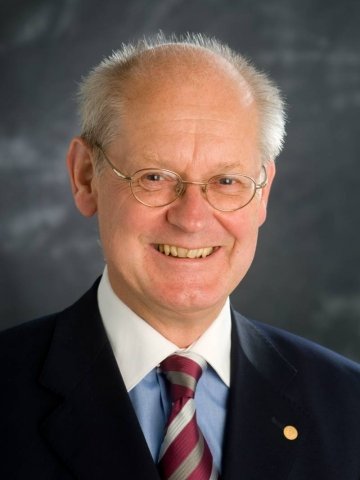 Jan Palmblad合作论文数Department of Medicine, Huddinge, Karolinska Institutet;Uppsala University;Boston Children's Hospital;University of Amsterdam;Walter Reed Army Institute of Research6
 Olof Rådmark合作论文数Department of Medical Biochemistry and Biophysics, Karolinska Institutet6
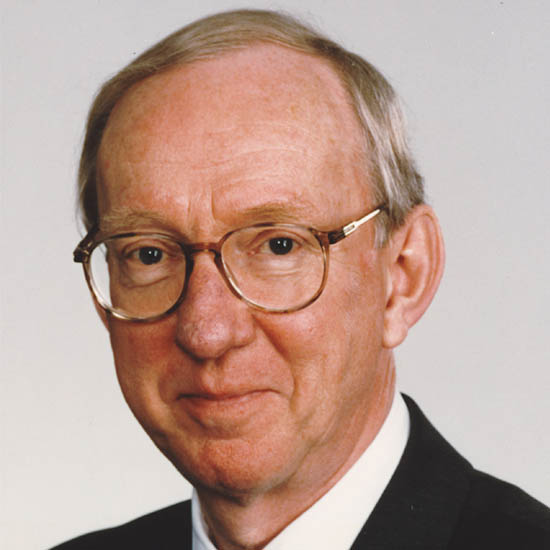 Bengt Samuelsson合作论文数Department of Medical Biochemistry and Biophysics, Karolinska Institutet6
 AM UDEN合作论文数4Lars Engstedt合作论文数3JA LINDGREN合作论文数2
 G Weissmann合作论文数Division of Rheumatology, Department of Medicine, New York University Medical Center, New York, NY 10016, USA2Ira M. Goldstein合作论文数Departments of Surgery and Medicine, University of California2
 Ingiäld Hafström合作论文数Department of Medicine, Huddinge, Karolinska Institutet2H B Kaplan合作论文数1I M Goldstein合作论文数1B Samuelsson合作论文数1Howard B. Kaplan合作论文数1
 Goran K. Hansson合作论文数Department of Medicine, Solna, Karolinska Institute;Center for Molecular Medicine, Karolinska Institute1Hans Gyllenhammar合作论文数1




