Introduction: High mortality rates in severe acute pancreatitis (SAP) have been attributed for quite some time to number and severity of organ failure (OF), rather than on their period of onset. We investigated whether rapidity of onset of organ failure determines the outcomes in SAP. Patients and methods: We performed a post hoc analysis from a prospectively maintained database of 331(66.1%) of 501 consecutive patients (mean age 41.3 ± 15.2 years, 69.5% males) of acute pancreatitis over a three-year period, who fulfilled revised Atlanta criteria for SAP. Patients were divided into early severe acute pancreatitis (ESAP: 115, 34.7 %) and late severe acute pancreatitis (LSAP: 216, 65.3 %) if OF developed within or after 7 days of disease onset. ESAP was subdivided into fulminant (FAP: 49 of 115, 42.6%) and sub-fulminant (SFAP: 66, 57.4%) groups with onset of organ failure within 72 hours and 72 hours to 7 days of disease respectively. Results: Within the overall mortality rate of 27% (89 of 331) in SAP, significantly higher deaths occurred in ESAP group (49.6%, 57/115) compared to LSAP (15.7%, 34/216, p< 0.05). Within ESAP, it was significantly higher in those with FAP (63.3%, 31/49) than those with SFAP (39.4%, 26/66). Respiratory failure accounted for 50.9% (29/57) of deaths in ESAP, but only in 20.6% (7/34) in LSAP (p<0.01). Sepsis, on the other hand, accounted for only 31.6% (18/57) in ESAP but 70.6% (24/34) in LSAP (p<0.01). Conclusion: Our observation suggests that the time of onset of organ failure in SAP is an important determinant of death, mortality being higher in those with a fulminant (SFAP) or rapid course (ESAP) than those where the disease progresses slowly (LSAP).
BACKGROUND:Chronic liver disease questionnaire (CLDQ), a self-administered quality-of-life (QOL) instrument for chronic liver disease (CLD) patients, was originally developed in English language. We aimed to translate and validate CLDQ in Tamil language (CLDQ-T). METHODS:CLDQ-T, prepared by two forward and two backward independent translations by four bilingual (Tamil and English) persons, and repeated iterative modifications, was validated in adult, native-Tamil patients with CLD. CLDQ-T was re-tested in some patients 2 weeks later. Convergent validity was assessed using Spearman's correlation, and discriminant validity by comparison with World Health Organization's brief QOL tool (WHOQOL-BREF). Reliability was assessed through internal consistency (Cronbach's alpha) and test-retest reliability (intra-class correlation). Cutoff used for statistical significance was p<0.05. RESULTS:The study included 126 patients (age: mean [SD] 46 years [12.5]; male 104; cause: alcohol 42%, HBV 25%, HCV 4%, cryptogenic 29%; CTP class A 47%, B 37%, and C 16%). In convergent validity, all domains except the "abdominal domain" showed significant correlation between CLDQ-T and WHOQOL-BREF. Patients with severe disease had lower scores for all domains of CLDQ-T except the "abdominal" domain, but not for any of the domains for WHOQOL-BREF. Overall Cronbach's alpha was 0.942, and more than 0.7 for all the individual domains except the "activity" domain. On retesting in 44 (35%) patients, intraclass correlation coefficient was 0.879 for the overall CLDQ-T score and >0.700 for individual domains. CONCLUSION:CLDQ-T was easily understood and showed good performance characteristics in assessing QOL in Tamil-speaking patients with CLD.
Post-cricoid web is an uncommon cause for dysphagia and is most frequently reported in middle-aged women. Triad of web, iron deficiency anemia (IDA), and dysphagia is known as Plummer-Vinson syndrome (PVS). Literature on PVS is very limited. Here we report the first prospective study of PVS with predefined diagnostic criteria and management plan. Adults with dysphagia or those incidentally found to have esophageal web were prospectively enrolled between July 2011 and June 2013. Participants were evaluated with hemogram, barium swallow, and esophagogastroduodenoscopy. PVS was diagnosed if a person had IDA and a post-cricoid web in barium swallow and/or endoscopy. Patients were managed with dilation using through-the-scope controlled radial expansion balloon followed by oral iron and folic acid supplementation. Thirty-seven patients (age, median [range] 40 [19-65] years; 32 [86%] women) were enrolled. Thirty-one symptomatic patients had dysphagia grade 1 (n = 12, 39%), 2 (n = 13, 42%), and 3 (n = 6, 19%) for a median (range) duration of 24 (4-324) months. Barium swallow, done in 29, showed web in 25 which were either circumferential or anterior in position. Twenty-nine (29/31, 94%) patients had complete and two had partial response after the first session of endoscopic dilatation without any complication. Dysphagia recurred in three (10%) of the 30 patients who were followed for a median (range) of 10 (1-24) months. Esophageal-web related dysphagia in patients with PVS responds favorably after single session of endoscopic dilation.
Yellow phosphorus, a component of certain pesticide pastes and fireworks, is well known to cause hepatotoxicity. Poisoning with yellow phosphorus classically manifests with acute hepatitis leading to acute liver failure which may need liver transplantation. We present a case of yellow phosphorus poisoning in which a patient presented with florid clinical features of cholestasis highlighting the fact that cholestasis can rarely be a presenting feature of yellow phosphorus hepatotoxicity.
Corrosive alimentary tract injuries are a source of considerable morbidity all over the world. Despite this, actual data on the epidemiology of this problem are scarce mainly due to the lack of a well-established reporting system for poisoning in most countries. The burden of the disease is naturally more in countries such as India where the condition is common because of poor regulation of sale of corrosive substances. We analyse the available data on epidemiology of corrosive injuries, as well as patterns of involvement of the alimentary tract, with special reference to Indian data, and also provide an overview of the management options and long-term sequelae of this condition.
Esophageal stenting was originally offered to patients with advanced esophageal malignancy, for whom it was considered as a costly modality of palliation. Advances in stent design and technology have resulted in more varieties of stents like the fully covered and removable metallic stents as well as self expanding plastic stents. As a result, the use of esophageal stents has been expanded to various benign conditions as well as to neoadjuvant settings in malignancy. This article tries to outline the current status of stenting in a variety of benign and malignant conditions of the esophagus.
IntroductionSmall intestinal bacterial overgrowth (SIBO) occurs in varying frequency in irritable bowel syndrome (IBS).We studied the frequency of SIBO in IBS and chronic non-specific diarrhea (CNSD). Methods129 patients with IBS (Manning's criteria), 73 with CNSD (≥ 4 weeks diarrhea with two of these tests normal [urine D-xylose, fecal fat and duodenal biopsy]) and 51 healthy controls (HC) were evaluated for SIBO using glucose hydrogen breath test (GHBT).Diarrhea-predominant IBS (D-IBS) was grouped into CNSD.Rise in breath hydrogen 12 ppm above basal following 100 g glucose was diagnostic of SIBO. ResultsOf 129 patients with IBS, 7 were constipation (C-IBS), and 122 were of indeterminate type (I-IBS).Patients with IBS were younger than HC and CNSD (IBS vs. HC: 36.6 yr ± 11.4 vs. 44.1 yr ± 13.6, p = 0.001; IBS vs. CNSD: 36.6 yr ± 11.4 vs. 42 yr ± 14.5, p = 0.003).Patients with CNSD were comparable to HC in age (42 yr ± 14.5 vs. 44.1 yr ± 13.6, p = ns).Patients with IBS were more often male than HC [108/129 (83.7%) vs. 34/51 (66.7%) p = 0.02]; gender of CNSD and HC was comparable [male 39/73 (53.4%) vs. 34/51 (66.7%) p = ns].SIBO was commoner in CNSD than HC [16 (21.9%) vs. 1 (2%), p = 0.003], but was comparable in IBS and HC [11 (8.5%) vs. 1 (2%), p = 0.18].Patients with CNSD more often had SIBO than IBS [16 (21.9%) vs. 11 (8.5%), p = 0.007]. ConclusionsSIBO was more common in CNSD including D-IBS than other types of IBS and HC.
Spontaneous bacterial peritonitis (SBP), a common complication of cirrhosis of liver, might result from translocation of bacteria from the small bowel. However, there is scanty data on frequency of small intestinal bacterial overgrowth (SIBO) in patients with cirrhosis of the liver. There are no data on SIBO in patients with extra-hepatic portal venous obstruction (EHPVO) in the literature. A total of 174 patients with cirrhosis of the liver, 28 with EHPVO and 51 healthy controls were studied for SIBO using glucose hydrogen breath test (GHBT). Persistent rise in breath hydrogen 12 ppm above basal (at least two readings) was considered diagnostic of SIBO. Of 174 patients (age 47.2 +/- 11.9 years, 80.5% male) with cirrhosis due to various causes, 67 (38.5%) were in Child's class A, 70 (40.2%) class B and 37 (21.7%) class C. Of the 174 patients with cirrhosis, 42 (24.14%) had SIBO as compared to 1 of 51 (1.9%) healthy controls (P < 0.0001). Patients with EHPVO had similar frequency of SIBO compared to healthy controls [2/28 (7.14%) vs 1/51 (1.97%), P = ns]. Frequency of SIBO in Child's A, B and C was comparable [13 (18.6%) vs 16 (23.9%) and 13 (35.1%), respectively; P = ns]. Presence of SIBO were not related to ascites, etiology of cirrhosis, and degree of liver dysfunction. SIBO is common in patients with cirrhosis of the liver. Patients with EHPVO do not have higher frequency of SIBO than healthy subjects. SIBO in cirrhosis is not related to the degree of derangement in liver function or of portal hypertension.
Pancreatic endocrine insufficiency secondary to destruction of acinar cells is a well known complication of chronic pancreatitis (CP). Of all patients with diabetes mellitus, 0.5-1% is secondary to CP. The frequency of occurrence of diabetes in CP is about 40-60%. This figure varies according to the aetiology, extent of calcification, and duration of the disease. Pancreatic diabetes is more commonly associated with alcoholic and tropical calcific pancreatitis of long duration. The pathophysiology of pancreatic diabetes is related to beta cell failure and reduced insulin secretory capacity. The development of pancreatic diabetes calls for careful evaluation and management to prevent long term complications. Pancreatic cancer is a known complication of chronic pancreatitis and sometimes manifests with new onset diabetes. As destruction of pancreatic tissue in CP leads to depletion of both insulin and glucagon-producing cells of the islets of Langherhans, pancreatic diabetics are usually not prone to ketoacidosis. A trial of oral hypoglycemic agents followed by insulin therapy when the need arises has been the line of management thus far in these patients. This review focuses on the prevalence, unique pathophysiological aspects, clinical features and special issues in the management of diabetes secondary to chronic pancreatitis.
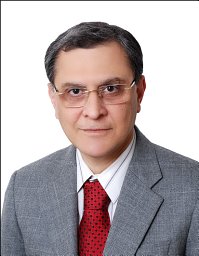 Gourdas Choudhuri合作论文数Department of Gastroenterology, Sanjay Gandhi Postgraduate Institute of Medical Sciences7
 Goel Amit合作论文数6
 Uday C. Ghoshal合作论文数5Samir Mohindra合作论文数4
 Vikram Kate合作论文数Department of Surgery, Jawaharlal Institute of Postgraduate Medical Education and Research3
 Vivek Saraswat合作论文数2
 Sunil Kumar Verma合作论文数2P. Rai合作论文数2Asha Misra合作论文数2
 Nilakantan Ananthakrishnan合作论文数Department of Surgery, Jawaharlal Institute of Postgraduate Medical Education and Research2
 Rakesh Aggarwal合作论文数Department of Gastroenterology;Sanjay Gandhi Postgraduate;Institute of Medical Sciences;Department of Gastroenterology, Institute of Medical Sciences2P. Piramanayagam合作论文数1
 Arivazhagan Karunanithi合作论文数1S K Verma合作论文数1
 S. Kumar合作论文数1Avani Sasi合作论文数1Basu Debdatta合作论文数1
 Awasthi Ashish合作论文数1
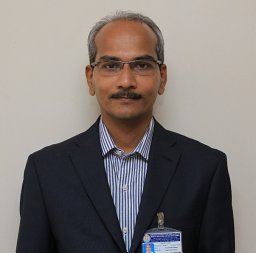 Biju Pottakkat合作论文数Department of Surgical Gastroenterology, Sanjay Gandhi Post Graduate Institute of Medical Sciences1
 Rajesh Nachiappa Ganesh合作论文数1
 Kamalanathan Sadishkumar合作论文数Department of Endocrinology and Metabolism, Jawaharlal Institute of Postgraduate Medical Education and Research1
 Bakshi Satvinder Singh合作论文数Department of ENT and Head &Neck Surgery, Mahatma Gandhi Medical College &Research Institute;Department of ENT and Head & Neck Surgery, Mahatma Gandhi Medical College & Research Institute1Saraswat V合作论文数1Vijayahari R合作论文数1Mehrotra Mansi合作论文数1
 Srinivasan Ramachandran合作论文数Temasek Life Sciences Laboratory, The National University of Singapore1
 Archan Misra合作论文数A*STAR-SMU Joint Lab in Social and Human-Centered Computing, School of Computing and Information Systems, Singapore Management University1Ranjit Vijayahari合作论文数1Surender Kumar Yachha合作论文数1




