Radiation oncology residents report varying confidence with on-treatment setup challenges (J Cancer Educ Off J Am Assoc Cancer Educ 36(2):278–283 (2021)). Radiation therapy technologist (RTT) training is variable across institutions (Tech Innov Patient Support Radiat Oncol 24:59–62 (2022)). This study assesses the impact of an interprofessional educational course on RTT and radiation oncology resident knowledge and comfort with managing radiation therapy (RT) treatment challenges. An interprofessional course on managing RT treatment challenges was offered to radiation oncology residents, RTTs, and other team members. Each site-specific session was given by an expert radiation oncology attending with in-person and virtual attendees. Anonymous pre- and post-tests were collected via QR code. Pretests assessed demographics, knowledge (2 multiple choice questions), and comfort (Likert-type Scale, 1–5) with the material. Post-tests also assessed utility and potential implementation. Statistical tests compared pre- vs. post-tests. Nine one-hour sessions were conducted over one year. Respondents were mostly radiation oncology residents/attendings (47.5
Polatuzumab vedotin (PV) is a CD79b-targeted antibody-drug conjugate used in patients with high grade B-cell lymphomas. Although its safety profile is well established, limited safety data exist on concurrent administration with radiation therapy (RT). This study evaluates the toxicity profile of PV administered concurrently with RT (PVRT). We retrospectively analyzed patients with B-cell lymphomas who received PVRT (PV within 3 weeks before or during RT) at a single institution. Toxicities were graded per Common Terminology Criteria for Adverse Events version 5.0 and categorized as pre-RT, acute (start of RT to 1-month post-RT), or subacute (2-3 months post-RT). Associations were assessed using Mann-Whitney U and χ2 tests. Twenty-one patients were included with a median age of 57 years. Patients had received a median of 4 lines of prior systemic therapy, and 48% received additional concurrent systemic therapy with PVRT. Acute grade 3 or higher (G3+) hematologic toxicity (HT) was associated with G3+ HT prior to PVRT (P = .03). Increase in acute HT grade, but not subacute HT grade, was associated with RT dose (P = .03). G2+ neuropathy prior to PVRT was associated with acute G2+ neuropathy after PVRT (P = .001). Other nonhematologic toxicities (pain, fatigue, diarrhea) and elevated liver function tests pre-PVRT were not associated with acute/subacute toxicity. Median follow-up was 3.5 months with 86% of patients deceased; median follow-up for surviving patients was 20 months (IQR 7-39 months). Delivery of PVRT is feasible with low rates of new onset toxicity. Acute HT was strongly associated with prior HT, although RT dose was associated with increased acute, but not subacute, HT grade. No unexpected toxicity was observed. Further prospective studies are needed to optimize integration of PV with RT.
Extranodal natural killer/T-cell lymphoma is a rare and aggressive extranodal non-Hodgkin lymphoma. These evidence-based recommendations for natural killer/T-cell lymphoma by the American Radium Society were developed by a multidisciplinary panel of medical and radiation oncologists to propose treatment approaches. This guideline was based on a literature review with a consensus methodology to rate the appropriateness of treatment recommendations for each natural killer/T-cell lymphoma clinical presentation. Six variants highlight the recommended treatment strategies.
Abstract We evaluated outcomes by management type for patients with stage IA nodular lymphocyte-predominant Hodgkin lymphoma (NLPHL) in the Global NLPHL One Working Group retrospective database of 2243 patients with stages I to IV disease diagnosed from 1992 to 2021 at 38 international institutions. A total of 779 patients had stage IA disease with median age of 35 years (range, 3-89) and median follow-up of 6.1 years. The 6-year progression-free survival (PFS) and overall survival were 86.3% and 97.7%, respectively. Outcomes were analyzed for the 2 groups: complete resection and unresected disease. Patients with a complete resection and observation alone (n = 99) had a 6-year PFS of 65.5% vs 90.5% for those who received radiotherapy (RT) (n = 53). Patients with unresected disease (n = 627; 80.5%) had a 6-year PFS of 62.0% for rituximab alone (n = 31), 89.6% for RT alone (n = 325), 76.8% for ABVD (doxorubicin, bleomycin, vinblastine, dacarbazine) alone (n = 40), and 94.3% for ABVD plus RT (n = 130). A total of 127 patients relapsed (16.3%), of which 25 (19.7%) had transformation. Our analysis suggests the following: (1) RT improves the PFS in patients with completely resected disease; (2) rituximab or ABVD alone does not appear to achieve a durable response; and (3) chemotherapy was not observed to add additional PFS benefit when used in combination with RT. Thus, for stage IA NLPHL, RT alone is likely sufficient for definitive treatment.
Modern radiation therapy (RT) technologies allow for improved sparing of normal tissues, decreasing the risk of both acute and long-term toxicities. Existing RT dose constraints for prospective trials within the National Clinical Trials Network (NCTN) were formulated in the context of solid malignancies. As patients with hematologic malignancies are often treated with lower RT doses and are usually younger with more favorable prognoses, customized dose constraints are needed. The NRG Oncology Hematologic Malignancies Working Group (NRG HEME) commissioned a review of existing organ at risk (OAR) constraints from published primary literature, the NRG Center for Innovation in Radiation Oncology (CIRO), and national guidelines. Customized constraints were developed by iterative review by NRG HEME. Final recommendations were approved by radiation oncology representatives from all the lymphoma NCTN groups (NRG Oncology, COG, Alliance, ECOG-ACRIN, SWOG, CCTG). For 49 OARs, a strict recommended constraint was determined, of which 20 were not present in CIRO. Of the remaining 29 constraints, 20 were lower, 2 were the same, and 5 used different metrics; 2 were higher than at least one CIRO trial constraint. Acceptable variations were determined and unacceptable variations were added for select critical OARs for plan scoring. While doses to OARs without explicit unacceptable variations should not exceed acceptable variations, violations should not be considered for plan quality assessment on trials. This consensus list of standard OAR constraints should be incorporated for all future NCTN trials in hematologic malignancies. Strict dose constraints will minimize long-term toxicities in this patient population.
Structured opportunities for interprofessional education remain limited in radiation oncology training programs, particularly related to emergency scenarios. To address this gap, we developed a workshop entitled "ONC-Call: A Team-Based Response to Spinal Cord Compression" at The University of Texas MD Anderson Cancer Center. The three-hour workshop took place on July 18, 2025, and involved 53 participants, including 10 radiation oncology residents, 7 medical physics residents, 21 radiation therapy students, and 15 medical dosimetry students. Participants rotated through five interactive stations—patient evaluation, patient simulation, treatment planning, physics quality assurance, and treatment delivery—each led by an instructor from the corresponding discipline. The patient simulation and treatment delivery stations took place at a CT simulator and treatment machine, respectively, which were engaged with mannequins to facilitate hands-on education. Participants completed Likert-scale questionnaires before and after the workshop, including an Interprofessional Attitudes Scale (IPAS) for all participants and a clinical confidence survey for the radiation oncology residents. Response rates were 79% and 75% for the pre- and post-workshop IPAS questionnaires, respectively, and 100% and 80% for the pre- and post-workshop radiation oncology resident-specific surveys, respectively. The baseline IPAS questionnaire responses reflected strongly favorable attitudes across all healthcare domains without any significant differences between pre- and post-workshop responses. However, radiation oncology residents demonstrated significant improvements in 13 out of 14 clinical confidence items following the workshop. This reproducible session may be adapted by other institutions to enhance interprofessional preparedness in radiation oncology emergencies.
PURPOSE:Radiation therapy (RT) is curative for the majority of patients with primary indolent orbital adnexal lymphoma (IOAL). Some reports suggest inferior outcomes for bilateral IOAL, leading to uncertainty regarding optimal management for this presentation. This multicenter, retrospective study evaluated long-term outcomes of bilateral IOAL patients treated with RT alone. METHODS AND MATERIALS:One hundred and eighty-four patients with synchronous (defined as ≤90 days between orbit diagnoses), or metachronous bilateral IOAL, and no prior lymphoma history, received RT to both orbits. Overall (OS), failure-free survival (FFS), freedom from local failure (FFLF), freedom from distant failure (FFDF), and toxicity were evaluated. The study met local institutional review board requirements. RESULTS:A total of 184 patients were treated for IOAL from 16 centers. The median age at first orbit diagnosis was 51 years (15-91 years) with 170 (92%) of patients having marginal zone lymphoma. Disease location included the conjunctiva in 265 (72%) of orbits. The RT dose (per orbit) was 4 Gy for 40 (11%), 20 to 26 Gy for 217 (59%), 27 to 30.6 Gy for 87 (24%), and >30.6 Gy for 24 (6.5%). Radiation therapy volume was whole orbit for 162 (44%), conjunctiva only for 177 (48%), and other partial orbit for 29 (8%). The median follow-up was 5.7 years. Ten-year OS and FFS were 99% (95% CI, 95-100) and 72% (95% CI, 62-79), respectively. Ten-year FFLF and FFDF were 87% (95% CI, 80-92) and 81% (95% CI, 72-88), respectively. Ten-year FFS was 85% (95% CI, 75-91) and 50% (95% CI, 32-65) for patients with conjunctival-only disease versus any nonconjunctival disease, respectively. Late toxicities included dry eye in 42% of patients (grade 1 in 86%) and cataract in 27%. CONCLUSIONS:In this large, multicenter experience, patients with bilateral IOAL treated with RT alone had outcomes comparable with historical series of unilateral disease. These results support the treatment of bilateral IOAL as a localized process with curative intent RT.
ABSTRACT:Despite the increasing utilization of bridging radiotherapy (Br-RT), its impact on chimeric antigen receptor T-cell therapy (CAR-T) efficacy and toxicity remains poorly characterized. We retrospectively reviewed patients with relapsed/refractory B-cell lymphomas (BCLs) who received Br-RT followed by CAR-T from 2018 to 2020 across 10 institutions. Br-RT toxicities were graded per Common Terminology Criteria for Adverse Events version 5.0, and cytokine release syndrome (CRS) and immune effector cell-associated neurotoxicity syndrome (ICANS) per American Society for Transplantation and Cellular Therapy Consensus Guidelines. One hundred seventy-two patients (168 large BCL) received Br-RT before axicabtagene ciloleucel (73%), tisagenlecleucel (24%), or brexucabtagene autoleucel (2%). At leukapheresis, most patients (74%) had advanced-stage disease and 39% had bulky disease measuring ≥10cm. Comprehensive Br-RT was administered to 39% and bridging systemic therapy to 35%. Among all patients, grade ≥3 Br-RT toxicity occurred in 2% (1 grade 5 toxicity), grade ≥3 CRS in 9%, and grade ≥3 ICANS in 24%. Median follow-up was 31.3 months. Two-year progression-free survival (PFS) and overall survival (OS) were 38% and 53%, respectively. On multivariable analysis, comprehensive Br-RT was associated with superior PFS (hazard ratio [HR], 0.38; P < .001) and OS (HR, 0.48; P = .011). Patients with lactate dehydrogenase (LDH) normalization after Br-RT (high pre-Br-RT LDH, normal post-Br-RT LDH) had superior PFS and OS compared with those with high post-Br-RT LDH and similar PFS and OS compared with those with normal baseline LDH. In this particularly high-risk cohort, Br-RT before CAR-T demonstrates an acceptable toxicity profile with favorable clinical outcomes compared with historical controls. Comprehensive Br-RT and LDH normalization after Br-RT may be associated with superior PFS and OS.
Purpose Studies discussing radiation for hematologic malignancies are perceived to face significant hardship getting published in high-impact nonradiation oncology journals. This study reports on the trend of “lymphoma radiation” publications in terms of journal type, topic and authors’ specialty. Methods and Materials A SCOPUS review of published papers between 2020 and 2024 was performed. Studies included were those that had “radiation OR radiotherapy AND lymphoma” in their title. Articles were assessed for their topic, authors’ specialty, journal type and impact factor (IF), and number of citations. Papers were categorized into 2 groups: published in radiation oncology (RO) versus non-RO journals. Results A total of 402 papers were published between 2020 and 2024 and met our inclusion criteria; 108 papers were published in RO and 294 were published in non-RO journals. RO journals had lower IF (0% vs 13% with IF ≥ 10, P < .001), however, papers published in RO journals were significantly more cited compared with those in non-RO journals (median, 2 vs 1; P = .002). Non-RO journals published more papers on radiation negative clinical outcomes (23%) compared with RO journals (10%), (P = .005). Among studies reporting radiation negative clinical outcomes, 15 (19%) were published in high IF (≥10) journals. In contrast, 19 (7%) of studies reporting positive clinical outcomes appeared in high IF journals (P = .001). Compared with RO, non-RO authors were more likely to publish on radiation therapy negative outcomes (36% vs 10%, P < .001), in high IF ≥ 10 (17% vs 5%, P < .001) and non-RO journals (91% vs 62%, P < .001). Conclusions “Radiation OR Radiotherapy AND lymphoma” studies that are published in RO journals are better cited, despite lower IF. Lymphoma studies reporting on radiation negative clinical outcomes are more likely to be published in non-RO and higher IF journals, and by non-RO authors.
There has been a notable decrease in the use of radiation in lymphoma clinical practice and research in recent years. The NRG Hematologic Malignancies Working Group aimed to assess the inclusion of radiation oncology alongside haematology and oncology, pathology and molecular biology, and diagnostic radiology and nuclear medicine in lymphoma academic leadership positions. The haematology and oncology specialty had the highest representation among National Comprehensive Cancer Network lymphoma guideline committees, lymphoma research cooperative groups, lymphoma research foundations, and the editorial boards of seven high-impact haematology journals, with under-representation of radiation oncology and other specialties, such as diagnostic radiology and nuclear medicine. The NRG Hematologic Malignancies Working Group advocates for increased multidisciplinary representation and collaboration to enhance the quality of care and improve outcomes for patients with lymphoma.
Multiple myeloma involving the central nervous system (CNS-MM) has a poor prognosis. This retrospective study evaluated outcomes of 45 patients treated with CNS-directed radiation therapy. Six of these patients had survival ranging from 11.2 to 52.2 months from CNS-MM diagnosis. Thus, aggressive multimodality therapy shows promise in achieving durable CNS control and longer-term survival in a small subset of patients. Background: The prognosis of multiple myeloma involving the central nervous system (CNS-MM) is poor. We report outcomes of CNS-MM treated with CNS-directed radiation therapy (RT). Methods: We retrospectively reviewed patients with CNS-MM treated with CNS-directed RT from 2015 to 2024. CNS-MM was defined as having radiographic leptomeningeal or parenchymal disease, and/or pathologic CSF involvement. Complete response (CR) constituted having no atypical cells in CSF or resolution of radiographic disease. Otherwise, patients were categorized with partial response (PR) based on imaging, or stable disease (SD). The Kaplan-Meier method was used to estimate survival. Results: Of 45 patients with CNS-MM, 28 (62.2%) had high-risk disease. Median overall survival (OS) was 3.7 months (range: 0.4-52.2) postdiagnosis of CNS-MM. Most patients ( n = 22, 48.9%) underwent craniospinal irradiation; 9 received whole brain RT (20%), and the others received focal brain or spine RT. The median dose was 20 Gy (2-30 Gy) in 10 fractions (1-15). Due to death or discharge to hospice before further follow-up of treatment efficacy ( n = 24), only 21 patients (46.7%) were evaluable post-RT with adequate CSF or radiographic follow-up. For these evaluable patients, post-RT CR occurred in 14 patients (66.7%), PR in 5 (23.8%), and SD in 2 (9.5%). For patients with CR after RT, the median OS was 7.3 months (3-52.2) from CNS-MM diagnosis. Focal brain CNS-MM associated with improved OS and likelihood of attaining long-term survival with CNS CR. Conclusion: Aggressive multimodality therapy including RT may induce durable CNS control in a small subset of patients with CNS-MM, a high-risk population.
BackgroundSelect patients with relapsed/refractory aggressive B cell lymphoma may benefit from bridging radiation (bRT) prior to anti-CD19-directed chimeric antigen receptor T cell therapy (CAR-T). Here, we examined patient and treatment factors associated with outcomes and patterns of failure after bRT and CAR-T.MethodsWe retrospectively reviewed adults with diffuse large B-cell lymphoma (DLBCL) who received bRT prior to axicabtagene ciloleucel, tisagenlecleucel, or lisocabtagene maraleucel between 11/2017-4/2023. Clinical/treatment characteristics, response, and toxicity were extracted. Survival was modeled using Kaplan-Meier or Cox regression models for events distributed over time, or binary logistic regression for disease response. Fisher’s Exact Test or Mann-Whitney U methods were used.ResultsOf 51 patients, 25.5% had bulky disease and 64.7% had Stage III/IV disease at the time of RT. Comprehensive bRT alone to all disease sites was delivered to 51% of patients, and 29.4% were additionally bridged with systemic therapy. Median follow-up was 10.3 months (95% CI: 7.7-16.4). Overall response rate (ORR) was 82.4% at 30 days post-CAR-T infusion. Median overall survival (OS) was 22.1 months (6.6-not reached) and the median progression-free survival (PFS) was 7.4 months (5.5-30). OS/PFS were 80% (66-99)/78% (64-87) at 1-year, and 59% (44-71)/54% (40-67) at 2-years, respectively. Comprehensive RT to all sites of disease correlated with improved PFS and OS, p ≤ 0.04. Additionally, ECOG ≥2 and Stage III/IV disease predicted poor OS (p ≤ 0.02). Disease bulk, IPI ≥3, and non-GCB histology were poor predictors for disease-specific survival (DSS), p<0.05. The latter two, as well as bRT dose of ≤30 Gy predicted worse PFS (p<0.05). Among patients with advanced stage disease, comprehensive bRT to all sites of disease (n=10) was not associated with improved OS and PFS compared to focal bRT (n=23), p>0.17. No difference was seen in bridging RT vs. chemoRT. Twenty-six patients developed relapse (50.9%), of which 46% was in-field. Risk of in-field relapse correlated with bulky disease (OR=7, 95% CI: 1.2-41, p=0.03) and lack of response at 30 day post-CAR-T evaluation (OR=16.8, 95% CI: 1.6-176, p=0.02), but not with bRT dose (p=0.27).ConclusionbRT and CART is a good treatment strategy for select patients with aggressive B cell lymphoma. Comprehensive bRT including all sites of disease is associated with improved outcomes.
PURPOSE:Transitioning from radiation oncology (RO) training to independent practice is often challenging. Understanding resident attitudes related to program satisfaction and comfort with treatment modalities is essential for improving resident experience. METHODS AND MATERIALS:Between 2020 and 2024, the Association of Residents in Radiation Oncology conducted web-based surveys of graduating RO residents in the United States. Likert-style scales were used to capture responses and summarized using descriptive statistics. χ2 tests assessed differences in response rates and nominal variables. Kruskal-Wallis H and Kendall's tau-b tests evaluated ordinal variable distributions and correlations, respectively. Ordinal logistic regression estimated the associations between variables. RESULTS:A total of 820 graduating residents (of 952 invited) completed the surveys, representing a median response rate of 86.5% (range, 77.8%-93.7%). Ninety-one percent of residents were satisfied or very satisfied with their program (range, 89.6%-94.0%). Dissatisfaction with clinical didactics (odds ratio [OR], 5.34; P < .001) and higher numbers of training sites (OR, 5.73; P = .01) were associated with program dissatisfaction. Compared with the 2014-2015 Association of Residents in Radiation Oncology survey, satisfaction improved in treatment planning (85%) and biostatistics (61%) domains but declined in physics (76%) and radiation biology (68%) didactics. Compared with small programs (<6 residents), residents in larger programs reported greater satisfaction with training (eg, clinical didactics, mentorship). More than a third of residents reported excessive (7.9%) or moderate (31.0%) noneducational tasks, which decreased over survey years (adj P = .049). Confidence levels varied between treatment modalities, with high confidence for lung stereotactic body radiation therapy (96.1%) and nonspine bone stereotactic body radiation therapy (87.7%) and low confidence for high-dose-rate (25.7%) and low-dose-rate (22.6%) prostate brachytherapy. CONCLUSIONS:Graduating RO residents in this analysis were satisfied with their training programs, albeit with low confidence in certain treatment modalities. These data highlight the areas of strength within RO training programs and identify opportunities for improvement to produce graduates ready to enter independent practice with the full scope of RO techniques.
Purpose/Objective(s) Checklists in medicine are widely used and known to improve patient safety. We developed a consensus method for systematic radiation treatment plan review for use by radiation oncology physicians to improve efficiency and safety of plan review for external beam electron and photon-based treatments. Materials/Methods Eleven nationally recognized disease-site experts in radiation oncology involved in educational initiatives from diverse institutions were invited to participate in a consensus development panel. Ten physicians joined the panel, representing subspecialists in all major disease sites for radiation oncology. Median number of years in practice for panelists was 16.5 (range = 11-24). A nominal group technique (NGT), which is an established consensus development process in health professions literature, was employed for iterative development of the guideline. NGT consists of four steps for consensus development: 1. Idea generation, 2. Idea sharing, 3. Moderator-led group discussion, and 4. Consensus voting. Prior to panel meetings, all panelists were provided with multiple relevant publications on systematic plan review for independent evaluation and asked to create a detailed checklist of items that should be reviewed by a physician for all treatment plans prior to approval for patient care. They were instructed to create a list that reflected what each believed should be reviewed for every plan under ideal circumstances. Consensus development took place over the course of three months, including three hours of virtual meetings with all panelists in attendance to discuss the merits of all participant submissions. A preliminary checklist representing all submitted ideas was created. All panelists voted on each individual line-item in checklist using a 4-point Likert Scale (“strongly disagree” to “strongly agree”). A “moderate consensus” was pre-defined by the expert panel as 60% of panelists ranking a line-item as “agree” or “strongly agree”. A “strong consensus” was defined as at least 80% of panelists making the same determination. Results All panelists participated in the consensus voting process. 54 line-items were evaluated, 49/54 (91%) reaching the level of “strong consensus”. “Strong consensus” line-items were consolidated into a finalized 36-item checklist, organized in a logical stepwise manner, and edited for clarity. All panelists discussed and agreed upon an organizational structure for the finalized checklist. Conclusion Utilizing a NGT approach, an expert panel of ten academic radiation oncologists representing a diversity of disease site specialties, technical expertise, and years in practice successfully developed the first consensus checklist for radiation oncologists to facilitate systematic treatment plan evaluation in all clinical scenarios. Validation of this guideline in diverse clinical settings is anticipated.
 Bouthaina S. Dabaja合作论文数Department of Radiation Oncology, Division of Radiation Oncology, The University of Texas MD Anderson Cancer Center;Department of Leukemia, Division of Cancer Medicine, The University of Texas MD Anderson Cancer Center208
 Jillian R. Gunther合作论文数132
 Sarah Milgrom合作论文数Department of Radiation Oncology, School of Medicine, University of Colorado115
 Loretta Nastoupil合作论文数The University of Texas MD Anderson Cancer Center90
 Sairah Ahmed合作论文数Department of Lymphoma/Myeloma, Division of Cancer Medicine, The University of Texas MD Anderson Cancer Center78
 Sattva Neelapu合作论文数Graduate School of Biomedical Sciences, University of Texas MD Anderson Cancer Center;Department of Lymphoma/Myeloma, Division of Cancer Medicine, The University of Texas MD Anderson Cancer Center75
 Jason Westin合作论文数Department of Lymphoma/Myeloma, Division of Cancer Medicine, The University of Texas MD Anderson Cancer Center68
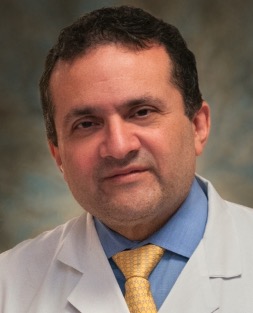 Luis E. Fayad合作论文数Department of Lymphoma/Myeloma, Division of Cancer Medicine, The University of Texas MD Anderson Cancer Center68Raphael E Steiner合作论文数Department of Lymphoma and Myeloma, MD Anderson Cancer Center, Houston, TX63
 Penny Fang合作论文数59Yasuhiro Oki合作论文数57
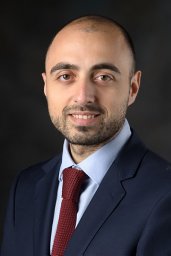 Strati Paolo合作论文数Department of Leukemia, The University of Texas MD Anderson Cancer Center56
 Ranjit Nair合作论文数Univ Texas MD Anderson Canc Ctr, Dept Lymphoma Myeloma, Houston, TX 77030 USA51
 Nathan Fowler合作论文数BostonGene Corporation51
 Alma Rodriguez合作论文数49
 Luhua Wang(Michael)合作论文数The University of Texas MD Anderson Cancer48
 Grace Li Smith合作论文数Division of Radiation Oncology, Department of GI Radiation Oncology, MD Anderson Cancer Center, The University of Texas45
 L. Jeffrey Medeiros合作论文数Department of Hematopathology, Division of Pathology/Lab Medicine, The University of Texas MD Anderson Cancer Center43
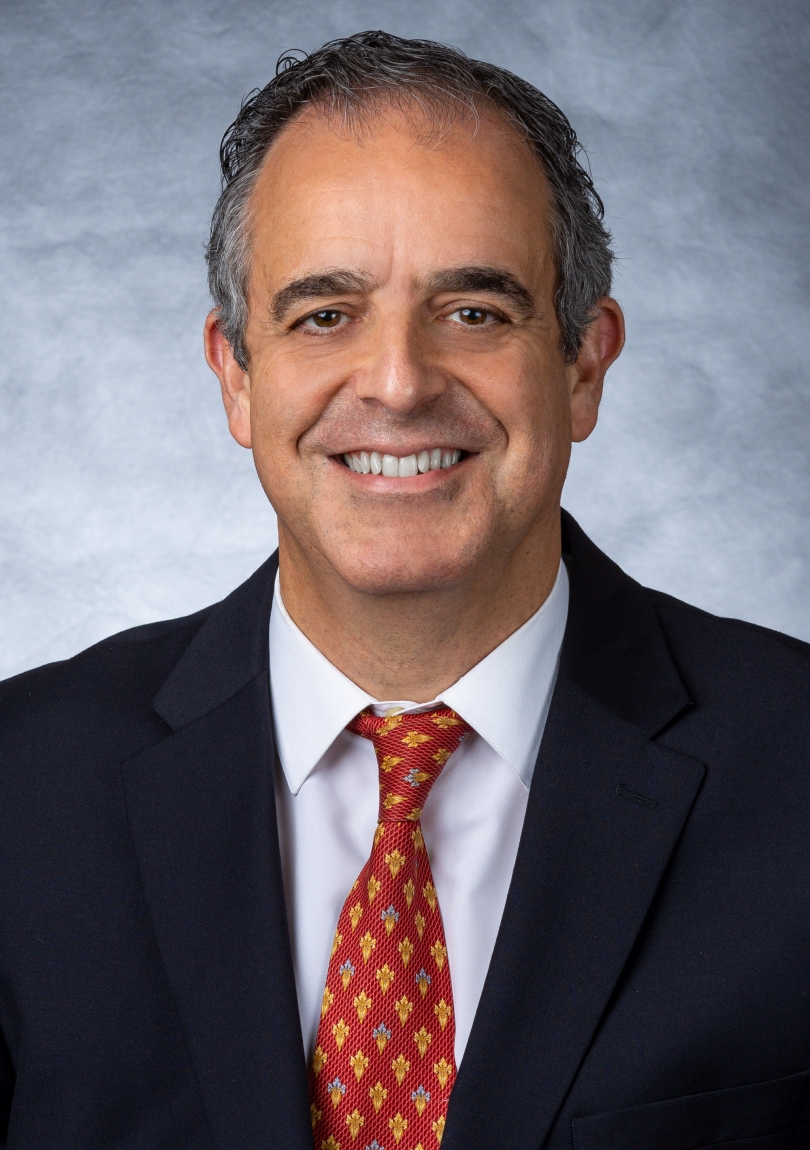 Yago L. Nieto合作论文数Department of Stem Cell Transplantation and Cellular Therapy, Division of Cancer Medicine, The University of Texas MD Anderson Cancer Center43
 Felipe Samaniego合作论文数37Michelle A. Fanale合作论文数36
 Swaminathan P. Iyer合作论文数Department of Lymphoma - Myeloma, Division of Cancer Medicine, The University of Texas MD Anderson Cancer Center35
 Lei Feng合作论文数Department of Biostatistics, The University of Texas M.D. Anderson Cancer Center30Lee Hun J合作论文数28
 Chitra Hosing合作论文数Department of Stem Cell Transplantation and Cellular Therapy, Division of Cancer Medicine, The University of Texas MD Anderson Cancer Center28
 Christopher R Flowers合作论文数Department of Lymphoma - Myeloma, Division of Cancer Medicine, fUniversity of Texas MD Anderson Cancer Center28
 Susan Wu合作论文数27
 Elizabeth J. Shpall合作论文数Department of Stem Cell Transplantation and Cellular Therapy, Division of Cancer Medicine, The University of Texas MD Anderson Cancer Center26T.Y. Andraos合作论文数24Pamela K. Allen合作论文数Division of Radiation Oncology, University of Texas MD Anderson Cancer Center24
 Fredrick B. Hagemeister合作论文数Department of Lymphoma - Myeloma, Division of Cancer Medicine, The University of Texas MD Anderson Cancer Center23
 Jain Preetesh合作论文数Dept Leukemia, Univ Texas MD Anderson Canc Ctr22Akhtari Mani合作论文数Department of Radiation Oncology, The University of Texas MD Anderson Cancer Center22Kebriaei Partow合作论文数21Reddy Jay P合作论文数Department of Molecular &Cellular Biology, Baylor College of Medicine;Department of Molecular & Cellular Biology, Baylor College of Medicine21M. Fanale合作论文数19
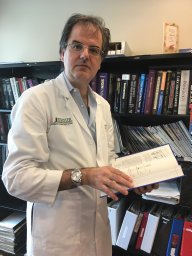 Francisco Vega合作论文数Houston Medical School, University of Texas19Parmar Simrit合作论文数18Dong Wenli合作论文数18
 Dai Chihara合作论文数Department of Hematology and Cell Therapy, Aichi Cancer Center Hospital18Naveen Garg合作论文数17Osborne Eleanor M合作论文数17Chuang H H合作论文数17Samer Srour合作论文数16John Plastaras合作论文数Department of Radiation Oncology, Perelman School of Medicine, University of Pennsylvania16Thomas Sheeba K合作论文数16
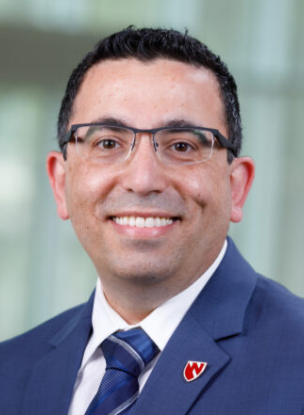 Joseph D. Khoury合作论文数Department of Pathology, Microbiology and Immunology, College of Medicine, University of Nebraska Medical Center16
 Francesco Turturro合作论文数VAMC, University of Kentucky Medical Center16
 Robert Z. Orlowski合作论文数Department of Lymphoma - Myeloma, Division of Cancer Medicine, The University of Texas MD Anderson Cancer Center;Department of Experimental Therapeutics, Division of Cancer Medicine, The University of Texas MD Anderson Cancer Center16




