e19111 Background: Lymphoma is a rare, heterogeneous malignancy that often presents with symptoms resembling benign, autoimmune, or other malignant conditions. At large academic centers, rapid clinical assessment is essential to improve outcomes, yet a “biopsy first” approach can delay diagnosis, heighten anxiety, and fragment care. To address this gap, we launched an Advanced Practice Provider (APP) intake clinic for patients with Suspicion of Lymphoma (SoL) to expedite workup and triage before physician evaluation. Methods: The SoL APP intake clinic launched on 10/21/24, with twice weekly sessions to prepare patients for a full diagnostic workup. Eligible patients had “Green” insurance and resided in licensed states (TX, OK, LA, FL). The APP led evaluation included labs, CT or PET imaging, and ordering core needle and/or bone marrow biopsies. Patients with benign findings but ongoing clinical concern remained under surveillance, including those with small volume, non biopsiable adenopathy or atypical lymphocytes. Confirmed lymphoma cases were classified as aggressive or indolent, and timelines to diagnosis, first physician visit, and treatment initiation were recorded. Aggressive lymphomas included Hodgkin, diffuse large B cell, mantle cell, and T cell lymphomas; indolent lymphomas included nodular lymphocyte predominate Hodgkin, marginal zone, mucosa-associated lymphoid tissue, and follicular lymphomas. Results: Between 10/21/24–1/14/26, 99 patients were evaluated (age 18–98, mean 58; 48 female, 51 male). 40 patients (40.4%) were diagnosed with lymphoma (20 aggressive, 20 indolent). One aggressive case had a prolonged 74 day diagnostic interval due to patient driven delays. Among the remaining 19 aggressive cases, median time to imaging was 1.5 days (range 1–10), to diagnosis 7 days (2–18), to physician visit 10 days (3–35), and to treatment start 19 days (5–49). For the 20 indolent cases, median time to imaging was 4 days (1–28), to diagnosis 9 days (1–25), and to physician visit 17 days (3–29). 15 indolent cases required treatment, with a median time to treatment initiation of 36 days (14–66). Conclusions: This pilot analysis shows that an APP led SoL intake clinic is feasible and accelerates lymphoma workup and treatment initiation. The model achieved shorter diagnostic timelines compared with historical physician led pathways and efficiently redirected physician resources toward confirmed malignancies while maintaining surveillance for high suspicion benign cases. Future initiatives targeting broader community engagement and clearer insurance pathways are expected to strengthen patient access and program reach. SoL Clinic Diagnosis # patients (n=99) % of total patient evaluated Lymphoma 40 40.4% Benign with high suspicion and long term follow up 24 24.2% Benign with low suspicion of lymphoma 13 13.1% Other Hematologic malignancy/disorder 11 11.1% Solid tumor 7 7.1% Sarcoidosis 4 4.0%
This cohort study evaluates whether adult survivors of Hodgkin lymphoma have excess mortality compared with the general population.
ABSTRACT:Follicular lymphoma (FL) has a clinical course that is often characterized by high response rates to first-line therapy, followed by multiple relapses over a prolonged natural history. Currently, there are multiple possible approaches to frontline therapy for untreated advanced-stage FL, but there is an ongoing debate around what is the preferred approach. Based on the benefits seen with combining lenalidomide, an immunomodulatory agent, with rituximab, an anti-CD20 antibody, we aimed to evaluate the safety and efficacy of lenalidomide in combination with obinuzutumab, an anti-CD20 antibody with enhanced antibody-dependent cellular cytotoxicity. The eligibility criteria included a diagnosis of FL, grade 1 to 3a, stage II to IV, Eastern Cooperative Oncology Group performance status ≤ 2, adequate organ function, and high tumor burden according to the Groupe d'Étude des Lymphomes Folliculaires criteria. Participants received 6 cycles of induction with the combination, followed by 24 cycles of maintenance. Among 90 patients, the primary end point, 2-year progression-free survival (PFS), was 93.3% (95% confidence interval [CI], 88.2-98.6), and the median PFS was not reached with a median follow-up of 70.7 months. The complete response rate at 30 months was 89.7% (95% CI, 81.3-95.2). The most common adverse events (AEs) of any grade were diarrhea (61.1%), maculopapular rash (53.3%), and fatigue (52.2%). The most common AEs ≥ grade 3 were neutropenia (18.9%), maculopapular rash (11.1%), and pneumonia (6.7%). In this single-center trial, these findings indicate that, for patients with previously untreated, high tumor burden FL, obinutuzumab and lenalidomide led to robust and durable responses with a favorable 2-year PFS and manageable safety profile. This trial was registered at www.clinicaltrials.gov as #NCT02871219.
Treatment options are limited for both relapsed/refractory primary and secondary central nervous system (CNS) lymphoma and the prognosis remains poor. Prior studies have shown the activity of Bruton tyrosine kinase (BTK) inhibitors and programmed death-1 targeted therapies in CNS lymphoma and studies suggested potential synergy. Therefore, we conducted a phase 2 trial combining ibrutinib with nivolumab for patients with relapsed/refractory CNS lymphoma. Patients received ibrutinib 560mg oral daily with nivolumab 240mg IV every 14 days (28-days per cycle). Patients who were in partial or complete response after 6 cycles of treatment could continue therapy for up to 2 years unless progression or unacceptable toxicity. Eighteen patients were enrolled with the median age was 63 years (range 43-88). The median number of prior lines of therapy was 2 (range, 1-4), 55% had refractory disease, 17% had prior stem cell transplant, and 11% had prior CAR T-cell therapy. The best overall response rate was 78% and the best complete response rate was 50% (95% CI: 26-74%). The median PFS and OS was 6.5 months and 21.0 months, respectively and three patients continue to be in remission over two years. Treatment was generally well tolerated but two patients stopped treatment due to fatigue. Ibrutinib and nivolumab resulted in reasonable safety and clinical activity in patients with refractory/relapsed CNS lymphoma and warrants further investigation. NCT03770416
323 Background: Advance care planning (ACP) enhances patient autonomy by creating a written record of their preferences for future medical care. Despite inclusion of ACP in cancer care guidelines, ACP documentation rates in oncology remain low. Patients who receive chimeric antigen receptor T-cell therapy (CAR T) for non-Hodgkin lymphoma (NHL) and multiple myeloma (MM) are often heavily pre-treated and at risk of potentially serious adverse events. As a result, our departmental policy has recommended ACP documentation prior to CAR T since 2022. The outpatient setting is the ideal setting for ACP as it involves the primary stakeholders of the patient-doctor relationship and allows for multiple opportunities to address goals of care. We therefore sought to evaluate existing outpatient ACP documentation rates and implement a pilot strategy to increase outpatient ACP documentation rates prior to CAR T at our center. Methods: Patients treated with commercial CAR T for NHL/MM between Oct 1, 2023-Dec 31, 2023 (pre-intervention, retrospective) and between Feb 5, 2024-Apr 5, 2024 (post-intervention, prospective) at The University of Texas MD Anderson Cancer Center were identified. An ACP reminder sent via email by the CAR T coordinator to the outpatient oncology team prior to CAR T was implemented. The proportion of patients with ACP documentation generated using our center’s Epic SmartBlock within 30 days prior to CAR T was measured. This project was approved by the Quality Improvement Assessment Board (QIAB# 1177). Results: A total of 55 consecutive patients were identified (Table). Of the 34 treated pre-intervention, 17 (50%) had ACP documentation prior to CAR T. Of the 21 treated post-intervention, 18 (86%) had ACP documentation prior to CAR T. ACP documentation rates were generally comparable across disease type. ACP documentation rates progressively increased over the study period, peaking at 91% four weeks post-intervention, and were sustained. These metrics surpassed our predetermined pilot goal rate of 60%. Conclusions: Incorporating an ACP documentation reminder within our commercial CAR T coordination workflow led to a significant improvement in outpatient ACP documentation rates prior to CAR T for NHL/MM. An expansion study in patients treated with bispecific T-cell engagers is planned, with broader rollout within our entire hematologic malignancy group in the future. Additional data will be collected to evaluate the relationship between ACP documentation rates and immune effector cell therapy-related outcomes/resource utilization. Input from key stakeholders to identify additional barriers to ACP is also planned. Patient characteristics. Pre-interventionn=34 Post-interventionn=21 Median age (years, range) 63 (35-87) 67 (48-83) Male gender (%) 27 (79) 14 (67) NHL (%) 20 (59) 18 (86) MM (%) 14 (41) 3 (14) ACP documentation (%) 17 (50) 18 (86)
Background: Chimeric antigen receptor T-cell (CAR-T) therapy targeting CD19 offers curative potential for relapsed or refractory large B-cell lymphoma (LBCL), but recurrence occurs in >50% of patients. CAR-T is also associated with serious toxicities including cytokine release syndrome (CRS) and immune effector cell-associated neurotoxicity syndrome (ICANS). There have been discordant results across few earlier studies as to whether CAR-T expansion, as determined by longitudinal quantification of blood CAR-T levels, is a predictive biomarker for response to therapy and for therapy-associated complications (reviewed in Lionel & Neelapu, Blood Advances 2024). Differing results from these studies could be due to variation across CAR-T quantification assays and measurement time points as well as the combined use of different CAR-T products and lymphoma histologies in analyses. We analyzed a uniform cohort of LBCL patients treated with a single CAR-T product using a CLIA-validated flow cytometry assay at precise time points to establish the prognostic utility of CAR-T expansion and investigate the impact of different pre-treatment factors on CAR-T expansion kinetics. Methods: The study included all patients who received standard-of-care axicabtagene ciloleucel (axi-cel) for LBCL at our institution starting in October 2022, when the flow cytometry assay was introduced, until January 2024, when pre-determined target of 100 patients was reached (54% second-line CAR-T vs. 46% later-line). Blood samples were obtained on alternate days from patients starting on day +1 after CAR-T infusion and continued for about two weeks. Subsequent measurements were performed weekly during the first month post-infusion. Blood CAR-T quantification was performed by a flow cytometry-based assay which was validated as per CLIA standards and utilized antibody targeting CD19-specific monoclonal antibody FMC63. CART cells were reported as absolute count using a dual platform (WBC by hematology counter). The primary response endpoint was disease status on PET/CT scan at 90 days after infusion. CRS and ICANS were graded as per the ASTCT system. Results: CAR-T expansion data was available from 100 patients with a median number of 9 measurements per patient (Q1-Q3 range 7-10). In the 81 patients who had data available from day+90 PET/CT scans, CAR-T levels were found to be significantly higher in the 58 responders (56 complete and 2 partial responses) compared to the 23 non-responders at days +5, +7 and +9 after infusion. Among these days, day+7 CAR-T levels had the most significant difference (p<0.001) and highest area under the curve. Receiver operating characteristic (ROC) analysis found day+7 CAR-T level of 30 cells/mL to be differentiating responders from non-responders (specificity 75%, sensitivity 77.8%). The day+7 CAR-T level continued to be significantly associated with response in a multivariate analysis incorporating other parameters at time of conditioning therapy including disease stage, LDH, IPI risk score and refractoriness to prior treatment. The day+7 CAR-T level was also significantly higher in patients with grade ≥3 ICANS (p<0.001) and correlated with increased use of systemic steroids for ICANS treatment (p<0.01) and need for critical care (p<0.01). By ROC analysis, day+7 CAR-T level of >134 cells/mL was associated with severe ICANS (specificity 81.7%, sensitivity 66.7%); day+7 level continued to be significantly associated with severe ICANS in a multivariate analysis. The association between grade ≥3 CRS and day+7 levels did not reach statistical significance. Several pre-treatment parameters were associated with higher day+7 CAR-T levels including fewer prior lines of therapy (second-line vs. later-line), absence of prior bendamustine exposure and the use of post-apheresis bridging therapy. Conclusions: Our findings provide evidence for the prognostic utility of peripheral blood CAR-T levels measured by a CLIA-validated assay as an early biomarker to predict response to treatment and risk for severe ICANS after axi-cel therapy in patients with LBCL. This has implications for the future clinical use of real-time CAR-T kinetics using a flow cytometry-based assay that could be implemented at most centers to help identify patients who are likely to need additional intervention to improve efficacy of CAR-T therapy and optimization of management strategies for severe ICANS.
7536 Background: Chimeric antigen receptor T-cell therapy (CART) is approved for treatment of relapsed and refractory large B cell lymphoma (r/r LBCL), however eligibility for patients (pts) treated on clinical trials included normal kidney function (NKF). There is a gap in knowledge regarding the safety and efficacy of CART in pts with reduced kidney function (RKF), despite the prevalence of chronic kidney disease in lymphoma pts. Methods: This is a single-center retrospective analysis of adult pts with r/r LBCL who received CART between 2017-2021. RKF was defined as estimated glomerular filtration rate (GFR) of < 60 ml/min and NKF defined as GFR ≥ 60 ml/min, at time of lymphodepletion chemotherapy (LDC). Increased length of ICU stay define as > 3 days. Kaplan-Meier method used to estimate the time-to-event endpoints including progression free survival (PFS), and overall survival (OS). Results: We identified 210 pts who received CART, of those 169 (80.5%) had NKF and 41(19.5%) had RKF (15-59 ml/min, 27% < 45). Median age of pts was 60 and 63% of RKF pts were older than 60 vs 45% in NKF group (p = 0.03). Median Hematopoietic cell transplantation-specific comorbidity index (HCT-CI) score of pts with RKF was higher than NKF (3 vs. 1, P = 0.004). Pts with RKF had significantly longer ICU length of stay (29.3% vs. 13.6%; p = 0.01). There was no difference in grade 3 hematological toxicity (82.9% vs. 84.5%, p = 0.80) or infection within 30 days of CART (51.2% vs. 37.9%, p = 0.11) between RKF and NKF pts, respectively. CART specific toxicity including grade and frequency of cytokine release syndrome and neurotoxicity was also not related to renal function. After a median follow-up of 22.9 months (95% CI: 21.1-25.6 months), there was no significant difference in PFS and OS when comparing pts with RKF vs. NKF; PFS at 1 year of 31% (19-50%) vs. 33% (26-41%), p = 0.97, and OS at 1 year was 47% (34-67%) vs. 44% (37-57%), p = 0.45, and respectively. However, pts with RKF had a significant increase in non-relapse mortality (NRM) at 3 months (19.5% vs. 8.3%, p = 0.03), and at 6 months (22% vs. 9.5%, p = 0.02), respectively. Conclusions: In this retrospective single center study we observed reassuring durable remission rates in pts with r/r LBCL and RKF who received CART, without significantly different PFS or OS. Interestingly our analysis found that increased ICU length of stay and higher rates of NRM early after CART were associated with RKF. While our data shows RKF does not preclude pts from receiving CART for r/r LBCL, it does suggest that patients with RKF may need closer monitoring and multidisciplinary management.
Importance:Radiation therapy to doses of 24 to 36 Gy is currently used to treat indolent B-cell lymphoma of the ocular adnexa; however, ocular adverse effects are common. Objective:To determine if a response-adapted radiation therapy strategy will result in excellent disease outcomes while reducing orbital morbidity. Design, Setting, and Participants:This single-institution, phase 2 prospective nonrandomized controlled trial of a response-adapted strategy involved 50 evaluable patients with stage I to IV indolent B-cell lymphoma of the ocular adnexa enrolled between July 2015 and January 2021. This treatment approach was also retrospectively evaluated with a separate 55-patient cohort treated between March 2013 and October 2021. All data were analyzed between November 2021 and December 2023. Interventions:Patients were treated with ultralow-dose radiation therapy to 4 Gy in 2 fractions and assessed for response at 3-month intervals. Patients with persistent orbital lymphoma were offered an additional 20 Gy in 10 fractions to complete the response-adapted treatment. Main Outcome and Measures:The primary end point was 2-year local orbital control within the irradiated field after response-adapted therapy. Secondary end points included overall survival and complete response rate. Results:The 50 prospective patients were a median (range) of 63 (29-88) years old, and 31 (62%) were female. Among the 50 patients, 32 (64%) had mucosa-associated lymphoid tissue lymphoma, 12 (24%) had follicular lymphoma, and 6 (12%) had unclassifiable low-grade B-cell lymphoma. Thirty-one patients (62%) had stage I disease, and 36 (72%) were newly diagnosed. At a median follow-up of 37.4 (95% CI, 33.7-52.5) months, the 2-year local control rate was 89.4% (95% CI, 81.0%-98.7%), and the 2-year overall survival rate was 98.0% (95% CI, 94.1%-100%); 45 patients (90.0%; 95% CI, 78.2%-96.7%) experienced a complete response to response-adapted radiation, including 44 patients with a complete response to ultralow-dose radiation and 1 patient with a complete response after an additional 20 Gy. No local recurrences were observed among patients with a complete response to response-adapted therapy. No grade 3 or higher toxic effects were observed. In a planned subset analysis of 22 patients with newly diagnosed, untreated stage I mucosa-associated lymphoid tissue lymphoma, the 2-year local control rate was 90.7% (95% CI, 79.2%-100%), and the 2-year freedom from distant relapse rate was 95.2% (95% CI, 86.6%-100%). Conclusion and Relevance:In this nonrandomized controlled trial, response-adapted ultralow-dose therapy for indolent orbital B-cell lymphoma resulted in reduced radiation exposure, negligible toxic effects, and excellent disease outcomes. Trial Registration:ClinicalTrials.gov Identifier: NCT02494700.
BACKGROUND:Given the favourable prognosis of patients with gastric mucosa-associated lymphoid tissue (MALT) lymphoma, treatment-related toxicity should be minimised. We aimed to evaluate the efficacy of 4 Gy radiotherapy given in a response-adapted approach. METHODS:We conducted a single-centre, single-arm, prospective trial at MD Anderson Cancer Center (Houston, TX, USA) of response-adapted ultra-low-dose radiotherapy. Eligible patients were 18 years or older and had newly diagnosed or relapsed Helicobacter pylori-negative gastric MALT lymphoma, with stage I-IV disease. Given the expected low toxicity profile of treatment, performance status was not an exclusion criterion. Patients received external beam photon-based radiotherapy for a total dose of 4 Gy in two fractions. Patients with a complete response to 4 Gy via endoscopy and imaging at 3-4 months were observed; patients with a partial response were re-evaluated in 6-9 months. Residual disease at 9-13 months or stable or progressive disease at any time required additional treatment with 20 Gy. The primary endpoint was gastric complete response at 1 year (second evaluation timepoint) after 4 Gy treatment. All analyses were performed as intention to treat. This trial is registered at ClinicalTrials.gov (NCT03680586) and is complete and closed to enrolment. FINDINGS:Between March 27, 2019, and Oct 12, 2021, we enrolled 24 eligible patients. The median age of participants was 67 years (IQR 58-74; range 40-85); 15 (63%) were female and nine (37%) male; 18 (75%) were White, four (17%) Asian, and two (8%) Hispanic; 20 (83%) had stage I disease, one (4%) stage II, and three (13%) stage IV. Median follow-up time was 36 months (IQR 26-42). 20 patients (83%) had a complete response to 4 Gy (16 at 3-4 months, four at 9-13 months); two patients received 20 Gy for symptomatic stable disease at 3-4 months and two for residual disease at 9-13 months; all had a complete response. The 3-year local control rate was 96% (95% CI 88-100), with one local relapse at 14 months after 4 Gy radiotherapy salvaged successfully with 20 Gy. One patient with stage IV disease had a distant relapse. The most common adverse events were grade 1 nausea (nine [38%] of 24 patients who received 4 Gy and two [50%] of four patients who received 20 Gy) and grade 1 abdominal pain (five [21%] of 24 and zero of four, respectively). No grade 3 or worse adverse events were noted, including no treatment-related deaths. INTERPRETATION:Most patients had a complete response after 4 Gy radiotherapy; all who required an additional 20 Gy had a complete response within 12 months. This response-adapted strategy could be used to select patients who would benefit from additional radiotherapy and spare others potential associated toxicity. FUNDING:National Cancer Institute.
Introduction. Chemoimmunotherapy (CIT) with bendamustine and rituximab (BR) or rituximab, cyclophosphamide, doxorubicin, vincristine, and prednisone (RCHOP) represent the standard frontline treatment for patients with advanced and high tumor burden follicular lymphoma (FL). The combination of lenalidomide and rituximab (R2) has shown similar efficacy to frontline CIT. While clinical prognostic scores such as FLIPI, FLIPI-2 and PRIMA-PI have been developed in CIT-treated patients, predictive biological tools for frontline treatment selection are currently lacking for FL. Lymphoma molecular subtyping, identified through transcriptomic characterization of the lymphoma microenvironment (LME), and precise reconstruction of its composition, through deconvolution, have been shown to predict outcomes in patients with large B-cell lymphoma (Kotlov et al., Cancer Discov, 2021). It remains unclear, however, whether molecular immune signatures could also be utilized for treatment selection in FL patients. Methods. Pre-treatment tissue biopsies were collected from patients with advanced and high tumor burden FL treated with frontline BR, RCHOP, or R2 and with available follow-up clinical data. Baseline clinical and laboratory characteristics were retrospectively used to calculate FLIPI, FLIPI-,2 and PRIMA-PI scores. Response and survival were assessed according to 2014 Lugano criteria. Bulk RNA sequencing was generated for LME subtyping, cell deconvolution using the Kassandra algorithm (Zaitsev et al., Cancer Cell, 2022), B-cell associated gene signatures (BAGS) analysis, and B-cell receptor (BCR) repertoire analysis. Mann-Whitney test was used for comparing continuous variables between patient groups. The log rank test was used to assess the difference in progression-free survival between patient groups. Results. The analysis included 35 patients: 12 treated with frontline BR, 12 with frontline RCHOP, and 11 with frontline R2. Twenty-three (66%) had high FLIPI scores, 14 (40%) had high FLIPI-2 scores, and 7 (20%) had high PRIMA-PI scores. Patients with high FLIPI score (3‒5) displayed a significant decrease in BCR diversity as compared to those with low-intermediate FLIPI score (0‒2), shown by smaller Shannon and higher Simpson indexes. In addition, patients with higher FLIPI scores (evaluated as a continuous variable) tended to have higher T-regulatory (T-reg) and T-reg traffic signature scores. No significant associations were observed between LME subtypes, BAGS, cell deconvolution, or BCR repertoire and FLIPI-2 or PRIMA-PI scores. Median follow-up for the whole cohort was 122 months (95% confidence interval [CI], 107-146 months) and median progression-free survival (PFS) was 143 months (95% CI, 98.6-NA months). No significant difference in median PFS was observed when comparing CIT-treated patients (BR or RCHOP) to R2-treated patients (p=0.27). However, when analyzing PFS within the 4 BAGS subgroups [light-zone like (n=7), dark zone-like (n=10), normal-like (n=13), and plasma cell-like(n=5)], patients with normal-like BAGS experienced a significantly longer median PFS when treated with BR (not reached [NR]) compared to RCHOP (143 months) or R2 (31 months)(p=0.05), and PFS with CIT compared to R2 (NR vs 31 months, p=0.03). In addition, analysis of T-cell signature, including CD3D, CD3G, TRBC1, TRAT1, TRAC, CD3E, CD28, TRBC2, ITK, and TBX21, categorized as high or low based on the cohort median, revealed patients receiving frontline R2 with high T-cell signature scores to experience significantly longer median PFS compared to those with low T-cell signature scores (NR vs 21 months, p=0.04). No association between treatment modality and PFS based on TME subtypes was observed. Discussion. While FLIPI scores are associated with the molecular features of FL, including BCR diversity and T-reg signatures, clinical prognostic scores have a limited impact in biological signatures. Our findings suggest that longer PFS could be achieved by using CIT to treat patients with normal-like BAGS and R2 to treat those with high T-cell signature scores. Pending validation with large datasets and clinical trials, these findings suggest that pre-treatment molecular immune signatures may facilitate frontline treatment selection in FL.
Background: T- Cell Lymphoma (TCL) is a rare malignancy that may present with a hyperinflammatory state that resembles hemophagocytic lymphohistiocytosis (HLH), a disease characterized by hyperactive macrophages and T-cells. Patients (Pts) with TCL are known to develop lymphoma-associated HLH (LA-HLH), making distinguishing the two challenging. Pts with LA-HLH also tend to have worse prognoses, making identification crucial. While both diseases are characterized by hyperinflammation, differences between cytokines and other laboratory data may exist. Differences may be implemented into scoring systems, such as the endothelial activation and stress index (EASIX) or the optimized HLH inflammatory (OHI) index to further distinguish the two groups. Methodology: This single-center retrospective study included pts with TCL or LA-HLH treated at MD Anderson Cancer Center. Cytokine data was collected at various time points throughout treatment. Patients in the TCL cohort did not develop LA-HLH at any point; patients with LA-HLH had cytokine data collected following their diagnosis of LA-HLH. Analyses for these laboratory values of interest along with EASIX and OHI scoring systems were conducted. The EASIX score was calculated by (LDH × creatinine/thrombocytes), and patients were determined to be OHI positive if they had CD25 >3900 U/mL and ferritin >1000 ng/mL. Kaplan-Meier curves were used to compare median survival times between the patient cohorts with a significance threshold p-value of 0.05. Results: We evaluated61 pts with TCL and 103 pts with LA-HLH. Pts with TCL were predominantly white (74%) and male (66%); pts with LA-HLH were also predominantly white (66%) and male (55%). At the time of diagnosis, 29% of pts with TCL had marrow involvement and 61% had extranodal disease; of the pts with HLH, 33% had marrow involvement and 73% had extranodal disease. Forty nine percent of pts with LA-HLH had the T-Cell Subtype. Of these pts, 29% were classified as PTCL, 16% were MF or Cutaneous, 14% were anaplastic large cell lymphoma (ALCL), 14% were cytotoxic NK/TCL (NKTCL), and 8% were AITL. Of pts with TCL 36% were classified as PTCL, 21% had AITL, 11% had MF or cutaneous, 8% had ALCL, and 5% had NKTCL. Pts with LA-HLH, when compared to TCL, had lower WBC, lower ANC, lower ALC, higher ALT, lower Hb, and lower PLT (P <0.005). Pts with LA-HLH, when compared to TCL had higher LDH, and Beta-2 Microglobulin, and Ferritin (P = 0.000). Cytokine values for Pts with LA-HLH demonstrated significantly elevated IL-10 (P <0.002), IL2R CD25 (P =0.000), IL-13 (P <0.049), Interferon-Y (P < 0.028), Tumor Necrosis Factor (P = 0.005) and IL-6 (P = 0.005) when compared to TCL. Principle component analysis demonstrated distinct clustering in Pts with TCL when compared to LA-HLH despite an overlap. Correlation Scatter plots in Pts with TCL correlate IL6 and IL2 Soluble Receptor, IL-6 and IL-10, and IL6 and Tumor Necrosis Factor, whereas Pts with LA-HLH correlate TNF and IL-10. Aggregated heatmap showed prominently elevated IL2 in both LA-HLH and TCL, with IL2 soluble receptor much higher in LA-HLH than in TCL. Pts with HLH also demonstrated prominently elevated LDH and decreased platelet; whereas Pts with TCL had normal LDH and normal/increased platelets. Pts with LA-HLH had elevated EASIX scores when compared to Pts with TCL (P = 0.001); Pts with LA-HLH had a greater proportion of Pts with OHI + (P = 0.000). Pts with positive OHI status also had higher quartiles of EASIX scores. Pts with LA-HLH had worse median survival when compared to TCL (5.98 months vs. 149.93, P< 0.000). Pts with TCL LA-HLH had lower median survival compared to TCL (4.27 months vs. 149.93, P < 0.000). 60-day mortality was significantly higher in pts with T-Cell LA-HLH when compared to TCL (31.31% vs. 1.85%, P =0.00) Conclusions: LA-HLH and T-Cell LA-HLH harbor worse outcomes when compared to TCL. Significant cytokine differences exist between LA-HLH and TCL, which may help distinguish the two. Furthermore, scoring differences, such as OHI and EASIX, are pertinent and should be considered when managing these pts. Additional analyses, including treatment-related outcomes, are ongoing and will be presented at ASH 2024.
Background. We previously reported pro-tumoral macrophages may be associated with resistance to lenalidomide and rituximab (R 2) treatment in follicular lymphoma (FL) ( Marques-Piubelli, Blood Adv 2022). As pre-clinical studies suggest that BTK inhibition can mitigate the crosstalk between monocyte/macrophages and FL B cells, we hypothesized that acalabrutinib, a specific BTK inhibitor, may synergize with R 2 without increasing toxicity. In agreement with this, the combination of acalabrutinib and R 2 (aR 2) was shown to be safe and effective in patients with relapsed FL ( Strati P et al, ASH 2022). Here, we investigated the safety and efficacy of aR 2 in previously untreated FL patients and analyzed the biological effects of this combination on peripheral blood immune cells. Methods. This phase 2 single arm study (NCT04404088) was conducted between 09/2020 and 09/2021 (data cutoff 06/2023). Adult patients with previously untreated FL, grades 1 to 3A, stage 3-4, and meeting indication for treatment per GELF criteria were included. Treatment consisted of acalabrutinib lead-in at 100 mg PO twice a day for one 28-day cycle and continued for total of 13 cycles, lenalidomide 20 mg PO daily on days 1-21, during cycle 2-13, and rituximab 375 mg/m 2 IV weekly during cycle 2, and on day 1 of cycle 3-13. The primary endpoint was best complete response (CR) rate per Lugano 2014 criteria. Bulk RNA sequencing with deconvolution to characterize circulating immune cells was performed on peripheral blood collected at baseline, and on day 1 of cycles 2 and 6. Results. We enrolled and treated 24 patients. Baseline characteristics are shown in the Table. Median number of cycles was 13 (range, 6-13) and 15 (62.5%) patients experienced a cycle delay, due to COVID19 in 11 (46%) cases; 6 (25%) patients required dose reduction of lenalidomide, but none discontinued, and 2 (8%) required dose reduction of acalabrutinib and 1 discontinued. The most common (>5% of patients) grade 3-4 adverse events were neutropenia (58%), liver function test elevation (17%), infection (12.5%; 2 out of 3 related to COVID19), anemia (8%) and skin rash (8%). Best ORR was 100%, best CR rate was 92%, and median time to CR was 3 months ( Figure). After a median follow-up of 26.8 months (95% CI 24.6-29.6 months), 6 (25%) patients had disease progression, including 2 who transformed at 5 and 7 months. The 2-year PFS rate was 79.2% (95% CI, 64.5-97.2%). At data cutoff, 2 patients have died, 1 due to COVID19 (while in CR, at 14 months) and 1 due to transformed lymphoma (at 10 months). The 2-year OS rate was 91.7% (95% CI, 81.3-100%). While the frequency of circulating immune cells were unchanged after single agent acalabrutinib, its use associated with a significant decrease in the expression of VMO1 (FDR 0.001), a gene encoding for a protein expressed on extra-cellular exosomes derived from non-classical monocytes, and a significant increase in gene signatures of monocyte proliferation (p=0.01), TNF response (p=0.01), anti-viral (p=0.006) and anti-tumoral activity (p=0.009), consistent with the expected effect of BTK inhibition in monocytes. After 5 cycles of aR 2, we observed a decrease in the frequency of circulating B cells (p=0.003) and regulatory NK cells (p=0.01), and an increase in the frequency of circulating naive T cells (p=0.004), CD4+ T cells (p=0.005) and classical monocytes (p=0.003). Conclusion. Our results indicate that the addition of acalabrutinib to R 2 is a safe and effective frontline non-chemotherapy regimen for FL patients, resulting in high CR rates, and induces favorable biological changes in multiple circulating immune cells. Since CRs occurred early, the study has been amended to include 26 additional patients who will be treated with only 6 cycles of aR2.
e24194 Background: As of January 2019, there were over 1.1 million cancer survivors residing in Texas. It is well documented that primary care providers (PCPs) currently care for a large number of cancer survivors but may not receive adequate training to offer comprehensive survivorship care. Through training and education, this project aims to increase the confidence and self-efficacy of PCPs providing care to survivors and to improve overall health outcomes based on comprehensive domains of care. Methods: Focus groups and surveys were conducted with PCPs in a community-based family practice to identify potential knowledge gaps and confidence related to survivorship care. We developed and distributed a video-based training curriculum consisting of four domains of survivorship care and the management of four common cancers. We used the Survey of Physician Attitudes Regarding the Care of Cancer Survivors (SPARCCS) to conduct pre- and post-training evaluation. Results: Seventeen (100%) providers completed the pre- and post-training SPARCCS. The survey results showed that 94% of the PCPs have previously provided care for patients diagnosed with cancers. However, prior to training only 6-18% felt very confident in their knowledge of cancer-related follow-up care for breast, colorectal, lung, and prostate cancer survivors and 24-41% felt not at all confident. All participants completed 8 video-based education modules (approximately 6 hours of education). Post-training results indicated 18-29% of providers felt very confident in the domains in questions and only 12% lacked confidence related to the management of long-term and late physical adverse effects (Table 1). Conclusions: Video-based educational training can improve the confidence and self-efficacy of PCPs in the care and management of cancer survivors. Continued evaluations are planned to assess the sustainability of this demonstrated improvement over time. [Table: see text]
Background: Despite recent advances, first-line (1L) chemoimmunotherapy (CIT) for patients with newly diagnosed diffuse large B-cell lymphoma (DLBCL) is largely unchanged for decades.In the Smart Start trial, we established the feasibility of targeted chemotherapy-free 1L therapy with rituximab (R), lenalidomide (L), and ibrutinib, prior to chemotherapy in patients with newly diagnosed DLBCL with an overall response rate (ORR) and complete response rate (CRR) of 86% and 36%, respectively, prior to chemotherapy, and a 2 year progression free survival rate of 91.3% following 6 cycles of standard CIT (Westin et al, JCO 2023, PMID: 35952327). One patient withdrew from the study after achieving CR and prior to receiving CIT and remains in remission without further therapy at >4 years. BTK inhibitors like acalabrutinib (A) and the immunomodulatory agent L result in synthetic lethality in non-GCB DLBCL models. Both the CD20 antibody R and CD19 antibody tafasitamab (T) demonstrate clinical activity when combined with L in patients with DLBCL. L, T, R, and A are immunomodulatory, driving an anti-tumor immune response. Based upon these data, we are conducting the Smart Stop trial (NCT04978584) to evaluate if the number of CIT cycles can be reduced or omitted after response to targeted therapy, and now report the preplanned interim results from cohort 1. Methods: Eligibility criteria include patients who are 18y+ with previously untreated DLBCL (initially the Hans algorithm was used to select non-GCB DLBCL, but this criteria was removed this criteria) with adequate organ and bone marrow function. Patients with known CNS involvement of lymphoma, recent thrombosis, or inability to tolerate prophylactic anticoagulation are ineligible. Patients receive lenalidomide 25mg on days (d) 1-10, tafasitamab 12mg/kg IV d1, 8, and 15, rituximab 375mg/m2 IV d1, and acalabrutinib 100mg PO twice/d in a 21 day cycle. All patients receive LTRA for 4 cycles, followed by PET/CT scan (CR defined as a 5PS of 1, 2, or 3). In cohort 1, patients receive an additional 6 cycles of LTRA combined with a response adapted number of cycles of CHOP therapy. After 4 cycles of LTRA, patients with CR receive 2 cycles of CHOP, and all other patients receive 6 cycles of CHOP. In the upcoming cohort 2, patients with CR after 4 cycles of LTRA are planned to receive no cycles of CHOP. The primary objectives are to determine the 1A: ORR after 4 cycles of uLTRA and 1B: CRR at of LTRA +/-CHOP at the end of therapy. Results: Cohort 1 enrolled 30 patients from May 2022 - July 2023, with all patients expected to be evaluable for 1A endpoint and 22 patients (73%) evaluable for endpoint 1B by the ASH meeting. The median age was 61 years (range: 32-85), 30% were >= 70 years, and 50% were female. 67% of patients have poor risk R-IPI, 77% had advanced stage, and 83% had an elevated LDH. 83% had the non-GCB subtype and 17% had the GCB subtype of DLBCL. After 4 cycles of LTRA, the ORR is 100% and the CRR is 64% (endpoint 1A, n = 14/22 evaluable at abstract submission, figure 1 schema and swimmer plot). After an additional 2 cycles of LTRA-CHOP, the ORR is 100% and the CRR is 95% (n = 18/19 evaluable at abstract submission). At end of all therapy, the CRR is 100% (endpoint 1B, n = 12 evaluable at abstract submission), including 7 patients who received LTRA for 10 cycles and CHOP for 2 cycles (early CR) and 5 patients who received LTRA for 10 cycles and CHOP for 6 cycles. To date, no patient has progressive lymphoma, including the first 6 patients who have 3 and 6 month follow up scans. 47% of patients experienced rash (13% grade 3), and 40% of patients required a dose reduction of lenalidomide. Conclusions: The Smart Stop trial demonstrates that combination of lenalidomide, tafasitamab, rituximab, and acalabrutinib is highly effective as an initial chemotherapy-free combination in patients with newly diagnosed DLBCL, and may allow for a response adapted reduction in chemotherapy. Response and time to event data will be updated for presentation at the meeting. We will soon open cohort 2 which will enroll an additional 30 patients where those with early CR after 4 cycles of LTRA will receive no cycles of CHOP.
BackgroundDiffuse large B-cell lymphoma (DLBCL) involving the gastrointestinal (GI) organs is rare, and real-world outcomes after combined modality therapy (CMT) with systemic therapy (ST) and radiotherapy (RT) are not well-characterized, particularly in the contemporary era. We characterized outcomes in a large cohort of GI-DLBCL patients treated with ST alone or CMT.MethodsPatients with GI-DLBCL treated at a single institution were retrospectively reviewed. Kaplan-Meier and Cox regression models estimated survival. Multivariable analyses were conducted using the Cox proportional hazards model.ResultsOf 204 patients, gastric involvement was most common (63%). Most presented with early-stage disease (61%). All patients received ST and 65 patients (32%) received RT, 88% as part of first-line CMT. Median dose was 36 Gy (IQR 30.6–39.6) in 18 fractions (IQR 17–22). Median follow-up was 46 months. Five-year overall survival (OS) and progression-free survival (PFS) was 88% and 84%, respectively; complete response (CR) rate was 82%. Improved OS associated with low IPI (p=0.001), fewer chemotherapy lines (p<0.001), early stage (p<0.006), and CR (p<0.001). Survival did not differ by RT receipt (p>0.25). Only early stage and CR correlated with improved OS on multivariable analysis. Stomach-directed RT vs. RT to other sites correlated with improved PFS and OS (p<0.04). Patients with early stage DLBCL treated with CMT in the post-rituximab era had equivalent OS vs. ST alone, even with fewer chemotherapy cycles (p<0.02; median of 4 with RT vs. 6 cycles without). Fifty patients had bulky disease (≥7.5 cm), of whom 18 (36%) had early stage disease. Among patients with bulky disease, 5 (10%) developed relapse at the initial site of disease bulk. Four of the 5 patients did not receive consolidative radiation. Among these 4 patients, 3 relapsed only in their initial site of bulky disease. Of 191 patients with luminal GI-DLBCL, n=4 (2.1%) developed perforation; only one received RT. Acute Grade 3 toxicities were reported in 41.2% of patients, and 12 (5.8%) patients had late Grade 3 toxicities, 99% attributed to chemotherapy.ConclusionGI-DLBCL patients have favorable outcomes after CMT with minimal late toxicity. CMT may be offered with abridged systemic regimens with equivalent outcomes. Stomach directed-RT may mitigate relapse risk associated with incomplete disease response or bulky disease.
Background: We implemented the integration of the MD Anderson Symptom Inventory (MDASI) survey into patient visits in our Survivorship Clinics to help manage long and late effects of cancer and its therapy. Patients are transitioned to Survivorship if they have completed treatment with curative intent, are in remission, and past the period of highest relapse risk, as determined by disease experts [average ~ 3 years past treatment]. Methods: The MD Anderson Symptom Inventory (MDASI) is a validated cancer specific symptom burden questionnaire. It was integrated into the electronic health record (EHR), and sent via the patient portal to patients 7 days prior to their clinic visit. High alerts (>= 7) were set for four key symptoms (pain, distress, sadness, and shortness of breath). Alerts triggered an automated message to the provider. From November 2019 to October 2022, 4322 patients completed PRO surveys. Results: Table 1 summarizes the frequency of moderate (4-6) and high (7-10) level responses. Categories with more than 5% of respondents endorsing a moderate symptom value are bolded with those more than 10% bold and italic. There is significant variation of severity for the four key symptoms amongst patients with different disease types. Lymphoma and thyroid cancer patients have higher symptom severity, while prostate cancer patients report relatively low symptom severity. Overall, for this cohort of responders, the totals of moderate and high levels symptoms are: distress =12.5 %; pain = 9.5 %; sadness = 8.7 %; and shortness of breath = 8 %. Conclusion: A subset of cancer survivors still experience moderate to high level symptoms, as measured by the MDASI survey, even years after treatment. There are notable differences across patient populations. Further study can identify at-risk patient groups who may require additional intervention. Table 1. Moderate and High Values for Four Symptoms from the Survivorship MDASIs Clinic Total PROs Distress Mod % Distress High % Pain Mod % Pain High % Sad Mod % Sad High % SOB Mod % SOB High % Breast 915 7.65% 1.97% 8.96% 2.95% 6.56% 1.09% 5.79% 1.64% H&N 618 5.99% 2.27% 6.63% 4.21% 4.53% 2.10% 4.69% 3.07% Lymph 112 16.96% 1.79% 9.82% 6.25% 8.93% 0.89% 10.71% 1.79% Prostate 496 3.43% 0.60% 1.81% 1.18% 2.02% 0.40% 2.62% 0.60% SCT 229 8.73% 1.31% 7.86% 5.68% 5.68% 1.31% 7.86% 1.31% Thoracic 103 2.91% 1.94% 9.71% 1.94% 3.88% 2.91% 12.62% 3.88% Thyroid 1849 12.93% 5.08% 6.00% 2.49% 8.82% 2.97% 6.54% 2.11% Grand Total 4322 9.37% 3.15% 6.52% 3.01% 6.66% 2.01% 5.99% 1.97% Citation Format: Katherine Gilmore, Patricia Chapman, Johnny Rollins, Soo-Hyun Lee-Kim, Justine Robinson, Ellen Mullen, Haleigh Mistry, Prachee Singh, Robin Coyne, Ana Nelson, William Osai, Karen Stolar, Susan Knippel, Danielle Fournier, Tamera Plair, Whittney Thoman, Angela Peek, Loretta Williams, Maria A. Rodriguez. The MD Anderson Symptom Inventory (MDASI) survey discloses persistent moderate to high-level symptoms in cancer survivors. [abstract]. In: Proceedings of the American Association for Cancer Research Annual Meeting 2023; Part 1 (Regular and Invited Abstracts); 2023 Apr 14-19; Orlando, FL. Philadelphia (PA): AACR; Cancer Res 2023;83(7_Suppl):Abstract nr 4367.
Axicabtagene ciloleucel (axi-cel), an autologous anti-CD19 chimeric antigen receptor (CAR) T-cell product approved for patients with relapsed and/or refractory large B-cell lymphoma (LBCL), results in cytokine release syndrome (CRS) in 90% to 95% of patients and immune effector cell – associated neurotoxicity syndrome (ICANS) in 60% to 64% of patients. 1,2 Corticosteroids represent the only current treatment option for ICANS, and although their negative impact on outcomes remains controversial, high doses and prolonged duration of corticosteroid treatment may hamper CAR T-cell function, in addition to potentially increasing the risk of infectious complications. 3-5 We have previously shown that the presence of myeloid-like ICANS-associated cells (IACs) expressing high levels of interlukin-1 β (IL-1 β ) within axi-cel infusion products is associated with the development of high-grade
Background: The efficacy of lenalidomide and rituximab (R2) is comparable to chemoimmunotherapy in patients with previously untreated follicular lymphoma (FL). We previously reported pro-tumoral macrophage enrichment may be associated with resistance to R2. As pre-clinical studies show that BTK inhibition can mitigate the crosstalk between macrophages and FL B cells, we hypothesized that acalabrutinib, a specific BTK inhibitor, may synergize with R2 without increasing toxicity. In agreement with this, the combination of acalabrutinib and R2 (aR2) was shown to be safe and effective in patients with relapsed FL. Methods: This phase 2 single arm study (NCT04404088) was conducted between 09/2020 and 09/2021 (data cutoff 02/2023). Adult patients with previously untreated FL, grade 1 to 3A, stage 3–4, and with high tumor burden (per GELF criteria) were included. Dosing included acalabrutinib 100 mg PO twice a day in a 28-day cycle for 13 cycles, lenalidomide 20 mg PO daily on days 1–21, starting from cycle 2, and rituximab 375 mg/m2 IV weekly during cycle 2, and on day 1 of subsequent cycles. Response was assessed per Lugano 2014 criteria. The primary endpoint was best complete response (CR) rate, and an exact binomial test was used for sample size calculation (N = 24; H0 50%, HA 80%, power 80%, 2-sided alpha level 0.05). Results: Twenty-four patients were enrolled. Median age was 62 years (range, 40–82), 18 (75%) were male; median largest lymph node size was 6.2 cm (range, 1.9–15), median SUVmax was 14 (range, 6–36), and 17 (61%) patients had an intermediate-high FLIPI. Median number of cycles was 13 (range, 6–13) and 15 (62.5%) patients experienced a cycle delay, due to COVID-19 in 11 (46%) cases; 6 (25%) patients required dose reduction of lenalidomide, but none discontinued, and 2 (8%) required dose reduction of acalabrutinib and 1 discontinued. The most common (>5% of patients) grade 3–4 adverse events were neutropenia (58%), liver function test elevation (17%), infection (12.5%; 2 out of 3 related to COVID-19), anemia (8%) and skin rash (8%). Best ORR was 100% and best CR rate was 92%, as early as after 6 cycles (Figure). After a median follow-up of 22 months (95% CI: 20–24 months), 4 patients had disease progression, including 2 who transformed at 5 and 7 months, while in partial response (both with pre-treatment bulky disease and SUVmax >17), and 1 who transformed at end of treatment, after initial CR. The 2-year PFS rate was estimated at 79% (95% CI, 56%–91%). At data cutoff, 2 patients have died, 1 due to COVID-19 (while in CR, at 14 months) and 1 due to transformed lymphoma (at 10 months), both 4 months after study discontinuation. The 2-year OS rate was estimated at 92% (95% CI, 71%–98%) (Figure). Encore Abstract - previously submitted to EHA 2023 The research was funded by: Astrazeneca Keyword: Targeting the Tumor Microenvironment Conflicts of interests pertinent to the abstract. P. Strati Consultant or advisory role: PS served on advisory boards for Astrazeneca Research funding: PS received research funding from Astrazeneca for this study
Introduction Definitive treatment for early-stage gastric MALT (mucosa-associated lymphoid tissue) lymphoma typically includes radiation therapy (RT) to doses of 24-30 Gy. Given the favorable prognosis of this disease, there is considerable interest in decreasing the toxicity profile of treatment. We prospectively investigated outcomes using a response-adapted (RA) approach giving an initial 4 Gy (ultra-low dose (ULD)) RT with an additional 20 Gy only for incomplete response (Figure 1). We hypothesized that this RA-approach would maintain excellent outcomes with limited toxicity. Methods We performed a single-arm prospective trial of ULD RT in 24 patients (age ≥18 years) with newly diagnosed or relapsed stage I-IV H. pylori (HP) negative gastric MALT lymphoma (NCT03680586). Patients with residual lymphoma after HP eradication were eligible. Patients with bulky disease (>10 cm) were excluded. Patients were treated with 4 Gy in 2 fractions and assessed with endoscopy and imaging at 3-4 months post-RT. Patients with a complete response (CR) assessed by endoscopy with biopsies and imaging were observed. Patients with a partial response (PR) by endoscopic, pathologic or radiographic evaluations were re-evaluated in 6-9 months. Biopsy-confirmed residual disease at the second timepoint (9-13 months) or stable disease (SD)/progressive disease (PD) at any time point prompted treatment with an additional 20 Gy in 10 fractions. Systemic therapy was permitted if clinically indicated. Results We enrolled 24 patients from 2019-2021. Median age was 67 (range 40-85) with 15 female patients (63%). Patients had stage I (n=20, 83%), II (n=1, 4%), and IV (n=3, 13%) disease. Of 15 tested patients, 4 were positive for t(11;18). Patients had pre-treatment imaging with fluorodeoxyglucose (FDG) positron emission tomography-computed tomography (PET-CT) (n=21), contrasted CT (n=2), and contrasted magnetic resonance imaging (MRI) (n=1). Eight patients had prior treatment including systemic therapy (n=2, 8%) or antibiotics for HP positive (n=3, 13%) or HP negative (n=3, 13%) disease. Of 3 patients with prior HP positive disease, residual lymphoma was documented after eradication at 18 months (PR), 11 months (SD), and 8 months (disease relapse after CR) post-diagnosis. Median follow-up for the entire cohort was 34 months (95% CI 22-40) based on the reverse Kaplan-Meier estimator. Sixteen patients had a CR at first evaluation (3-4 months) after 4 Gy, and an additional 4 patients had disease conversion to CR at second evaluation (9-13 months), for a total of 20 patients (83%) who had a CR to 4 Gy at a median time of 4 months (range 3-12). No patients had positive imaging findings with a pathologic CR. One local relapse occurred 14 months post-treatment after a CR to 4 Gy. This patient received 20 Gy and again experienced a CR. Four patients received an additional 20 Gy for SD/PD or residual disease after 4 Gy. Two patients received 20 Gy for symptomatic SD at 3-4 months, both with a CR following RA therapy. Two patients received 20 Gy for residual disease at 10 and 13 months. One patient had a CR and one is pending last follow-up. Two of the 4 patients (50%) with a positive t(11;18) required an additional 20 Gy RT compared with 3 of 11 (27%) patients without the translocation (p=0.56) The rate of 3-year LC for 23 patients who had complete follow-up was 100%, with 19 of 24 patients (79%) with a CR at last follow-up after only the initial 4 Gy. One patient with stage IV disease experienced distant relapse with diffuse large B cell lymphoma and is in CR after systemic therapy. No additional patients received systemic therapy after RT. RT was well tolerated with no grade 3 or higher acute or late toxicities. Conclusions Most patients with gastric MALT lymphoma experienced a CR after only 4 Gy RT; for those requiring an additional 20 Gy with completed follow-up, all experienced a CR. This strategy could be considered to select only those patients who benefit from longer RT courses and spare most patients from unnecessary treatment toxicity. It is important to allow adequate time for response with this indolent disease. Additional follow-up is required to confirm long-term excellent outcomes with RA ULD treatment.
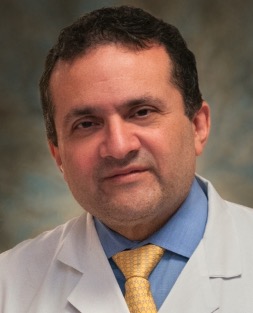 Luis E. Fayad合作论文数Department of Lymphoma/Myeloma, Division of Cancer Medicine, The University of Texas MD Anderson Cancer Center169
 Fredrick B. Hagemeister合作论文数Department of Lymphoma - Myeloma, Division of Cancer Medicine, The University of Texas MD Anderson Cancer Center118
 Sattva Neelapu合作论文数Graduate School of Biomedical Sciences, University of Texas MD Anderson Cancer Center;Department of Lymphoma/Myeloma, Division of Cancer Medicine, The University of Texas MD Anderson Cancer Center117
 Felipe Samaniego合作论文数103
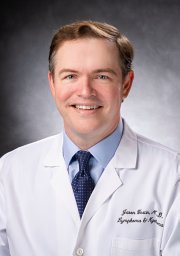 Jason Westin合作论文数Department of Lymphoma/Myeloma, Division of Cancer Medicine, The University of Texas MD Anderson Cancer Center102
 Romaguera Jorge E合作论文数89
 Loretta Nastoupil合作论文数The University of Texas MD Anderson Cancer Center87
 Peter W. McLaughlin合作论文数The University of Texas MD Anderson Cancer Center82
 Anas Younes合作论文数AstraZeneca76
 Luhua Wang(Michael)合作论文数The University of Texas MD Anderson Cancer75
 Nathan Fowler合作论文数BostonGene Corporation75
 Barbara Pro合作论文数Herbert Irving Comprehensive Cancer Center, Columbia University Irving Medical Center;Department of Medicine, Division of Hematology/Oncology, Vagelos College of Physicians and Surgeons, Columbia University65Yasuhiro Oki合作论文数60Michelle A. Fanale合作论文数59
 Lei Feng合作论文数Department of Biostatistics, The University of Texas M.D. Anderson Cancer Center57
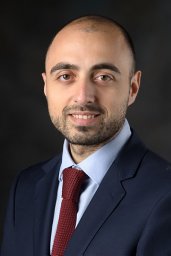 Strati Paolo合作论文数Department of Leukemia, The University of Texas MD Anderson Cancer Center56
 Sairah Ahmed合作论文数Department of Lymphoma/Myeloma, Division of Cancer Medicine, The University of Texas MD Anderson Cancer Center49
 Chelsea C. Pinnix合作论文数Division of Radiation Oncology, Department of Radiation Oncology, MD Anderson Cancer Center, The University of Texas;Howard University49
 Bouthaina S. Dabaja合作论文数Department of Radiation Oncology, Division of Radiation Oncology, The University of Texas MD Anderson Cancer Center;Department of Leukemia, Division of Cancer Medicine, The University of Texas MD Anderson Cancer Center49
 Ranjit Nair合作论文数Univ Texas MD Anderson Canc Ctr, Dept Lymphoma Myeloma, Houston, TX 77030 USA45
 Guadalupe R Palos合作论文数43
 Larry W. Kwak合作论文数City of Hope42Raphael E Steiner合作论文数Department of Lymphoma and Myeloma, MD Anderson Cancer Center, Houston, TX40Gilmore Katherine合作论文数38Lee Hun J合作论文数38
 Dai Chihara合作论文数Department of Hematology and Cell Therapy, Aichi Cancer Center Hospital36
 Christopher R Flowers合作论文数Department of Lymphoma - Myeloma, Division of Cancer Medicine, fUniversity of Texas MD Anderson Cancer Center35Fernando Cabanillas合作论文数The University of Texas MD Anderson Cancer Center34
 L. Jeffrey Medeiros合作论文数Department of Hematopathology, Division of Pathology/Lab Medicine, The University of Texas MD Anderson Cancer Center33
 Francesco Turturro合作论文数VAMC, University of Kentucky Medical Center32Jillian R. Gunther合作论文数27Noorani Mansoor合作论文数25
 Andrew D. Zelenetz合作论文数Memorial Sloan Kettering Cancer Center24
 Ann S. Lacasce合作论文数Department of Medical Oncology, Dana-Farber Cancer Institute;Harvard Medical School24Czuczman Myron S合作论文数24
 Swaminathan P. Iyer合作论文数Department of Lymphoma - Myeloma, Division of Cancer Medicine, The University of Texas MD Anderson Cancer Center24Fb Hagemeister合作论文数23Lewis-Patterson Paula合作论文数23Michael Millenson合作论文数23Nicole R McMillian合作论文数22Tracey O'Connor合作论文数22Patricia Chapman合作论文数22Deborah A Freedman-Cass合作论文数22
 Wendy Demark-Wahnefried合作论文数School of Health Professions, The University of Alabama at Birmingham;University of Texas-MD Anderson Cancer Center;Comprehensive Cancer Center, The University of Alabama at Birmingham22Abel Gregory A合作论文数22
 Michelle Melisko合作论文数School of Medicine, University of California, San Francisco;Division of Hematology and Oncology, University of California, San Francisco;Helen Diller Family Comprehensive Cancer Center, University of California, San Francisco22
 Jonathan W. Friedberg合作论文数Wilmot Cancer Institute22
 Electra D. Paskett合作论文数Division of Epidemiology, College of Public Health, The Ohio State University;Division of Cancer Prevention and Control, College of Medicine, The Ohio State University;Center for Cancer Health Equity, James Cancer Hospital22
 Phyllis C Zee合作论文数Department of Neurology, Feinberg School of Medicine, Northwestern University;Division of Sleep Medicine, Northwestern Medicine;Center for Circadian and Sleep Medicine, Feinberg School of Medicine, Northwestern University22




