Use of anti-B-cell maturation antigen (BCMA) chimeric antigen receptor T-cell (CAR-T) therapy to treat relapsed/refractory multiple myeloma is increasing. Studies suggest that effective bridging therapy (BT) prior to anti-BCMA CAR-T therapy can enhance efficacy and safety outcomes. Through qualitative interviews and a consensus workshop, 10 European experts shared their clinical experience regarding optimal BT selection, efficacy, safety and outcomes post-CAR-T, focussing on heavily pretreated patients and emerging BT options, such as bispecific T-cell engagers. Experts agreed that BT should aim to reduce tumour burden and maintain or improve patient performance status, while avoiding treatment-related toxicity that could delay or prevent CAR-T infusion. The balance between treatment duration and achieving an adequate response is important, and patient characteristics are key for BT selection, especially in difficult-to-treat populations. Here, we discuss the unique therapy talquetamab, a GPRC5DxCD3 bispecific antibody, which demonstrates robust efficacy and rapid response rates in clinical trials, and is being considered as a BT option before anti-BCMA CAR-T therapy based on expert experience and real-world data. This consensus, based on clinical experience, aims to provide guidance on BT for healthcare professionals (HCPs) involved in anti-BCMA CAR-T therapy and aid standardisation of care in this rapidly advancing field.
2501 Background: Despite anti-PD-1/PD-L1 therapy success, 60-70% of patients develop progression with limited options (ORR 6-8% to retreatment). Upregulation of inhibitory receptors LILRB1/2 and KIR3DL1 mediates immune escape in anti-PD-1/PD-L1-resistant tumors. IOS-1002, a novel LILRB1/2 and KIR3DL1 antagonist, restores anti-tumor immunity when combined with pembrolizumab. Methods: Open-label, multicenter, dose-escalation Phase 1a study (NCT05235308) evaluated IOS-1002 (300-1800mg, Q2W IV) plus pembrolizumab 400mg (Q6W IV) in advanced solid tumors progressing on prior anti-PD-1/PD-L1 therapy. Primary endpoints: safety, tolerability; secondary: ORR, DCR, duration of response (DOR). Comprehensive biomarker analysis included serial cytokine profiling, target receptor expression (LILRB1/2, KIR3DL1), and tumor immune score (TIS) by gene expression analysis. Responses were assessed by RECIST v1.1. Results: As of January 1st, 2026, 28 patients received combination treatment with 16 anti-PD-1/PD-L1-relapsed/refractory patients (median age 65, ECOG 0-1). 3 confirmed PRs (tumor reduction -35% to -58% from baseline) leading to an ORR of 20% (3/15 evaluable) were noted with a DCR of 54% at week 12 (7/13) and 40% at week 24 (4/10), respectively. Durable responses included: 1 metabolic CR (urothelial cancer), 1 pathological CR confirmed by repeat biopsy showing absence of viable tumor cells (cutanteous SqCC), and 1 cervical cancer patient achieving -29% tumor reduction with concomitant > 90% decline in CA-125 tumor marker. Median treatment DOR was 30+ weeks (range 12-46+); 8 patients remain on treatment. Biomarker analysis demonstrated strong predictive value for TIS and target receptor expression achieving 75% ORR (3/4) versus 0% in dual-low patients (0/5). Combined biomarker score significantly correlated with depth of response (R² = 0.72, p = 0.008) and progression-free survival (HR 0.31, 95% CI 0.11-0.88, p = 0.04). Safety profile was favorable with no increase in grade≥3 immune-related adverse events beyond pembrolizumab monotherapy. Conclusions: IOS-1002 plus pembrolizumab demonstrated clinically meaningful efficacy in pretreated anti-PD-1/PD-L1-relapsed/refractory patients. Biomarker-driven patient selection using dual-high TIS and target receptor expression enhanced ORR to 75% and strongly predicted response depth, durability, and survival benefit. The favorable safety profile with no incremental immune-related toxicity, coupled with durable responses and high disease control rates, provides compelling rationale for Phase 1b expansion in biomarker-selected PD-1/PD-L1-refractory solid tumors. Clinical trial information: NCT05235308 . Endpoint Result ORR (evaluable) 20% (3/15) DCR Week 12 54% (7/13) DCR Week 24 40% (4/10) Biomarker-selected ORR 75% (3/4) Ongoing treatment 8/16 (50%)
Multiple myeloma is a malignant disease characterised by the clonal proliferation of plasma cells. Since the last update of the Swiss recommendations for the diagnosis and treatment of multiple myeloma in 2019, the therapeutic landscape has evolved significantly, with the development of new monoclonal antibodies, novel combination therapies, and the introduction of T-cell-redirecting treatments such as bispecific antibodies and CAR T-cell therapy. This article summarises the current diagnostic procedures and therapeutic recommendations in Switzerland.
HLA-B27 and HLA-B57 are associated with autoimmunity and long-term viral control and protection against HIV and HCV infection; however, their role in cancer immunity remains unknown. HLA class I molecules interact with innate checkpoint receptors of the LILRA, LILRB and KIR families present in diverse sets of immune cells. Here, we demonstrate that an open format (peptide free conformation) and expression- and stability-optimized HLA-B57-B2m-IgG4_Fc fusion protein (IOS-1002) binds to human leukocyte immunoglobulin-like receptor B1 and B2 (LILRB1 and LILRB2) and to killer immunoglobulin-like receptor 3DL1 (KIR3DL1). In addition, we show that the IgG4 Fc backbone is required for engagement to Fcγ receptors and potent activation of macrophage phagocytosis. IOS-1002 blocks the immunosuppressive ITIM and SHP1/2 phosphatase signaling cascade, reduces the expression of immunosuppressive M2-like polarization markers of macrophages and differentiation of monocytes to myeloid-derived suppressor cells, enhances tumor cell phagocytosis in vitro and potentiates activation of T and NK cells. Lastly, IOS-1002 demonstrates efficacy in an ex vivo patient-derived tumor sample tumoroid model. IOS-1002 is a first-in-class multi-target and multi-functional human-derived HLA molecule that activates anti-tumor immunity and is currently under clinical evaluation.
The Swiss Blood Stem Cell Transplantation and Cellular Therapy Group (SBST) leads a mandatory national registry for all hematopoietic stem cell transplants (HCT) and cellular therapies. After 25 years, information was available for 11,226 patients receiving an HCT (4031 allogeneic and 7195 autologous), including 925 pediatric patients. We compared patient characteristics and outcome by quinquennia 1997-2001, 2002-2006, 2007-2011, 2012-2016, and 2017-2021. There were numerous changes over time. Allogeneic transplant recipients became older (median age 33.7 vs. 54.3) and had more frequently unrelated donors and reduced intensity conditioning in later quinquennia. Similarly, age increased for recipients of autologous HCT (median 48.3 vs. 59.9). We did not see a significant drop in transplant activity during the SARS-CoV-2 pandemic. Analysis of outcome showed overall survival (relative risk (RR) of death 0.664 (0.529-0.832) and progression free survival (RR 0.708 (0.577-0.870) being improved over time comparing the latest to the first quinquennium adjusting for risk factors. Non-relapse mortality decreased in recipients of allogeneic HCT (RR: 0.371 (0.270-0.509)) over time but relapse risks did not. Outcome of autologous HCT improved as well across quinquennia, this improvement was mainly due to decreased relapse risks (RR 0.681 (0.597-0.777)), possibly related to maintenance treatment or rescue treatment for relapse mainly in myeloma patients. Cellular therapies other than allogeneic or autologous HCT, particularly chimeric antigen receptor T-cells (CAR-T) treatment have started to increase after 2019, year of approval of the first commercial CAR-T product in Switzerland. Data on chimeric antigen receptor T-cell treatment are too early for comparative analyses. Detailed analyses of changes over time are presented. This study includes all HCTs, and cellular therapies, data useful for quality assurance programs, health care cost estimation and benchmarking. Between 50% and 60% of patients are long-term survivors after both types of HCT, indicating growing populations of surviving patients requiring long-term care.
Generation of humanized mice using leukapheresis or human fetal liver (HFL) derived CD34+ cells.
Redirected T cells did not show persistence in the blood of tumor bearing humanized mice
6619 Background: ICIs are the standard of care for the treatment of different advanced solid organ tumors. Especially in advanced non-small-cell lung cancer, never-smokers were shown to have an inferior outcome when compared to ex-smokers/smokers, suggesting that the smoking status could be a predictive marker for survival benefits under ICI treatment. Methods: Pts within the Swiss Alpine Tumor Immunology Registry (AlpineTIR) treated with an ICI were differentiated by their smoking status (ex-smokers/smokers versus never-smokers). Overall survival (OS) and progression-free survival (PFS) from the start of the first ICI treatment were analyzed by smoking status. Further, subgroup analyses for OS and PFS were done for the most common disease entities. Results: A total of 702 pts were included, from which 455 pts (65%) were ex-smokers/smokers, 213 pts (30%) were never smokers, and 34 pts (5%) had an unknown smoking status. The median follow-up time from the administration of the first ICI to the statistical analysis was 2.7 years (95% CI: 2.3 to 3.2 years). The most frequent tumors were lung cancer (50%), melanoma (13%), renal cell cancer (7%), bladder cancer (6%), and others (24%). Across all indications, the median OS was 1.7 years (95% CI: 1.4 to 2.6 years) for never-smokers (n = 213) and 1.5 years (95% CI: 1.2 to 1.8 years) for smokers (n = 455) (HR: 1.10, 95% CI: 0.89 - 1.37). The median PFS was 6.3 months (95% CI: 4.4 to 8.3 months) for non-smokers and 6.2 months (95% CI: 5.2 to 7.0 months) for smokers (HR: 1.05, 95% CI: 0.87 - 1.27). In lung cancer pts, the median OS was 1.4 years (95% CI: 0.8 to 2.8 years) for never-smokers (n = 43) and 1.4 years (95% CI: 1.2 to 1.7 years) for smokers (n = 302) (HR: 1.02, 95% CI: 0.68 - 1.51). In melanoma pts, the median OS was 3.4 years (95% CI: 1.8 to not reached (NR) years) for never-smokers (n = 54) and 1.7 years (95% CI: 0.8 to NR years) for smokers (n = 34) (HR: 1.35, 95% CI: 0.72 - 2.53). In renal cell cancer pts, the median OS was 1.5 years (95% CI: 1.0 to 3.6 years) for never-smokers (n = 28) and 3.5 years (95% CI: 0.6 to NR years) for smokers (n= 17) (HR: 0.74, 95% CI: 0.31 - 1.78). In bladder cancer pts, the median OS was 1.8 years (95% CI: 0.6 to NR years) for never-smokers (n = 17) and 1.4 years (95% CI: 0.5 to NR years) for smokers (n = 26) (HR: 0.88, 95% CI: 0.39 - 1.99). Conclusions: No survival difference between smokers and non-smokers with metastatic solid organ tumors treated with ICIs could be detected. Interestingly, even in the subgroup of lung cancer pts, no difference was seen. Based on these data, the smoking status should not guide ICI treatment decisions.
Background The Bruton's tyrosine kinase inhibitor ibrutinib and the proteasome inhibitor bortezomib have single-agent activity, non-overlapping toxicities, and regulatory approval in mantle cell lymphoma (MCL). In vitro, their combination provides synergistic cytotoxicity. In this investigator-initiated phase 1/2 trial, we established the recommended phase 2 dose of ibrutinib in combination with bortezomib, and assessed its efficacy in patients with relapsed or refractory MCL.Methods In this phase 1/2 study open in 15 sites in Switzerland, Germany and Italy, patients with relapsed or refractory MCL after <= 2 lines of chemotherapy and both ibrutinib-na & iuml;ve and bortezomib-na & iuml;ve received six cycles of ibrutinibb and bortezomib, followed by ibrutinib maintenance. For the phase 1 study, a standard 3 + 3 dose escalation design was used to determine the recommended phase 2 dose of ibrutinib in combination with bortezomib. The primary endpoint in phase 1 was the dose limiting toxicities in cycle 1. The phase 2 study was an open-label, single-arm trial with a Simon's two-stage min-max design, with a primary endpoint of overall response rate (ORR) assessed by CT/MRI. This study was registered with ClinicalTrials.gov, NCT02356458.Findings Between August 2015 and September 2016, nine patients were treated in the phase 1 study, and 49 patients were treated between November 2016 and March 2020 in the phase 2 of the trial. The ORR was 81.8% (90% CI 71.1, 89.8%, CR(u) 21.8%) which increased with continued ibrutinib (median 10.6 months) to 87.3%, (CR(u) 41.8%). 75.6% of patients had at least one high-risk feature (Ki-67 > 30%, blastoid or pleomorphic variant, p53 overexpression, TP53 mutations and/or deletions). In these patients, ibrutinib and bortezomib were also effective with an ORR of 74%, increasing to 82% during maintenance. With a median follow-up of 25.4 months, the median duration of response was 22.7, and the median PFS was 18.6 months. PFS reached 30.8 and 32.9 months for patients with a CR or Cru, respectively.Interpretation The combination of ibrutinib and bortezomib shows durable efficacy in patients with relapsed or refractory MCL, also in the presence of high-risk features.Funding SAKK (Hubacher Fund), Swiss State Secretariat for Education, Research and Innovation, Swiss Cancer Research Foundation, and Janssen.Copyright (c) 2023 The Authors. Published by Elsevier Ltd. This is an open access article under the CC BY-NC-ND license.
Introduction Therapy of relapsed and refractory multiple myeloma (MM) with Ide-Cel is superior to alternative treatments, but availability is lower than the number of patients in need. Treatment slots are distributed by the manufacturer per country. Their allocation to individual patients is a medical, logistical and ethical challenge. Ideally, such allocation should be inclusive, fair, transparent, effective, and base on prospectively confirmed objective outcome criteria. Methods Swiss Blood Stem Cell Transplantation and Cellular Therapy (SBST) has established the national SBST-CAR-T MM board for allocation of Ide-Cel treatment slots. Allocation process and triage criteria were developed by clinical experts in exchange with the ethical board of the Swiss academy for medical sciences and health insurers, approved by all JACIE-accredited national centers for cellular therapies, and agreed that Ide-Cel therapy in Switzerland is only available through this allocation system. Patients are registered in parallel with request for insurance coverage in one key document. Patients had to meet qualifying approval criteria for Ide-Cel in Switzerland (relapsed and refractory MM, >2 prior therapy lines, triple-class-exposed). Reaching CR after Ide-Cel is associated with superior PFS. We therefore developed an algorithm to select patients with high likelihood for CR. Patient factors negatively associated with CR derived from the KarMMa trial were complemented by factors prospectively associated with inferior overall survival after CAR-T in malignant lymphoma. High tumor burden (bone marrow infiltration > 50% or high tumor load by PET-CT), inflammatory activity (increasede ferritin or D-dimers), ECOG patient status and comorbidities were used as negative predictive factors and combined to a sum score of 0-4. All registered patients are presented at the monthly virtual meeting and ranked according to this score. Ranking is refined based on availability of alternative treatment options, resulting in a final national ranking agreed by all board members. Because no patients with severe comorbidities were registered, this dimension was later excluded. Results Between May 2022 and April 2023 all 48 Ide-Cel regular treatment slots in Switzerland were allocated in 12 virtual meetings lasting median 55 minutes (25-70) with the participation of median 7 centers (6-8), 8 physicians (6-15), discussing in total 72 patients (median 5.5 per meeting, range 4-10) to distribute 4 slots monthly. All therapy slots were successfully allocated, including short-notice changes in availability of slots or patients requiring immediate allocation of substituting patients. 74.2% of all patients registered with the SBST CART MM board received Ide-Cel. Patient, treatment and outcome parameters were centrally collected to SBST database from 37 treated patients per April 2023. (1 patient each had cell collection failure, Ide-Cel production failure, missing outcome data). Patients were 65% triple refractory, 65 % penta refractory, 14% received prior BCMA-targeted therapy, 8% prior bispecifc antibodies and 67% had high risk cytogenetics. Best response achieved so far was CR or better in 57% of patients, PR-VGPR 16%, PD 13%, not stated/too early 13%. A low SBST-MM CAR-T Score was prospectively associated with CR (table 1, p=0.048). Each scoring dimension (ECOG, tumor load, inflammation) significantly correlated inversely with CR, while conventional characteristics for poor MM outcomes (HR CG, penta refractory disease) did not correlate. PFS and OS data is pending. Cross cohort comparison with the Real-World Experience from the US Myeloma CAR-T Consortium (Hansen et al., JCO 2023) revealed a strong trend towards higher CR rates (57% vs. 23%, p=0.10). Conclusion This algorithm prospectively selects MM patients for BCMA-CAR-T treatment to maximize CR rate. Also, this national real world cohort demonstrates the feasibility of triaging the allocation of CAR-T therapy slots based on a, fair, objective, transparent, consensual algorithm using predefined criteria. The SBST scoring system prospectively reflects differential likelyhood of CR (100>64>53>33%), and the scoring dimensions (ECOG, tumor load, inflammation) prospectively correlate with a CR rate of 57 %, supporting the selection process. The SBST CAR-T scoring system may be used to allocate CAR-T treatment slots to maximize benefit from this treatment.
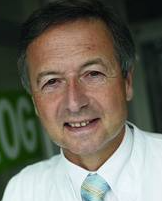 Michael Pfreundschuh合作论文数Klinik für Innere Medizin I, Universitätsklinikum des Saarlandes62
 Alexander K Knuth合作论文数Department of Oncology, University Hospital Zurich55
 Frank Stenner-Liewen合作论文数43
 Panagiotis Samaras合作论文数41Ulf Petrausch合作论文数Department of Oncology, University Hospital Zurich/Institute for Experimental Immunology, University of Zurich/Swiss Tumor Immunology Institute39Andreas Wadle合作论文数37Stefan Bauer合作论文数25
 Andrew M. Scott合作论文数Department of Medicine, University of Melbourne;School of Cancer Medicine, La Trobe University;Department of Molecular Imaging and Therapy, Austin Health;Tumour Targeting Program and Laboratory, Olivia Newton-John Cancer Research Institute23Gerhard Held合作论文数23
 Lloyd J. Old合作论文数Memorial Sloan-Kettering Cancer Center23Axel Mischo合作论文数20Mario Bargetzi合作论文数19
 Thomas Pabst合作论文数Inselspital, Universitätsspital Bern, Universitätsklinik für Medizinische Onkologie17
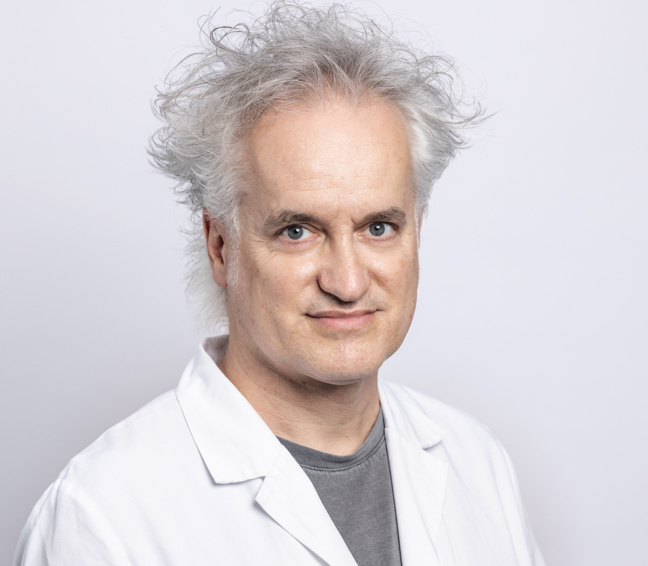 Ulrich Mey合作论文数Rheinische Friedrich-Wilhelms-Universität Bonn;Kantonsspital Graubünden17
 Gerd Ritter合作论文数Ludwig Institute for Cancer Research, Memorial Sloan-Kettering Cancer Center16Eliane Fischer合作论文数Institute of Biotechnology16Sascha Kleber合作论文数15
 Christian Taverna合作论文数15Wolfram Jung合作论文数15A. Mischo合作论文数14Tinguely M合作论文数14
 Simon Kollnberger合作论文数Institute of Molecular Medicine, John Radcliffe Hospital14
 Paul Bowness合作论文数Nuffield Department of Orthopaedics, Rheumatology and Musculoskeletal Sciences, University of Oxford14
 Felicitas Hitz合作论文数13
 Maries Van Den Broek合作论文数Institute of Experimental Immunology, University of Zürich13
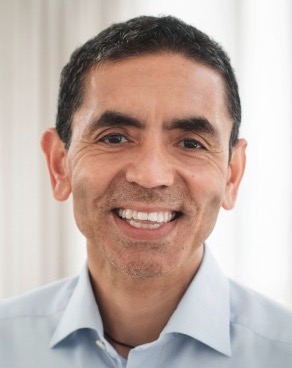 Ugur Sahin合作论文数Institut für Immunologie, Universitätsmedizin der Johannes Gutenberg-Universität Mainz;University Medical Center Mainz;Biontech Se12McHugh Kirsty合作论文数12
 Urs Schanz合作论文数12Boris Kubuschok合作论文数12
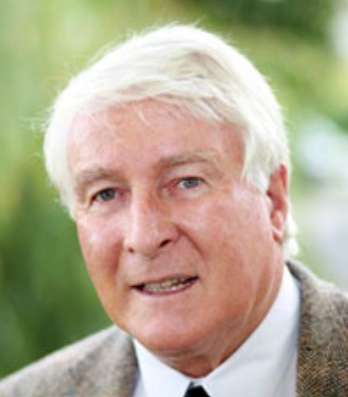 Volker Diehl合作论文数Department of Internal Medicine, University of Cologne12
 Sebastian Bauer合作论文数11Thomas Wüest合作论文数11
 Zander Thilo合作论文数11Walter Weder合作论文数11
 Holger Moch合作论文数Medical Division Pathology and Laboratory Medicine, University Hospital Zurich;University Zurich;Institute for Pathology, University Hospital Zurich11
 Jacqueline May Shaw合作论文数11
 Christoph Driessen合作论文数Department of Medicine II, University of Tübingen11
 Gulati Pratiksha合作论文数10
 Lorenz Trümper合作论文数Universitätsmedizin Göttingen10
 Jochen Imig合作论文数Department of Internal Medicine;University of Saarland;Department of Internal Medicine, University of Saarland10
 Niklaus Schaefer合作论文数Comprehensive Radiopharmaceutical Therapy Center of Excellence, Lausanne University Hospital;Departement Nuclear Medicine Therapy and Theranostics, Lausanne University Hospital10
 Alfred Zippelius合作论文数Department of Medical Oncology, University Hospital Basel;Department of Biomedicine, Medizinische Fakultät, University of Basel10markus thiel合作论文数9
 Osiris Marroquin Belaunzaran合作论文数9
 Emanuele Zucca合作论文数Lymphoma Unit, Oncology Institute of Southern Switzerland;Institute of Oncology Research;Facoltà Di Scienze Biomediche, Università Della Svizzera Italiana9Hinrich Abken合作论文数9
 Alex Soltermann合作论文数Institut für Klinische Pathologie, Medizinische Fakultät, Universität Zürich;Pathologie Länggasse9
 Heike Liewen合作论文数9Sergio B. Cogliatti合作论文数9




