The iron-sulphur (Fe-S)-containing RNase L inhibitor (Rli1) is involved in ribosomal subunit maturation, transport of both ribosomal subunits to the cytoplasm, and translation initiation through interaction with the eukaryotic initiation factor 3 (eIF3) complex. Here, we present a new function for Rli1 in translation termination. Through co-immunoprecipitation experiments, we show that Rli1 interacts physically with the translation termination factors eukaryotic release factor 1 (eRF1)/Sup45 and eRF3/Sup35 in Saccharomyces cerevisiae. Genetic interactions were uncovered between a strain depleted for Rli1 and sup35-21 or sup45-2. Furthermore, we show that downregulation of RLI1 expression leads to defects in the recognition of a stop codon, as seen in mutants of other termination factors. By contrast, RLI1 overexpression partly suppresses the read-through defects in sup45-2. Interestingly, we find that although the Fe-S cluster is not required for the interaction of Rli1 with eRF1 or its other interacting partner, Hcr1, from the initiation complex eIF3, it is required for its activity in translation termination; an Fe-S cluster mutant of RLI1 cannot suppress the read-through defects of sup45-2.
Ribonucleotide reductases provide the building blocks for DNA synthesis. Three classes of enzymes are known, differing widely in amino acid sequence but with similar structural motives and allosteric regulation. Class I occurs in eukaryotes and aerobic prokaryotes, class II occurs in aerobic and anaerobic prokaryotes, and class III occurs in anaerobic prokaryotes. The eukaryote Euglena gracilis contains a class II enzyme (Gleason, F. K., and Hogenkamp, H. P. (1970) J. Biol. Chem. 245, 4894-4899) and, thus, forms an exception. Class II enzymes depend on vitamin B(12) for their activity. We purified the reductase from Euglena cells, determined partial peptide sequences, identified its cDNA, and purified the recombinant enzyme. Its amino acid sequence and general properties, including its allosteric behavior, were similar to the class II reductase from Lactobacillus leichmannii. Both enzymes belong to a distinct small group of reductases that unlike all other homodimeric reductases are monomeric. They compensate the loss of the second polypeptide of dimeric enzymes by a large insertion in the monomeric chain. Data base searching and sequence comparison revealed a homolog from the eukaryote Dictyostelium discoideum as the closest relative to the Euglena reductase, suggesting that the class II enzyme was present in a common, B(12)-dependent, eukaryote ancestor.
IUBMB LifeVolume 57, Issue 10 p. 701-703 ArticleFree Access Question: Why are mitochondria essential for life? Roland Lill, Roland Lill Institut für Zytobiologie und Zytopathologie der Philipps-Universität Marburg, Marburg, GermanySearch for more papers by this authorZsuzsanna Fekete, Zsuzsanna Fekete Department of Medical Biology and Institute of Biochemistry, Faculty of Medicine, University of Pecs, Pecs, HungarySearch for more papers by this authorKatalin Sipos, Katalin Sipos Department of Medical Biology and Institute of Biochemistry, Faculty of Medicine, University of Pecs, Pecs, HungarySearch for more papers by this authorCarmen Rotte, Carmen Rotte Institut für Zytobiologie und Zytopathologie der Philipps-Universität Marburg, Marburg, GermanySearch for more papers by this author Roland Lill, Roland Lill Institut für Zytobiologie und Zytopathologie der Philipps-Universität Marburg, Marburg, GermanySearch for more papers by this authorZsuzsanna Fekete, Zsuzsanna Fekete Department of Medical Biology and Institute of Biochemistry, Faculty of Medicine, University of Pecs, Pecs, HungarySearch for more papers by this authorKatalin Sipos, Katalin Sipos Department of Medical Biology and Institute of Biochemistry, Faculty of Medicine, University of Pecs, Pecs, HungarySearch for more papers by this authorCarmen Rotte, Carmen Rotte Institut für Zytobiologie und Zytopathologie der Philipps-Universität Marburg, Marburg, GermanySearch for more papers by this author First published: 03 January 2008 https://doi.org/10.1080/15216540500305860Citations: 13AboutPDF ToolsRequest permissionExport citationAdd to favoritesTrack citation ShareShare Give accessShare full text accessShare full-text accessPlease review our Terms and Conditions of Use and check box below to share full-text version of article.I have read and accept the Wiley Online Library Terms and Conditions of UseShareable LinkUse the link below to share a full-text version of this article with your friends and colleagues. Learn more.Copy URL Share a linkShare onFacebookTwitterLinked InRedditWechat No abstract is available for this article.Citing Literature Volume57, Issue10October 2005Pages 701-703 RelatedInformation
Mitochondria perform a central function in the biogenesis of cellular iron-sulphur (Fe/S) proteins. It is unknown to date why this biosynthetic pathway is indispensable for life, the more so as no essential mitochondrial Fe/S proteins are known. Here, we show that the soluble ATP-binding cassette (ABC) protein Rli1p carries N-terminal Fe/S clusters that require the mitochondrial and cytosolic Fe/S protein biogenesis machineries for assembly. Mutations in critical cysteine residues of Rli1p abolish association with Fe/S clusters and lead to loss of cell viability. Hence, the essential character of Fe/S clusters in Rli1p explains the indispensable character of mitochondria in eukaryotes. We further report that Rli1p is associated with ribosomes and with Hcr1p, a protein involved in rRNA processing and translation initiation. Depletion of Rli1p causes a nuclear export defect of the small and large ribosomal subunits and subsequently a translational arrest. Thus, ribosome biogenesis and function are intimately linked to the crucial role of mitochondria in the maturation of the essential Fe/S protein Rli1p.
Is There an Answer? is intended to serve as a forum in which readers to IUBMB Life may pose questions of the type that intrigue biochemists but for which there may be no obvious answer or one may be available but not widely known or easily accessible. Readers are invited to e-mail f.vella@sasktel.net if they have questions to contribute or if they can provide answers to questions that are provided here from time to time. In the latter case, instructions will be sent to interested readers. Answers should be, whenever possible, evidence- based and provide relevant references. - Frank Vella
Analyses of 55 individual and 31 concatenated protein data sets encoded in Reclinomonas americana and Marchantia polymorpha mitochondrial genomes revealed that current methods for constructing phylogenetic trees are insufficiently sensitive (or artifact-insensitive) to ascertain the sister of mitochondria among the current sample of eight a- proteobacterial genomes using mitochondrially-encoded proteins. However, Rhodospirillum rubrum came as close to mitochondria as any a-proteobacterium investigated. This prompted a search for methods to directly compare eukaryotic genomes to their prokaryotic counterparts to investigate the origin of the mitochondrion and its host from the standpoint of nuclear genes. We examined pairwise amino acid sequence identity in comparisons of 6,214 nuclear protein-coding genes from Saccharomyces cerevisiae to 177,117 proteins encoded in sequenced genomes from 45 eubacteria and 15 archaebacteria. The results reveal that ;75% of yeast genes having homologues among the present prokaryotic sample share greater amino acid sequence identity to eubacterial than to archaebacterial homologues. At high stringency comparisons, only the eubacterial component of the yeast genome is detectable. Our findings indicate that at the levels of overall amino acid sequence identity and gene content, yeast shares a sister-group relationship with eubacteria, not with archaebacteria, in contrast to the current phylogenetic paradigm based on ribosomal RNA. Among eubacteria and archaebacteria, proteobacterial and methanogen genomes, respectively, shared more similarity with the yeast genome than other prokaryotic genomes surveyed.
Euglena gracilis cells grown under aerobic and anaerobic conditions were compared for their whole cell rhodoquinone and ubiquinone content and for major protein spots contained in isolated mitochondria as assayed by two-dimensional gel electrophoresis and mass spectrometry sequencing. Anaerobically grown cells had higher rhodoquinone levels than aerobically grown cells in agreement with earlier findings indicating the need for fumarate reductase activity in anaerobic wax ester fermentation in Euglena. Microsequencing revealed components of complex III and complex IV of the respiratory chain and the E1beta subunit of pyruvate dehydrogenase to be present in mitochondria of aerobically grown cells but lacking in mitochondria from anaerobically grown cells. No proteins were identified as specific to mitochondria from anaerobically grown cells. cDNAs for the E1alpha, E2, and E3 subunits of mitochondrial pyruvate dehydrogenase were cloned and shown to be differentially expressed under aerobic and anaerobic conditions. Their expression patterns differed from that of mitochondrial pyruvate:NADP(+) oxidoreductase, the N-terminal domain of which is pyruvate:ferredoxin oxidoreductase, an enzyme otherwise typical of hydrogenosomes, hydrogen-producing forms of mitochondria found among anaerobic protists. The Euglena mitochondrion is thus a long sought intermediate that unites biochemical properties of aerobic and anaerobic mitochondria and hydrogenosomes because it contains both pyruvate:ferredoxin oxidoreductase and rhodoquinone typical of hydrogenosomes and anaerobic mitochondria as well as pyruvate dehydrogenase and ubiquinone typical of aerobic mitochondria. Our data show that under aerobic conditions Euglena mitochondria are prepared for anaerobic function and furthermore suggest that the ancestor of mitochondria was a facultative anaerobe, segments of whose physiology have been preserved in the Euglena lineage.
Analyses of 55 individual and 31 concatenated protein data sets encoded in Reclinomonas americana and Marchantia polymorpha mitochondrial genomes revealed that current methods for constructing phylogenetic trees are insufficiently sensitive (or artifact-insensitive) to ascertain the sister of mitochondria among the current sample of eight alpha-proteobacterial genomes using mitochondrially-encoded proteins. However, Rhodospirillum rubrum came as close to mitochondria as any alpha-proteobacterium investigated. This prompted a search for methods to directly compare eukaryotic genomes to their prokaryotic counterparts to investigate the origin of the mitochondrion and its host from the standpoint of nuclear genes. We examined pairwise amino acid sequence identity in comparisons of 6,214 nuclear protein-coding genes from Saccharomyces cerevisiae to 177,117 proteins encoded in sequenced genomes from 45 eubacteria and 15 archaebacteria. The results reveal that approximately 75% of yeast genes having homologues among the present prokaryotic sample share greater amino acid sequence identity to eubacterial than to archaebacterial homologues. At high stringency comparisons, only the eubacterial component of the yeast genome is detectable. Our findings indicate that at the levels of overall amino acid sequence identity and gene content, yeast shares a sister-group relationship with eubacteria, not with archaebacteria, in contrast to the current phylogenetic paradigm based on ribosomal RNA. Among eubacteria and archaebacteria, proteobacterial and methanogen genomes, respectively, shared more similarity with the yeast genome than other prokaryotic genomes surveyed.
Genomes contain evidence for the history of life and furthermore contain evidence for lateral gene transfer, which was an important part of that history. The geological record also contains evidence for the history of life, and newer findings indicates that the Earth's oceans were largely anoxic and highly sulfidic up until about 0.6 billion years ago. Eukaryotes, which fossil data indicate to have been in existence for at least 1.5 billion years, must have therefore spent much of their evolutionary history in oxygen-poor and sulfide-rich environments. Many eukaryotes still inhabit such environments today. Among eukaryotes, organelles also contain evidence for the history of life and have preserved abundant traces of their anaerobic past in the form of energy metabolic pathways. New views of eukaryote phylogeny suggest that fungi may be among the earliest-branching eukaryotes. From the standpoint of the fungal feeding habit (osmotrophy rather than phagotrophy) and from the standpoint of the diversity in their ATP-producing pathways, a eukaryotic tree with fungi first would make sense. Because of lateral gene transfer and endosymbiosis, branches in the tree of genomes intermingle and occasionally fuse, but the overall contours of cell history nonetheless seem sketchable and roughly correlateable with geological time.
Biochemistry textbooks depict mitochondria as oxygen-dependent organelles, but many mitochondria can produce ATP without using any oxygen. In fact, several other types of mitochondria exist and they occur in highly diverse groups of eukaryotes-protists as well as metazoans-and possess an often overlooked diversity of pathways to deal with the electrons resulting from carbohydrate oxidation. These anaerobically functioning mitochondria produce ATP with the help of proton-pumping electron transport, but they do not need oxygen to do so. Recent advances in understanding of mitochondrial biochemistry provide many surprises and furthermore, give insights into the evolutionary history of ATP-producing organelles.
The evolutionary processes underlying the differentness of prokaryotic and eukaryotic cells and the origin of the latter's organelles are still poorly understood. For about 100 years, the principle of endosymbiosis has figured into thoughts as to how these processes might have occurred. A number of models that have been discussed in the literature and that are designed to explain this difference are summarized. The evolutionary histories of the enzymes of anaerobic energy metabolism (oxygen-independent ATP synthesis) in the three basic types of heterotrophic eukaryotes those that lack organelles of ATP synthesis, those that possess mitochondria and those that possess hydrogenosomes - play an important role in this issue. Traditional endosymbiotic models generally do not address the origin of the heterotrophic lifestyle and anaerobic energy metabolism in eukaryotes. Rather they take it as a given, a direct inheritance from the host that acquired mitochondria. Traditional models are contrasted to an alternative endosymbiotic model (the hydrogen hypothesis), which addresses the origin of heterotrophy and the origin of compartmentalized energy metabolism in eukaryotes.
Most eukaryotes perform the oxidative decarboxylation of pyruvate in mitochondria using pyruvate dehydrogenase (PDH). Eukaryotes that lack mitochondria also lack PDH, using instead the O(2)-sensitive enzyme pyruvate : ferredoxin oxidoreductase (PFO), which is localized either in the cytosol or in hydrogenosomes. The facultatively anaerobic mitochondria of the photosynthetic protist Euglena gracilis constitute a hitherto unique exception in that these mitochondria oxidize pyruvate with the O(2)-sensitive enzyme pyruvate : NADP oxidoreductase (PNO). Cloning and analysis of Euglena PNO revealed that the cDNA encodes a mitochondrial transit peptide followed by an N-terminal PFO domain that is fused to a C-terminal NADPH-cytochrome P450 reductase (CPR) domain. Two independent 5.8-kb full-size cDNAs for Euglena mitochondrial PNO were isolated; the gene was expressed in cultures supplied with 2% CO(2) in air and with 2% CO(2) in N(2). The apicomplexan Cryptosporidium parvum was also shown to encode and express the same PFO-CPR fusion, except that, unlike E. gracilis, no mitochondrial transit peptide for C. parvum PNO was found. Recombination-derived remnants of PNO are conserved in the genomes of Saccharomyces cerevisiae and Schizosaccharomyces pombe as proteins involved in sulfite reduction. Notably, Trypanosoma brucei was found to encode homologs of both PFO and all four PDH subunits. Gene organization and phylogeny revealed that eukaryotic nuclear genes for mitochondrial, hydrogenosomal, and cytosolic PFO trace to a single eubacterial acquisition. These findings suggest a common ancestry of PFO in amitochondriate protists with Euglena mitochondrial PNO and Cryptosporidium PNO. They are also consistent with the view that eukaryotic PFO domains are biochemical relics inherited from a facultatively anaerobic, eubacterial ancestor of mitochondria and hydrogenosomes.
Complete genome sequences for many oxygen-respiring mitochondria, as well as for some bacteria, leave no doubt that mitochondria are descendants of alpha -proteobacteria, a finding for which the endosymbiont hypothesis can easily account. Yet a wealth of data indicate that mitochondria and hydrogenosomes - the ATP-producing organelles of many anaerobic protists - share a common ancestry, a finding that traditional formulations of the endosymbiont hypothesis less readily accommodates. Available evidence suggests that a more in-depth understanding of the origins of eukaryotes and their organelles will hinge upon data from the genomes of protists that synthesize ATP without the need for oxygen.
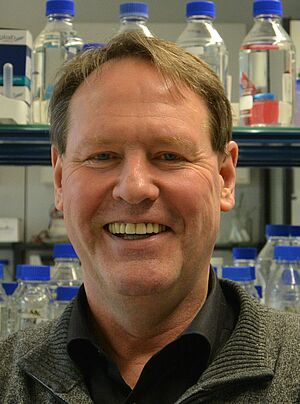 William F. Martin合作论文数Institute of Molecular Evolution, Heinrich-Heine-Universität Düsseldorf11
 K Henze合作论文数5
 Roland Lill合作论文数Institut fur Zytobiologie, Zentrum fur Synthetische Mikrobiologie, Philipps-Universitat Marburg;German National Academy of Sciences Leopoldina4Katalin Sipos合作论文数Am J Physiol4Zsuzsanna Fekete合作论文数4
 Aloysius Tielens合作论文数Department of Medical Microbiology and Infectious Diseases, Erasmus MC, University Medical Centre Rotterdam3Gabriel Gelius-Dietrich合作论文数3
 Jaap J Van Hellemond合作论文数Faculty of Veterinary Medicine and Institute of Biomembranes, Utrecht University3Meike Hoffmeister合作论文数3Christian Esser合作论文数2
 Peter Lockhart合作论文数Department of Oral Medicine, Carolinas Medical Center2
 Leister, Dario合作论文数Department of Biology I, Faculty of Biology, Ludwig-Maximilians-Universitat Munchen2Christian Wiegand合作论文数2
 David Bryant合作论文数University of Auckland2
 Nahal Ahmadinejad合作论文数2Ernst Kretschmann合作论文数Institute of Botany, Universität Düsseldorf2
 Federico Sebastiani合作论文数Plant Genetics Institute, National Research Council2
 Jens Lerchl合作论文数Herman Ehles Vag2
 E. David Penny合作论文数Massey University2E Richly合作论文数1Ma Steel合作论文数1Gyula Kispal合作论文数1Claudia Baierlein合作论文数1DJA Netz合作论文数1Michael A. Steel合作论文数1Thomas Gross合作论文数1Chiara Trevisiol合作论文数1
 Frantisek Stejskal合作论文数1
 Sohail Khoshnevis合作论文数Institute of Microbiology and Genetics, Georg-August University Göttingen1Ulf Hellman合作论文数1
 Guan Zhu (朱冠)合作论文数Department of Veterinary Public Health, College of Veterinary Medicine, Jilin University1
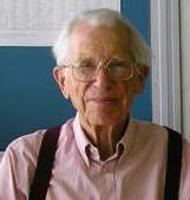 Peter Reichard合作论文数Medical Nobel Institute for Biochemistry, Karolinska Institutet1Ursula Theissen合作论文数1
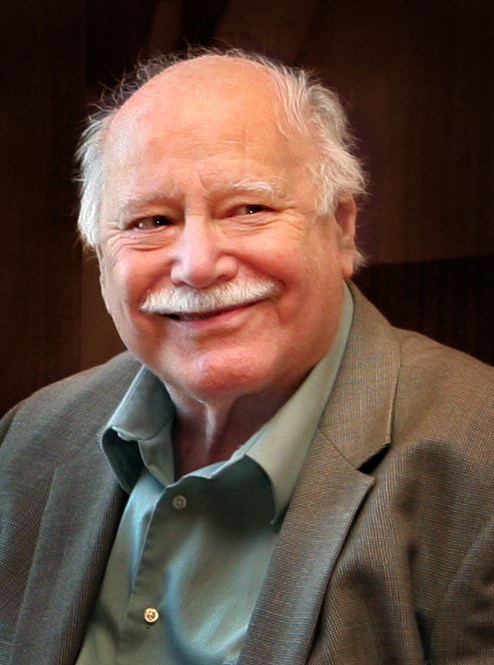 Miklos Müller合作论文数Rockefeller University1
 Eduard Torrents合作论文数Department de Genètica i de Microbiologia and Institut de Biologia Fonamental, Universitat Autònoma de Barcelona1Janet S. Keithly合作论文数1Heike Lange合作论文数1Simone Ahr合作论文数1Ralf Ficner合作论文数1Katrin Henze合作论文数1
 Janneke Balk合作论文数Department for Biochemistry and Metabolism, John Innes Centre;School of Biological Sciences, University of East Anglia1Erik Richly合作论文数1
 Tamas Janaky合作论文数1William Martin合作论文数1Petra Cirpus合作论文数1
 Heike Krebber合作论文数Division for Molecular Biology of Mitosis, German Cancer Research Center1Tibor Bedekovics合作论文数1




