Both osteoporosis and periodontitis are characterized by bone resorption. Osteoporosis is defined as a generalized disease of the skeleton affecting bone microarchitecture and density and conferring a predisposition to fractures, including fractures of the upper end of the femur. Periodontitis is characterized by gingival inflammation and destruction of the alveolar bone, potentially leading to tooth mobility and loss. Both these diseases are common health concerns associated with a considerable economic and societal burden worldwide. The prevention of these two diseases is therefore a real public health issue. The close association between osteoporosis and periodontitis should lead dental surgeons to refer patients with severe periodontitis to a rheumatologist for an assessment of bone density. Conversely, patients with osteoporosis should undergo regular oral check-ups to prevent tooth loss and maintain good oral health.
We would like to thank Chattopadhyay et al for their interest in our article presenting the low incident rate of vertebral fractures in an early axial spondyloarthritis (axSpA) population. We have read with interest their comments regarding the external validity of the data we are presenting.1 2 We would like to highlight that the manuscripts the authors are referring to in their letter were focusing only in patients with either very long-standing disease (22.5 years in the Montala study3) or with radiographic involvement (ie, radiographic axSpA, also referred as ankylosing spondylitis) in …
Objective To assess the impact of knee chondrocalcinosis (CC) on the 5-year risk of joint replacement and disease progression in patients with knee osteoarthritis (OA). Methods Patients with symptomatic knee OA without previous total joint (knee or hip) replacement (TJR) were recruited from the Knee and Hip Osteoarthritis Long-term Assessment cohort. Cox proportional hazards regression and generalized estimating equation models were used to compare the time from inclusion or OA diagnosis to total knee replacement (TKR) or TJR between patients with and those without knee CC at inclusion. In patients without incident TKR, logistic regression was performed to examine the association between CC and radiographic progression (Kellgren/Lawrence [K/L] grade) or worsening of Western Ontario and McMaster Universities Arthritis Index (WOMAC) subscores for OA pain or function between years 0 and 5. Hazard ratios (HRs) and 95% confidence intervals (95% CIs) were estimated. Analyses were adjusted for age, sex, body mass index, WOMAC subscores, and K/L grade. Results Among the 656 patients included, 93 (14.2%) had knee CC, and 91 (13.9%) underwent TKR during the follow-up. Risk of TKR was not affected by the presence of knee CC (HR 1.26 [95% CI 0.74-2.17]). Similar results were obtained for the risk of incident TJR. For patients without incident TKR, knee CC did not affect the risk of worsening of K/L grade (odds ratio [OR] 0.9 [95% CI 0.4-1.7]), WOMAC pain subscore (OR 1.1 [95% CI 0.7-1.4]), or WOMAC function subscore (OR 0.9 [95% CI 0.4-2.0]). Conclusion In patients with symptomatic knee OA, the presence of knee CC did not affect the risk of arthroplasty or disease progression at 5 years.
 Augustin Latourte合作论文数Service de rhumatologie, CHU Lariboisière2
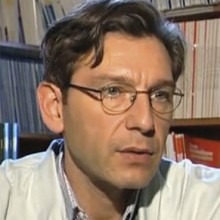 Pascal Richette合作论文数Rheumatology Department, Assistance Publique – Hôpitaux de Paris;Viggo Petersen;Lariboisiere Hospital;Université de Paris;Paris Diderot University2Grégoire Cormier合作论文数1
 Anna Molto合作论文数1François Rannou合作论文数1Francoise Alliot Launois合作论文数1W. Ngueyon Sime合作论文数1Camille Daste合作论文数1
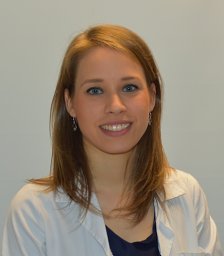 Clementina López-Medina合作论文数Reina Sofia University Hospital1Anne-Christine Rat合作论文数1Etcheto Adrien合作论文数Cochin Hospital, Paris-Descartes University1Courties Alice合作论文数1
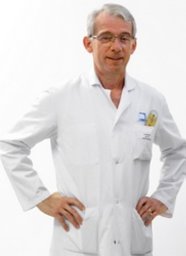 Michel Chammas合作论文数Hand and Upper Limb Surgery Department, Lapeyronie University Hospital;and the Hand and Upper Limb Surgery Department, Hospital Italiano de Buenos Aires;Hospital Italiano de Buenos Aires, Lapeyronie University Hospital1Alexandra Roren合作论文数Cochin Hospital, Paris 5 University1
 Maxime Dougados合作论文数Hôpital Cochin;René Descartes University1Francis Guillemin合作论文数1
 Karine Briot合作论文数Assistance Publique - Hôpitaux de Paris1Jacques Fechtenbaum合作论文数1
 Roland Chapurlat合作论文数1




