Early detection of Rheumatic Heart Disease (RHD) is essential in reducing its associated mortality and late complications. In resource-limited settings, automated detection using low-cost electrocardiogram (ECG) sensors can enhance prevention efforts. However, its effectiveness as a potential RHD screening tool in at-risk populations remains unexplored. This study aimed to investigate the utility of machine learning for classifying RHD in a cohort screened for RHD using low-cost ECG devices. The ECGs were collected from 611 at-risk schoolchildren using KardiaMobile, where 47 were confirmed RHD and 564 were healthy. First, the ECG fiducial points were annotated using a publicly available prominence-based delineator. Then, temporal, frequency, wavelet, and visibility graph-based features were extracted from six-leads and fed to the XGBoost classifier. A 10-fold cross-validation was used at different prediction score thresholds to obtain target sensitivity (Se) for screening RHD. Single-lead evaluation on Lead-II showed an F1-score of 60.9%, a Se of 59.6% and a positive-predictive-value (PPV) of 62.2%. However, using multiple leads improved the results, with an F1-score of 62.8%, a Se of 59.6% and a PPV of 66.7%. The best model performance was achieved by adjusting the threshold to 0.6 with Se and PPV of 66% and 51%, respectively. Error analysis revealed that T-wave and STT changes, as well as non-rheumatic mitral valve cases were among the false positive cases. Machine learning can enhance early detection by leveraging relevant ECG features and adjustable target sensitivity based on screening priorities and resource capacity. Measurements can be obtained without chest contact, using only the fingers and knees, thereby enabling use by non-clinical staff. This approach provides a scalable and cost-effective solution for RHD screening in high-prevalence regions. ### Competing Interest Statement The authors have declared no competing interest. ### Funding Statement This research was funded by KU Leuven with reference number B/22/032, and Group-T 5E fund with reference number REF23123123 under Leuven center for affordable health technology. ### Author Declarations I confirm all relevant ethical guidelines have been followed, and any necessary IRB and/or ethics committee approvals have been obtained. Yes The details of the IRB/oversight body that provided approval or exemption for the research described are given below: The study was conducted according to the guidelines of the Declaration of Helsinki and approved by the Ethics Committee of the University hospital Leuven with reference number (B3222022001075) and the institutional review board of Soddo General Christian Hospital with reference number (SCH1941015). Clinical trial number is not applicable. Written informed consent was obtained from the patient(s) to publish the study results. I confirm that all necessary patient/participant consent has been obtained and the appropriate institutional forms have been archived, and that any patient/participant/sample identifiers included were not known to anyone (e.g., hospital staff, patients or participants themselves) outside the research group so cannot be used to identify individuals. Yes I understand that all clinical trials and any other prospective interventional studies must be registered with an ICMJE-approved registry, such as ClinicalTrials.gov. I confirm that any such study reported in the manuscript has been registered and the trial registration ID is provided (note: if posting a prospective study registered retrospectively, please provide a statement in the trial ID field explaining why the study was not registered in advance). Yes I have followed all appropriate research reporting guidelines, such as any relevant EQUATOR Network research reporting checklist(s) and other pertinent material, if applicable. Yes All data produced in the present study are available upon reasonable request to the authors
BackgroundRheumatic heart disease (RHD) is a sequela of recurrent, untreated group A Streptococcus infections. RHD disproportionately affects children and young adults in the Global South. Intermittent mass screening of early RHD by using affordable tools in these disease-endemic regions is essential for effective prevention. ObjectiveThis study examined multimodal physiological data for assessing the prevalence of early RHD in a cohort of asymptomatic, at-risk students in rural Ethiopia. MethodsA total of 584 asymptomatic children aged 10 to 20 years were randomly selected for screening and stratified into 2 groups (≤14 and >14 years). Electrocardiogram, phonocardiogram, and echocardiography screening were performed, with diagnoses based on the 2012 World Heart Federation criteria. ResultsAfter excluding 1.4% (8/584) of the children, who had nonrheumatic findings, 576 participants were analyzed, including 334 (58.0%) female and 242 (42.0%) male children. The mean age was 16.1 (SD 2.4) years (95% CI 15.9-16.3). Echocardiographic screening identified 19 cases of RHD (n=10, 52.6% borderline and n=9, 47.4% definite). Female children accounted for 68.4% (13/19) of cases, and the association between female sex and RHD was not statistically significant (odds ratio 1.59, 95% CI 0.60-4.25; P=.35). The estimated prevalence of RHD was 32.5 per 1000 population (95% CI 18.1-46.9; SE 7.4; 19/576, 3.3%), which was significantly higher than the most recent multicenter prevalence estimate of 19 per 1000 population (95% CI 13.9-23.4; odds ratio 2.12; P=.03). Mitral regurgitation was the predominant lesion (16/19, 84.2%), followed by mitral stenosis (2/19, 10.5%) and aortic regurgitation (1/19, 5.3%). Phonocardiogram analysis showed mitral regurgitation (10/19, 52.6%), mitral stenosis (2/19, 10.5%), and subclinical findings in the rest of patients with RHD. Prolonged PR intervals were observed in 10.5% (2/19) of the RHD-positive participants. ConclusionsThis study confirms persistent high prevalence of asymptomatic RHD among students in rural regions of Ethiopia. Although there was a female predominance in RHD incidence, the difference between the sexes was not statistically significant.
Both acute and chronic stress profoundly impact health and quality of life, with significant negative consequences for patients in Intensive Care Units (ICUs), including prolonged stays. Medical alarms are a major contributor to this stress, often being unfamiliar and frequent, leading to reduced health outcomes, discomfort and increased length of stay. From a human factors and engineering perspective, understanding this alarm-induced stress is crucial for designing safer, more patient-centered healthcare environments. This study investigated stress responses to medical alarms and associated cognitive demands. Thirty-one healthy young adults were immersed in a virtual ICU, assigned to three conditions: Current ICU - Alarm Engagement (alarms + interpretation task), Current ICU - Alarm Exposure (alarms only), or Silent ICU - No Alarms. Stress was measured using self-reported State-Anxiety (STAI) and objective Heart Rate Variability (HRV). Results show that the Alarm Engagement group reported significantly higher subjective stress (p < .05), demonstrating the impact of cognitive load from alarm interpretation. Conversely, the Silent ICU - No Alarms group consistently exhibited the lowest subjective stress, highlighting the psychological benefits of an alarm-free environment. While HRV did not show significant differences between alarm conditions (p > .05), an initial physiological arousal, likely a novelty effect, was observed. This discrepancy suggests perceived stress can be decoupled from immediate physiological responses. Our findings advocate for a holistic approach to stress measurement and emphasize the need for human factors and engineering solutions, like smart alarming, to reduce stress levels, cognitive burden, and foster a “Silent ICU” paradigm.
Subclinical rheumatic valvular disease is a significant yet underdiagnosed contributor to the global rheumatic heart disease (RHD) burden. Early detection through population screening is essential to prevent its progression to severe RHD. Rhythm changes and prolongations of PR and QTc intervals in the ECG are described in the advanced RHD cases. However, these parameters were not yet studied in asymptomatic RHD. We aimed to investigate the potential of ECG biomarkers for screening RHD in asymptomatic schoolchildren. ECG tracings from 611 schoolchildren aged 10 to 20 years were selected from a cohort screened for RHD in four schools in an RHD-endemic region. Confirmatory diagnoses were based on echocardiographic findings, where 564 (F=326, M=238) were healthy, and 47 (F=28, M=19) were positive for RHD (24 borderline RHD and 23 definite RHD). Independent, blinded reviewers manually annotated the ECGs and PR interval (PR), P-wave dispersion (PWd), and the ratio between the P-wave duration and PR interval (Pw/PR) were analyzed. The mean age of the study cohort at diagnosis was 16.1 ± 2.5 years, and 58% of the participants were females. Atrial fibrillation was seen in 8% (n=4), and prolonged PR in 2% (n=1) of RHD-positive cases. The mean ± std for normals vs RHD is (PR, 138±19 vs 150±19), (Pw/PR, 0.75±0.06 vs 0.71±0.07), and (PWd, 49±14 vs 56±17). The PR (p<0.001), Pw/PR (p<0.001), and PWd (p=0.008) showed a significant difference between healthy and RHD-positive subjects. The PR was increased consistently with severity across age groups above and below 16 years. The PR, PWd, and Pw/PR can serve as non-invasive biomarkers for the screening of RHD in at-risk schoolchildren. Monitoring alterations in these markers at an early stage of RHD is crucial for enabling prompt management and follow-up. It is thus evident that ECG can support an intermittent ambulatory RHD screening in resource-limited settings.
Sleep-disordered breathing (SDB), particularly obstructive sleep apnea (OSA), is a major public health issue linked to cardiovascular morbidity and mortality. While polysomnography (PSG) remains the diagnostic gold standard, its complexity and cost limit widespread use. Heart rate variability (HRV) has emerged as a promising non-invasive alternative for assessing autonomic dysregulation associated with SDB, even when measured outside sleep periods. However, its reliability in extreme settings remains unclear. This study investigates whether time-domain HRV parameters measured during wakefulness reflect nocturnal SDB severity across two populations: 11 healthy men exposed to prolonged high-altitude hypoxia during a one-year stay at the Antarctic Concordia station (equivalent to ~3,800 m) and 35 clinically suspected OSA men. HRV metrics were compared against the apnea-hypopnea index (AHI) and pulse oximetry-derived respiratory indices. In the clinical group, HRV showed significant associations with OSA severity, including a negative correlation between root mean square of successive differences (RMSSD) and AHI (r = -0.524, p = 0.001) and a positive correlation between RMSSD and mean nocturnal oxygen saturation (SpO2) (r = 0.703, p < 0.001). In the high-altitude group, weaker but significant longitudinal associations were observed only in nights without PSG recordings, including correlations between RMSSD and SpO2 (r = 0.339, p = 0.016), and between deceleration capacity and SpO2 (r = -0.200, p = 0.009). While HRV may not serve as a definitive diagnostic marker, it could function as an early indicator of physiological stress and potential SDB, particularly in resource-limited or controlled environments. These findings underscore the need for context-specific validation of HRV-based screening tools prior to clinical implementation.
Subclinical rheumatic valvular disease is a significant yet underdiagnosed contributor to the global rheumatic heart disease (RHD) burden. Early detection through population screening is essential to prevent its progression to severe RHD. Rhythm changes and prolongations of PR and QTc intervals in the ECG are described in the advanced RHD cases. However, these parameters were not yet studied in subclinical disease. To investigate the potential of ECG biomarkers for screening RHD in asymptomatic schoolchildren. ECG tracings from 135 at-risk schoolchildren aged 10 to 20 years were selected from a cohort screened for RHD in schools. Confirmatory diagnoses were based on echocardiographic findings, where 89 (F=48, M=41) were healthy and 46 (F=27, M=19) were positive for RHD (24 borderline RHD and 22 definite RHD). Independent, blinded reviewers manually annotated the ECG and QTc, P-wave duration (PWd) and the ratio between the P-wave duration and PR-interval (Pw/PR) were analyzed. The mean age of the study cohort at diagnosis was 16.3 ± 2.7 years, and 55.6%(n=75) of the participants were females. Atrial fibrillation was seen in 8%(n=4), and prolonged PR interval in 2% (n=1) of RHD positive cases. Both QTc (p=0.004) and PWd (p=0.013) showed significant difference between healthy and RHD positive subjects. There was no difference of QTc by age, although a difference was noted by gender. QTc >423ms (p=0.008) predicted the presence of RHD with a sensitivity and specificity of 71.7% and 52.8%, respectively. Multivariate regression of QTc, PWd, and Pw/PR provided AUC of 72.7%. The QTc was increased consistently with severity across age-groups above and below 16 years. The QTc, PWd and Pw/PR might serve as non-invasive biomarkers for the screening of RHD in at-risk school children. Monitoring alterations in these markers at an early stage of RHD is crucial for enabling prompt management and follow-up. It is thus evident that ECG may still be utilized as a beneficial instrument for intermittent ambulatory RHD screening in resource-limited settings.
Objective . Meditation and mindfulness are increasingly recognized as important in improving mental well-being. However, electroencephalography (EEG)-based neurofeedback systems supporting these practices typically fail to generalize to unseen subjects. This study investigates the application of both spatial and spectral alignment to EEG to improve the classification of meditation and rest states for new subjects without any model retraining. Approach . Two unsupervised domain adaptation techniques are employed to reduce differences between subjects in their EEG recordings. The first, Riemannian Space Data Alignment (RSDA), adjusts and brings together patterns of brain activity across electrodes (spatial domain). The second, Convolutional Monge Mapping Normalization (CMMN), aligns the distribution of brain rhythms across frequencies (spectral domain). Each method is evaluated separately, in combination, and in interaction with z -score normalization. Classification between meditation and rest is performed on the aligned time series using EEGNet, a compact convolutional neural network architecture, with leave-one-subject-out (LOSO) cross-validation to assess generalization across subjects. All experiments are based on a publicly available dataset of meditation EEG recordings from 53 subjects, including both novice and expert meditators. Main results . The combined RSDA+CMMN approach significantly improved LOSO classification accuracy (66.6%) compared to non-aligned (55.7%) and z -score normalized (59.6%) baselines, even though it did not improve overall harmonization. Spectral analysis identified consistent classification contributions from the Theta (4–8 Hz), Alpha (8–14 Hz), and Beta (14–30 Hz) bands, while spatial analysis highlighted Frontopolar and Temporal regions as critical for distinguishing the mental states of meditation and rest. Significance . This work is the first to explore both spatial and spectral alignment in subject-independent meditation decoding for improved cross-subject generalization. Aligning EEG time series without retraining provides a practical solution for real-time neurofeedback, thereby reducing subject variability and paving the way toward calibration-free neurotechnology that supports mental well-being.
Objective.The study of neurovascular coupling (NVC), the relationship between neuronal activity and cerebral blood flow, is essential for understanding brain physiology in both healthy and pathological states. Current methods to study NVC include neuroimaging techniques with limited temporal resolution and indirect neuronal activity measures. Methods including electroencephalographic (EEG) data are predominantly linear and display limitations that nonlinear methods address. Transfer entropy (TE) explores linear and nonlinear relationships simultaneously. This study hypothesizes that complex NVC interactions in stroke patients, both linear and nonlinear, can be detected using TE.Approach.TE between simultaneously recorded EEG and cerebral blood flow velocity (CBFV) signals was computed and analyzed in three settings: ipsilateral (EEG and CBFV from same hemisphere) stroke and nonstroke, and contralateral (EEG from stroke hemisphere, CBFV from nonstroke hemisphere). A surrogate analysis was performed to evaluate the significance of TE values and to identify the nature of the interactions.Main results.The results showed that EEG generally influenced CBFV. There were more linear+nonlinear interactions in the ipsilateral nonstroke setting and in the delta band in ipsilateral stroke and contralateral settings. Interactions between EEG and CBFV were stronger on the nonstroke side for linear+nonlinear dynamics. The strength and nature of the interactions were weakly correlated with clinical outcomes (e.g. delta band (p<0.05): infarct growth linear = -0.448, linear+nonlinear = -0.339; NIHSS linear = -0.473, linear+nonlinear = -0.457).Significance.This study exemplifies the benefits of using TE in linear and nonlinear NVC analysis to better understand the implications of these dynamics in stroke severity.
Neurofeedback training involves real-time monitoring and self-regulation of neural activity. Neurofeedback training paradigms have been widely employed in the context of meditation. Interestingly, prior research revealed focused attention meditation to be associated with desynchronized, non-harmonic, cross-frequency relationships between alpha and theta rhythms, suggesting cross-frequency decoupling. However, the potential of training these brainwave patterns to assist meditative practices remains unexplored. We assessed the trainability of non-harmonic alpha-theta cross-frequency relationships during focused attention meditation through EEG-neurofeedback training. Thirty individuals underwent 25 min of both experimental and sham training. During experimental training, participants received auditory feedback upon detection of non-harmonic alpha-theta brainwaves, whereas during sham training, feedback was unrelated to the measured brainwaves. Neural changes were assessed locally at training site Pz and globally across all scalp electrodes. Mixed model analyses showed a global, but not local, interaction effect between trainings sessions over time, indicating that the incidence of non-harmonic alpha-theta relationships across the scalp increased during experimental training compared to sham training (p < 0.001). This effect persisted in the post-training resting-state recording (p = 0.004). Notably, these training-induced increases were associated with improvements in depressive mood state (p < 0.001). Furthermore, participants with a higher depressive mood state at baseline showed stronger training effects (p < 0.001). Neurofeedback training can be used to upregulate non-harmonic alpha-theta cross-frequency relationships during focused attention meditation with durable post-training effects, particularly for those experiencing depressive mood symptoms. These findings lay the groundwork for investigating the effectiveness of multiple-session neurofeedback-assisted mindfulness training.
Rheumatic heart disease (RHD) arises from untreated streptococcal throat infections caused by beta-hemolytic group A streptococci, leading to progressive damage to cardiac valves. While echocardiography is the gold standard for RHD diagnosis, its use in low-income countries is limited due to scarce resources and a lack of trained professionals. Automated RHD detection via echocardiography and phonocardiography data has shown promising, but the effectiveness of electrocardiogram (ECG) for detecting RHD in endemic regions at cardiac wards with limited resource remains uncertain. This study explores the viability of ECG as a cost-effective tool for RHD detection in cardiac wards. The study utilizes a dataset comprising single-lead ECG recordings from 124 confirmed RHD patients and 46 healthy controls collected at a major referral hospital in Ethiopia. Additionally, an extended-RHDECG dataset, which consists of age-matched ECGs from the Physikalisch-Technische Bundesanstalt (PTB-XL) dataset and RHD ECGs, was utilized. A single lead ECG segment of 10-second duration per patient was resampled at 250 Hz. Temporal and relative wavelet energy (RWE) features combined with Convolutional Neural Network (CNN) model features were employed for classification of prevalent cardiovascular diseases in the context of the Global South. A 5-folds cross-validation on RHDECG dataset using CNN model showed an average accuracy (mean ± std) of 88.6 ± 0.2
Jump monitoring for volleyball players during training or a match can be crucial to prevent injuries, yet the measurement requires considerable workload and cost using traditional methods such as video analysis. Also, existing methods do not provide accurate differentiation between different types of jumps. In this study, an unobtrusive system with a single inertial measurement unit (IMU) on the waist was proposed to recognize the types of volleyball jumps. A Multi-Layer Temporal Convolutional Network (MSTCN) was applied for sequence-to-sequence (seq-to-seq) classification without using the sliding window technique. The model was evaluated on volleyball players during a lab session with a fixed protocol of jumping and landing tasks, and during four volleyball training sessions, respectively. The MS-TCN model achieved better performance than a state-of-the-art deep learning model but with lower computational cost. In the lab sessions, most jump counts showed small differences between the predicted jumps and video- annotated jumps, with an overall count showing a Limit of Agreement (LoA) of 0.1 +/- 3.40 (r = 0.884). For comparison, the proposed algorithm showed slightly worse results than VERT (a commercial jumping assessment device) with a LoA of 0.1 +/- 2.08 (r = 0.955) but the differences were still within a comparable range. In the training sessions, the recognition of three types of jumps exhibited a mean difference from observation of less than 10 jumps: block, smash, and overhead serve. These results showed the potential of using a single IMU to recognize the types of volleyball jumps. The proposed architecture provided high resolution of recognition and required fewer parameters compared with state-of-the-art models.
Rheumatic heart disease (RHD) is a sequela of recurrent, untreated Group A Streptococcus (GAS) infections. RHD disproportionately affects children and young adults in the Global south. Intermittent mass screening of early RHD using affordable tools in these disease endemic regions is essential for effective prevention. This study examined multimodal physiologic data for assessing the prevalence of early RHD in a cohort of asymptomatic, at-risk schoolchildren in a rural Ethiopia. A total of 584 asymptomatic children, aged 10 to 20 years, were randomly selected for screening, and stratified into two groups (≤14 and >14 years). Electrocardiogram (ECG), Phonocardiogram (PCG), and echocardiography were performed, with diagnoses based on the 2012 World Heart Federation criteria. After excluding 8 (1.4%) children who had non-rheumatic findings, 576 children comprised of 334 (58%) females and 242 (42%) males were analyzed. The mean age of the cohort was 16.1±2.5 years. Echocardiographic evaluation identified 19 RHD cases (10 borderline, 9 definite), with a higher prevalence among females (68%). The prevalence estimate derived from this analysis was 32.5 per 1000 population (95% CI: [18.1, 46.9]). Mitral valve was most affected (47%), followed by combined mitral and aortic involvement (42%). Mitral regurgitation (MR) was the most common (84%), then mitral stenosis (10%) and aortic regurgitation (6%). PCG showed MR (52.6%), MS (10.5%), and silent/unknown in the rest. Prolonged PR intervals was observed in 11% of RHD cases. The study confirms persistent high prevalence of asymptomatic RHD among schoolchildren in rural regions with female predominance. B3222022001075
BackgroundElectrocardiographic markers differentiating between death caused by ventricular arrhythmias and non-arrhythmic death could improve the selection of patients for implantable cardioverter-defibrillator (ICD) implantation. QRS fragmentation (fQRS) is a parameter of interest, but subject to debate. We investigated the association of an automatically quantified probability of fragmentation with the outcome in ICD patients.MethodsFrom a single-center retrospective registry, all patients implanted with an ICD between January 1996 and December 2018 were eligible for inclusion. Patients with active pacing were excluded. From the electronical medical record, clinical characteristics at implantation were collected and a 12-lead ECG was exported and analyzed by a previously validated machine-learning algorithm to quantify the probability of fQRS. To compare fQRS(+) and fQRS(−) patients, dichotomization was performed using the Youden index. Patients with a high probability of fragmentation in any region (anterior, inferior or lateral), were labeled fQRS(+). The impact of this fQRS probability on outcomes was investigated using Cox regression.ResultsA total of 1,242 patients with a mean age of 62.6 ± 11.5 years and a reduced left ventricular ejection fraction of 31 ± 12% were included of which 227 (18.3%) were female. The vast majority suffered from ischemic heart disease (64.3%) and were implanted in primary prevention (63.8%). 538 (43.3%) had a high probability of fragmentation in any region. Patients with a high probability of fragmentation had more frequently dilated cardiomyopathy (39.4% vs. 33.0%, p = 0.019), left bundle branch block (40.8% vs. 32.5%, p = 0.006) and a higher use of cardiac resynchronization therapy with defibrillator (CRT-D) devices (33.9% vs. 26.3%, p = 0.004). After adjustment in a multivariable Cox model, there was no significant association between the probability of global or regional fQRS and appropriate ICD therapy, inappropriate shock and short- or long-term mortality.ConclusionThere was no association between the automatically quantified probability of the presence of fQRS and outcome. This lack of predictive value might be due to the algorithm used, which identifies only the presence but not the severity of fragmentation.
Otago Exercise Program (OEP) is a rehabilitation program for older adults to improve frailty, sarcopenia, and balance. Accurate monitoring of patient involvement in OEP is challenging, as self-reports (diaries) are often unreliable. The development of wearable sensors and their use in Human Activity Recognition (HAR) systems has lead to a revolution in healthcare. However, the use of such HAR systems for OEP still shows limited performance. The objective of this study is to build an unobtrusive and accurate system to monitor OEP for older adults. Data was collected from 18 older adults wearing a single waist-mounted Inertial Measurement Unit (IMU). Two datasets were recorded, one in a laboratory setting, and one at the homes of the patients. A hierarchical system is proposed with two stages: 1) using a deep learning model to recognize whether the patients are performing OEP or activities of daily life (ADLs) using a 10-minute sliding window; 2) based on stage 1, using a 6-second sliding window to recognize the OEP sub-classes. Results showed that in stage 1, OEP could be recognized with window-wise f1-scores over 0.95 and Intersection-over-Union (IoU) f1-scores over 0.85 for both datasets. In stage 2, for the home scenario, four activities could be recognized with f1-scores over 0.8: ankle plantarflexors, abdominal muscles, knee bends, and sit-to-stand. These results showed the potential of monitoring the compliance of OEP using a single IMU in daily life. Also, some OEP sub-classes are possible to be recognized for further analysis.
Obstructive sleep apnea (OSA) is a high-prevalence disease in the general population, often underdiagnosed. The gold standard in clinical practice for its diagnosis and severity assessment is the polysomnography, although in-home approaches have been proposed in recent years to overcome its limitations. Today's ubiquitously presence of wearables may become a powerful screening tool in the general population and pulse-oximetry-based techniques could be used for early OSA diagnosis. In this work, the peripheral oxygen saturation together with the pulse-to-pulse interval (PPI) series derived from photoplethysmography (PPG) are used as inputs for OSA diagnosis. Different models are trained to classify between normal and abnormal breathing segments (binary decision), and between normal, apneic and hypopneic segments (multiclass decision). The models obtained 86.27% and 73.07% accuracy for the binary and multiclass segment classification, respectively. A novel index, the cyclic variation of the heart rate index (CVHRI), derived from PPI's spectrum, is computed on the segments containing disturbed breathing, representing the frequency of the events. CVHRI showed strong Pearson's correlation (r) with the apnea-hypopnea index (AHI) both after binary (r=0.94, p 0.001) and multiclass (r=0.91, p 0.001) segment classification. In addition, CVHRI has been used to stratify subjects with AHI higher/lower than a threshold of 5 and 15, resulting in 77.27% and 79.55% accuracy, respectively. In conclusion, patient stratification based on the combination of oxygen saturation and PPI analysis, with the addition of CVHRI, is a suitable, wearable friendly and low-cost tool for OSA screening at home.
ABSTRACT Objectives The study of neural and visceral oscillatory activities reveals that both subsystems and their interactions influence human cognition. In particular, cardiac and neural changes during self-regulation processes can be studied through a comparison of stress-inducing procedures and meditation practices. Methods In this study, we investigate the characteristic profiles of neural-cardiac interactions during a stress-inducing arithmetic task and a breath focus meditation period in a sample of 21 young participants (10 women, age range 20-29) with no prior experience in meditation practices. Using recordings of electroencephalography (EEG) and electrocardiography (ECG), we assessed instantaneous cross-frequency relationships between the alpha neural band and heart rate in both conditions. Results Our results indicate significant heart rate and alpha frequency decelerations during breath focus compared to the stress-inducing task. Regarding alpha: heart rate cross-frequency relationships, the stress-inducing arithmetic task exhibited ratios of smaller magnitude than the breath focus task, including a higher incidence of the specific 8:1 cross-frequency relationship, compared to the breath-focus task, proposed to enable cross-frequency coupling among neural and cardiac rhythms during mild cognitive stress. The change in cross-frequency relationships were mostly driven by changes in heart rate frequency between the two tasks, as indicated through surrogate data analyses. Conclusions Our results provide novel evidence that stress responses and changes during meditation practices can be better characterized by integrating physiological markers and, more crucially, their interactions. Together, this physiologically comprehensive approach can aid in guiding interventions such as physiology modulation protocols (biofeedback and neurofeedback) for emotion and stress-regulation.
PURPOSE:Seizures are characterized by periictal autonomic changes. Wearable devices could help improve our understanding of these phenomena through long-term monitoring. In this study, we used wearable electrocardiogram (ECG) data to evaluate differences between temporal and extratemporal focal impaired awareness (FIA) seizures monitored in the hospital and at home. We assessed periictal heart rate, respiratory rate, heart rate variability (HRV), and respiratory sinus arrhythmia (RSA). METHODS:We extracted ECG signals across three time points - five minutes baseline and preictal, ten minutes postictal - and the seizure duration. After automatic Rpeak selection, we calculated the heart rate and estimated the respiratory rate using the ECG-derived respiration methodology. HRV was calculated in both time and frequency domains. To evaluate the influence of other modulators on the HRV after removing the respiratory influences, we recalculated the residual power in the high-frequency (HF) and low-frequency (LF) bands using orthogonal subspace projections. Finally, 5-minute and 30-second (ultra-short) ECG segments were used to calculate RSA using three different methods. Seizures from temporal and extratemporal origins were compared using mixed-effects models and estimated marginal means. RESULTS:The mean preictal heart rate was 69.95 bpm (95 % CI 65.6 - 74.3), and it increased to 82 bpm, 95 % CI (77.51 - 86.47) and 84.11 bpm, 95 % CI (76.9 - 89.5) during the ictal and postictal periods. Preictal, ictal and postictal respiratory rates were 16.1 (95 % CI 15.2 - 17.1), 14.8 (95 % CI 13.4 - 16.2) and 15.1 (95 % CI 14 - 16.2), showing not statistically significant bradypnea. HRV analysis found a higher baseline power in the LF band, which was still significantly higher after removing the respiratory influences. Postictally, we found decreased power in the HF band and the respiratory influences in both frequency bands. The RSA analysis with the new methods confirmed the lower cardiorespiratory interaction during the postictal period. Additionally, using ultra-short ECG segments, we found that RSA decreases before the electroclinical seizure onset. No differences were observed in the studied parameters between temporal and extratemporal seizures. CONCLUSIONS:We found significant increases in the ictal and postictal heart rates and lower respiratory rates. Isolating the respiratory influences on the HRV showed a postictal reduction of respiratory modulations on both LF and HF bands, suggesting a central role of respiratory influences in the periictal HRV, unlike the baseline measurements. We found a reduced cardiorespiratory interaction during the periictal period using other RSA methods, suggesting a blockade in vagal efferences before the electroclinical onset. These findings highlight the importance of respiratory influences in cardiac dynamics during seizures and emphasize the need to longitudinally assess HRV and RSA to gain insights into long-term autonomic dysregulation.
One of the main challenges in tissue engineering is developing constructs that restore damaged tissues. This has led to the growth of classes of materials with tuneable mechanical and absorption properties. Among others, hydrogels are particularly fascinating because they can be functionalized to self-repairdamage like the native living tissues. This work proposes an improved thermo-responsive alginate-gelatine (SA-Gel) hydrogel capable of self-repairing, whose mechanical properties are enhanced by the addition of optimal concentration of graphene oxide (GO). The initial results show that the novel hydrogel’s formulation improves self- healing and mechanical properties making them a potential candidate for biomedical applications.
The Otago Exercise Program (OEP) serves as a vital rehabilitation initiative for older adults, aiming to enhance their strength and balance, and consequently prevent falls. While Human Activity Recognition (HAR) systems have been widely employed in recognizing the activities of individuals, existing systems focus on the duration of macro activities (i.e. a sequence of repetitions of the same exercise), neglecting the ability to discern micro activities (i.e. the individual repetitions of the exercises), in the case of OEP. This study presents a novel semi-supervised machine learning approach aimed at bridging this gap in recognizing the micro activities of OEP. To manage the limited dataset size, our model utilizes a Transformer encoder for feature extraction, subsequently classified by a Temporal Convolutional Network (TCN). Simultaneously, the Transformer encoder is employed for masked unsupervised learning to reconstruct input signals. Results indicate that the masked unsupervised learning task enhances the performance of the supervised learning (classification task), as evidenced by f1-scores surpassing the clinically applicable threshold of 0.8. From the micro activities, two clinically relevant outcomes emerge: counting the number of repetitions of each exercise and calculating the velocity during chair rising. These outcomes enable the automatic monitoring of exercise intensity and difficulty in the daily lives of older adults.
Understanding the complex dynamics of neurovascular coupling (NVC), especially in stroke, is crucial for improving patient care and treatment. A model-free method is essential for analyzing NVC due to its potential linear or nonlinear dynamics. This study aimed to explore the use of transfer entropy (TE) to identify NVC dynamics between electroencephalogram (EEG) and cerebral blood flow velocity (CBFV) signals in stroke. Data from 52 stroke patients were used to compute the TE from EEG to CBFV and vice versa in 5-minute windows. Three settings were analyzed: ipsilateral stroke, ipsilateral nonstroke, and contralateral. In all settings, changes in EEG were found to drive changes in CBFV. Additionally, the percentage of significant windows was correlated with the modified Rankin score. TE appears suitable for further understanding the implications of stroke in NVC dynamics.
 Sabine Van Huffel合作论文数Department of Electrical Engineering (ESAT), KU Leuven116
 Bertien Buyse合作论文数43
 Dries Testelmans合作论文数42
 Rik Willems合作论文数University Hospital Gasthuisberg, University of Leuven31
 John Morales合作论文数Stichting IMEC Nederland26Pascal Borzée合作论文数UZ Leuven, Dept Pneumol, Leuven, Belgium22Margot Deviaene合作论文数Katholieke Univ Leuven, Dept Elect Engn ESAT, STADIUS Ctr Dynam Syst Signal Proc & Data Analyt, B-3001 Leuven, Belgium21
 Jonathan Moeyersons合作论文数21
 Raquel Bailón合作论文数19Katrien Jansen合作论文数15Lieven Lagae合作论文数14
 Chris Van Hoof合作论文数IMEC;OnePlanet Research Center;Department of Electrical Engineering, Faculty of Engineering Science, KU Leuven12
 Amalia Villa合作论文数Dept Elect Engn ESAT, Katholieke Univ Leuven11
 Caicedo Alexander合作论文数Department of Electrical Engineering (ESAT-SCD),, Katholieke Universiteit Leuven11
 Gil Eduardo合作论文数university of zaragoza10
 Jesus Lazaro合作论文数9Dorien Huysmans合作论文数9
 Ivan D. Castro合作论文数IMEC9
 Bart Vanrumste合作论文数Department of Electrical Engineering, KU Leuven;Faculteit Industriële Ingenieurswetenschappen, KU Leuven9
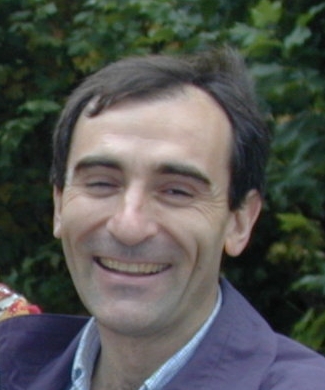 Pablo Laguna Lasosa合作论文数Department of Electrical Engineering, School of Engineering, University of Zaragoza;Aragón Institute for Engineering Research, University of Zaragoza9
 Andrea Rozo合作论文数Micrograv Res Ctr, Univ Libre Bruxelles8
 Willemijn Groenendaal合作论文数imec the Netherlands/Holst Centre8
 Bert Vandenberk合作论文数8
 Carlo saverio Iorio合作论文数Microgravity Research Center, Universite Libre de Bruxelles8Thomas De Cooman合作论文数Dept. of Electr. Eng.-ESAT, KU Leuven;c;Dept. of Electr. Eng.-ESAT, KU Leuven7
 Devy Widjaja合作论文数7Melkamu H. Asmare合作论文数7
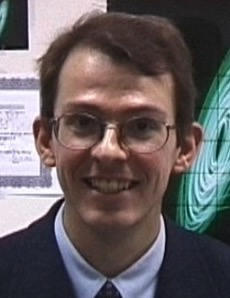 Johan Suykens合作论文数Department of Electrical Engineering, Faculty of Architecture, KU Leuven;Faculty of Engineering Science, KU Leuven7Sebastian Ingelaere合作论文数6Griet Goovaerts合作论文数6
 Christophe Smeets合作论文数6
 Tom Torfs合作论文数IMEC6
 W. De Raedt合作论文数IMEC6
 Meng Shang合作论文数5
 Matthew Amoni合作论文数5Nick Goelen合作论文数5
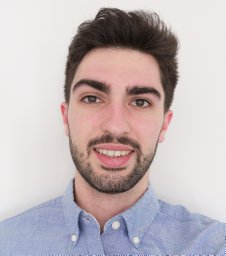 Javier Milagro合作论文数Biomedical Signal Interpretation and Computational Simulation (BSICoS) Group, Aragón Institute of Engineering Research (I3A), IIS Aragón, University of Zaragoza, Zaragoza, Spain5
 Luca Faes合作论文数Department of Engineering, University of Palermo5
 Jan Tack合作论文数Department of Gastroenterology, University Hospitals Leuven;Department of Pathophysiology, University of Leuven5
 Kaat Alaerts合作论文数Motor Control Laboratory, Katholieke Universtiteit Leuven5
 Vanja Miskovic合作论文数Serv Chim Phys, Univ Libre Bruxelles4Melanie Schoutteten合作论文数4
 Helene De Canniere合作论文数4
 Tim Willemen合作论文数4Vandervoort Pieter M合作论文数4
 Maarten De Vos合作论文数Department of Electrical Engineering, KU Leuven;Department of Development and Regeneration, KU Leuven;Leuven Brain Institute, KU Leuven4
 Borbála Hunyadi合作论文数Department of Microelectronics, Faculty of Electrical Engineering, Mathematics and Computer Science, Delft University of Technology4
 Michele Orini合作论文数Department of Bioengineering, Politecnico di Milano4
 Juan Bolea合作论文数4




