PURPOSE:The PBTC-051 study is the first pediatric evaluation of a CD40 agonist and assessed the safety, pharmacokinetics, and preliminary efficacy of sotigalimab in children and young adults with recurrent or progressive malignant central nervous system (CNS) tumors (stratum 1) and post-radiation pre-progression diffuse intrinsic pontine glioma (DIPG) (stratum 2). PATIENTS AND METHODS:This prospective phase 1 study conducted by the Pediatric Brain Tumor Consortium evaluated sotigalimab using a 3+3 design for dose escalation. Immune pharmacodynamics were assessed with RNA transcript analysis, T cell receptor sequencing, and cytokine profiling. RESULTS:31 eligible patients were enrolled (stratum 1: 20, stratum 2: 11). The stratum 1 recommended phase 2 dose was 0.6 mg/kg every 3 weeks; the stratum 2 maximum tolerated dose was 0.3 mg/kg every 3 weeks. Five patients had dose-limiting toxicities. No patients had an objective response. For stratum 1, 6-month and 12-month progression-free survivals (PFS) were 13.3% (standard error [SE], 8.1%) and 6.7% (SE, 6.2%), respectively; for stratum 2, 6-month PFS and overall survival were 31.2% (SE, 14.8%) and 44.4% (SE, 16.6%), respectively. At all dose levels, the maximum serum concentration was reached at the end of infusion; no drug accumulation was detected. More than 40% of patients developed anti-drug antibodies. Signaling pathways associated with activated antigen presenting cells and T cells were enriched in patients with higher PFS, while increased loss of heterozygosity was noted in patients with lower PFS. CONCLUSIONS:Sotigalimab was well-tolerated in pediatric patients with recurrent or progressive CNS tumors and post-radiation pre-progression DIPG.
BACKGROUND:The identification of clinical and molecular heterogeneity in medulloblastoma has produced risk-stratified therapy, but establishing the most effective yet least toxic regimens has remained elusive owing to numerous treatment options. To improve risk-stratification, we performed an integrated analysis from three clinical trials. METHODS:Medulloblastoma patients from ACNS0331/NCT00085735, ACNS0332/NCT00392327, and SJMB03/NCT00085202 were included if they had methylation profiling. Molecular groups [WNT, SHH, Group 3 (G3), and Group 4 (G4)], subgroups, and copy number variations were procured from methylation profiles and mutations from next-generation sequencing. Data was assembled into an interactive portal to capture patient characteristics. Cross-trial comparisons, univariable, and multivariable analyses were conducted and used to derive a risk-stratification schema. RESULTS:Eight hundred ninety-eight patients (WNT = 131, SHH = 151, G3 = 220, G4 = 396) were included. Progression-free-survival (PFS) distributions among analogous cross-trial cohorts were not different, demonstrating no survival advantage of any one therapy over another. The addition of carboplatin to high-dose craniospinal irradiation (HDCSI) containing regimen was selectively superior in PFS in G3/G4 subgroup 3 (P = 0.048) and G3/G4 subgroup 2 (P = 0.035) to HDCSI regimens without carboplatin. Nine actionable risk-stratified groups were identified consisting of 2 WNT groups (low, high-risk), 3 SHH groups (low-, average-, very-high-risk), and 4 G3/G4 groups (low-, average-, high-, and very-high-risk). CONCLUSIONS:Our integrated cross-trial analysis suggests toxicity can be reduced by eliminating disproportionate differences in therapy in favor of a more uniform treatment backbone. Moreover, we propose and model a risk-classification system that identifies the most appropriate cohorts on which to trial significant dose reductions in craniospinal irradiation or select treatment intensifications.
Background Patients with diffuse anaplastic Wilms tumor (DAWT) experience relatively poor oncologic outcomes. Previous work has described mechanisms of telomerase upregulation in DAWT, posing a potential therapeutic target. Methods We assessed in vitro sensitivity to vincristine, irinotecan, and telomerase-targeting drug 6-thio-2’-deoxyguanosine (6dG) in DAWT cell lines WiT49 and PDM115 and in spheroids derived from cell lines and four DAWT patient-derived xenografts (PDX). We also tested in vivo response to vincristine/irinotecan (VI), 6dG, or combination in WTPDX. Results Sensitivity to vincristine varied with EC50 between 0.13 and 44.92 nM in spheroids, with EC50 for SN-38 (irinotecan active metabolite) from 3.06 to 70.96 nM. All were resistant to 6dG monotherapy with EC50 from 3.06 to 50+ μM. In KT-51, 10 μM 6dG significantly slowed spheroid growth. 6dG treatment increased DNA damage response markers pChk1 S345, p53 and γH2AX levels in KT-51, KT-53 and KT-60 spheroids. In WiT49 2D culture, treatment of sub-toxic doses of 6dG did not induce apoptosis or cell cycle arrest and exhibited minimal synergistic capacity with VI; TERT overexpression did not increase 6dG sensitivity. In vivo treatment of KT-51, KT-53, and KT-60 with VI exhibited variable responses from progressive disease to complete clinical responses, but 6dG monotherapy resulted in no tumor responses and 6dG addition to VI conferred no increased tumor suppression. Conclusions DAWT models are variably sensitive to VI but are resistant to 6dG monotherapy or combination with VI. Future research will address limitations of preclinical WT model systems and assess additional targeted therapies for high-risk WT subtypes.
Background:The Children's Oncology Group (COG) study ACNS0332 examined the effect of adding carboplatin and isotretinoin to high-risk medulloblastoma therapy. Isotretinoin arms were closed early due to futility, but the effect of carboplatin was shown to vary by individual medulloblastoma subgroups. Because isotretinoin arms were closed before subgroup classification was available, a differential effect of isotretinoin among various subgroups was not examined. Here, we conduct a secondary analysis of ACNS0332 data examining the effect of isotretinoin on event-free survival (EFS) among individual medulloblastoma subgroups. Methods:Among 261 patients enrolled in ACNS0332, a subgroup was evaluable in 231 patients. Fisher's exact tests and chi-square tests were used to compare distributions of categorical variables among patients with and without exposure to isotretinoin. EFS for subgroups was estimated, and the log-rank test was used to examine differences in outcome distributions among patient groups. Results:Among 231 evaluable patients, 85 were randomized to isotretinoin, 85 were randomized to no isotretinoin, and 61 received no isotretinoin without randomization. All 4 medulloblastoma groups were identified: Randomization to isotretinoin was not associated with any difference in EFS in patients with group 3 (n = 79, P = .87), group 4 (n = 101, P = .53), SHH (n = 37, P = .69) or WNT (n = 14, P = 1) medulloblastoma. Conclusions:This study confirms that isotretinoin in addition to radiation and chemotherapy did not improve EFS in pediatric high-risk medulloblastoma regardless of molecular subgroup.
Abstract BACKGROUND Medulloblastoma has been redefined into four molecular subgroups (WNT, SHH, Group 3, and Group 4), with distinct prognoses and responses to treatment. The ACNS0332 trial investigated the impact of carboplatin and isotretinoin in high-risk medulloblastoma finding a differential effect of carboplatin by molecular subgroup. An interim futility analysis showed no benefit from isotretinoin, but did not evaluate results by molecular subgroup in the primary analysis. We performed a secondary analysis to examine whether the effect of isotretinoin on event-free survival (EFS) differed by molecular subgroup. METHODS Evaluable patients with known molecular subgroups were analyzed. Molecular subgroup analysis was conducted retrospectively in 231 patients at a central laboratory by methylation array. Kaplan-Meier survival analysis compared EFS (time from enrollment to disease progression or recurrence, second malignancy, death from any cause, or to date of last follow-up for patients without events). RESULTS Based on data from the 2014 interim analysis, 164 patients were eligible for secondary analyses. Group 3 (n=56, 34.1%) and Group 4 (n=75, 45.7%) were the most common groups. SHH (n=22, 13.4%) and WNT (n=11, 6.7%) groups were less common. There was no difference in isotretinoin (p=0.87) or carboplatin (p=0.49) randomization by subgroup. Race was well-balanced with expected differences in age (p=0.017) and sex (p=0.016) among molecular subgroups. Based on the interim analysis, there was no evidence of a difference in EFS by isotretinoin randomization (p=0.34; one-sided log-rank test stratified by carboplatin randomization). Based on secondary analysis data, there was no difference in EFS between patients receiving isotretinoin or no additional therapy in any molecular subgroup: Group 3 (p=0.68), Group 4 (p=0.55), SHH (p=0.68), WNT (p=1) based on two-sided log-rank tests. CONCLUSIONS Despite differential efficacy of carboplatin among molecular subgroups, no difference was found in EFS between patients receiving isotretinoin and those who did not, regardless of molecular subgroup.
Abstract BACKGROUND Pediatric high-grade gliomas (pHGGs), including diffuse intrinsic pontine glioma (DIPG), are a leading cause of central nervous system tumor-related morbidity and mortality in children. Neuronal activity promotes growth of HGGs; one key mechanism is neuronal activity-regulated shedding of neuroligin-3 into the glioma microenvironment, mediated by the protease (A Disintegrin and Metalloprotease) ADAM10. ADAM10 inhibition slows tumor growth in preclinical pHGG models. Here, we report results of the clinical trial PBTC-056 (NCT04295759) evaluating safety and tolerability of INCB007839, an inhibitor of the ADAM 10 and 17 proteases. METHODS Patients aged 3-21 years old with recurrent/progressive pHGGs, including DIPG, were eligible. Additional eligibility criteria included measurable disease and failure of at least 1 standard treatment. One dose level (120mg/m2/dose twice daily [BID]) was tested, and the trial was subsequently amended to require prophylactic anticoagulation with enoxaparin due to an unanticipated toxicity. The primary objective was to assess the safety and tolerability of INCB007839 for children with pHGGs. RESULTS 12 of 13 eligible subjects were evaluable. Median age was 13.5 years (4.9-20.7 years). Diagnoses included: DIPG (54%), glioblastoma multiforme (31%), anaplastic astrocytoma (8%) and CNS primary tumor NOS (8%). All patients were treated at DL1 and remained on study for 1-4 courses. The most common toxicities were lymphopenia, elevated transaminases, and fatigue. There were 3 dose-limiting toxicities: Grade 5 cerebral venous thrombosis (n=1), Grade 3 alanine aminotransferase increase (n=1) and Grade 2 thrombocytopenia (n=1). Ten patients progressed/relapsed during active treatment, 1 patient died on treatment, and 2 patients withdrew (1 prior to starting therapy). CONCLUSIONS INCB007839 was generally well tolerated with a recommended phase 2 dose of 120mg/m2/dose BID and concurrent prophylactic anti-coagulation. These data, combined with foundational preclinical studies targeting neuron-cancer interactions, open the door to possible cancer neuroscience strategies, including combination therapy, for pediatric high-grade gliomas.
Abstract BACKGROUND SJ-ELIOT (NCT04023669) was a phase 1 trial that explored the combination of the checkpoint kinase inhibitor, prexasertib with the DNA-damaging agents, cyclophosphamide and gemcitabine, in recurrent or refractory medulloblastoma. METHODS Participants ≥ 1 year and < 25 years were stratified to one of two treatment strata: stratum A prexasertib and cyclophosphamide and stratum B prexasertib and gemcitabine. Patients with Group 3/4 medulloblastoma were assigned to either stratum A or B, whereas patients with SHH medulloblastoma were assigned to stratum A. A Rolling-6 design was used. RESULTS Fifteen patients were enrolled on stratum A and six patients on stratum B. The study was closed early due to drug supply issues. In stratum A, three patients were escalated to dose level (DL) 3 and none had dose limiting toxicity (DLT). For stratum B, of the first three patients enrolled on DL1, two had DLTs (grade 3 hypotension) related to drug reactions. Consequently, stratum B was amended to add hydrocortisone prophylaxis. A further three patients were enrolled. One patient had a grade 3 DLT (ALT increase). The remaining two patients electively stopped therapy within the first two courses. One patient on stratum A, with SHH TP53 mutant, MYCN amplified medulloblastoma, achieved a complete sustained response, received 12 cycles, and electively stopped treatment after 408 days. They progressed nine months later. The remaining 14 patients on stratum A progressed. There were no objective responses on stratum B. Median PFS were 1.9 and 2.1 months for stratum A and B respectively. CONCLUSIONS The MTD/RP2D was not established for either arm. In stratum A, DL3 was tolerated, whereas DL1 for Stratum B was not tolerated. Despite robust preclinical data, no efficacy signal was observed. Intriguingly, one patient with a highly aggressive tumor (SHH TP53 mutant, MYCN amplified) appeared to derive a sustained benefit from the combination of prexasertib and cyclophosphamide.
Abstract BACKGROUND Although survival outcomes for average risk (AR) medulloblastoma remain good, patients may experience significant acute and long-term toxicities from therapy. To evaluate the effect of dose modifications among children with AR medulloblastoma, we examined the effect of cumulative chemotherapy dose on overall and event-free survival. METHODS We retrospectively examined the association between the proportion of scheduled chemotherapy dose received on survival outcomes (OS and EFS) using Cox regression models and log-rank tests for patients treated on ACNS0331. We evaluated all chemotherapy agents for the group as a whole and within the four major subgroups. Dose intensity was analyzed continuously and categorically (>75% or <75% of planned dose) for each agent. RESULTS 274 evaluable children (medulloblastoma by methylation, received standard dose craniospinal radiation and chemotherapy) were followed for a median of 9.3 years (range, 7.0-10.4 years). Vincristine and cisplatin showed the most variable dose intensity (25.2% and 31.8% of patients received <75% of expected dosing, respectively). Cyclophosphamide and lomustine were not examined due to low dose variability (17.2% and 11.7%, respectively). The effect of dose intensity was evaluated in 235 patients who completed planned therapy. Molecular subgroup remained a significant predictor of outcome in AR medulloblastoma (EFS (p=0.012) and OS (p=0.008)). Although survival curves were lower for less dose intense treatments, no significant difference in EFS or OS was found due to reduced dose intensity for vincristine (p=0.36 EFS, p=0.35 OS) or cisplatin (p=0.49 EFS, p=0.52 OS). The hazard ratio [95% confidence interval] for chemotherapy proportion and EFS was 0.998[0.977-1.019] (vincristine) and 0.989[0.966-1.012] (cisplatin). There was no difference in the effect of dose reductions by molecular subgroup. CONCLUSIONS Moderate reductions in vincristine and cisplatin dose intensity do not significantly affect survival in AR medulloblastoma. It is unknown whether this reduction would reduce chemotherapy-related toxicity.
CD40 is a co-stimulatory receptor present on antigen-presenting cells. CD40 agonists are hypothesized to reverse cancer-induced immune suppression and induce tumor cell killing. The PBTC completed a first-in-pediatrics phase 1 study (PBTC-051) of the CD40 agonistic monoclonal antibody APX005M (sotigalimab). Patients 1-21.99 years old with recurrent/progressive/refractory malignant non-brainstem central nervous system (CNS) tumors were eligible for stratum 1, and those with post-radiation pre-progression diffuse intrinsic pontine glioma (DIPG) for stratum 2. Patients received APX005M (sotigalimab) via IV on day 1 of each 21 day cycle. A 3 + 3 statistical design was used for dose escalation through 3 planned dose levels (DL). Patients could receive APX005M (sotigalimab) for 36 cycles or until disease progression, unacceptable toxicity, or death. 31 eligible patients enrolled (20 on stratum 1, 11 on stratum 2) between 2018-2023; 29 were evaluable for dose finding. The most common diagnosis in stratum 1 was ependymoma (35%). DL3 (0.6 mg/kg) was the recommended phase 2 dose (RP2D) for stratum 1 and DL2 (0.3 mg/kg) for stratum 2. Five patients had dose limiting toxicities—two stratum 1 patients at DL3 and three stratum 2 patients at DL3. The most common grade 3+ adverse events at least possibly attributable to APX005M (sotigalimab) were lymphopenia, neutropenia, leukopenia, and increased ALT. Median number of cycles was 2 (1-36) for stratum 1 and 3 (1-19) for stratum 2. No patients had an objective response to APX005M. 6 month progression-free survival (PFS) for stratum 2 patients (calculated from start of treatment) was 30.7±12.8%; median PFS was 3.7 months. APX005M was well-tolerated in pediatric patients with both recurrent/refractory/progressive CNS tumors and post-radiation pre-progression DIPG. A RP2D was established for both populations. Future studies of this agent in pediatric neuro-oncology patients should prioritize combination therapy.
Background Young children treated for central nervous system (CNS) malignancies are at high risk for difficulties with academic functioning due to increased vulnerability of the developing brain and missed early developmental opportunities. Extant literature examining academics in this population is limited. We investigated academic readiness, its clinical and demographic predictors, and its relationship with distal academic outcomes among patients treated for CNS tumors during early childhood.Methods Seventy patients with newly diagnosed CNS tumors were treated on a prospective, longitudinal, multisite study with chemotherapy, with or without photon or proton irradiation. Patients underwent assessments of academic skills at baseline, 6 months, 1 year, and then annually for 5 years. Assessments measured academic readiness and academic achievement in reading and math.Results Mixed linear models revealed slowed development of academic readiness skills over time. Socioeconomic status (SES) was predictive of academic readiness at all time points. Other demographic (eg, age at treatment) and clinical (eg, shunt status, treatment exposure) variables were not predictive of academic readiness. Distal reading difficulties were proportionally greater than normative expectations while math difficulties did not differ. Academic readiness was predictive of distal academic outcomes in reading and math.Conclusions Treatment for CNS malignancies in early childhood appears to slow development of academic readiness skills, with SES predictive of risk. Academic readiness skills were predictive of subsequent academic achievement. A disproportionate number of long-term survivors performed below age-based expectations in reading. These findings suggest the need for monitoring and interventions targeting early academic skills in this population.
Supplementary Materials and Methods, Tables 1-3, Figures 1-2 from The Insulin-like Growth Factor-1 Receptor–Targeting Antibody, CP-751,871, Suppresses Tumor-Derived VEGF and Synergizes with Rapamycin in Models of Childhood Sarcoma
Supplementary Figures S10-S13. In vitro xenograft responses to ABT-263 by co-culture assay; S11. Formulae to determine assay sensitivity and specificity; S12. Live and dead cell analysis of each xenograft sample using 7-AAD staining and flow cytometry; S13. Comparison of ABT-263 responses for 5 xenograft samples in co-culture system versus single-cell suspension
Supplementary Figures S6-S9. Correlations between BCL2 family gene expression and in vivo ABT-263 sensitivity in the MLL-ALL xenograft panel; S7. Correlations between BCL2 family gene expression and in vivo ABT-263 sensitivity in the BCP-ALL xenograft panel; S8. Correlations between BCL2 family gene expression and in vivo ABT-263 sensitivity in the T-ALL xenograft panel; S9. Representative immunoblot of MCL1 protein expression in ALL xenografts.
 Malcolm A. Smith合作论文数Division of Cancer Treatment and Diagnosis, National Cancer Institute, National Institutes of Health, U.S. Department of Health and Human Services63
 Peter Houghton合作论文数Department of Molecular Medicine, Long School of Medicine, The University of Texas Health Science Center at San Antonio;Department of Pediatrics, Long School of Medicine, The University of Texas Health Science Center at San Antonio;Greehey Children’s Cancer Research Institute, The University of Texas Health Science Center at San Antonio60
 Richard B. Lock合作论文数51
 Hernan Carol合作论文数49Raushan T. Kurmasheva合作论文数46
 Richard Gorlick合作论文数Department of Pediatrics Patient Care, Division of Pediatrics, The University of Texas MD Anderson Cancer Center;Department of Pediatric Sarcoma Research Laboratory, The University of Texas MD Anderson Cancer Center44
 C. Patrick Reynolds合作论文数School of Medicine, Texas Tech University Health Sciences Center;Institute for One Health Innovation, Texas Tech University Health Sciences Center44
 Stephen T. Keir合作论文数Department of Neurosurgery, Duke University School of Medicine43E Anders Kolb合作论文数41
 Amar Gajjar合作论文数Department of Pediatric Medicine, St. Jude Children's Research Hospital;Division of Neuro-Oncology, Department of Oncology, St. Jude Children's Research Hospital41Jianrong Wu合作论文数41
 John M. Maris合作论文数Children's Hospital of Philadelphia;Perelman School of Medicine, University of Pennsylvania;Tantigen Bio41
 Min H. Kang合作论文数Institute for One Health Innovation, Texas Tech University;School of Medicine, Texas Tech University Health Sciences Center36
 Arzu Onar-Thomas合作论文数St Jude Childrens Res Hosp33
 Thomas E. Merchant合作论文数Department of Radiation Oncology, St. Jude Children's Research Hospital;Comprehensive Cancer Center, St. Jude Children's Research Hospital;St. Jude Graduate School of Biomedical Sciences, St. Jude Children's Research Hospital33
 Najat C. Daw合作论文数Division of Pediatrics, Department of Pediatrics, The University of Texas M.D. Anderson Cancer Center;Children's Memorial Hermann Hospital33Carlos Rodriguez-Galindo合作论文数29Christopher L. Morton合作论文数29Ibrahim Qaddoumi合作论文数Department of Oncology, St. Jude Children’s Research Hospital24
 Clinton F. Stewart合作论文数Department of Pharmacy and Pharmaceutical Sciences, St. Jude Graduate School of Biomedical Sciences;Comprehensive Cancer Center, St. Jude Graduate School of Biomedical Sciences;University of Tennessee23Maryam Fouladi合作论文数20
 Giles Robinson合作论文数19
 Roger J. Packer合作论文数Gilbert Family Neurofibromatosis Institute, Children’s National Hospital, University of Pennsylvania;School of Medicine and Health Sciences, George Washington University;University of Virginia19Davidoff Andrew M合作论文数18
 Victor M. Santana合作论文数Department of Global Pediatric Medicine, St. Jude Children's Research Hospital;Department of Oncology, St. Jude Children's Research Hospital18
 Sheri L Spunt合作论文数ImmunoGen, Inc.18
 Yimei Li合作论文数Department of Biostatistics, Epidemiology and Informatics, Perelman School of Medicine, University of Pennsylvania17
 Wayne L. Furman合作论文数Division of Solid Tumor, Department of Oncology, St. Jude Children's Research Hospital17
 Kathryn Louise Evans合作论文数17B N Rao合作论文数16
 Matthew W Wilson合作论文数15
 Matthew J. Krasin合作论文数Department of Radiation Oncology, St. Jude Children’s Research Hospital;Comprehensive Cancer Center, St. Jude Children’s Research Hospital14Paul A. Northcott合作论文数The Arthur and Sonia Labatt Brain Tumour Research Center, Hospital for Sick Children, Toronto, ON, Canada14
 Jeff M. Michalski合作论文数Department of Radiation Oncology, School of Medicine, Washington University in St. Louis;Division of Clinical Research, School of Medicine, Washington University in St. Louis;Institute of Clinical and Translational Sciences, School of Medicine, Washington University in St. Louis;Siteman Cancer Center, School of Medicine, Washington University in St. Louis13
 Bhaskar Rao合作论文数13
 Ian F. Pollack合作论文数Department of Neurological Surgery, School of Medicine, University of Pittsburgh12
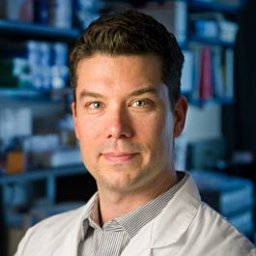 Orr Brent A合作论文数Department of Pathology, Johns Hopkins University School of Medicine12
 Sarah Leary合作论文数12
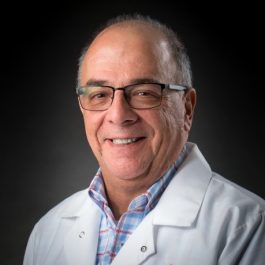 Alberto Pappo合作论文数Comprehensive Cancer Center, St. Jude Children's Research Hospital;Solid Tumor Division, Department of Oncology, St. Jude Children's Research Hospital;St. Jude Graduate School of Biomedical Sciences, St. Jude Children's Research Hospital12Lisa M. Mcgregor合作论文数12Fariba Navid合作论文数12
 Tina Young Poussaint合作论文数Department of Radiology, Children's Hospital Boston;Harvard Medical School12M. J. Krasin合作论文数11Suryani Santi合作论文数Lowy Cancer Research Centre, Children's Cancer Institute Australia for Medical Research11
 Eugene I Hwang合作论文数Children's National Medical Center11Barrett G. Haik合作论文数11
 Jesse Jenkins合作论文数Department of Pathology, St. Jude Children's Research Hospital11
 Tiebin Liu合作论文数Division of Birth Defects and Developmental Disabilities, Centers for Disease Control and Prevention11
 Sonia Partap合作论文数11




