Strategies for equitably managing savannas are urgently needed as these ecosystems undergo significant social and ecological changes that threaten their sustainability and the livelihoods of those that depend upon them. Using snowball sampling, we interviewed 28 key informants in Velingara, Senegal, to quantify the relative socio-cultural importance of savanna species and understand the drivers and impacts of environmental change as experienced by local people. We identified 43 species of particularly high socio-cultural importance, only eight of which are considered highly important in other areas of Senegal and West Africa, which underscores the need for local-scale ethnobotanical studies of how livelihoods and cultural values intersect with biophysical changes in West African savannas. Respondents identified a drying trend associated with declines in tree and grass biodiversity. Biodiversity loss was further associated with changing market forces, fire regimes, and an invasive herb. We situate our results within a broader West African ethnobotanical context, and propose four guiding principles to facilitate equitable and sustainable management of Sudano-Guinean savanna: (1) Monitor migration as an adaptation strategy for both humans and plants, (2) Pursue a biocultural approach to savanna restoration, (3) Co-create collaborative strategies for governing the commons, and (4) Develop international, market, and policy-based strategies for curbing local timber harvesting.
Invasive species pose a tremendous threat to biodiversity across the globe. In Ethiopia, Prosopis juliflora predominantly occurs in the lowlands and posing a threat to both biodiversity and the livelihoods of pastoralists and agro-pastoralists living there. The aim of this study is to synthesize the state-of-the-art research and management practices related to P. juliflora in Ethiopia. A Reporting Standards for Systematic Evidence Syntheses (ROSES) flow diagram was developed for systematic review/meta-analysis, followed by the systematic review of literature (n = 85 studies) on P. juliflora research in Ethiopia. Prosopis juliflora related research exponentially increased over the past three decades. Most (48.2%) of the collaborative works were either international or local (41.2%), while national level collaborations were limited (10.6%). Regarding the disciplinary focus, the natural sciences (52.9%) dominated, whereas transdisciplinary research was extremely rare. We found that ‘zonal’ studies predominate (31.8%) whereas national (5.9%) and regional (2.4%) level studies were scarce. Studies that focused on species attributes comprised about 24% of studies. Basic research on public perceptions of the socio-economic and ecological impact of P. juliflora was the most commonly researched topic in Ethiopia (20%) However, P. juliflora management studies are scanty. Research gaps, including lack of transdisciplinary research and long-term experimental and observational research, were identified to help researchers, academic, decision and policymakers focus future work in these areas.
The uncertain future of the world's mountain spaces creates an immediate need for collaborative, timely, and innovative approaches to address complex and changing challenges. Over the past decade, the Mountain Sentinels Collaborative Network (MSCN) has led a transdisciplinary, international network of partners and local community members to address critical social-ecological sustainability challenges facing mountain communities. The MSCN's goals have been accomplished through building capacity and leveraging resources among network participants, researching relevant global modeling frameworks, fostering relationships, utilizing approaches that link science with policy and practice, and integrating local knowledge and expertise. The fellows' program has funded projects to address local problems, supporting mountain communities' resilience. Furthermore, the MSCN developed various resources and opportunities for network participants including hosting interactive workshops, convening virtual spaces for connections, advising partner initiatives, and supporting career development. These initiatives resulted in a new approach to guide the implementation of environmental transdisciplinary work known as Science with Society, and the development of a sister network in Africa, among other accomplishments that inform and support mountain sustainability. The work of the MSCN continues by building on its efforts and successes and cocreating collective impact to improve and enhance the future of global mountain ecosystems.
This paper examines global patterns of human-plant relationships related to the provisioning of roof thatch for human housing, encouraging greater understanding of the basic material and social conditions needed to support human well-being. I identify 205 species used for roof thatch in 60 countries around the world, with an additional 27 taxa identified to genus level. Grass-like species are by far the most common roof thatch material globally, followed by palm-like species (particularly in South America). However, this review was hindered by a persistent lack of attention to specific plant identities and their biological and ecological characteristics. Roof thatch is both a subsistence and commercial product, and is often considered an ecosystem service of secondary importance. As such, thatch has played a hidden role in the global economy to this point, and its cultural importance has been obscured. Mischaracterizing all subsistence use of thatch as poverty, without careful attention to human preferences for particular plant characteristics, is an over-simplification that ignores the complexity and dignity of land-based livelihoods. National and international markets, wealth, land ownership, skilled knowledge (both material and spiritual), skilled labor (both human and nonhuman), and new technologies all influence peoples’ equitable and sustainable access to roof thatch. This review demonstrates that access to preferred roof thatch is a critical aspect of human well-being, inextricably linked to the identities and sovereignty of rural and Indigenous communities. Long-term, place-based transdisciplinary work that seeks to understand and foster human-thatch relationships in specific contexts holds great potential for promoting future roof thatch sustainability in equitable ways.
Home to 88 million people, the Ethiopian mountains are a highly heterogeneous landscape. The Afroalpine ecosystem is found above 3000 masl and is characterized by high levels of species diversity, rarity, and endemism. The objective of this article is to investigate impacts of plantation forests on both the human and plant communities of the Afroalpine zone. We use a case study of a community-based conservation area in the north central highlands, Guassa Community Conservation Area (Guassa), where plantation forests have been established since the 1970s. The study area covers about 78 km2 ranging between 2600 and 3700 masl and largely belongs to the Afroalpine zone. We interviewed 100 residents of the 4 administrative regions closest to Guassa and conducted vegetation sampling of 70 quadrats along 2 transect lines. We found a roughly equal number of ecosystem services between native grassland and plantation forest. However, respondents reported 7 unique ecosystem services from the native grassland and only 3 unique ecosystem services from the plantation forest. Both native grassland and plantation areas were valued for their perceived ability to attract rain and provide habitat for wild animals. We recorded a total of 87 species belonging to 63 genera and 31 plant families across both vegetation types surveyed and a total of 19 endemic species. Of the plant families, Asteraceae had the highest species number. Although plantation forests support less diverse plant communities and provide fewer unique ecosystem services to human communities compared to native Afroalpine vegetation, they are still a valuable piece of the landscape mosaic.
This study aimed to understand the impact of shrub encroachment on native species in the Guassa Community Conservation Area in Ethiopia. We assessed the soil seed bank composition and density across different elevations and aspects, and management systems within the area. The vegetation was stratified and eight blocks were selected across a range of elevation (<3350 m and >3350 m) and aspect (northeast, northwest, southeast, southwest). Within each block we established twenty 5m x 5m plots for a total of 160. We then collected soil samples from five subplots (1 m x 1 m) at three depths (0-3 cm, 3-6 cm and 6-9 cm) for a total of 480 samples, which were established in pots in greenhouse. We calculated species abundance by totaling the number of seedlings that emerged from each sample. To determine the variability in the abundance of Festuca macrophylla and Helichrysum splendidum in the soil seed bank along altitudinal gradient, we used two-way ANOVA using SAS statistical software version 9.0.1. Shannon diversity index was used to determine species diversity in the soil seedbank. After counting all the seeds, we identified 74 plant species represented in the soil seedbank which belong to 55 genera and 23 families. Eleven species are endemic to Ethiopia. At the lower elevation range, the effects of aspect (P <0.0088) and soil depth (P <0.005) are not significant to determine the abundance of seeds of H. splendidum and F. macrophylla. But when the factors are segregated, both aspect and soil depth play a significant role (p<0.0001) regarding the abundance of the seeds of the competing species at lower elevation. At higher elevation, only the effect of soil depth is significant (P<0.0001) for determining the abundance of H. splendidum. Soil depth and aspect have no significant effects on soil seed bank abundance at this elevation.
Climate warming threatens the future sustainability of mountains, and tropical mountains are particularly threatened with loss of biodiversity and associated ecosystem services. Conservation biologists increasingly turn to habitat suitability models to guide the establishment and assessment of protected area networks to protect the highest number of species, yet this focus often neglects the values, attitudes, and beliefs of the people living around protected areas. If we consider protected areas as dynamic social–ecological systems, habitat suitability modeling for conservation planning must pay greater attention to the role of biocultural diversity, rather than biodiversity alone. Here, we describe a conservation assessment of the Afroalpine grassland ecosystem in the northern highlands of Ethiopia. We use a cultural keystone species known as guassa grass (Festuca macrophyhlla) to focus our modeling efforts and evaluate the potential distribution of this endemic species in relation to current national and community-based protected areas. Our model performed highly according to the area under the curve (AUC = 0.96), yet nearly 80% of highly suitable guassa habitat falls outside the range of our training data and thus must be interpreted conservatively. We found that guassa grass distribution is primarily limited by low mean temperature in the warmest quarter (BIO10, 36.7%), high precipitation in the wettest quarter (BIO16, 21%), and low precipitation in the driest quarter (BIO17, 15.6%). As climate change causes rapid warming at high elevations and alters rainfall patterns in the Ethiopian highlands, we urge managers to carefully monitor the changing populations of guassa grass to evaluate whether the species is experiencing an extinction debt. We also recommend four additional areas as potential community-based conservation areas, with government and NGO support for peer-to-peer communication networks. Spatially explicit modeling may be a valuable tool to determine whether these existing and proposed protected areas can sustain future populations of guassa grass.
Advancing equity is a complex challenge for society, science, and policy. Agent-based models are increasingly used as scientific tools to advance understanding of systems, inform decision-making, and share knowledge. Yet, equity has not received due attention within the agent-based modeling (ABM) literature. In this paper, we develop a conceptual framework and provide guidance for integrating equity considerations into ABM research and modeling practice. The framework conceptualizes ABM as interfacing with equity outcomes at two levels (the science-society interface and within the model itself) and the modeler as a filter and lens that projects knowledge between the target system and the model. Within the framework, we outline three complementary, equity-advancing action pathways: (1) engage stakeholders, (2) acknowledge positionality and bias, and (3) assess equity with agent-based models. For Pathway1, we summarize existing guidance within the participatory modeling literature. For Pathway 2, we introduce the positionality and bias document as a tool to promote modeler and stakeholder reflexivity throughout the modeling process. For Pathway 3, we synthesize a typology of approaches for modeling equity and offer a set of preliminary suggestions for best practice. By engaging with these action pathways, modelers both reduce the risks of inadvertently perpetuating inequity and harness the opportunities for ABM to play a larger role in creating a more equitable future.
We co-designed an agent-based model of an Afroalpine grassland in Ethiopia that is experiencing unwanted shrub encroachment. The goal was to enable managers of a community conservation area to better understand the drivers of shrub encroachment and to test possible management actions for controlling shrubs. Due to limited site-specific data, we parameterized this model using insights from published literature, remote sensing, and expert opinion from scientists and local managers. We therefore sought to explore potential future scenarios rather than make highly accurate predictions, focusing on facilitating discussions and learning among the diverse co-management team. We evaluated three social-ecological scenarios with our model, examining: (1) the impact of changing precipitation regimes on vegetation, (2) whether changing the frequency of guassa grass harvests would improve the long-term sustainability of the grassland, and (3) whether the combination of grass harvest and shrub removal would affect shrub encroachment. We found that the model was highly sensitive to the amount of grass harvested each year for local use. Our results indicate that the guassa grass was more resilient than shrubs during persistent dry climatic conditions, whereas a reduction in only the early spring rains (known as the "belg") resulted in considerable loss of grass biomass. While our modeling results lacked the quantitative specificity desired by managers, participants in the collaborative modeling process learned new approaches to planning and management of the conservation area and expanded their knowledge of the ecological complexity of the system. Several participants used the model as a boundary object, interpreting it in ways that reinforced their cultural values and goals for the conservation area. Our work highlights the lack of detailed scientific knowledge of Afroalpine ecosystems, and urges managers to reconnect with traditional ecological management of the conservation area in their pursuit of shrub encroachment solutions. The decline or absence of the belg rains is becoming increasingly common in the Ethiopian highlands, and our results underscore the need for more widespread understanding of how this changing climatic regime impacts local environmental management. This work lays a foundation for social-ecological research to improve both understanding and management of these highly threatened ecosystems.
Managing social-ecological systems increasingly requires collaboration among diverse teams with a wide range of worldviews and perspectives. Increased attention to the social and cultural factors that shape environmental outcomes is needed for these collaborative teams to function effectively. Mental models are cognitive representations of the external world which guide an individual's thinking, decision-making, and behavior. They are critical elements of collaborative environmental management because they shape our understanding of socialecological systems, our perceptions of environmental problems, and our preferences for certain management actions. In this paper, we describe an iterative process of constructing and revising mental models at both individual and small group levels over the course of a year in a community-based conservation area in the Ethiopian highlands. We compared mental models of the conservation area from four groups involved in management to identify commonalities and differences in the way people conceptualize the area. While we found high variability in mental models both within and across groups, most participants perceived social, economic, and political variables to be the key drivers of change in this system. Economic variables were also identified as key sensitivities, along with biotic and livelihood variables. However, groups differed considerably in how they thought about relationships between these variables, particularly political and economic variables. We used interviews with participants to assess how they learned throughout the mental modeling process, finding evidence of changes to stakeholder relationships, system understanding, and the time horizons used in planning. Women farmers differed from other groups at multiple stages in our process, both in the structure of the models they produced and in the social learning they experienced. Our study was strengthened by the iterative process that allowed individuals and small groups to reflect on their own understanding and share it with others, resulting in increased communication, mutual respect, and understanding among members of the management team. These findings point to the complementarity of both individual and group-level mental modeling for nuanced system understanding, and emphasize the need for diverse perspectives in collaborative environmental management in order for holistic understanding of both problems and solutions to emerge.
As global environmental change continues to accelerate and intensify, science and society are turning to transdisciplinary approaches to facilitate transitions to sustainability. Modeling is increasingly used as a technological tool to improve our understanding of social-ecological systems (SES), encourage collaboration and learning, and facilitate decision-making. This study improves our understanding of how SES models are designed and applied to address the rising challenges of global environmental change, using mountains as a representative system. We analyzed 74 peer-reviewed papers describing dynamic models of mountain SES, evaluating them according to characteristics such as the model purpose, data and model type, level of stakeholder involvement, and spatial extent/resolution. Slightly more than half the models in our analysis were participatory, yet only 21.6% of papers demonstrated any direct outreach to decision makers. We found that SES models tend to under-represent social datasets, with ethnographic data rarely incorporated. Modeling efforts in conditions of higher stakeholder diversity tend to have higher rates of decision support compared to situations where stakeholder diversity is absent or not addressed. We discuss our results through the lens of appropriate technology, drawing on the concepts of boundary objects and scalar devices from Science and Technology Studies. We propose four guiding principles to facilitate the development of SES models as appropriate technology for transdisciplinary applications: (1) increase diversity of stakeholders in SES model design and application for improved collaboration; (2) balance power dynamics among stakeholders by incorporating diverse knowledge and data types; (3) promote flexibility in model design; and (4) bridge gaps in decision support, learning, and communication. Creating SES models that are appropriate technology for transdisciplinary applications will require advanced planning, increased funding for and attention to the role of diverse data and knowledge, and stronger partnerships across disciplinary divides. Highly contextualized participatory modeling that embraces diversity in both data and actors appears poised to make strong contributions to the world’s most pressing environmental challenges.
Mountain social-ecological systems (MtSES) are transforming rapidly due to changes in multiple environmental and socioeconomic drivers. However, the complexity and diversity of MtSES present challenges for local communities, researchers and decision makers seeking to anticipate change and promote action towards sustainable MtSES. Participatory scenario planning can reveal potential futures and their interacting dynamics, while archetype analysis aggregates insights from site-based scenarios. We combined a systematic review of the global MtSES participatory scenarios literature and archetype analysis to identify emergent MtSES archetypal configurations. An initial sample of 1983 rendered 42 articles that contained 142 scenarios within which were 852 ‘futures states’. From these future states within the scenarios, we identified 59 desirable and undesirable futures that were common across studies. These ‘common futures’ were grouped into four clusters that correlated significantly with three social-ecological factors (GDP per capita, income inequality, and mean annual temperature). Using these clusters and their associated significant factors, we derived four MtSES scenario archetypal configurations characterized by similar key adaptation strategies, assumptions, risks, and uncertainties. We called these archetypes: (1) “revitalization through effective institutions and tourism”; (2) “local innovations in smallholder farming and forestry”; (3) “upland depopulation and increased risk of hazards”; and (4) “regulated economic and ecological prosperity”. Results indicate risks to be mitigated, including biodiversity loss, ecosystem degradation, cultural heritage change, loss of connection to the land, weak leadership, market collapse, upland depopulation, increased landslides, avalanches, mudflows and rock falls, as well as climate variability and change. Transformative opportunities lie in adaptive biodiversity conservation, income diversification, adaptation to market fluxes, improving transport and irrigation infrastructure, high quality tourism and preserving traditional knowledge. Despite the uncertainties arising from global environmental changes, these archetypes support better targeting of evidence-informed actions across scales and sectors in MtSES.
The study of land change within social-ecological systems (SES) is of great interest and increasingly makes use of remote sensing (RS) imagery to scale inferences up through space and time. However, spatial analysis using dense time series of RS data poses technical hurdles for non-expert users. To broaden the community of SES researchers using RS, we present a simple tool for mapping land change at local to regional scales. The Python implementation of the Noise Insensitive Trajectory Algorithm (pyNITA) is accessed through a streamlined graphical user interface and requires minimal user parameterization to generate long-term trends and identify key dates of significant change (i.e., disturbance events) based on time series of Landsat or Sentinel-2 data. In this paper, we introduce the pyNITA software, explain the underlying algorithm, analyze key parameter sensitivities, and summarize methods and results from three SES case studies of land change.
Transdisciplinary research is a promising approach to address sustainability challenges arising from global environmental change, as it is characterized by an iterative process that brings together actors from multiple academic fields and diverse sectors of society to engage in mutual learning with the intent to co-produce new knowledge. We present a conceptual model to guide the implementation of environmental transdisciplinary work, which we consider a “science with society” (SWS) approach, providing suggested activities to conduct throughout a seven-step process. We used a survey with 168 respondents involved in environmental transdisciplinary work worldwide to evaluate the relative importance of these activities and the skills and characteristics required to implement them successfully, with attention to how responses differed according to the gender, geographic location, and positionality of the respondents. Flexibility and collaborative spirit were the most frequently valued skills in SWS, though non-researchers tended to prioritize attributes like humility, trust, and patience over flexibility. We also explored the relative significance of barriers to successful SWS, finding insufficient time and unequal power dynamics were the two most significant barriers to successful SWS. Together with case studies of respondents’ most successful SWS projects, we create a toolbox of 20 best practices that can be used to overcome barriers and increase the societal and scientific impacts of SWS projects. Project success was perceived to be significantly higher where there was medium to high policy impact, and projects initiated by practitioners/other stakeholders had a larger proportion of high policy impact compared to projects initiated by researchers only. Communicating project results to academic audiences occurred more frequently than communicating results to practitioners or the public, despite this being ranked less important overall. We discuss how these results point to three recommendations for future SWS: 1) balancing diverse perspectives through careful partnership formation and design; 2) promoting communication, learning, and reflexivity (i.e., questioning assumptions, beliefs, and practices) to overcome conflict and power asymmetries; and 3) increasing policy impact for joint science and society benefits. Our study highlights the benefits of diversity in SWS - both in the types of people and knowledge included as well as the methods used - and the potential benefits of this approach for addressing the increasingly complex challenges arising from global environmental change.
Climate change is altering biogeochemical, metabolic, and ecological functions in lakes across the globe. Historically, mountain lakes in temperate regions have been unproductive because of brief ice-free seasons, a snowmelt-driven hydrograph, cold temperatures, and steep topography with low vegetation and soil cover. We tested the relative importance of winter and summer weather, watershed characteristics, and water chemistry as drivers of phytoplankton dynamics. Using boosted regression tree models for 28 mountain lakes in Colorado, we examined regional, intraseasonal, and interannual drivers of variability in chlorophyll a as a proxy for lake phytoplankton. Phytoplankton biomass was inversely related to the maximum snow water equivalent (SWE) of the previous winter, as others have found. However, even in years with average SWE, summer precipitation extremes and warming enhanced phytoplankton biomass. Peak seasonal phytoplankton biomass coincided with the warmest water temperatures and lowest nitrogen-to-phosphorus ratios. Although links between snowpack, lake temperature, nutrients, and organic-matter dynamics are increasingly recognized as critical drivers of change in high-elevation lakes, our results highlight the additional influence of summer conditions on lake productivity in response to ongoing changes in climate. Continued changes in the timing, type, and magnitude of precipitation in combination with other global-change drivers (e.g., nutrient deposition) will affect production in mountain lakes, potentially shifting these historically oligotrophic lakes toward new ecosystem states. Ultimately, a deeper understanding of these drivers and pattern at multiple scales will allow us to anticipate ecological consequences of global change better.
Knowledge coproduction that draws on local and scientific knowledge presents opportunities for more holistic understanding of environmental change. We describe our use of a multiple-evidence based approach to investigate the causes and consequences of environmental change in a community-protected grassland and its surrounding landscape in the Ethiopian highlands. We explore the interaction of biophysical change (precipitation and vegetation) and social change (political and management institutions), and discuss potential impacts for ecosystem service provisioning. We quantified current distributions of locally defined land use/cover classes using a supervised classification, with an overall accuracy of 87.1%. Local community members then described and ranked the ecosystem services associated with each land class according to their perceived importance for society. Vegetation and precipitation changes were assessed using satellite time series beginning in the early 1980s, while local narratives describe changes back to the 1970s. The knowledge coproduction process brought together ethnographic and remote sensing approaches, revealing both complementary and contradictory findings across knowledge systems. Results with high agreement across knowledge systems clarify and reinforce understanding of certain threats and changes to the area, such as the rapidly declining native forests, the disappearing belg rainy season (p = 0.01), and the impact of insecure land tenure on natural resource extraction. Compelling areas of disagreement point to topics in need of further investigation, including increased attention to the spatial and temporal variability of change across a seemingly homogeneous cultural landscape, and the process of shrub encroachment into the protected grassland.
Mountain social-ecological systems (MtSES) provide crucial ecosystem services to over half of humanity. However, populations living in these highly varied regions are now confronted by global change. It is critical that they are able to anticipate change to strategically manage resources and avoid potential conflict. Yet, planning for sustainable, equitable transitions for the future is a daunting task, considering the range of uncertainties and the unique character of MtSES. Participatory scenario planning (PSP) can help MtSES communities by critically reflecting on a wider array of innovative pathways for adaptive transformation. Although the design of effective approaches has been widely discussed, how PSP has been employed in MtSES has yet to be examined. Here, we present the first systematic global review of single- and multiscalar, multisectoral PSP undertaken in MtSES, in which we characterize the process, identify strengths and gaps, and suggest effective ways to apply PSP in MtSES. We used a nine-step process to help guide the analysis of 42 studies from 1989 screened articles. Our results indicate a steady increase in relevant studies since 2006, with 43% published between 2015 and 2017. These studies encompass 39 countries, with over 50% in Europe. PSP in MtSES is used predominantly to build cooperation, social learning, collaboration, and decision support, yet meeting these objectives is hindered by insufficient engagement with intended end users. MtSES PSP has focused largely on envisioning themes of governance, economy, land use change, and biodiversity, but has overlooked themes such as gender equality, public health, and sanitation. There are many avenues to expand and improve PSP in MtSES: to other regions, sectors, across a greater diversity of stakeholders, and with a specific focus on MtSES paradoxes. Communicating uncertainty, monitoring and evaluating impacts, and engendering more comparative approaches can further increase the utility of PSP for addressing MtSES challenges, with lessons for other complex social-ecological systems.
Mountain social‐ecological systems (MtSES) are vital to humanity, providing ecosystem services to over half the planet's human population. Despite their importance, there has been no global assessment of threats to MtSES, even as they face unprecedented challenges to their sustainability. With survey data from 57 MtSES sites worldwide, we test a conceptual model of the types and scales of stressors and ecosystem services in MtSES and explore their distinct configurations according to their primary economic orientation and land use. We find that MtSES worldwide are experiencing both gradual and abrupt climatic, economic, and governance changes, with policies made by outsiders as the most ubiquitous challenge. Mountains that support primarily subsistence‐oriented livelihoods, especially agropastoral systems, deliver abundant services but are also most at risk. Moreover, transitions from subsistence‐ to market‐oriented economies are often accompanied by increased physical connectedness, reduced diversity of cross‐scale ecosystem services, lowered importance of local knowledge, and shifting vulnerabilities to threats. Addressing the complex challenges facing MtSES and catalyzing transformations to MtSES sustainability will require cross‐scale partnerships among researchers, stakeholders, and decision makers to jointly identify desired futures and adaptation pathways, assess trade‐offs in prioritizing ecosystem services, and share best practices for sustainability. These transdisciplinary approaches will allow local stakeholders, researchers, and practitioners to jointly address MtSES knowledge gaps while simultaneously focusing on critical issues of poverty and food security.
The devastating 2015 earthquakes in Nepal highlighted the need for effective disaster risk reduction (DRR) in mountains, which are inherently subject to hazards and increasingly vulnerable to extreme events. As multiple UN policy frameworks stress, DRR is crucial to mitigate the mounting environmental and socioeconomic costs of disasters globally. However, specialized DRR guidelines are needed for biodiverse, multi-hazard regions like mountains. Ecosystem-based disaster risk reduction (Eco-DRR) emphasizes ecosystem conservation, restoration, and sustainable management as key elements for DRR. We propose that integrating the emerging field of Eco-DRR with community-based DRR (CB-DRR) will help address the increasing vulnerabilities of mountain people and ecosystems. Drawing on a global mountain synthesis, we present paradoxes that create challenges for DRR in mountains and examine these paradoxes through examples from the 2015 Nepal earthquakes. We propose four principles for integrated CB- and Eco-DRR that address these challenges: (1) governance and institutional arrangements that fit local needs; (2) empowerment and capacity-building to strengthen community resilience; (3) discovery and sharing of constructive practices that combine local and scientific knowledge; and (4) approaches focused on well-being and equity. We illustrate the reinforcing relationship between integrated CB- and Eco-DRR principles with examples from other mountain systems worldwide. Coordinated community and ecosystem-based actions offer a potential path to achieve DRR, climate adaptation, sustainable development, and biodiversity conservation for vulnerable ecosystems and communities worldwide.
 Julia A. Klein合作论文数College of Natural Resources, Colorado State University10
 Jessica P. R. Thorn合作论文数African Climate and Development Initiative (ACDI),, University of Cape Town7
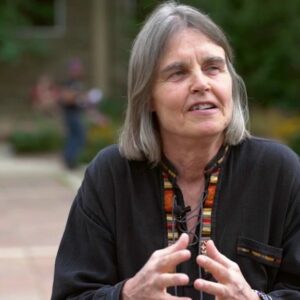 Robin Reid合作论文数Department of Ecosystem Science and Sustainability, Warner College of Natural Resources, Colorado State University7
 B W Dullo合作论文数Addis Ababa Univesity6
 Catherine M. Tucker合作论文数Center for the Study of Institutions;Indiana University;Center for the Study of Institutions, Indiana University6
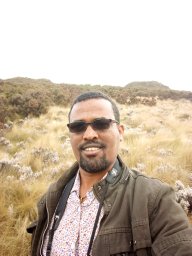 Kflay Gebrehiwot合作论文数Dept Biol, Samara Univ5
 Kelly Hopping合作论文数Human Environm Syst, Boise State Univ5
 Shambel Alemu合作论文数4
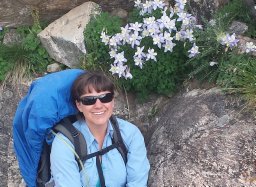 Kim Vincent合作论文数Department of Ecology and Evolutionary Biology, University of Colorado3
 Kyle R. Christianson合作论文数Inst Arctic & Alpine Res, Univ Colorado3
 Roderick W. Lammers合作论文数Department of Civil & Environmental Engineering, Colorado State University3
 Whitney Beck合作论文数Grad Degree Program Ecol, Colorado State Univ3
 Isabella Oleksy合作论文数Cary Inst Ecosyst Studies3
 Pieter Johnson合作论文数College of Arts and Sciences, University of Colorado Boulder3
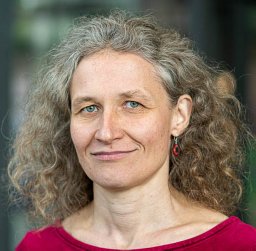 Birgit Muller合作论文数Department of Ecological Modelling, UFZ - Helmholtz-Centre for Environmental Research3
 Jill Baron合作论文数Natural Resource Ecology Laboratory, Colorado State University;United States Geological Survey3
 Sandra Lavorel合作论文数Laboratoire d'Ecologie Alpine, Centre National de la Recherche Scientifique;Institut écologie Et Environnement, Centre National de la Recherche Scientifique3
 Roman Seidl合作论文数Natural and Social Science Interface (NSSI),, Swiss Federal Institute of Technology (ETH) Zurich3
 Anne Nolin合作论文数Department of Geography, The Mackay School of Earth Sciences & Engineering, College of Science, University of Nevada, Reno3
 Randall Boone合作论文数Department of Ecosystem Science and Sustainability, Colorado State University;Natural Resource Ecology Laboratory, Colorado State University3Daniel G. Brown合作论文数2Robert Marchant合作论文数2
 Girma Nigussie合作论文数2Gunnar Johnson合作论文数2Mekbib Fekadu合作论文数2
 Isabella Bertani合作论文数Ctr Environm Sci, Univ Maryland2Codie Wilson合作论文数2
 Karina Yager合作论文数School of Marine and Atmospheric Sciences, Stony Brook University2
 Michael Alonzo合作论文数Department of Environmental Science, American University2
 Jamon Van Den Hoek合作论文数2
 Bilal Butt合作论文数School for Environment and Sustainability, University of Michigan-Ann Arbor2
 Adrienne Grêt-Regamey合作论文数Department of Environmental Systems Science, Eidgenossische Technische Hochschule Zurich2
 Obenour Daniel R合作论文数∥Department of Civil, Construction, and Environmental Engineering, North Carolina State University2
 Shikui Dong (董世魁)合作论文数School of Grassland Science, Beijing Forestry University2
 Claudia Capitani合作论文数Joint Research Centre, Institute for Environment and Sustainability2
 Don Scavia合作论文数School for Environment and Sustainability, University of Michigan2
 Rob Alistair Marchant合作论文数York Institute for Tropical Ecosystem Dynamics (KITE),, University of York2
 Shana Lee Hirsch合作论文数Department of Human Centered Design & Engineering, University of Washington2
 Margreth Keiler合作论文数Institute of Geography, University Innsbruck;Institute for Interdisciplinary Mountain Research, Austrian Academy of Sciences2
 Edwin Josue Castellanos合作论文数Centro de Estudios Ambientales, Universidad del Valle de Guatemala2
 Sileshi Nemomissa合作论文数Department of Biology, Addis Ababa University2
 Aida cuni sanchez合作论文数Centre for Underutilised Crops, University of Southampton2
 Emily T. Yeh合作论文数Department of Geography;University of Colorado;Department of Geography, University of Colorado2Tim G. Williams合作论文数1Paul H. Evangelista合作论文数1Aby L. Sene合作论文数1gregory greenwood合作论文数1Sisay Wube合作论文数1Chris Cosgrove合作论文数1




