An important mission statement for modern dentistry is to maintain patients' implants and teeth for a lifetime. As a corollary, a standardized dental caries risk classification should provide the basis for evidence-based specific therapies. This paper proposes that interproximal caries lesions, also termed "restorative invasion," which destroys natural anatomical tooth structure with periodontal and occlusal sequelae, is a key factor in the cascade of destruction of the dentition and periodontitis. Thus it can serve as the basis for caries risk assessment. The standardized Dental Risk Classification system proposed here can provide a basis for therapeutic modalities as well as for public health assessment and insurance reimbursement.
Introduction: The purpose of this randomized controlled clinical trial was to evaluate 2 different techniques for vertical ridge augmentation (VRA) of the posterior mandible.Materials and Methods: Sixteen subjects with 19 posterior mandibular edentulous sites requiring VRA were recruited for the study. Sites were randomly treated with either block allograft (BA; N = 9) or sandwich bone augmentation (SBA; N = 10). Clinical measurements were recorded at the time of surgery (baseline) and 6-month reentry with a custom-made acrylic surgical template.Results: The mean vertical bone gain (VBG) after mean 6.8 months was 44.5% (mean = 1.78 mm [0-5 mm]) in the BA group and 33.3% (mean = 1.0 mm [-1 to 3 mm]) in the SBA group. Significantly higher rates of incision line openings and wound dehiscences were found in the BA group (n = 7/9, 77.8%) as compared with the SBA group (n = 3/10, 30%) (P = 0.037). After adjusting for graft exposure, BA group demonstrated significantly higher VBG than SBA (difference = 2.26 mm, P < 0.001). In addition, graft exposure resulted in significantly less VBG in both groups (P < 0.001).Conclusions: A higher tendency of wound exposure during VRA was demonstrated when a BA was used compared with the SBA technique. However, if wound exposure could be prevented, higher vertical ridge gain could be achieved with a BA.Summary: The use of a BA in VRA resulted in a maximum of 2 mm more bone height gain compared with the SBA technique if the primary coverage can be achieved during the healing.
 Hom-Lay Wang (王鴻烈)合作论文数Department of Periodontics & Oral Medicine, School of Dentistry, University of Michigan25
 j todd strong合作论文数6
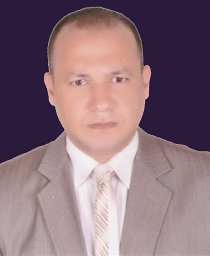 Mohamed Sharawy合作论文数School of Dentistry, Medical College of Georgia6
 Pablo Galindo-Moreno合作论文数School of Dentistry, University of Granada6
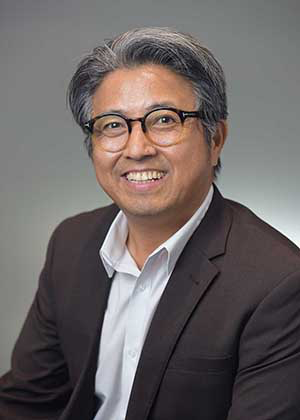 Tae-Ju Oh合作论文数Department of Periodontics & Oral Medicine, School of Dentistry, University of Michigan-Ann Arbor5
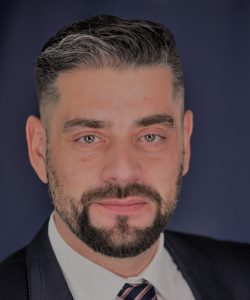 Rodrigo Neiva合作论文数Department of Periodontics, School of Dental Medicine, University of Pennsylvania5
 Gustavo Avila-Ortiz合作论文数Division of Periodontology, Department of Oral Medicine, Infection and Immunity, Harvard School of Dental Medicine;Departamento de Especialidades Clínicas Odontológicas - Periodoncia, Complutense University of Madrid;Atelier Dental Madrid5
 Martha W Bidez合作论文数5Jon B. Suzuki合作论文数5Francine Misch-Dietsh合作论文数4
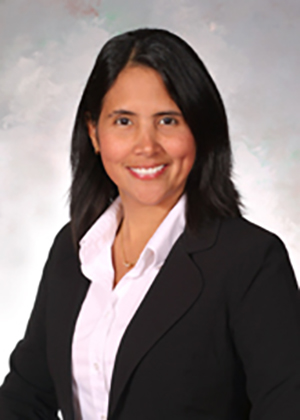 Erika Benavides合作论文数Department of Periodontics & Oral Medicine, School of Dentistry, University of Michigan-Ann Arbor4
 Khalaf Al-Shammari合作论文数4
 Jack Lemons合作论文数Department of Biomedical Engineering, School of Engineering, The University of Alabama at Birmingham;Heersink School of Medicine, The University of Alabama at Birmingham4Ivan Rudek合作论文数4
 Craig Martin Misch合作论文数Departments of Periodontics & Oral Medicine, School of Dentistry, University of Michigan;Departments of Periodontics and Prosthodontics, University of Florida;Departments of Periodontics and Prosthodontics, University of Alabama4Jennifer Steigenga合作论文数3Gérard M. Scortecci合作论文数3Odin Guillaume合作论文数3Kazor Christopher合作论文数3Silc Jennifer T合作论文数3Kenneth W. M. Judy合作论文数3
 Martha Bidez合作论文数School of Engineering, University of Alabama at Birmingham2Jeffrey Shotwell合作论文数2Jon M. Finley合作论文数2Dyeus M. Chung合作论文数2Tom Dabrowsky合作论文数2Mark Marinbach合作论文数2Morton L Perel合作论文数2John C. Kois合作论文数2
 Dastoor Sarosh F合作论文数School of Dentistry, University of Michigan2Arana Gabriel合作论文数2Ricardo Gapski合作论文数2Robert J. Cronin合作论文数2
 Ady Palti合作论文数2
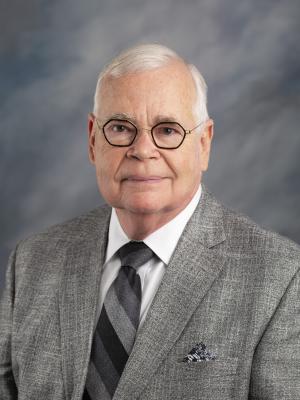 Charles J. Goodacre合作论文数School of Dentistry, Loma Linda University2Charles E. English合作论文数2Stephen Soehren合作论文数2Eliane Porto Barboza合作论文数2
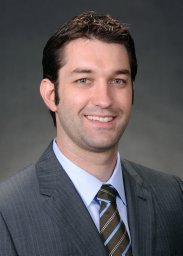 Thiago Morelli合作论文数2Gayle Tieszen Reardon合作论文数1FH Nociti合作论文数1Myung-Jin Kim合作论文数1edward l mills合作论文数1Francisco Humberto Nociti合作论文数1
 Henry Salama合作论文数1Kevin Suzuki合作论文数1Scott D. Ganz合作论文数1
 George Beck合作论文数1D Schwartz-Arad合作论文数1




