With most recent estimates giving an incidence rate of 1 in 68 children in the United States, the autism spectrum disorder (ASD) is a growing public health crisis. Many of these children struggle to make eye contact, recognize facial expressions, and engage in social interactions. Today the standard for treatment of the core autism-related deficits focuses on a form of behavior training known as Applied Behavioral Analysis. To address perceived deficits in expression recognition, ABA approaches routinely involve the use of prompts such as flash cards for repetitive emotion recognition training via memorization. These techniques must be administered by trained practitioners and often at clinical centers that are far outnumbered by and out of reach from the many children and families in need of attention. Waitlists for access are up to 18 months long, and this wait may lead to children regressing down a path of isolation that worsens their long-term prognosis. There is an urgent need to innovate new methods of care delivery that can appropriately empower caregivers of children at risk or with a diagnosis of autism, and that capitalize on mobile tools and wearable devices for use outside of clinical settings.
In recent years, much focus has been put on employing technology to make novel behavioural aids for those with autism. Most of these are digital adaptations of tools used in standard behavioural therapy to enforce normative skills. These digital counterparts are often used outside of both the larger therapeutic context and the real world, in which the learned skills might apply. To address this, we are designing a system of automatic expression recognition on wearable devices that integrates directly into the families daily social interactions, to give children and their caregivers the tools and information they need to design their own holistic therapy. In order to develop a tool that will be truly useful to families, we proactively include children with autism and their families as co-designers in the development process. By providing an app and interface with interchangeable social feedback options, we aim to produce a framework for therapy that folds into their daily lives, tailored to their specific needs.
Background: Several studies have shown that facial attention differs in children with autism. Measuring eye gaze and emotion recognition in children with autism is challenging, as standard clinical assessments must be delivered in clinical settings by a trained clinician. Wearable technologies may be able to bring eye gaze and emotion recognition into natural social interactions and settings. Objective: This study aimed to test: (1) the feasibility of tracking gaze using wearable smart glasses during a facial expression recognition task and (2) the ability of these gaze-tracking data, together with facial expression recognition responses, to distinguish children with autism from neurotypical controls (NCs). Methods: We compared the eye gaze and emotion recognition patterns of 16 children with autism spectrum disorder (ASD) and 17 children without ASD via wearable smart glasses fitted with a custom eye tracker. Children identified static facial expressions of images presented on a computer screen along with nonsocial distractors while wearing Google Glass and the eye tracker. Faces were presented in three trials, during one of which children received feedback in the form of the correct classification. We employed hybrid human-labeling and computer vision-enabled methods for pupil tracking and world-gaze translation calibration. We analyzed the impact of gaze and emotion recognition features in a prediction task aiming to distinguish children with ASD from NC participants. Results: Gaze and emotion recognition patterns enabled the training of a classifier that distinguished ASD and NC groups. However, it was unable to significantly outperform other classifiers that used only age and gender features, suggesting that further work is necessary to disentangle these effects. Conclusions: Although wearable smart glasses show promise in identifying subtle differences in gaze tracking and emotion recognition patterns in children with and without ASD, the present form factor and data do not allow for these differences to be reliably exploited by machine learning systems. Resolving these challenges will be an important step toward continuous tracking of the ASD phenotype.
Autism Spectrum Disorder (ASD) is quickly becoming a global health crisis estimated to affect one in 40 children in the United States [8]. ASD consists of social deficiencies, such as impaired communication, eye contact, facial expression recognition, and social interaction. The current standard of care, applied behavioral analysis (ABA), relies on teaching these skills primarily in clinical environments with tools such as static flashcards. Such tools are largely removed from real world emotional contexts. While ABA can lead to improvements [1, 2], the therapy often generalizes poorly to situations that extend beyond the routines practiced in clinical contexts [3]. Furthermore, access to such treatment is constrained by the availability of therapists, who struggle to keep up with the increasing demand for care.
IMPORTANCE Autism behavioral therapy is effective but expensive and difficult to access. While mobile technology-based therapy can alleviate wait-lists and scale for increasing demand, few clinical trials exist to support its use for autism spectrum disorder (ASD) care. OBJECTIVE To evaluate the efficacy of Superpower Glass, an artificial intelligence-driven wearable behavioral intervention for improving social outcomes of children with ASD. DESIGN, SETTING, AND PARTICIPANTS A randomized clinical trial in which participants received the Superpower Glass intervention plus standard of care applied behavioral analysis therapy and control participants received only applied behavioral analysis therapy. Assessments were completed at the Stanford University Medical School, and enrolled participants used the Superpower Glass intervention in their homes. Children aged 6 to 12 years with a formal ASD diagnosis who were currently receiving applied behavioral analysis therapy were included. Families were recruited between June 2016 and December 2017. The first participant was enrolled on November 1, 2016, and the last appointment was completed on April 11, 2018. Data analysis was conducted between April and October 2018. INTERVENTIONS The Superpower Glass intervention, deployed via Google Glass (worn by the child) and a smartphone app, promotes facial engagement and emotion recognition by detecting facial expressions and providing reinforcing social cues. Families were asked to conduct 20-minute sessions at home 4 times per week for 6 weeks. MAIN OUTCOMES AND MEASURES Four socialization measures were assessed using an intention-to-treat analysis with a Bonferroni test correction. RESULTS Overall, 71children (63 boys [89%]; mean [SD] age, 8.38 [2.46] years) diagnosed with ASD were enrolled (40 [56.3%] were randomized to treatment, and 31(43.7%) were randomized to control). Children receiving the intervention showed significant improvements on the Vineland Adaptive Behaviors Scale socialization subscale compared with treatment as usual controls (mean [SD] treatment impact, 4.58 [1.62]; P =.005). Positive mean treatment effects were also found for the other 3 primary measures but not to a significance threshold of P =.0125. CONCLUSIONS AND RELEVANCE The observed 4.58-point average gain on the Vineland Adaptive Behaviors Scale socialization subscale is comparable with gains observed with standard of care therapy. To our knowledge, this is the first randomized clinical trial to demonstrate efficacy of a wearable digital intervention to improve social behavior of children with ASD. The intervention reinforces facial engagement and emotion recognition, suggesting either or both could be a mechanism of action driving the observed improvement. This study underscores the potential of digital home therapy to augment the standard of care.
In this Workshop, we will discuss with participants why children's literature is critical for child development and how it could facilitate the parent-child relationship. Together with the help of participants, we will attempt at creating a draft of a children's book that will contain all the important ingredients of parent-child relationships, as described by Winnicott, Stern, Bowlby, and others.
Although standard behavioral interventions for autism spectrum disorder (ASD) are effective therapies for social deficits, they face criticism for being time-intensive and overdependent on specialists. Earlier starting age of therapy is a strong predictor of later success, but waitlists for therapies can be 18 months long. To address these complications, we developed Superpower Glass, a machine-learning-assisted software system that runs on Google Glass and an Android smartphone, designed for use during social interactions. This pilot exploratory study examines our prototype tool’s potential for social-affective learning for children with autism. We sent our tool home with 14 families and assessed changes from intake to conclusion through the Social Responsiveness Scale (SRS-2), a facial affect recognition task (EGG), and qualitative parent reports. A repeated-measures one-way ANOVA demonstrated a decrease in SRS-2 total scores by an average 7.14 points ( F (1,13) = 33.20, p = <.001, higher scores indicate higher ASD severity). EGG scores also increased by an average 9.55 correct responses ( F (1,10) = 11.89, p = <.01). Parents reported increased eye contact and greater social acuity. This feasibility study supports using mobile technologies for potential therapeutic purposes.
Background Recent advances in computer vision and wearable technology have created an opportunity to introduce mobile therapy systems for autism spectrum disorders (ASD) that can respond to the increasing demand for therapeutic interventions; however, feasibility questions must be answered first. Objective We studied the feasibility of a prototype therapeutic tool for children with ASD using Google Glass, examining whether children with ASD would wear such a device, if providing the emotion classification will improve emotion recognition, and how emotion recognition differs between ASD participants and neurotypical controls (NC). Methods We ran a controlled laboratory experiment with 43 children: 23 with ASD and 20 NC. Children identified static facial images on a computer screen with one of 7 emotions in 3 successive batches: the first with no information about emotion provided to the child, the second with the correct classification from the Glass labeling the emotion, and the third again without emotion information. We then trained a logistic regression classifier on the emotion confusion matrices generated by the two information-free batches to predict ASD versus NC. Results All 43 children were comfortable wearing the Glass. ASD and NC participants who completed the computer task with Glass providing audible emotion labeling (n = 33) showed increased accuracies in emotion labeling, and the logistic regression classifier achieved an accuracy of 72.7%. Further analysis suggests that the ability to recognize surprise, fear, and neutrality may distinguish ASD cases from NC. Conclusion This feasibility study supports the utility of a wearable device for social affective learning in ASD children and demonstrates subtle differences in how ASD and NC children perform on an emotion recognition task.
We have developed a system for automatic facial expression recognition running on Google Glass, delivering real-time social cues to children with Autism Spectrum Disorder (ASD). The system includes multiple mechanisms to engage children and their parents, who administer this technology within the home. We completed an at-home design trial with 14 families that used the learning aid over a 3-month period. We found that children with ASD generally respond well to wearing the system at home and opt for the most expressive feedback choice. We further evaluated app usage, facial engagement, and model accuracy. We found that the device can act as a powerful training aid when used periodically in the home, that interactive video content from wearable therapy sessions should be augmented with sufficient context about the content to produce long-term engagement, and that the design of wearable systems for children with ASD should be heavily dependent on the functioning level of the child. We contribute general design implications for developing wearable aids used by children with ASD and other behavioral disorders as well as their parents during at-home parent-administered therapy sessions.
Applied behavioral analysis (ABA) is an effective form of therapy for children with autism spectrum disorder (ASD), but it faces criticism for being ungeneralizable, too time intensive, and too dependent on specialists to deliver treatment. Earlier age at onset of therapy is one of the strongest predictors of later success, but waitlists to begin therapies can be as long as 18 months. To combat complications associated with the clinical setting and expedite access to therapy, we have begun development of Autism Glass, a machine-learning-assisted software system that runs on Google Glass and an Android Smartphone; it is designed for use in the child’s natural environment during social interactions. This is an exploratory- and co-designed-based study to see how children with ASD respond to our device and examine preliminary data on its effectiveness.
We have developed a system for automatic facial expression recognition running on Google Glass, delivering real-time social cues to children with Autism Spectrum Disorder (ASD). The system includes multiple mechanisms to engage children and their parents, who administer this technology within the home. We completed an at-home design trial with 14 families that used the learning aid over a 3-month period. We found that children with ASD generally respond well to wearing the system at home and opt for the most expressive feedback choice. We further evaluated app usage, facial engagement, and model accuracy. We found that the device can act as a powerful training aid when used periodically in the home, that interactive video content from wearable therapy sessions should be augmented with sufficient context about the content to produce long-term engagement, and that the design of wearable systems for children with ASD should be heavily dependent on the functioning level of the child. We contribute general design implications for developing wearable aids used by children with ASD and other behavioral disorders as well as their parents during at-home parent-administered therapy sessions.
We have developed a system for automatic facial expression recognition, which runs on Google Glass and delivers real-time social cues to the wearer. We evaluate the system as a behavioral aid for children with Autism Spectrum Disorder (ASD), who can greatly benefit from real-time non-invasive emotional cues and are more sensitive to sensory input than neurotypically developing children. In addition, we present a mobile application that enables users of the wearable aid to review their videos along with auto-curated emotional information on the video playback bar. This integrates our learning aid into the context of behavioral therapy. Expanding on our previous work describing in-lab trials, this paper presents our system and application-level design decisions in depth as well as the interface learnings gathered during the use of the system by multiple children with ASD in an at-home iterative trial.
We have developed a system for automatic facial expression recognition, which runs on Google Glass and delivers real-time social cues to the wearer. We evaluate the system as a behavioral aid for children with Autism Spectrum Disorder (ASD), who can greatly benefit from real-time non-invasive emotional cues and are more sensitive to sensory input than neurotypically developing children. In addition, we present a mobile application that enables users of the wearable aid to review their videos along with auto-curated emotional information on the video playback bar. This integrates our learning aid into the context of behavioral therapy. Expanding on our previous work describing in-lab trials, this paper presents our system and application-level design decisions in depth as well as the interface learnings gathered during the use of the system by multiple children with ASD in an at-home iterative trial.
The human voice is a critical social cue, and listeners are extremely sensitive to the voices in their environment. One of the most salient voices in a child's life is mother's voice: Infants discriminate their mother's voice from the first days of life, and this stimulus is associated with guiding emotional and social function during development. Little is known regarding the functional circuits that are selectively engaged in children by biologically salient voices such as mother's voice or whether this brain activity is related to children's social communication abilities. We used functional MRI to measure brain activity in 24 healthy children (mean age, 10.2 y) while they attended to brief (<1 s) nonsense words produced by their biological mother and two female control voices and explored relationships between speech-evoked neural activity and social function. Compared to female control voices, mother's voice elicited greater activity in primary auditory regions in the midbrain and cortex; voice-selective superior temporal sulcus (STS); the amygdala, which is crucial for processing of affect; nucleus accumbens and orbitofrontal cortex of the reward circuit; anterior insula and cingulate of the salience network; and a subregion of fusiform gyrus associated with face perception. The strength of brain connectivity between voice-selective STS and reward, affective, salience, memory, and face-processing regions during mother's voice perception predicted social communication skills. Our findings provide a novel neurobiological template for investigation of typical social development as well as clinical disorders, such as autism, in which perception of biologically and socially salient voices may be impaired.
Autism spectrum disorders (ASDs) are characterized by social impairments alongside cognitive and behavioral inflexibility. While social deficits in ASDs have extensively been characterized, the neurobiological basis of inflexibility and its relation to core clinical symptoms of the disorder are unknown. We acquired functional neuroimaging data from 2 cohorts, each consisting of 17 children with ASDs and 17 age- and IQ-matched typically developing (TD) children, during stimulus-evoked brain states involving performance of social attention and numerical problem solving tasks, as well as during intrinsic, resting brain states. Effective connectivity between key nodes of the salience network, default mode network, and central executive network was used to obtain indices of functional organization across evoked and intrinsic brain states. In both cohorts examined, a machine learning algorithm was able to discriminate intrinsic (resting) and evoked (task) functional brain network configurations more accurately in TD children than in children with ASD. Brain state discriminability was related to severity of restricted and repetitive behaviors, indicating that weak modulation of brain states may contribute to behavioral inflexibility in ASD. These findings provide novel evidence for a potential link between neurophysiological inflexibility and core symptoms of this complex neurodevelopmental disorder.
 Catalin Voss合作论文数Ello;CRE Venture Capital;Smile Identity15
 Nicholas Haber合作论文数Graduate School of Education, Stanford University15
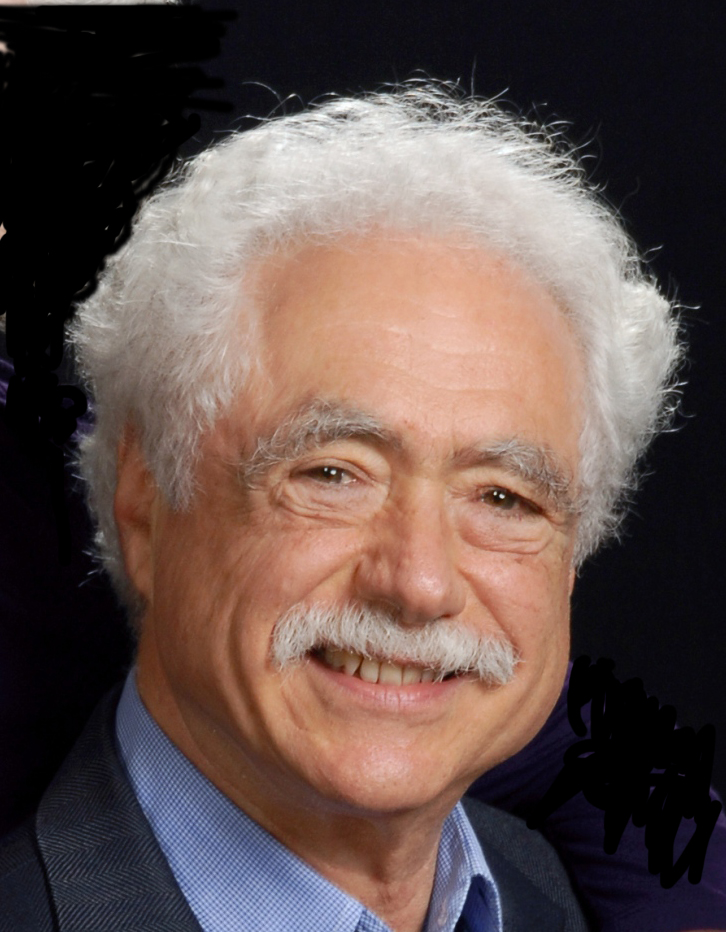 Terry Winograd合作论文数Department of Computer Science, Stanford University15
 Daniels Jena合作论文数Center for Biomedical Informatics, Harvard Medical School;Department of Pediatrics, Stanford University;Harvard Medical School, Stanford University14
 Aaron D. Kline合作论文数14
 Dennis Wall合作论文数Department of Biomedical Data Science, School of Medicine, Stanford University14
 Peter Washington合作论文数Rice University14
 Allan L. Reiss合作论文数Department of Psychiatry and Behavioral Sciences, School of Medicine, Stanford University;Center for Interdisciplinary Brain Sciences Research, School of Medicine, Stanford University13
 Lynn Waterhouse合作论文数12Azar Fazel合作论文数Div Syst Med, Stanford Univ12
 Titas De合作论文数10
 Rowland Barrett合作论文数10Stephan Eliez合作论文数9Jennifer M Phillips合作论文数8
 Michelle Dunn合作论文数7
 Jessey Schwartz Ouillon合作论文数6Doris Allen合作论文数6Isabelle Rapin合作论文数6Bm Goldsmith合作论文数5
 Deborah Fein合作论文数University of Connecticut Department of Psychology4Mendy B Minjarez合作论文数3McCarthy Beth合作论文数3L Green合作论文数3
 Antonio Hardan合作论文数Division of Child and Adolescent Psychiatry and Child Development, Department of Psychiatry and Behavioral Sciences, School of Medicine, Stanford University3
 Vinod Menon合作论文数Department of Neurology and Neurological Sciences, Stanford University;Department of Psychiatry and Behavioral Sciences, Stanford University3
 Yifrah Kaminer合作论文数UConn Health3Margaret Hauck合作论文数3Robin Morris合作论文数Georgia State University3
 Anne Walters合作论文数Emma Pendleton Bradley Hospital, Brown University3Lauren Penniman合作论文数2Serena Tamura合作论文数2
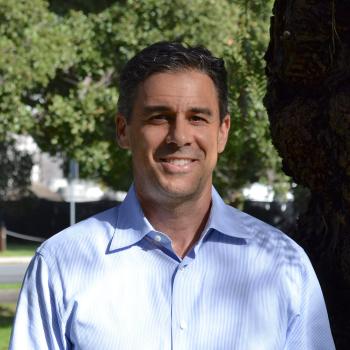 Daniel A. Abrams合作论文数Stanford Cognitive and Systems Neuroscience Laboratory, Department of Psychiatry and Behavioral Sciences, School of Medicine, Stanford University2
 Qandeel Tariq合作论文数Stanford Univ, Dept Biomed Data Sci, Stanford, CA 94305 USA2
 Kaustubh Supekar合作论文数Department of Psychiatry and Behavioral Sciences, School of Medicine, Stanford University2
 Katherine M. Cheng合作论文数Departments of Psychiatry and Behavioral Sciences and2Romanowicz Magdalena合作论文数2Stevens Michael C合作论文数2
 Odriozola Paola合作论文数Department of Psychiatry and Behavioral Sciences.2
 Stylianos E. Antonarakis合作论文数Department of Genetic Medicine and Development, Faculté de Médecine, University of Geneva2Mariana Morris合作论文数2Hower Kwon合作论文数2Charlotte Modahl合作论文数2
 Miriam Liss合作论文数Department of Psychology, University of Mary Washington2Srikanth Ryali合作论文数Department of Psychiatry & Behavioral Sciences, Stanford University School of Medicine2
 Lucina Uddin合作论文数UCLA Brain Research Institute2
 Bronwyn Glaser合作论文数Neuropediatrics Department of the Ospedale Regionale di Bellinzona e Valli in Ticino;VCFS Virtual Center2
 Doron Gothelf合作论文数2Barbara Tylenda合作论文数2




