BACKGROUND:Severe atherosclerotic internal carotid artery stenosis may progress to complete internal carotid artery occlusion (ICAO). Therefore, ICAO represents an advanced form of carotid artery disease. We sought to investigate the association between ICAO with atherosclerotic disease in other arterial beds and vascular risk factors and to identify the patient implications of the diagnosis of ICAO. METHODS:Using the term "Internal carotid artery occlusion," a search of PubMed/MEDLINE, Scopus, and Embase between 1980 and 2025 revealed 10,588 results. After exclusion of case reports, letters to the Editor and Editorials, 5771 reports were identified. Following meticulous screening of the identified reports, 28 studies specifically addressing patient with ICAO cohorts were included in the final analysis. A quantitative and qualitative synthesis analysis was performed. A questionnaire was subsequently developed and sent out to 63 participants from the United States (n = 21) and several European countries (n = 42), aiming to achieve consensus regarding the optimal management of patients with ICAO. Three participants did not respond. The Consensus Coordinator abstained from voting to avoid introducing bias, resulting in a final voting panel of 60 participants. RESULTS:Across included studies, the proportion of patients with ICAO presenting with neurologic symptoms varied widely, ranging from 38% to 100%, whereas approximately 24% to 27% of patients were asymptomatic at the time of diagnosis. Consensus (≥75%) was achieved in 11 of the 17 (64.7%) prespecified statements. Most participants agreed that atherosclerotic ICAO represents a systemic manifestation of advanced atherosclerosis rather than isolated cerebrovascular pathology (56/60; 93.3%). Duplex ultrasound study should be used as the first-line diagnostic tool for suspected ICAO, with computed tomography angiography or magnetic resonance angiography confirmation if necessary (59/60; 98.3%). Optimal medical therapy (including antiplatelet, antihypertensives, statins, and glycemic control) remains the cornerstone of ICAO management (59/60; 98.3%). Lifestyle and metabolic risk factor optimization, smoking cessation, optimizing body weight, a healthy diet and exercise, should be strongly advised in all patients with ICAO (60/60; 100%). Most participants concurred that ICAO revascularization should be centralized in specialized vascular-neuro centers equipped for intraoperative neuromonitoring and advanced hemodynamic control (57/60; 95.0%). Finally, most participants agreed that current evidence for ICAO intervention is insufficient and that a global registry should be created to record outcomes and guide future trials (56/60; 93.3%). CONCLUSIONS:This international, multispecialty consensus highlights ICAO as a marker of advanced, systemic atherosclerosis. Management should emphasize comprehensive evaluation for multisystem vascular disease and aggressive modification of cardiovascular risk factors. Best medical therapy remains the cornerstone of the management of patients with ICAO, with conservative or invasive interventions considered selectively based on symptom status, anatomic considerations, procedural risk, and institutional expertise, to reduce the overall cardiovascular disease burden.
INTRODUCTION:Vascular surgery has substantially evolved over the past two decades, with the expansion of endovascular therapies, advanced imaging, increasing patient complexity, and multidisciplinary care. These changes require residency programmes to move beyond traditional procedure-oriented training towards a broader competency-based educational model. METHODS:We provide a narrative reflection based on more than 20 years of experience in the organization and management of vascular surgery residency training in Italy. The current educational framework, its major limitations, and potential strategies for modernization are critically discussed in light of contemporary requirements for vascular specialists. RESULTS:Despite important reforms, including structured training networks, standardized curricula, and defined competency requirements, substantial heterogeneity persists among Italian residency programmes in operative exposure, access to advanced technologies, educational opportunities, and resident autonomy. Procedural volume alone does not adequately reflect competence. Modern training should integrate technical skills with diagnostic expertise, vascular ultrasound, perioperative and medical management, multidisciplinary decision-making, simulation, research, artificial intelligence, communication, and leadership. CONCLUSION:Vascular surgery residency training in Italy should evolve from a procedure-centred model towards competency-based education. The goal should be to train comprehensive vascular specialists capable of integrating technical expertise with clinical judgement, diagnostic and medical competencies, multidisciplinary collaboration, and patient-centred longitudinal care.
Introduction The purpose of this study was to pilot a new concept for device appraisal—leveraging international real-world data (RWD) from the International Consortium of Vascular Registries (ICVRs) to assess aggregate endovascular aortic repair (EVAR) performance against a conservative performance goal (PG) derived from open surgical repair (OSR), with the intention of helping refine device labelling in collaboration with industry and the US Food and Drug Administration.Research Design and Methods International retrospective, multicentre, single-arm cohort, open-label clinical PG-based study within the ICVRs. Because OSR patients may not have been anatomically EVAR-eligible, the OSR cohort used for PG derivation was restricted to smaller diameters (<6.5 cm men; <5.5 cm women) to include patients eligible for EVAR. Analyses performed at Weill Cornell Medicine (MDEpiNet Center).Results OSR PG cohort: 932 patients (72±9 years average; 83.8% men) with 30% in-hospital mortality. EVAR cohort: 219 patients (75±10 years average, 83.1% men) with larger aneurysms (EVAR 7.3±2.0 cm vs OSR 5.3±1.3 cm; p<0.001). In-hospital mortality after EVAR was 18% (upper 95% CI 13% to 23%), exceeding the PG (p<0.001). EVAR showed lower dialysis (10.6% vs 15.7%; p=0.02), bowel ischaemia (1.8% vs 7.5%; p<0.001) and reoperation for bleeding (2.7% vs 7.1%; p=0.004).Conclusions This proof-of-concept study shows harmonised international RWD can evaluate device performance in ruptured abdominal aortic aneurysm. Despite a comparator biased to favour OSR, EVAR met/exceeded the PG and reduced complications, supporting regulatory discussions to align instructions for use with guideline-endorsed EVAR-first strategies
Background: Trimethylamine N-oxide (TMAO) arises from the interaction of diet, gut microbial metabolism, hepatic oxidation, and renal clearance. Experimental work links TMAO exposure to mitochondrial oxidative stress, NLRP3 inflammasome activation, impaired nitric oxide signaling, vascular smooth muscle cell dysfunction, and thrombosis. How far these findings explain human vascular disease remains uncertain. Purpose: We examine TMAO and related metabolites in carotid atherosclerosis, aortic disease (abdominal aortic aneurysm, AAA, and dissection), and peripheral artery disease (PAD), focusing on redox biology and the obstacles that still limit clinical translation. Position: Current evidence makes the pathway biologically credible, but it does not support routine TMAO measurement, a universal cutoff, or treatment decisions based on a single metabolite. The recent association between γ-butyrobetaine and limb outcomes also suggests that TMAO may not always be the most informative component of the pathway. Most causal evidence remains preclinical, and no TMAO-lowering or redox-directed intervention has improved a vascular clinical endpoint. Conclusions: For now, the TMAO pathway remains investigational. Progress will depend on multicenter studies that measure several pathway metabolites with harmonized assays and carefully account for renal function, diet, and sex. Interventional studies are premature until safety and biological target engagement have been established.
INTRODUCTION:The optimal management of patients with asymptomatic carotid stenosis (AsxCS) is enduringly controversial. The current stratification of AsxCS patients based on the degree of stenosis alone does not always reflect ipsilateral ischemic stroke risk. We hypothesized that the presence of ≥1 "high-risk" carotid plaque feature may more accurately identify AsxCS patients at high risk for a future ipsilateral ischemic cerebrovascular event. EVIDENCE ACQUISITION:We reviewed the literature for evidence supporting an association between high-risk carotid plaque features with ipsilateral ischemic stroke risk. EVIDENCE SYNTHESIS:Certain carotid plaque features, such as intraplaque hemorrhage, lipid-rich necrotic core, thinning/rupture of the fibrous cap, ulceration, or neovascularization, may more accurately stratify patients at low vs. high future stroke risk. The presence of ≥1 "high-risk" carotid plaque characteristics can inform decisions on the conservative vs. invasive management of AsxCS patients and target carotid revascularization procedures to those AsxCS patient subgroups at high stroke risk who are more likely to benefit from them. CONCLUSIONS:The present article presents the rationale supporting stratification of AsxCS patients not based on the degree of stenosis, but on the presence of one or more specific high-risk plaque features that increase the risk of a future ipsilateral ischemic cerebrovascular event.
PURPOSE:To assess the effectiveness of nitinol-constrained balloon (NCB; Chocolate; Medtronic, Dublin, Ireland) percutaneous transluminal angioplasty (PTA) for treating Diameter reduction, Spiral shape, Flow impairment, or adverse Morphology (DISFORM) III postangioplasty dissections in chronic total occlusions (CTOs) of the femoropopliteal segment. MATERIALS AND METHODS:The CHOCOlate-STABilization (CHOCO-STAB) study was conducted from February 2019 to February 2022. It included patients with peripheral arterial disease affected by chronic limb-threatening ischemia. This study specifically included patients with DISFORM III postangioplasty dissections who were treated using NCB angioplasty after initial PTA. The main outcomes assessed in this study were technical success and the occurrence of major adverse events. RESULTS:This study included 68 patients with a mean age of 72 years (SD ± 10), of whom 39% had diabetes. The initially treated CTOs had a mean length of 10.32 mm (SD ± 5; interquartile range, 5-15 mm), with moderate or severe calcification in 28%. Forty-seven (69%) patients received initial treatment with drug-coated balloons (DCBs). NCB angioplasty was feasible in all patients, achieving technical success in 62 (91%). Stent placement was required in the remaining 6 (9%) cases. Three-year estimated overall survival was 98.5%, primary patency was 88.2%, freedom from major amputation was 94.1%, and freedom from clinical target lesion revascularization was 94.1%. CONCLUSIONS:Postangioplasty dissections represent a relevant adverse event that necessitates scaffolding in moderate and severe grades. The CHOCO-STAB study demonstrated the safety and potential of NCB angioplasty to reduce stent placement in patients treated with DCB and plain old balloon angioplasty who present with postangioplasty dissections.
INTRODUCTION:The optimal management of patients with asymptomatic (AsxCS) and symptomatic carotid stenosis (SxCS) is still debatable. The present article will discuss emerging technological advances for the diagnosis and management of patients with AsxCS. EVIDENCE ACQUISITION:PubMed/MedLine was searched until December 31, 2024 for studies in English discussing emerging technological advances in the diagnosis and management of patients with AsxCS. EVIDENCE SYNTHESIS:Several technological advances have recently been reported, among others, nanoplastics and microplastics, artificial intelligence and machine learning in predictive analytics for stroke prevention, digital twins for personalized monitoring, electronic tattoos for continuous non-invasive monitoring, stroke risk prediction through plaque morphology and late-phase contrast-enhanced ultrasound. A brief overview of each technological advance is presented and discussed. CONCLUSIONS:The technological advances discussed in the present article will aid the early diagnosis of AsxCS as well as the individualized optimal management of patients with AsxCS.
Background: The optimal management of patients with asymptomatic (AsxCS) and symptomatic (SxCS) carotid stenosis is controversial and includes intensive medical management (i.e., best medical therapy [BMT]) with/without an additional carotid revascularization procedure (i.e., carotid endarterectomy [CEA], transfemoral carotid artery stenting [TFCAS] or TransCarotid Artery Revascularization [TCAR]). The aim of this international, expert-based, multispecialty Delphi Consensus document was to reconcile the conflicting views regarding the optimal management of AsxCS and SxCS patients. Methods: A three-round Delphi Consensus process was performed including 63 experts from Europe (n=37) and the United States (n=26). A total of 6 different clinical scenarios were identified involving patients with either AsxCS or SxCS. For each scenario, 5 treatment options were available: (i) BMT alone, (ii) BMT plus CEA, (iii) BMT plus TFCAS, (iv) BMT plus TCAR, or (v) BMT plus CEA/TFCAS/TCAR. Consensus was achieved when >70% of the Delphi Consensus participants agreed on a therapeutic approach. Results: Most participants concurred that BMT alone is not adequate for the management of a 70-year-old fit male or female patient with 80-99% AsxCS (52/63; 82.5% and 45/63; 71.5%, respectively). In contrast, most panelists would opt for BMT alone for an 80-year-old male AsxCS patient with several co-morbidities (48/63; 76.2%). The majority of participants would opt for BMT plus a carotid revascularization procedure for an 80-year-old male SxCS patient with a recent ipsilateral cerebrovascular event, an ipsilateral 70-99% SxCS and a 5-year predicted risk of ipsilateral ischemic event of 10% (54/63; 85.7%), 15% (59/63; 93.6%), or 20% (63/63; 100%). The opinion of U.S.-based participants varied from that of Europe-based respondents in some scenarios. Conclusions: The present Delphi Consensus document showed that a "one-size-fits-all" approach is not appropriate for patients with either AsxCS or SxCS. Patients should be stratified according to their future stroke risk and should be treated accordingly. ### Competing Interest Statement Dr. Michael C. Stoner has a Consultant agreement with Boston Scientific. Dr. Mahmoud B. Malas is a Consultant to Cordis and Bard. Dr. Peter A. Schneider is a Consultant to Surmodics, Medtronic, Boston Scientific, Cagent, Acotec, Abbott, Endologix, Shockwave, Healthcare Inroads, Inari and BD. Dr. Mark K. Eskandari is a paid consultant for W.L. Gore and Silkroad Medical (Boston Scientific). Dr. Meghan Dermody is a Consultant/speaker for Boston Scientific Vascular and Medtronic Aortic. Dr. Marc L. Schermerhorn is PI for Medtronic, Boston Scientific and Shape clinical trials. He also does research with Cook, Terumo and Gore. Dr. Gary Roubin is the Chair of the Interventional Management Committee of CREST-2. He is also InspireMD Inc. Director and stock holder. Dr. Sean P. Lyden is a Consultant for BD, Boston Scientific, Contego Medical, Cordis, Endologix, Inspire MD, Medtronic, Rapid Medical, Shockwave, Penumbra, Vivasure and Nectero. He has stock options in Inspire MD, Reva Medical and Centerline Biomedical. He is a Board Member for VIVA Physicians. He has performed Research Studies for Abbott, Endologix, Surmodics, W.L. Gore, Terumo Aortic, NIH, Boston Scientific, Merit, Contego Medical, Inspire MD, Reva Medical, Penumbra, Medalliance and Nectero. The other authors have no conflicts of interest. ### Funding Statement This work did not receive any funding ### Author Declarations I confirm all relevant ethical guidelines have been followed, and any necessary IRB and/or ethics committee approvals have been obtained. Yes The details of the IRB/oversight body that provided approval or exemption for the research described are given below: Not applicable I confirm that all necessary patient/participant consent has been obtained and the appropriate institutional forms have been archived, and that any patient/participant/sample identifiers included were not known to anyone (e.g., hospital staff, patients or participants themselves) outside the research group so cannot be used to identify individuals. Yes I understand that all clinical trials and any other prospective interventional studies must be registered with an ICMJE-approved registry, such as ClinicalTrials.gov. I confirm that any such study reported in the manuscript has been registered and the trial registration ID is provided (note: if posting a prospective study registered retrospectively, please provide a statement in the trial ID field explaining why the study was not registered in advance). Yes I have followed all appropriate research reporting guidelines, such as any relevant EQUATOR Network research reporting checklist(s) and other pertinent material, if applicable. Yes All data is available by Dr. Kosmas I. Paraskevas
Atherosclerosis is a chronic and progressive disease with a long preclinical (asymptomatic) period. The optimal management of patients with preclinical cardiovascular disease (CVD) includes behavioral counselling and lifestyle measures. Weight loss, regular exercise, interventions to modify sleep distubances and control of the modifiable cardiovascular risk factors (smoking, dyslipidemia, hypertension and diabetes mellitus), as well as adoption of a Mediterranean diet including 5 portions of vegetables and fruits per day, are of utmost importance in these patients. Timely initiation of appropriate medical therapy reduces cardiovascular events and disease progression. Medical therapy should be administered: (1) to lower blood pressure <130/80 mmHg in patients with hypertension (and even <120/80 mmHg if tolerated), (2) to reduce glycated hemoglobin values <7.0% (equivalent to <53 mmol/mol), and, (3) to lower low-density lipoprotein cholesterol values <70 mg/dL (1.8 mmol/L) for high-risk individuals and to <55 mg/dL (<1.4 mmol/L) for very high-risk patients. The present narrative review discusses the optimal management of individuals with preclinical cardiovascular disease (CVD), with a focus on carotid artery stenosis.
OBJECTIVE:The optimal management of patients with asymptomatic carotid stenosis (AsxCS) and symptomatic carotid stenosis (SxCS) is controversial and includes intensive medical management (ie, best medical therapy [BMT]) with or without an additional carotid revascularization procedure (ie, carotid endarterectomy [CEA], transfemoral carotid artery stenting [TFCAS] or transcarotid artery revascularization [TCAR]). The aim of this international, expert-based, multispecialty Delphi consensus document was to reconcile the conflicting views regarding the optimal management of AsxCS and SxCS patients. METHODS:A three-round Delphi consensus process was performed including 63 experts from Europe (n = 37) and the United States (n = 26). A total of six different clinical scenarios were identified involving patients with either AsxCS or SxCS. For each scenario, five treatment options were available: (i) BMT alone, (ii) BMT plus CEA, (iii) BMT plus TFCAS, (iv) BMT plus TCAR, and (v) BMT plus CEA/TFCAS/TCAR. Differences in treatment preferences between US and European participants were assessed using Fisher's exact test, and odds ratios were used to quantify the magnitude and direction of association. Consensus was achieved when >70% of the Delphi consensus participants agreed on a therapeutic approach. RESULTS:Most participants concurred that BMT alone is not adequate for the management of a 70-year-old fit male or female patient with 80% to 99% AsxCS (52/63 [82.5%] and 45/63 [71.5%], respectively). In contrast, most panelists would opt for BMT alone for an 80-year-old male AsxCS patient with several comorbidities (48/63 [76.2%]). The majority of participants would opt for BMT plus a carotid revascularization procedure for an 80-year-old male SxCS patient with a recent ipsilateral cerebrovascular event, an ipsilateral 70% to 99% SxCS, and a 5-year predicted risk of ipsilateral ischemic event of 10% (54/63 [85.7%]), 15% (59/63 [93.6%]), or 20% (63/63 [100%]). The opinion of US-based participants varied from that of Europe-based respondents in some scenarios. CONCLUSIONS:The panel agreed that BMT alone is insufficient for most patients with SxCS, and that select subgroups of AsxCS patients may also benefit from revascularization, especially when high-risk features are present. Patients should be stratified according to their predicted stroke risk, as well as their individual clinical, anatomical, and imaging features and should be treated accordingly.
Peripheral Artery Disease (PAD) with Chronic Limb Threatening Ischemia (CLTI) is a severe condition at risk of amputation, and often conventional surgical and endovascular procedures and/or medical therapy are insufficient. The present review considers current knowledge regarding autologous cell therapy and regenerative medicine for PAD with CLTI. We evaluated cell-based therapies in the recent literature, that are pivotal in treating vascular disorders by promoting angiogenesis, vascular restoration, and tissue regeneration; furthermore, we provided an overview of the relevant main clinical studies. Clinical conditions and risk factors of patients correlate with the performance of autologous cell-based therapies and the probability of success. Nevertheless, the current evidence indicates that these therapies are promising, necessitating further research. Autologous cell therapy and regenerative medicine can offer additional support for treating PAD with CLTI. These advanced techniques are becoming more tailored and substantial for their application in clinical practice. Personalized Medicine represents a contemporary paradigm that calls for consideration of individual patient’s clinical conditions, risk factors, and biomarkers.
Purpose: Reporting gender-related outcomes for symptomatic carotid lesion revascularization after both endarterectomy (CEA) and carotid artery stenting (CAS) procedures in an unselected group of patients treated by Italian Vascular Specialists. Material and Methods: A retrospective study was conducted on patients presenting with recently symptomatic carotid stenosis treated by CAS and by CEA. The primary endpoint was the 30 days any stroke occurrence rate; secondary endpoints were technical success, occurrence of transient ischemic attack (TIA), acute myocardial infarction (AMI) and death. Demographic, clinical and procedural data were all noted in order to identify the outcome’s determining factor. Results: A total of 265 patients (193 males and 72 females) were enrolled, and of these 134 (50.5%) underwent CEA and 131 CAS (49.5%). At 30 days, the overall new stroke rate was 3.4% (one fatal), and no TIA, AMI or deaths were observed. Among strokes, seven major and two minor strokes were reported, with six after CEA and three after CAS (p = 0.32; OR: 2; CI95%: 0.48–8.17). The timing of revascularization has been found to be slightly associated with new stroke occurrence: seven out nine strokes were observed in patients treated within 14 days from symptom onset (5.5% vs. 1.4%; p = 0.08, OR: 3.8, CI95%: 0.77–18.56). Lastly, female patients presented a significantly higher risk of post-operative stroke compared to male patients: 6.9% vs. 2.1% (p: 0.05; OR: 3.52; CI95%: 0.91–13.52). Conclusions: Our experience seems to suggest that both CEA and CAS provide safe and effective results in treating patients presenting with symptomatic carotid stenosis. Regardless of the type of revascularization, female sex is an independent risk factor for stroke recurrence after treatment.
The Society for Vascular Surgery elected an international, multidisciplinary panel of experts to review the literature and provide evidence-based suggestions for coordinated perioperative care for patients undergoing major limb amputation due to nonreconstructable chronic limb-threatening ischemia. Structured around the Enhanced Recovery After Surgery (ERAS) core elements, 33 suggestions were made and organized into preadmission, preoperative, intraoperative, and postoperative sections. (JVS-Vascular Insights 2024;2:100156.)
Background: Aberrant subclavian artery (ASA) with or without Kommerell's diverticulum (KD) is a rare anatomic aortic arch anomaly that can cause dysphagia and/or life-threatening rupture. The objective of this study is to compare outcomes of ASA/KD repair in patients with a left versus right aortic arch. Methods: Using the Vascular Low Frequency Disease Consortium methodology, a retrospective review was performed of patients >= 18 years old with surgical treatment of ASA/KD from 2000 to 2020 at 20 institutions. Results: 288 patients with ASA with or without KD were identified; 222 left-sided aortic arch (LAA), and 66 right-sided aortic arch (RAA). Mean age at repair was younger in LAA 54 vs. 58 years (P = 0.06). Patients in RAA were more likely to undergo repair due to symptoms (72.7% vs. 55.9%, P = 0.01), and more likely to present with dysphagia (57.6% vs. 39.1%, P < 0.01). The hybrid open/endovascular approach was the most common repair type in both groups. Rates of intraoperative complications, death within 30 days, return to the operating room, symptom relief and endoleaks were not significantly different. For patients with symptom status follow-up data, in LAA, 61.7% had complete relief, 34.0% had partial relief and 4.3% had no change. In RAA, 60.7% had complete relief, 34.4% had partial relief and 4.9% had no change. Conclusions: In patients with ASA/KD, RAA patients were less common than LAA, presented more frequently with dysphagia, had symptoms as an indication for intervention, and underwent treatment at a younger age. Open, endovascular and hybrid repair approaches appear equally effective, regardless of arch laterality.
 Gianmarco de Donato合作论文数Vascular and Endovascular Surgery Unit, University of Siena200
 Francesco Setacci合作论文数163
 Pasqualino Sirignano合作论文数83Emiliano Chisci合作论文数61Galzerano Giuseppe合作论文数46G Galzerano合作论文数39
 Alberto Cremonesi合作论文数Interventional Cardio-Angiology Unit, Villa Maria Cecilia Hospital35
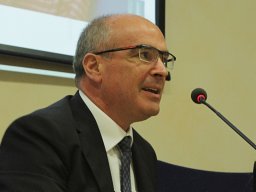 Domenico Benevento合作论文数34
 Giancarlo Palasciano合作论文数33F Speziale合作论文数28A Cappelli合作论文数27Piergiorgio Cao合作论文数24
 Fausto Castriota合作论文数21
 Jean-Baptiste Ricco合作论文数Department of Clinical Research, University of Poitiers;University Hospital of Poitiers21Mangialardi N合作论文数19Alessandro Cappelli合作论文数18
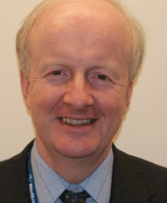 Alun Davies合作论文数Division of Surgery, Department of Surgery & Cancer, Faculty of Medicine, Imperial College London18De Rango Paola合作论文数17
 Jurg Schmidli合作论文数Swiss Cardiovascular Centre, University Hospital Berne17G Palasciano合作论文数16Mariagnese Mele合作论文数16
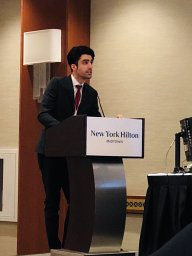 Edoardo Pasqui合作论文数Department of Medicine, Surgery and Neuroscience, University of Siena16Florian Dick合作论文数16Laura Capoccia合作论文数16
 Martin Teraa合作论文数16Nicolas Diehm合作论文数16H. Robert-Ebadi合作论文数16Wassim Mansour合作论文数15Carlo Pratesi合作论文数14
 Francois. Becker合作论文数14Giulia Mazzitelli合作论文数14
 Hans-Henning Eckstein合作论文数Klinik und Poliklinik für Vaskuläre und Endovaskuläre Chirurgie, Technischen Universität München14
 Jan Apelqvist合作论文数14M Giubbolini合作论文数14Ronchey Sonia合作论文数13Marc Bosiers合作论文数13
 Patrizio Castelli合作论文数13Roberto Chiesa合作论文数12Claudia Panzano合作论文数11
 Eugenio Stabile合作论文数11Giovanni Giannace合作论文数11
 Zoltan Szeberin合作论文数Cardiovascular Center, Semmelweis University11
 Bernhard Reimers合作论文数10
 Mario D'Oria合作论文数University Hospital of Trieste, Giuliano Isontina University Health Authority10Matteo Orrico合作论文数10Mauri Lepantalo合作论文数10
 Marc L. Schermerhorn合作论文数Beth Israel Deaconess Medical Center;Department of Surgery, Harvard Medical School10
 Liapis Christos D合作论文数Univ Athens, Attikon Univ Hosp9Michelagnoli Stefano合作论文数9




