Objectives/Goals: To integrate proteomic and metabolomic profiling with genetic literacy and patient experience data to uncover biological mechanisms, community perceptions, and barriers to care in Puerto Ricans affected by Huntington’s disease. Methods/Study Population: We conducted a mixed-methods, multi-omic study combining quantitative proteomic and metabolomic analyses with surveys and interviews exploring genetic literacy and access to care. Participants included patients, first-degree relatives, and controls recruited through PR Huntington Foundation (Fundación Huntington Puerto Rico). Plasma samples were analyzed via mass spectrometry to identify differential protein and metabolite expression associated with CAG repeat length, clinical stage, and symptom burden. Qualitative data captured perceptions of genetics, stigma, and support networks. Results/Anticipated Results: Multi-omic analysis revealed disruptions in energy metabolism, oxidative stress response, and mitochondrial pathways, including altered creatine kinase, apolipoproteins, and kynurenine metabolites. These signatures correlated with CAG repeat length and disease severity. Qualitative findings showed limited genetic literacy, lack of formal counseling, and reliance on community organizations for support. Participants emphasized the need for accessible education and culturally adapted care models. Discussion/Significance of Impact: Integrating omics with community insights highlights both biological and social determinants of disease burden. The findings underscore the significance of equitable precision medicine, culturally grounded education, and community partnerships in enhancing care for underserved Huntington’s disease populations.
Objective:Our understanding of the genetic causes of non-syndromic orofacial clefts (OFCs) is based largely upon genetic studies of common and rare nucleotide variants. Less is known about the role of copy number variations (CNVs) and the studies published to date have been limited to either small samples or targeted genomic regions. The objective of our study is to investigate the contribution of CNVs spread across the entire genome to OFC risk in a large multi-ancestry cohort. Methods:We utilized PennCNV on microarray genotyping data to detect CNVs in 10,240 participants (2,484 with clefts, 7,756 unaffected). 70,695 quality-filtered autosomal CNVs (49,660 deletions, 21,035 duplications) were used to assign normal/abnormal copy number statuses at 67,199 positions from the GRCh37 genome assembly. Genome-wide association was run between cleft status and copy number status. Results:We observed a highly significant association between OFCs and deletions on chromosome 7p14.1 (p=1.32e-35) driven by Central and South American ancestry (p=1.04e-25) participants, with less significant contributions from European (p=3.37e-08) and Asian (p=0.01) ancestry participants. We also observed four other loci with p-values below 10e-04. Conclusion:The 7p14.1 association observed in our study is a replication of two prior studies in independent cohorts of European ancestry. However, this locus lies in a T-cell receptor region that is subject to somatic rearrangements that decrease in frequency with age and may affect genetic association results. Our data show age effects as well as differences between blood and saliva samples. Thus, our results can be interpreted either as supporting a previously established association with orofacial clefts, or as questioning those previous results in favor of a hypothesis about the behavior of somatic rearrangements in T-cell receptor regions.
Van der Woude syndrome (VWS) is an autosomal dominant disorder characterized by lower lip pits and orofacial clefts (OFCs). With a prevalence of ∼1 in 35,000 live births, it is the most common form of syndromic clefting. Most VWS is attributed to variants in IRF6 (∼70%) or GRHL3 (∼5%), leaving up to 25% of individuals without a molecular diagnosis. Both IRF6 and GRHL3 function in a transcriptional regulatory network (TRN) governing differentiation of periderm, a single epithelial cell layer preventing pathological adhesions during palatogenesis. Periderm disruption can elicit a spectrum of phenotypes, including lip pits and OFCs, pterygia, and severe or fatal congenital anomalies. Understanding these mechanisms is vital in improving health outcomes for individuals with peridermopathies. We hypothesized genes encoding members of the periderm TRN, including kinases such as atypical protein kinase C (aPKC) acting upstream of IRF6, could harbor variants resulting in VWS. Consistent with this hypothesis, we identified 7 de novo variants (DNs) and 11 rare variants in PRKCI in 18 individuals with clinical features of syndromic OFCs and peridermopathies. Among the identified DNs, c.1148A>G (p.Asn383Ser) was found in five unrelated individuals, indicating a hotspot mutation. We functionally tested 12 proband-specific alleles in a zebrafish model. Three alleles, c.389G>A (p.Arg130His), c.1148A>G (p.Asn383Ser), and c.1155A>C (p.Leu385Phe), were confirmed loss-of-function variants. We also show that phosphomimetic Irf6 can rescue the effects of aPKC inhibition, supporting placement of PRKCI within this TRN. In summary, we identified PRKCI variants as causative for VWS and syndromic OFC with other features of peridermopathies.
Objectives/Goals: This study explores strategies to engage minority and vulnerable populations, including individuals with disabilities, in genomics research. It addresses the ethical, legal, and social implications (ELSI) of human research, with emphasis on data management and culturally sensitive return of actionable results. Methods/Study Population: This study will utilize a mixed-methods approach, combining quantitative surveys with qualitative interviews and focus groups to gather data from minority populations and individuals with disabilities in genomics research. Key stakeholders, including community leaders and healthcare providers, will be engaged to ensure the study’s design reflects community needs and values. Data management practices will be evaluated to align with ethical standards and community expectations. Additionally, the study will examine how actionable results can be effectively communicated to participants, considering cultural and individual differences. Results/Anticipated Results: Preliminary findings suggest that a one-size-fits-all approach to community engagement in genomic research is ineffective. This research emphasizes the importance of engaging diverse populations from the very beginning of the study to ensure that their voices are heard, and their concerns are adequately addressed. Preliminary data reveal significant variations in how communities perceive genetic research, highlighting the need for culturally tailored communication strategies. The proposed study also identifies key barriers to participation, such as mistrust of the research process and concerns about data privacy, which must be addressed to enhance community engagement. Discussion/Significance of Impact: Successful community engagement in genomic research requires understanding the cultural and social dynamics of the populations involved. Researchers must adopt flexible, community-centered approaches that address the unique needs of minority and vulnerable groups, improving inclusivity and leading to more equitable health outcomes.
In September 2017, Category 4 Hurricane Maria devastated Puerto Rico (PR). This cross‐sectional study evaluated the long‐term mental health outcomes among women who were pregnant during or became pregnant shortly after (i.e., within 3 months) hurricane exposure. The HELiOS Study cohort recruited 187 mother–child dyads. Mothers reported prenatal hurricane‐related experiences (threat, injury, property loss) and completed assessments of posttraumatic stress disorder (PTSD), perceived stress, and depressive symptoms. Maternal probable depression (19.5%), probable PTSD (21.4%), and moderate‐to‐severe stress (66.1%) were prevalent 12–54 months postpartum. Linear regression models showed that property damage/loss predicted depressive, B = 0.290, p = .007, and PTSD symptoms, B = 0.893, p = .001, and injury predicted higher depressive, B = 0.546, p = .039, and PTSD symptoms, B = 1.979, p = .003. Prehurricane depression also predicted higher depressive, B = 1.927, p = .035, and PTSD symptoms, B = 4.628, p = .046, whereas total trauma count was associated with PTSD symptoms, B = 1.905, p = .003, and perceived stress, B = 0.803, p = .007. Mothers interviewed closer to the hurricane were more likely to report PTSD symptoms, B = 5.001, p = .021. Married, B = −10.706, p = .038, and cohabitating women, B = −10.948, p = .035, reported lower perceived stress. Hurricane‐related experiences during pregnancy can have negative long‐term effects on maternal mental health. Single mothers and pregnant women with a history of trauma exposure and/or depression may have a heightened risk of adverse postdisaster mental health outcomes.
Objectives/Goals: Hearing loss (HL) can result from environmental and genetic factors. Some genetic variants may be more prevalent in populations living in geographic or cultural isolation. This study explores the genetic variants associated with HL in Puerto Rico and correlates these with auditory and balance disorders to uncover novel variants. Methods/Study Population: After obtaining individual informed consent and assent for a minor when applicable, we will collect clinical audiological data and biological samples (n = 600) from families across Puerto Rico with a history of severe to profound HL. Genomic DNA will be extracted, and exome and mitochondrial genome sequencing will be conducted to identify causal variants in genes associated with HL. The study will assess the prevalence of both novel and reported variants in genes associated with HL and investigate founder variants in the Puerto Rican population. Involvement of genes so far not associated with HL will also be considered when a genetic diagnosis cannot be established. Auditory phenotypes will be correlated with genetic findings, allowing for a comprehensive analysis of genetic contributions to HL in this population. Results/Anticipated Results: This research will advance understanding of the genetic causes of HL in Puerto Rico, leading to more accurate diagnoses, personalized treatment options, and the discovery of novel genes associated with HL. It will also serve as an evidence-based reference to analyze the adequacy of current neonatal hearing screening protocols in PR. Recruitment and sample collection have begun, and we expect our findings to uncover population-specific variants. These results will provide a foundation for further genetic studies aiming at identifying the causes of HL in Puerto Ricans regardless of age of onset. Discussion/Significance of Impact: This study will enhance our understanding of hereditary HL and serve as a basis for developing population-specific diagnostic tools and interventions, particularly in the Puerto Rican population. The research will support future genetic studies and address health disparities in HL in the island.
Nonsyndromic orofacial clefts (OFCs) are common, heritable birth defects caused by both genetic and environmental risk factors. Despite the identification of many genetic loci harboring OFC-risk variants, there are many unknown genetic determinants of OFC. Furthermore, while the process of embryonic facial development is well characterized, the molecular mechanisms that underly it are not. This represents a major hurdle in understanding how disruptions in these biological processes result in OFC. Thus, we sought to identify novel OFC-risk loci through a genome-wide multi-ancestry study of five nested OFC phenotypes (isolated cleft lip [CLO], isolated cleft palate [CPO], cleft lip and palate [CLP], cleft lip with/without cleft palate [CL/P], and any cleft [ANY]) representing distinct cleft subtypes to identify subtype-specific signals and grouped types to maximize power to detect shared genetic effects. We performed genome-wide meta-analyses of these five OFC phenotypes from three cohorts totaling >14,000 individuals using METAL. In addition to replicating 13 known OFC-risk loci, we observed novel association in three regions: the 1p36.32 locus (lead variant rs584402, an intergenic variant, pCLO = 3.14e-8), the 7q33 locus (lead variant rs17168118, an intronic variant in CALD1, pCLP = 9.17e-9), and the 16p13.3 locus (lead variant rs77075754, an intronic variant in RBFOX1, pCL/P = 1.53e-9, pANY = 1.93e-9). We also observed a novel association within the known risk locus 8q22.1 that was independent of the previously reported signal (lead variant rs4735314, an intronic variant in ESRP1, pCLP = 1.07e-9, pCL/P = 3.88e-8). Next, we performed multi-tissue TWAS with s-MulTiXcan and identified four overlapping genes with significant genetically predicted transcription associated with OFC risk. These genes also overlapped the genome-wide significant association signals from the meta-analysis, including CALD1 and ESRP1 and known OFC-risk genes TANC2 and NTN1. Each of the newly reported loci has potential regulatory effects, including evidence of craniofacial enhancer activity, that offer new clues as to the molecule mechanisms underlying embryonic facial development.
De novo variants (DNs) are sporadically occurring variants found in an offspring but absent in both parents. DNs most commonly arise in the germline and are not under selective pressure; therefore, they may be enriched for disease-causing alleles. In fact, DNs have been implicated in multiple rare genetic disorders. Cleft palate (CP) is a craniofacial congenital anomaly occurring in ∼1 in 1,700 live births. Genome-wide association studies have found fewer than a dozen CP-specific loci, while exome and targeted sequencing studies in family-based and case-control cohorts often lack statistical power to conclusively identify causal variants. We therefore hypothesized that CP probands would be enriched for protein-altering DNs, which may explain the relative dearth in discovery. A complicating factor in understanding CP, however, is its phenotypically heterogeneous nature. As such, we aggregated sequence data for 818 trios with CP representing a combination of subtypes and isolated and syndromic presentations. We identified global enrichment of protein-altering DNs (1.48, p = 1.28 × 10⁻²⁸) and exome-wide-significant (p < 1.3 × 10⁻⁶) gene-specific enrichment for SATB2, MEIS2, COL2A1, ZC4H2, EFTUD2, KAT6B, and ANKRD11. We found a statistically significant higher enrichment of protein-altering DNs in syndromic (1.70, p = 6.95 × 10⁻²⁶) versus nonsyndromic (1.31, p = 8.51 × 10⁻⁸) probands but no differences between subtypes. We explored differences in gene-specific enrichment, finding some unique to syndromic probands (ZC4H2) or nonsyndromic probands (IRF6), as well as some shared between groups (SATB2). Altogether, we show that DNs are a contributor to CP risk and that combined analysis can enhance our ability to find genetic associations that would otherwise be undetected.
De novo variants (DNs) are sporadically occurring variants that most commonly arise in the germline and are present in offspring but absent in both parents. As they are not under selective pressure, they may be enriched for disease-causing alleles and have been implicated in multiple rare genetic disorders. Cleft palate (CP) is a common craniofacial congenital anomaly occurring in ~1 in 1700 live births. Genome-wide association studies for CP have found fewer than a dozen loci, while exome and targeted sequencing studies in family-based and case-control cohorts often lack statistical power to conclusively identify causal genes. Based on previous work by our group and others, deciphering the genetic architecture of CP and gene discovery efforts are complicated by the heterogeneous nature of the disorder. We aggregated sequence data for 816 case-parent trios with CP, representing all subtypes of CP and roughly evenly split between isolated and syndromic presentations. We hypothesized there would be a burden of DNs in CP probands and tested this hypothesis in the full cohort and various phenotypic subgroupings. We identified global enrichment of protein-altering DNs (1.36, p=2.39×10⁻²²), and exome-wide significant (p<1.3×10⁻⁶) gene-specific enrichment for SATB2, MEIS2, COL2A1, ZC4H2, EFTUD2, KAT6B, and ANKRD11. We found a statistically significant higher enrichment of loss-of-function and missense DNs in syndromic (1.49, p=2.84×10⁻¹⁹) versus nonsyndromic probands (1.25, p=4.01×10⁻⁷) but no differences between CP subtypes. We also evaluated biological differences, identifying distinct enrichments across two single cell RNA sequencing datasets: mouse palate at the time of palate fusion and human embryos at post-conceptional weeks 3-5. Altogether, we show DNs are a contributor to CP risk, and that combined analysis can enhance our ability to find genetic associations that would otherwise be undetected.
Non-syndromic orofacial clefts (NSOC) are common craniofacial birth defects, and result from both genetic and environmental factors. NSOC include three major sub-phenotypes: non-syndromic cleft lip with palate (NSCLP), non-syndromic cleft lip only (NSCLO) and non-syndromic cleft palate only (NSCPO), NSCLP and NSCLO are also sometimes grouped as non-syndromic cleft lip with or without cleft palate (NSCL/P) based on epidemiology. Currently known loci only explain a limited proportion of the heritability of NSOC. Further, differences in genetic susceptibility among the sub-phenotypes are poorly characterized. We performed a multi-ancestry GWAS meta-analysis on 44,094 individuals (9,381 cases, 28,510 controls, 2042 case-parent trios and 18 multiplex pedigrees) of East Asian, European, Latin and South American, and African ancestry for both NSOC and subtypes. We identified 50 loci, including 11 novel loci: four loci ( CALD1 , SHH , NRG1 and LINC00320 ) associated with both NSOC and NSCL/P, two loci ( NTRK1 and RUNX1 ) only associated with NSOC, four loci ( HMGCR , PRICKLE1 , SOX9 and MYH9 ) only associated with NSCL/P and one locus ( ALX1 ) specifically associated with NSCLO. Five of the novel loci are located in regions containing genes associated with syndromic orofacial clefts ( SHH , NTRK1, CALD1, ALX1 and SOX9 ); seven of the novel loci are located in regions containing genes-implicated in craniofacial development ( HMGCR, SHH, PRICKLE1, ALX1, SOX9, RUNX1, MYH9 ). Genetic correlation and colocalization analyses revealed an overlap between signals associated with NSCLO, NSCPO and NSCLP, but there were also notable differences, emphasizing the complexity of common and distinct genetic processes affecting lip and palate development.
OBJECTIVES/GOALS: Motivations and hesitations about participating in genetic research among those at risk of inherited conditions are unclear. We aim to understand perceptions, perspectives, and concerns of these individuals regarding genetic research studies, especially for hard-to-diagnose diseases. METHODS/STUDY POPULATION: Mix method study of 150 Hispanics individuals in Puerto Rico (PR) at risk for in heriting a condition. These individuals, with limited diagnostic data, are attending genetics clinics or invited to a genetics study at the University of Puerto Rico Medical Sciences Campus. Structured surveys and interviews will be conducted. Surveys will gauge general perceptions and feelings toward genetic research, while interviews will provide a deeper understanding of participants’ personal narratives and experiences. All sessions will be recorded, transcribed, and analyzed using NVivo qualitative analysis software. Thematic analysis will be employed to identify recurring themes and sentiments. RESULTS/ANTICIPATED RESULTS: Weanticipatevaried responses: some enthusiastic about genetic research benefits, others having reservations due to privacy, cultural beliefs, or past experiences. A significant portion may express concerns about genetic research’s impact on insurance and potential discrimination. We also expect to uncover systemic challenges that hinder participation among Hispanics living in PR, such as a lack of information or misconceptions about genetic research. This study will overview factors, both encouraging and inhibitory, influencing decisions to join genetic research. Quantitative genetic literacy survey data will undergo descriptive analysis and multivariate logistic regression. DISCUSSION/SIGNIFICANCE: Hispanics in PR exhibit a rich tapestry of genetic variations being a focal point for genetic research. Understanding perceptions is vital among those at risk for inherited conditions. Insights can shape outreach and education strategies, ensuring participants are informed, concerns met, and empowered to make decisions alignined their views.
Structural birth defects affect 3-4% of all live births and, depending on the type, tend to manifest in a sex-biased manner. Orofacial clefts (OFCs) are the most common craniofacial structural birth defects and are often divided into cleft lip with or without cleft palate (CL/P) and cleft palate only (CP). Previous studies have found sex-specific risks for CL/P, but these risks have yet to be evaluated in CP. CL/P is more common in males and CP is more frequently observed in females, so we hypothesized there would also be sex-specific differences for CP. Using a trio-based cohort, we performed sex-stratified genome-wide association studies (GWAS) based on proband sex followed by a genome-wide gene-by-sex (GxS) interaction testing. There were 13 loci significant for GxS interactions, with the top finding in LTBP1 (RR=3.37 [2.04 - 5.56], p=1.93x10⁻⁶). LTBP1 plays a role in regulating TGF-B bioavailability, and knockdown in both mice and zebrafish lead to craniofacial anomalies. Further, there is evidence for differential expression of LTBP1 between males and females in both mice and humans. Therefore, we tested the association between the imputed genetically regulated gene expression of genes with significant GxS interactions and the CP phenotype. We found significant association for LTBP1 in cell cultured fibroblasts in female probands (p=0.0013) but not in males. Taken altogether, we show there are sex-specific risks for CP that are otherwise undetectable in a combined sex cohort, and LTBP1 is a candidate risk gene, particularly in females.
OBJECTIVE:Torus Palatinus (TP) is a common trait with an unclear aetiology. Although prior studies suggest a hereditary component, the genetic factors that influence TP risk remain unknown. The purpose of this study is to identify genetic variants associated with TP. MATERIALS AND METHODS:We assessed the TP status of 829 individuals from various ancestral backgrounds using 3D palate scans. We then carried out a genome-wide association study (GWAS) to identify common variants associated with TP. We also performed gene-based tests across the exome to investigate the role of low-frequency coding variants. RESULTS:Our GWAS did not identify any genome-wide significant signals but identified suggestive associations including hits on chromosomes 2, 5 and 17 with p-values less than 5 × 10⁻⁶. Candidate genes at these suggestive loci have been implicated in normal-range craniofacial features, syndromes with facial and oral malformations, and bone density. We did not find evidence that low-frequency coding variants influence TP risk. In addition, we failed to replicate associations identified in prior genetic studies of TP. CONCLUSION:These findings suggest that multiple genes likely influence the development of TP. Independent replication will be required to confirm our suggestive associations.
The recent COVID-19 global emergency may have ripple effects on mental health of many people worldwide. This is especially true for populations like birthing and postpartum women where many changes to daily routines, access to medical care, work-related routines and socialization were experienced. This brief report presents data from an ongoing cohort study aiming to describe maternal mental health of mothers followed in Puerto Rico. 47 out of 100 mothers have been recalled and assessed with psychosocial interviews (COPE-IUS) and assessments of anxiety (GAD-7) and depression (PHQ-9). Paired t-test revealed mean scores of depressions (PHQ-9) were significantly higher for T2 with a mean of 6.35 and a range of 4.4+/- than for T1 where mean was 5.15 (+/- 2.9), t=-1.954, df=45, p<.05. Similarly, anxiety scores (GAD-7) were significantly higher in T2 6.67 (4.2) than for T1 5.35 (3.7), t=-1.8, df=45, p<.05. Also, COPE-IUS Post-pandemic psychosocial interview results evidence that 80% of mothers do not feel the COVID-19 pandemic is a significant stressor at T2 and are able to maintain routine activities with no social distancing measures. However, reports of loneliness, sadness, worry, and fear continue to be present. Our findings point to the need to further identify other contributing factors to the deterioration of maternal mental health during the perinatal/peripartum period (pregnancy, birth, and postpartum) in Puerto Rico. Possibly the effects of repeated adversity that has been present in the island (multiple environmental stressors, history of traumatic experiences, and constant hardships) may all have cumulative impact over maternal mental health during the perinatal/peripartum period.
OBJECTIVES/GOALS: Evaluate the impact of COVID-19 on oral clefts services including surgical and dental treatments in Puerto Rico. METHODS/STUDY POPULATION: This Observational retrospective cohort study will consider patients 0-21 y/o with CL/P that visited the UPR school of Dental Medicine, Pediatric University Hospital Dr. Antonio Ortiz and ongoing case-control research project Face-Genes. Records to be used are classified as follow: Pandemic (March 15, 2020 to March 15 2022) Pre-pandemic (March 15, 2015 to March 15, 2017) Power analysis (power=0.80 alpha=0.05) will be calculated. Unavailable and incomplete medical records and those that did not attended study clinic during study period will be excluded. Data extraction instrument will be based on previous published study. Descriptive statistics, Chi-square, Odds Ratios at 95% confidence intervals and multiple logistic regression will be estimated. RESULTS/ANTICIPATED RESULTS: We hypothesize that surgical and dental services in Puerto Rico will be adversely impacted because of COVID-19 pandemic. DISCUSSION/SIGNIFICANCE: CL/P are common congenital diseases that require early interdisciplinary attention. Lack of timely care as well as surgery and treatment delays, could be associated with poorer prognosis, increased morbidity and mortality. If there is high risk of dh services during emergency situations, our findings will help to allocate the available resources
This Viewpoint discusses mental health outcomes associated with natural disaster–related stressors during the perinatal period.
Cleft palate (CP) is one of the most common craniofacial birth defects; however, there are relatively few established genetic risk factors associated with its occurrence despite high heritability. Historically, CP has been studied as a single phenotype, although it manifests across a spectrum of defects involving the hard and/or soft palate. We performed a genome-wide association study using transmission disequilibrium tests of 435 case-parent trios to evaluate broad risks for any cleft palate (ACP) (n = 435), and subtype-specific risks for any cleft soft palate (CSP), (n = 259) and any cleft hard palate (CHP) (n = 125). We identified a single genome-wide significant locus at 9q33.3 (lead SNP rs7035976, p = 4.24 x 10(-8)) associated with CHP. One gene at this locus, angiopoietin-like 2 (ANGPTL2), plays a role in osteoblast differentiation. It is expressed both in craniofacial tissue of human embryos and developing mouse palatal shelves. We found 19 additional loci reaching suggestive significance (p < 5 x 10(-6)), of which only one overlapped between groups (chromosome 17q24.2, ACP and CSP). Odds ratios for the 20 loci were most similar across all 3 groups for SNPs associated with the ACP group, but more distinct when comparing SNPs associated with either subtype. We also found nominal evidence of replication (p < 0.05) for 22 SNPs previously associated with orofacial clefts. Our study to evaluate CP risks in the context of its subtypes and we provide newly reported associations affecting the broad risk for CP as well as evidence of subtype-specific risks.
OBJECTIVES/GOALS: Diagnostic odyssey is the time it can take to a patient for receiving a diagnosis. Diagnostic process in rare diseases can be complex due to the heterogeneity of symptoms and lack of access to care. We aim to evaluate the association between diagnostic odyssey, perceived stress, and access to care, in parents of Puerto Rican patients with a rare disease. METHODS/STUDY POPULATION: We propose a cross-sectional study in parents of 100 children who received an uninformative whole exome sequencing (WES) report during a scheduled appointment with their geneticist. Discussion of WES results during clinical session, followed by a Perceived Stress Scale (PSS-10) and semi-structured interview to explore the experience of access to care during the diagnostic process will be arranged. Observation and interviews will be recorded. Data analysis and descriptive statistics will be calculated using STATA. Statistical associations (OR) will be estimated using generalized linear models at a 5% significance level. RESULTS/ANTICIPATED RESULTS: We expect to find high perceived stress in parents of Puerto Rican pediatric individuals having rare diseases, especially among single mothers. We will be able to identify limited access to care in Puerto Rico, especially in the testing pre-authorization process and long waits for geneticist appointments. Demand for advanced diagnostics is above the number of medical geneticists available in Puerto Rico, which triggers delayed diagnosis, management, and counseling. Therefore, these could affect the health disparities in our population with rare diseases. DISCUSSION/SIGNIFICANCE: This descriptive study will evaluate perceived stress in parents of pediatric patients living a diagnostic odyssey in Puerto Rico. No study has described perceived stress and access to care in this Hispanic population with undiagnosed conditions. Findings will contribute to a deep understanding of diagnostic process and limited access to care.
AbstractIntroductionThe frequency and implications of secondary findings (SFs) from genomic testing data have been extensively researched. However, little is known about the frequency or reporting of SFs in Africans, who are underrepresented in large‐scale population genomic studies. The availability of data from the first whole‐genome sequencing for orofacial clefts in an African population motivated this investigation.MethodsIn total, 130 case‐parent trios were analyzed for SFs within the ACMG SFv.3.0 list genes. Additionally, we filtered for four more genes (HBB, HSD32B, G6PD and ACADM).ResultsWe identified 246 unique variants in 55 genes; five variants in four genes were classified as pathogenic or likely pathogenic (P/LP). The P/LP variants were seen in 2.3% (9/390) of the subjects, a frequency higher than ~1% reported for diverse ethnicities. On the ACMG list, pathogenic variants were observed in PRKAG (p. Glu183Lys). Variants in the PALB2 (p. Glu159Ter), RYR1 (p. Arg2163Leu) and LDLR (p. Asn564Ser) genes were predicted to be LP.ConclusionThis study provides information on the frequency and pathogenicity of SFs in an African cohort. Early risk detection will help reduce disease burden and contribute to efforts to increase knowledge of the distribution and impact of actionable genomic variants in diverse populations.
Hurricane Maria was the worst recorded natural disaster to affect Puerto Rico. Increased stress in pregnant women during and in the aftermath of the hurricane may have induced epigenetic changes in their infants, which could affect gene expression. Stage of gestation at the time of the event was associated with significant differences in DNA methylation in the infants, especially those who were at around 20–25 weeks of gestation when the hurricane struck. Significant differences in DNA methylation were also associated with maternal mental status assessed after the hurricane, and with property damage. Hurricane Maria could have long lasting consequences to children who were exposed to this disaster during pregnancy.
 Mary L. Marazita合作论文数Department of Oral and Craniofacial Sciences, School of Dental Medicine, University of Pittsburgh26
 Seth Weinberg合作论文数Center for Craniofacial and Dental Genetics, School of Dental Medicine, University of Pittsburgh;Department of Oral and Craniofacial Sciences, School of Dental Medicine, University of Pittsburgh23
 Azeez Butali合作论文数Department of Oral Pathology, Radiology and Medicine, College of Dentistry and Dental Clinics, University of Iowa;Dows Research Institute, College of Dentistry and Dental Clinics, University of Iowa;The National Institutes of Health22
 Jacqueline T. Hecht合作论文数Department of Pediatrics, McGovern Medical School, The University of Texas Health Science Center at Houston;Pediatric Research Center, The University of Texas Medical School at Houston19
 Jeff C. Murray合作论文数Department of Pediatrics, Graduate College, University of Iowa;Medical Research Center, The University of Iowa;Roy J. and Lucille A. Carver College of Medicine, The University of Iowa19
 Carmencita Padilla合作论文数National Institutes of Health, University of the Philippines Manila19
 John R. Shaffer合作论文数Graduate School of Public Health, University of Pittsburgh18
 Ieda M Orioli合作论文数16Wehby George L合作论文数Dept Hlth Management & Policy, Univ Iowa15
 Leslie Elizabeth合作论文数14
 Wasiu Lanre Adeyemo合作论文数Dept Oral & Maxillofacial Surg, Univ Lagos13
 Alexandre Vieira合作论文数School of Dental Medicine, East Carolina University13Eleanor Feingold合作论文数12Uribe Lina M Moreno合作论文数11Frederic W-B Deleyiannis合作论文数11Poletta Fernando A合作论文数10
 Carlson Jenna C合作论文数Graduate School of Public Health, University of Pittsburgh10
 Kaare Christensen合作论文数University of Southern Denmark10
 Terri Hagan Beaty合作论文数Division of Genetic Epidemiology, Bloomberg School of Public Health, Johns Hopkins University;Department of Epidemiology, Bloomberg School of Public Health, Johns Hopkins University;Department of Biostatistics, Bloomberg School of Public Health, Johns Hopkins University;Center for Global Health, Johns Hopkins University9Lina M. Moreno合作论文数9Katherine Neiswanger合作论文数7Claudia P Restrepo Muñeton合作论文数7Consuelo Valencia-Ramirez合作论文数7Leigh Field合作论文数Department of Medical Genetics, Faculty of Medicine, The University of British Columbia7
 Mekonen Eshete合作论文数5Elías-Boneta Augusto R合作论文数5Eduardo E. Castilla合作论文数5Nandita Mukhopadhyay合作论文数Graduate School of Public Health, University of Pittsburgh5
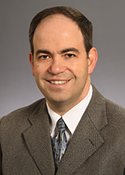 Michael P. Epstein合作论文数Department of Human Genetics, Emory University5
 Ross Long合作论文数5Luz Consuelo Valencia-Ramirez合作论文数4Carla Sanchez合作论文数4Brian J Howe合作论文数4
 Lord Jephthah Joojo Gowans合作论文数Dept Biochem & Biotechnol, Kwame Nkurumah Univ Sci & Technol4
 Evangelia Morou-Bermudez合作论文数4Psoter Walter J合作论文数4
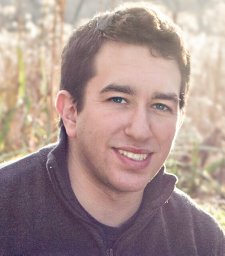 Harrison Brand合作论文数Molecular Neurogenetics Unit and;Center for Human Genetic Research, Massachusetts General Hospital;Departments of Neurology and;Center for Human Genetic Research, Massachusetts General Hospital4Douglas E. Morse合作论文数4Karen G. Martinez-Gonzalez合作论文数3Kelsey Robinson合作论文数3Beth Emanuele合作论文数3
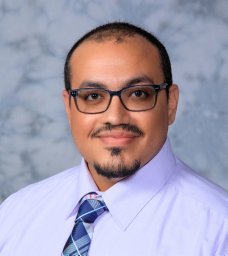 Ahmed M El Sergani合作论文数Dept Oral Biol, Univ Pittsburgh3
 Peter Anthony Mossey合作论文数3
 Kim Floy Doheny合作论文数Department of Genetic Medicine, School of Medicine, The Johns Hopkins University;McKusick-Nathans Institute of Genetic Medicine, The Johns Hopkins University;Center for Inherited Disease Research, The Johns Hopkins University3
 Alberto S Cornier合作论文数3
 Braimah Ramat Oyebunmi合作论文数Department of Oral and Maxillofacial Surgery, Obafemi Awolowo University Teaching Hospital3
 Gary M. Shaw合作论文数Department of Pediatrics, Stanford University3Olutayo James合作论文数Department of Oral and Maxillofacial Surgery, Lagos University Teaching Hospital3Karen G. Martinez合作论文数2




